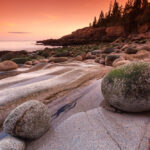
There’s something truly spiritual about standing on the edge of the Grand Canyon as the first light of day hits the rim, or watching the mist dance through the ancient redwoods. In the United States, we are incredibly lucky to have 63 protected National Parks, each offering a unique canvas for landscape photographers. Whether you are a seasoned pro or just starting out, these parks represent the gold standard for landscape photography locations.
This guide is the start of a massive journey. We are launching a comprehensive series covering every single one of the 63 parks. Our goal is to give you the exact coordinates, the best times to shoot, and the technical tips you need to walk away with a portfolio-worthy shot. If you want to see how these shots look in a professional gallery setting, be sure to check out the fine art collections at www.edinfineart.com.
Why the National Parks Are a Photographer's Dream
The US National Park system is diverse. You have the sub-tropical swamps of the Everglades, the towering granite cathedrals of Yosemite, and the volcanic wonders of Hawaii. For a photographer, this means you can practice almost every style of landscape work without ever leaving the country.
However, success in these parks isn't just about showing up. It’s about planning. From permits to weather windows, there’s a lot to manage. That’s why we’ve built this resource: to take the stress out of the logistics so you can focus on the light. If you’re looking for more inspiration and deep dives into specific trips, www.blog.edinchavez.com is a great place to see the behind-the-scenes of these adventures.
Essential Gear for the Great Outdoors
Before we dive into the specific parks, let’s talk about the kit. You don’t need the most expensive camera in the world, but you do need the right tools for the environment.
- A Sturdy Tripod: You cannot capture the "blue hour" or long exposures of waterfalls without one. In windy parks like Death Valley or Arches, a flimsy tripod will result in blurry shots.
- Wide-Angle Lens: For those sweeping vistas at the Grand Canyon or Zion, a 16-35mm lens is your best friend.
- Telephoto Lens: Don’t sleep on the 70-200mm. It’s perfect for compressing mountain ranges or picking out details in the rock formations.
- Filters: A Circular Polarizer is non-negotiable for removing glare from water and making clouds pop.
For a full breakdown of what I carry in my bag, take a look at our guide on essential photography gear.
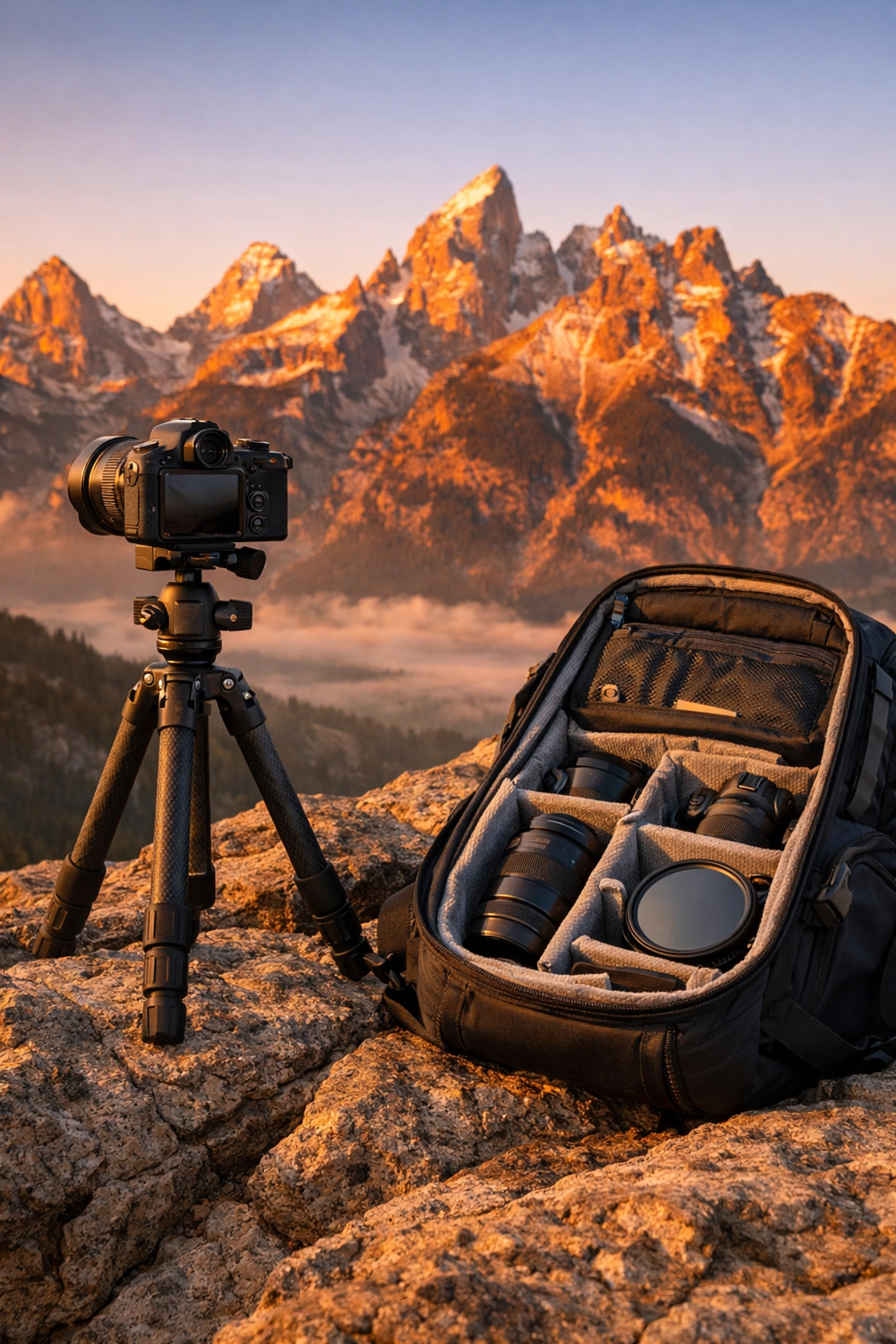
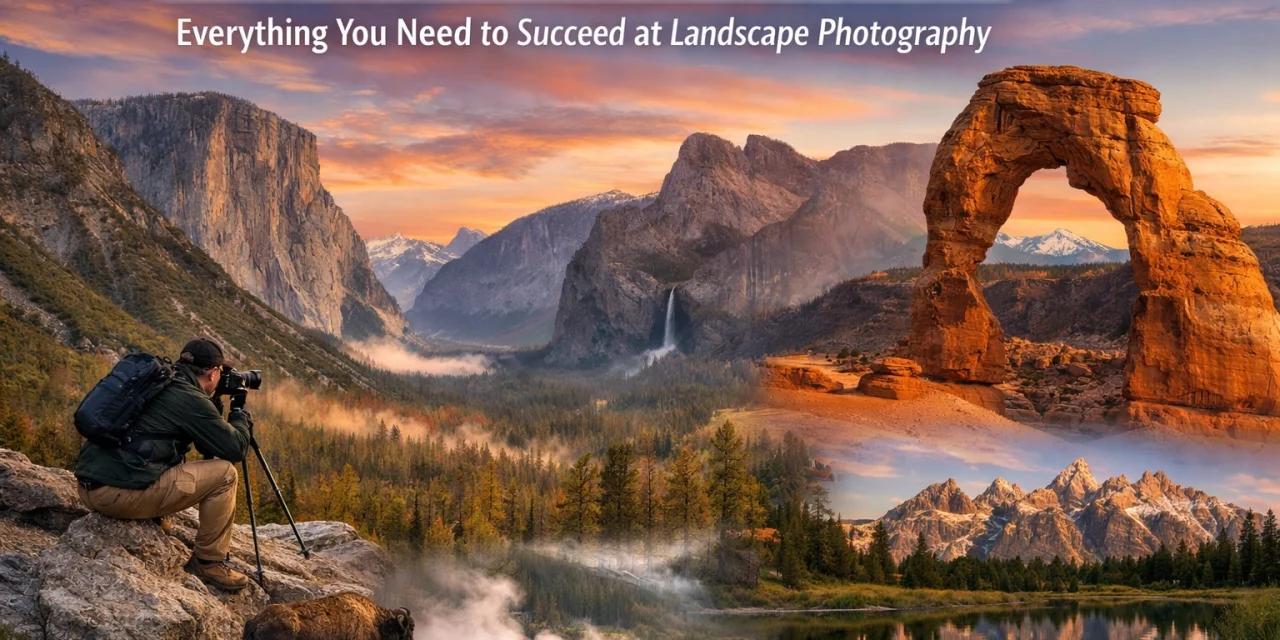
Alt Text: A professional landscape photography setup featuring a mirrorless camera on a tripod overlooking a mountain range during golden hour.
The Icons: Where to Start Your Journey
If you’re just starting your National Park tour, there are a few "heavy hitters" that every landscape photographer should visit. These are the best photography locations because they offer high-reward shots with relatively easy access.
Yosemite National Park, California
Yosemite is arguably the birthplace of modern landscape photography. From Tunnel View to the reflections in the Merced River, it’s a park that demands your attention.
- Pro Tip: Capture the "Firefall" at Horsetail Fall in late February if you want a true challenge, but be prepared for the crowds.
- Best Sunrise Spot: Glacier Point provides an unparalleled view of Half Dome.
Zion National Park, Utah
The red cliffs of Zion are a masterclass in color theory. The contrast between the orange sandstone and the blue sky is a photographer’s dream.
- Key Location: The Watchman from the Canyon Junction Bridge at sunset.
- Challenge: Hiking The Narrows for unique river-level compositions.
Grand Canyon National Park, Arizona
The scale of the Grand Canyon is hard to wrap your head around, let alone a camera lens.
- Best Sunrise Spot: Mather Point or Hopi Point. The way the light creeps into the crevices of the canyon is magical.
Chasing the Light: Sunrise vs. Sunset
In landscape photography, the quality of light is everything. Most of the parks look "fine" at noon, but they look "divine" at the edges of the day.
The Golden Hour: This is the hour after sunrise and the hour before sunset. The light is soft, warm, and creates long shadows that give your images depth. This is when you want to be at your primary location, camera on the tripod, ready to go.
The Blue Hour: Don’t pack up as soon as the sun dips below the horizon! The 20-30 minutes after sunset provide a cool, moody light that is perfect for capturing the soul of a landscape. It's often the best time for "reassuring" images that feel calm and serene.
For those looking to level up their post-processing to match these lighting conditions, check out our educational category for tutorials on editing.
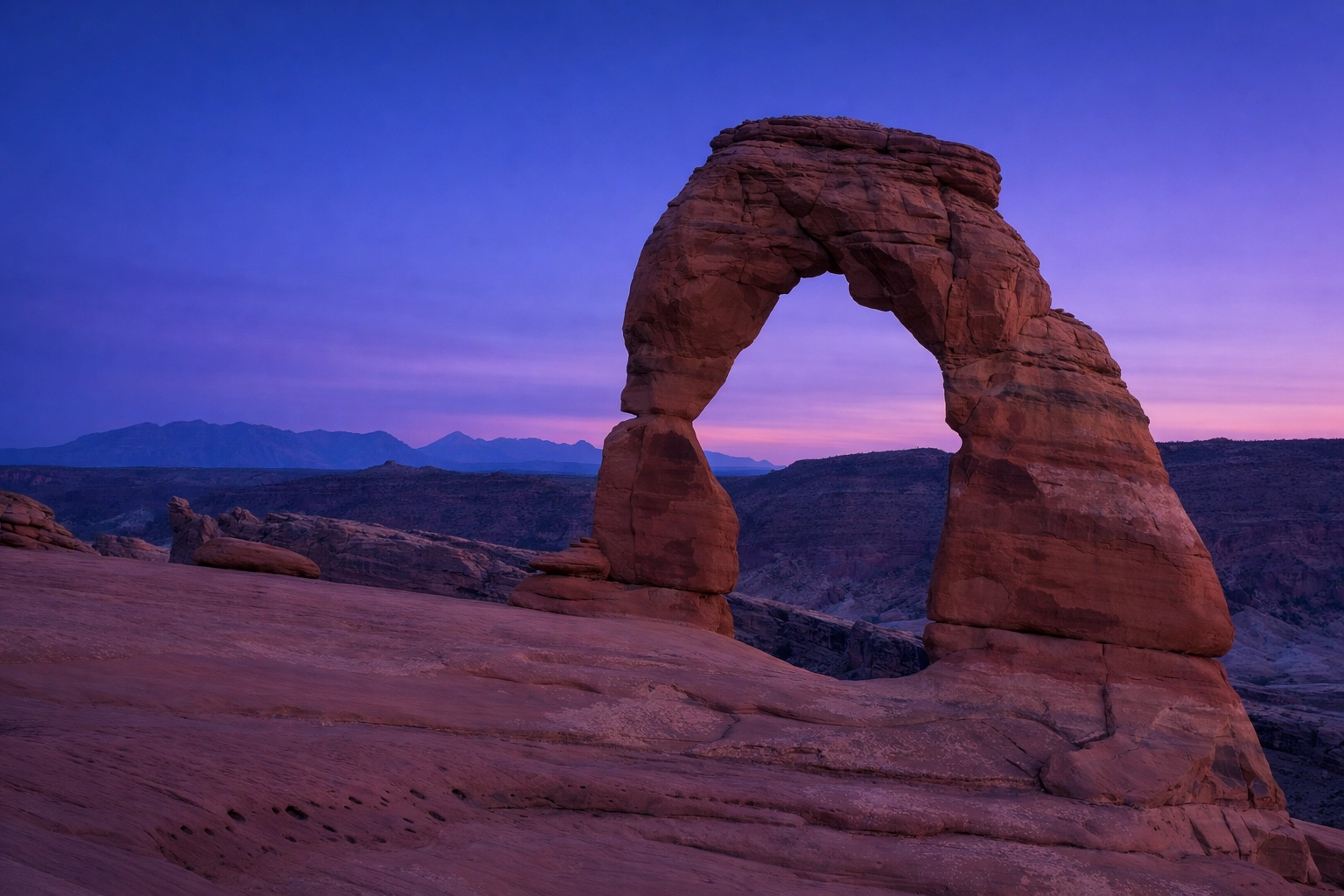
Alt Text: A breathtaking landscape photo of a desert arch during the blue hour with soft purple and blue tones in the sky.
Hidden Gems for the Quiet Photographer
While the big parks are famous for a reason, they can be crowded. If you want a more solitary experience, there are 63 parks to choose from, and some of the best landscape photography locations are the ones people overlook.
- Great Basin National Park (Nevada): Home to ancient Bristlecone pines and some of the darkest night skies in the lower 48. It’s a dream for astrophotographers.
- Isle Royale National Park (Michigan): A remote island in Lake Superior. You’ll need a ferry to get there, but the rugged coastline and potential for moose sightings are worth it.
- Congaree National Park (South Carolina): One of the largest intact expanses of old-growth bottomland hardwood forest. The reflections in the swamp water are hauntingly beautiful.
If you are planning a quick trip to find some of these lesser-known spots, our list of cheap weekend getaways might give you some ideas on how to travel on a budget.
Scouting and Preparation
I can't stress this enough: scout your locations. Use apps like PhotoPills or The Photographer’s Ephemeris to see exactly where the sun will rise and set. When I’m preparing for a shoot that will eventually end up on www.edinfineart.com, I often spend a full day just walking the trails without my camera. I’m looking for leading lines, interesting foreground elements, and how the light moves across the terrain.
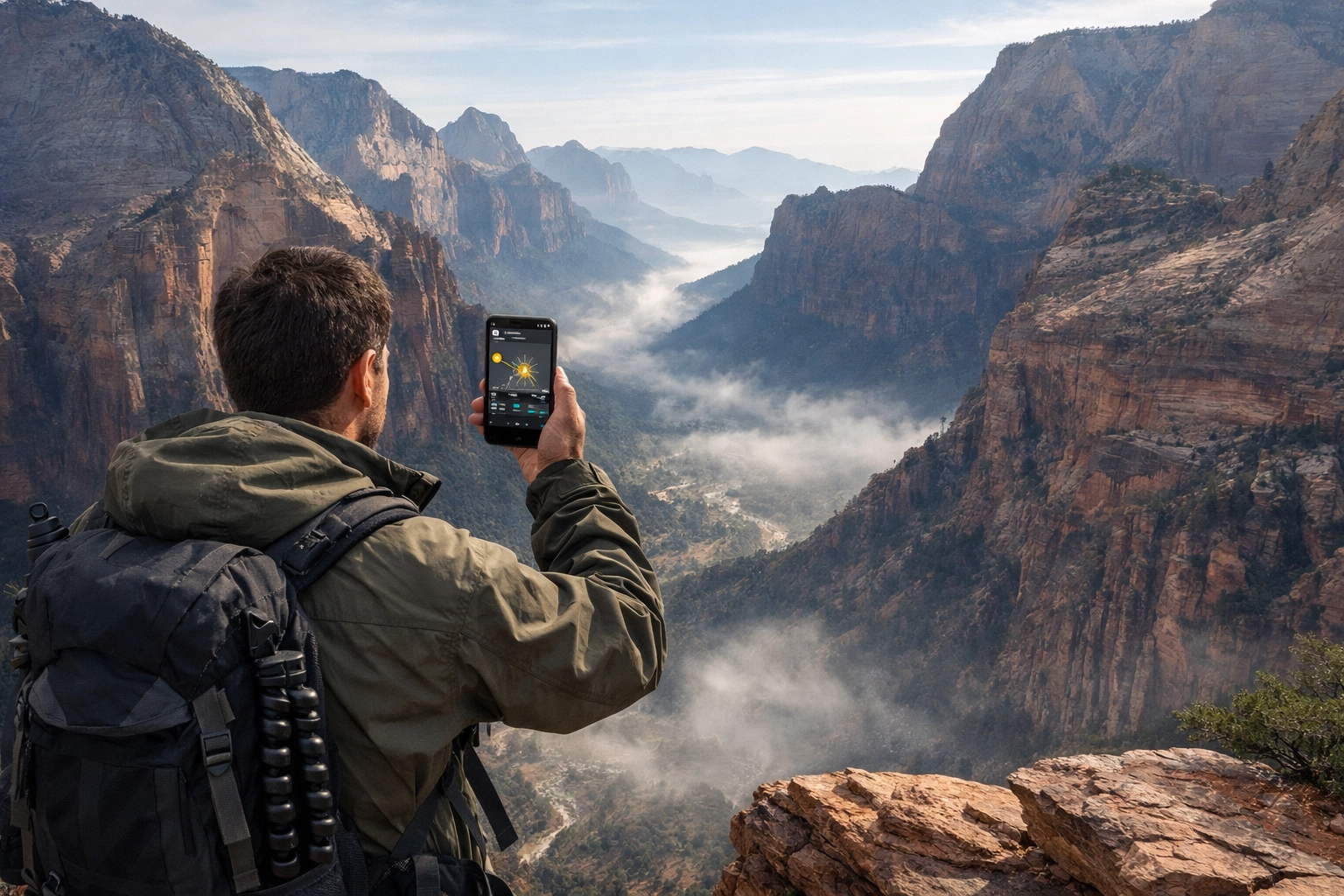
Alt Text: A photographer standing on a rocky outcrop using a smartphone app to scout the sun's position over a valley.
Respecting the Land: Leave No Trace
As photographers, we have a responsibility to protect the places we shoot. The National Parks are under more pressure than ever before. Always stay on marked trails, never harass wildlife for a "better shot," and follow the Leave No Trace principles.
The goal is to capture the beauty of the park so that the next generation of photographers can do the same. We want our grandkids to be able to stand in the same spot at Acadia National Park and see the same best sunrise spots that we see today.
Technical Mastery: Composition and Settings
To succeed at landscape photography, you need to move beyond "Auto" mode.
- Aperture: Generally, you want to stay between f/8 and f/11 for maximum sharpness across the frame.
- ISO: Keep it as low as possible (ISO 100) to avoid noise, which is why that tripod we mentioned earlier is so important.
- Composition: Look for "Leading Lines": a river, a path, or a fallen log that leads the viewer's eye into the frame.
If you're feeling overwhelmed by the technical side, don't worry. We’ve all been there. You can browse our camera reviews to find gear that makes the process more intuitive.
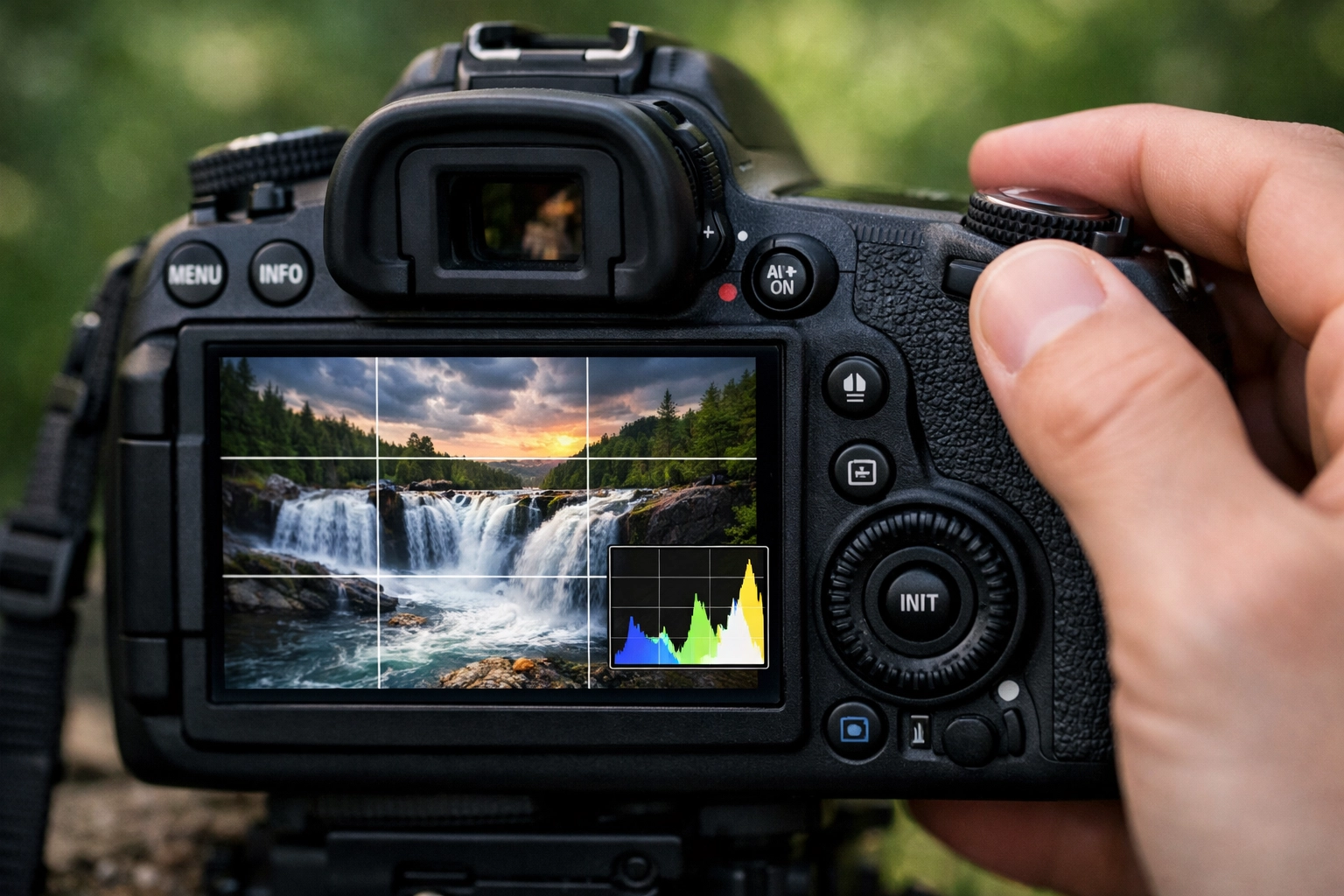
Alt Text: A detailed close-up of a camera screen showing a histogram and grid lines used for composing a landscape shot.
Joining the Community
Photography is better when shared. This guide is just the beginning of our deep dive into all 63 parks. Each subsequent post in this series will focus on a specific park, providing a granular look at the trails and viewpoints that will make your trip a success.
We want to hear from you, too. What's your favorite park? Which one is at the top of your bucket list? If you’re looking to join a community of like-minded creators, check out the photography booking experience to see how you can learn on the ground with pros.
For more personal stories from the trail and updates on this 63-park series, keep an eye on www.blog.edinchavez.com. We’ll be sharing maps, gear lists, and the "oops" moments that happen to even the best of us.
Final Thoughts
The US National Parks are a gift. They are places of restoration, inspiration, and immense beauty. Whether you’re shooting the jagged peaks of the Grand Tetons or the quiet forests of the Great Smokies, remember to take a moment to step away from the viewfinder. Breathe the air, hear the wind, and appreciate the scale of the world around you.
Landscape photography is a marathon, not a sprint. Take your time, plan your shots, and we’ll see you out there on the trails. Grab your gear, check your batteries, and let’s get started on the journey through all 63 National Parks. Your best shot is still out there waiting for you.