
There is something deeply spiritual about standing on the edge of a canyon or watching the morning mist roll through an ancient forest. For landscape photographers, the US National Parks are more than just protected land; they are the ultimate playgrounds. From the jagged peaks of the Tetons to the swampy mysteries of the Everglades, these 63 parks offer a lifetime of inspiration.
Whether you are a seasoned pro or just picking up your first camera, capturing the essence of these wild places requires a mix of technical skill, patience, and a bit of inside knowledge. In this comprehensive guide, we’re going to look at what it takes to succeed in landscape photography across the entire National Park system. This is the first step in our massive series where we will dive deep into every single park, one by one.
Why the National Parks are a Photographer’s Dream
The United States has an incredible diversity of ecosystems. You can be photographing sub-zero glaciers in Alaska one week and sun-scorched sand dunes in Death Valley the next. This diversity makes the National Parks the best photography locations in the world.
When I first started shooting, I felt overwhelmed by the scale of these places. It’s easy to get lost in the "grand landscape," but the beauty of these parks is that they offer everything from wide-angle vistas to intimate macro shots of wildflowers. To really see what is possible, I always recommend checking out my gallery at www.edinfineart.com to see how these landscapes can be transformed into fine art.
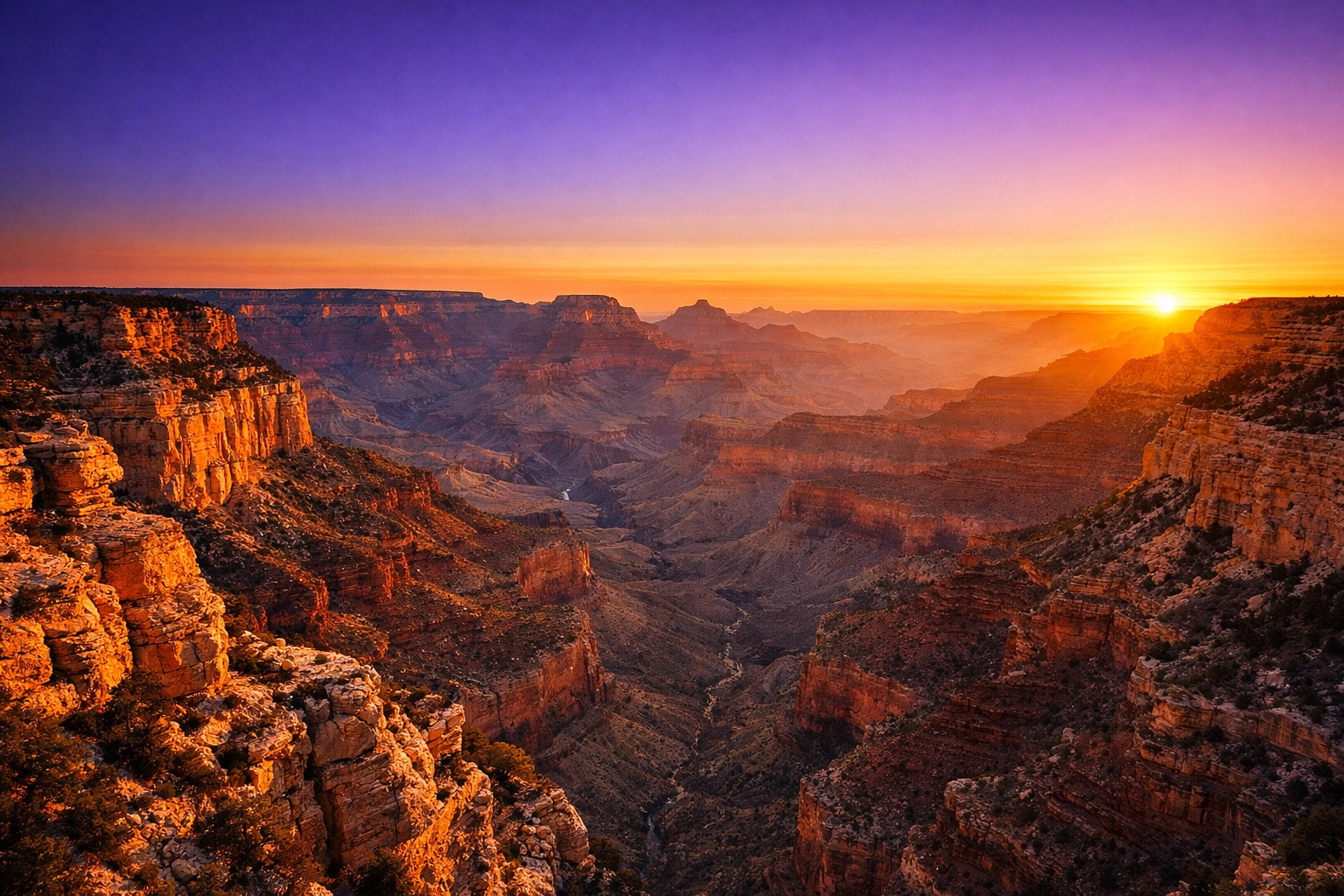
Alt text: An ultrarealistic wide-angle shot of the sun rising over the Grand Canyon, with deep oranges and purples illuminating the layered rock formations.
Essential Gear for the Great Outdoors
You don’t need the most expensive camera in the world to take great photos, but you do need the right tools for the job. Landscape photography is demanding on gear. You’ll be dealing with dust, moisture, and long hikes.
- A Sturdy Tripod: This is non-negotiable. For those crisp, long exposures at sunrise, you need a rock-solid base.
- Wide-Angle and Telephoto Lenses: While a 16-35mm is a staple for those "big" views, a 70-200mm lens allows you to compress the landscape and pick out specific details in the mountains.
- Filters: A circular polarizer is essential for cutting glare on water and making the sky pop. I also recommend graduated neutral density filters for balancing bright skies with dark foregrounds.
For a full breakdown of what I carry in my bag, head over to our essential photography gear guide. Having the right setup will give you the confidence to focus on your creativity rather than worrying about your equipment.
The Southwest: Red Rocks and Slot Canyons
The Southwest is home to some of the most iconic landscape photography locations on the planet. Parks like Zion, Bryce Canyon, and Arches offer colors and shapes that don’t seem real.
- Zion National Park: The "Towers of the Virgin" at first light is one of the best sunrise spots you’ll ever experience. The way the light hits the tops of the peaks while the valley remains in shadow creates incredible contrast.
- Bryce Canyon: Focus on the hoodoos. During the golden hour, these limestone pillars glow from within.
- Arches National Park: Delicate Arch is the star, but don’t overlook the Windows Section for some unique framing opportunities.
If you’re planning a trip out west and want a guided experience to ensure you’re in the right place at the right time, you can check out our photography booking experience to see how we can help you level up your portfolio.
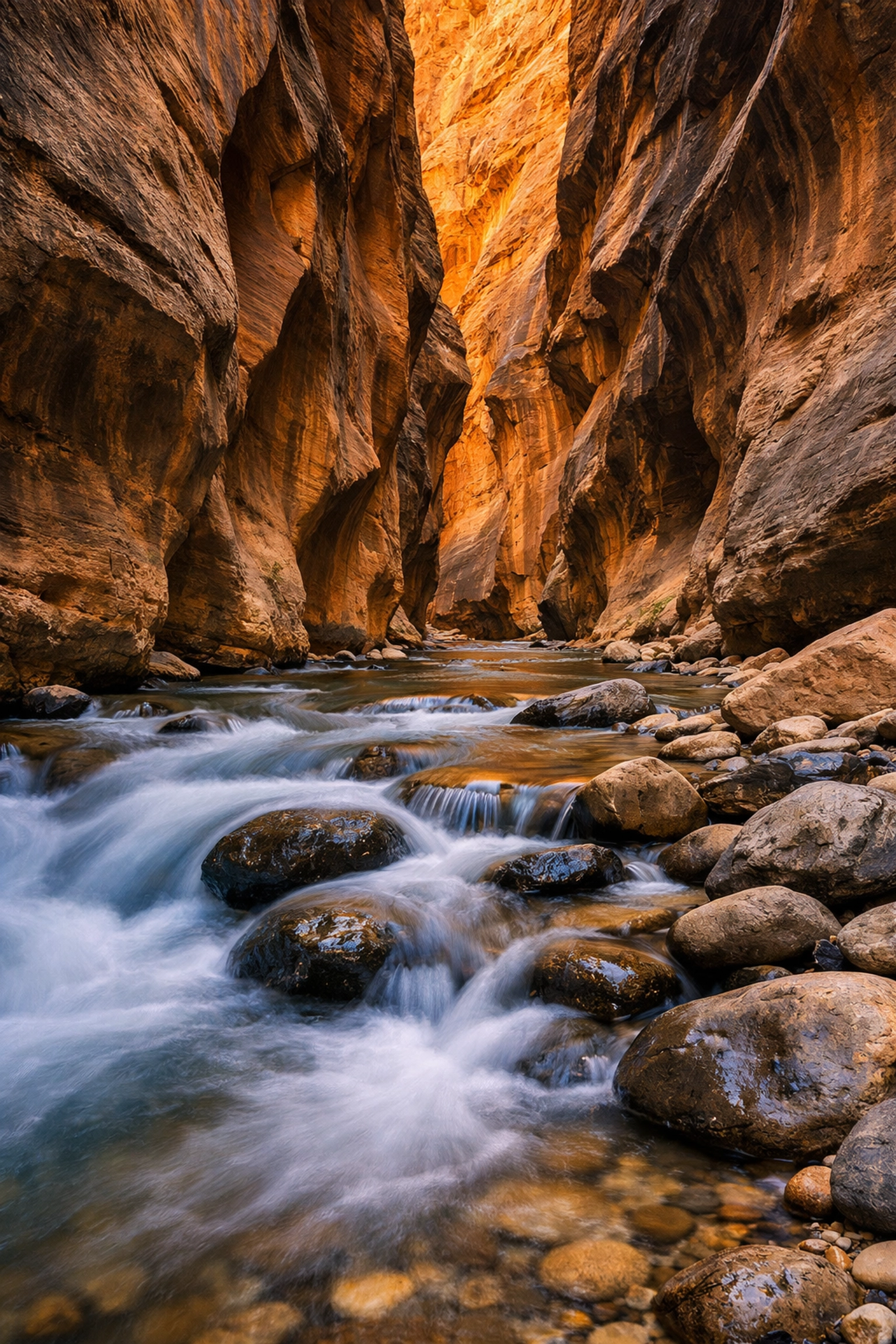
Alt text: A breathtaking view of the Narrows in Zion National Park, with glowing orange canyon walls and the Virgin River flowing through the bottom.
The Pacific Northwest: Moody Forests and Rugged Coasts
If you prefer moody, atmospheric shots, the Pacific Northwest is your sanctuary. Olympic, Mount Rainier, and North Cascades National Parks offer a completely different vibe than the desert.
In Olympic National Park, you have three distinct environments: subalpine forest and wildflower meadows, temperate rainforests, and the rugged Pacific coast. The Hoh Rainforest is a masterclass in green textures, while Ruby Beach offers sea stacks that are perfect for long-exposure photography.
For these moody environments, post-processing is key. Sometimes the sky can be a bit flat on overcast days. I’ve found that using sky overlays can occasionally help enhance a composition when the weather doesn't cooperate, though nothing beats the real thing.
The West: Granite Giants and Alpine Lakes
This is the land of Yosemite and Grand Teton. These parks are the birthplace of modern landscape photography, made famous by legends like Ansel Adams.
- Yosemite National Park: Tunnel View is a classic for a reason, but try hiking up to Glacier Point for a different perspective on Half Dome.
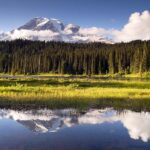
- Grand Teton National Park: Schwabacher Landing and Oxbow Bend are the best photography locations for mountain reflections. The key here is to arrive at least an hour before sunrise to claim your spot and watch the light hit the Grand Teton.
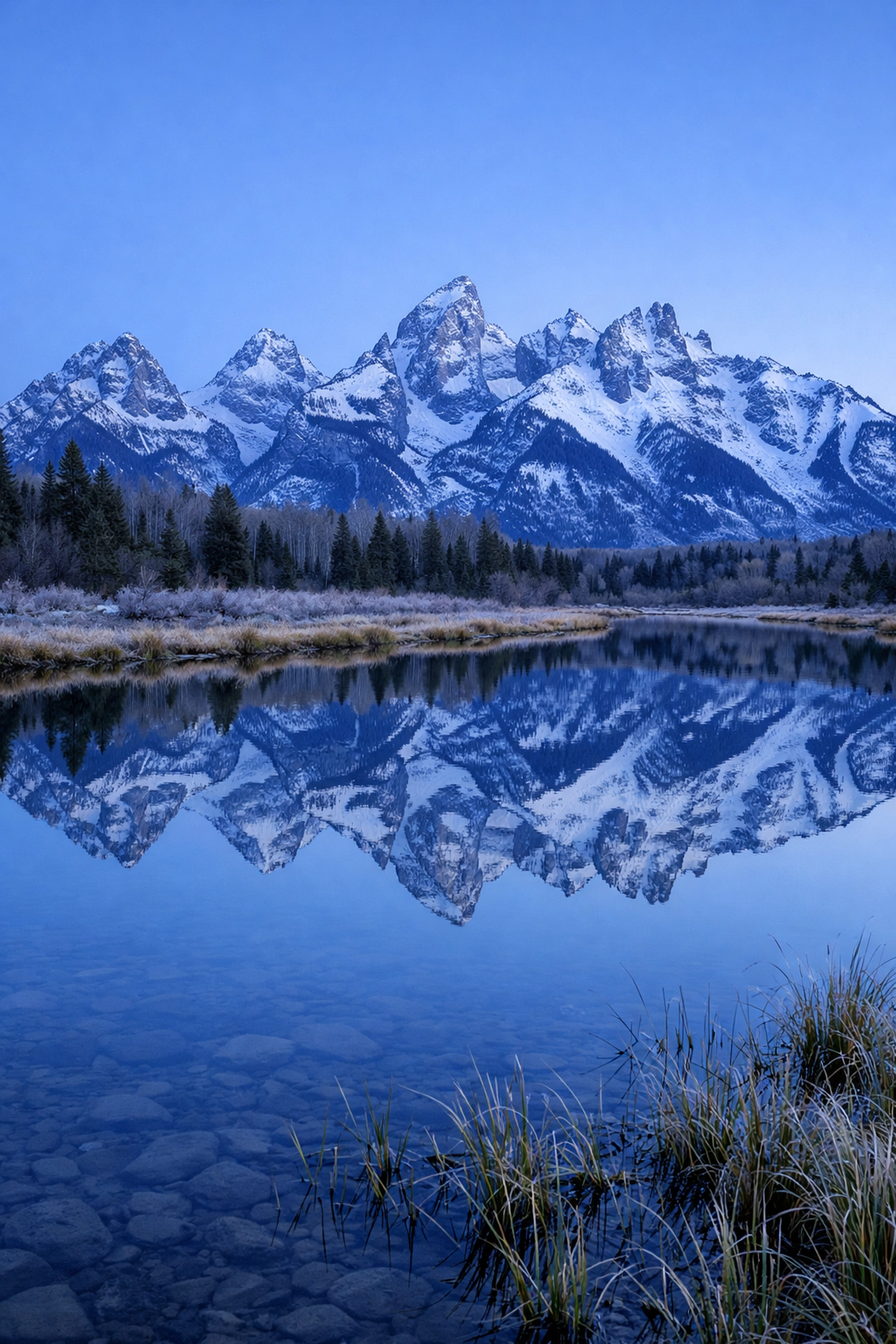
Alt text: A stunning reflection of the Grand Teton mountains in the calm waters of the Snake River during the blue hour.
Mastering the Light: When to Shoot
In landscape photography, light is everything. You can have the most beautiful location in the world, but if the light is flat, the photo will be too.
The "Golden Hour": the hour after sunrise and the hour before sunset: is your best friend. This is when the light is soft, warm, and creates long shadows that add depth to your images. Many of the best sunrise spots in the National Parks are crowded, so I always tell my students to stay a little longer. Often, the "Blue Hour" after the sun goes down provides a serene, ethereal quality that is just as beautiful as the sunset itself.
For more tips on timing and technique, keep an eye on www.blog.edinchavez.com where we frequently post updates on seasonal shooting conditions.
Logistics, Planning, and Leave No Trace
Photographing all 63 parks is a marathon, not a sprint. It requires meticulous planning. Many parks now require reservations for entry or specific trails. Always check the National Park Service website months in advance.
More importantly, we have a responsibility to these lands. As photographers, we often go off the beaten path to find the perfect angle. It is vital to follow "Leave No Trace" principles. Stay on marked trails, don't disturb the wildlife, and pack out everything you pack in. We want these parks to remain pristine for the next generation of photographers.

Alt text: An ultrarealistic image of a photographer standing on a cliff edge at sunset, overlooking a vast, misty valley in the Great Smoky Mountains.
Join the Adventure
This guide is just the beginning. Over the coming months, we will be releasing dedicated "Photo Guides" for every single one of the 63 National Parks. Each post will include specific GPS coordinates for the best shots, gear recommendations tailored to the terrain, and travel tips to make your trip seamless.
If you’re looking to improve your skills before your next big trip, explore our educational category for tutorials on everything from composition to advanced editing techniques.
The American wilderness is calling. It’s time to pack your bags, grab your tripod, and go capture something incredible. Whether you are heading to the popular South Rim or the remote wilderness of Gates of the Arctic, remember to enjoy the process. The best photo is the one that reminds you of how you felt in that moment.
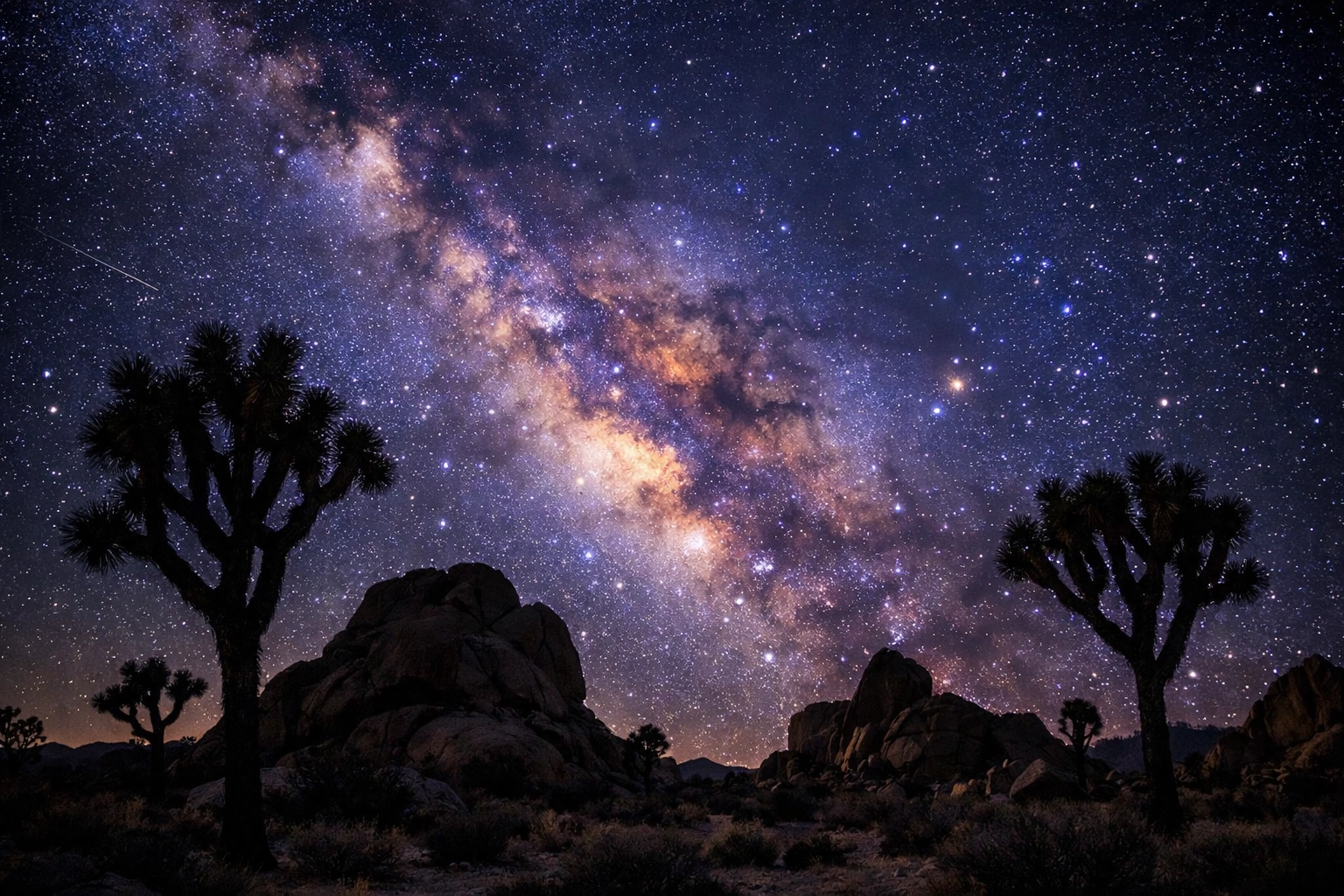
Alt text: A dramatic night sky filled with the Milky Way over the iconic Joshua Trees in Joshua Tree National Park.
Stay tuned for our next installment in the National Parks cluster, where we’ll be heading to the heart of the Sierras to explore the granite wonderland of Yosemite. Happy shooting!