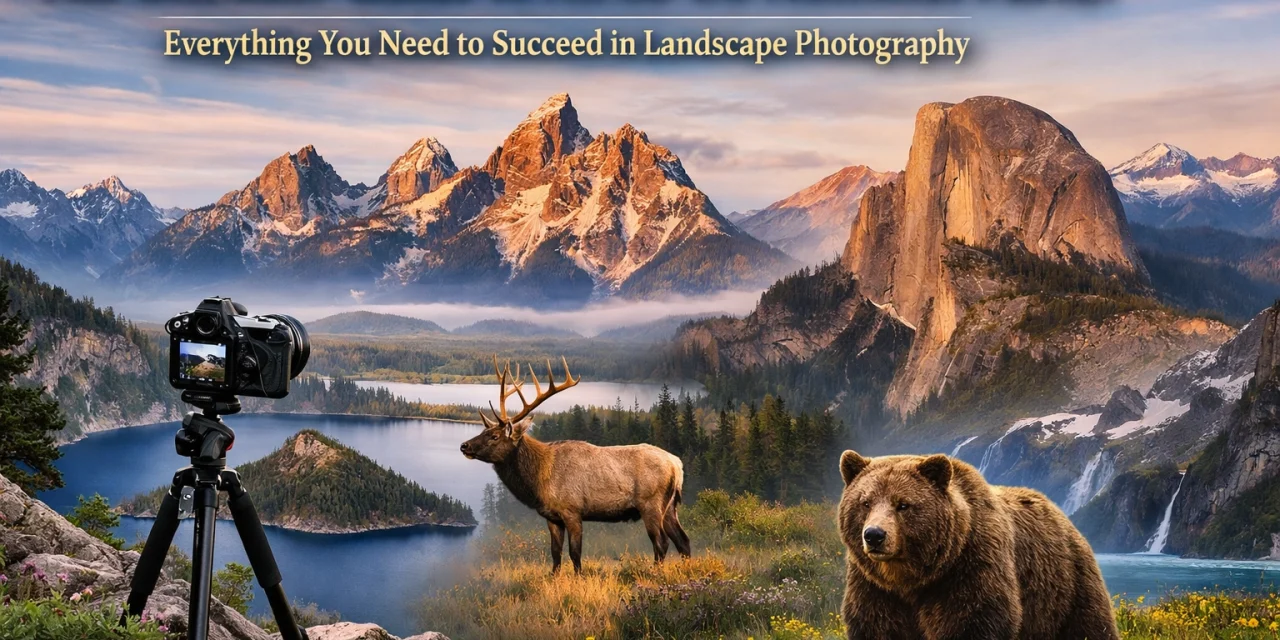
There is something deeply spiritual about standing on the edge of a canyon or deep within a temperate rainforest as the first light of dawn begins to bleed over the horizon. If you are a photographer, the US National Parks are more than just protected land; they are the ultimate playground. From the jagged peaks of the Tetons to the swampy mysteries of the Everglades, these 63 parks offer the best photography locations in the world.
Whether you are a seasoned pro looking to add to your portfolio at Edin Fine Art or a hobbyist planning your first big road trip, capturing these landscapes requires more than just showing up. It takes timing, the right gear, and a bit of "insider" knowledge. This guide is the kick-off to our comprehensive series covering every single park in the system, ensuring you have everything you need to succeed.
Preparing Your Kit for the Great Outdoors
Before we dive into the specific parks, let's talk about the gear. You can’t capture world-class images if your equipment fails you in the field. When you're hiking miles into the backcountry of Zion or waiting for the sun at Acadia, you need a setup that is both versatile and rugged.
I always recommend starting with a solid foundation. You’ll need a wide-angle lens for those sweeping vistas and a sturdy tripod: because even the steadiest hands can’t match a three-legged friend during a long exposure. For a deep dive into what I pack for every trip, check out our guide on essential photography gear.
Key Items for National Park Success:
- Graduated Neutral Density (GND) Filters: These are lifesavers when the sky is much brighter than the foreground.
- Circular Polarizer: Essential for cutting glare on water and making those clouds pop.
- Remote Shutter Release: To avoid camera shake during those critical golden hour moments.
If you’re looking to enhance your post-processing once you get home, don’t forget you can download sky overlays to help bring some extra drama to those less-than-perfect weather days.
The Heavy Hitters: Icons of the American West
The American West is home to some of the most famous landscape photography locations on the planet. These are the parks that probably inspired you to pick up a camera in the first place.
Yosemite National Park, California
Yosemite is the Mecca of landscape photography. Between the towering granite cliffs of El Capitan and the roaring power of Yosemite Falls, there is a shot around every corner. For the ultimate "hero" shot, head to Tunnel View. It’s a classic for a reason: it frames the entire valley perfectly. If you want something a bit more intimate, the Mist Trail offers incredible opportunities for long exposures of falling water, though you’ll want to bring a lens cloth!
Zion & Arches: The Red Rock Wonders
In Utah, light is everything. At Zion National Park, the high-contrast canyon walls create a dynamic environment. The Narrows is perhaps one of the best photography locations for capturing the play of reflected light on orange sandstone.
Meanwhile, Arches National Park is all about the "best sunrise spots." If you haven’t stood under Delicate Arch or Mesa Arch (in nearby Canyonlands) as the sun hits the underside of the stone, you haven't lived. The glow is nearly impossible to describe: you just have to photograph it. To see how these shots look when printed at a gallery scale, take a look at the collection on Edin Fine Art.
 )
)
Chasing the Light: Best Sunrise Spots Across the Country
Landscape photography is, at its core, the study of light. To get the best results, you need to be on-location while everyone else is still in their sleeping bags.
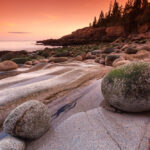
- Cadillac Mountain, Acadia National Park: This is the first place in the U.S. to see the sunrise during certain parts of the year. The pink granite meets the Atlantic Ocean in a way that is simply poetic.
- Mormon Row, Grand Teton National Park: The classic shot of the historic barns with the jagged Tetons in the background is a rite of passage. The best sunrise spots here are along the Snake River, where you can catch the mountain reflections in the water.
- Badwater Basin, Death Valley: For something more abstract, the salt flats at Death Valley offer incredible patterns. Get there early to catch the soft purple and blue hues of the "blue hour" before the harsh desert sun takes over.
If you're planning a quick trip to hit a few of these spots, you might find some inspiration in our list of cheap weekend getaways.
Beyond the Famous Peaks: The Hidden Gems
While parks like Yellowstone and the Grand Canyon get the most foot traffic, some of the best photography locations are in the lesser-known parks.
Great Basin National Park in Nevada is a personal favorite for astrophotography. Because it’s so remote, the light pollution is almost non-existent. You can capture the Milky Way arching over ancient bristlecone pines that have been standing for thousands of years.
Down south, Everglades National Park offers a completely different vibe. It’s not about grand mountains; it’s about the subtle beauty of the wetlands. The Anhinga Trail is perfect for wildlife, while the coastal mangroves provide eerie, beautiful silhouettes against a dramatic Florida sunset. For more tips on exploring the East Coast and beyond, visit the Photoguides blog.
 )
)
Tips for the "63 Park Challenge"
Attempting to photograph all 63 parks is a massive undertaking. It’s a journey that could take years, if not a lifetime. Here’s how to stay sane while doing it:
- Don't Rush: It’s tempting to try and see five parks in a week. Don’t. You’ll spend more time driving than shooting. Spend at least three days in each park to understand how the light moves.
- Check the Weather: Some parks, like Mount Rainier or North Cascades, can be completely socked in with fog for days. Have a backup plan or use that "bad" weather to create moody, atmospheric shots.
- Respect the Land: Always follow "Leave No Trace" principles. No shot is worth damaging the delicate ecosystems we are trying to preserve.
- Education is Key: If you feel like your skills are plateauing, check out our educational photography category for tutorials that can help you level up before your next trip.
Capturing the Soul of the Wilderness
When you’re out there, it’s easy to get caught up in the technical side: f-stops, shutter speeds, and ISO. But remember why you’re there. You are a storyteller. Whether you’re documenting the rugged coastline of Olympic National Park or the serrated ridges of the Badlands, you are capturing a moment in time that will never happen exactly the same way again.
I’ve found that the best photos usually happen when I stop worrying about the "perfect" shot and just start observing the environment. The way the mist rolls through the trees in the Great Smoky Mountains or the way a bison moves across the plains in Theodore Roosevelt National Park: those are the moments that make a portfolio stand out.
If you’re looking for a more personalized way to improve your skills, we offer a unique photography booking experience where you can learn hands-on in some of these incredible locations.
 )
)
Your Journey Starts Now
The 63 US National Parks represent the very best of our natural heritage. They are a gift to photographers and nature lovers alike. As we continue this series, we will dive deep into each individual park, giving you specific GPS coordinates for the best photography locations and time-tested strategies for every season.
So, pack your bags, charge your batteries, and head out. The wilderness is calling, and it's time to capture its beauty. For more inspiration and to follow along with our journey through all 63 parks, keep an eye on www.blog.edinchavez.com.
See you out on the trail!