
Category: Photo Guides
There is something deeply humbling about standing on the edge of the Grand Canyon as the first light of day hits the rim, or watching the fog roll through the ancient trees of the Great Smoky Mountains. As photographers, the 63 US National Parks are our greatest playgrounds. They are the ultimate classrooms for light, composition, and patience.
I’m Edin Chavez, and over the years, I’ve found that these protected lands offer more than just a pretty picture; they offer a connection to the raw, unfiltered beauty of our planet. Whether you are a seasoned pro or just picking up your first camera, this guide is the start of a massive series where we will dive deep into every single park. Our goal at Photoguides is to make sure you don't just visit these places, but that you come home with the shots you’ve always dreamed of.
Why the National Parks are the Ultimate Landscape Photography Locations
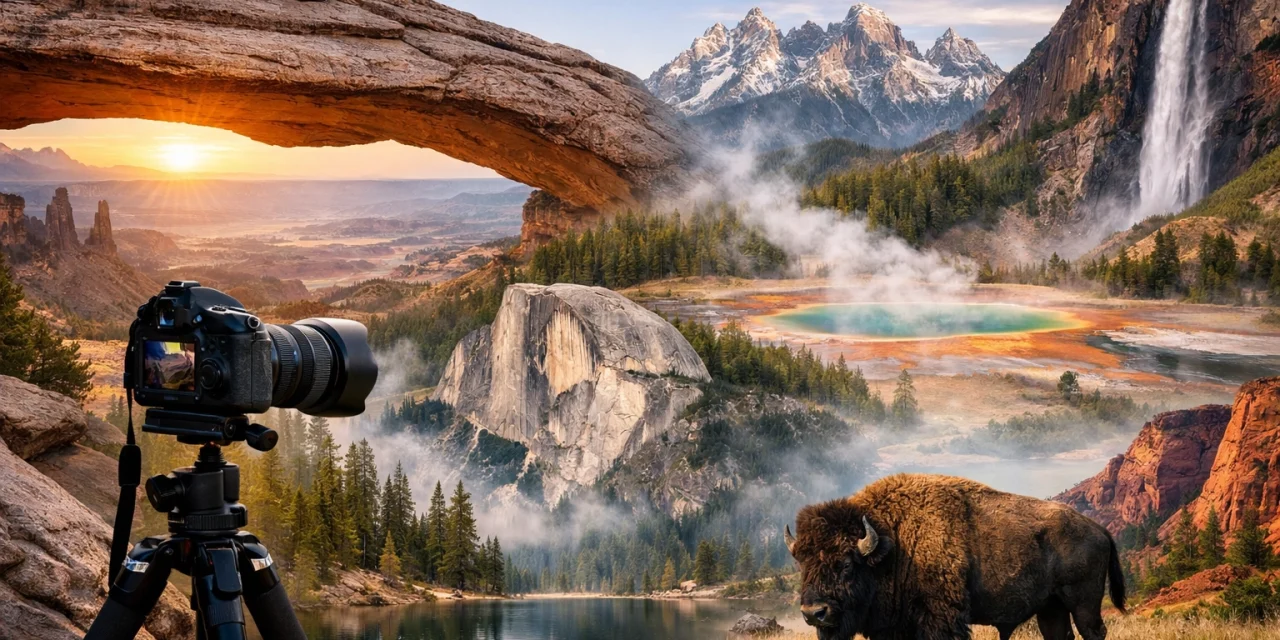
The diversity of the US National Park system is staggering. You have the jagged, snow-capped peaks of the Grand Tetons, the geothermal wonders of Yellowstone, and the ethereal, alien-like landscapes of Joshua Tree. These are, without a doubt, some of the best photography locations on Earth.
But with 63 parks spread across the country: and even out into the Pacific and Caribbean: planning can feel overwhelming. That’s why we are launching this comprehensive cluster. Each park has its own personality, its own "best" time to visit, and its own secret corners. To see how these landscapes look when printed as high-end gallery pieces, you can check out my work at Edin Fine Art, which might give you some inspiration for your own wall-worthy shots.
Planning Your Adventure: Timing and Logistics
The difference between a snapshot and a masterpiece often comes down to timing. You can be at the most beautiful location in the world, but if the light is flat and the park is swarming with tourists, your photos will reflect that.
Chasing the Light: Sunrise vs. Sunset
For most of these parks, the best sunrise spots are usually high-elevation overlooks or east-facing lake shores. Arriving at least 45 minutes before the sun actually peeks over the horizon is crucial. This is when you get the "blue hour": those soft, cool tones that can make a landscape feel incredibly serene.
Once the sun rises, don't pack up immediately. The 30 minutes following sunrise often provide the most dramatic shadows and golden textures. If you're looking for more tips on mastering these transitions, I regularly share insights over at the Edin Chavez Blog.
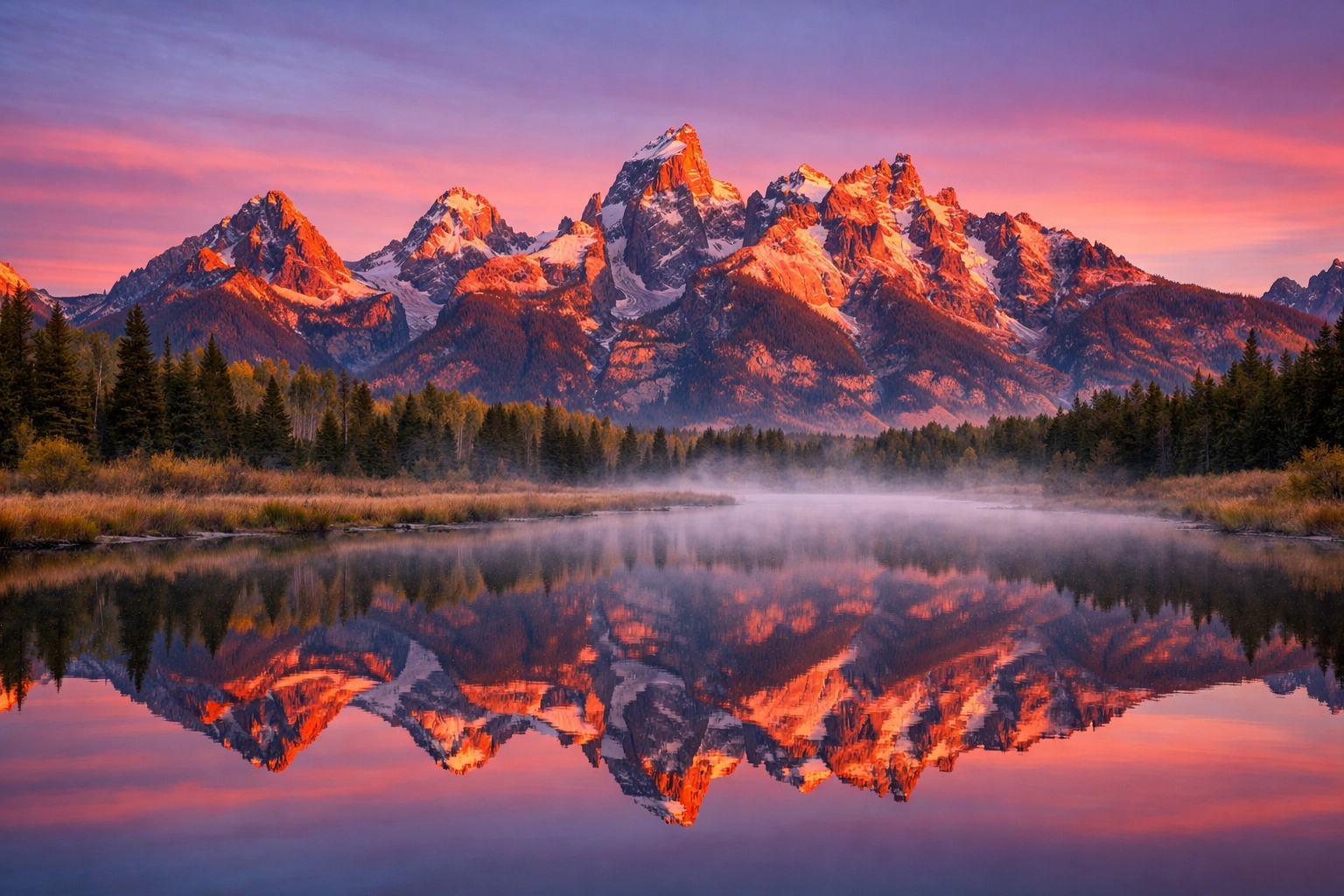
Alt text: A breathtaking sunrise over the jagged peaks of the Grand Tetons, reflecting in the calm waters of the Snake River during the golden hour.
Seasonality Matters
You wouldn't want to go to Death Valley in July or try to drive through Glacier National Park in January (unless you're on snowshoes). Every park has a "sweet spot" season. For example:
- Spring: Perfect for waterfalls in Yosemite and wildflowers in the Great Smoky Mountains.
- Autumn: Ideal for the fiery foliage of Acadia or the golden aspens in Rocky Mountain National Park.
- Winter: Great for the dramatic contrast of snow against the red rocks of Bryce Canyon or Arches.
Essential Gear for the Great Outdoors
Before you head out into the wilderness, you need to make sure your kit is up to the task. National Park photography often involves hiking, varying weather conditions, and long wait times for the perfect light.
I always recommend starting with a sturdy tripod. You cannot capture those silky-smooth waterfalls or sharp-starry skies without one. Secondly, don't overlook your glass. While a wide-angle lens is a staple for those grand vistas, a telephoto lens (like a 70-200mm) is essential for isolating mountain peaks or capturing wildlife from a safe distance.
You can find a full breakdown of my recommended kit in our guide on essential photography gear. If you're considering upgrading your body for your next trip, take a look at our camera reviews 2024 to see which sensors are performing best in high-dynamic-range environments.
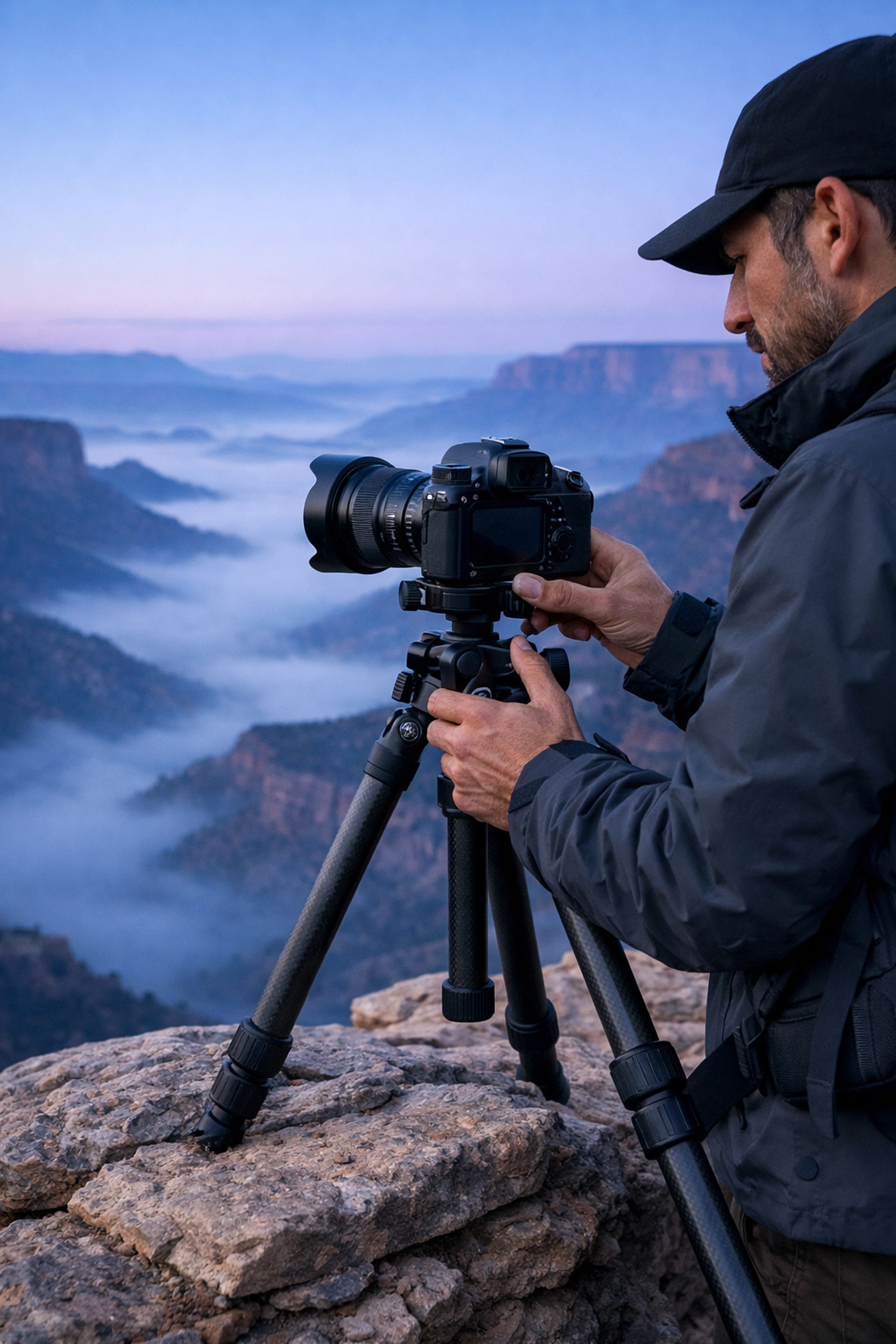
Alt text: A landscape photographer setting up a tripod and wide-angle lens on a rocky outcrop overlooking a vast, misty valley at dawn.
Top Photography Spots in the "Big Three"
While we will cover every park in this series, there are a few heavy hitters that every landscape photographer needs on their bucket list.
1. Yosemite National Park, California
Yosemite is the mecca of landscape photography. From the iconic Tunnel View to the reflection of El Capitan in the Merced River, it’s a place that demands respect. If you want to capture something unique, try visiting during the "Firefall" in February or head to Glacier Point for a sunset that will leave you breathless.
2. Zion National Park, Utah
Zion is all about scale and color. The towering red Navajo sandstone cliffs against a bright blue sky create a natural color palette that is hard to beat. The Narrows and Angels Landing are famous, but don't sleep on the Canyon Overlook Trail for one of the best sunrise spots in the park with minimal hiking.
3. Acadia National Park, Maine
On the opposite side of the country, Acadia offers a rugged, coastal charm. Cadillac Mountain is famous for being the first place in the U.S. to see the sunrise during certain parts of the year. The combination of granite cliffs and the Atlantic Ocean makes it one of the premier landscape photography locations for those who love seascape elements.
Compositional Strategies for Iconic Vistas
When you stand in front of something as massive as the Grand Canyon, it’s easy to just point and shoot. But to create a compelling image, you need to think about structure.
- Leading Lines: Use trails, rivers, or even fallen trees to lead the viewer’s eye into the frame.
- Foreground Interest: Don't just focus on the distant mountains. Find a unique rock, a patch of flowers, or an interesting texture in the foreground to provide a sense of scale and depth.
- The Rule of Thirds (and when to break it): While the rule of thirds is a great starting point, sometimes a perfectly centered mountain reflection in a still lake is much more powerful.
If you find that your sky is looking a bit washed out due to harsh midday sun, you can always enhance the mood later. I’ve developed a set of sky overlays that can help save an image when the weather doesn't cooperate.
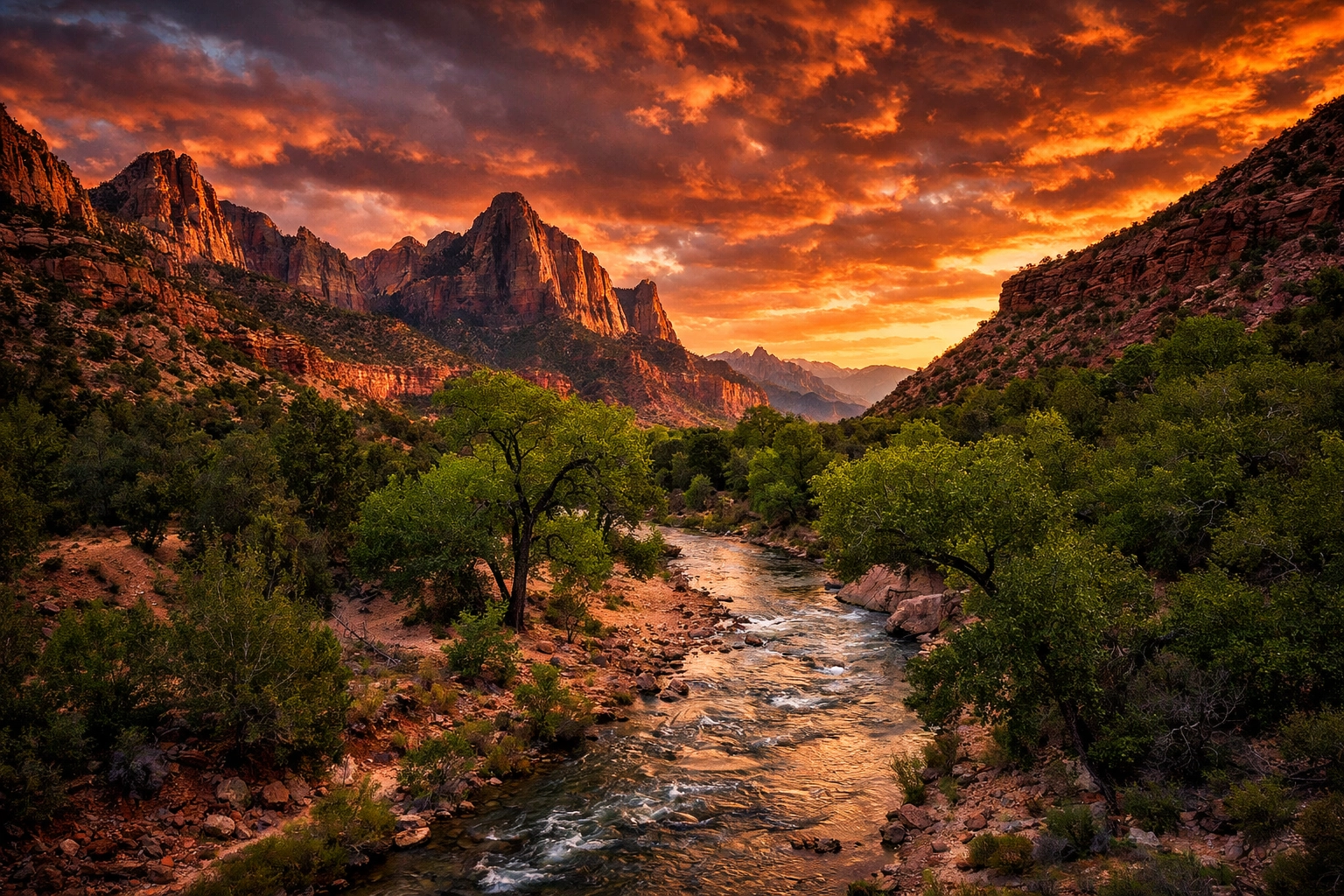
Alt text: A wide-angle shot of a winding river in Zion National Park, using the river as a leading line toward the massive red cliffs under a vibrant sunset sky.
Leave No Trace: The Photographer’s Responsibility
As photographers, we have a unique responsibility to protect these lands. It’s tempting to step off the trail to get that "perfect" angle, but crushing delicate alpine tundra or disturbing wildlife can cause lasting damage.
Always follow the "Leave No Trace" principles. Stay on marked trails, pack out everything you pack in, and keep a respectful distance from animals. We want these landscape photography locations to remain pristine for the next generation of shooters. For more on the ethics of photography and connecting with the community, head over to Shut Your Aperture.
What’s Next in the Series?
This guide is just the tip of the iceberg. Over the coming months, we will be releasing dedicated, deep-dive articles for each of the 63 parks. We’ll cover:
- Specific GPS coordinates for the best photography locations.
- Detailed packing lists tailored to each climate.
- Advanced techniques for night sky photography in Dark Sky certified parks.
Whether you're planning a quick weekend getaway or a cross-country road trip, we’ve got you covered.
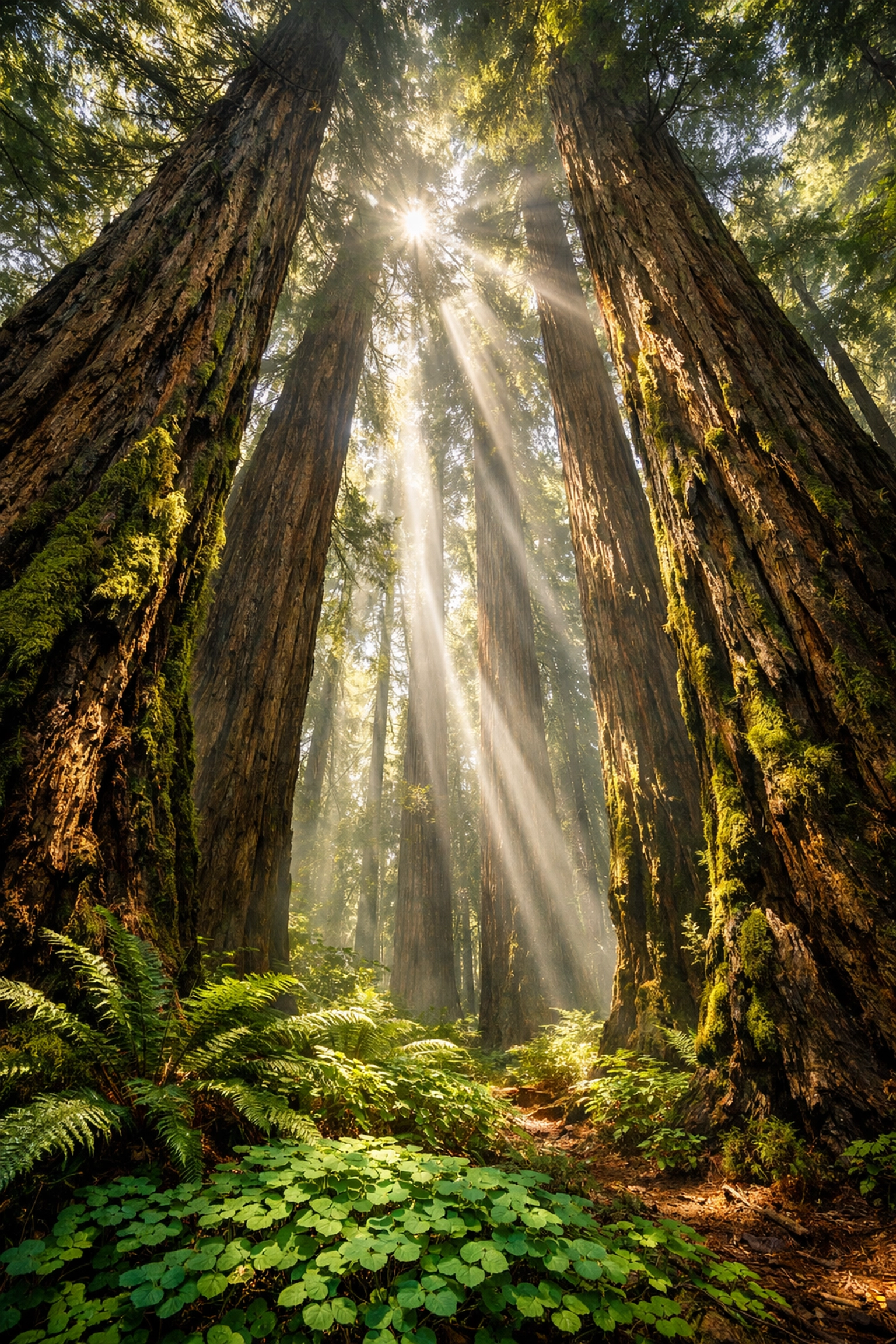
Alt text: A dense forest of ancient Redwoods with sunbeams filtering through the canopy, creating a magical atmosphere for photography.
Final Thoughts
Capturing the essence of a National Park isn't about having the most expensive camera; it’s about being present. It’s about feeling the wind, smelling the pine needles, and waiting for that one fleeting moment when the light does something extraordinary.
I’m excited to go on this journey with you. Check back often as we update our educational category with new park guides. Every park has a story to tell, and I can’t wait to see how you tell yours through your lens.
If you're ready to take your skills to the next level, consider a photography booking experience where we can work together to refine your craft in some of the most beautiful places on Earth.
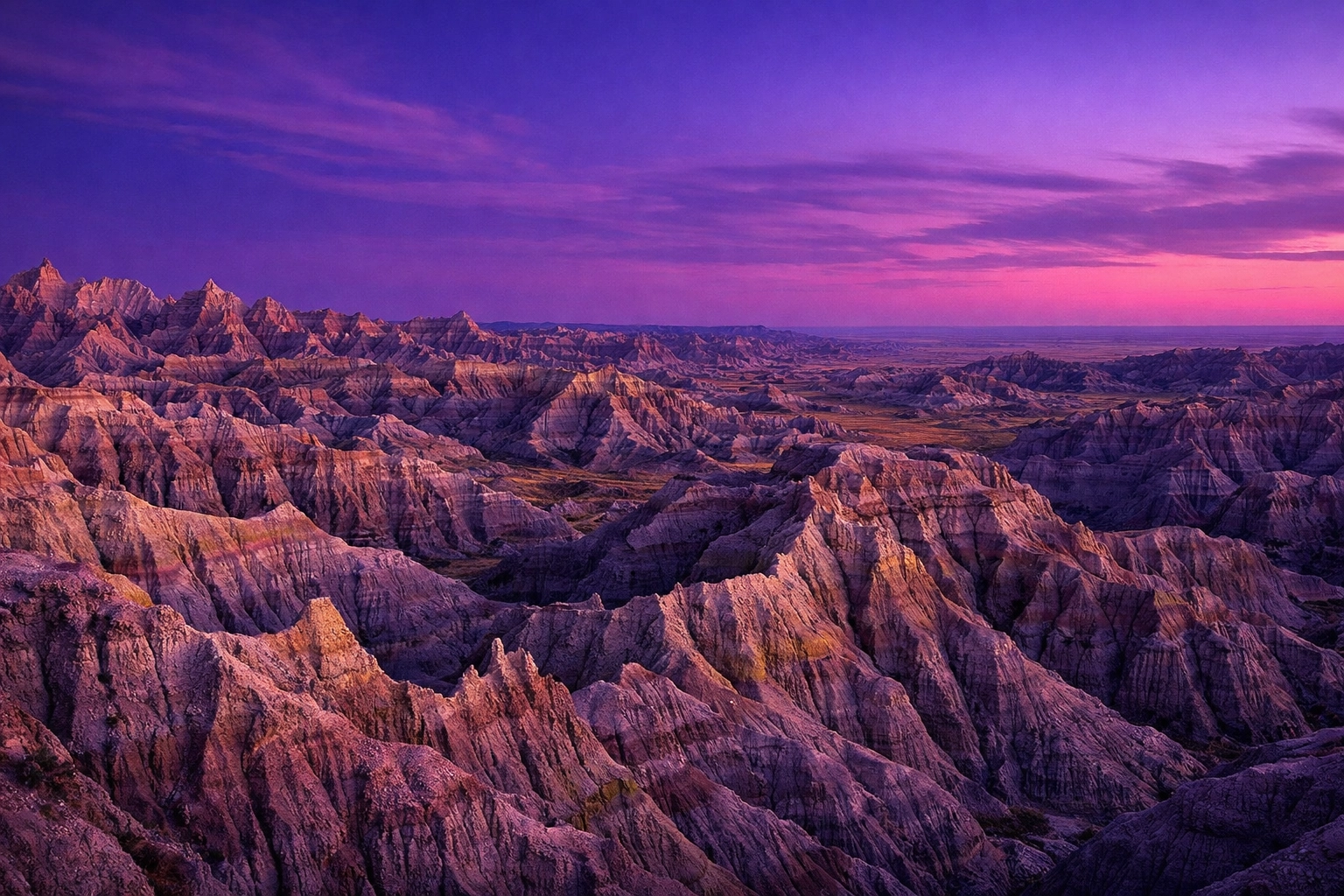
Alt text: An ultra-wide vista of the Badlands National Park at sunset, showing the intricate layers of colorful rock formations under a dramatic purple sky.
See you out on the trail!













