
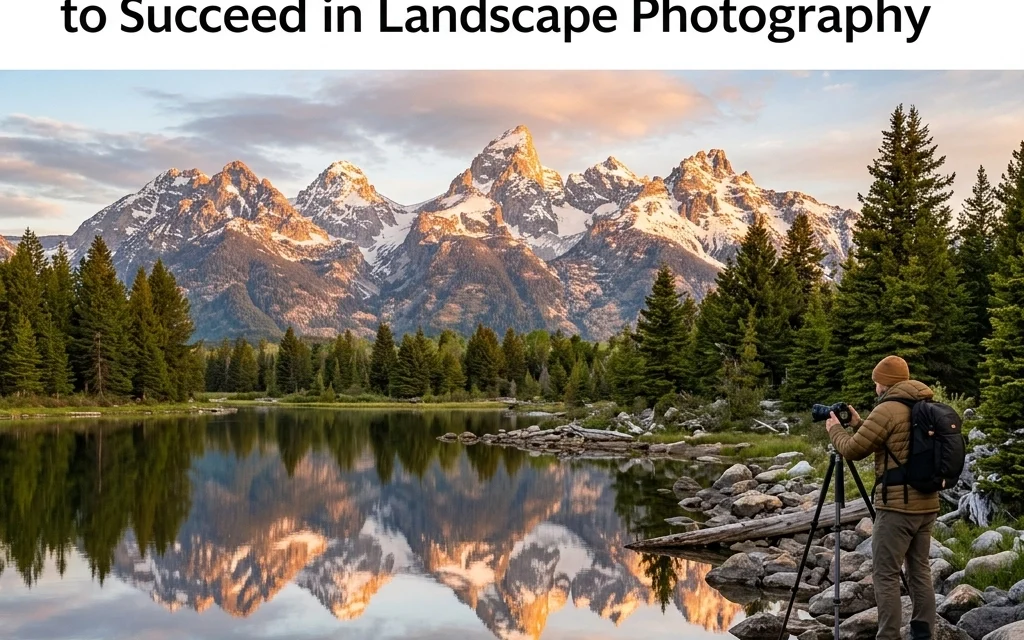
There is something deeply spiritual about standing in a US National Park with a camera in your hand. Whether it’s the mist rising off the valley floor in Yosemite or the first light hitting the red rocks of Zion, these places remind us why we fell in love with photography in the first place.
At Photoguides, we believe that everyone should have the chance to capture these moments with confidence. But let’s be real: with 63 parks spread across the country, planning a photography trip can feel overwhelming. Where do you go? When is the best light? What gear do you actually need?
This guide is the start of a comprehensive series where we will break down every single park in the system. Our goal is to give you the best photography locations and the practical tips you need to walk away with a portfolio you’re proud of. If you want to see how these shots look when they are printed at the highest quality, you can always check out my work at Edin Fine Art.
Getting Ready for the Great Outdoors
Before we dive into the specific parks, we need to talk about preparation. Landscape photography is as much about logistics as it is about light. You can find the best sunrise spots in the world, but if your battery dies or you’re too cold to think, the shot won’t happen.
First, check your gear. You don't need the most expensive kit, but you do need reliability. A sturdy tripod is non-negotiable for those sharp, long-exposure shots at dawn. If you’re looking for a refresh on what should be in your bag, take a look at our guide to essential photography gear.
I also recommend joining a community of like-minded shooters. I often share more technical breakdowns and gear reviews over at Shut Your Aperture, which is a great resource if you’re looking to level up your technical game.
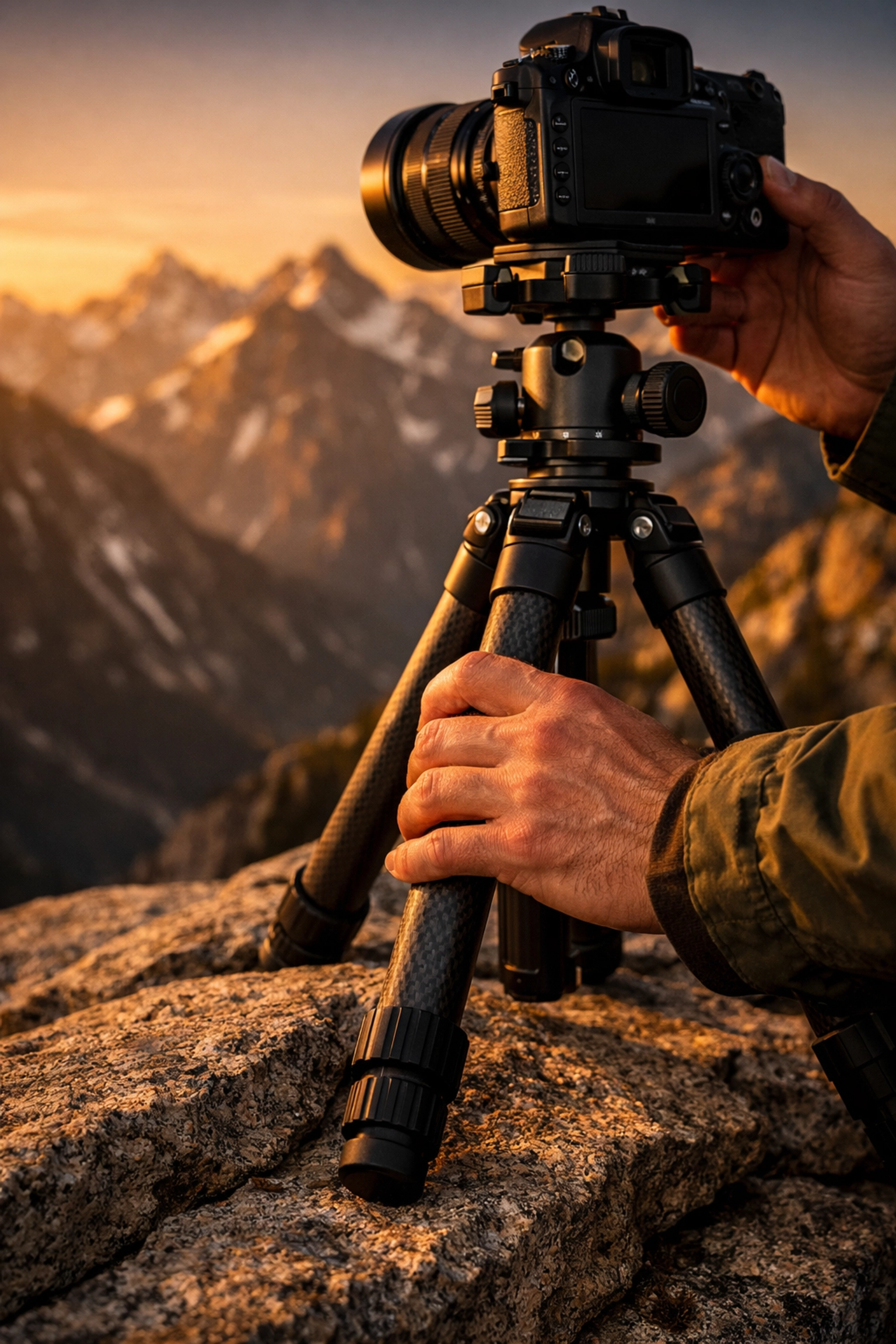
Alt text: A landscape photographer setting up a tripod on a rocky cliffside during the golden hour, overlooking a vast mountain range.
The Heavy Hitters: Where to Start
If you are just beginning your journey through the 63 parks, there are a few "icons" that offer some of the most reliable landscape photography locations in the world.
Yosemite National Park, California
Yosemite is often called the mecca of landscape photography. It’s where Ansel Adams defined the genre, and for good reason. From the massive granite faces of El Capitan and Half Dome to the delicate Merced River, the compositions are endless.
One of the most famous shots is "Tunnel View." It’s a classic for a reason: it gives you the whole valley in one frame. However, if you want something truly unique, look into the "Firefall" phenomenon at Horsetail Fall in late February. It requires a bit of luck and a lot of patience, but the result is a waterfall that looks like it’s flowing with lava.
Zion National Park, Utah
Zion is all about scale and color. The towering red Navajo sandstone cliffs create a dramatic contrast against the blue desert sky. For those looking for the best sunrise spots, the Canyon Overlook Trail is a winner. It’s a relatively short hike, and the way the light creeps into the canyon is nothing short of magical.
If you’re feeling adventurous, "The Narrows" offers a completely different perspective. You’ll be hiking through water, so make sure your gear is protected. The glow of the sun reflecting off the high canyon walls creates a soft, orange light that is a dream for any photographer.
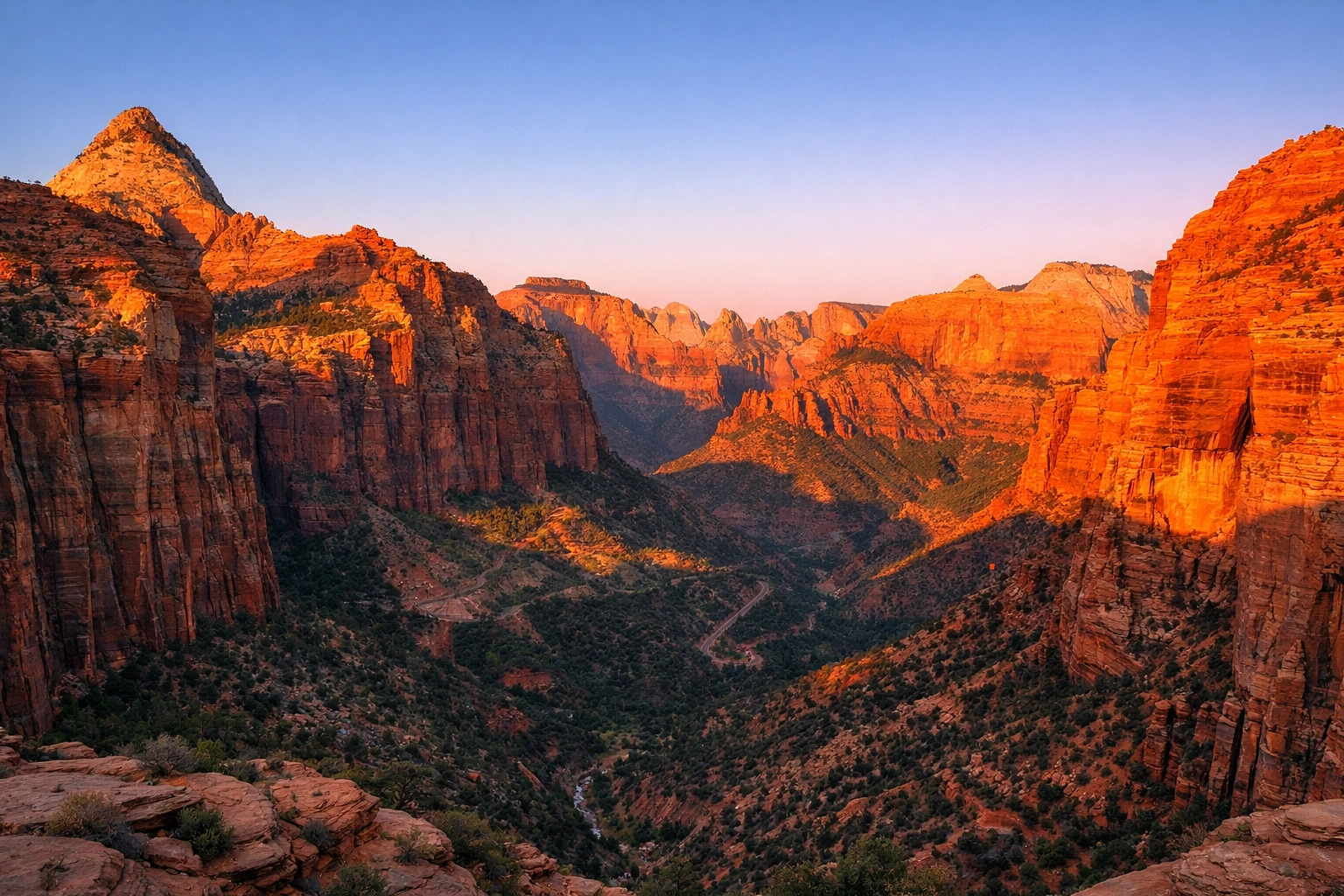
Alt text: The sun rising over the red sandstone cliffs of Zion National Park, casting a warm orange glow across the canyon floor.
Capturing the Coast: Acadia and Beyond
Not all national parks are about mountains and deserts. The coastal parks offer a rugged, moody aesthetic that can really add variety to your portfolio.
Acadia National Park, Maine
Acadia is a gem of the East Coast. If you want to be the first person in the United States to see the sunrise (at certain times of the year), head to the top of Cadillac Mountain. It’s easily one of the best sunrise spots in the country.
Beyond the peaks, the rocky coastline at places like Boulder Beach offers incredible opportunities for long-exposure photography. Using a neutral density filter to blur the crashing Atlantic waves against the smooth, round stones creates a sense of motion and peace. For more tips on this kind of work, you can browse through my personal blog at Edin Chavez Blog.
Olympic National Park, Washington
Olympic is incredibly diverse. You have temperate rainforests, alpine peaks, and wild coastlines all in one park. Ruby Beach, with its dramatic sea stacks and driftwood, is a favorite for sunset. The atmospheric fog that often rolls in can turn a standard landscape into something ethereal and haunting.
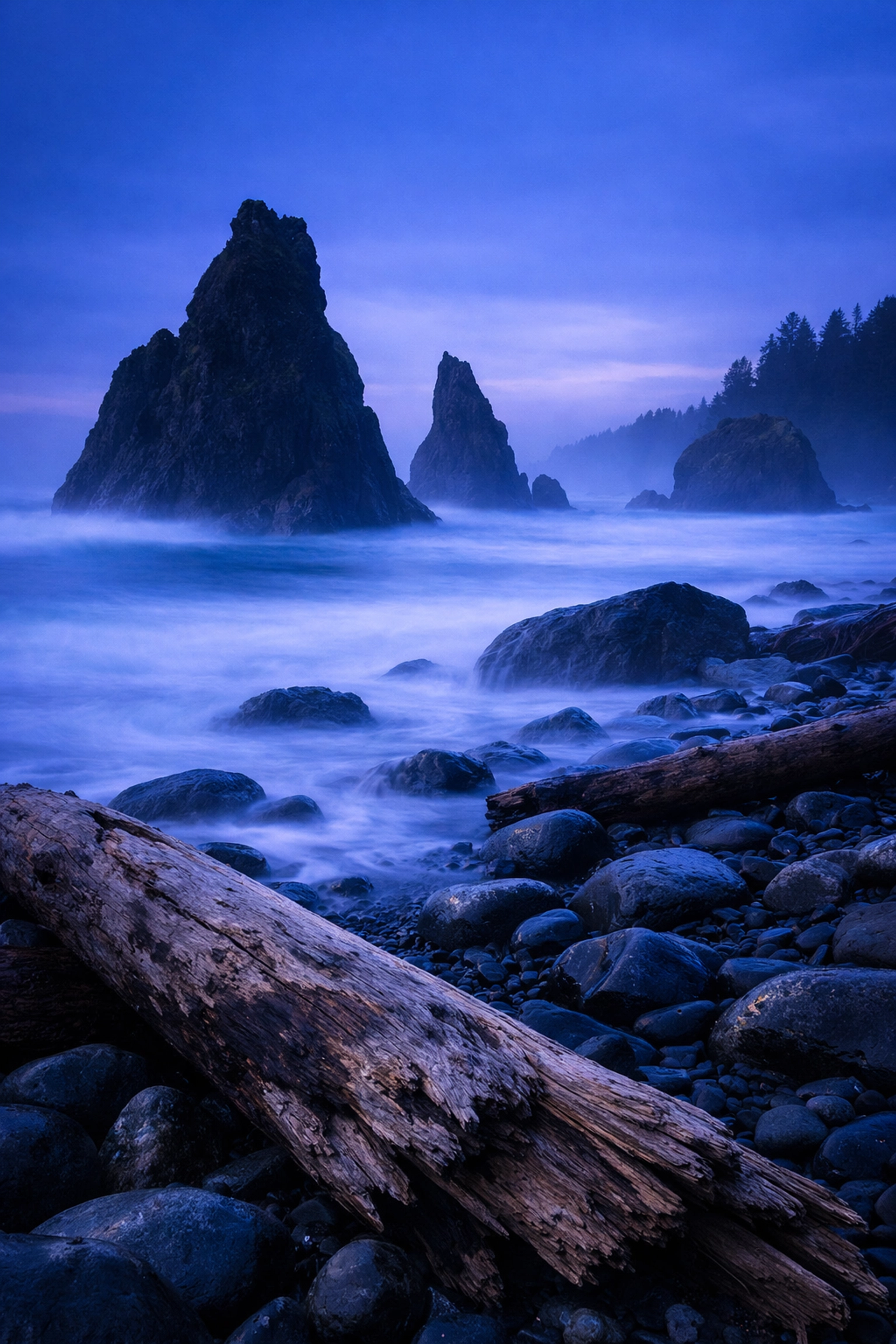
Alt text: A long exposure shot of Ruby Beach in Olympic National Park, showing sea stacks surrounded by misty, blurred ocean water at dusk.
Finding the Hidden Gems
While the big-name parks get the most attention, some of the best photography locations are found in the lesser-visited areas.
- Badlands National Park, South Dakota: The eroded buttes and pinnacles create a landscape that looks like another planet. The "Golden Hour" here is spectacular as the low sun brings out the layers of sediment in the rocks.
- North Cascades National Park, Washington: Often called the "American Alps," this park is rugged and remote. It’s perfect for those who want to escape the crowds and find untouched wilderness.
- Canyonlands National Park, Utah: While many flock to Arches, Canyonlands offers vast, sweeping views that feel even more immense. Mesa Arch at sunrise is a "bucket list" shot for many, where the underside of the arch glows bright orange from the reflected light.
Practical Tips for Success
Success in the field is often about what you do before you even press the shutter. Here are a few "pro" tips to keep in mind:
- Time Your Visit: Most parks have a "peak" season for photography. For example, autumn in the Grand Tetons is unbeatable for the yellow aspens, while spring in the Smoky Mountains is best for wildflowers and mist.
- Get There Early: If you want the best photography locations without a hundred other tripods in your shot, you need to arrive at least an hour before sunrise. This also gives you time to scout your composition in the dark.
- Respect the Land: We are guests in these parks. Always stay on marked trails and follow "Leave No Trace" principles. Preserving these landscapes is just as important as photographing them.
- Stay Flexible: The weather won't always cooperate. Sometimes a "bad" storm creates the most dramatic light you’ve ever seen. Don’t pack up just because it starts to rain.
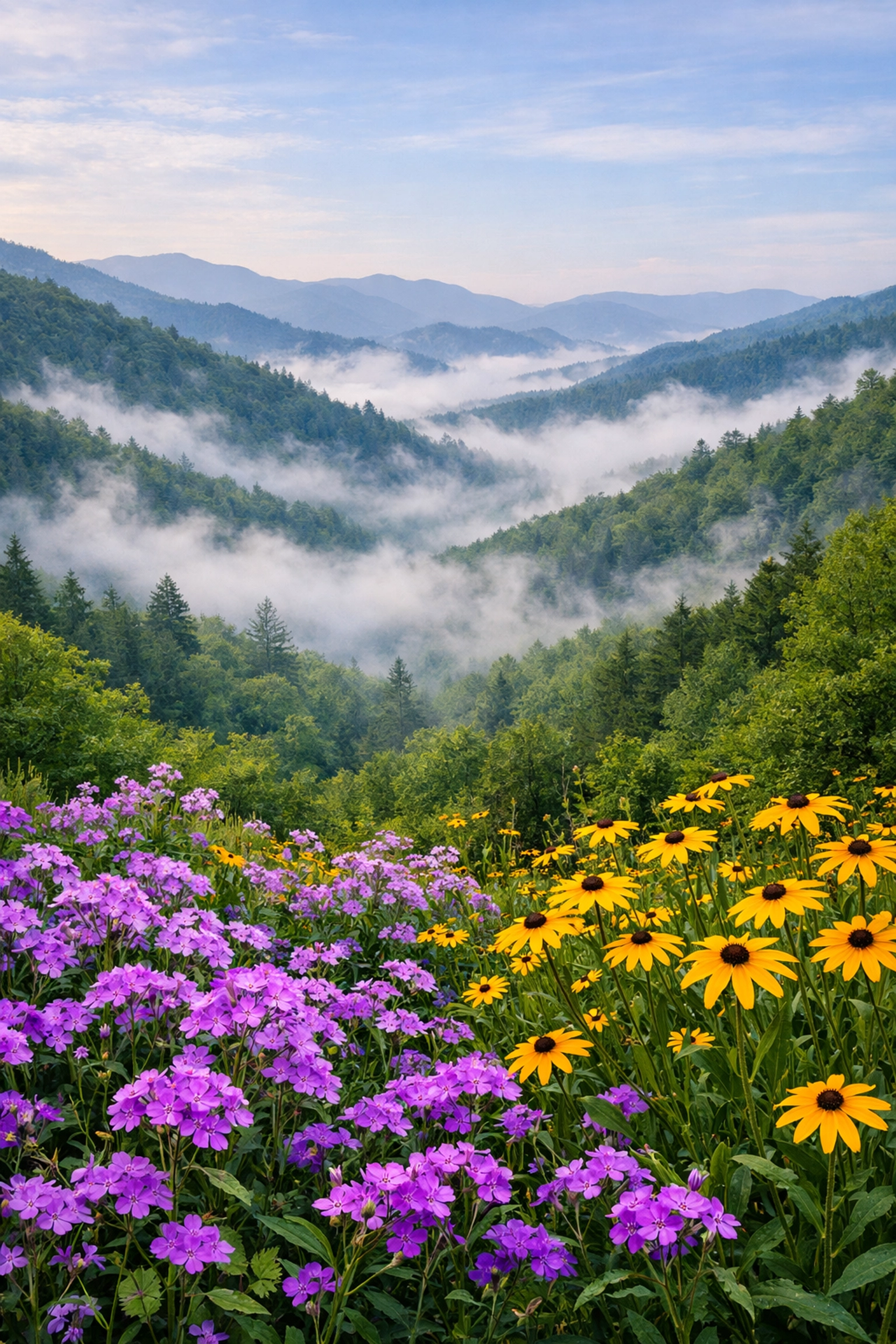
Alt text: A photographer standing in a field of wildflowers in the Great Smoky Mountains, with a soft morning mist clinging to the green hills in the background.
The Journey is Just Beginning
Capturing all 63 parks is a life-long mission, and we are here to walk that path with you. This guide is just the tip of the iceberg. As we continue this series, we will dive deep into each individual park, providing specific GPS coordinates, seasonal advice, and advanced techniques.
If you're planning a trip soon and need a bit more hands-on guidance, check out our photography booking experience to see how we can help you get the shots you’ve always dreamed of.
Landscape photography is a way to connect with the world on a deeper level. It forces you to slow down, to observe the light, and to appreciate the raw beauty of our planet. Whether you’re shooting with a high-end mirrorless camera or the phone in your pocket, the most important thing is that you’re out there, experiencing it.
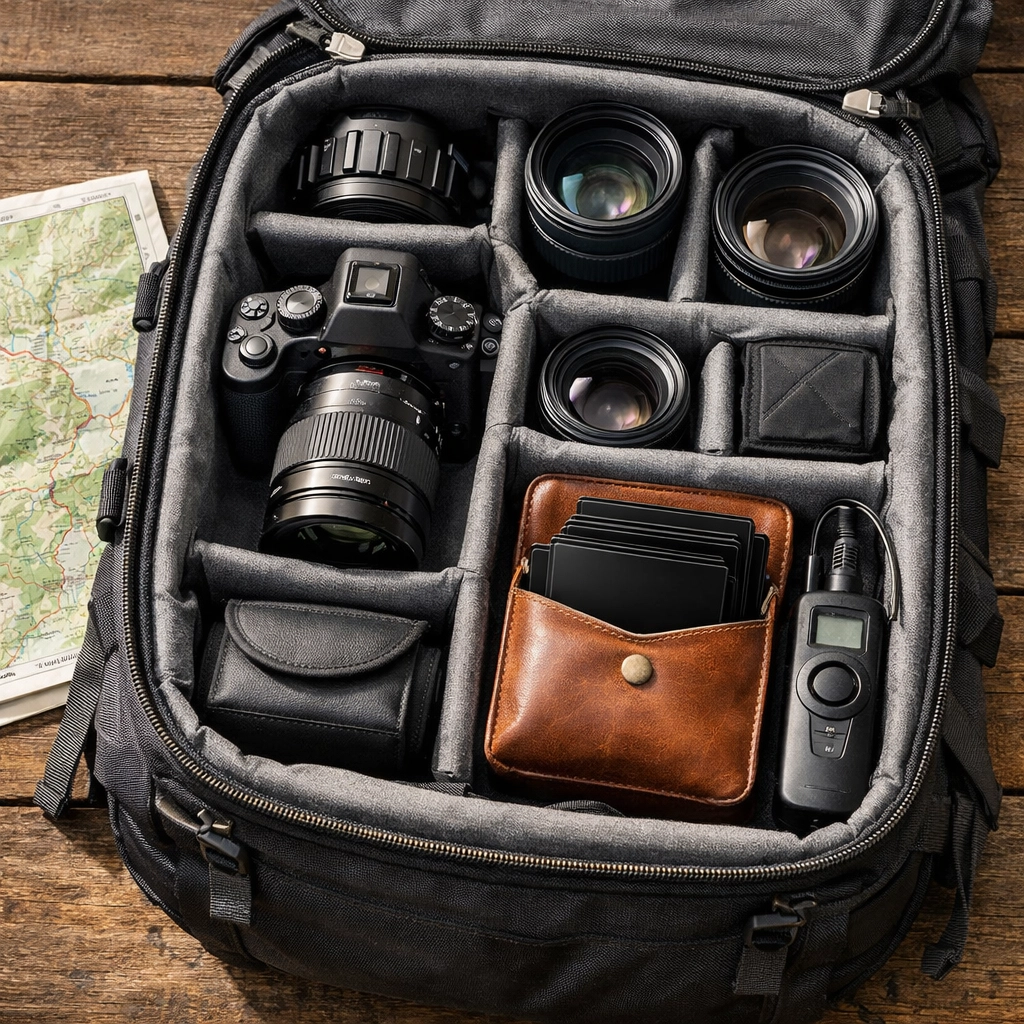
Alt text: An overhead view of a photography gear bag organized with lenses, filters, and a camera body, ready for a national park adventure.
Stay tuned for our next post in the series, where we’ll be breaking down the wonders of Arches National Park. Until then, keep exploring, keep shooting, and don't forget to look up from the viewfinder every once in a while to soak it all in.
If you want to see some of my favorite captures from across the country, head over to Edin Fine Art: maybe it will inspire your next great adventure. For more stories and behind-the-scenes looks at my travels, visit the Edin Chavez Blog. See you on the trail!













