
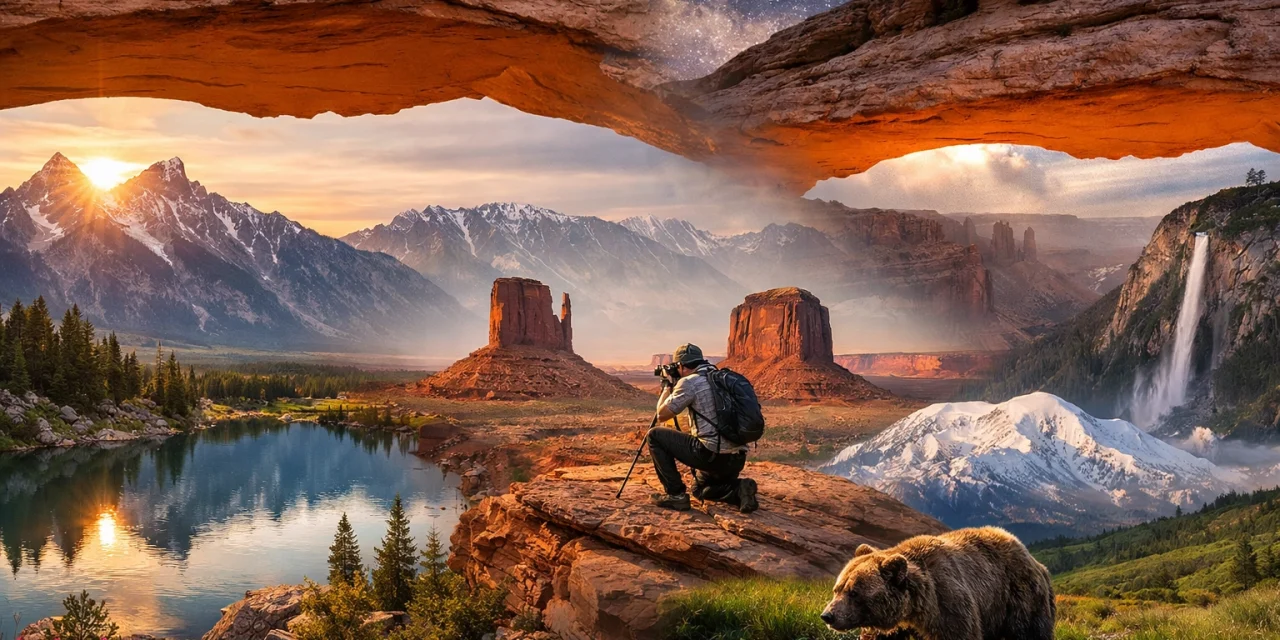
There is something truly humbling about standing on the edge of a canyon or beneath a 2,000-year-old tree. As photographers, we aren’t just looking for a "pretty picture": we’re looking for that specific moment where the light, the land, and the atmosphere collide to tell a story.
The United States is home to 63 National Parks, each offering a unique canvas for landscape photography. Whether you are a seasoned pro or just starting your journey with your first DSLR, this guide is designed to help you navigate these incredible landscapes. We’ll cover the best photography locations, the best sunrise spots, and the technical tips you need to bring home gallery-quality shots.
For even more inspiration and deep dives into specific gear, don't forget to check out Edin Chavez’s Blog and the community over at Shut Your Aperture.
Planning Your Photographic Journey
Before we dive into the specific parks, let’s talk strategy. Photography in the National Parks is all about timing. The golden hour: that sweet window just after sunrise and before sunset: is your best friend. This is when the light is soft, warm, and creates the depth necessary for stunning landscape photography locations.
If you’re wondering what to pack, our essential photography gear guide covers the basics, but for National Parks, a sturdy tripod and a polarizing filter are non-negotiable.
The Crown Jewels of the West
Yosemite National Park, California
Yosemite is arguably the birthplace of modern landscape photography. From Ansel Adams to the modern era, these granite walls have inspired millions.
- Best Photography Locations: Tunnel View offers the most iconic shot of El Capitan, Half Dome, and Bridalveil Fall. For something a bit more intimate, head to Cook’s Meadow for reflections of Half Dome in the Merced River.
- Best Sunrise Spot: Glacier Point. Watching the light hit the face of Half Dome is a spiritual experience.
Zion National Park, Utah
Zion is a land of extremes. The high-contrast canyon walls and the flowing Virgin River provide endless opportunities for landscape photography locations.
- Best Photography Locations: The Narrows is a must-shoot for anyone comfortable with water. The way the light bounces off the orange Navajo Sandstone creates a glow that is impossible to replicate.
- Best Sunrise Spot: Canyon Overlook Trail. It’s a relatively short hike that rewards you with a panoramic view of the lower canyon as the sun creeps over the rim.
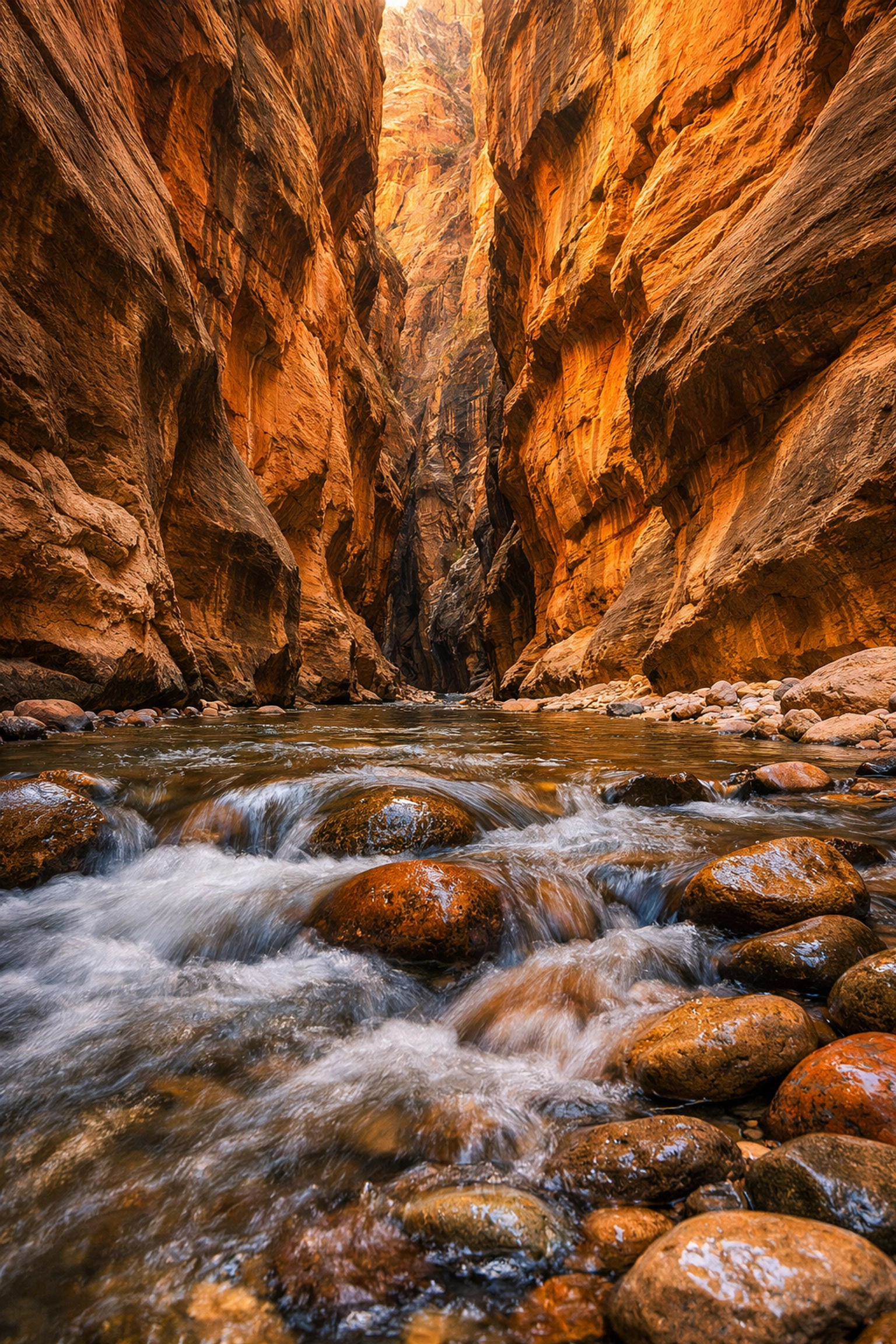
Alt text: A low-angle shot of The Narrows in Zion National Park with golden light reflecting off the orange canyon walls and the Virgin River flowing over smooth stones in the foreground.
The Desert Southwest: Arches and Canyonlands
Arches National Park, Utah
Arches is all about shapes and minimalism. With over 2,000 natural stone arches, the challenge here is finding a unique perspective on famous landmarks.
- Best Photography Locations: Delicate Arch is the superstar, but don’t sleep on Double Arch or the Windows Section.
- Best Sunset Spot: Delicate Arch. It’s a bit of a hike, but seeing the arch turn a fiery red as the sun goes down is worth every step.
Canyonlands National Park, Utah
Just a stone's throw from Arches, Canyonlands offers a much more expansive, rugged feel.
- Best Photography Locations: Mesa Arch is the most famous, but Grand View Point offers vast panoramas that make you feel truly small.
- Best Sunrise Spot: Mesa Arch. Get there early: at least an hour before the sun breaks the horizon. The bottom of the arch glows orange from the reflected light, creating one of the most famous best sunrise spots in the world.
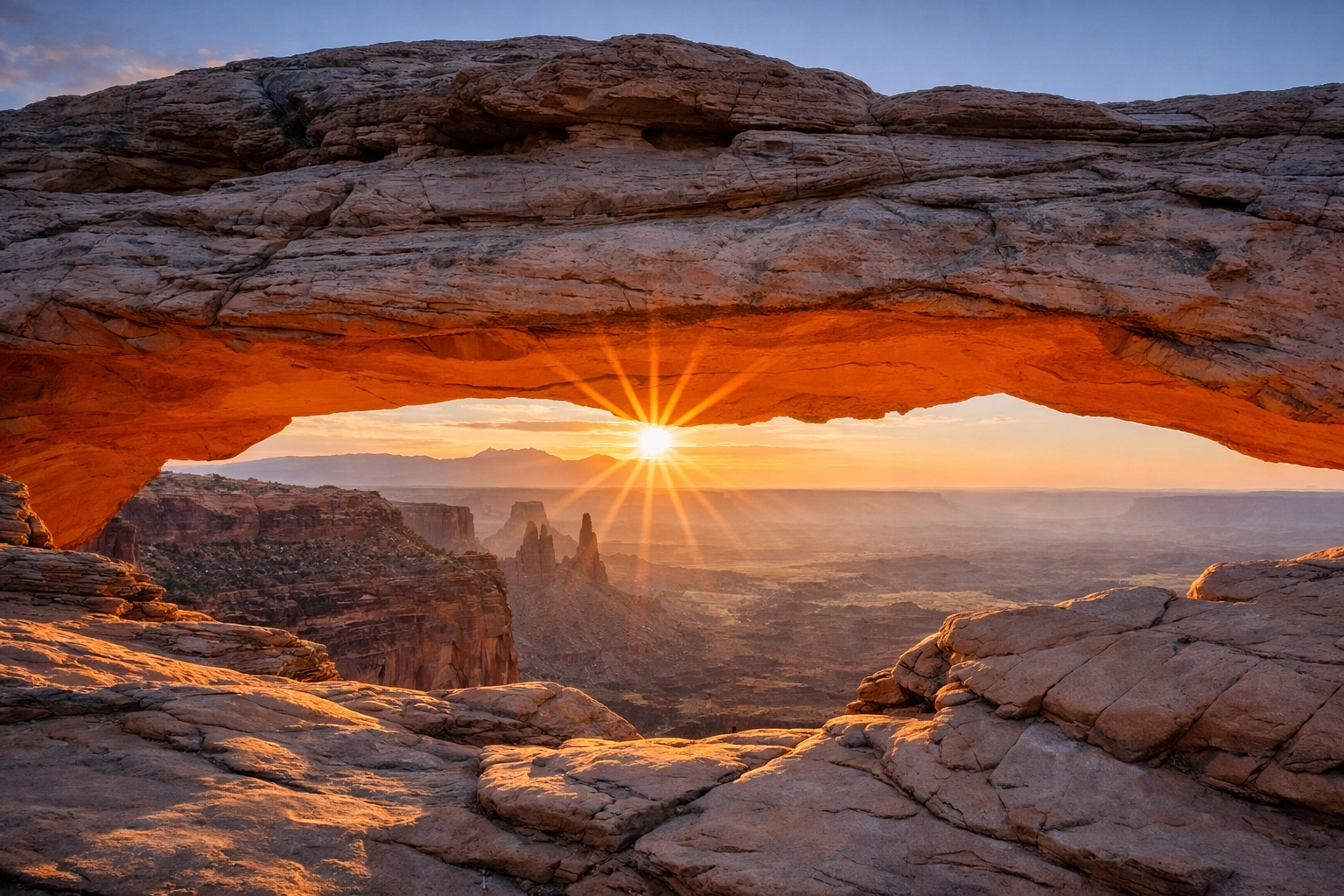
Alt text: The famous Mesa Arch at sunrise in Canyonlands National Park, with the sun's first rays glowing under the arch and illuminating the deep canyon below.
The Rugged East: Acadia and Shenandoah
Acadia National Park, Maine
Acadia is where the mountains meet the sea. It’s a playground for seascape photographers.
- Best Photography Locations: Bass Harbor Head Lighthouse and the rocky coastline near Boulder Beach.
- Best Sunrise Spot: Cadillac Mountain. From October to March, this is the first place in the U.S. to see the sunrise. The pink and purple hues over the Atlantic are breathtaking.
Shenandoah National Park, Virginia
Shenandoah is a forest lover's dream, especially during the fall.
- Best Photography Locations: Stony Man Trail and Dark Hollow Falls. If you’re lucky enough to catch a morning with "mountain fog," the layers of the Blue Ridge Mountains become a photographer’s dream.
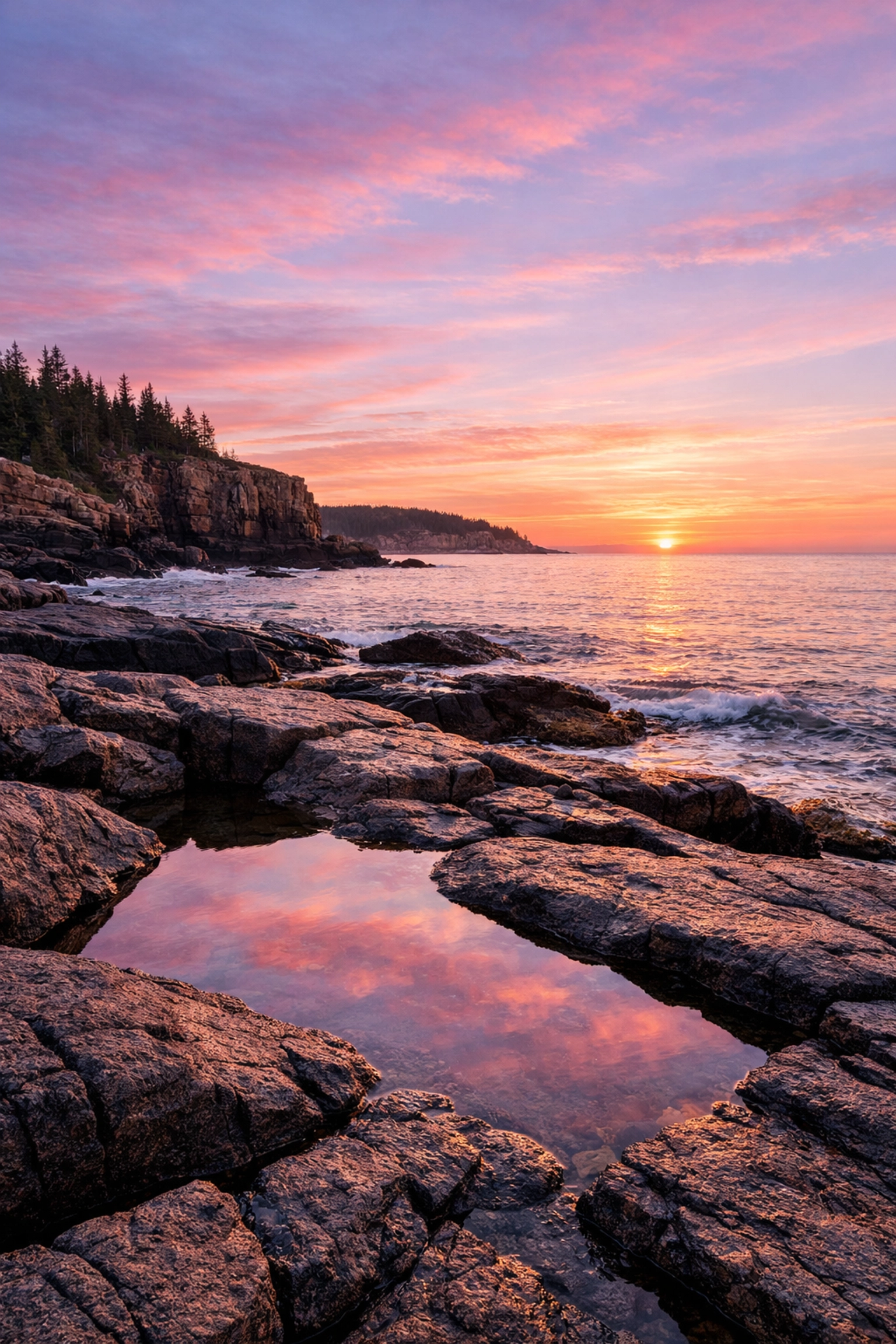
Alt text: The rugged granite coastline of Acadia National Park at sunrise, with soft pink and orange clouds reflecting in the calm Atlantic Ocean.
The Weird and Wonderful: Death Valley and Great Basin
Death Valley National Park, California/Nevada
Don't let the name fool you; Death Valley is full of life and texture. It is one of the best photography locations for abstract patterns and extreme light.
- Best Photography Locations: Badwater Basin for its geometric salt polygons and Zabriskie Point for its undulating golden hills.
- Best Sunrise Spot: Mesquite Flat Sand Dunes. The low sun creates long, dramatic shadows that highlight the ridges of the dunes.
Great Basin National Park, Nevada
If you want to escape the crowds, this is the place. It’s also an International Dark Sky Park, making it one of the premier landscape photography locations for astrophotography.
- Best Photography Locations: The ancient Bristlecone Pine groves. These trees are thousands of years old and look like living sculptures.
- Best Sunset Spot: Wheeler Peak. The high elevation provides a clear view of the transition from golden hour into the star-studded night.
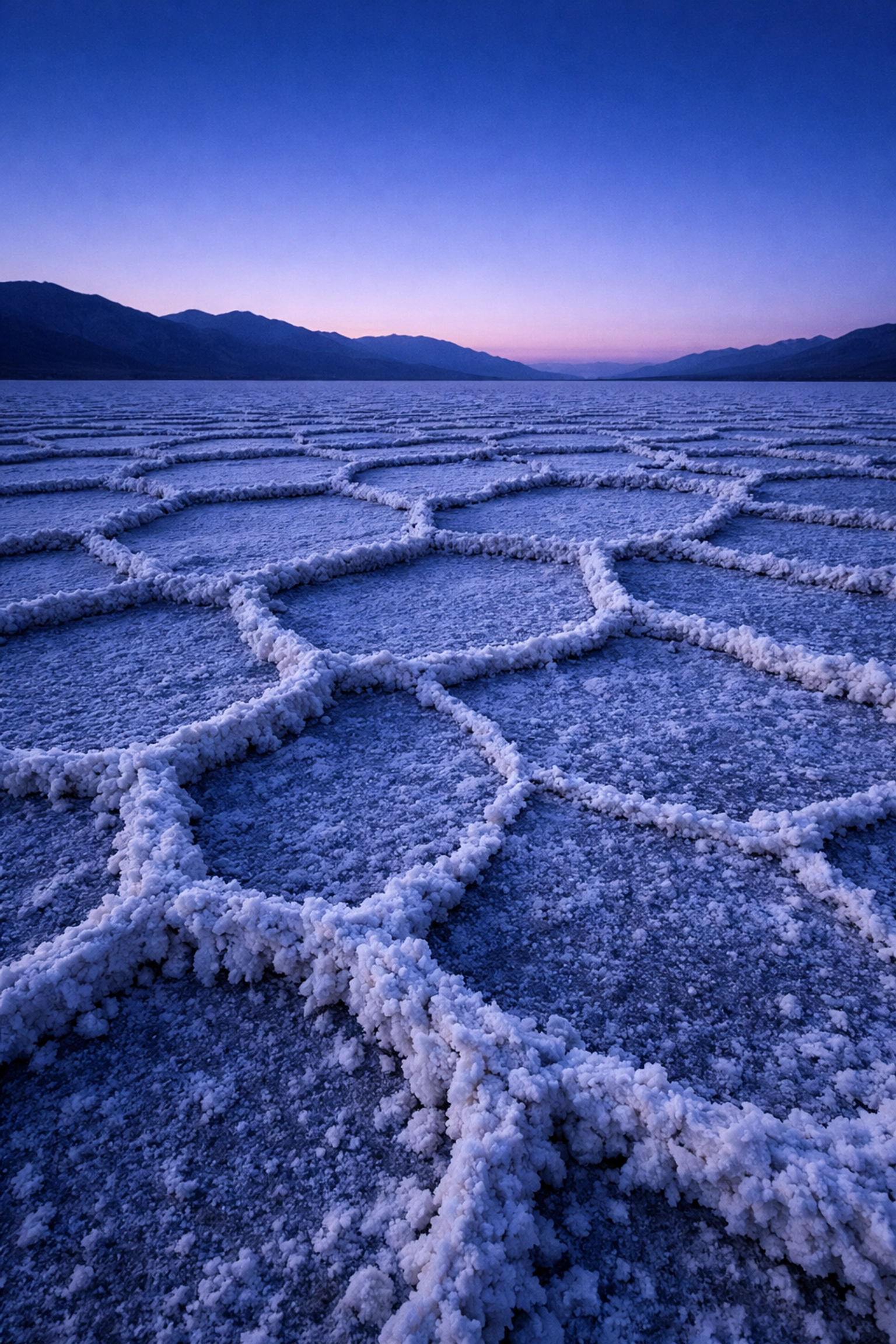
Alt text: The geometric salt patterns of Badwater Basin in Death Valley National Park during the blue hour, with the Panamint Mountains silhouetted in the background.
Technical Tips for Park Photography
Capturing these locations requires more than just showing up. Here are a few reassuring tips to ensure you get the shot:
- Use HDR for High Contrast: Places like Zion and the Grand Canyon have very bright highlights and very deep shadows. Use HDR (High Dynamic Range) techniques to capture the full spectrum of light. You can learn more about post-processing these shots on Edin Chavez’s Fine Art site.
- Long Exposures for Water: When shooting waterfalls in parks like Olympic or Shenandoah, use a slow shutter speed to get that silky, "dreamy" look. If you need tools to help with your sky replacements or edits, check out our sky overlays download.
- Polarizing Filters: These are essential for removing glare from water and making the colors of the leaves and sky pop.
- Stay Safe and Respectful: Always follow "Leave No Trace" principles. The beauty of these parks depends on us staying on the trails and respecting the wildlife. If you're looking for a guided, safe experience, consider a photography booking experience to learn from the pros.
Exploring the Remaining Parks
While we’ve highlighted the heavy hitters, every one of the 63 parks: from the tropical waters of Biscayne and the Virgin Islands to the remote wilderness of Gates of the Arctic: has a story to tell.
- For Wildlife: Head to Yellowstone or Grand Teton.
- For Volcanic Landscapes: Hawaii Volcanoes or Lassen Volcanic.
- For Deep Gorges: Black Canyon of the Gunnison.
If you are planning a quick trip to see some of these, you might find our list of cheap weekend getaways helpful for budgeting your photo trek.
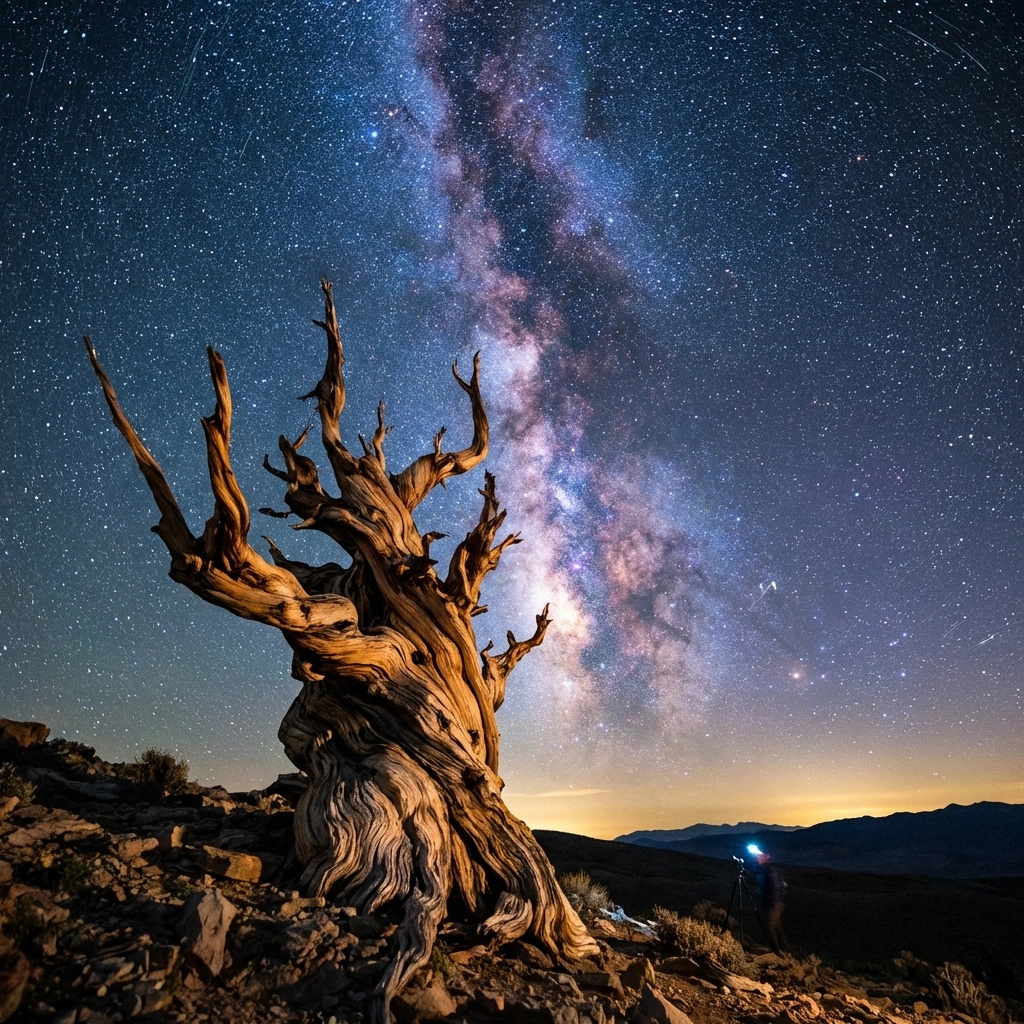
Alt text: A long-exposure shot of the Milky Way galaxy stretching over an ancient, twisted bristlecone pine tree in Great Basin National Park.
Final Thoughts
The U.S. National Parks are a gift to the photographic community. Whether you are chasing the best sunrise spots at Mesa Arch or capturing the rugged coast of Acadia, remember to put the camera down for a moment and just breathe it in. The best images come from a place of connection with the land.
For more technical advice, reviews on the latest cameras like our camera reviews 2024, or to see more fine art inspiration, keep exploring our educational category.
Happy shooting, and I'll see you out on the trails!













