
Category: Foodies
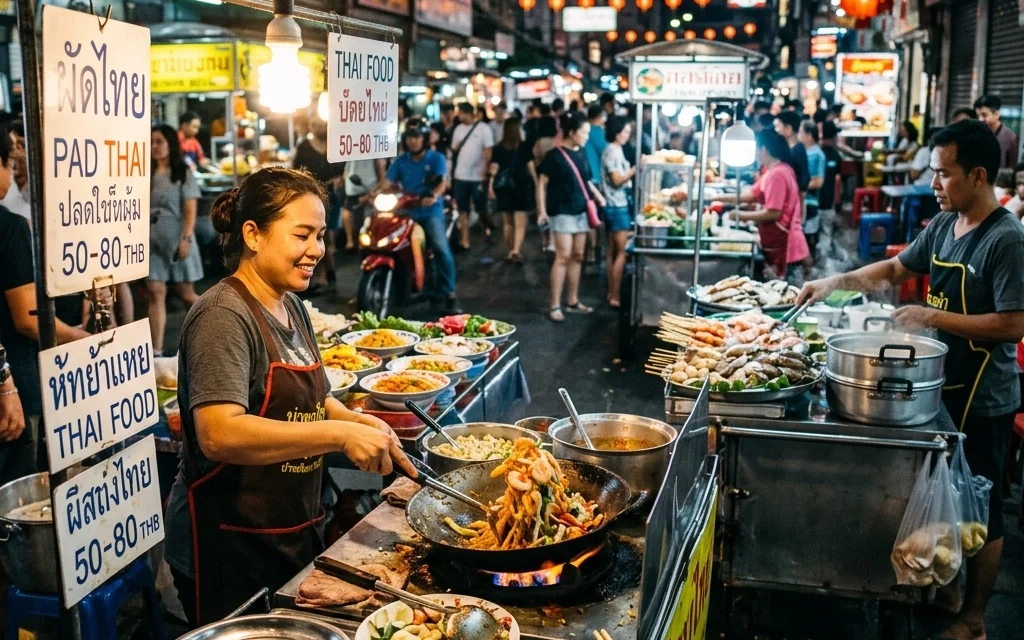
If there is one city on this planet that defines the phrase "street food heaven," it’s Bangkok. For a traveler on a budget, this city isn't just a destination; it’s a full-blown culinary pilgrimage. You can step out of your hostel with a handful of Thai Baht and return a few hours later having experienced some of the most complex, vibrant flavors in the world.
At Photoguides, we’re all about capturing the soul of a place, and in Bangkok, that soul is usually found simmering in a giant pot on a sidewalk or sizzling over a charcoal grill in a crowded alleyway. Navigating the world of budget travel food in a city this size can feel overwhelming, but don't worry, I’ve got you. Whether you’re a seasoned backpacker or a first-timer trying to find the best cheap eats, here is everything you need to know to eat like a local in Bangkok.
Why Bangkok is the Holy Grail of Budget Travel Food
In many cities, "budget food" means settling for something bland or processed. In Bangkok, the opposite is true. The most affordable food is often the most authentic, made with recipes passed down through generations. You’ll find Michelin-recognized vendors serving dishes for less than $3 USD, and markets where you can feast for the price of a coffee back home.
Eating like a local means moving away from the sanitized "tourist menus" and heading toward the smoke and the crowds. It’s about sitting on a plastic stool, hearing the roar of scooters passing by, and realizing that the bowl of noodles in front of you is better than anything you’ve ever had in a fancy restaurant.
The Epicenter: Yaowarat Chinatown
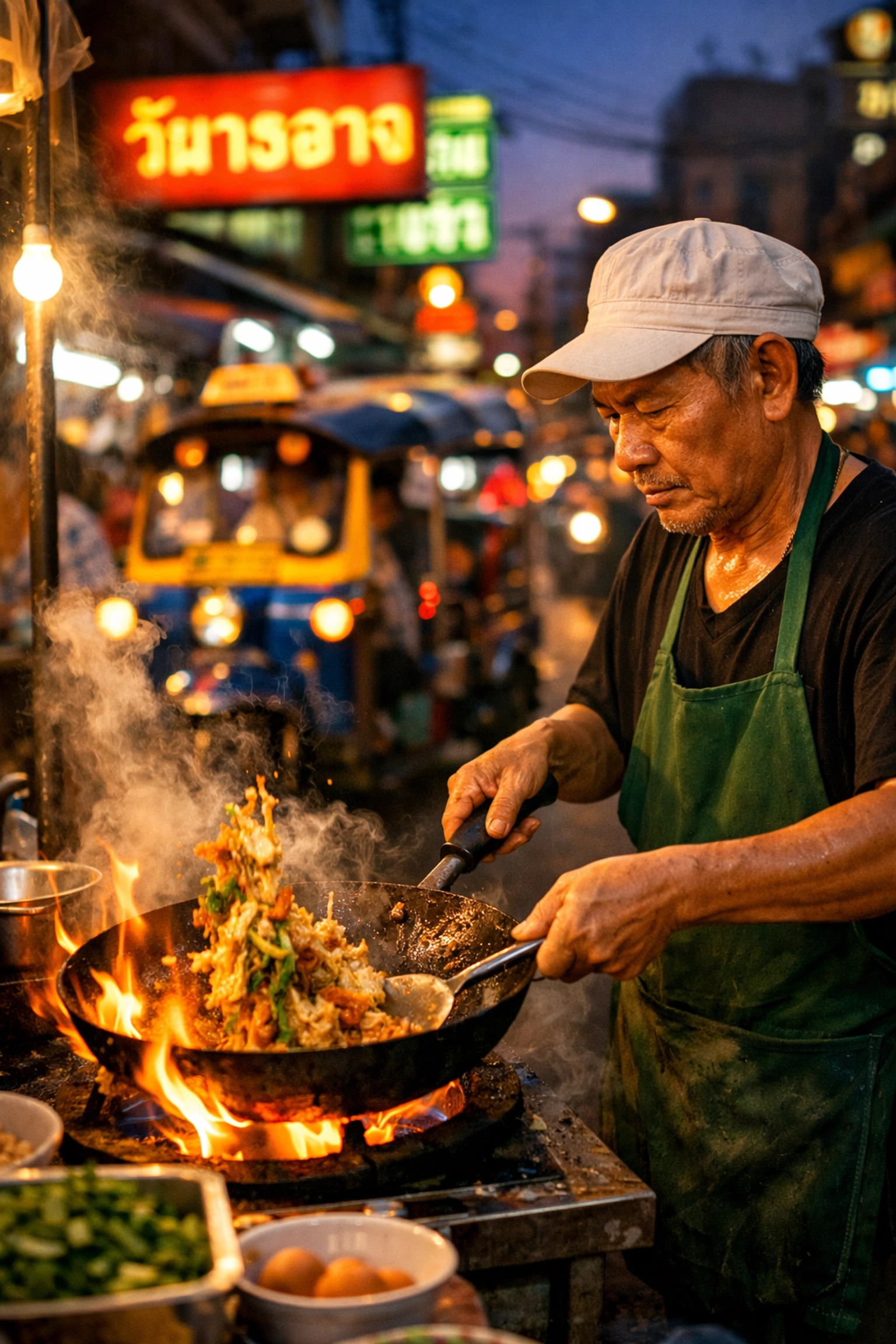
If you only have one night to dive into Bangkok’s food scene, make it Yaowarat. As the sun sets, Chinatown transforms into a neon-lit labyrinth of flavor. It is arguably the best place in the world to find best cheap eats in one concentrated area.
Jek Pui Curry (The "No Tables" Curry)
This is a legendary spot that perfectly captures the Bangkok spirit. Located in a back alley, there are no tables, just a row of red plastic stools against a wall. You join the queue, pick your curry (the green curry with fish balls or the yellow beef curry are fan favorites), and find a seat. It’s fast, delicious, and will cost you less than 60 THB ($1.70). It’s the ultimate "Office Worker’s Lunch" that has become a global sensation.
Nai Mong Hoi Tod
If you want to see a master at work, head to Nai Mong Hoi Tod. They specialize in one thing: oyster omelettes. You can get them soft or crispy, and the texture is incredible. It’s a Michelin-recognized vendor, yet it remains firmly in the budget travel food category. For more insights on how to capture these vibrant street scenes, check out Edin Chavez’s photography work for inspiration on visual storytelling.
The Secret Markets: Where the Locals Actually Eat
While Yaowarat is iconic, it can get crowded. To truly eat like a local, you need to head to the neighborhoods where the tourists are thin on the ground.
Ratchawat and Sriyan Markets
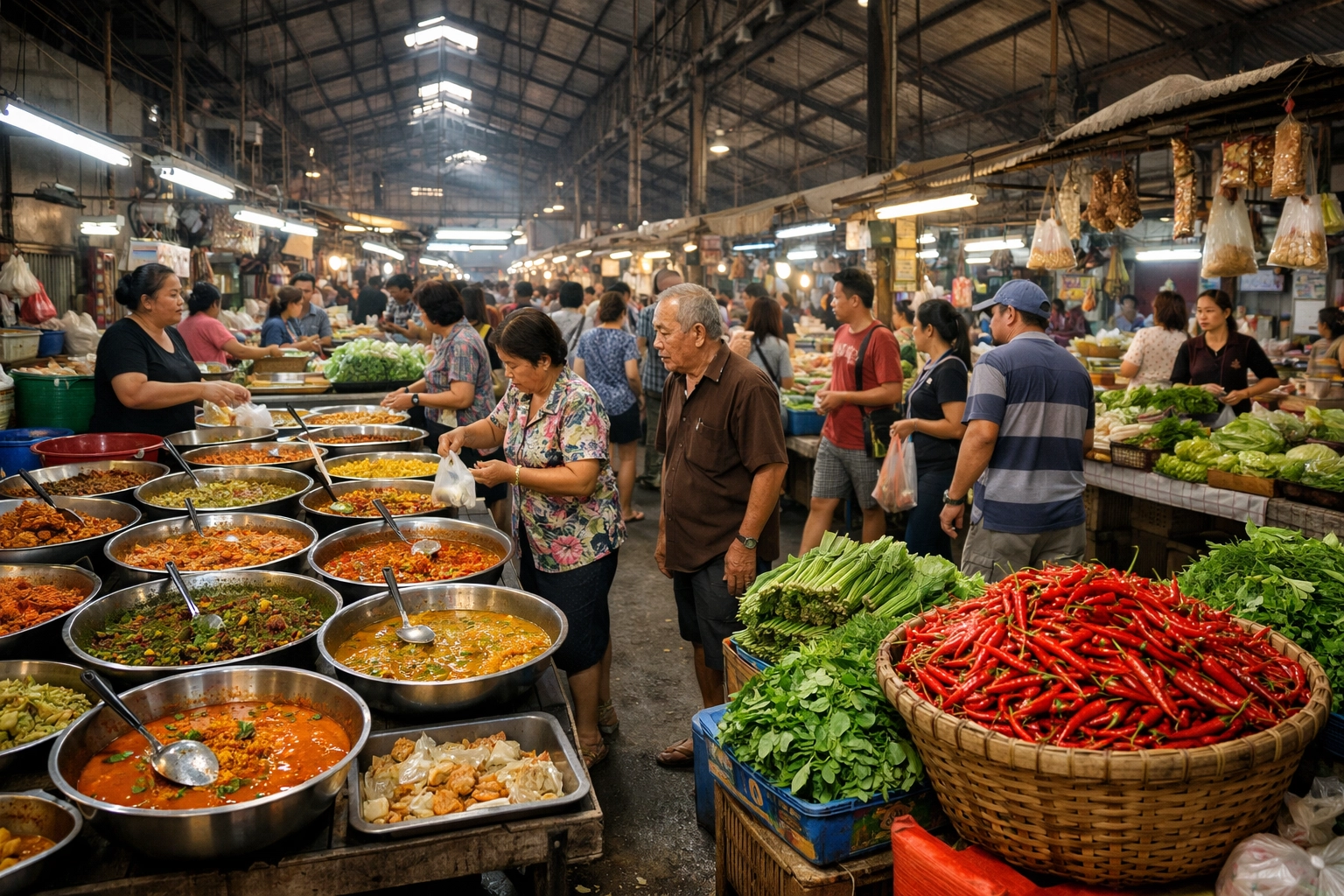
Located in the Dusit district, these two markets offer a much more relaxed vibe. Sriyan Market is a blend of a wet market and permanent noodle shops. It’s where you’ll find authentic Thai life moving at a slower pace. The smells of stir-fried garlic and fragrant broth saturate the air. If you are looking for a cheap weekend getaway vibe within the city, this is the neighborhood to wander through.
Sam Yan Market
Located near Chulalongkorn University, this is where students and locals flock for high-quality, low-cost meals. If you're an early bird, the Sam Yan breakfast market (best between 7 AM and 9 AM) is a must. You can find everything from fresh mango sticky rice to raw seafood stalls. It’s a great place to practice your food photography, just make sure you have the right essential photography gear to handle the fast-paced environment and changing light.
Must-Try Dishes That Won't Break the Bank
When you're scanning menus (or pointing at what looks good), these are the staples of budget travel food you should look for:
- Khao Gaeng (Rice and Curry): This is the quintessential Thai meal. You get a plate of rice and point to two or three different curries or stir-fries displayed in metal trays. It’s fast, filling, and incredibly cheap.
- Tom Yum (The Jeh O Chula Version): You’ve probably had Tom Yum soup before, but Jeh O Chula near the university has turned it into an art form. Their giant "MAMA" noodle bowl, loaded with crispy pork belly, crab, shrimp, and lime, is legendary. It’s affordable enough for students but rich enough for royalty.
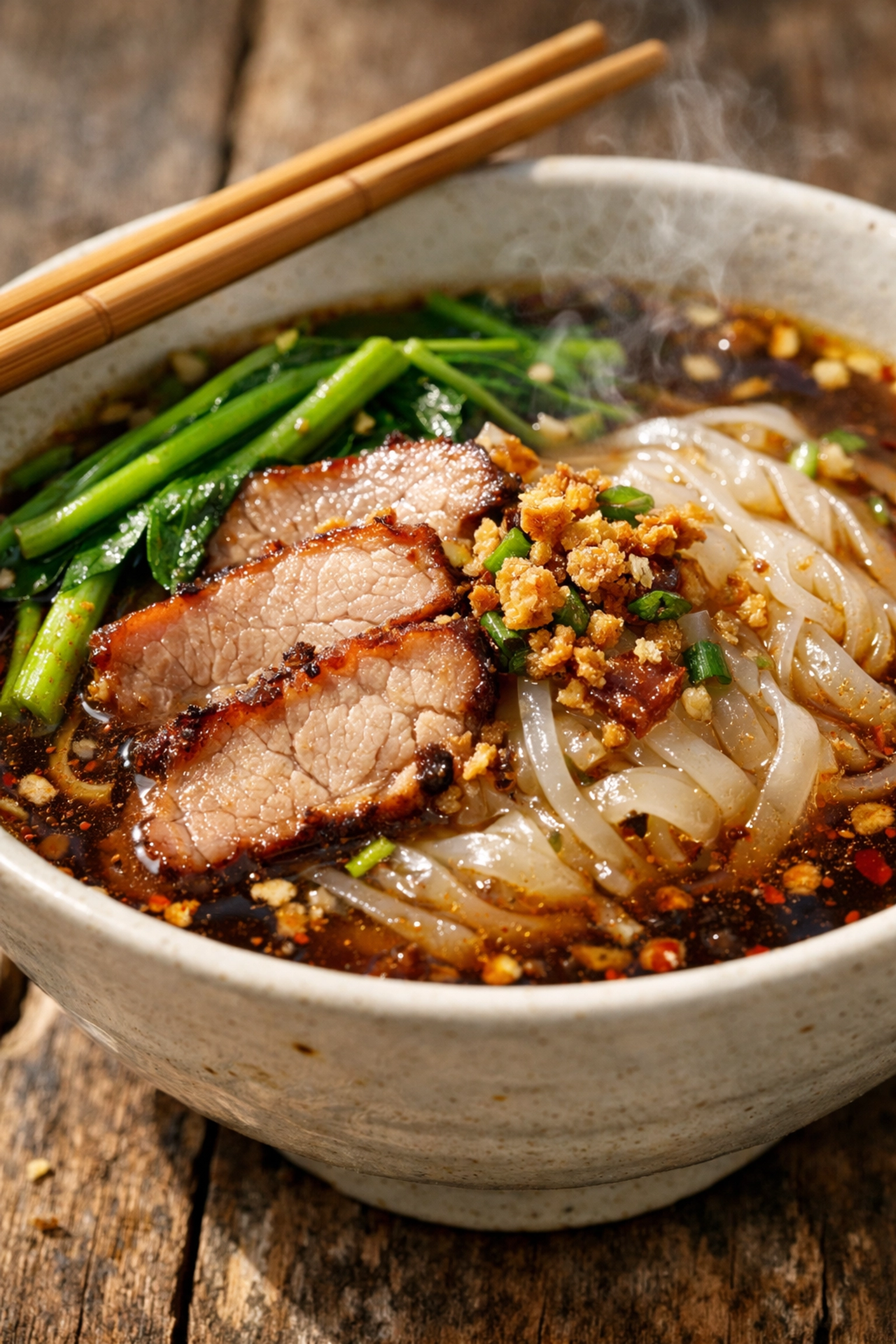
- Guay Teow (Noodle Soup): Whether it’s fishball noodle soup or beef boat noodles, these bowls are the backbone of Bangkok’s diet. Look for Kim Nguan Fish Ball in the Chom Thong area for some of the best handmade fishballs in the city.
- Grilled Meat Skewers (Moo Ping): Often served with small bags of sticky rice, these are the perfect "walking food." The smoky, sweet glaze on the pork is addictive.
Pro Tips for Eating Like a Local
Navigating street food can be intimidating if you’re worried about hygiene or ordering. Here’s how to do it with confidence:
- Follow the Crowd: If a stall has a line of locals, join it. High turnover means the food is fresh, and the taste is vetted by people who know best.
- Embrace the Specialization: The best vendors usually do only one or two things. A guy who only makes duck noodles has likely spent 30 years perfecting those duck noodles. Don't look for a 10-page menu; look for a specialist.
- Hydrate Smartly: While street food is generally safe, stick to bottled water or the ice provided at busy stalls (which is almost always made from purified water in the city).
- Capture the Moment: Before you dig in, take a photo! The colors of Thai food are a photographer's dream. If you're looking to upgrade your skills or gear, take a look at the latest camera reviews 2024 on our site.
Balancing the Budget and the Experience
One of the best things about Bangkok is that you can mix and match. You might spend 50 THB on a bowl of noodles for lunch, which saves you enough money to enjoy a slightly more "splurge" dinner or a visit to one of Miami’s hidden speakeasies (okay, maybe not in Bangkok, but you get the idea: saving here allows for experiences elsewhere!).
If you're documenting your travels, remember that the story isn't just about the food; it's about the people making it. The lady flipping Pad Thai with rhythmic precision or the vendor carefully slicing mangoes for sticky rice are the heart of the city. For more tips on travel storytelling, visit Edin’s blog or check out his fine art prints at Edin Fine Art to see how he captures the essence of global cultures.
Safety and Reassurance
A lot of travelers worry about "Bangkok Belly." While it’s good to be cautious, don't let fear stop you from enjoying the best food of your life. The street food culture in Bangkok is a point of national pride, and vendors rely on repeat customers. Most of the food is cooked at high heat right in front of you, which is often safer than a "western" buffet in a hotel where food might have been sitting out.
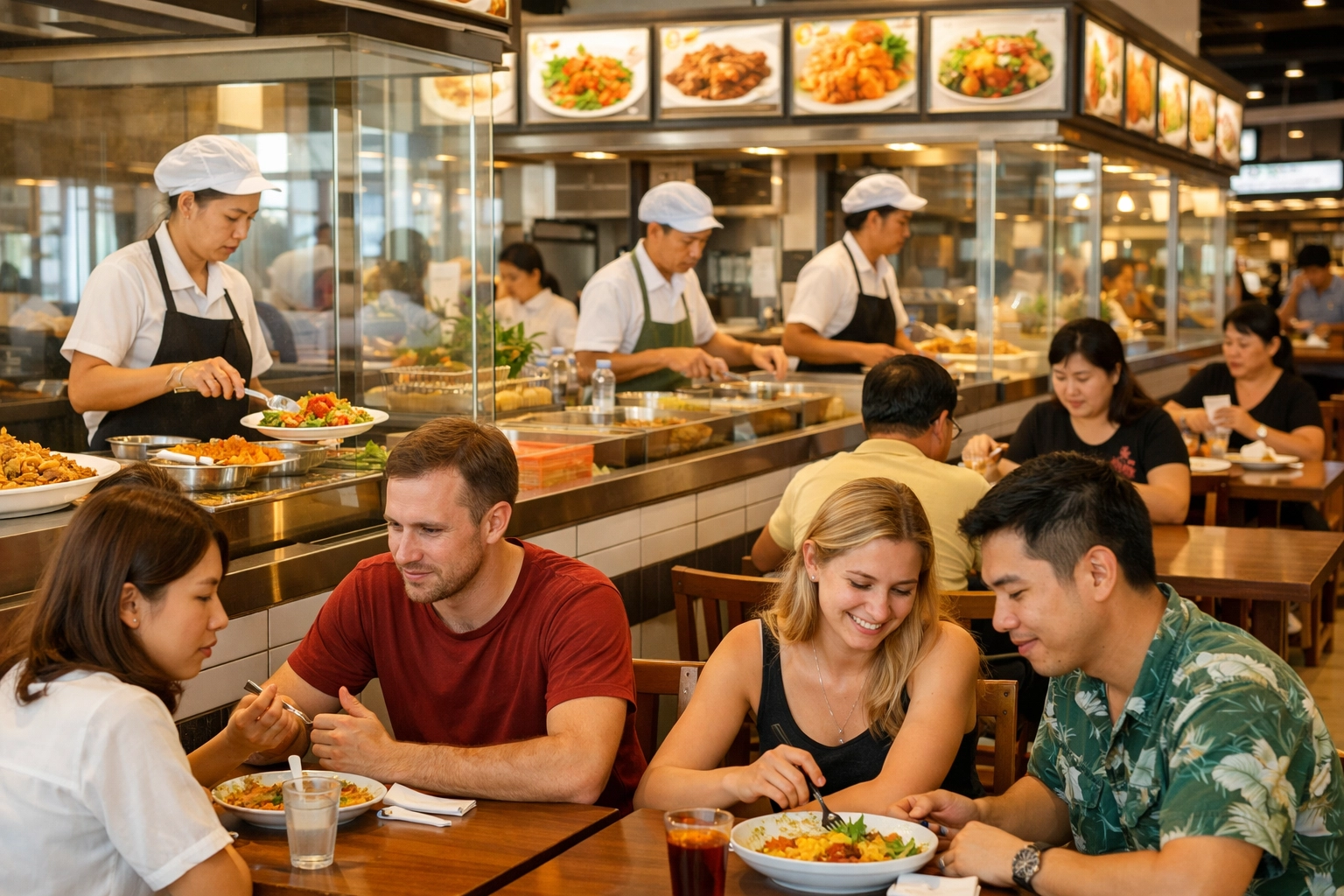
If you're feeling a bit unsure, start at a food court like the one in Terminal 21. It’s air-conditioned, clean, and uses a card system, but the prices are kept very low to mimic street food prices. It’s a great "training wheels" experience before you hit the sidewalks of Charoen Krung Road.
Final Thoughts
Bangkok is a city that rewards the curious. It’s a place where the barrier to entry is low, but the rewards are incredibly high. By focusing on budget travel food, you aren't just saving money: you’re participating in a ritual that millions of locals take part in every single day.
Pack your camera, grab a bottle of water, and head toward the nearest cluster of plastic stools. Your taste buds (and your wallet) will thank you. For more guides on photography and travel, don't forget to browse our educational categories or check out the latest gear discussions over at Shut Your Aperture.
Eating like a local isn't just about the food; it's about the adventure. Happy eating!













