
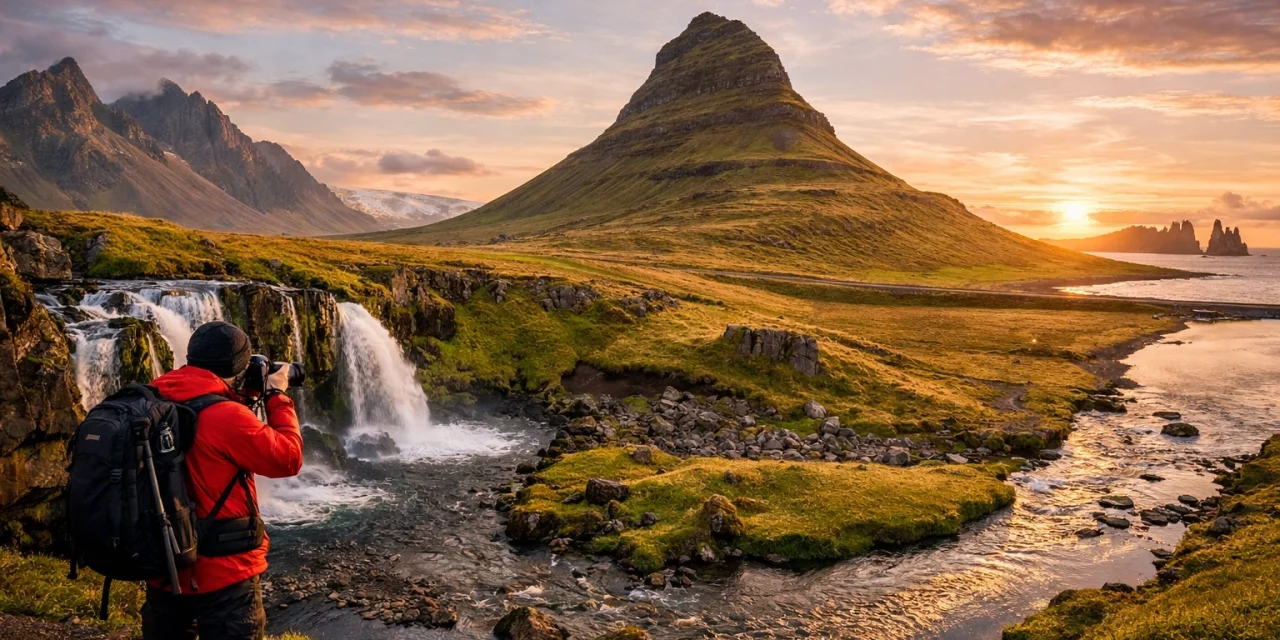
So, you’ve decided to tackle the "Final Boss" of landscape photography. Iceland isn’t just a country; it’s basically a high-definition playground designed by a Norse god with an obsession for long exposures and dramatic lighting. Whether you’re a pro looking to add to your portfolio or a hobbyist searching for the most instagrammable places on the planet, Iceland will deliver: provided you know where to point your lens.
I’m Penny, your guide from Photoguides, and I’m here to tell you that while Iceland can be intimidating (the weather has a mind of its own), it’s also incredibly rewarding. Think of this as your roadmap to the best photography locations in the Land of Fire and Ice. We’re going to cover everything from the towering waterfalls of the South Coast to the surreal "Batman Mountain" in the East.
If you're feeling a bit overwhelmed by the logistics, don't sweat it. You can always check out some incredible guided activities and photography tours here to take the pressure off the planning.
1. The Powerhouse Waterfalls: Skógafoss and Seljalandsfoss
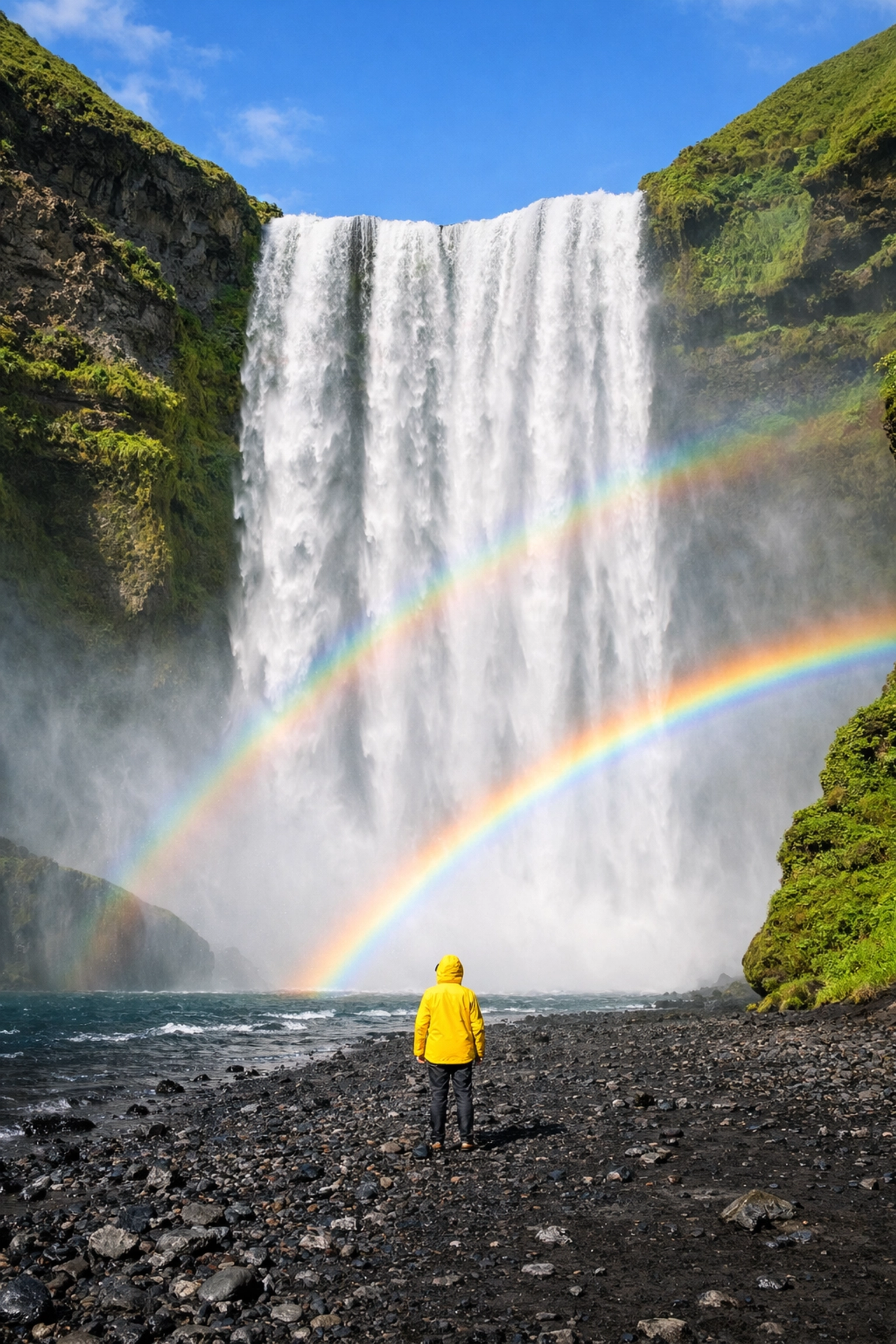
If you haven’t seen a photo of Skógafoss, have you even been on the internet lately? It is the quintessential Icelandic waterfall. Standing at 60 meters high, it produces a massive amount of spray that, on sunny days, creates vivid double rainbows.
Travel photography tips for Skógafoss:
Don’t just stand at the base with everyone else. While the "tiny person for scale" shot is a classic, try heading up the staircase to the right for a top-down perspective. Just be warned: the spray is real. Your gear will get soaked, so make sure you’ve checked out our guide on essential photography gear to ensure your camera stays dry.
Just a short drive away is Seljalandsfoss. This is the one you can walk behind. For the best shot, wait for sunset. The sun dips low on the horizon, glowing through the curtain of water. It’s pure magic. For more inspiration on how to capture these epic moments, Edin Chavez has some incredible insights over at his fine art site.
2. The Diamond Beach and Jökulsárlón Glacier Lagoon
Imagine a beach where the sand is as black as coal and it’s littered with chunks of ice that look like giant diamonds. Welcome to Diamond Beach. This is easily one of the most instagrammable places in the world.
The ice chunks break off from the Breiðamerkurjökull glacier, float through the Jökulsárlón lagoon, and eventually wash up on the shore.
Pro Tip: Use a slow shutter speed (between 0.5 to 2 seconds) to capture the "recoil" of the waves as they wash around the ice. It creates a beautiful, ethereal silk effect. If you’re looking to perfect your editing after the trip, you might want to download some sky overlays to add that extra "oomph" to your glacier shots.
Across the road is the lagoon itself. It’s constantly changing. One day it might be packed with ice; the next, it might be relatively clear. It’s a great place to practice your composition by using the floating icebergs as foreground elements against the distant mountains.
3. The Moody Majesty of Vestrahorn (Stokksnes)
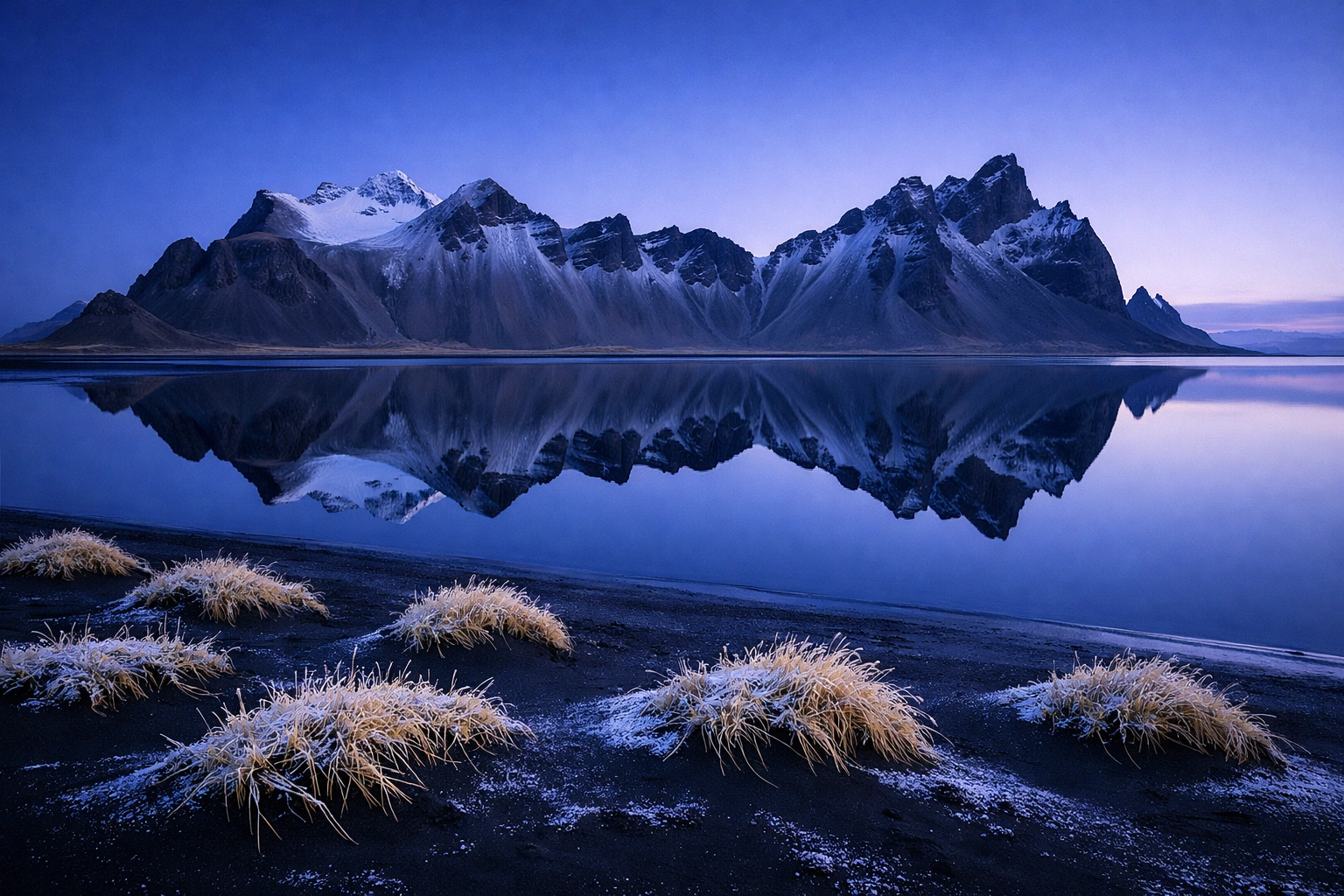
If there is one location that defines "moody Iceland," it’s Vestrahorn. Often called the "Batman Mountain" because of its jagged peaks, it’s a dream for anyone chasing the best photography locations.
Located on the Stokksnes peninsula, this spot offers a bit of everything: black sand dunes, yellow tufts of grass, and perfectly reflective tidal flats.
Composition Secret: Catch it at low tide. When the water recedes from the black sand, it leaves a thin film that acts as a giant mirror. Position yourself so the mountain is perfectly reflected in the sand. It’s a shot that never fails. For more technical deep dives, check out the educational category on our site.
4. The Southern Coast’s Dark Side: Reynisfjara and Dyrhólaey
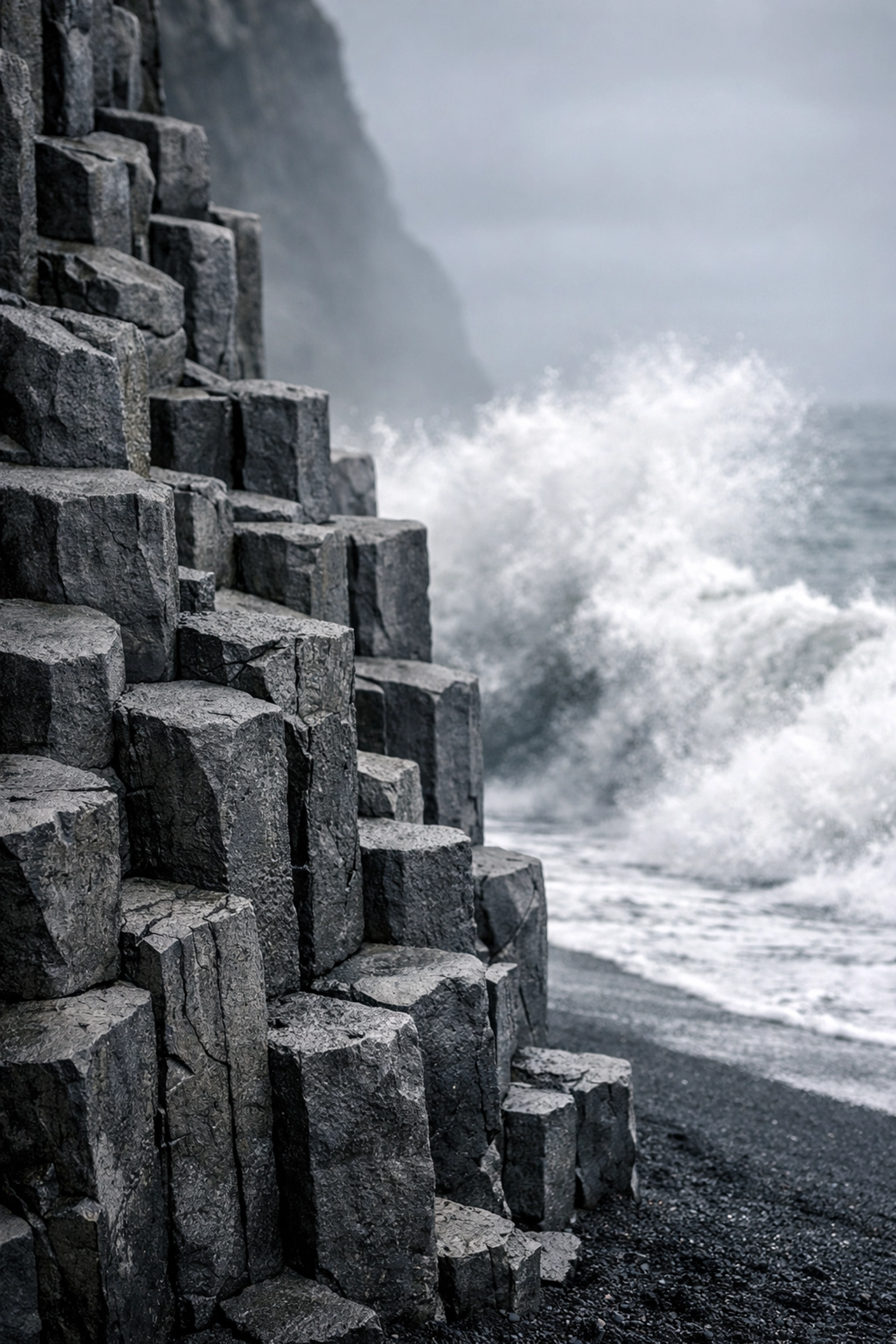
Reynisfjara is world-famous for its basalt columns and "sneaker waves." (Seriously, don’t turn your back on the ocean here; it’s dangerous). The geometric basalt columns make for an incredible backdrop for portraits or architectural-style landscape shots.
Just up the hill is Dyrhólaey, a massive stone arch reaching into the sea. From the lighthouse at the top, you have a 360-degree view of the coastline. In the summer, this is also a prime spot for puffin sightings.
Success Tip: Visit at sunrise. Most tourists don’t roll out of bed until 9:00 AM. If you’re there at the crack of dawn, you’ll have the basalt columns all to yourself. If you’re curious about how these shots look when printed professionally, take a look at Edin Chavez’s blog for some high-end examples.
5. The Highlands: Landmannalaugar
If you have a 4WD vehicle and a sense of adventure, you need to head to the Highlands. Landmannalaugar is like being on another planet. The mountains are made of rhyolite, which creates colors you won't see anywhere else: pinks, greens, yellows, and deep blues.
This isn’t a place for "lazy" photography. There are no paved paths to the "perfect" spot. You have to hike and find your own compositions.
Travel photography tips for the Highlands:
Bring a telephoto lens. While wide angles are great for the scale, a telephoto allows you to pick out the incredible textures and layers in the colorful hills. It’s also worth reading up on camera reviews to see which gear handles the rugged Highland dust and wind the best.
6. Chasing the Aurora Borealis
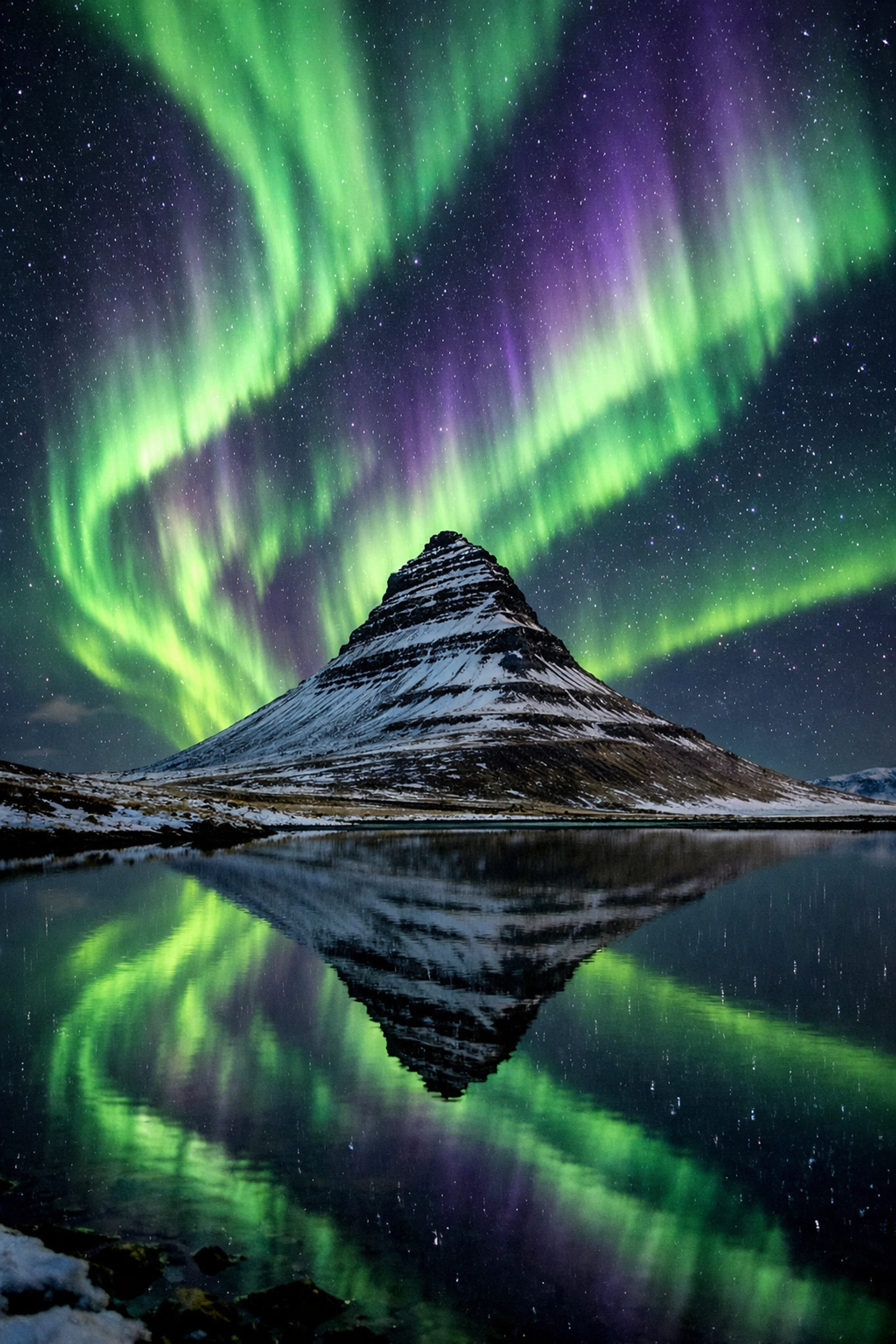
No guide to Iceland is complete without mentioning the Northern Lights. Capturing the Aurora is the "holy grail" for many photographers visiting between September and April.
How to succeed:
- Find Dark Skies: Get away from Reykjavik’s city lights.
- Use a Tripod: Essential. No exceptions.
- Wide Aperture: Use a lens with at least f/2.8.
- ISO: Don’t be afraid to push it to 1600 or 3200.
One of my favorite tricks is to time your trip with a full moon. While you might think the light would wash out the Aurora, it actually illuminates the foreground, allowing you to capture the landscape and the lights in one shot without needing a 30-second exposure that blurs the stars.
7. Hidden Gems and Lesser-Known Spots
While the icons are great, sometimes the best shots come from the places people skip.
- Kvernufoss: Just a few minutes from Skógafoss but hidden in a canyon. It’s much quieter and arguably more beautiful.
- Goðafoss: Located in the North, the "Waterfall of the Gods" is a massive horseshoe-shaped fall that is spectacular in the winter when it’s partially frozen.
- The Plane Wreck: The Sólheimasandur DC-3 wreck is a bit of a hike, but it’s a masterclass in minimalist, moody photography.
If you’re planning a trip that isn’t just about the "hits," you might find our list of cheap weekend getaways useful for balancing your travel budget.
Final Thoughts: Staying Reassured in the Wild
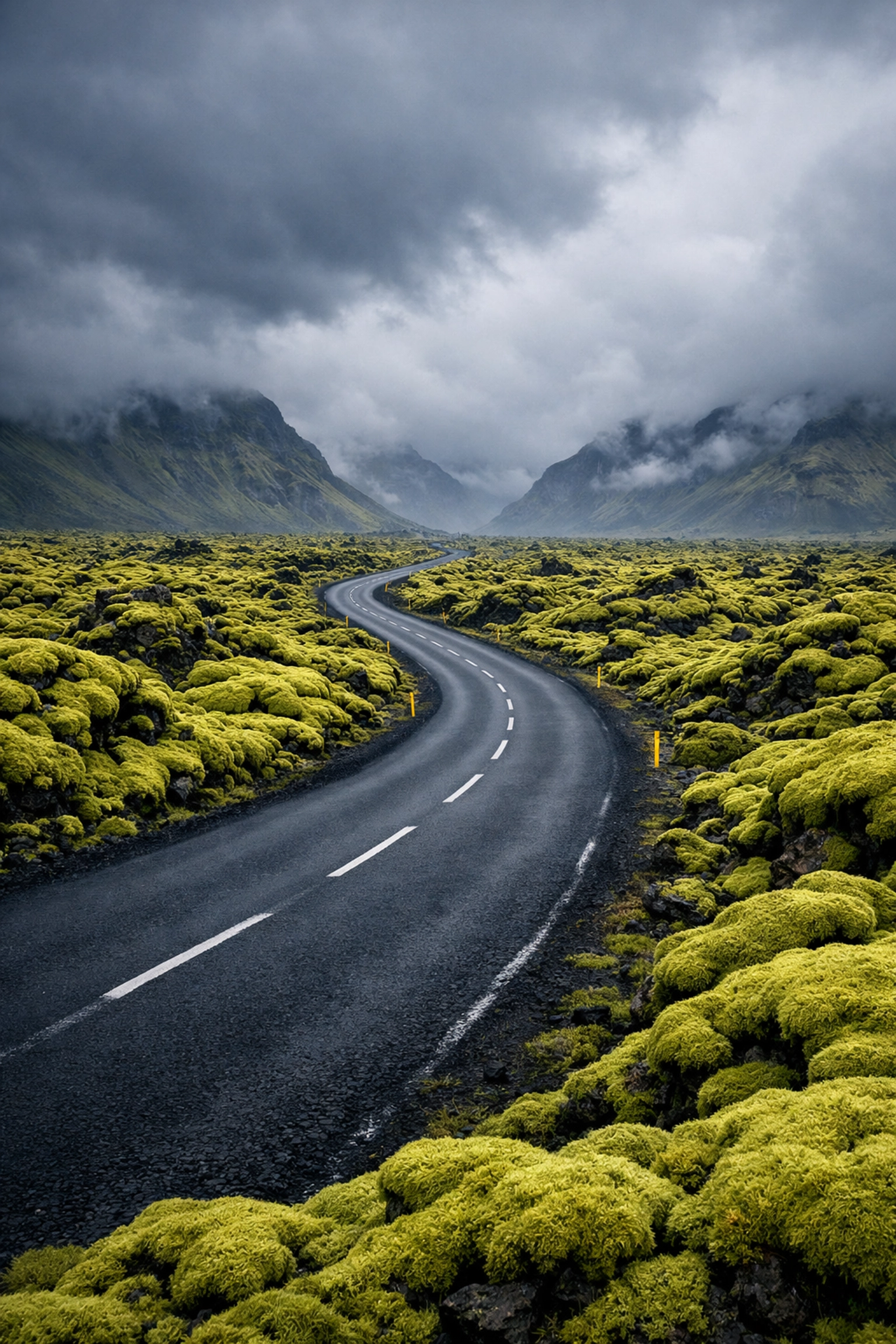
Iceland is unpredictable. You might plan for a sunset at the Diamond Beach and end up in a horizontal rainstorm. That’s okay! Some of the most dramatic, "award-winning" photos are taken in "bad" weather. The clouds add texture, and the rain makes the colors of the moss pop.
The key to success in Iceland is flexibility. Don't marry yourself to a strict schedule. If the light is good, keep shooting. If the weather turns, find a cozy cafe (we have some great restaurant recommendations if you ever find yourself in Colorado, though Icelandic soup is a story for another day!).
Ready to book your experience? Whether it's a glacier hike or a northern lights chase, check out the latest photography booking experiences to make sure your trip is seamless.
Iceland is waiting for you. Grab your camera, pack your wool socks, and go capture something legendary. And remember, if you need a little help along the way, we’re always here at Photoguides to help you master the craft. Happy shooting!













