Category: Foodies
Tokyo is a city that doesn't just eat; it celebrates every single bite with the intensity of a thousand suns. If you’re a fan of food (and if you aren’t, why are you here?), Tokyo is basically the final boss of culinary destinations. It holds the title for the most Michelin stars in the world, yet some of the best meals I’ve ever had cost less than a pair of socks at Uniqlo.
Whether you’re hunting for the perfect slice of fatty tuna in a basement in Ginza or trying to figure out why your pancake is vibrating in Harajuku, navigating the Tokyo food scene can be a bit like trying to solve a Rubik's cube while riding a roller coaster. That’s why we’ve put together this 14-day roadmap. Over the next two weeks, we’re diving deep into the alleys, department stores, and high-rises to ensure you leave Japan five pounds heavier and infinitely happier.
Grab your chopsticks, wear your stretchy pants, and let's get into it.
Day 1-2: Akihabara & The Weird, Wonderful World of Themed Cafes
Akihabara is known for electronics and anime, but the food scene is equally electric. This is the land of the themed cafe. From maid cafes where your omelet is decorated with a ketchup heart to cafes where you can sip tea while surrounded by owls or hedgehogs, it’s an experience.
It sounds gimmicky, and it totally is, but that’s the point. It’s part of the Tokyo charm. If you want to navigate the sensory overload of Electric Town without getting lost in a sea of neon, I highly recommend booking a local food and culture tour through Viator. They’ll help you find the spots that are actually delicious, not just Instagrammable.
Day 3: The High-End Hustle in Ginza
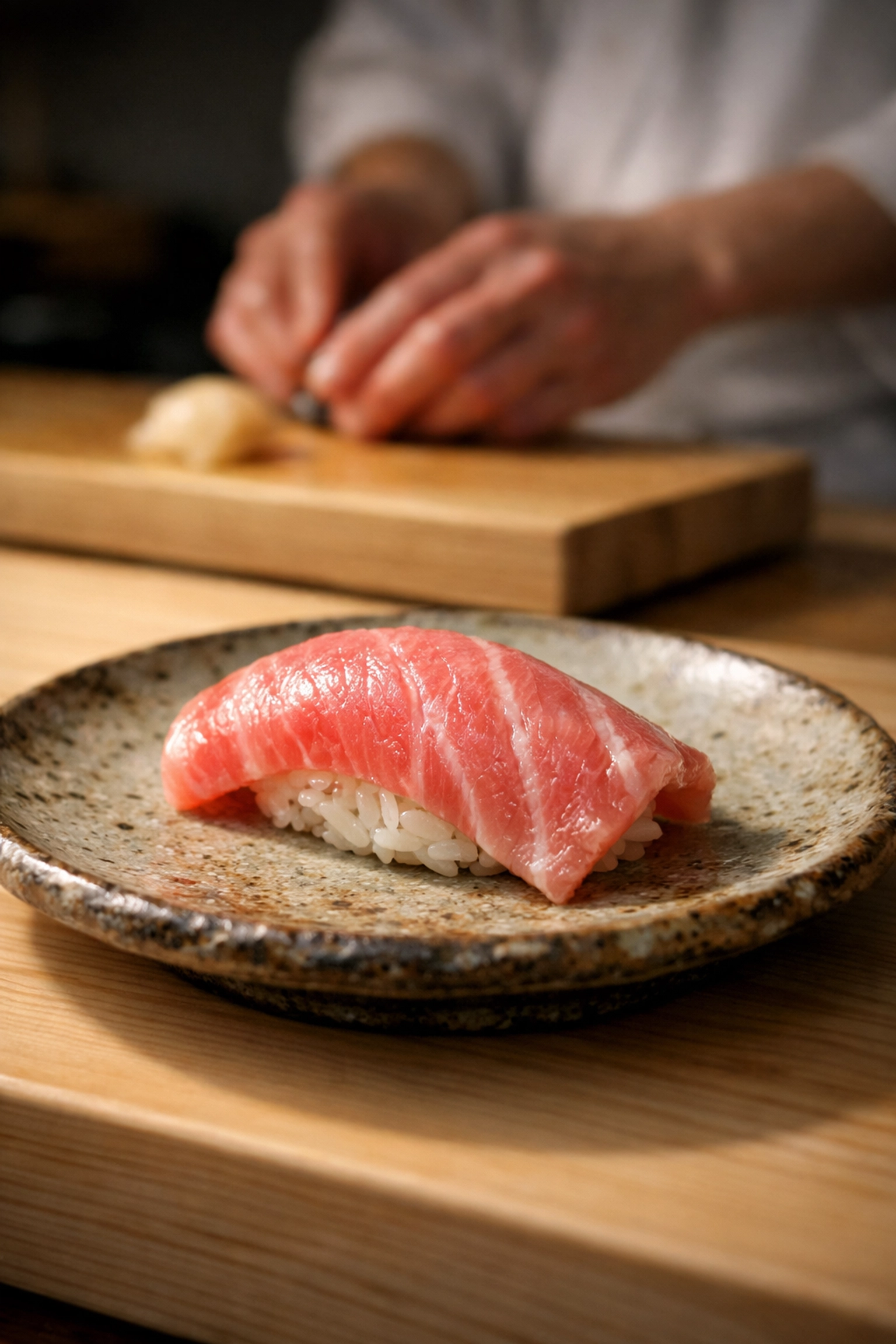
Ginza is where your credit card goes to get a workout. This is the home of legendary sushi spots like Tomidokoro, where the omakase (chef's choice) experience is less of a meal and more of a spiritual awakening. You’re looking at about $175 per person, but for the freshest fish on the planet, it’s worth every yen.
If you’re feeling extra fancy, Sushi Masashi is another Michelin-starred titan you can’t miss. Pro tip: Don't forget to document these works of art. If you need to brush up on your macro skills before the trip, check out our educational photography guides so you can capture that glistening toro in all its glory.
For the best chance at a reservation in this competitive district, check out these Ginza food experiences on Viator.
Day 4-5: Street Food and Fluffy Fantasies in Harajuku
Harajuku isn’t just about colorful fashion; it’s about food that looks like a rainbow exploded. Takeshita Street is the place for giant cotton candy and crepes stuffed with everything from cheesecake to fresh fruit.
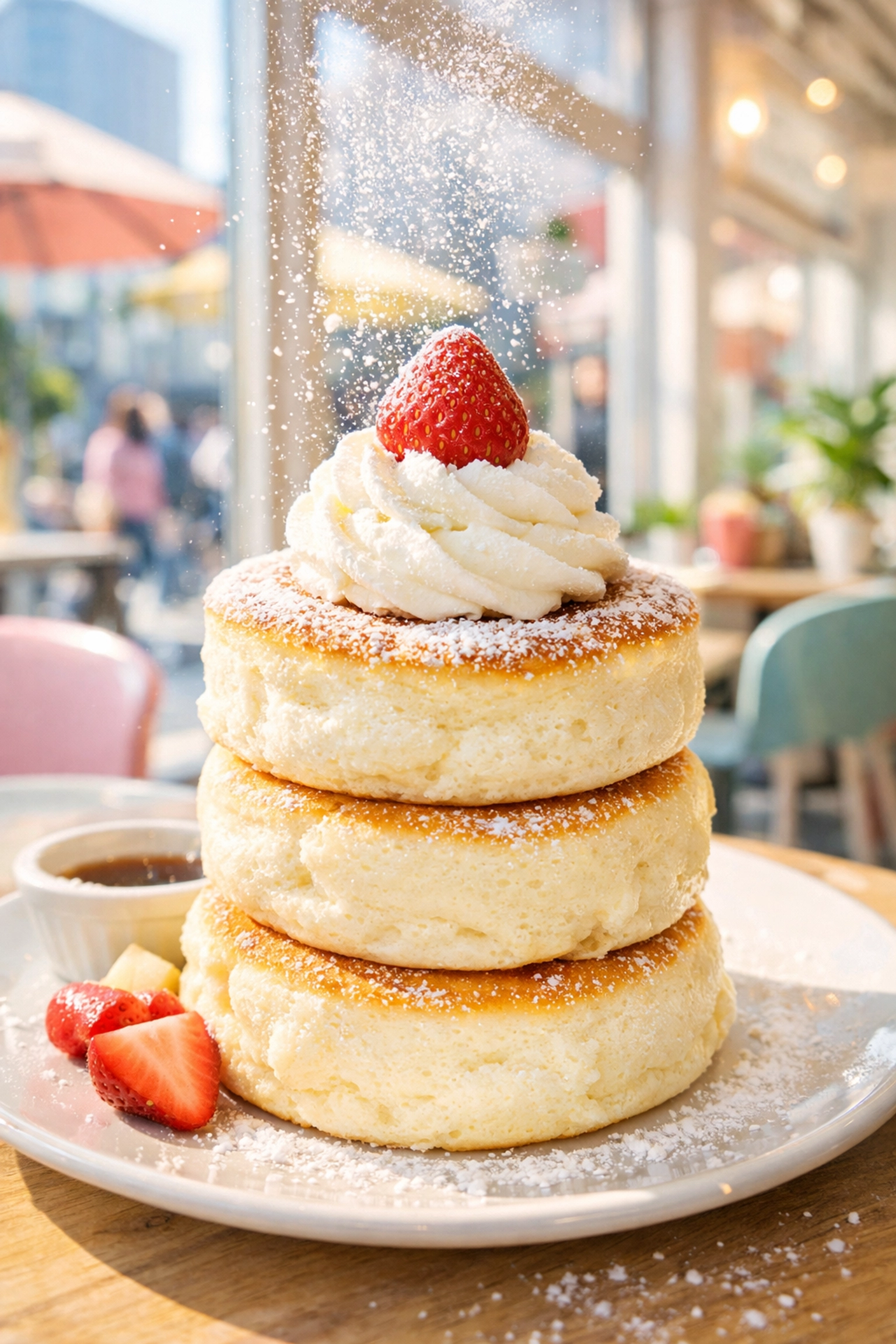
But the real MVP here is Flippers. They serve those famous Japanese "soufflé" pancakes that are so light they practically float off the plate. They are jiggly, airy, and a total pain to get into without a plan. You absolutely need to book ahead or show up early. To make the most of your Harajuku sugar rush, grab a spot on a street food tour via Viator.
Day 6: The Tsukiji Outer Market Experience
Even though the inner wholesale market moved to Toyosu, the Tsukiji Outer Market is still the beating heart of Tokyo's seafood scene. This is where you go at 8:00 AM to eat things you can’t identify but taste like heaven. From grilled scallops with butter and soy sauce to sweet tamagoyaki (Japanese omelet) on a stick, it’s a seafood lover’s playground.
Since it’s crowded and the menus are often just handwritten kanji, having a guide is a lifesaver. You can find some incredible Tsukiji market tours right here.
Day 7-8: Shinjuku’s Golden Gai and Tonkatsu Perfection
Shinjuku is a beast. For dinner, head to Tonkatsu Hinata. They specialize in the traditional fried pork cutlet, and they take it seriously. I’m talking about specific breeds of pork and precise frying temperatures. It’s served with a mountain of shredded cabbage and a spicy mustard that will clear your sinuses in the best way possible.
After dinner, wander over to Golden Gai. It’s a network of tiny alleys with over 200 miniature bars. Most only seat about six people. It’s the perfect place to grab a highball and talk to locals. If you're worried about the "tourist traps," Viator has some great Shinjuku nightlife tours that will take you to the best hidden gems.
Day 9: The Wagyu Pilgrimage in Shibuya
You can’t come to Tokyo and not eat Wagyu. Nakahara is the gold standard here. They serve wagyu from a single cow, and the cuts are handled with surgical precision. The meal usually ends with a Wagyu Katsu Sando: a fried tenderloin filet between two pieces of fluffy white bread. It is, quite literally, the best sandwich you will ever eat.
Since you’re in Shibuya, you’ll likely be crossing the famous scramble. If you want to get that iconic long-exposure shot of the crowds before your steak, make sure you have the essential photography gear ready. For a guided steak experience, see what's available on Viator.
Day 10-11: Traditional Soul Food in Asakusa
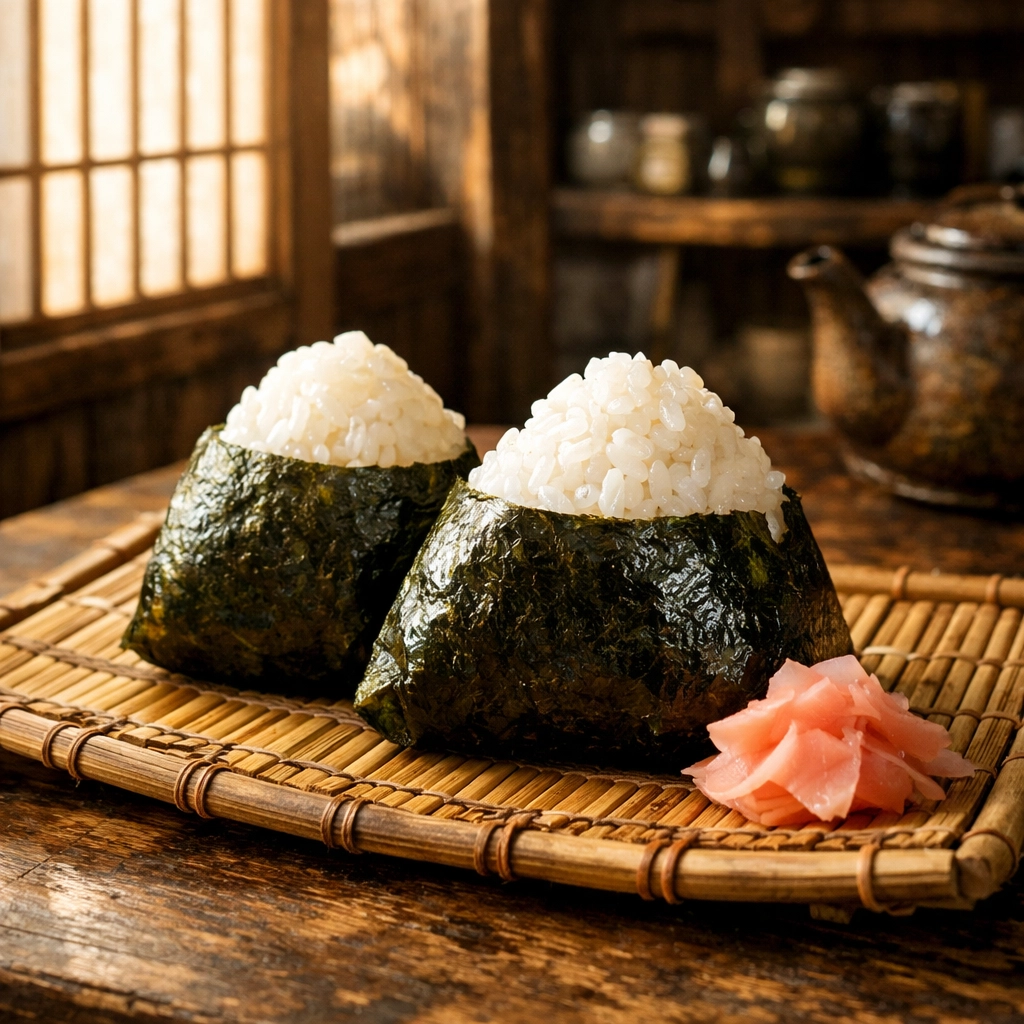
Asakusa feels like a trip back in time. After visiting Senso-ji Temple, stop by Onigiri Asakusa Yadoroku. They’ve been serving onigiri (rice balls) since 1954. It’s simple, honest food: just high-quality rice, crisp nori, and fillings like pickled plum or salted salmon.
This area is also great for finding traditional sweets like taiyaki (fish-shaped cakes filled with red bean). To really dig into the history of Japanese soul food, book an Asakusa walking tour through Viator.
Day 12: Pizza and Udon – The Unexpected Stars
It sounds crazy to suggest pizza in Tokyo, but Seirinkan in Naka-Meguro makes some of the best Neapolitan pizza on the planet. The chef is obsessed with the craft, offering only Margherita and Marinara. It’s a testament to the Japanese philosophy of doing one thing perfectly.
For a late-night fix, Tsuro Ton Tan serves massive bowls of udon. Their Mentaiko Cream Udon is a revelation. They stay open until the early hours of the morning, making it the ultimate post-karaoke meal. Find more hidden culinary gems on Viator here.
Day 13-14: Fine Dining and the "Depachika" Dash
End your trip with a bang at Den. It holds two Michelin stars and is famous for its "Dentucky Fried Chicken": a playful take on the fast-food classic. It’s modern, fun, and incredibly delicious.
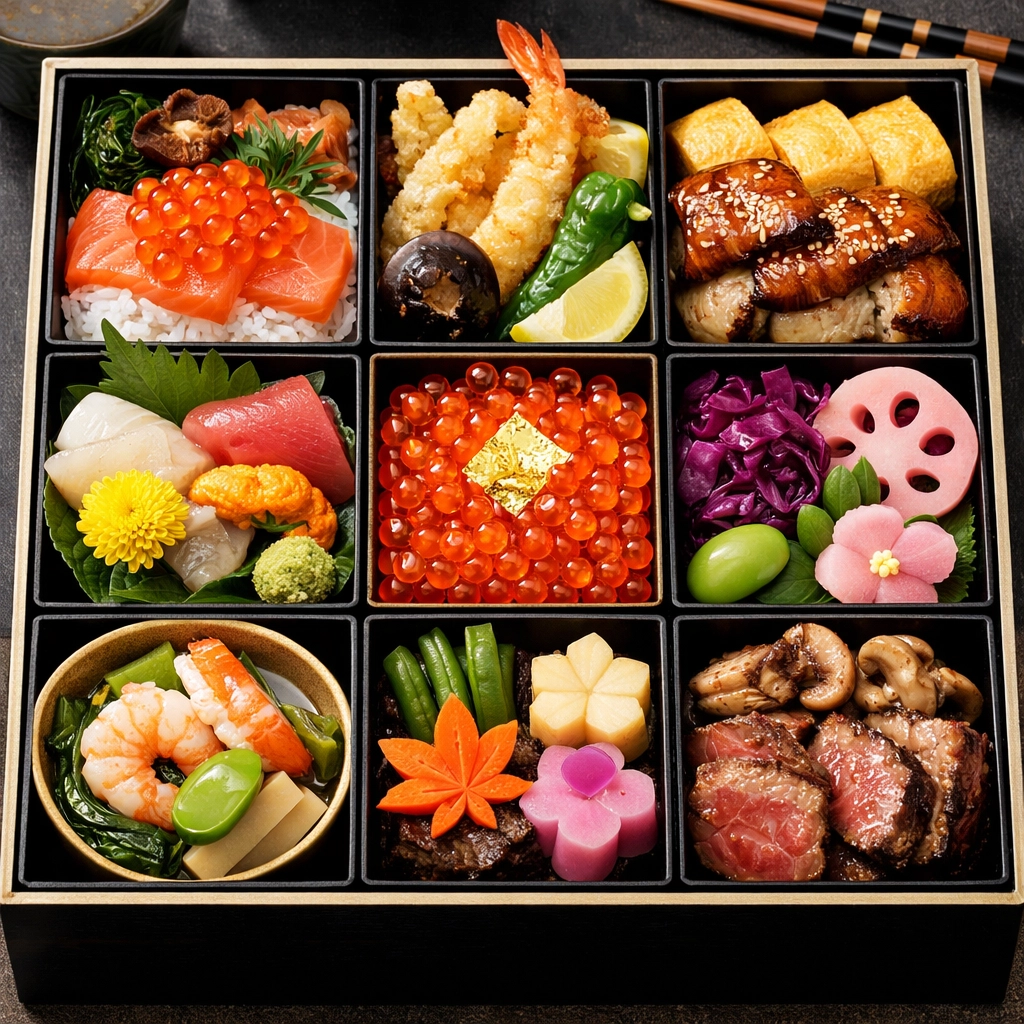
On your final day, hit up a Depachika. These are the basement food halls in department stores like Isetan or Mitsukoshi. They are a treasure trove of high-end bento boxes, perfect pastries, and $100 melons. It’s the best place to grab souvenirs for the flight home. For a final curated experience, check out these luxury dining tours on Viator.
Tips for Survival (and Staying Full)
Before you set off on this 14-day eating marathon, here are a few pro tips to keep in mind:
- Google Translate is your best friend. Many of the best "hole-in-the-wall" shops don't have English menus. Use the camera feature to translate in real-time.
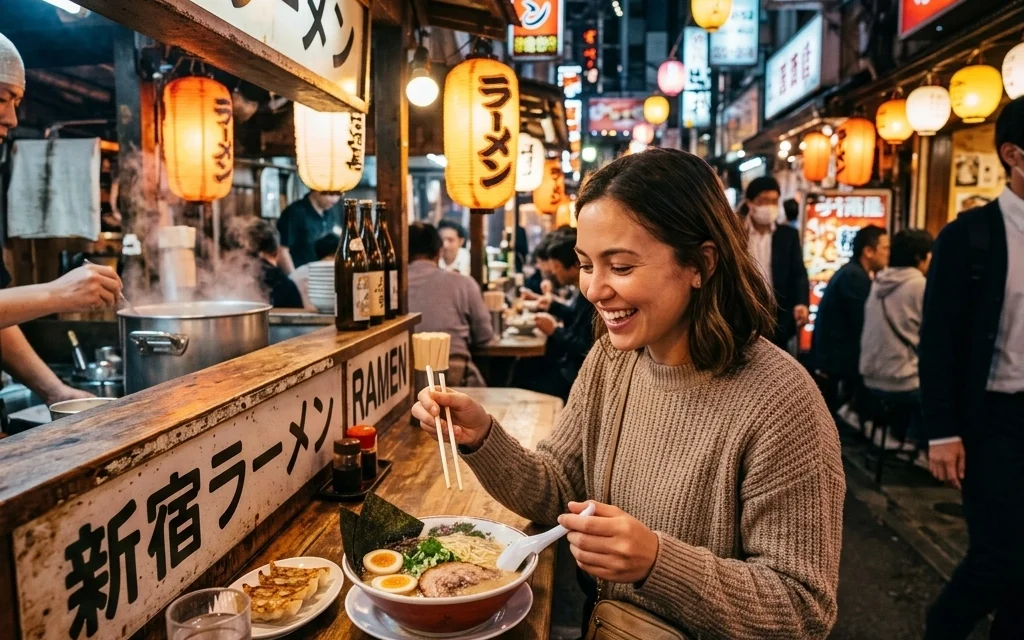
- Cash is (often) still king. While big restaurants take cards, many smaller stalls and ramen shops use ticket machines that only take yen.
- The 7-Eleven Secret. Don't sleep on Japanese convenience stores (Konbini). The egg salad sandwiches and onigiri are world-class and perfect for a quick breakfast.
- Photography Etiquette. Most places are fine with food photos, but always ask before snapping pictures of the chefs or the interior. For more on capturing travel memories, visit Edin’s Fine Art or read more tips on Shut Your Aperture.
- Book Ahead. Tokyo is a city of 14 million people who all love to eat. If you want to eat at the famous spots, you need to reserve weeks (or months) in advance.
Tokyo can be overwhelming, but it’s also one of the most rewarding cities on earth for a photographer and a foodie. If you’re looking for more travel inspiration or need to book a professional shoot for your own world travels, check out our photography booking experience.
For more of my personal travel stories and galleries, head over to Edin Chavez's blog. Now, go get some ramen!