
Category: Photo Guides
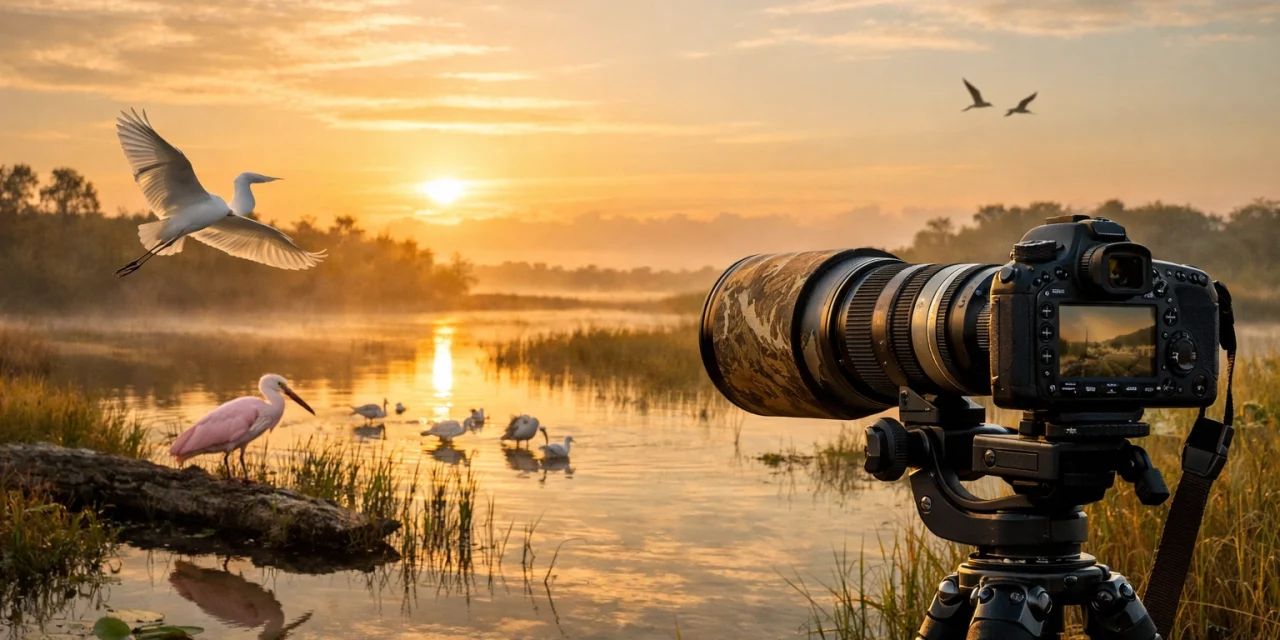
There is something truly magical about the Everglades. Known as the "River of Grass," this vast subtropical wilderness is a mosaic of sawgrass prairies, cypress domes, and mangrove forests. But for photographers, the real stars of the show are the birds. With over 360 species recorded in the park, the Everglades is arguably the best place in North America to capture stunning images of avian life.
Whether you are a seasoned pro looking for that perfect shot of a Roseate Spoonbill or a hobbyist hoping to capture your first Great Blue Heron, this guide will give you the tools, tips, and locations you need to succeed. If you want to dive even deeper and have all the "secret spots" at your fingertips, don't forget to grab our comprehensive Everglades Photography Guide.
Understanding the Seasons: Timing is Everything
In the Everglades, timing isn't just a suggestion; it’s the difference between a memory card full of masterpieces and a day spent swatting mosquitoes in an empty swamp.
The Dry Season (late November to April) is the golden window for bird photography. As the water levels recede across the landscape, fish and amphibians are forced into shrinking pools. This creates a natural buffet for wading birds. During these months, birds congregate in massive numbers, and they are often so focused on feeding that they become incredibly tolerant of human presence.
The Wet Season (May to October) is a different story. The water spreads out, and so do the birds. Plus, the heat, humidity, and insects can be quite a challenge. If you are planning a trip, aim for the winter months. Not only is the weather comfortable, but you’ll also catch the nesting season, where you can photograph chicks in the nest: especially around February and March.
For more inspiration on planning your trips, check out some of our other travel insights and guides on Edin’s Blog.
Top Photography Locations in the Everglades
While the park is massive, certain spots are legendary for a reason. Here are the "must-visit" locations for any bird photographer.
1. Anhinga Trail (Royal Palm)
Located near the main entrance, this is the crown jewel of Everglades birding. The birds here are famously "tame." You can often find Anhingas, Cormorants, and various Herons just feet away from the boardwalk. It is an excellent spot for close-up portraits and behavior shots.
2. Shark Valley
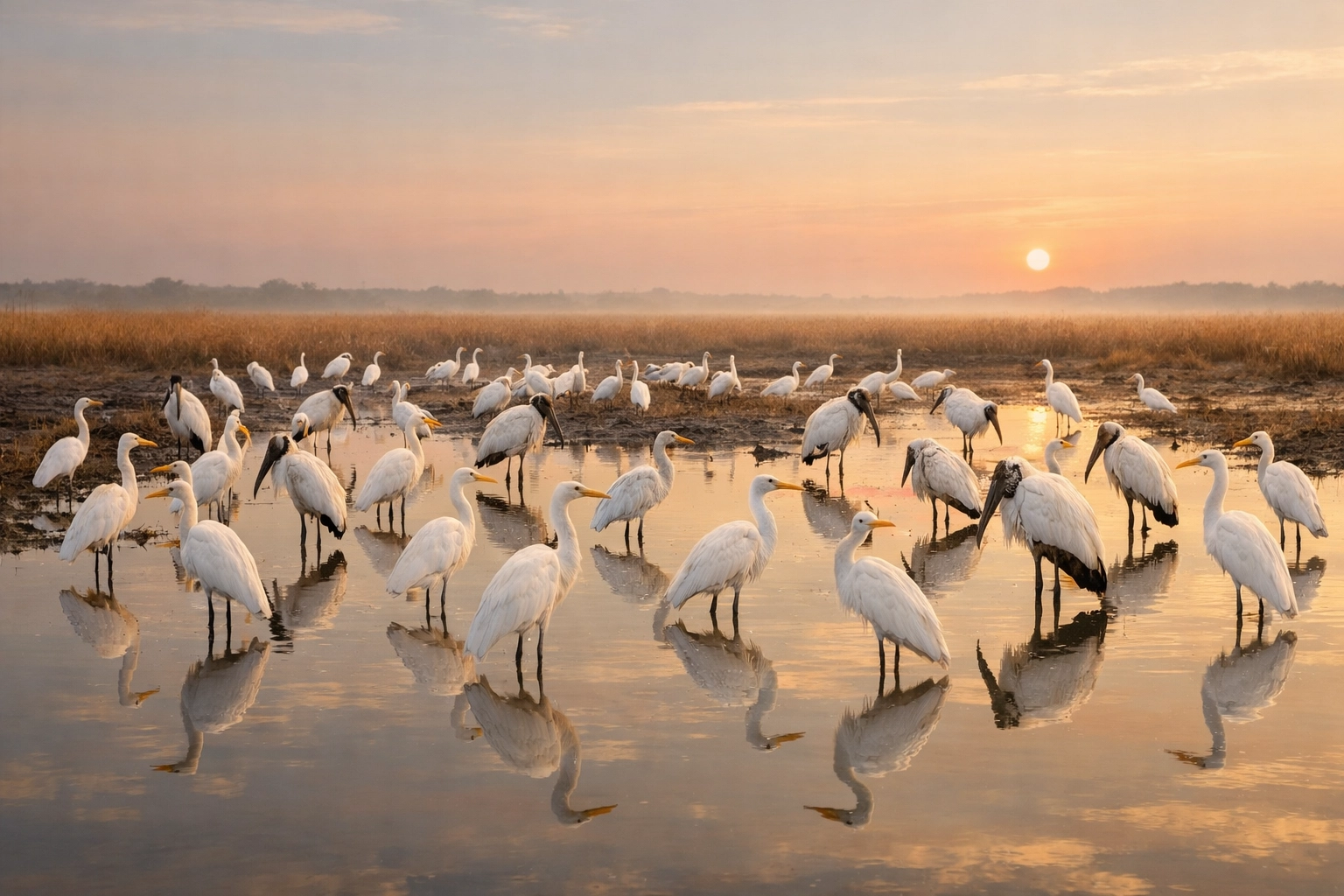
Shark Valley features a 15-mile loop that is perfect for seeing the vastness of the glades. While it’s famous for alligators, the bird life here is spectacular. The observation tower at the halfway point offers a unique vantage point for "birds-in-flight" photography as egrets and wood storks soar past at eye level.
3. Mrazek Pond
This is a seasonal highlight. When the conditions are right during the dry season, Mrazek Pond becomes a frenzy of activity. Hundreds of Roseate Spoonbills and Wood Storks may gather here to feed. It’s a sight you have to see: and photograph: to believe.
4. Flamingo and Florida Bay
At the very end of the main park road lies Flamingo. This is where the freshwater meets the saltwater. Here, you can find Osprey nesting on platforms, American Crocodiles, and the occasional West Indian Manatee. The mudflats at low tide are also great for shorebirds.
Essential Gear for the Glades
You don’t need the most expensive kit in the world to get great shots, but having the right essential photography gear makes a huge difference.
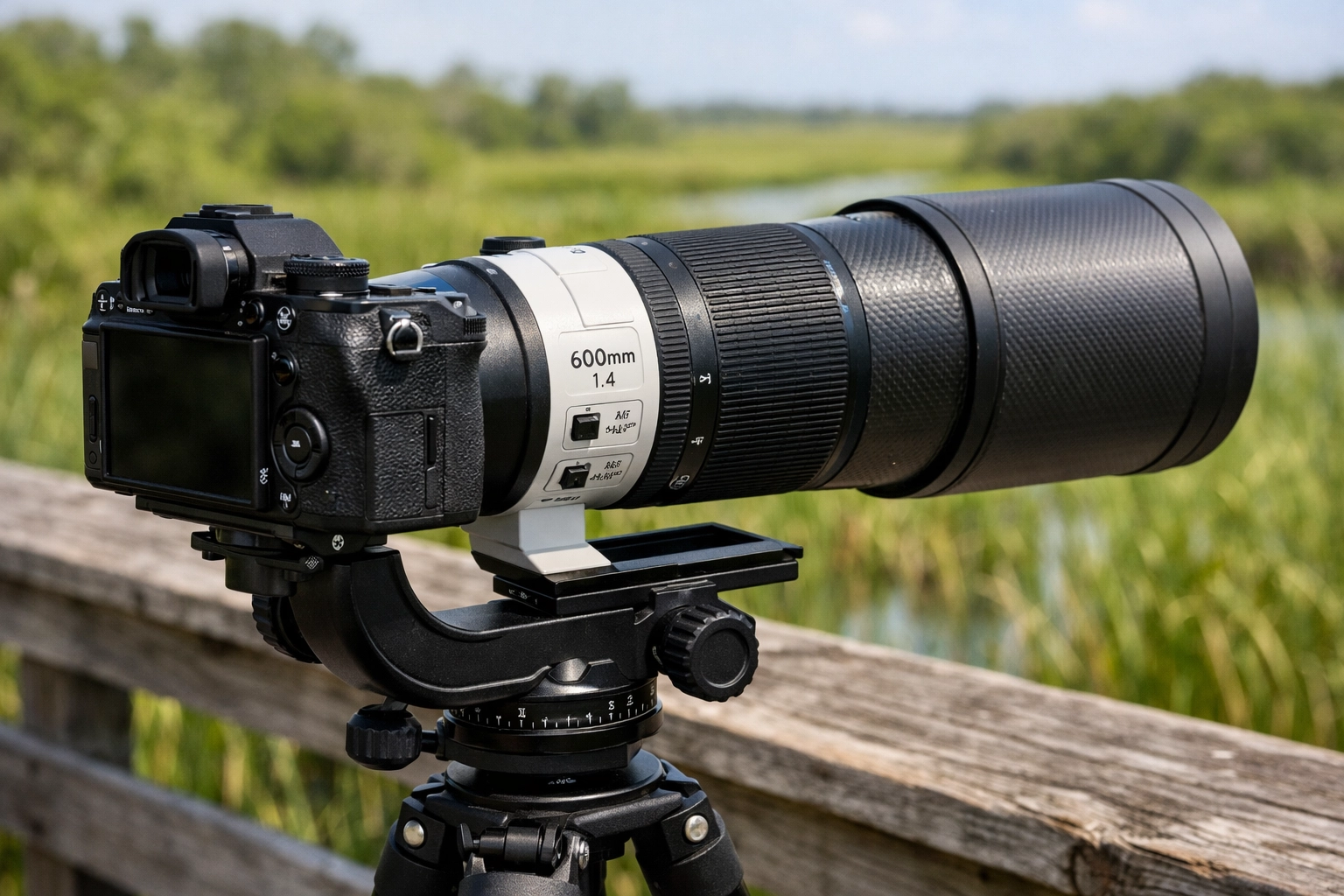
- The Long Lens: A telephoto lens is your best friend. A focal length of 400mm to 600mm is ideal for capturing tight portraits without disturbing the wildlife. However, because the birds at the Anhinga Trail are so close, a 70-200mm lens can also be incredibly useful.
- Tripod vs. Monopod: If you are shooting from a boardwalk, a monopod offers mobility. If you are waiting for a specific behavior at a pond, a sturdy tripod is a lifesaver.
- Protection: Florida’s weather is unpredictable. Bring a rain cover for your camera and plenty of lens cleaning cloths. The humidity can occasionally cause fogging when moving from an air-conditioned car to the humid outdoors.
- Clothing: Light, breathable, long-sleeved clothing will protect you from both the sun and the bugs.
Technical Settings for Success
Capturing a bird is one thing; capturing a tack-sharp, emotionally resonant image of a bird is another. Here are the settings I recommend:
Master Your Shutter Speed
For birds sitting still, you can get away with 1/500s. But if you want to freeze the action of a bird in flight or a heron striking at a fish, you need to be at 1/2000s or faster. Don't be afraid to bump up your ISO to achieve these speeds; modern cameras handle "noise" much better than a blurry subject looks.
Focus on the Eye
A bird photo is usually a "miss" if the eye isn't sharp. Use a single-point autofocus or your camera’s "Animal Eye-AF" if it has it. Getting down to the bird’s eye level: rather than shooting down from a standing position: creates a much more intimate and professional feel. It connects the viewer to the subject's world.
Use Burst Mode (Continuous Shooting)
Birds move fast. By shooting in a high-speed burst, you increase your chances of capturing the exact moment the wings are in the perfect "up-stroke" or the moment a fish is tossed into the air.
For those looking to refine their technical skills further, I highly recommend browsing our educational category for deeper dives into manual settings.
Notable Species to Look For
The Everglades is a biodiversity hotspot. Keep your eyes peeled for these iconic subjects:
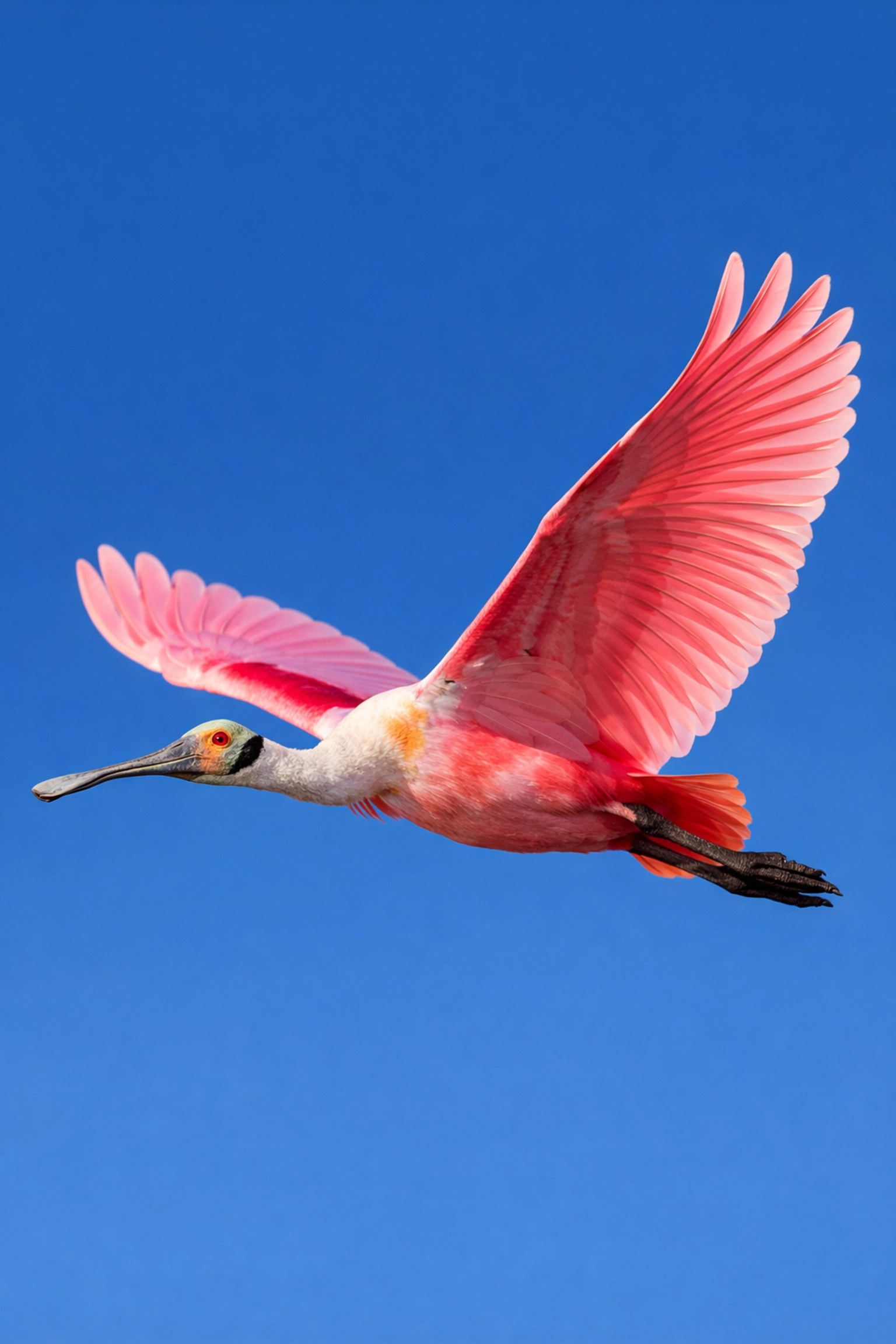
- Roseate Spoonbill: Famous for their vibrant pink feathers and unique spatulate bills.
- Purple Gallinule: A technicolor bird often found walking on lily pads.
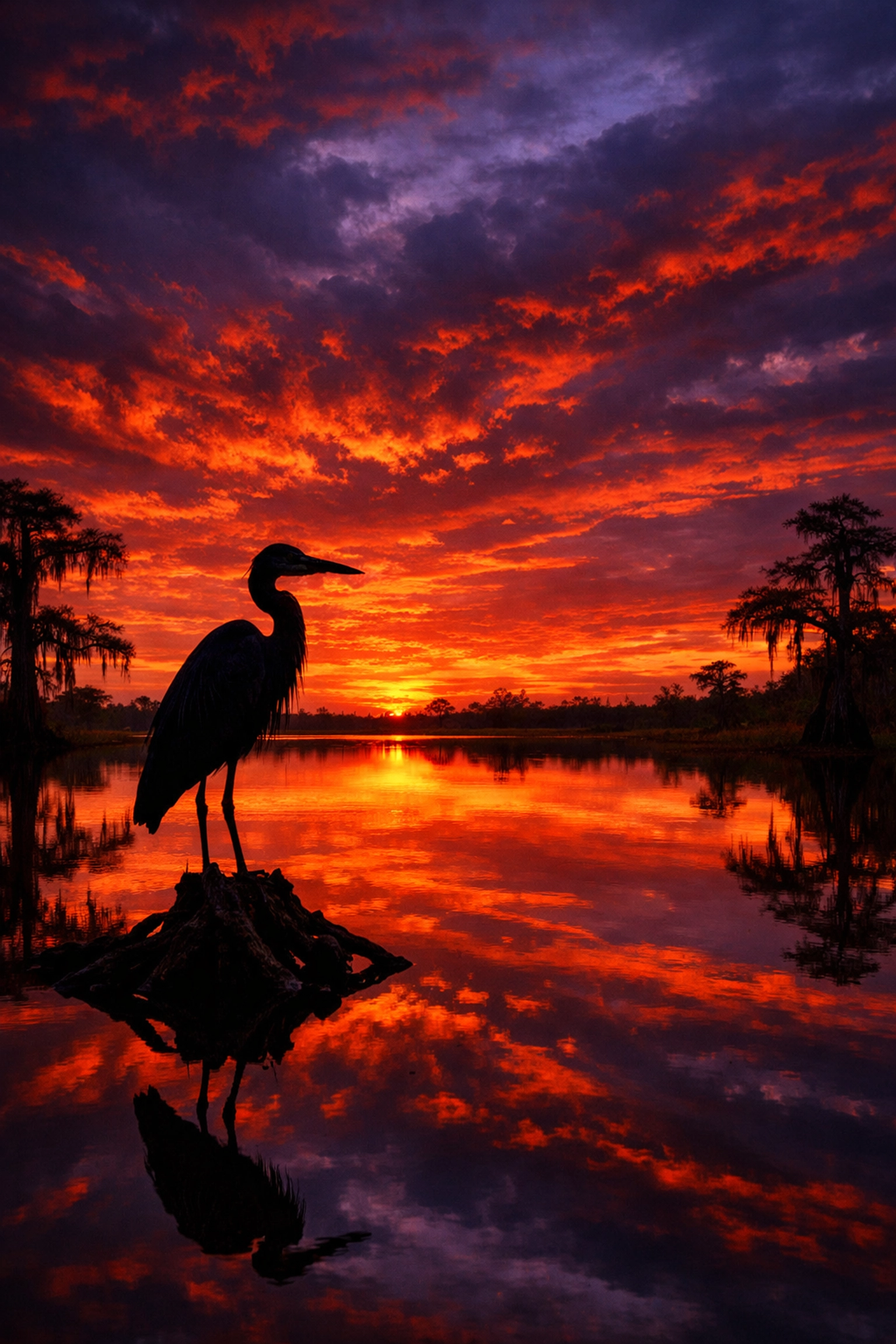
- Great Blue Heron: Large, majestic, and often very patient subjects.
- Wood Stork: North America's only breeding stork, often found in large colonies.
- Anhinga: Often seen drying their wings in the sun: a classic Everglades silhouette.
If you’re looking to turn these captures into high-end art, you can see how I process and present these images at Edin Fine Art.
Respect the Wildlife
As photographers, we are guests in their home. It is vital to maintain a respectful distance. If a bird stops what it is doing (feeding, preening, or nesting) because of your presence, you are too close. Use your long lens to get the shot without causing stress to the animal. Staying on the marked boardwalks and trails not only protects the environment but also keeps you safe from the more "toothy" residents, like alligators.
Take Your Photography to the Next Level
Planning a trip to the Everglades can be overwhelming. There are miles of roads, dozens of trails, and timing variables that can make or break your trip. That’s why I created the Everglades Photography Guide.
This guide isn't just a list of spots; it’s a tactical manual. I share the exact GPS coordinates of my favorite shooting locations, the best times of day for each spot, and specific tips for the species you’ll find there. It’s designed to save you days of scouting and get you straight to the action.
Conclusion
Everglades bird photography is an experience unlike any other. The combination of accessibility, species diversity, and the raw beauty of the Florida landscape makes it a bucket-list destination for any nature lover. By understanding the seasons, mastering your gear, and respecting the wildlife, you’ll come home with a portfolio you can be proud of.
If you’re feeling ready to book your trip, you might also want to look into our photography booking experience for hands-on tours.
The glades are calling. Grab your gear, head south, and let the "River of Grass" inspire your next great image. Don't forget to check out the Everglades Photography Guide before you go to ensure you don't miss a single shot!













