
Category: Photo Guides
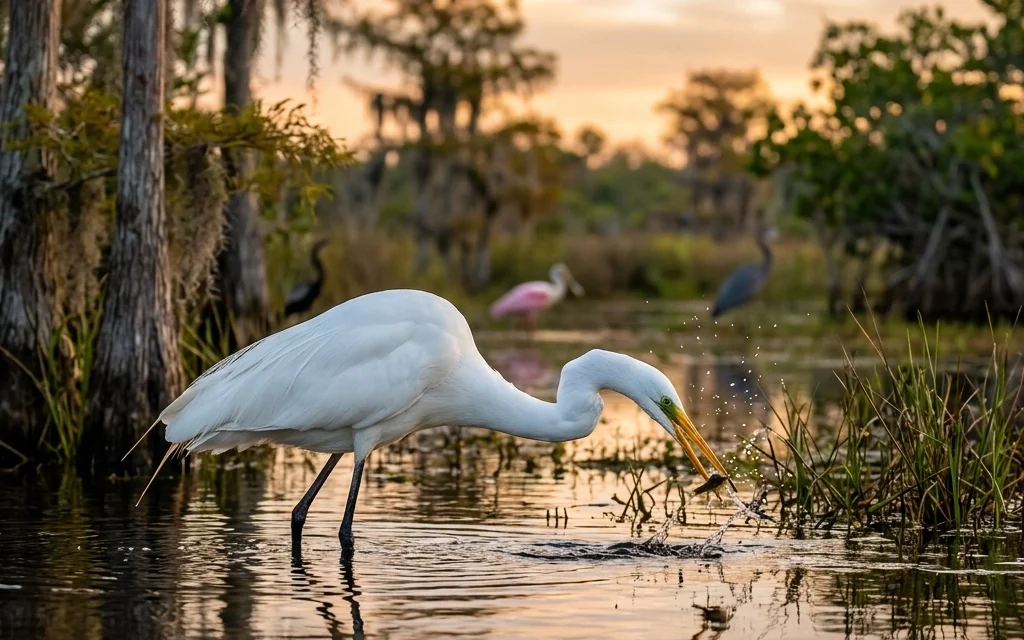
There is something almost prehistoric about the Everglades. When you’re standing on a boardwalk at sunrise, surrounded by the chorus of the swamp and the gentle rustle of sawgrass, you aren’t just taking pictures: you’re stepping back in time. For bird photographers, this place isn’t just a destination; it’s a rite of passage.
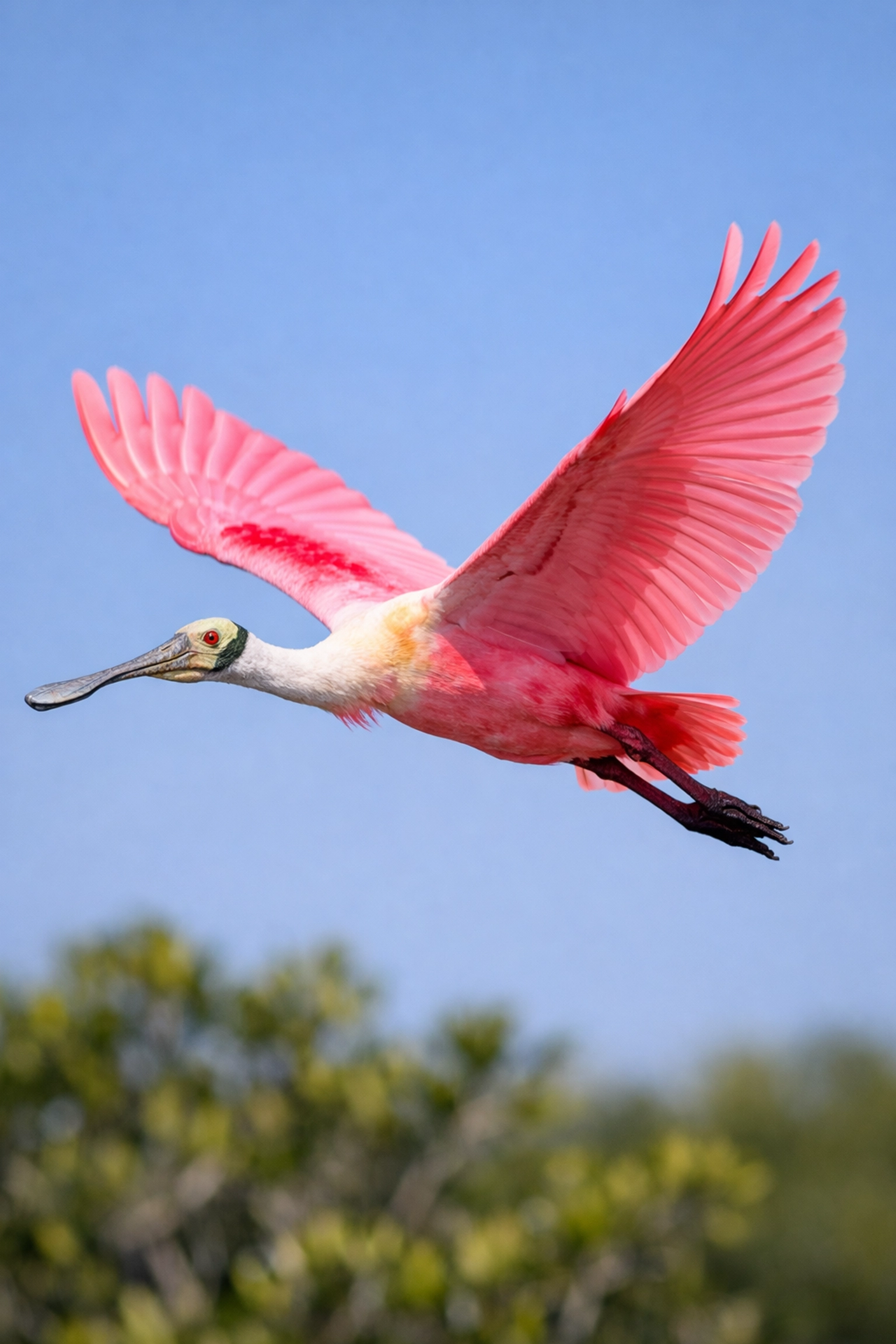
Whether you are trying to capture the vibrant pink of a Roseate Spoonbill or the intense stare of an Anhinga, the Everglades offers opportunities you won't find anywhere else on the planet. But let’s be real: the swamp can be intimidating. Between the heat, the bugs, and the sheer vastness of the park, it’s easy to feel overwhelmed.
That’s why I’ve put together this guide. I want to make sure that when you head out into the "River of Grass," you have the confidence and the technical know-how to come home with world-class shots. If you want to skip the learning curve entirely, make sure to grab our Everglades Photography Guide, which is packed with the exact coordinates and seasonal secrets I’ve gathered over years of shooting here.
Why the Everglades is a Bird Photographer’s Paradise
The Everglades National Park is a massive mosaic of ecosystems. It’s a sanctuary for over 300 species of birds. During the dry season (roughly November to April), the water levels drop, and the fish get concentrated into smaller pools. For the birds, this is an all-you-can-eat buffet. For us photographers, it means the wildlife is concentrated, predictable, and: in many areas: remarkably accustomed to humans.
In places like the Anhinga Trail, the birds are so "tame" that they’ll often land on the railings right next to you. This allows for intimate, frame-filling portraits that would be impossible in other parts of the world without a 600mm lens and a week of patience.
Top Locations for Success
If you’re limited on time, you have to be strategic. The Everglades is huge, and you don't want to spend your best light driving between spots.
1. Anhinga Trail (The Holy Grail)
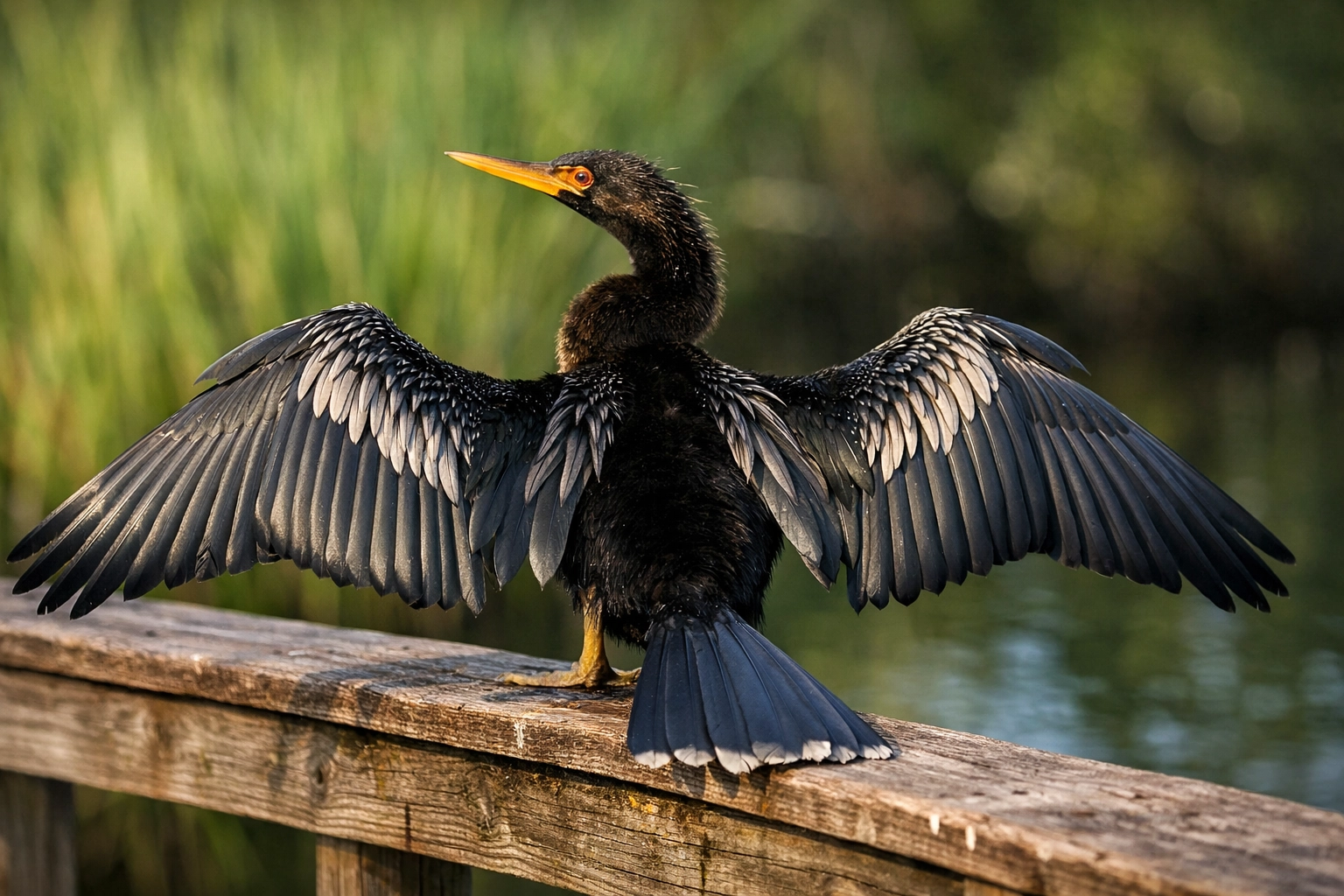
Located near the Royal Palm Visitor Center, this is the most famous photography spot in the park for a reason. It is arguably the best place for beginners. Because the birds here see people every day, they don't spook easily. You can get incredible shots of Anhingas drying their wings, Great Blue Herons hunting, and even the occasional Wood Stork.
2. Eco Pond and Flamingo
If you drive all the way to the end of the park road (about 38 miles from the entrance), you’ll hit Flamingo. Eco Pond is a legendary spot for Roseate Spoonbills and various waterfowl. The light here at sunset can be absolutely magical, turning the water into liquid gold. While you're in the area, check out the Guy Bradley Trail for shorebirds and Ospreys.
3. Mahogany Hammock
This is a great spot for songbirds and birds of prey. It feels different here: more enclosed and ancient. It’s a bit more challenging than the open boardwalks, but the rewards are unique "environmental" portraits that show the birds in their dense, jungle-like habitat.
Essential Gear for the Swamp
You don’t need the most expensive gear in the world to get great shots in the Everglades, but you do need the right gear. For a deeper dive into my bag, you can check out our guide on essential photography gear.
Lenses
- The Workhorse: A 200-600mm or 150-600mm zoom is the gold standard. It gives you the reach for shy birds but the flexibility to zoom out if a heron decides to land five feet away from you.
- The Portraitist: On the Anhinga Trail, a 70-200mm is often all you need. The wider aperture (f/2.8 or f/4) helps create that beautiful, creamy background blur.
- The Landscape Lens: Don't forget a 16-35mm. Sometimes the story isn't just the bird; it's the bird within the vast, dramatic landscape of a Florida sunrise.
Support
While a tripod is great for stability, I often find a monopod more useful in the Everglades. It’s easier to maneuver on crowded boardwalks and gives you the mobility to track a bird in flight quickly. If you're looking for more technical gear reviews, I highly recommend browsing Shut Your Aperture for the latest community insights.
Master Your Camera Settings
Bird photography moves fast. If you’re fiddling with your dials when a Great Egret takes flight, you’ve already missed the shot.
- Shutter Speed: To freeze motion, you need speed. For birds in flight, aim for at least 1/2000s. If the light is good, push it to 1/3200s to ensure every feather is tack-sharp. For perched birds, you can drop down to 1/500s, but remember that birds are "twitchy" creatures: they move even when they're sitting still.
- Aperture: Shoot "wide open" (your lowest f-number, like f/4 or f/5.6). This isolates the bird from the potentially distracting, messy swamp foliage.
- Focus Mode: Use Continuous AF (AF-C or AI Servo). If your camera has Bird Eye AF, turn it on and never look back. It’s a game-changer. If the eye isn't sharp, the photo usually doesn't work.
- ISO: Don't be afraid of high ISO. A little bit of noise is easy to fix in post-processing, but a blurry photo from a slow shutter speed is a permanent resident of the trash bin.
For more deep-dives into these concepts, visit our educational category.
Composition: Thinking Beyond the "Bird on a Stick"
A great bird photo tells a story. While "headshots" are impressive, try to incorporate the environment.
- Get Low: Don't shoot down at the birds from your standing height. If possible, get down to eye level. This creates an intimate connection between the viewer and the subject. It makes the bird feel like a character rather than just a specimen.
- Watch the Background: A branch growing out of a bird's head can ruin a perfect shot. Before you press the shutter, do a quick scan of the frame. Move a few inches to the left or right to find a cleaner background.
- Follow the Light: In the Everglades, the sun is your best friend and your worst enemy. Try to keep the sun at your back. This "front-lights" the bird, bringing out the vibrant colors of their feathers and putting a nice "catchlight" in their eye.
Timing is Everything
If you show up at noon, you’re going to have a hard time. The light is harsh, the birds are hunkered down, and the heat will sap your energy.
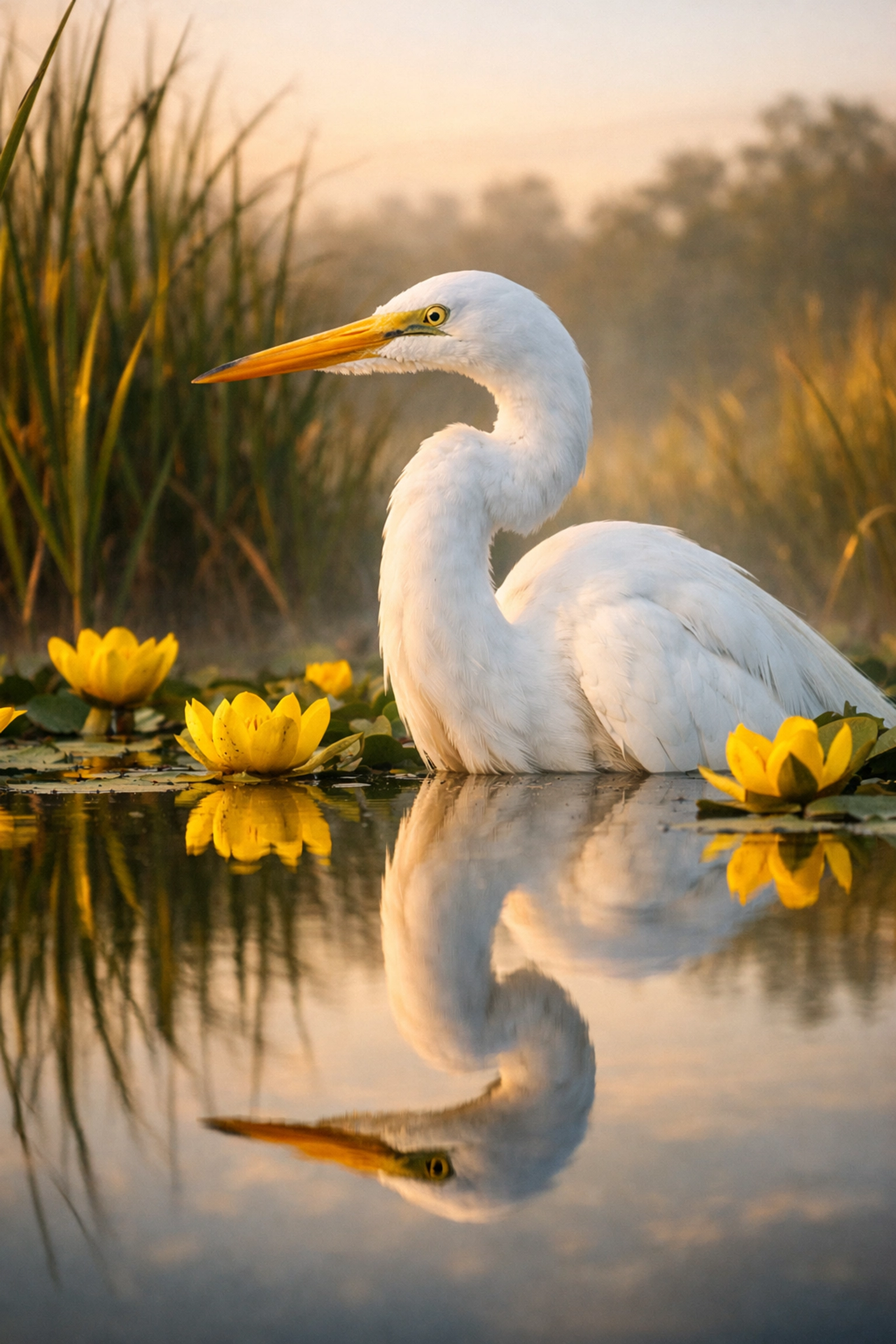
The "Golden Hour": that first hour after sunrise and the last hour before sunset: is when the magic happens. The light is soft, warm, and directional. This is also when birds are most active, hunting for breakfast or heading back to their roosts.
During the dry season, the Everglades is a hub of activity. If you're planning a trip, checking out some photography booking experiences can help you time your visit perfectly with the seasonal migrations. You can also see some of my finished work and fine art prints from the park at Edin Chavez Fine Art to get an idea of what’s possible when the light hits just right.
A Note on Ethics and Safety
We are guests in their home. Always maintain a respectful distance. If a bird stops what it's doing (hunting, preening, nesting) because you've gotten too close, you are too close. Back off and use your zoom.
And let’s not forget the other residents: alligators. They are everywhere in the Everglades. While they generally ignore humans, they are apex predators. Never feed the wildlife, and always keep an eye on your surroundings, especially when you're focused through a viewfinder.
Level Up Your Everglades Game
The Everglades is one of the most rewarding places on Earth for a photographer, but it can also be frustrating if you don't know where to look. I’ve spent years navigating these waters and trails, learning the patterns of the birds and the light.
I put all of that knowledge into the Everglades Photography Guide. It includes the best locations, the best times to go, and even tips on what to do if the weather doesn't cooperate. It’s designed to save you time and help you get the shots you’ve always dreamed of.
For more inspiration and more guides on national parks and Florida wildlife, keep an eye on the Photoguides blog. We’re constantly updating our resources to help you become the best photographer you can be.
The swamp is waiting. Pack your bags, charge your batteries, and I'll see you out on the Anhinga Trail.













