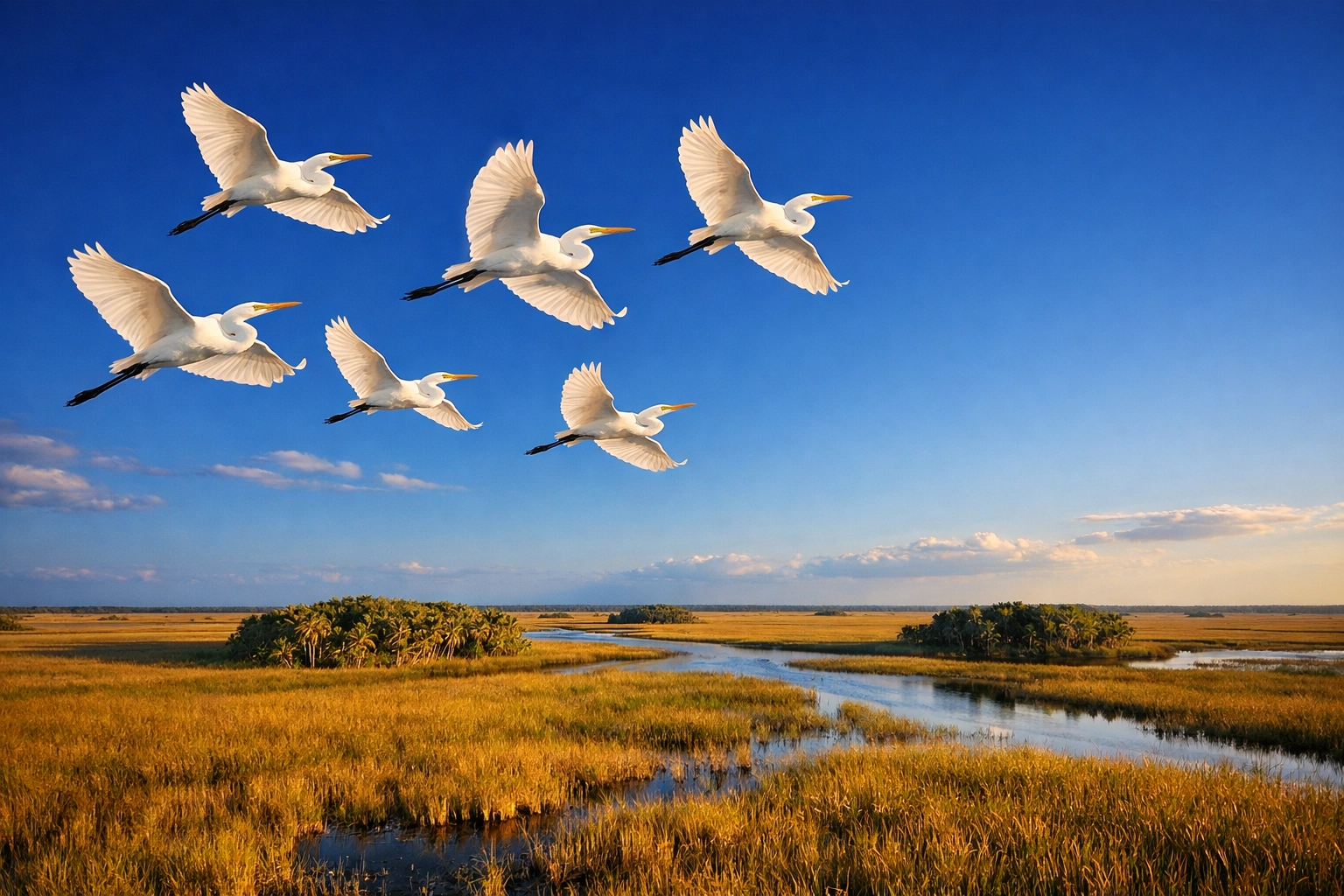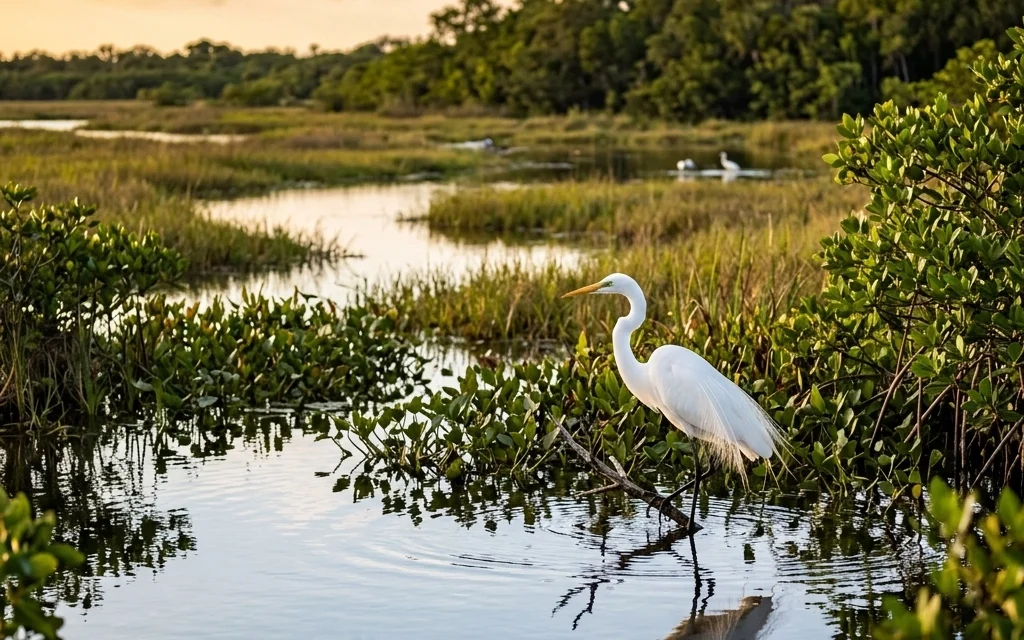
There is a specific kind of magic that happens in the Florida Everglades just before the sun breaks the horizon. The air is thick with the scent of sawgrass, the water is as still as a mirror, and the silence is punctuated only by the distant, prehistoric grunt of an alligator or the high-pitched call of an Osprey. If you are a photographer, this isn't just a swamp: it is a playground.
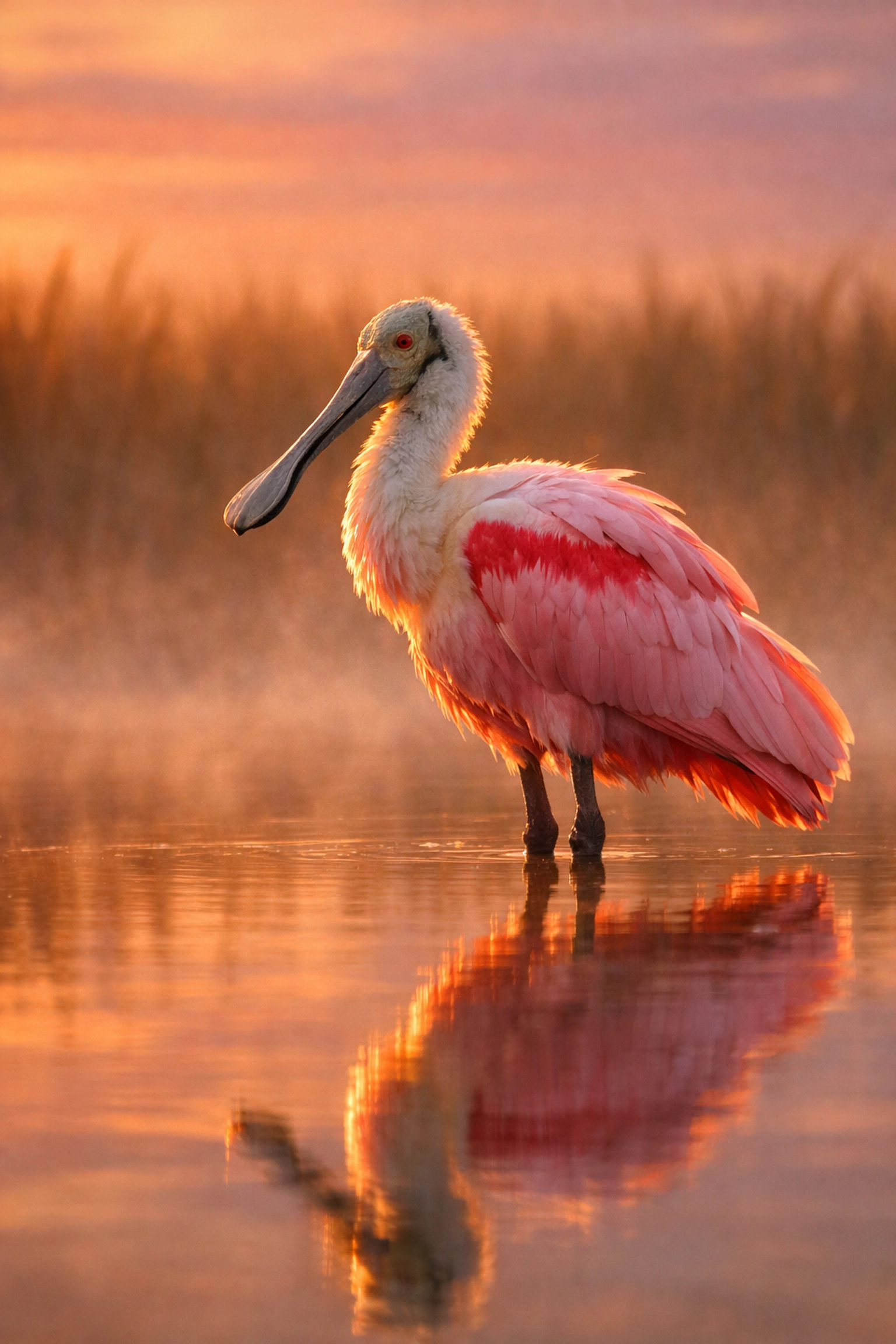
The Everglades is home to over 360 species of birds, making it one of the premier destinations for wildlife photography in North America. Whether you are looking to capture the neon-pink feathers of a Roseate Spoonbill or the intense stare of a Great Blue Heron, this ecosystem offers opportunities you won't find anywhere else. But, as beautiful as it is, the Everglades can be unforgiving if you don't show up prepared.
In this guide, we’re going to walk through everything you need to know to come home with professional-grade shots. And if you want to skip the trial and error and get straight to the best spots, check out our Everglades Photography Guide for a deep dive into the secrets of the River of Grass.
Timing is Everything: When to Visit
If you show up in the middle of July, you’re going to have a hard time. Not just because of the heat and the mosquitoes (which are legendary), but because the birds actually disperse during the wet season.
The Dry Season (November – April)
This is the "Golden Window" for Everglades photography. As the water levels in the marsh drop, fish and amphibians get concentrated into smaller pools. This creates a massive buffet for wading birds. Because the food is easy to find, the birds gather in huge numbers, often right next to the boardwalks and trails. Plus, the weather is gorgeous, and the bugs are at a minimum.
The Golden Hour
Regardless of the month, the best time of day is always sunrise. Birds are most active in those first few hours of light. They are hunting, preening, and flying back and forth between nesting sites. The light at dawn in the Everglades has a soft, golden quality that makes bird feathers look incredible. By 10:00 AM, the sun is usually too high and harsh, and the birds tend to hunker down in the shade.
Top Photography Locations in the Everglades
The Everglades is massive, and you can’t see it all in one day. Here are the spots where you are guaranteed to find action.
1. Anhinga Trail (Royal Palm)
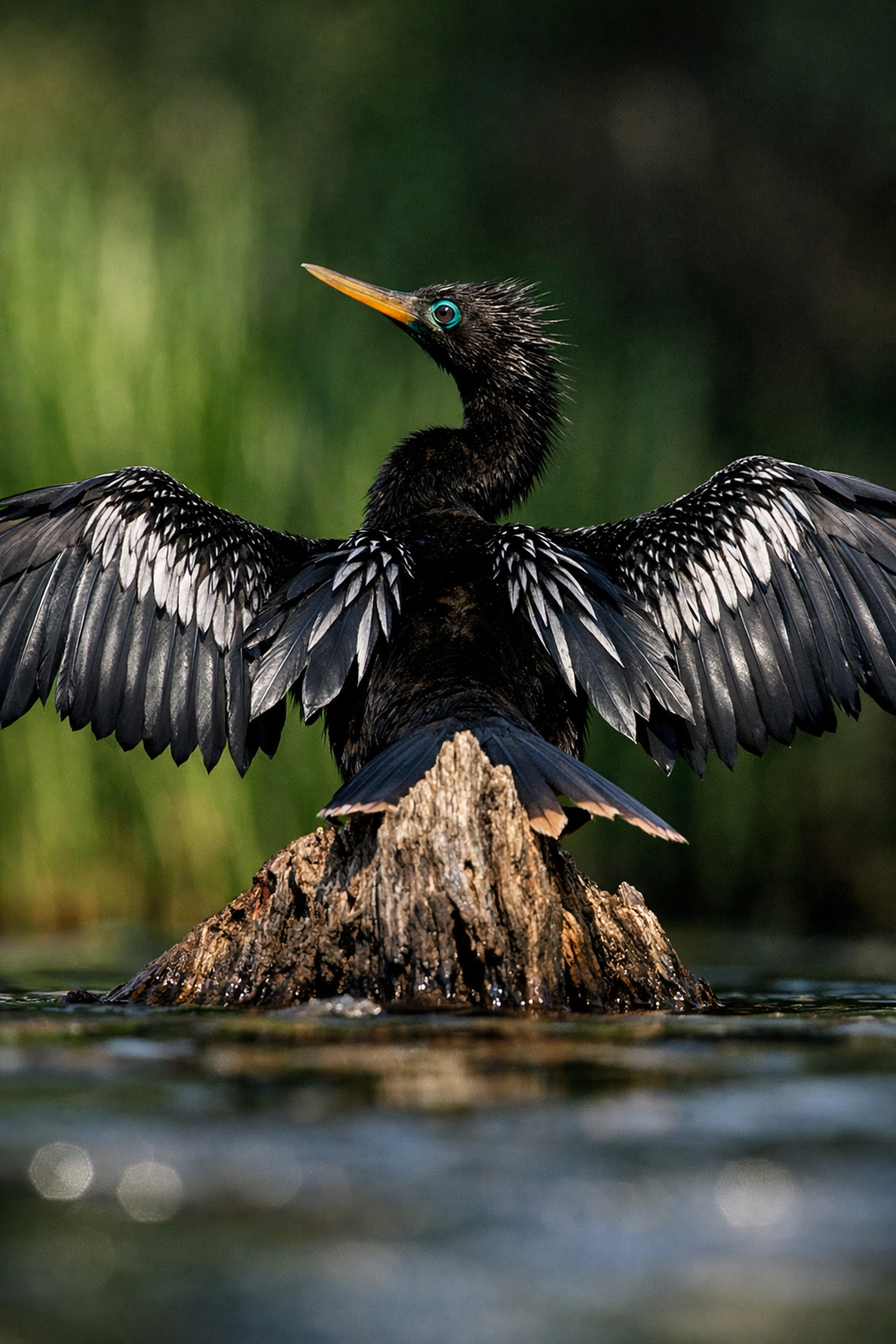
If you only have one morning, go here. Located near the Homestead entrance, the Anhinga Trail is a photography mecca. The birds here are remarkably habituated to humans. You can often get full-frame portraits of Anhingas, Purple Gallinules, and Green Herons with a standard zoom lens. It’s also the best place to find alligators basking just inches from the boardwalk.
2. Shark Valley
Located off the Tamiami Trail, Shark Valley offers a 15-mile loop that is teeming with wildlife. You can rent a bike or take the tram, but for photography, I recommend walking the first mile or two. The canal along the road is usually packed with Wood Storks, Great Egrets, and the occasional Snail Kite.
3. Eco Pond and Flamingo
Down at the very end of the park road is Flamingo. Eco Pond is a fantastic spot for Roseate Spoonbills and various waterfowl, especially toward sunset. It’s a bit of a drive, but the diversity of species down there is worth the trip.
For a more detailed breakdown of these locations and exactly where to stand for the best light, our Everglades Photography Guide is an essential resource.
Essential Gear for Bird Photography
You don’t need the most expensive kit in the world, but bird photography does require some specific tools.
The Lens: Reach is King
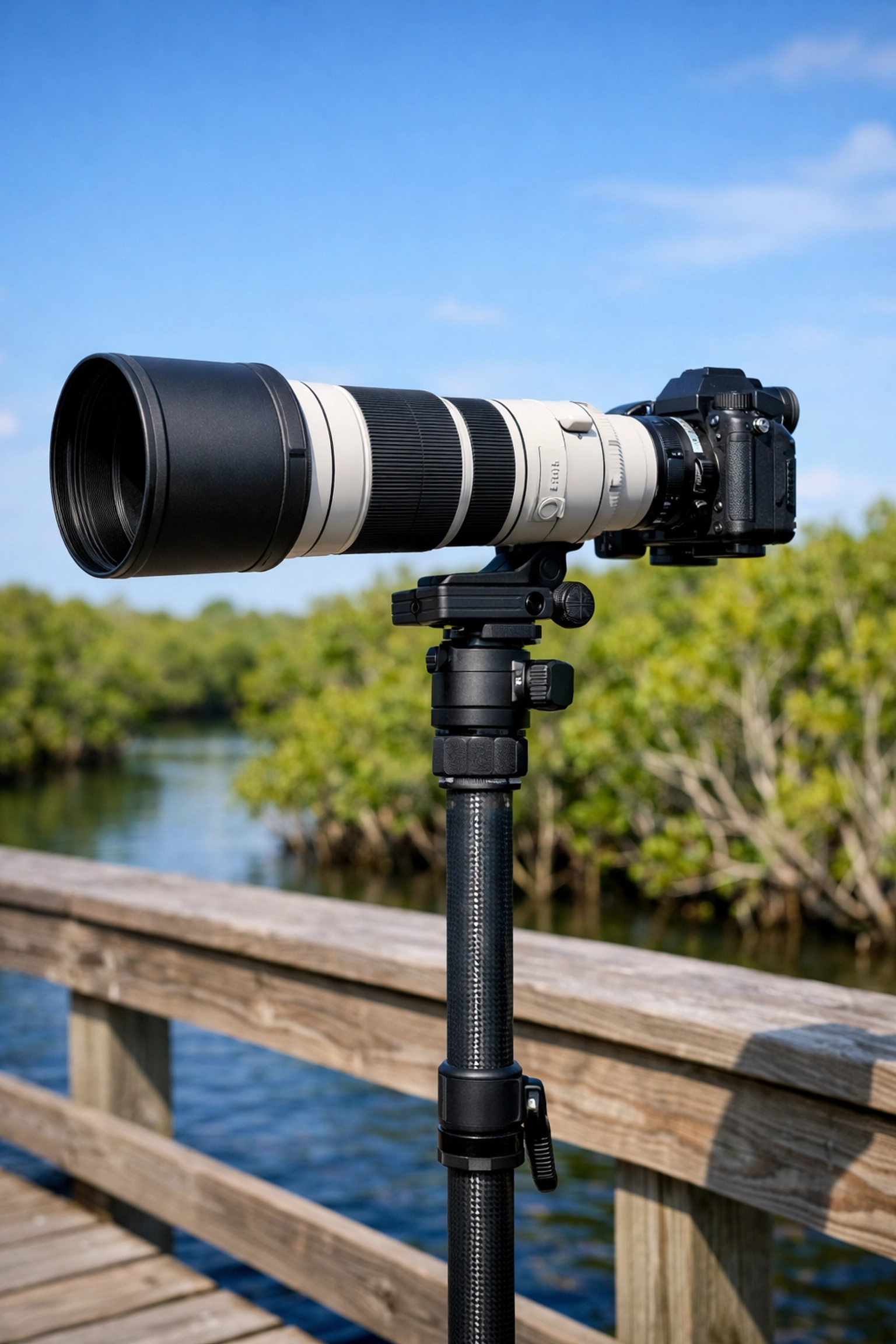
For most bird photography, you want a lens with at least 400mm of reach. A 100-400mm or a 200-600mm zoom lens is the "sweet spot" for the Everglades. It gives you the flexibility to shoot a wide environmental shot of a heron in the mangroves and then zoom in for a tight portrait of its eye.
If you’re looking to upgrade your kit before your trip, check out our essential photography gear recommendations to see what we’re currently using in the field.
Camera Body
A camera with a fast autofocus system and a high burst rate (frames per second) is a game-changer. Birds move fast, and being able to fire off 10 or 20 shots in a second ensures you catch that perfect wing position during flight.
Stability
While a tripod is great for low light, many photographers in the Everglades prefer a monopod. It’s much easier to carry on the boardwalks and allows you to react quickly when a bird suddenly takes flight.
Master Your Camera Settings
Bird photography is a test of your technical skills. Here is the baseline I recommend starting with:
- Shutter Speed: This is your most important setting. To freeze a bird in flight, you need at least 1/2000s. If the bird is just perched on a branch, you can drop down to 1/500s or 1/800s to keep your ISO lower.
- Aperture: Generally, you want to shoot "wide open" (the lowest f-number your lens allows, like f/4 or f/5.6). This lets in the most light and creates a beautiful, blurry background (bokeh) that makes the bird pop.
- ISO: Don’t be afraid of a high ISO. It’s better to have a slightly grainy image that is sharp than a clean image that is blurry because your shutter speed was too slow. In the early morning, I’m often shooting at ISO 800 to 1600.
- Focus Mode: Use "Continuous" or "AI Servo" autofocus. This allows the camera to keep tracking the bird even as it moves toward or away from you.
If you’re still getting comfortable with these settings, I highly recommend checking out some community discussions over at Shut Your Aperture for tips on mastering wildlife focus modes.
Composition and Technique
Taking a photo of a bird is easy; taking a great photo of a bird is hard. Here are a few ways to elevate your work:
Focus on the Eye
If the eye isn't sharp, the photo is a discard. Most modern mirrorless cameras have "Bird Eye Tracking," which is a lifesaver. If you don't have that, make sure your focus point is locked right on that eye.
Get Low
Whenever possible, get down to the bird’s eye level. This creates a much more intimate connection with the subject and makes the background look much more creamy and professional. On the boardwalks, this might mean kneeling down or using a tilt-screen to compose from a lower angle.
Tell a Story
Don’t just take "mugshots" of birds. Try to capture behavior. A heron striking at a fish, an Anhinga drying its wings, or a pair of Ospreys building a nest tells a much more compelling story than a bird just sitting on a stick. You can see examples of this kind of storytelling in my fine art collection at Edin Fine Art.
Ethics and Wildlife Safety
As photographers, we have a responsibility to the animals we document. The Everglades is a fragile ecosystem.
- Keep Your Distance: If a bird stops what it’s doing and starts looking at you, you’re too close. Back off.
- Stay on the Trails: Stepping off the trail can damage sensitive plants and disturb nesting sites.
- Never Feed the Wildlife: This is especially important with alligators and birds. It makes them aggressive toward humans and usually results in the animal having to be removed or destroyed.
Final Thoughts
The Everglades is a place that stays with you. There is something incredibly peaceful about sitting in the marsh, waiting for that perfect moment when the light hits a bird's wings. It’s a challenge, sure, but the rewards are more than worth it.
If you’re planning a trip and want to make sure you come home with shots you’re proud of, don't forget to grab the Everglades Photography Guide. It includes everything from GPS coordinates to seasonal checklists and gear tips tailored specifically for this park.
For more photography inspiration and guides from around the world, visit us at Photoguides or check out our photography booking experience if you're looking for a guided tour.
Now, pack your long lens, set your alarm for 5:00 AM, and get out there. The birds are waiting!