If you’ve ever stood at the edge of the "River of Grass" at sunrise, you know there is a certain magic to the Everglades that you just can't find anywhere else. It’s a place where the air is thick with humidity and the prehistoric bellows of alligators, yet it offers some of the most serene and breathtaking photographic opportunities on the planet.
Hey, I’m Edin Chavez, and the Everglades has been my playground and my studio for years. I’ve spent countless hours navigating the sawgrass, dodging mosquitoes, and waiting for that perfect moment when a Great Blue Heron decides to strike. But let’s be real: the Everglades can be intimidating. Between the weather, the gear requirements, and the sheer vastness of the park, it’s easy to feel overwhelmed.
That’s why I put together this guide. Whether you’re a seasoned pro or just picking up a camera for your first wildlife tour, I want to make sure you have everything you need to succeed. And if you want the absolute "cheat sheet" to the best spots and secret techniques I use, you definitely need to grab my Everglades Photography Guide. It’s designed to take the guesswork out of your trip so you can focus on making art.
The Gear You Actually Need
When it comes to the Everglades, your gear choice can make or break your day. This isn’t the place to realize you forgot a rain cover or that your lens isn’t long enough.
Lenses: Long and Wide
For wildlife, you need reach. I recommend a telephoto lens in the 200mm to 600mm range. Most of the time, the birds and gators are at a safe distance, and you want to fill the frame without disturbing them. A 600mm lens allows you to get those intimate "eye-contact" shots that really tell a story.
However, don't sleep on the landscapes. The Everglades is famous for its massive skies and unique cypress domes. A wide-angle lens like a 24-70mm is perfect for capturing the scale of the park. If you're looking for recommendations on the latest bodies to pair these with, check out our camera reviews 2024 for the best mirrorless options currently on the market.
Support and Protection
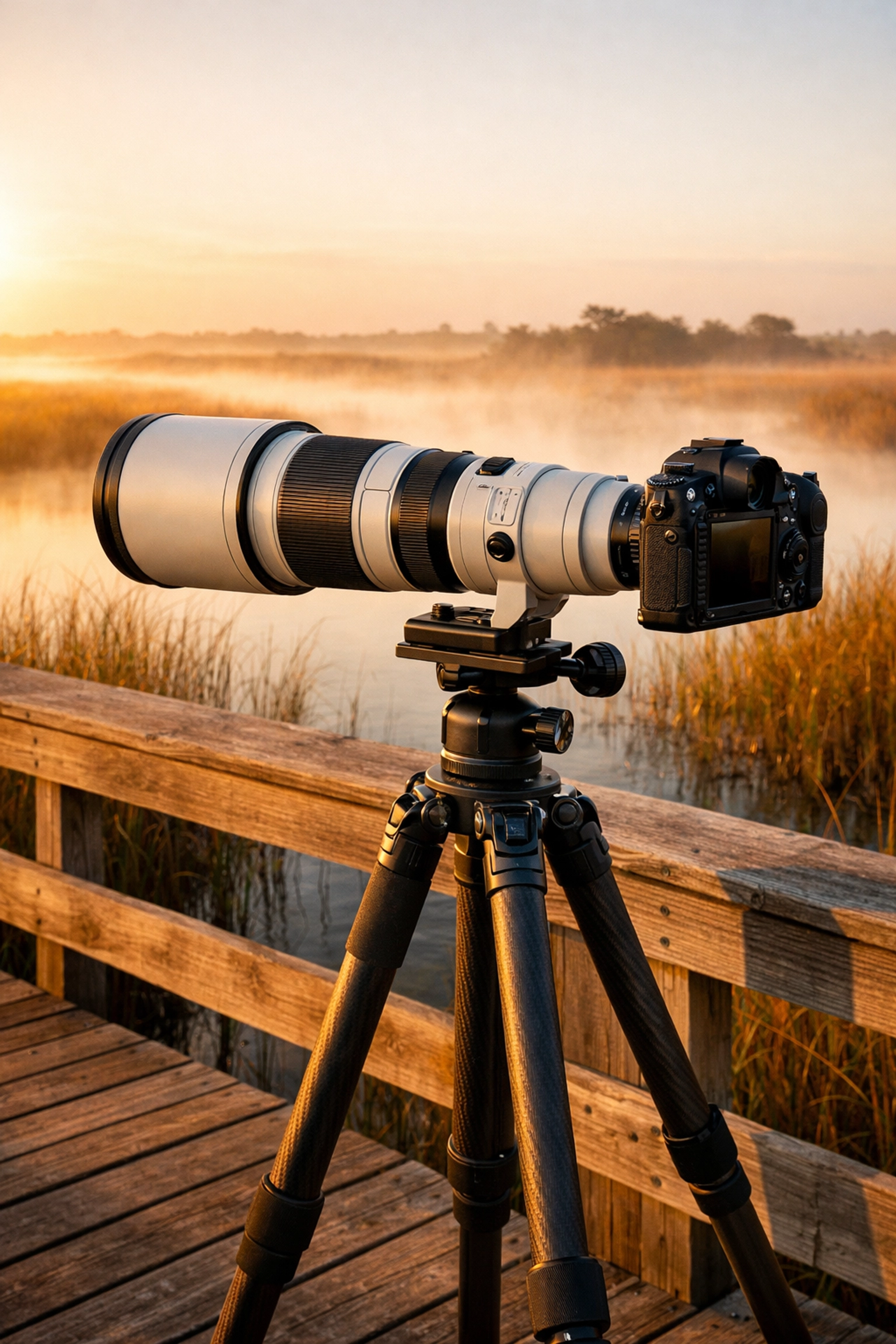
A tripod is your best friend during the "golden hour" when the light is low, but the Everglades is also a great place for a monopod if you’re moving fast. More importantly, bring protection: for your gear and yourself. The humidity here is no joke, and a sudden downpour is almost guaranteed. High-quality waterproof covers are non-negotiable.
For more tips on what to pack for any shoot, our list of essential photography gear covers the basics that I never leave home without.
Mastering the Light and Technical Settings
The light in the Everglades is moody. You’ll deal with everything from harsh midday sun to deep, dark shadows under the cypress canopy.
Managing ISO in the Swamp
Don’t be afraid of high ISO. In the thick of the cypress domes, it gets dark fast. Modern mirrorless cameras handle noise incredibly well. I often push my ISO to 2,500 or even higher to maintain a fast shutter speed. A little grain is much better than a blurry bird. Plus, with modern AI noise reduction, cleaning up those files is easier than ever.
Shutter Speed for Wildlife
If you’re shooting birds in flight: which you will be: you need a shutter speed of at least 1/1000s, ideally 1/2000s if they are moving fast. The action happens in a split second, and you want to freeze that movement perfectly.
The Polarizer Trick
One of my biggest tips for Everglades photography is to always have a circular polarizer on your lens. It cuts the glare off the water, allowing you to see submerged alligators or the beautiful greens of the underwater vegetation. It also helps saturate those deep Florida blues in the sky.
Top Locations for Your Shot List
The Everglades is massive, but there are a few iconic spots where you’re almost guaranteed to find something worth shooting.
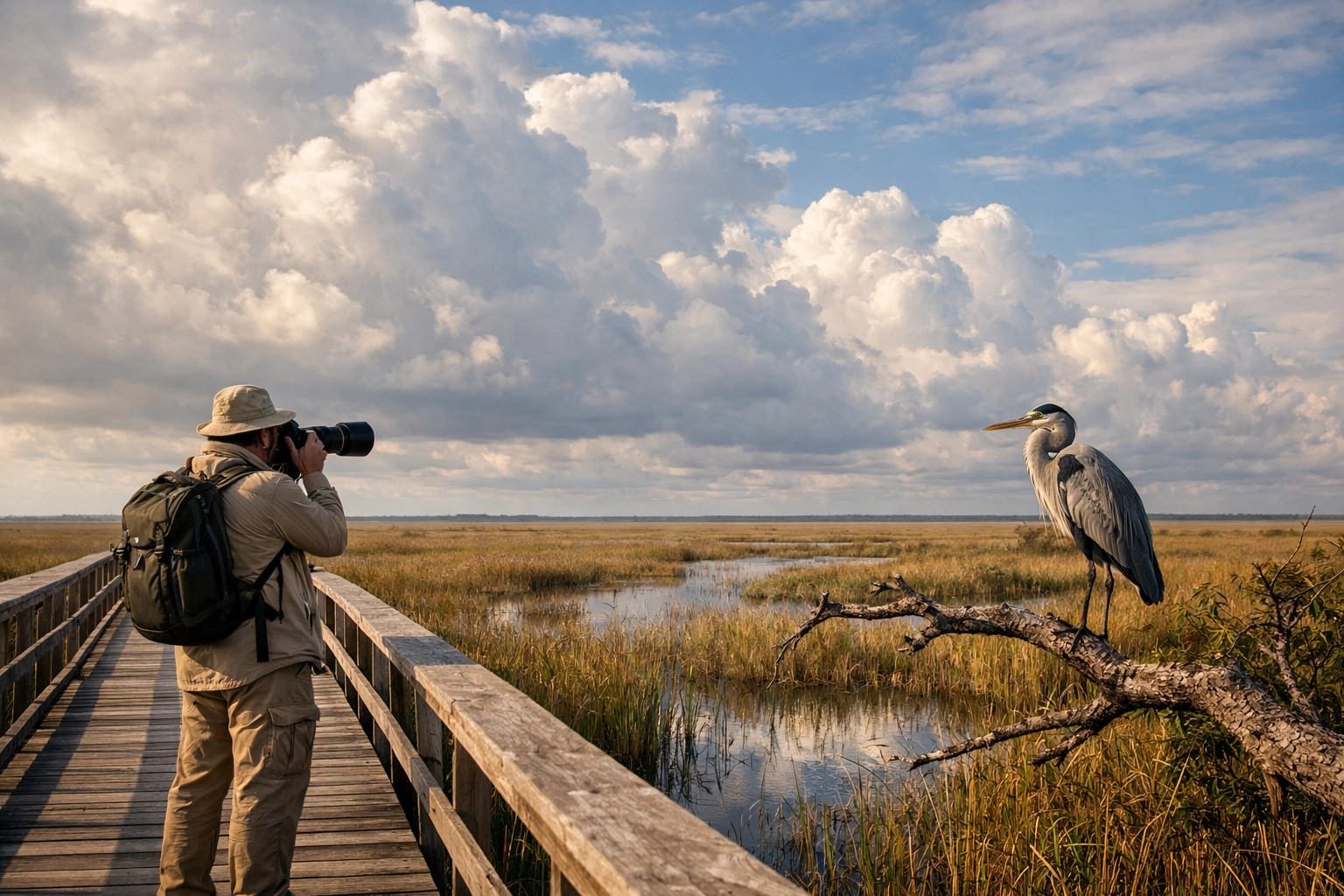
- Anhinga Trail: This is the "old faithful" of the Everglades. It’s a boardwalk trail teeming with wildlife. It’s perfect for sunrise because the mist often hangs over the water, creating a dreamlike atmosphere.
- Shark Valley: Great for panoramic views and birds in flight. If you head there in the late afternoon, the light hits the sawgrass in a way that makes it look like it's glowing.
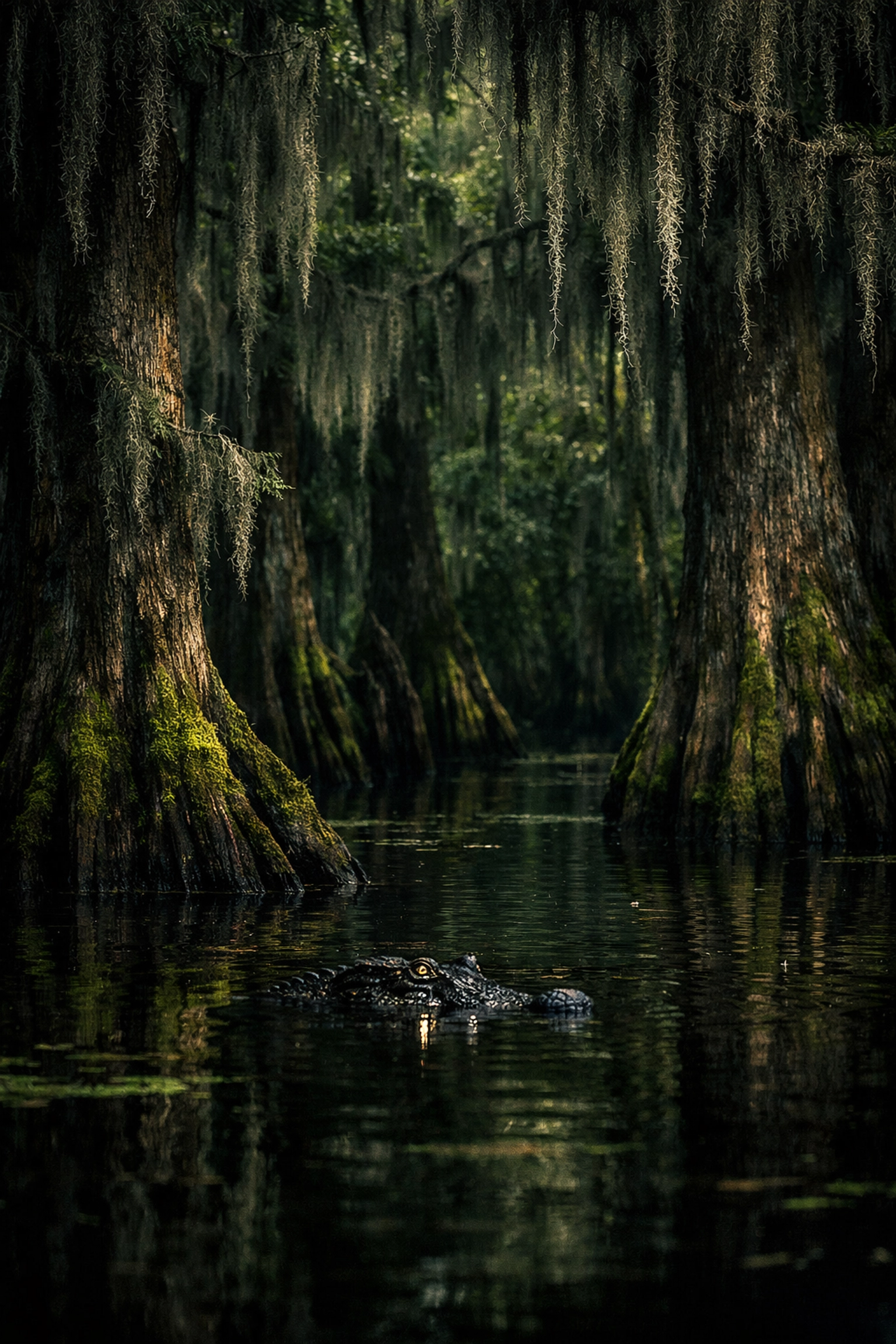
- Loop Road: This is where you go for the "wild" Florida feel. Deep cypress swamps, owls, and maybe even a bobcat if you’re lucky. It’s best on overcast days when the light is soft and even.
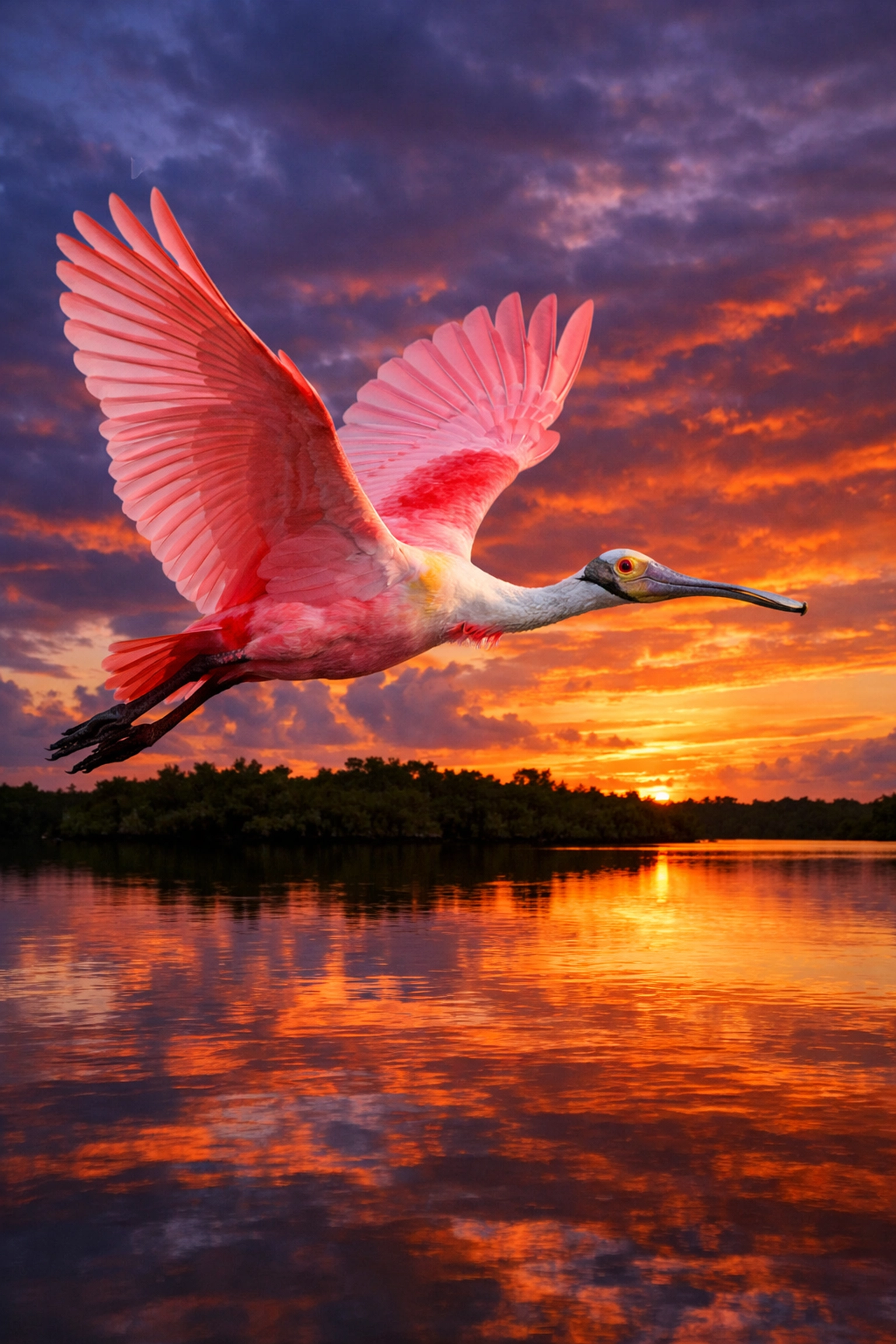
- Eco Pond: Located near Flamingo, this is the place to be for Roseate Spoonbills at sunset. The pink of the birds against the orange sky is a sight you won’t forget.
Finding these spots is one thing, but knowing exactly where to stand is another. My Everglades Photography Guide includes GPS coordinates and the best times for each specific location.
Timing is Everything
If you want the best results, you need to plan your trip around the seasons.
The Dry Season (December to April)
This is the peak time for photography. As the water levels drop, the wildlife concentrates around the remaining deep-water holes. This makes it incredibly easy to find a high density of subjects in one place. The weather is also much more pleasant: fewer mosquitoes and lower humidity.
The Wet Season (May to November)
The wet season is challenging but rewarding. This is when you get those epic Florida thunderstorms and dramatic clouds. If you’re into landscape photography, this is a great time to visit, though you’ll need to be prepared for the heat and the bugs.
Regardless of the season, sunrise is the "magic hour." The wildlife is most active, and the light is soft and golden. If you’re planning a quick trip, you might find some inspiration in our guide to cheap weekend getaways that could land you right in the heart of Florida.
Advanced Composition and Patience
The biggest mistake I see photographers make in the Everglades is rushing. They walk the trail, snap a few photos of a gator, and move on.
Get Low
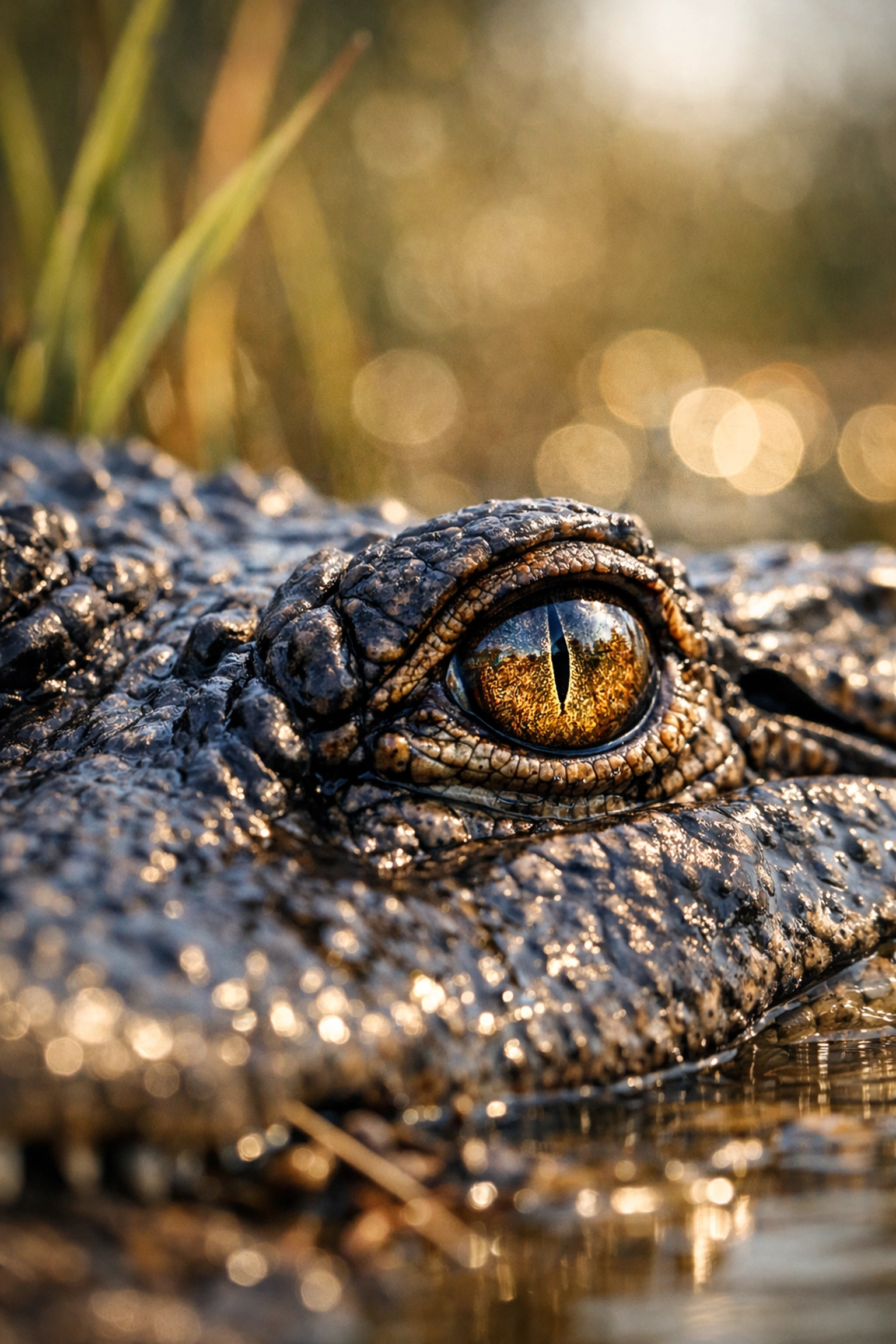
For wildlife, the best shots happen at eye level. If you can safely get lower to the ground (while keeping a respectful distance from the alligators!), the perspective becomes much more intimate. It makes the viewer feel like they are part of the animal's world.
Focus on the Eye
This is the golden rule of wildlife photography. If the eye isn't sharp, the photo usually doesn't work. Modern "Animal Eye AF" features on cameras make this much easier, but you still need to be intentional about your focus point.
Tell a Story
Don't just take "mugshots" of animals. Try to capture behavior. A heron mid-strike, an alligator protecting its nest, or a snail kite hunting. These are the images that stand out. For more educational content on refining your style, browse through our educational category.
Safety and Ethics in the Wild
We are guests in the Everglades. It is vital to practice ethical photography. Never feed or harass the wildlife to get a shot. Not only is it illegal, but it's dangerous for both you and the animal.
Alligators are generally calm if you give them space, but they are incredibly fast. Always maintain a minimum of 15-20 feet distance. If an animal changes its behavior because of your presence, you’re too close.
Ready to Capture the Everglades?
The Everglades is a place that stays with you. Every time I go, I see something new: a different light, a rare bird, or a moment of perfect stillness. It’s a challenging environment, but that’s exactly what makes the rewards so sweet.
If you’re serious about coming home with world-class images, don’t leave it to chance. I’ve put all my years of experience, my favorite secret spots, and my specific technical settings into the Everglades Photography Guide. It’s the ultimate resource to ensure your trip is a success.
You can also see some of my finished work and get inspiration for your own compositions at Edin Fine Art or follow my latest adventures over at the Edin Chavez Blog.
Capture the beauty, respect the wild, and I’ll see you out in the sawgrass!