Category: Photo Guides
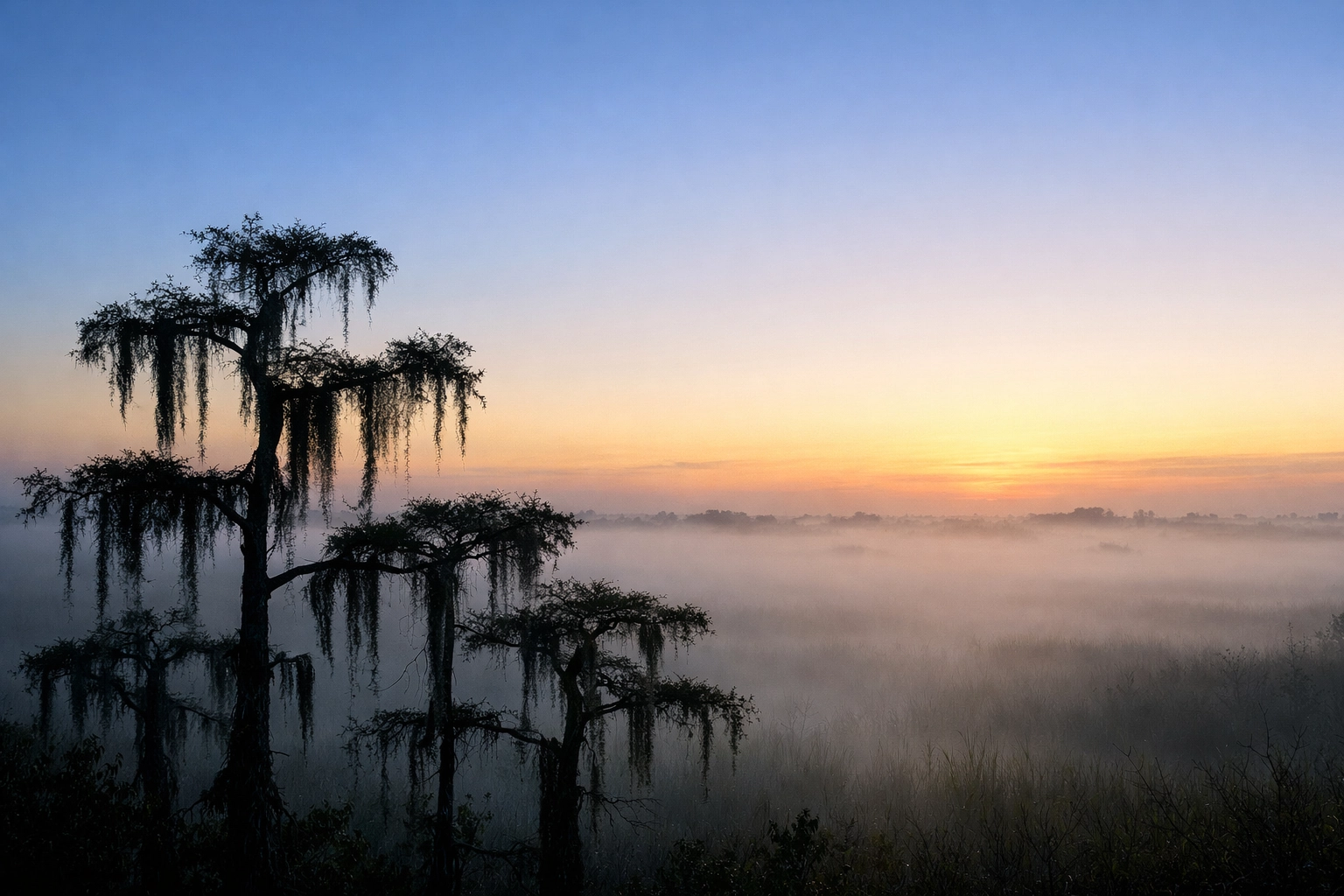
There is something hauntingly beautiful about the Everglades. It’s not your typical "mountain and valley" landscape. It’s a vast, subtropical wilderness that moves at its own pace: a slow-motion "River of Grass" where the sky seems to go on forever and the wildlife is always watching.
If you’ve ever tried to photograph the Everglades, you know it can be a bit intimidating. Between the humidity, the mosquitoes, and the sheer scale of the place, it’s easy to feel overwhelmed. But trust me, once you capture that first sunrise mist rising off a cypress slough or get a tack-sharp shot of an Osprey mid-dive, you’ll be hooked.
This guide is designed to help you navigate the complexities of Everglades photography, from the gear you’ll need to the exact spots where the light hits just right. And if you want to skip the trial and error, you should definitely check out my Everglades Photography Guide. It’s the culmination of years of shooting in these swamps, packed into one easy-to-follow resource.
Understanding the Seasons: When to Go
In Florida, we don’t really have four seasons; we have "Dry" and "Wet." For photography, this distinction is everything.
The Dry Season (November – April)
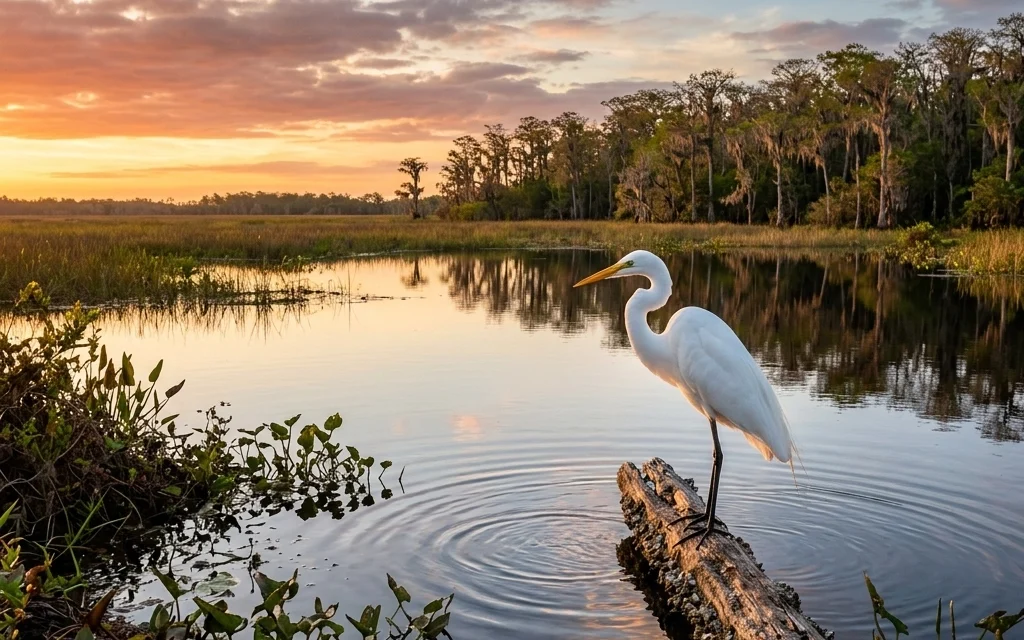
This is the golden window. As the water levels drop across the state, the wildlife is forced into deeper pockets of water, like the canals and sloughs along the main park roads. This concentration makes it incredibly easy to find alligators, herons, and egrets. The weather is also much more manageable: cooler temps and fewer bugs make for a much more enjoyable photography booking experience.
The Wet Season (May – October)
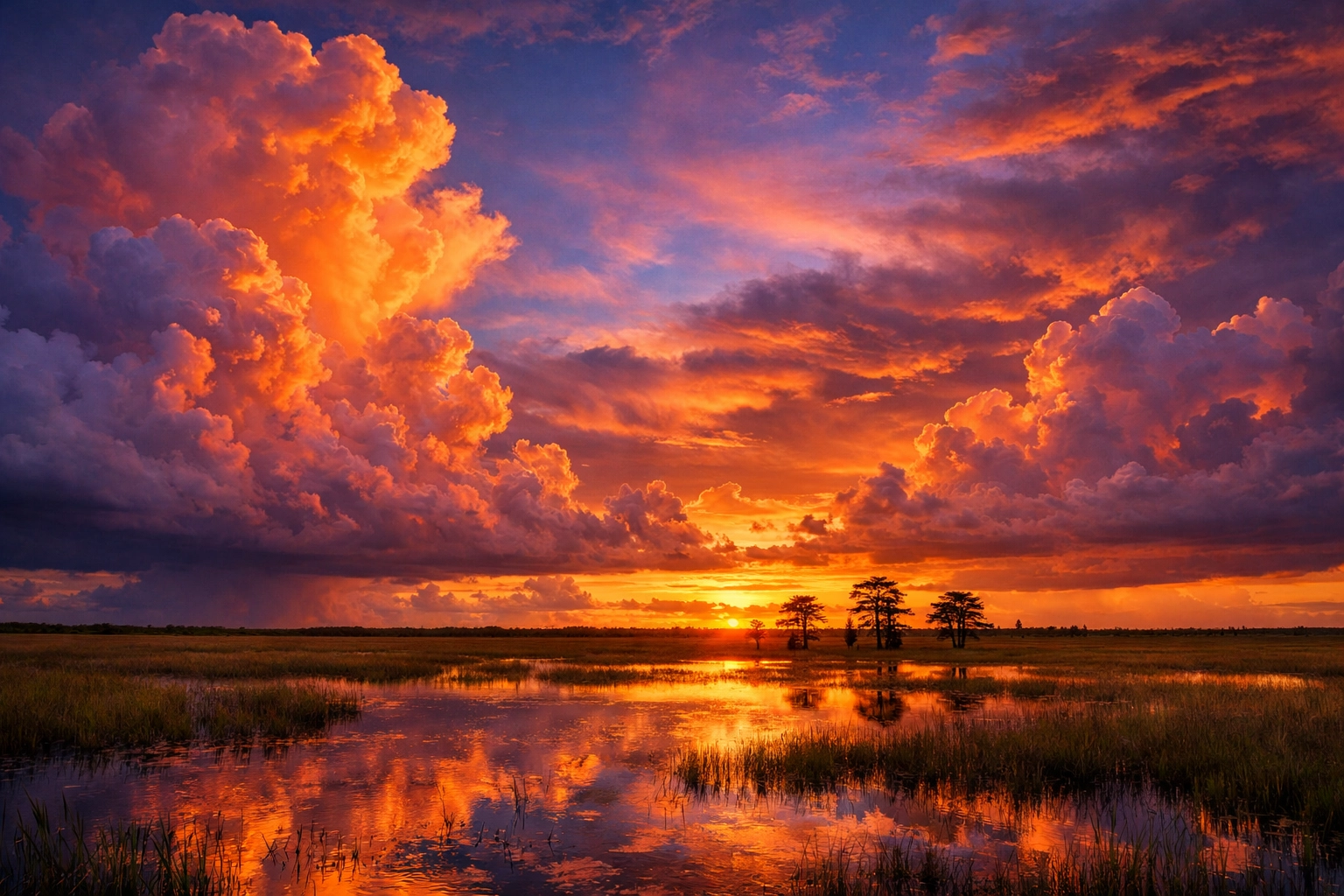
The wet season is tough. It’s hot, the mosquitoes are legendary, and the wildlife disperses because there’s water everywhere. However, if you’re a fan of dramatic Florida skies and massive thunderstorms, this is your time. The clouds during a summer sunset in the Everglades are unlike anything else on Earth.
Essential Gear for the Swamp
You don’t need the most expensive kit in the world, but the Everglades is a demanding environment. You’ll want gear that is versatile and, ideally, somewhat weather-sealed. For a deep dive into what I carry, take a look at my list of essential photography gear.
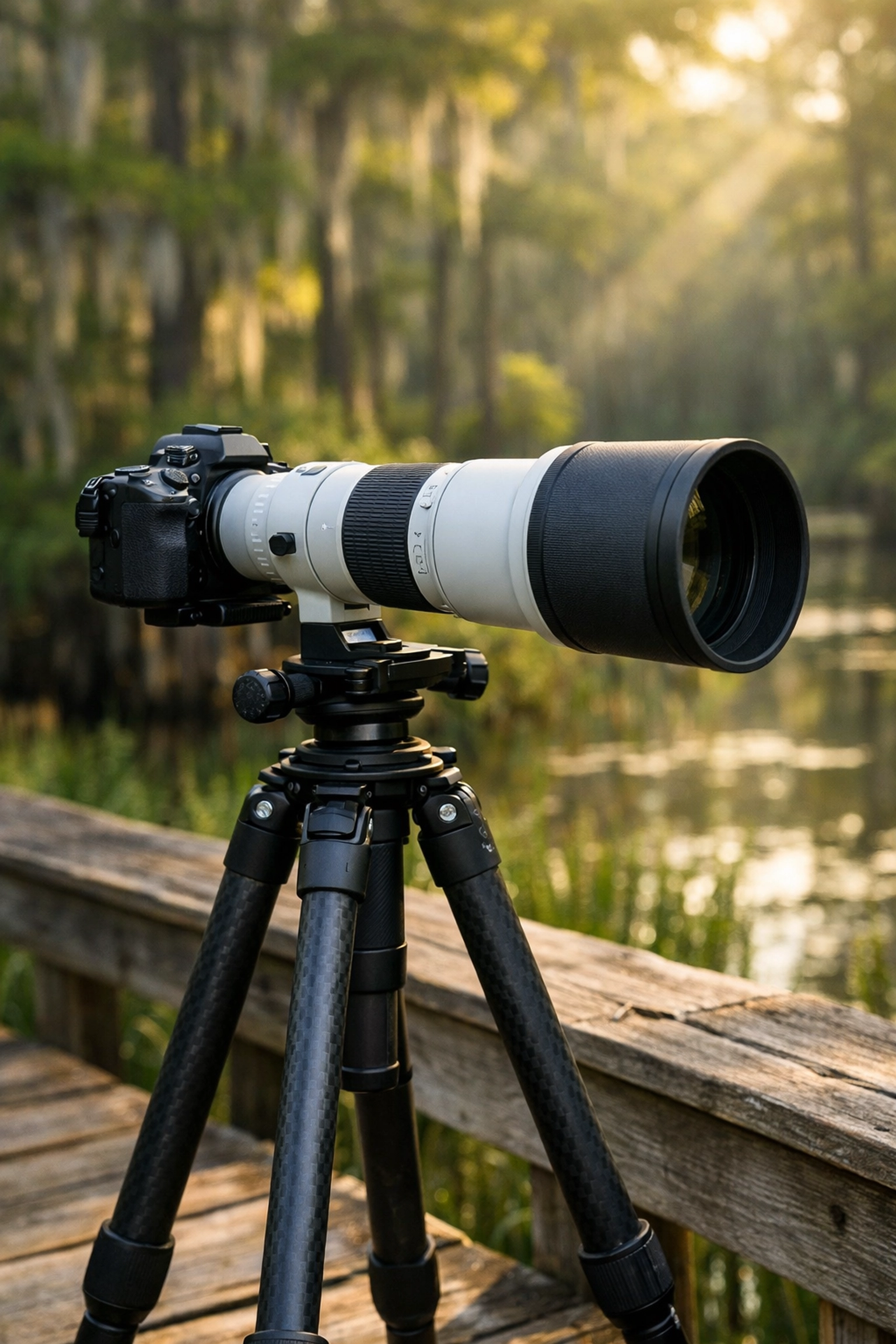
- The Long Lens (300mm to 600mm): Most wildlife, especially the birds, requires some reach. A 400mm or 600mm lens allows you to fill the frame without disturbing the animal’s natural behavior.
- The Wide Angle (16-35mm): Don't forget the landscapes! The Everglades is famous for its "big sky" views. A wide-angle lens is perfect for capturing the vastness of the sawgrass prairies.
- A Sturdy Tripod: If you’re shooting at sunrise or using a heavy 600mm lens, a tripod is non-negotiable. It keeps your shots sharp when the light is low.
- Polarizing Filter: This is my secret weapon. It cuts the glare off the water and makes the greens of the mangroves and the blues of the sky really pop.
- Protection: Bring a rain cover for your camera and plenty of lens cloths. The humidity can cause condensation, and a sudden afternoon shower is always a possibility.
Mastering Your Camera Settings
Getting the shot in the Everglades requires a bit of a "split personality" approach to your settings.
For Wildlife (The Action)
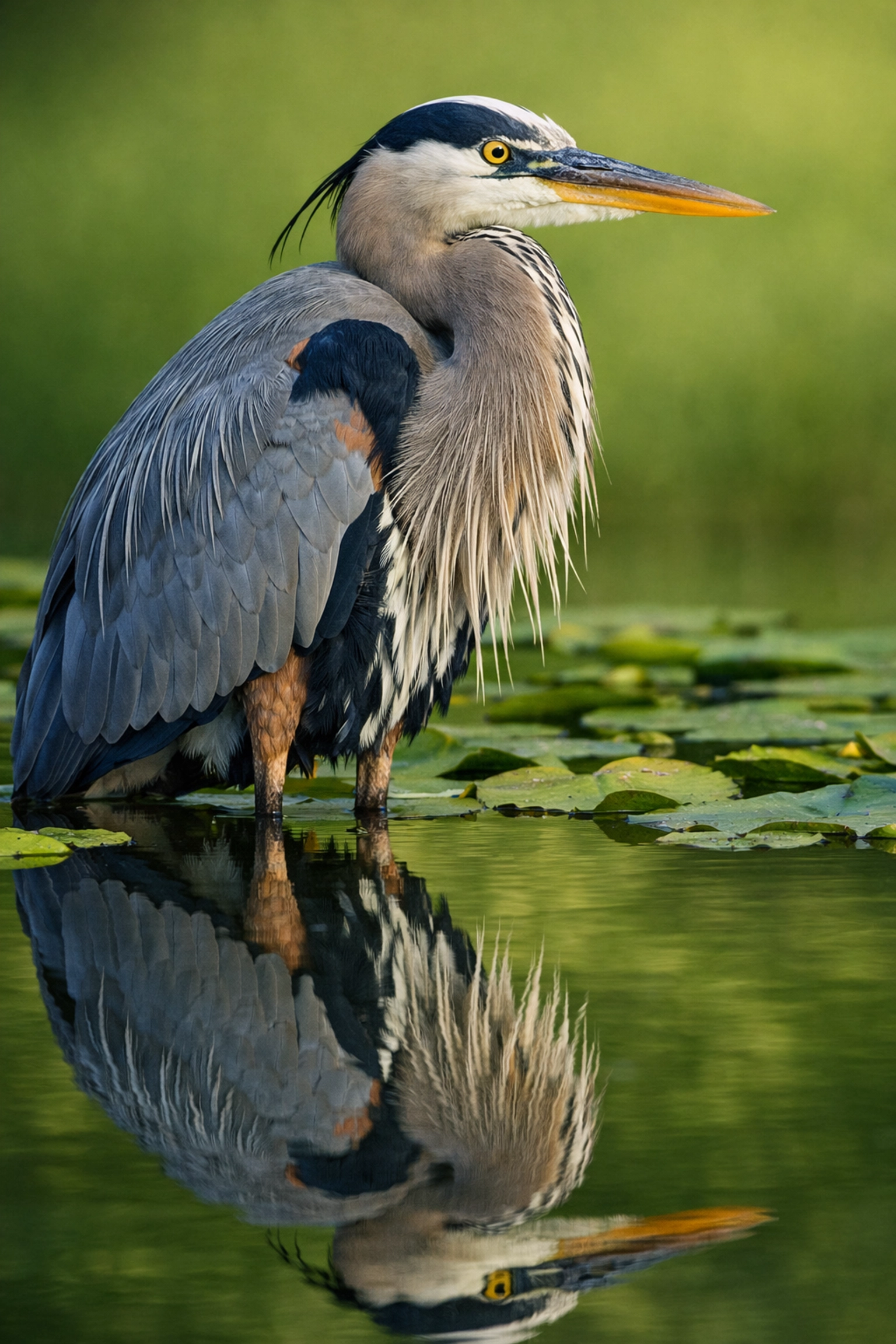
When a Great Blue Heron decides to take flight, you need to be ready.
- Shutter Speed: Keep it fast: at least 1/1200s or higher to freeze motion.
- Aperture: I usually shoot wide open (f/4 or f/5.6) to create that beautiful blurred background (bokeh) that makes the subject stand out.
- ISO: Don't be afraid to bump your ISO up to 800 or even 2000 to maintain that high shutter speed in the early morning light.
For Landscapes (The Mood)
- Aperture: Switch to f/8 or f/11 to ensure everything from the foreground grass to the distant clouds is in focus.
- ISO: Keep it as low as possible (ISO 100) to ensure the highest image quality and minimal noise.
- Exposure Bracketing: The contrast between a bright sky and a dark swamp can be tricky. I often shoot three exposures (-2, 0, +2) and blend them later to capture the full range of light.
If you’re looking for more technical tips and community feedback, I highly recommend checking out Shut Your Aperture. It’s a great place to learn from other photographers dealing with similar challenges.
Top Locations You Can't Miss
While the entire park is beautiful, some spots are legendary for a reason.
Pahayokee Overlook
This is my favorite spot for sunrise. There’s a boardwalk that takes you out over the "River of Grass." If you arrive at the crack of dawn during the winter, you’ll likely see mist rising off the water. Point your camera east, use the silhouettes of the cypress trees, and you’ll get a "fine art" quality shot every time. You can see some of my own professional takes on these scenes over at Edin Fine Art.
Anhinga Trail
If you want guaranteed wildlife shots, this is it. It’s a short walk, but it’s packed with alligators, turtles, and wading birds. Because the animals here are used to people, you can get some incredible close-up portraits (just remember to keep a safe distance!).
Shark Valley
For the truly adventurous, rent a bike at Shark Valley. The 15-mile loop takes you deep into the heart of the Everglades. You’ll see more gators than you can count, and the observation tower at the halfway point offers a 360-degree view of the entire ecosystem.
Composition and Technique: Think Like an Artist
In a landscape as flat as the Everglades, composition is everything. You have to work a bit harder to find "leading lines."
- Use the Boardwalks: Use the lines of a boardwalk to lead the viewer’s eye into the frame.
- Get Low: Don’t just shoot from eye level. Get down low to the water's edge (carefully!) to get an intimate perspective on an alligator or a water lily.
- Focus on the Eyes: Whether it’s a crocodile or a hawk, if the eyes aren't sharp, the photo won’t resonate. Always lock your focus on the eye.
- Negative Space: Don’t feel like you have to fill every inch of the frame. Sometimes a tiny bird in a vast expanse of sawgrass tells a much more powerful story about the isolation of the wilderness.
A Note on Safety and Ethics
The Everglades is a wild place. We are guests in their home.
- Respect the Distance: Never approach or feed the wildlife. It’s dangerous for you and death-sentence for them (once they lose their fear of humans, they often have to be removed).
- Stay Hydrated: The Florida sun is no joke, even in the winter.
- Bug Spray is Your Friend: Use it. Trust me.
Take Your Photography to the Next Level
Capturing the Everglades is a journey. It takes patience, a bit of sweat, and a lot of practice. But when you finally see that perfect shot on your screen, it's all worth it.
If you're serious about coming home with "wall-worthy" photos, don't leave it to chance. My Everglades Photography Guide gives you the exact GPS coordinates, timing tips, and gear recommendations I use for my professional work. It's like having me right there in the swamp with you, minus the mosquito bites.
For more inspiration on where to shoot and what to do, feel free to browse our other educational resources or check out the latest camera reviews to make sure your kit is up to the task.
The Everglades is waiting for you. Grab your gear, head out at dawn, and see what stories you can tell with your lens. For even more tips and long-form guides, stay tuned to the main Photoguides blog.