
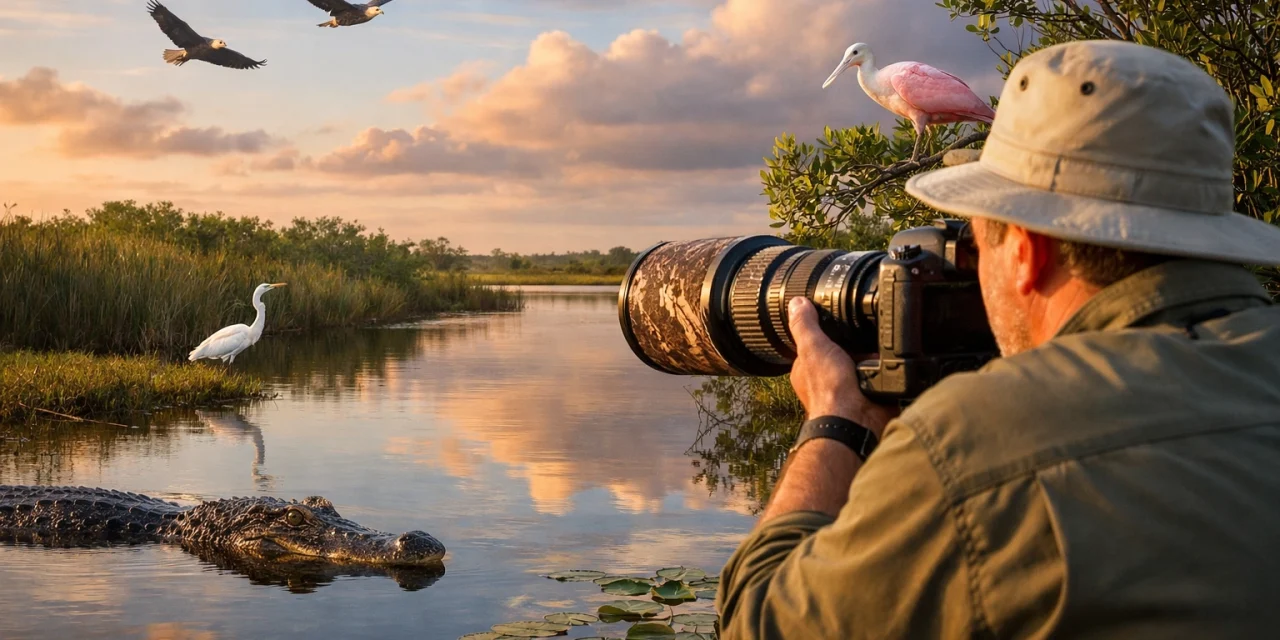
The Florida Everglades is often called the "River of Grass," but for those of us with a camera in hand, it’s more like a living gallery of prehistoric giants and vibrant plumage. Spanning over 1.5 million acres, this subtropical wilderness is a complex ecosystem that offers some of the best wildlife photography opportunities in North America. Whether you are aiming to capture the serrated smile of an American alligator or the delicate pink feathers of a Roseate Spoonbill, the Everglades provides a backdrop that is both haunting and beautiful.
However, success in the Everglades doesn't happen by accident. The humidity, the vastness, and the unpredictable nature of the wildlife mean you need a plan. At Photoguides, we want to make sure your trip is more than just a walk in the swamp: we want it to be the trip where you capture your "portfolio" shots.
In this guide, we’ll walk through the best spots, the essential gear, and the professional techniques you’ll need to master the art of Everglades wildlife photography. If you want to dive even deeper and get the local secrets we’ve spent years gathering, don't miss our comprehensive Everglades Photography Guide.
Why the Everglades Is a Photographer’s Dream
The Everglades is unique because it is the only place on Earth where alligators and crocodiles coexist. But beyond the reptiles, it serves as a critical stopover for over 360 species of birds. The accessibility here is unparalleled; many of the animals have become accustomed to human presence along the boardwalks, allowing you to get intimate portraits that would be impossible in more remote wilderness areas.
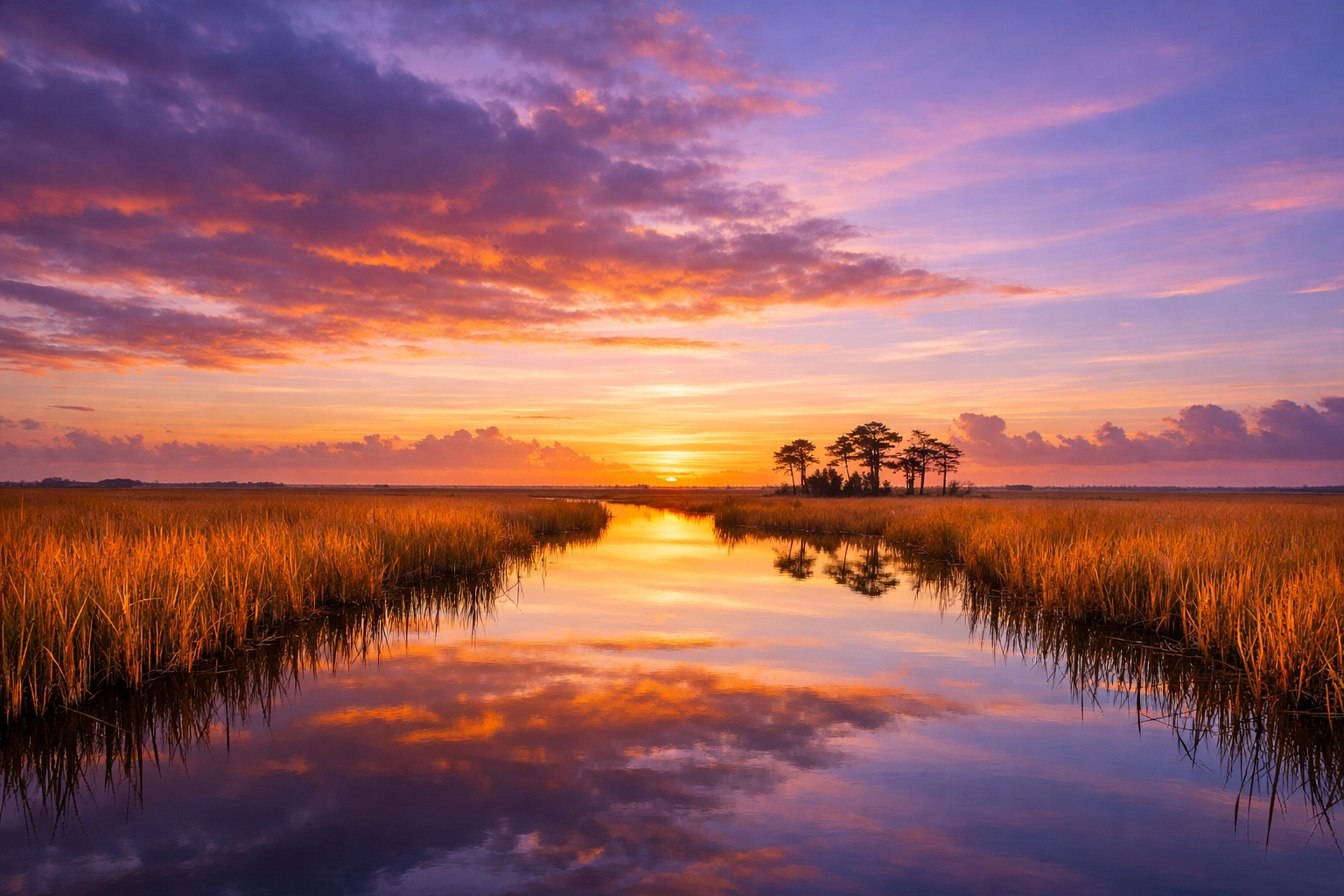
The light in South Florida is also a character of its own. Because the landscape is so flat, the "Golden Hour" feels expansive. The sun rises over the sawgrass prairies and sets over the mangroves, creating dramatic silhouettes and soft, warm tones that bring out the textures in the wildlife.
Top Locations for Capturing the Magic
Knowing where to go is half the battle. While the park is massive, a few key areas consistently deliver the best results for photographers.
Anhinga Trail (Royal Palm)
If you only have one day, go to the Anhinga Trail. Located near the Homestead entrance, this 0.8-mile boardwalk is a wildlife magnet. You will see alligators lounging just feet from the path and Anhingas drying their wings in the sun. It is a fantastic place for beginners to practice because the animals are relatively stationary and the light is predictable.
Shark Valley
Accessed via the Tamiami Trail, Shark Valley features a 15-mile loop that cuts right through the heart of the Glades. You can rent a bike or take the tram, but for photographers, walking a portion of the trail or biking allows for the most flexibility. The observation tower at the end offers a panoramic view that is perfect for landscape shots, especially if you can time it for a sunset.
Big Cypress National Preserve
Just north of the main park, Big Cypress offers a more rugged experience. The Loop Road is famous among those in the know. It’s a dirt road where you can slowly drive and photograph Barred Owls, Wood Storks, and, if you’re incredibly lucky, the elusive Florida Panther. The cypress domes here provide a moody, ethereal atmosphere that contrasts beautifully with the open marshes of the main park.
Wildlife You Can Expect to See
When you step into the Everglades, you are entering a world where nature still reigns supreme. Here are the "big three" targets for most photographers:
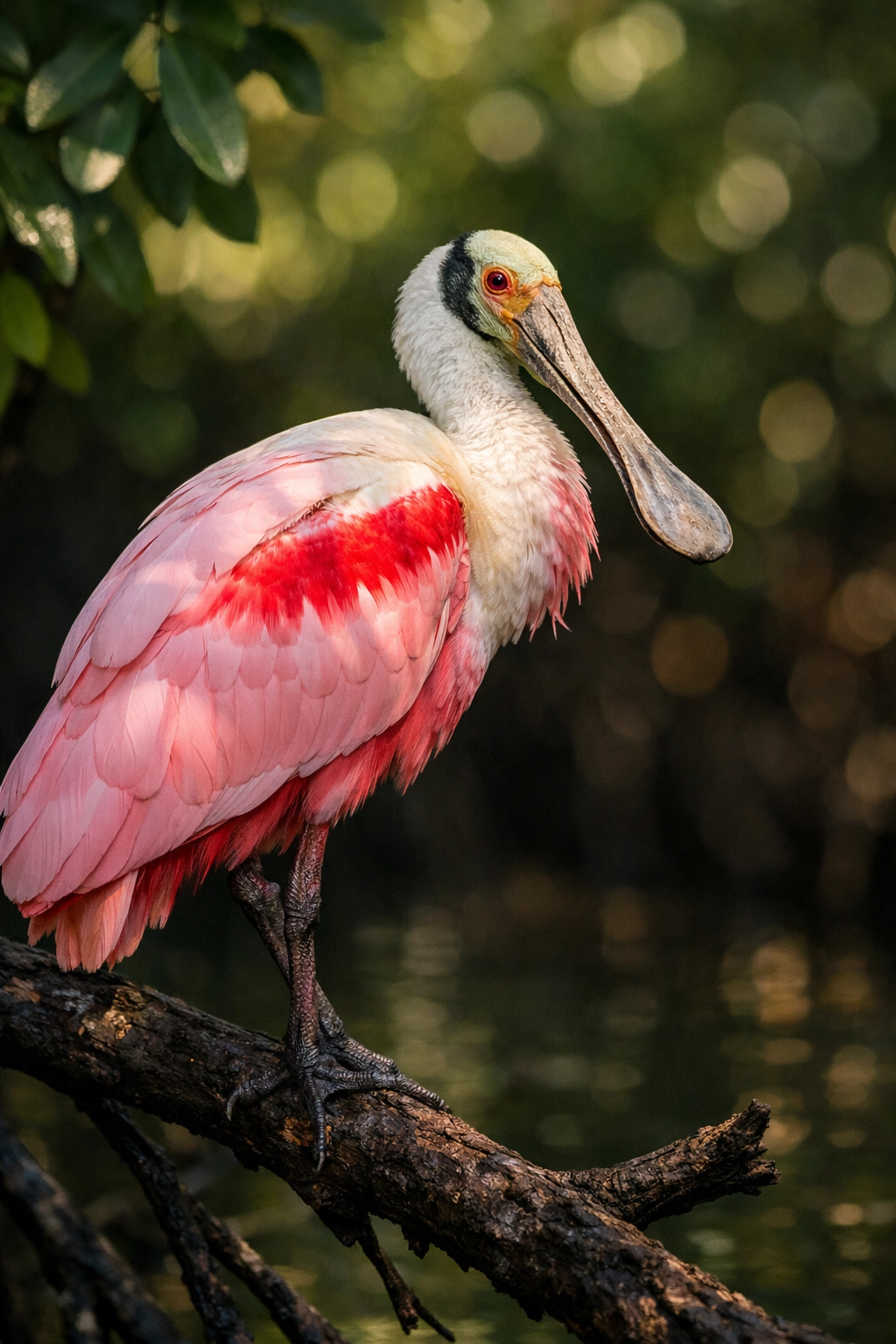
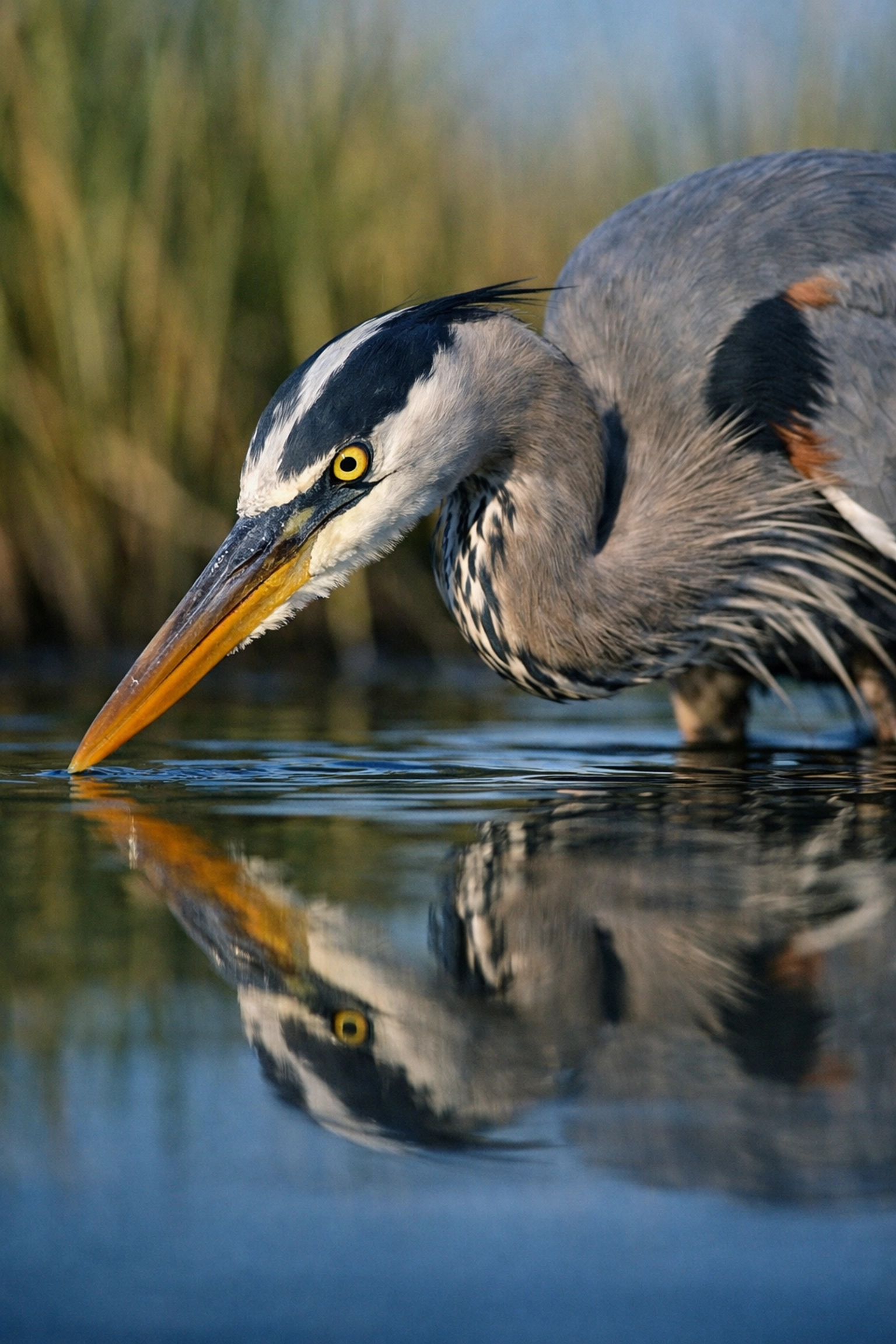
- Wading Birds: You’ll find Great Blue Herons, Snowy Egrets, and the fan-favorite Roseate Spoonbill. The spoonbills are particularly popular because of their striking pink color, which pops against the green mangroves.
- Alligators and Crocodiles: Look for them basking on the banks during the cooler morning hours. Focus on the details: the texture of their skin, the reflection of their eyes in the water, and the way they blend into the muck.
- Raptors: Osprey and Red-shouldered Hawks are common sights. Keep an eye on the dead trees (snags) where they often perch to hunt.
Essential Photography Gear for the Swamps
Bringing the right gear can make or break your experience. The Everglades can be harsh on equipment, so preparation is key.
Lenses
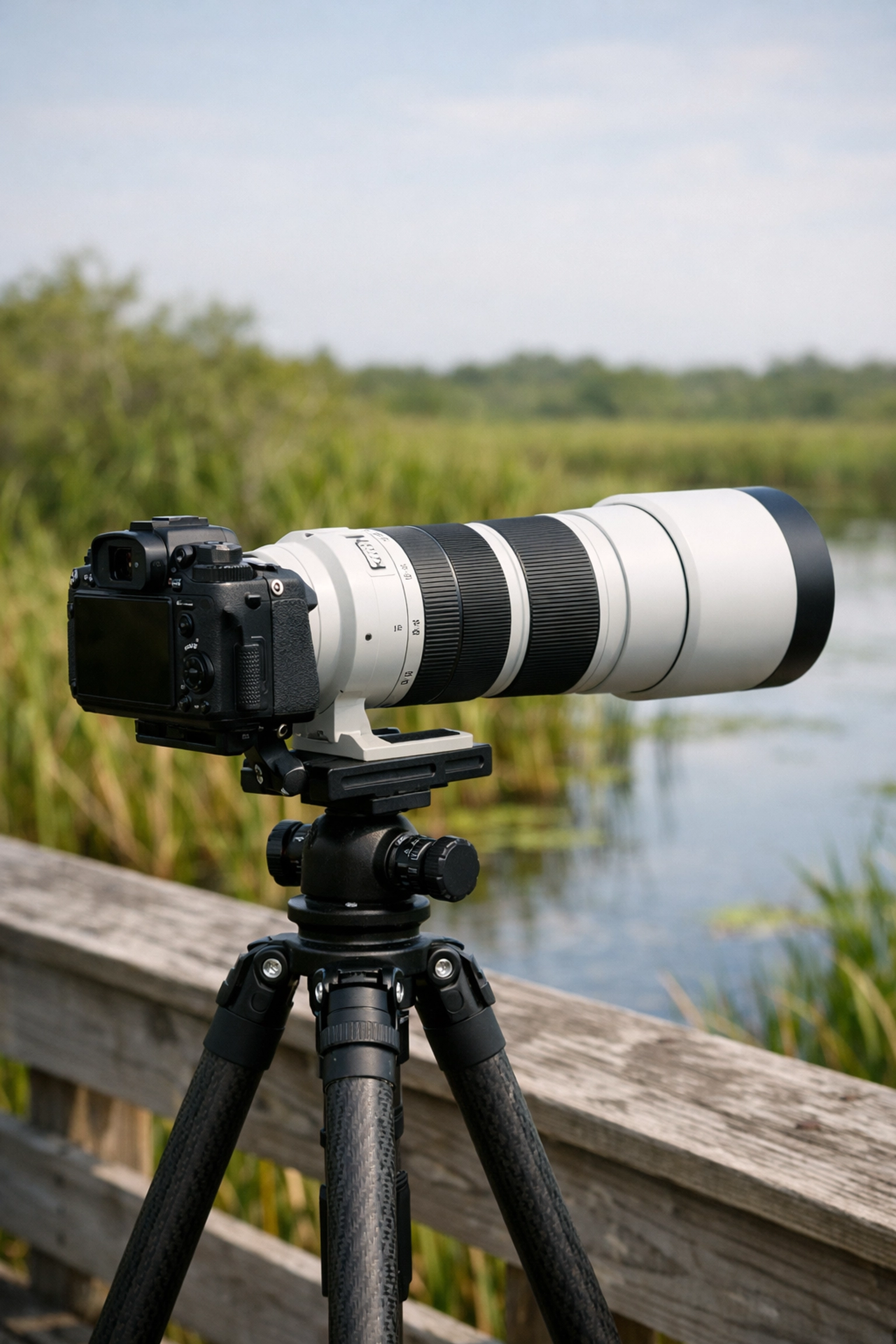
For wildlife, focal length is everything. A lens in the 100-400mm or 200-600mm range is ideal. This allows you to fill the frame with a bird's portrait without disturbing its natural behavior. If you’re interested in the grand landscapes, a wide-angle lens (16-35mm) will help you capture those massive Florida skies. You can check out more recommendations on our essential photography gear page.
Protection and Stability
- Circular Polarizer: This is non-negotiable. It helps cut the glare off the water and saturates the greens and blues of the environment.
- Tripod or Monopod: While many shots will be handheld, a tripod is essential for those low-light sunrise sessions or when using heavy super-telephoto lenses.
- Weather Sealing: The humidity is high, and afternoon rain showers are common. Bring a rain cover for your camera and plenty of microfiber cloths to wipe away condensation.
Pro Tips for Better Wildlife Shots
Capturing a photo of an animal is one thing; capturing a great photo is another. Here are a few ways to elevate your work:
Get Down Low
The most common mistake photographers make is shooting from a standing position. By getting down to the animal's eye level, you create a sense of intimacy and connection. It also helps blur the background, making your subject stand out.
Master Your Shutter Speed
Birds move fast. Even a "stationary" heron can strike at a fish in a split second. To freeze the action, keep your shutter speed at 1/1000s or higher. For birds in flight, you may need to go up to 1/2500s. Don't be afraid to bump up your ISO to maintain these speeds, especially under the canopy of the cypress trees.
Watch the Behavior
The best photos tell a story. Instead of just taking a "statue" shot of a bird, wait for it to preen, hunt, or interact with another bird. Patience is your greatest tool in the Everglades. If you find a good subject, stay with it. The magic usually happens just when you're about to walk away.
Timing Your Trip: Seasons Matter
The Everglades has two main seasons: Wet and Dry.
- The Dry Season (November – April): This is the best time for photography. As the water levels drop, wildlife congregates around the remaining "gator holes" and deep-water sloughs. This concentration makes it much easier to find and photograph a variety of species in one spot.
- The Wet Season (May – October): The park becomes a lush, green paradise, but the wildlife disperses as water is everywhere. It’s also the peak of mosquito season. While more challenging, the dramatic storm clouds and lightning during this time can lead to some incredible landscape photography.
If you’re planning a visit and want to ensure everything goes smoothly, consider looking into a professional photography booking experience to help navigate the logistics.
Elevate Your Photography with Our Expert Guide
The Everglades is a place of endless mystery and opportunity. Every time we visit, we see something new: a mother alligator guarding her hatchlings, a rare snail kite hunting, or a sunrise that turns the entire marsh into gold. It’s a place that rewards those who take the time to understand its rhythms.
We’ve poured all of our professional experience into a single resource to help you get the most out of your trip. Our Everglades Photography Guide covers everything from specific GPS coordinates of the best hidden spots to advanced post-processing tips for swampy light. It’s designed to save you time and help you bring home the shots you’ve always dreamed of.
Photography is about more than just pressing a button; it’s about being in the right place at the right time with the right mindset. We hope this guide helps you feel confident and inspired for your next adventure into the River of Grass. Grab your gear, respect the wildlife, and we'll see you out there in the marsh!













