

Category: Photo Guides
There is something almost prehistoric about waking up before the sun in the Florida Everglades. As the mist rises off the sawgrass and the first light hits the water, you aren’t just looking at a landscape; you’re looking at a world that has remained largely unchanged for thousands of years.
For a wildlife photographer, the Everglades is a playground like no other. From the piercing gaze of a Great Blue Heron to the silent, submerged presence of an American Alligator, the photographic opportunities are endless. But let’s be real: the swamp can be intimidating. It’s hot, it’s buggy, and if you don’t know where to look, you might spend all day staring at a lot of grass and not much else.
I’ve spent years navigating these waters, and I want to help you skip the frustration and get right to the "wow" shots. Whether you are a seasoned pro or just picking up your first telephoto lens, this guide will give you the blueprint for success in one of the most unique ecosystems on the planet.
What’s in the Bag? Essential Gear for the Swamp
If you’re heading into the Everglades, your gear needs to be ready for two things: distance and humidity. Most of the wildlife here: especially the birds: requires a bit of reach.
Lenses: The Long and the Short of It
For bird photography, a telephoto lens is non-negotiable. I recommend something in the 200mm to 600mm range. If you’re using a zoom like a 100-400mm, you’ll find it incredibly versatile for both tight portraits of an alligator’s scales and wider shots of a roseate spoonbill in flight.
Don't forget a wide-angle lens (like a 16-35mm or 24-70mm). While we’re here for the animals, the Everglades landscapes: especially at Shark Valley during sunset: are breathtaking.
Stability and Protection
A tripod or monopod is a lifesaver when you’re waiting for a Green Heron to finally strike at a fish. However, if you prefer to stay mobile, ensure your lens has solid image stabilization.
The Everglades is also notoriously humid. I always carry a lens cleaning kit and waterproof covers. A sudden afternoon downpour is almost a guarantee in Florida, and you don’t want your expensive setup getting soaked. For a deeper dive into what I carry on every shoot, check out my guide on essential photography gear.

Where to Go: The Best Photography Spots
The Everglades is massive: over 1.5 million acres: so you need a plan. You can't just drive in and hope for the best. Here are the spots where I consistently find the best action:
1. Anhinga Trail (Royal Palm)
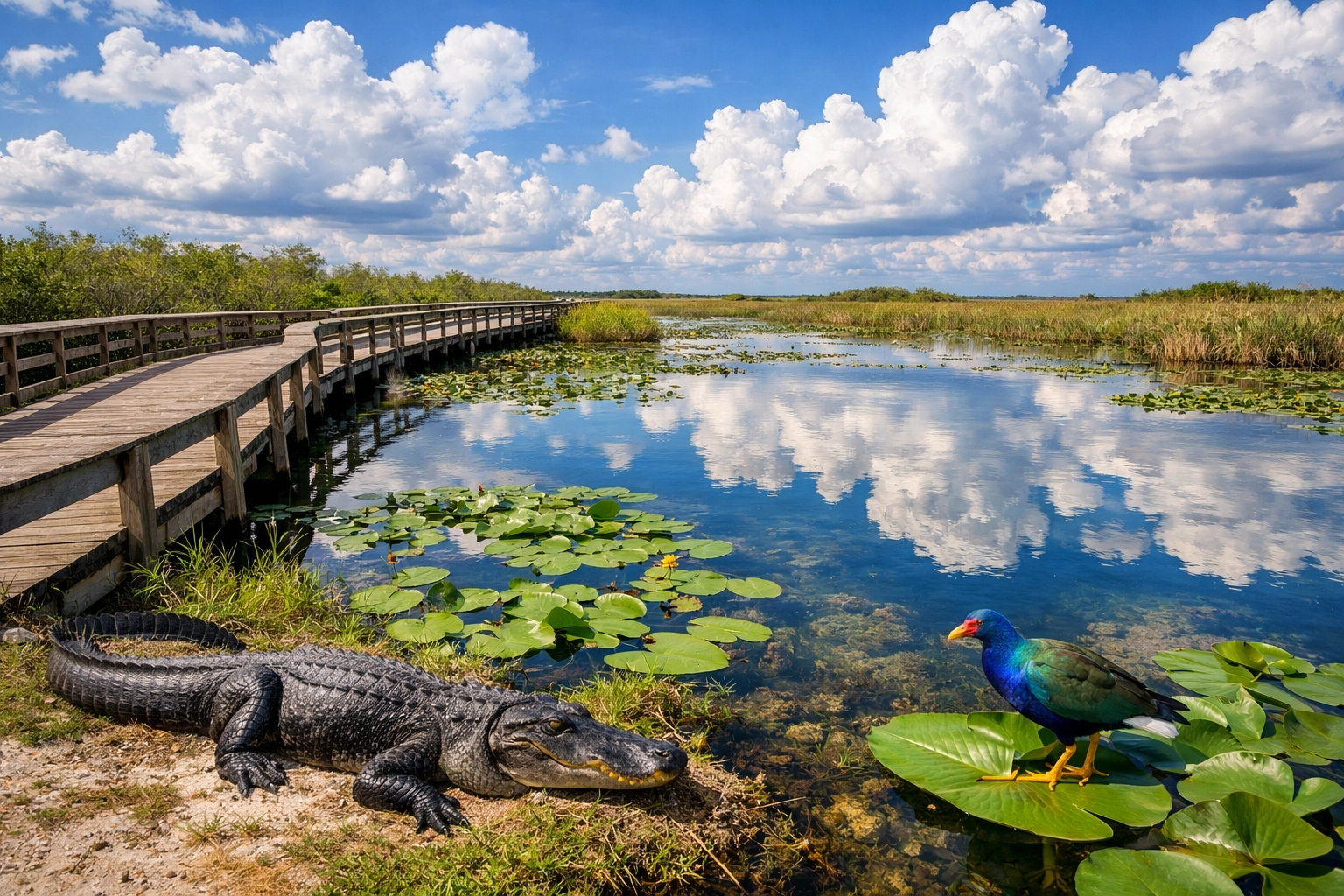
If you only have one day, go here. The Anhinga Trail is legendary for a reason. The wildlife here is remarkably habituated to humans, meaning you can get close-up shots of Anhingas drying their wings or alligators sunning themselves right next to the boardwalk. It’s a target-rich environment that rarely disappoints.
2. Shark Valley
Located off the Tamiami Trail, Shark Valley offers a 15-mile loop. You can rent a bike or take the tram. The "pit" areas along the road are often filled with gators and wading birds. The observation tower at the halfway point is also a fantastic spot for panoramic landscape shots.
3. Big Cypress National Preserve (Loop Road)
For a more "wild" feel, head to Loop Road in the Big Cypress National Preserve. It’s a bit more rugged, but the rewards are worth it. This is where I’ve had my best luck seeing river otters and, if you’re incredibly lucky, the elusive Florida Panther. Because it's less crowded, the behavior of the animals feels more natural.
If you’re planning a trip and want to make sure you’re in the right place at the right time, I highly recommend checking out our Everglades Photography Guide. It’s a deep dive into the specific GPS coordinates and seasonal secrets I use to get my best shots.
Timing is Everything
In the Everglades, the "Golden Hour" isn't just a suggestion; it’s a requirement.
Sunrise: This is when the birds are most active. They are heading out to hunt, the light is soft and golden, and the wind is usually at its calmest, giving you those perfect water reflections.
Mid-day: This is usually when I pack it in or head to a shaded cypress dome. The light becomes harsh, and the animals tend to retreat into the shade to stay cool.
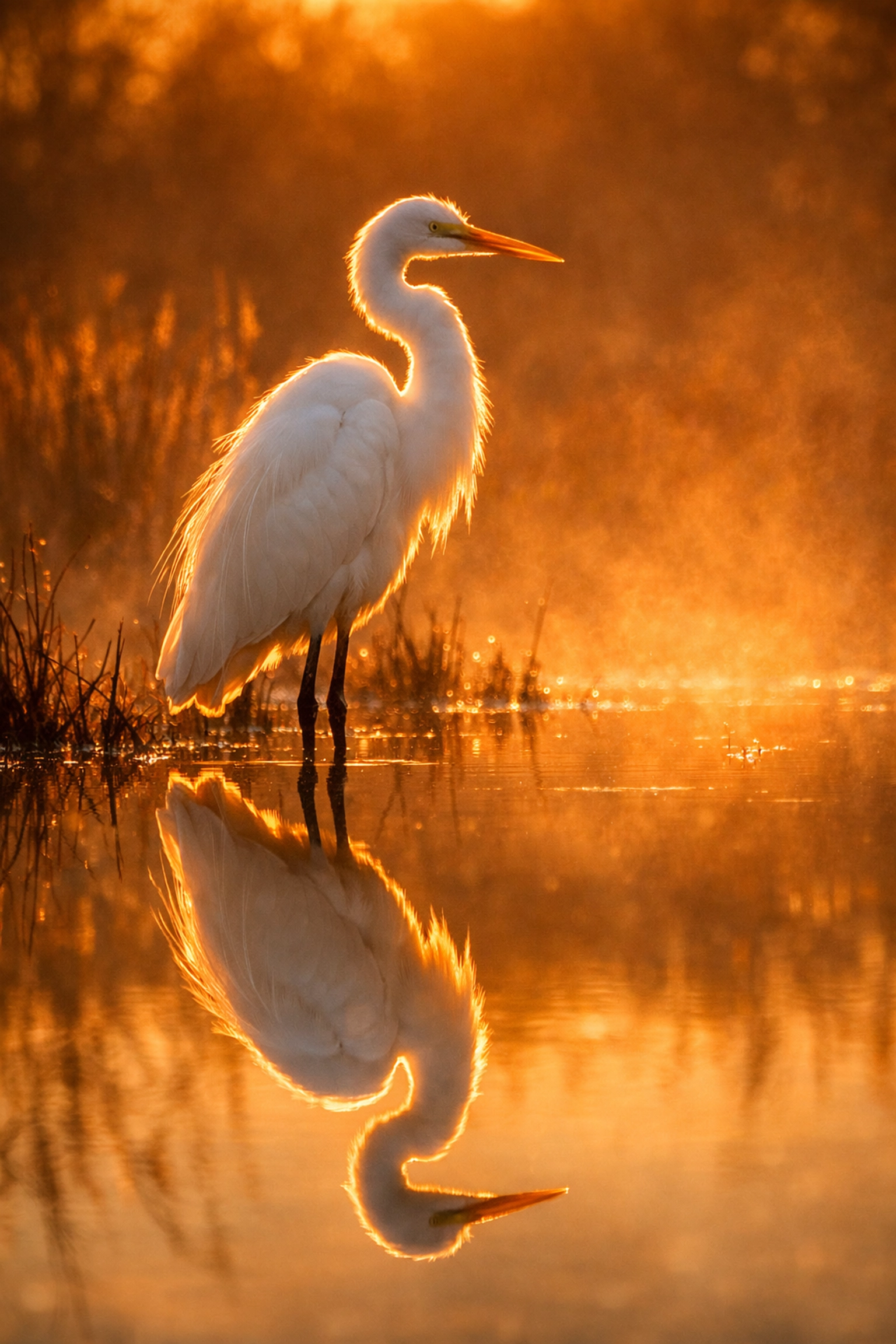
Sunset: The late afternoon light is spectacular for "backlighting" birds in flight. If you position yourself with the sun behind you, the feathers of an egret will glow against the darker swamp background.
Pro Techniques for Wildlife Success
Capturing a great photo of an animal is about more than just pointing and shooting. It’s about understanding behavior and technical precision.
1. Master Your Shutter Speed
Birds are fast. To freeze the action of a Great Egret taking flight, you’ll want a shutter speed of at least 1/1000s or 1/2000s. If you’re photographing an alligator that’s just sitting there, you can drop it down, but always stay alert: things happen fast in the wild.
2. Get Down Low
One of the biggest mistakes I see photographers make is shooting from eye level (their own eye level). To create a truly intimate portrait, you need to get down to the animal's level. If you’re photographing a bird on the water, crouch down. This creates a more pleasing perspective and separates your subject from the background with a beautiful blur (bokeh).
3. Focus on the Eyes
If the eyes aren't sharp, the photo is a discard. Use your camera's "Animal Eye AF" if it has it. A sharp eye creates an emotional connection between the viewer and the subject.
Respecting the Swamp: Ethics and Safety
We are guests in their home. It’s easy to get caught up in the excitement of a shot, but safety and ethics must come first.
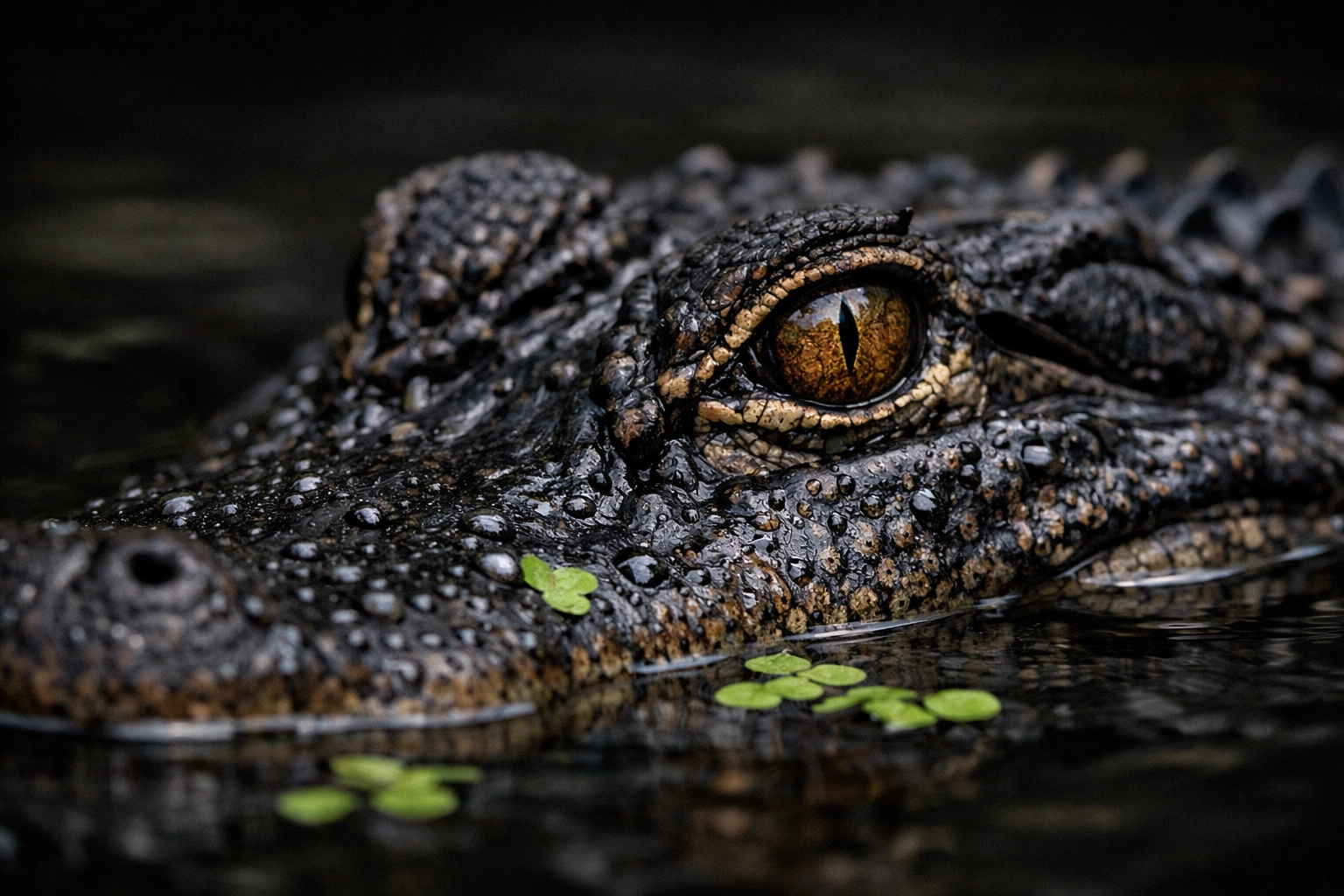
- Keep your distance: Alligators may look like logs, but they can move faster than you can blink. Stay at least 15-20 feet away.
- No feeding: Never feed the wildlife. It changes their behavior and puts them (and future visitors) at risk.
- Leave no trace: Keep the Everglades pristine so we can keep coming back for years to reach.
If you are looking for a more hands-on approach to learning these skills, we offer a specialized photography booking experience where we can take you through these locations personally.
Elevate Your Work
Wildlife photography is a journey. It takes patience, a bit of sweat, and a lot of practice. But when you finally nail that shot of an Osprey catching a fish or a Roseate Spoonbill silhouetted against a pink Florida sky, all the effort becomes worth it.
For those who want to take their Everglades game to the professional level, I’ve put everything I know into the Everglades Photography Guide. It’s designed to be your digital scout, helping you find the hidden gems that most tourists miss.
You can also browse my personal collection of South Florida work at Edin Fine Art to see what’s possible with these techniques. And for more tips on everything from post-processing to gear reviews, keep an eye on the Photoguides blog.
The swamp is waiting for you. Grab your gear, head south, and let’s see what you can capture!













