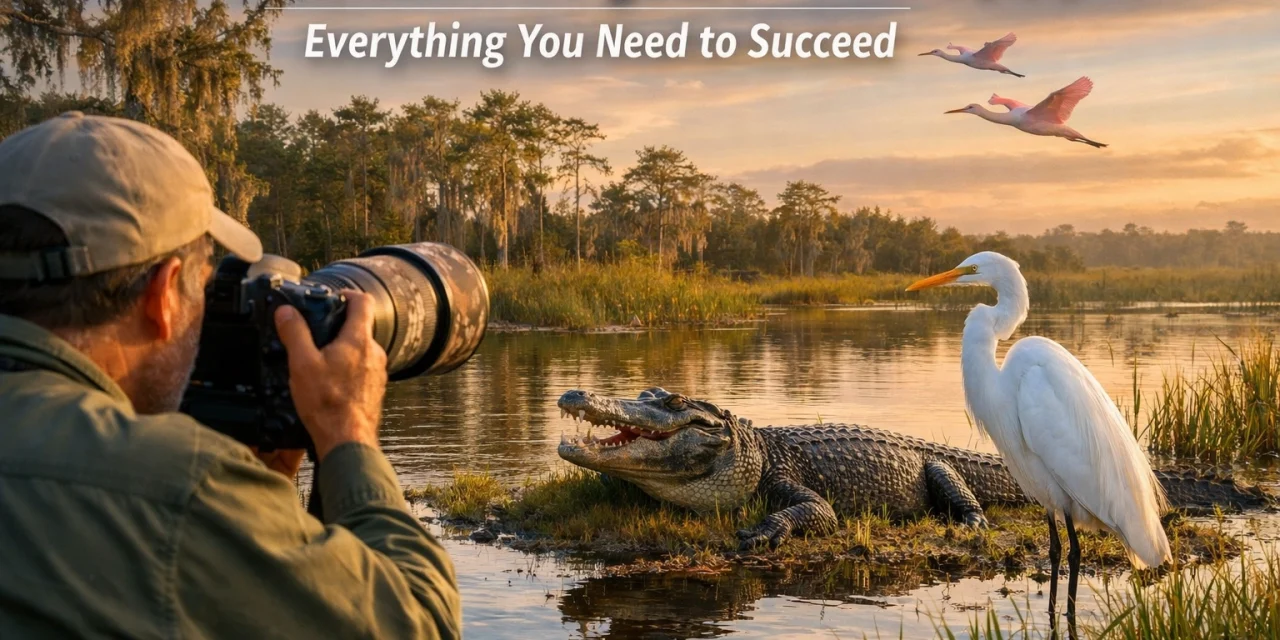
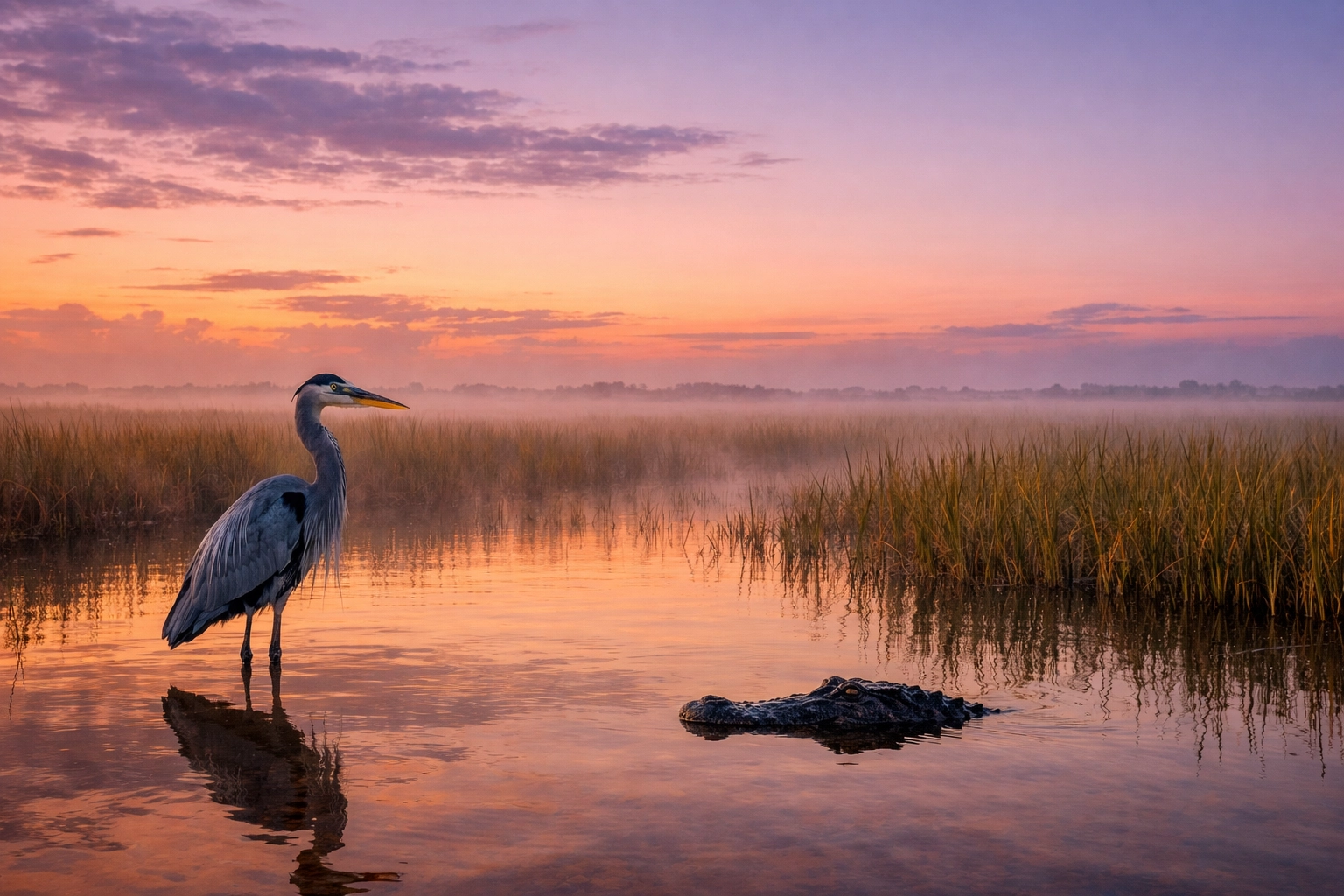
There is something truly mystical about the Florida Everglades. It isn’t just a "swamp": it’s a slow-moving river of grass, a prehistoric landscape that feels like it belongs in another era. If you’ve ever stood on a boardwalk at sunrise, watching a Great Blue Heron pierce the morning mist while an alligator glides silently through the tea-colored water, you know exactly what I’m talking about.
For photographers, the Everglades is a playground. But let’s be real: it can also be intimidating. Between the humidity, the vastness of the park, and the sheer amount of wildlife, it’s easy to feel overwhelmed. That’s why I wanted to put together this guide. I want you to feel confident, prepared, and inspired to capture the beauty of this unique ecosystem.
Whether you are looking to capture intimate bird portraits or sprawling landscapes, I’ve got you covered. And if you want to skip the trial and error and get straight to the best spots, don't forget to check out our Everglades Photography Guide for an even deeper dive into the secrets of the glades.
Why the Everglades?
The Everglades is one of the most biodiverse places on the planet. It’s a UNESCO World Heritage site and an International Biosphere Reserve. But more importantly for us, the wildlife here is often surprisingly accessible. Because many of the animals in the popular areas are accustomed to human presence, you can often get incredible shots without needing a 600mm lens (though they certainly don't hurt!).
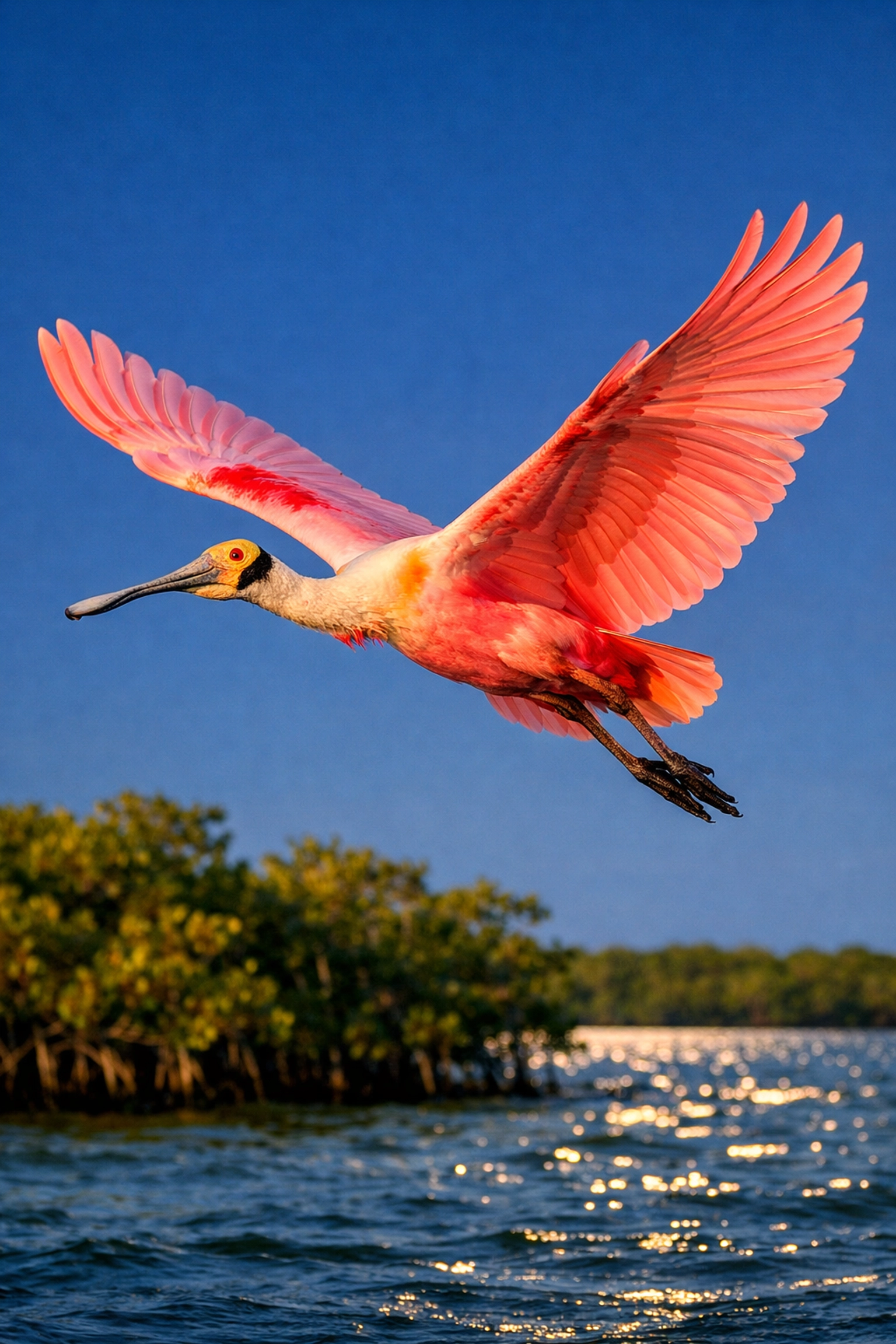
From the iconic American Alligator to the rare Snail Kite and the vibrant Roseate Spoonbill, the variety is staggering. But success here isn't just about showing up; it’s about understanding the rhythm of the water and the light.
The Best Spots for Wildlife Photography
If you only have a few days, you need to be strategic. Here are the locations that consistently deliver the goods.
1. Anhinga Trail (Royal Palm)
If there is a "Main Street" for Everglades photography, this is it. Located near the Royal Palm Visitor Center, the Anhinga Trail is a short boardwalk that puts you right in the middle of the action. You’ll see Anhingas drying their wings, herons stalking fish, and alligators lounging just feet away.
The beauty of this spot is that the animals are very relaxed. It’s the perfect place to practice your composition and eye-focus techniques without the pressure of a flighty subject. If you are new to the area, start here.
2. Shark Valley
Don’t let the name fool you: you won’t find sharks here, but you will find a 15-mile loop teeming with alligators and birds. You can walk, bike, or take the tram. I highly recommend renting a bike; it allows you to stop whenever you see something interesting. The observation tower at the halfway point offers a panoramic view that is spectacular for landscape shots, especially during the golden hour.
3. Loop Road
For a more "wild" feel, head to Loop Road in Big Cypress National Preserve (which borders the Everglades). It’s a 24-mile dirt track that takes you deep into the cypress domes. This is where I go when I want to feel completely immersed in the swamp. It’s a prime spot for barred owls, otters, and massive gators. Just make sure your car can handle some bumps and potentially a little mud.
4. Flamingo and the Coastal Fringe
Drive all the way to the end of the Main Park Road, and you’ll hit Flamingo. This is where the freshwater meets the saltwater of Florida Bay. It’s one of the few places in the world where you can see both alligators and American crocodiles in the same vicinity. It’s also a hotspot for manatees and Ospreys.
Essential Gear for the Glades
You don’t need the most expensive kit to get great shots, but you do need the right kit.
The Workhorse Lens
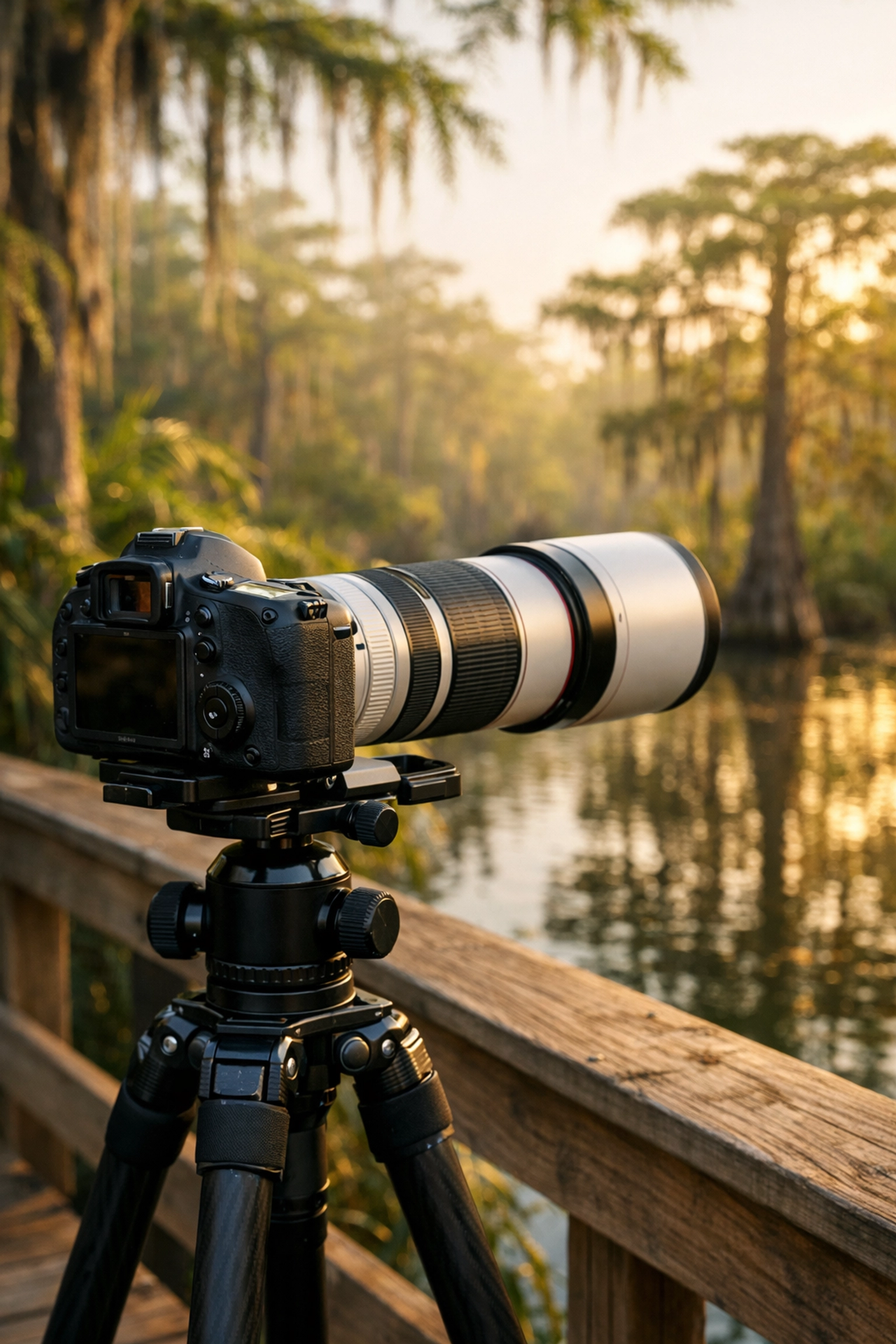
A 100-400mm lens is the gold standard for Everglades wildlife. It gives you the reach you need for birds across a canal while being versatile enough to pull back for an alligator right next to the trail. If you’re shooting with a mirrorless system, the autofocus tracking on modern bodies is a game-changer for birds in flight.
The Wide Angle
Don't get so focused on the animals that you forget the environment. A 24-70mm or a dedicated wide-angle lens is essential for those iconic "River of Grass" sunset shots. Check out our essential photography gear list for more recommendations on what to pack.
Stability and Filters
- Tripod: Essential for those low-light dawn and dusk shots.
- Circular Polarizer: This is a must. It helps cut the glare on the water, allowing you to see (and photograph) the details beneath the surface, like fish or submerged alligators.
- Protection: It’s humid and sometimes rainy. A simple rain cover for your camera and some silica gel packs for your bag are lifesavers.
Timing Your Visit: The Dry Season vs. The Wet Season
In the Everglades, the water level dictates everything.
- The Dry Season (November – April): This is the "Prime Time." As the water levels drop, the fish are forced into smaller pools, which creates a literal buffet for the birds and gators. This is when the wildlife is most concentrated and easiest to find. Plus, the weather is much more bearable.
- The Wet Season (May – October): It’s hot, buggy, and the wildlife disperses because there is water everywhere. However, the afternoon thunderstorms create some of the most dramatic skies you’ll ever see. If you’re brave enough to face the mosquitoes, the landscape photography can be epic.
Regardless of the season, sunrise and sunset are your best friends. The soft light brings out the textures of the sawgrass and the feathers of the birds in a way that midday sun simply can’t.
Pro Tips for Better Wildlife Images
Get Low
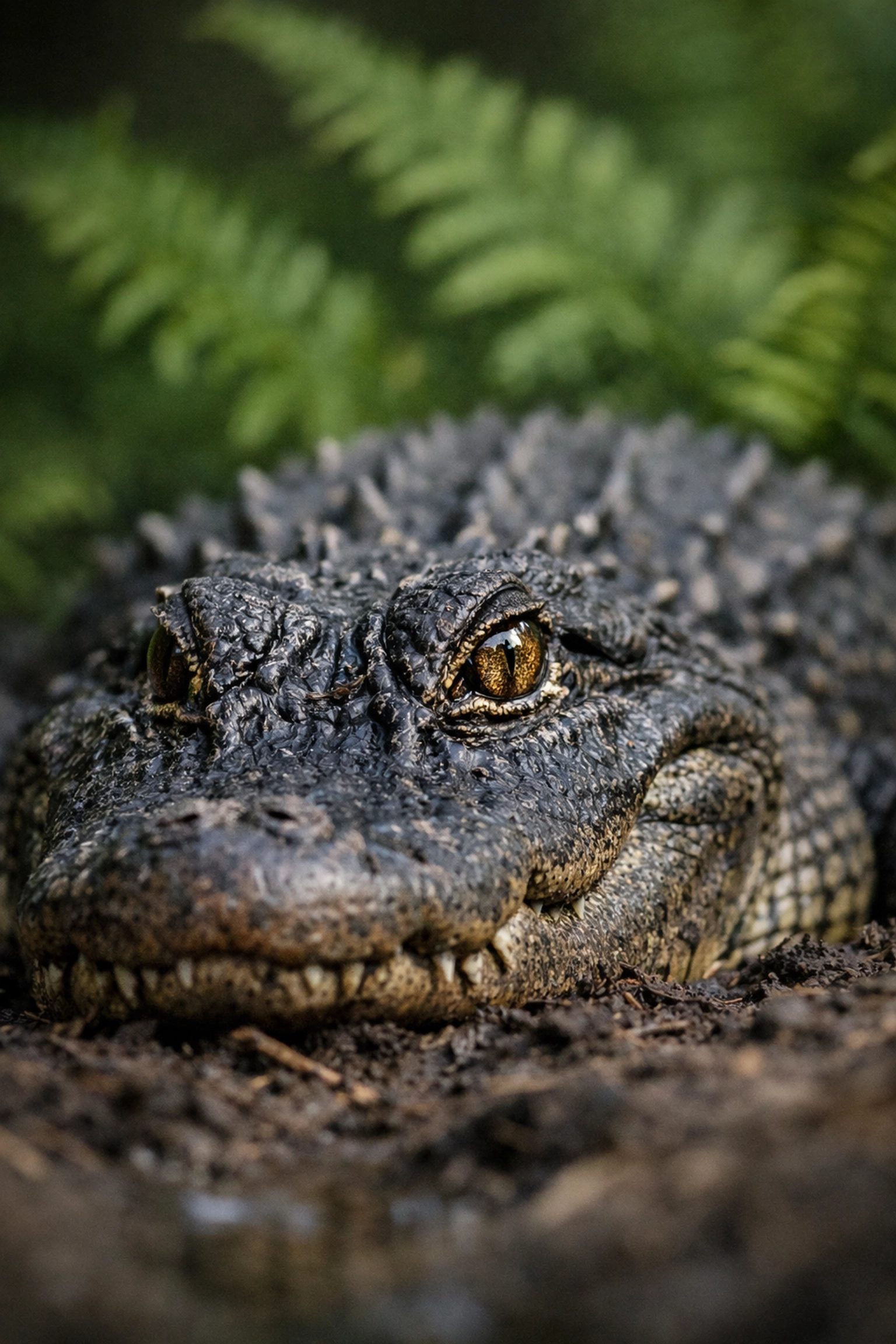
One of the most common mistakes I see is photographers shooting from eye level. To create an intimate connection with your subject, try to get down to their level. If you’re photographing an alligator on the bank, getting low makes the animal look more powerful and creates a beautiful out-of-focus foreground and background.
Focus on the Eyes
This is photography 101, but it’s worth repeating. If the eye isn't sharp, the photo usually doesn't work. With wildlife, the "soul" of the image is in the eyes. Use your camera’s animal-eye AF if you have it; it’s a lifesaver when things are moving fast.
Tell a Story
Don’t just take a "portrait" of a bird. Wait for the action. Capture the moment a Great Egret strikes the water or an Anhinga tosses a fish into the air. Patience is your most valuable piece of equipment. You can find more educational tips on our educational page.
Ethics and Safety
We are guests in their home. Always maintain a respectful distance: at least 15-20 feet from alligators and crocodiles, and even more if they seem agitated. Never feed the wildlife; it’s illegal and dangerous for both you and the animal.
At Photoguides, we believe in "leave no trace" photography. Your presence should never alter the behavior of the animal. If a bird stops what it's doing to look at you, you’re too close. Back up, give them space, and use your zoom.
Take Your Photography to the Next Level
The Everglades is a place of endless discovery. Every time I go, I see something new. But I also know how frustrating it can be to drive all that way and not know where to go or what settings to use.
That is exactly why we created the Everglades Photography Guide. It’s a comprehensive resource designed to help you nail those shots from day one. It includes exact locations, seasonal tips, and the settings I use for my own professional work. You can also explore more of my fine art work at Edin Fine Art to see what is possible in this beautiful park.
If you’re interested in learning more about gear or joining a community of like-minded photographers, be sure to head over to Shut Your Aperture.
The Everglades is waiting for you. Grab your gear, respect the swamp, and go capture something amazing. For more photography tips and travel guides, keep an eye on our blog.
Happy shooting!
Category: Photo Guides