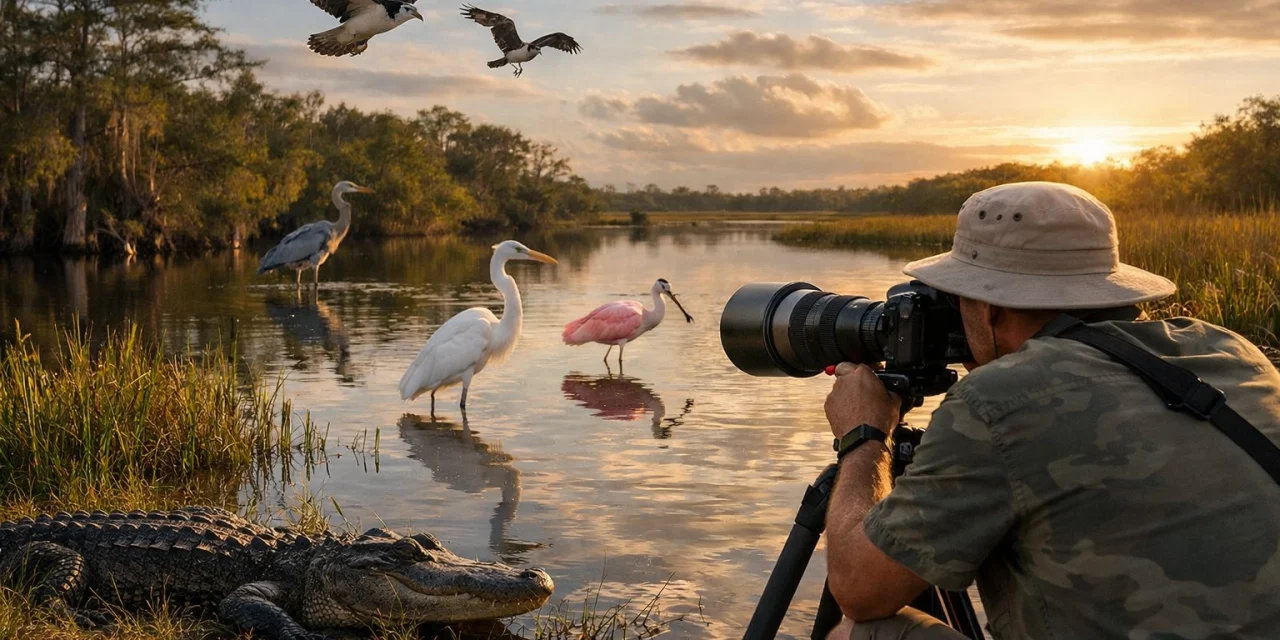
If you’ve ever stood at the edge of a cypress swamp as the sun begins to peek over the sawgrass, you know there is a certain magic to the Everglades that you just can't find anywhere else. It’s quiet, yet teeming with life. It’s vast, yet full of intimate moments if you know where to look.
For many photographers, the Florida Everglades is a bucket-list destination, but it can also be a bit intimidating. Between the heat, the mosquitoes, and the sheer scale of the park, knowing where to go and what to bring is half the battle. That’s why I’ve put together this guide. I want to make sure that when you step out of your car and into the "River of Grass," you feel prepared, inspired, and ready to capture the shot of a lifetime.
Whether you are looking to capture a Great Blue Heron mid-strike or an American Alligator basking in the morning sun, this guide covers everything you need to succeed in the wild heart of Florida.
Why the Everglades is a Photographer’s Paradise
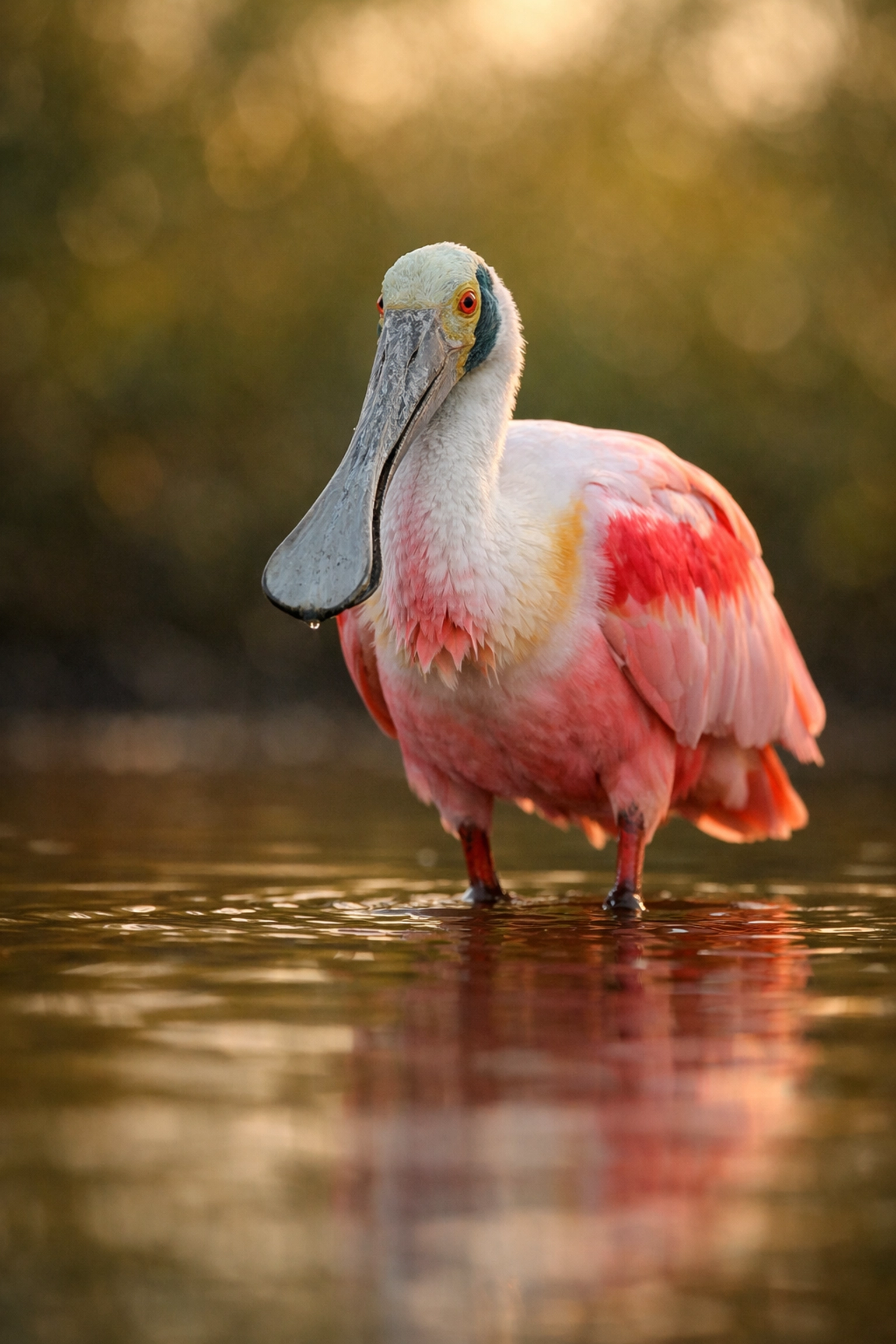
The Everglades is one of the most unique ecosystems on the planet. Unlike the rugged peaks of the Rockies or the dramatic cliffs of the Pacific coast, the beauty here is subtle. It’s in the reflection of a cloud on the still water, the texture of an alligator’s scales, and the vibrant colors of a Roseate Spoonbill.
Because the wildlife here: especially in the popular areas: is somewhat used to humans, you can often get closer than you would in other national parks. This allows for incredible detail and intimate portraits that tell a real story. If you're serious about mastering this environment, you’ll definitely want to check out my comprehensive Everglades Photography Guide for deep-dive tips on specific GPS coordinates and seasonal secrets.
Timing is Everything: Seasons and Light
In the Everglades, there are really only two seasons: the Wet Season and the Dry Season.
The Dry Season (November to April) is peak photography time. As the water levels drop, wildlife congregates around the remaining deep-water holes. This "concentration" effect makes it much easier to find birds and gators in high numbers. Plus, the weather is much more manageable (read: fewer mosquitoes).
The Wet Season (May to October) is tougher but offers dramatic afternoon thunderstorms and lush, green landscapes. However, wildlife is more dispersed, and the heat can be intense.
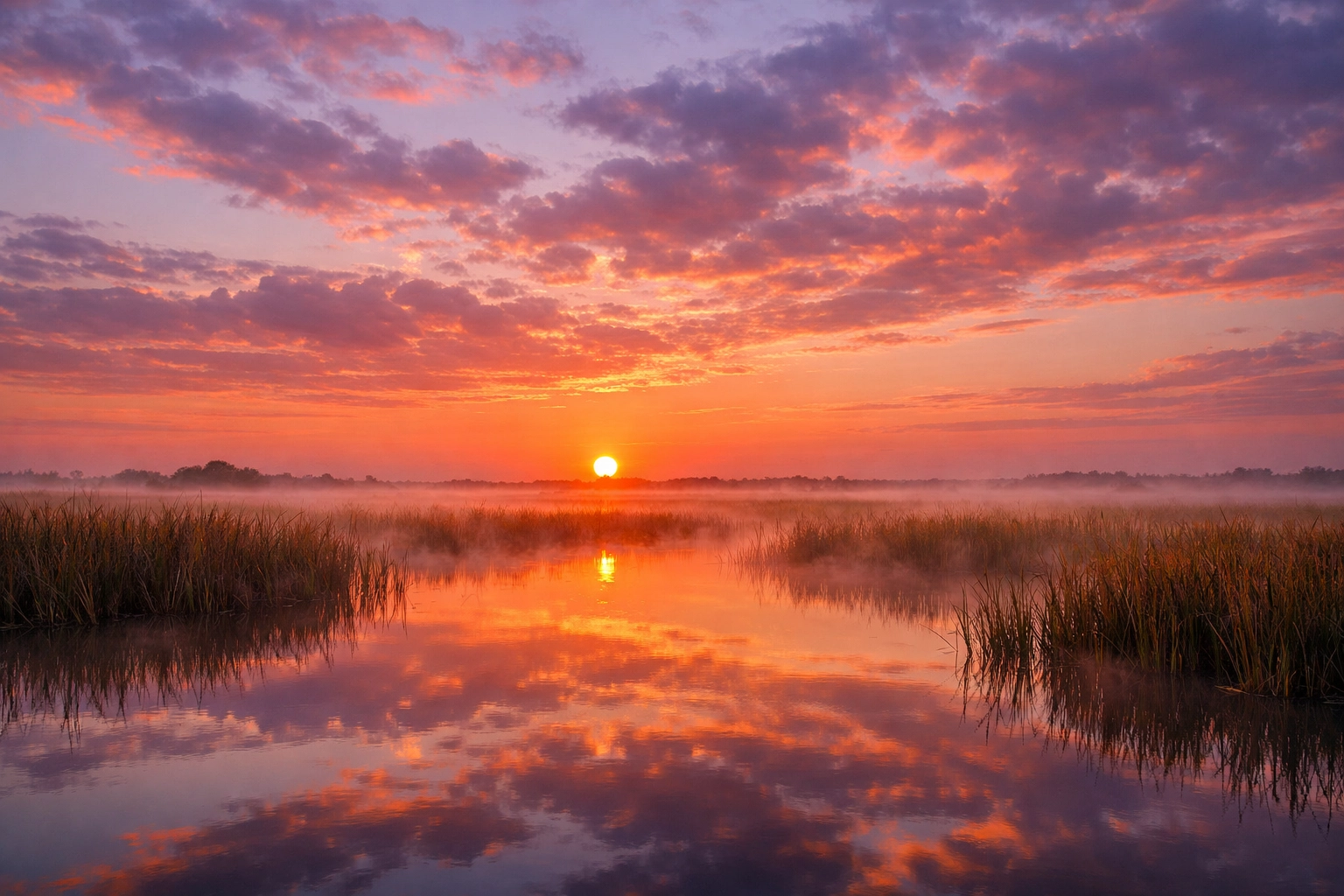
Regardless of the season, Golden Hour is your best friend. The soft, diffused light of sunrise and sunset brings out the rich textures of the sawgrass and keeps your highlights from blowing out on white birds like Great Egrets. Wading birds are most active just after sunrise, so plan to be at your first location before the sun even breaks the horizon.
Top Locations for Wildlife Photography
The park is massive, so you need a plan. Here are the spots where you are guaranteed to find action.
1. Anhinga Trail (Royal Palm)
This is arguably the most famous spot in the park for a reason. The boardwalk at Anhinga Trail puts you right over the water. You’ll see Anhingas drying their wings, herons stalking fish, and plenty of alligators. Because the animals here see people every day, they are incredibly relaxed, allowing you to focus on your composition rather than worrying about scaring them off.
2. Shark Valley
Located off the Tamiami Trail, Shark Valley features a 15-mile loop. You can rent a bike or take the tram, but for photography, I recommend biking or walking parts of it. The canal running alongside the path is a hotspot for turtles, gators, and wood storks. Don’t miss the observation tower for some elevated landscape shots of the vast prairie.
3. Flamingo
At the very southern end of the park, Flamingo is where the freshwater meets the salt. This is the place to go if you want to photograph the rare American Crocodile or West Indian Manatees. Keep an eye on the osprey nests near the visitor center; they are active for a good portion of the year and provide great flight-shot opportunities.
4. The Loop Road
If you want a more "raw" experience, head to the 24-mile dirt Loop Road in Big Cypress National Preserve (just next door to the main park). It’s an immersive experience where you can find owls, otters, and massive gators right off the side of the road. It’s one of my favorite spots for a slow, quiet morning drive.
Essential Gear for the Glades
Choosing the right gear can make or break your trip. You don't need to break the bank, but you do need to be intentional.
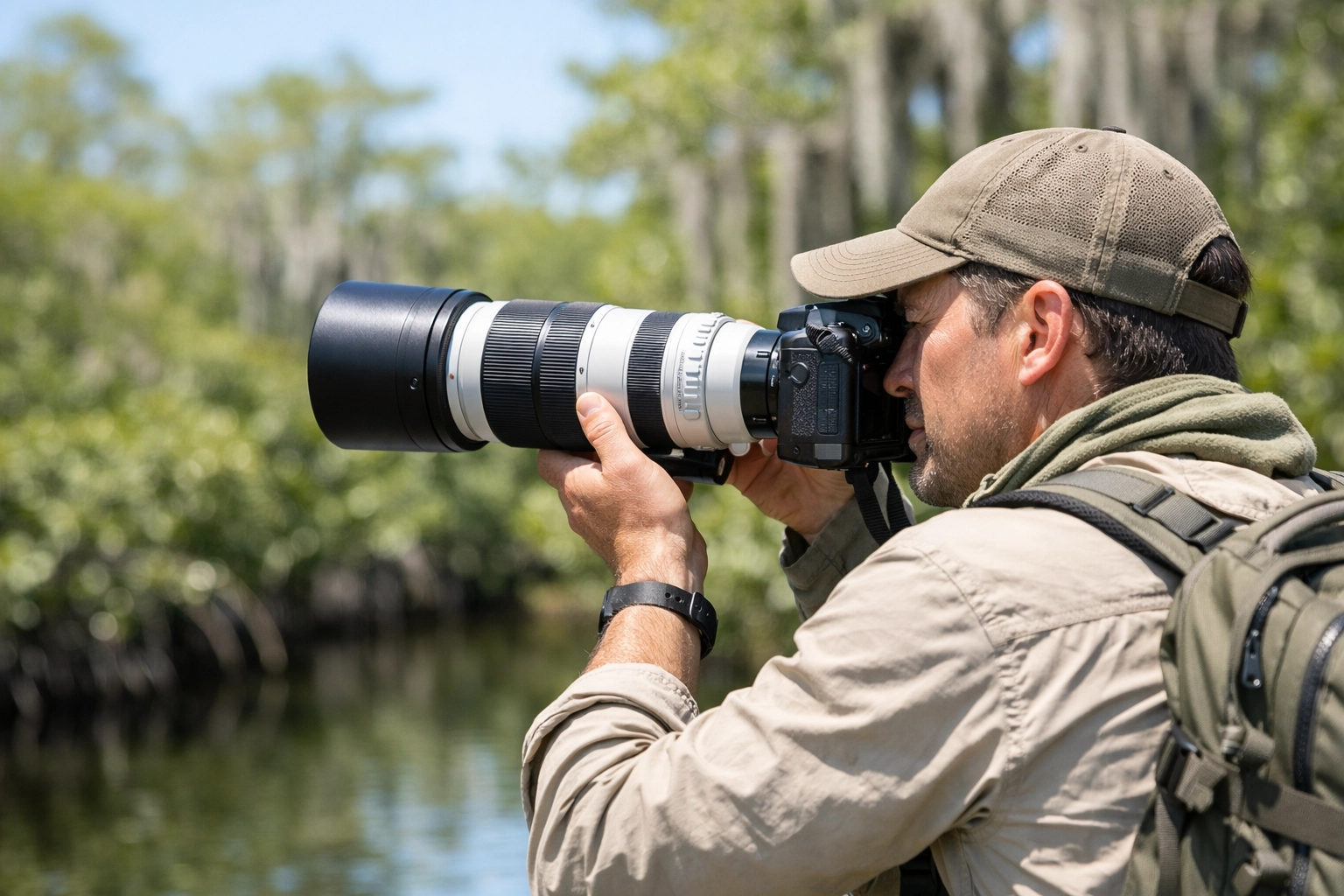
- Lenses: A 100-400mm lens is the "gold standard" here. It’s versatile enough for portraits and long enough to reach birds across a canal. If you’re a serious birder, a 500mm or 600mm prime is great, but remember you’ll be doing a lot of walking, so weight matters.
- Camera Body: Any modern DSLR or mirrorless will work. If you're looking for recommendations, I often post updates on camera reviews 2024 to keep up with the latest tech. High burst rates are helpful for capturing birds in flight.
- Stability: A monopod is often better than a tripod in the Everglades. It’s easier to move around on crowded boardwalks and provides enough stability for those long telephoto shots.
- Protection: Florida is humid. Bring lens wipes and a rain cover for your gear. Also, don't forget the polarizing filter to cut through the glare on the water.
Pro Tips for Stunning Wildlife Portraits
Getting a "record shot" is easy; getting a piece of art is harder. Here’s how to elevate your work:
Get Low
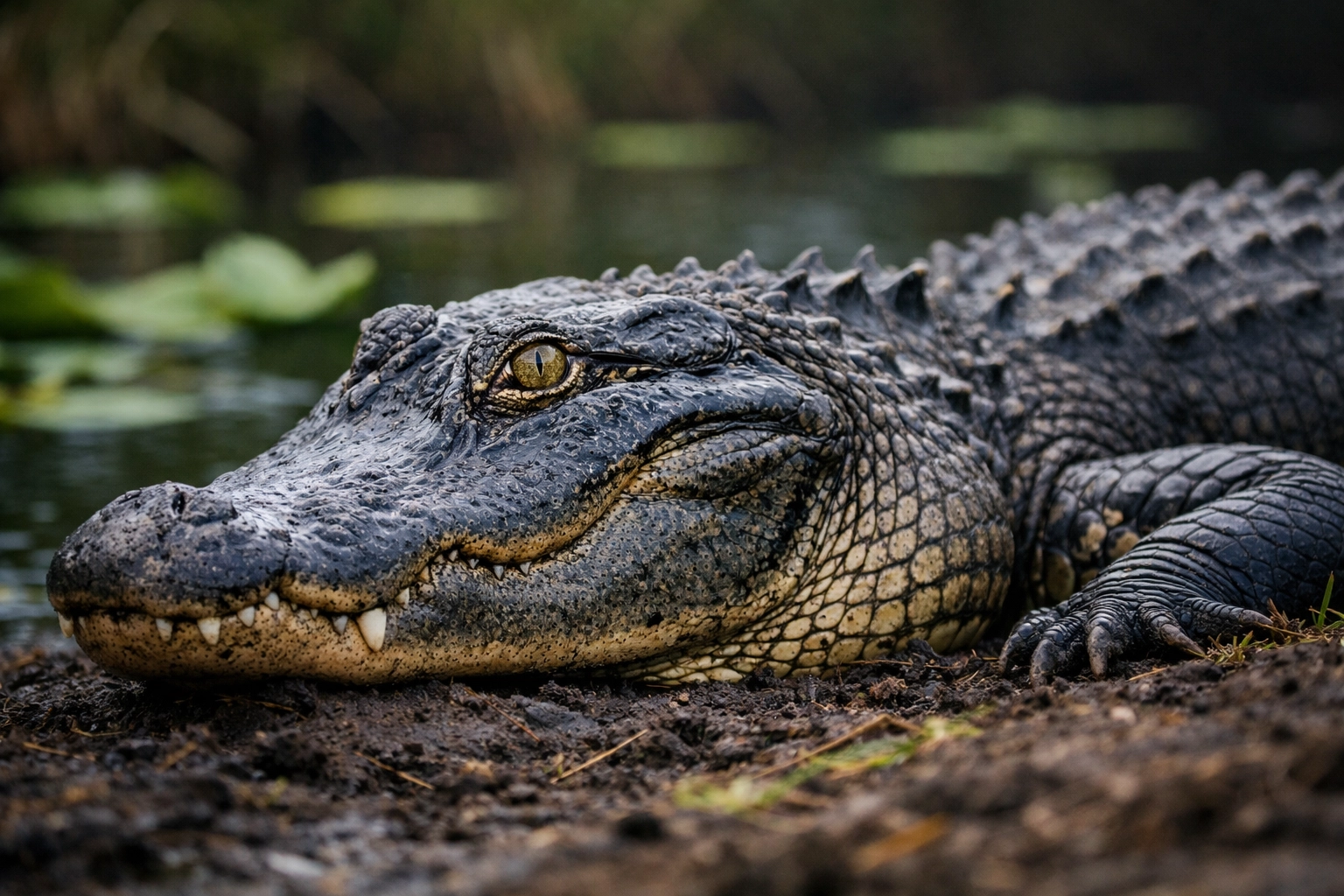
Whenever possible, get down to the animal’s eye level. If you’re photographing a bird on the shoreline, crouching down creates a more intimate feel and helps blur the background and foreground, making your subject pop.
Focus on the Eyes
If the eyes aren't sharp, the photo usually doesn't work. Use your camera's "Eye-AF" if you have it. A sharp eye creates an emotional connection between the viewer and the animal.
Don't Fear High ISO
The swamps can be dark, especially under the canopy of a cypress dome. Don't be afraid to push your ISO to 3200 or even higher to maintain a fast shutter speed. Modern software makes noise removal a breeze, but you can't fix a blurry photo caused by a slow shutter. For more on the technical side of things, I always recommend checking out Shut Your Aperture for community tips and deep dives into settings.
Look for Behavior
A photo of a bird sitting on a branch is nice. A photo of a bird catching a fish, preening, or engaging in a mating display is a story. Be patient. Watch the animal’s behavior and wait for that "moment."
Ethics and Safety
We are guests in their home. Always maintain a respectful distance. If an animal changes its behavior because of your presence, you are too close.
- Alligators: They look like statues, but they move faster than you can blink. Never feed them, and stay at least 15-20 feet away.
- Birds: Nesting season is critical. If a bird starts "distraction displays" or looks agitated, back away immediately.
By following these simple rules, we ensure that these animals remain wild and that the Everglades stays a photography destination for generations to come.
Ready to Master the Everglades?
The Everglades is a place of endless discovery. Every time I visit, I see something new: a different light, a rare bird, or a unique interaction between species. It’s a place that rewards the patient and the prepared.
If you’re planning a trip and want to skip the trial-and-error phase, grab the Everglades Photography Guide. It contains all the "secret sauce" I’ve gathered over years of shooting in the park, including the best times for specific species and hidden gems you won't find on a standard park map.
You can also see some of my finished work from the park at Edin Fine Art to get some inspiration for your own compositions.
Final Thoughts
Wildlife photography is about more than just a sharp image; it's about the experience of being out in nature. Take a breath, listen to the sounds of the swamp, and enjoy the process. The shots will come.
For more photography tips and guides on everything from gear to destinations, feel free to explore our educational category or check out our essential photography gear list before your next outing.
Happy shooting, and I’ll see you out in the marsh!
Check out more from Edin Chavez on the official blog for the latest updates on photography tours and galleries.