Category: Photo Guides
There is nowhere else on Earth quite like the Florida Everglades. Often called the "River of Grass," this sprawling subtropical wilderness is a mosaic of sawgrass marshes, cypress swamps, and mangrove forests. For a wildlife photographer, it is nothing short of a playground. Whether you are aiming to capture the prehistoric gaze of an American Alligator or the delicate pink plumage of a Roseate Spoonbill, the Everglades offers opportunities that you just won't find anywhere else.
However, as beautiful as it is, the Everglades can be intimidating. Between the humidity, the vast distances, and the unpredictable nature of wild animals, it’s easy to feel overwhelmed. That’s why we’ve put together this ultimate guide. At Photoguides, we want you to feel confident every time you click the shutter. With a little bit of preparation and the right mindset, you’ll walk away with a portfolio you’re proud of.
Timing Your Visit: The Dry Season is King
If you’re planning a trip specifically for wildlife photography, timing is everything. While the Everglades is open year-round, there is a distinct "best" time to visit: the dry season.
Running from roughly November through April, the dry season is when the magic happens. As the water levels across the marsh drop, the wildlife is forced to congregate around the remaining deep-water holes. This concentration makes it much easier to find your subjects. During the wet season, the animals disperse across millions of acres, making them significantly harder to track down.
Beyond just the wildlife density, the weather is much more photographer-friendly during these months. The temperatures are cooler, and more importantly, the mosquito population drops significantly. Trust me, trying to hold a 600mm lens steady while a swarm of mosquitoes is treats you like a buffet is not an experience I recommend.
The Wildlife "Hit List"
What makes the Everglades so special is the sheer diversity of species. You aren't just looking for one thing; you're looking for an entire ecosystem in motion.
The Wading Birds
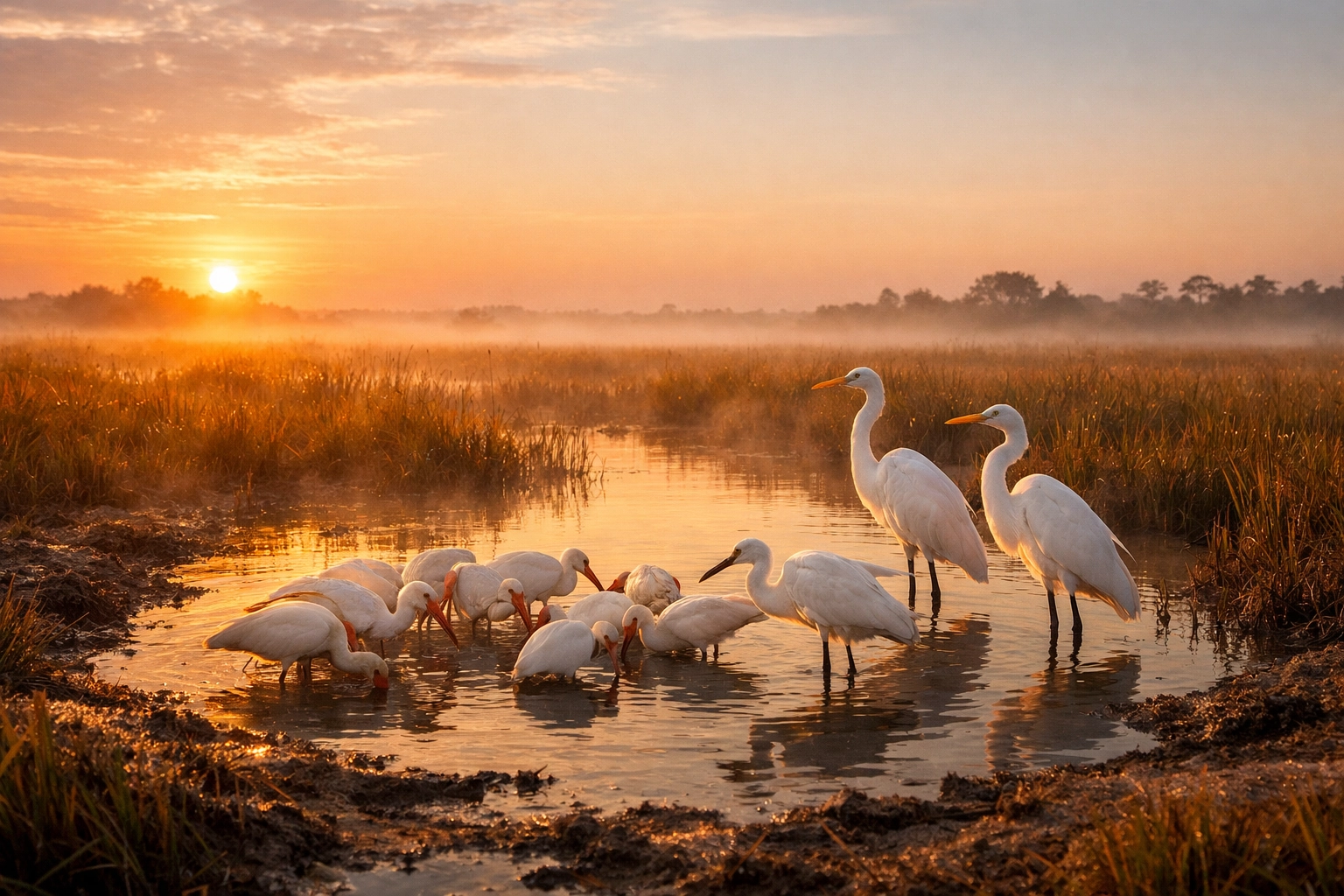
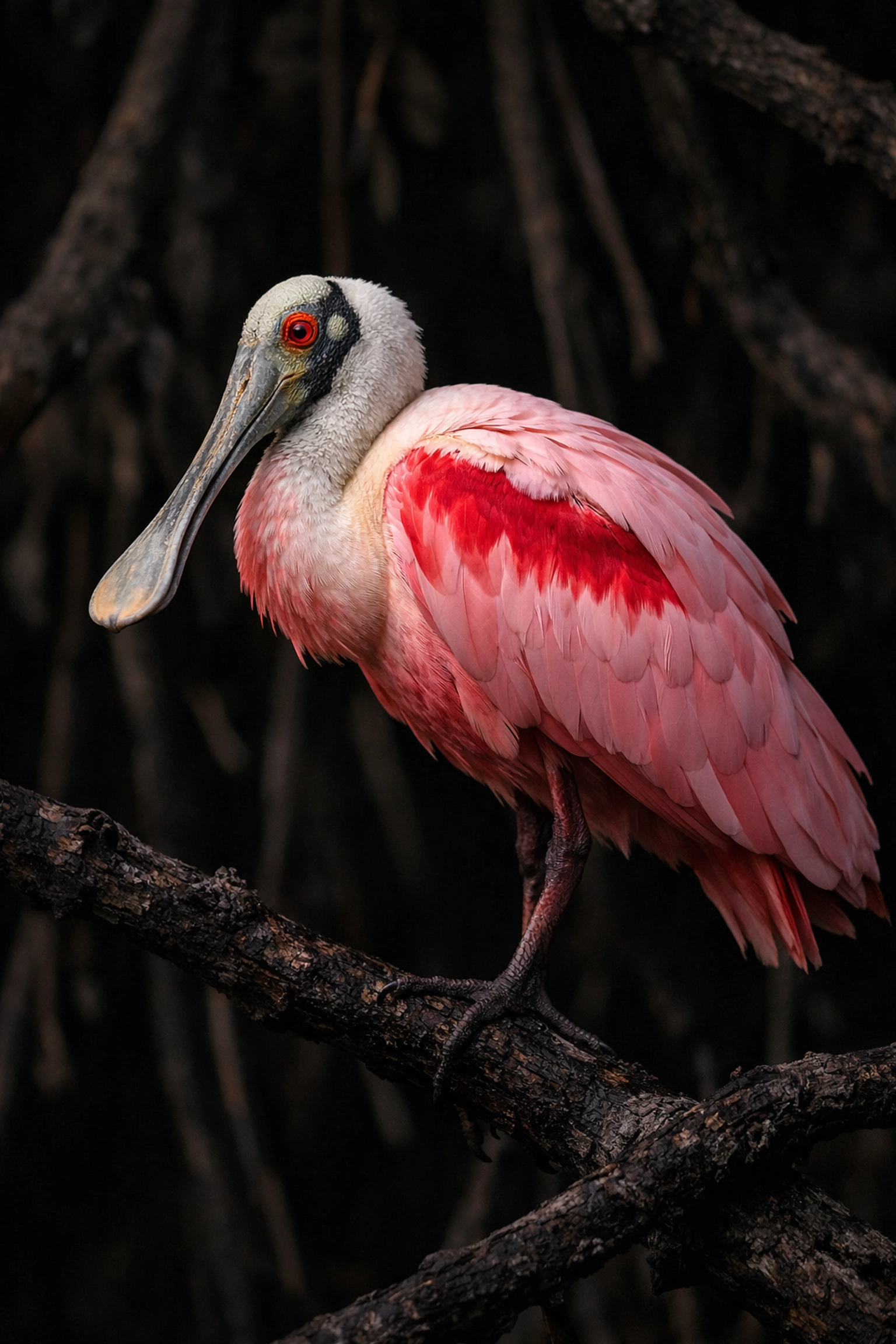
The Everglades is world-famous for its birdlife. You’ll find Great Blue Herons, Snowy Egrets, and Wood Storks around almost every corner. But the crown jewel for many is the Roseate Spoonbill. Their vibrant pink color against the green backdrop of the mangroves is a photographer's dream. To see some of these stunning captures in a professional gallery format, check out Edin Fine Art for inspiration.
The Apex Predators
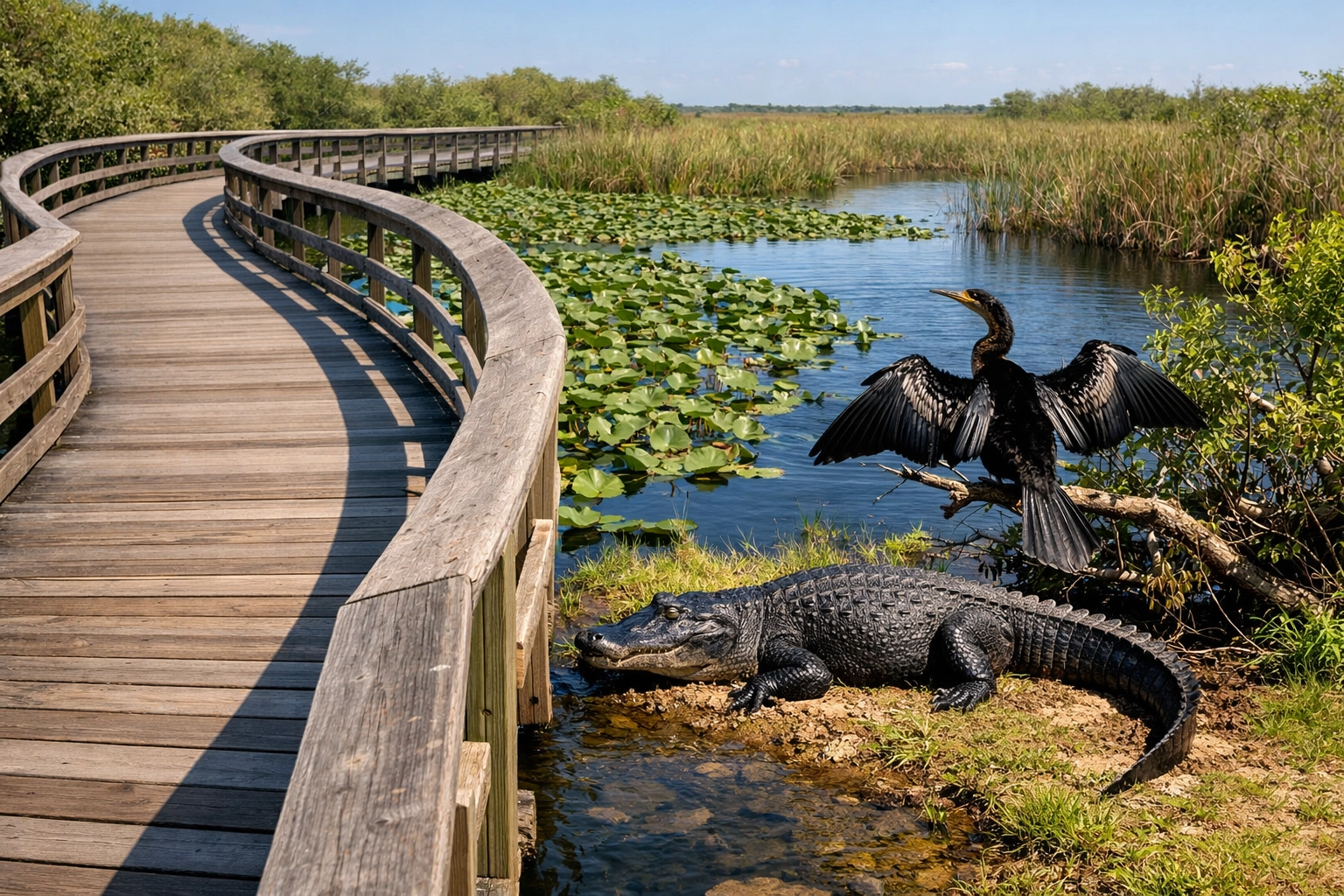
You can’t talk about the Everglades without mentioning the American Alligator. They are everywhere, often basking right on the edges of the trails. If you’re lucky, you might also spot the rarer American Crocodile in the saltier waters near Flamingo. And for the truly patient (and lucky), the elusive Florida Panther and the Florida Black Bear do call these woods home, though they are much harder to spot.
The Small Details
Don’t forget the smaller residents. From the colorful Purple Gallinule to the various turtles and butterflies, there is always something to focus on. If you're interested in more than just the big creatures, keep an eye on the Edin Chavez Blog for deep dives into specific Florida species.
Top Locations for the Perfect Shot
While the park is massive, there are a few key locations where you are almost guaranteed to find great subjects.
1. Anhinga Trail (Royal Palm)
This is perhaps the most famous trail in the park, and for good reason. It’s an accessible boardwalk where the wildlife is incredibly habituated to humans. This means you can get relatively close (while still maintaining a safe distance) to anhingas, herons, and alligators. For the best light and that ethereal morning mist, try to arrive within an hour of sunrise.
2. Shark Valley
Located off the Tamiami Trail, Shark Valley offers a 15-mile loop that is fantastic for photography. You can rent a bike or take the tram, but for photographers, walking even just the first mile or two usually yields plenty of alligator and bird sightings. The "tame" nature of the wildlife here makes it a great spot for beginners to practice their composition.
3. Wakodahatchee Wetlands
While technically just outside the main park boundaries in Delray Beach, Wakodahatchee is a must-visit for bird photographers. It’s a man-made wetland with a boardwalk that takes you right into the heart of nesting colonies. It’s one of the best places in Florida to get "eye-level" shots of nesting herons and egrets.
Gear Essentials for the Everglades
Having the right gear can make or break your trip. You don't need the most expensive kit on the market, but you do need tools that are fit for the purpose.
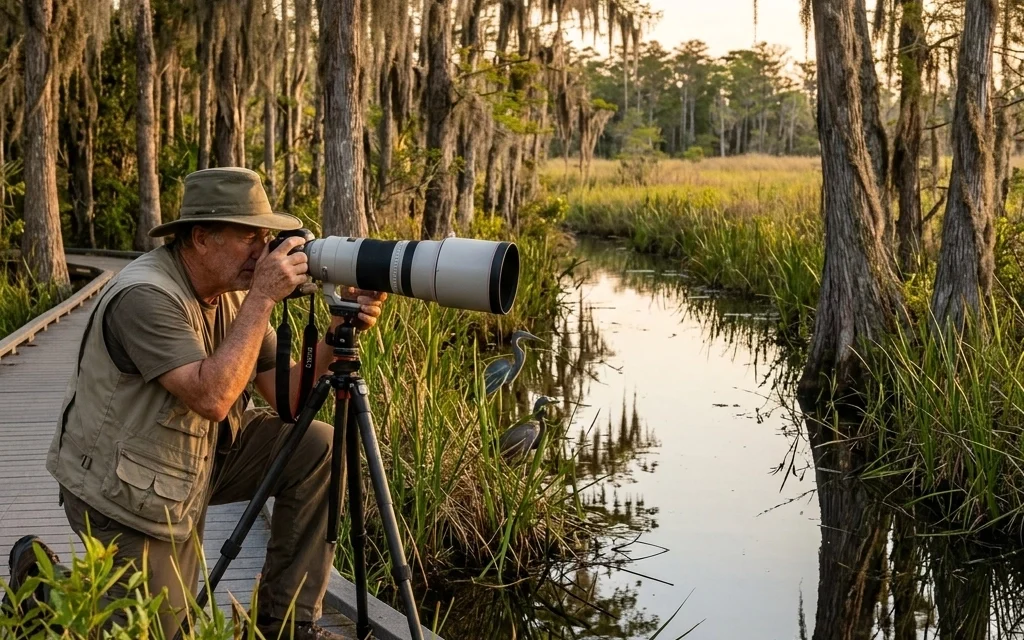
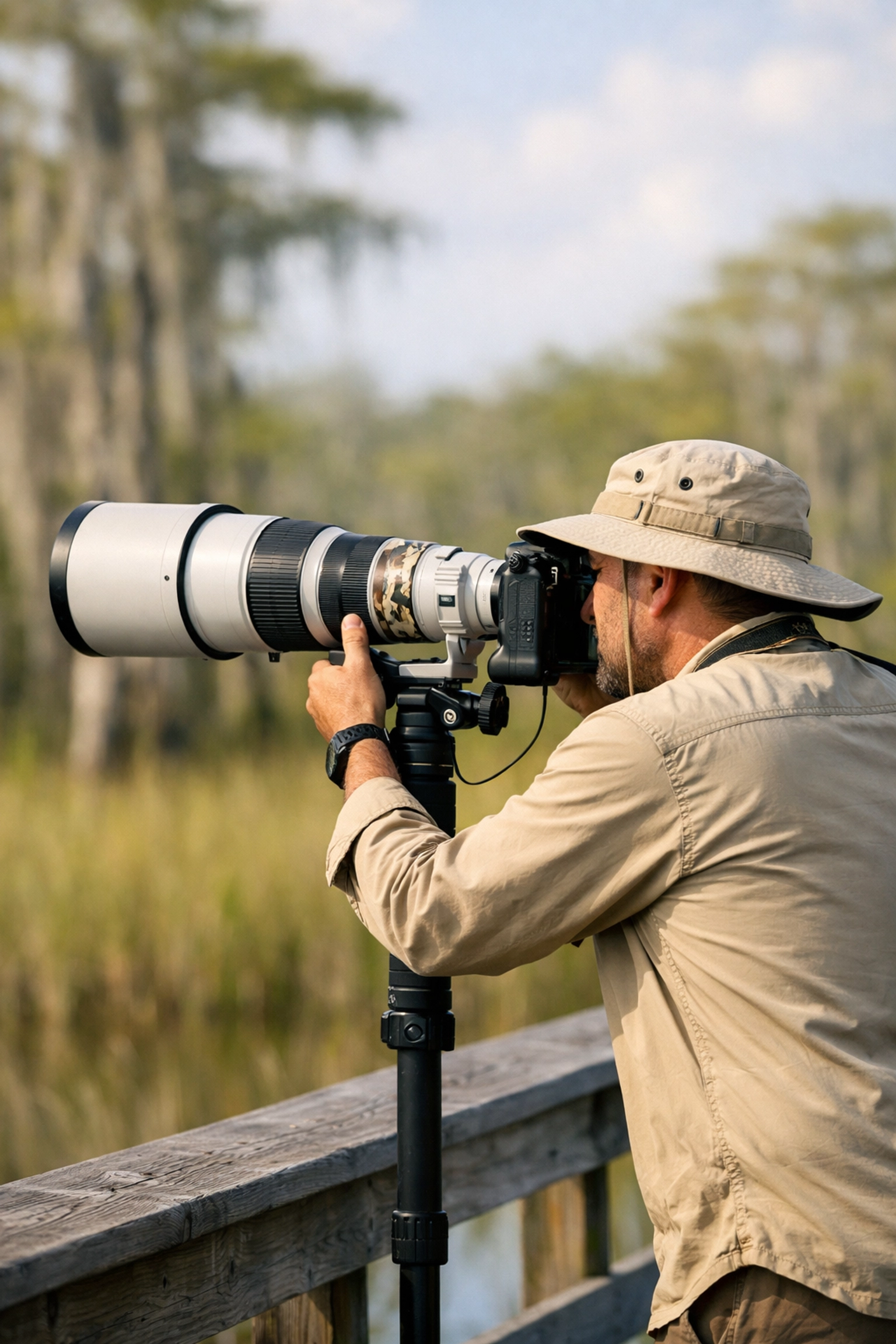
- Lenses: A telephoto lens is non-negotiable. I recommend something in the 300mm to 600mm range for birds. A 70-200mm is also excellent for alligators or for environmental portraits of wildlife where you want to show the landscape.
- Tripod or Monopod: If you’re hauling a heavy lens all day, your arms will thank you for the support. A monopod is often better for the Everglades as it allows you to move quickly on narrow boardwalks.
- Polarizing Filter: This is essential for cutting the glare off the water and seeing "through" the surface to photograph alligators or fish beneath.
- Protection: Florida is unpredictable. Bring a rain cover for your camera and plenty of lens cleaning cloths.
For a more detailed breakdown of what I carry in my bag, take a look at our Essential Photography Gear guide. If you’re looking for specific gear reviews before you buy, Shut Your Aperture is a fantastic resource for the latest photography tech and community insights.
Technical Tips for Success
Shooting in the Everglades presents unique challenges. The light can be harsh, and the subjects move fast. Here is how to handle it:
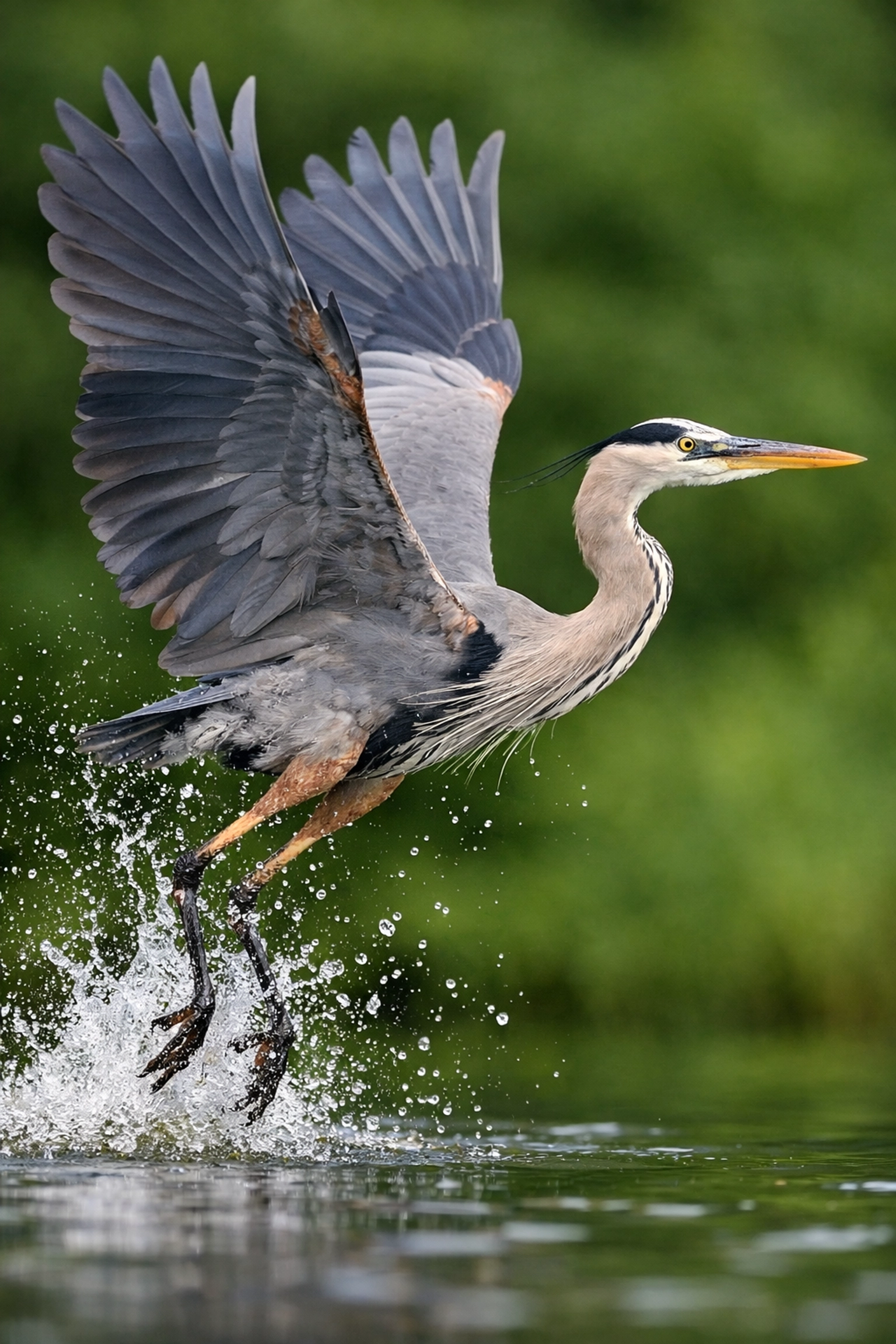
1. Shutter Speed is King: When shooting birds, especially "Birds in Flight" (BIF), you want a fast shutter speed. Aim for at least 1/2000s to freeze the action of a wing beat. For stationary alligators, you can drop this down, but always lean toward faster than you think you need.
2. Master Continuous Autofocus: Your subjects are rarely still. Set your camera to AF-C (Nikon/Sony) or AI Servo (Canon) so the camera constantly tracks the subject as it moves. Many modern mirrorless cameras have "Animal Eye Tracking," which is a total game-changer for wildlife.
3. Use the Golden Hour: The Everglades is flat. This means when the sun is high, the light is very flat and harsh. The hour after sunrise and the hour before sunset provide that warm, directional glow that brings out the texture in feathers and the gold in an alligator’s eye.
4. Get Low: Whenever possible, try to get down to the animal's eye level. Shooting down on a bird from a high boardwalk often looks like a "snapshot." Getting low creates a more intimate, professional-looking portrait that connects the viewer with the animal.
Etiquette and Safety
We are guests in their home. At Photoguides, we believe in "reassuring" photography: the kind that respects the subject as much as the art.
- Keep Your Distance: National Park regulations require you to stay at least 15 feet away from alligators and crocodiles. For nesting birds, stay back far enough that they don't change their behavior. If a bird stops feeding or looks at you nervously, you’re too close.
- Don't Feed the Wildlife: This is crucial. Feeding animals makes them aggressive toward humans, which usually ends poorly for the animal.
- Stay on the Path: In places like the Anhinga Trail, the boardwalk is there for your safety and the protection of the environment.
If you want to ensure you're in the right place at the right time without the stress of navigating on your own, consider a professional photography booking experience. Having a guide who knows the tides and the "secret" spots can drastically improve your hit rate.
Take the Shortcut to Better Photos
The Everglades is a place of endless wonder, but it has a steep learning curve. You can spend years figuring out exactly which pond the spoonbills prefer in February or which branch the Great Blue Heron likes to fish from.
If you want to skip the trial and error and start taking world-class photos immediately, I’ve put everything I know into the Everglades Photography Guide.
This guide isn't just a list of spots; it’s a comprehensive roadmap. It includes:
- Exact GPS coordinates for the best "hidden" spots.
- Best times of day for specific species.
- Seasonal movement patterns of the wildlife.
- Pro tips on composition and lighting specific to the Florida landscape.
Whether you are a seasoned pro or just picking up a camera for the first time, having a local expert in your pocket is the best investment you can make for your photography.
The Everglades is waiting for you. The "River of Grass" is a place where time seems to slow down, and every rustle in the sawgrass is a potential masterpiece. Grab your gear, head south, and let the wild beauty of Florida inspire your next great shot. We can't wait to see what you capture.