
Category: Photo Guides
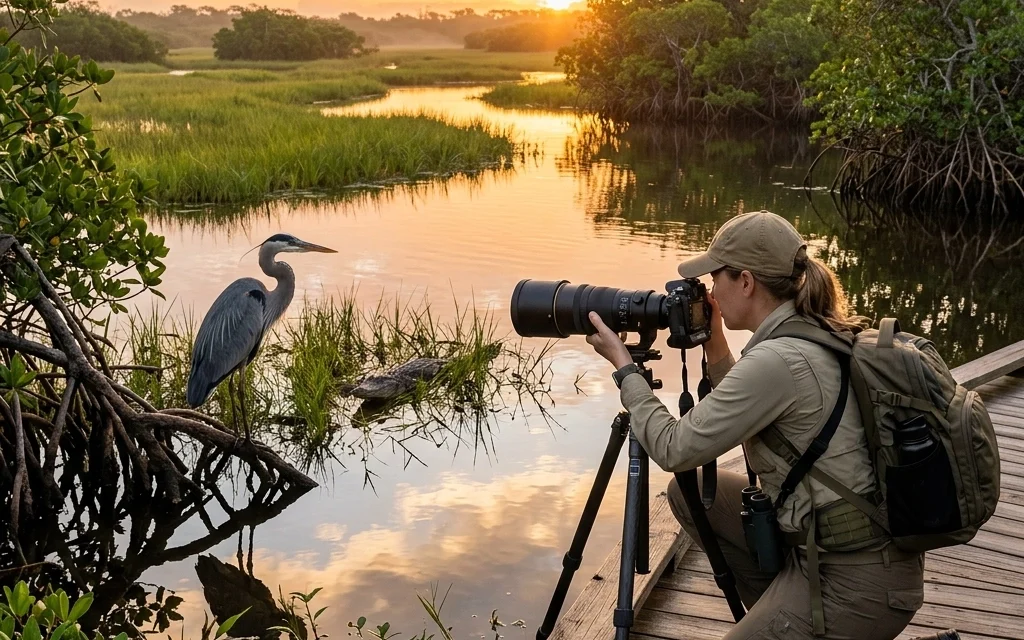
If you’ve ever stood at the edge of a sawgrass marsh as the sun begins to peek over the horizon, you know there is something truly primal about the Everglades. It’s a place where time seems to slow down, and the modern world fades away, replaced by the prehistoric grunt of an alligator and the soft rustle of a Great Blue Heron’s wings.
For a photographer, the Everglades isn’t just a park; it’s a sprawling, 1.5-million-acre playground filled with some of the most accessible and diverse wildlife on the planet. But because it is so vast, it can also be overwhelming. You might find yourself driving for hours wondering where the birds are, or struggling with the harsh Florida sun reflecting off the water.
That’s why I’ve put together this ultimate guide. Whether you’re a seasoned pro or just picking up your first long lens, I want to make sure you have the tools and the confidence to walk away with images you’re proud to hang on your wall. And if you want the absolute shortcut to the best spots, don't forget to check out our Everglades Photography Guide, which includes GPS coordinates and seasonal secrets we’ve spent years uncovering.
Why the Everglades is a Photographer’s Paradise
The Everglades is the only place on Earth where alligators and crocodiles coexist in the same ecosystem. That fact alone is cool, but for us, the real draw is the "approachability." Unlike the deep woods where animals flee at the sound of a footstep, the wildlife in many parts of the Everglades is remarkably accustomed to humans.
This allows you to capture intimate portraits: the kind where you can see the serrated edges of a bird’s beak or the golden flecks in a gator’s eye. It’s a place where you can practice your craft without needing a ten-mile hike into the wilderness.
Timing is Everything: When to Visit
If you show up in the middle of July, you’re going to have a hard time. Not only will the mosquitoes carry you away, but the wildlife disperses as water levels rise.
The Dry Season (November – April)
This is the "Golden Age" for Everglades photography. As the water levels drop, the fish are forced into smaller pools (often called "gator holes"). Where there are fish, there are birds and alligators. Everything congregates in predictable locations, making your job much easier. The weather is also much more pleasant: less humidity and fewer bugs.
The Wet Season (May – October)
While the wildlife is harder to find, this is the time for landscape photographers. The afternoon thunderstorms create dramatic, towering clouds that look incredible when reflected in the flooded prairies. Just be prepared for the heat and the insects.
Top Locations for High-Yield Photography
You could spend a month in the Everglades and still not see it all. To help you maximize your time, here are the heavy hitters:
1. Anhinga Trail (Royal Palm)
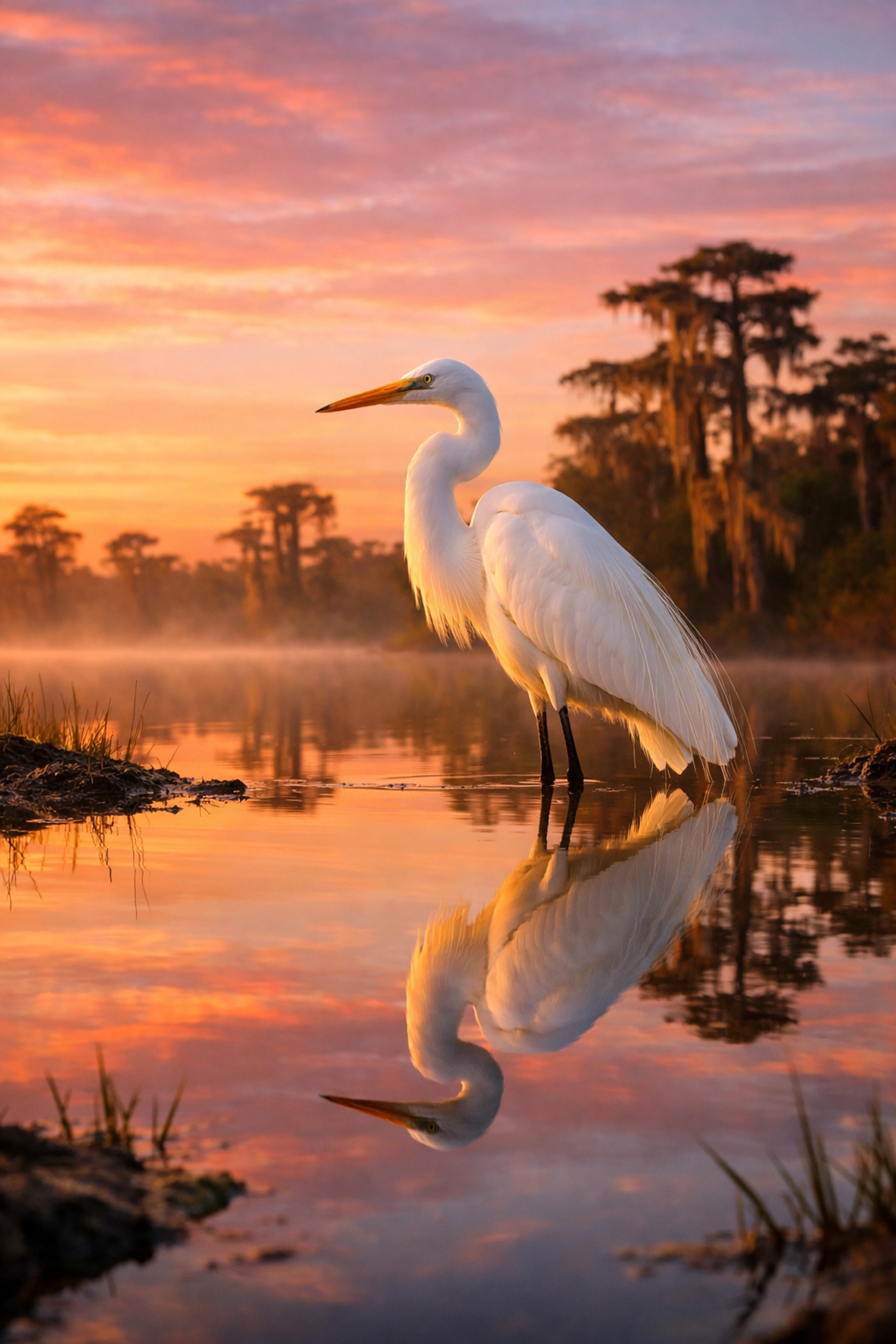
Located near the Homestead entrance, this is arguably the most famous wildlife trail in the park. It’s a paved path and boardwalk that winds through a sawgrass marsh. You are almost guaranteed to see alligators, turtles, and a variety of wading birds like Anhingas and Egrets.
- Pro Tip: Get there before sunrise. The way the mist sits on the water at dawn is pure magic, and the birds are most active during the first two hours of light.
2. Shark Valley
Situated off the Tamiami Trail, Shark Valley offers a 15-mile loop road. You can walk it, bike it, or take the tram. It’s a fantastic spot for seeing alligators sunning themselves right on the edge of the pavement. Because the animals here see thousands of people, they are incredibly relaxed, allowing for some stunning close-up opportunities. You can check out our photography booking experience if you want to join us on a guided tour through these iconic spots.
3. Flamingo
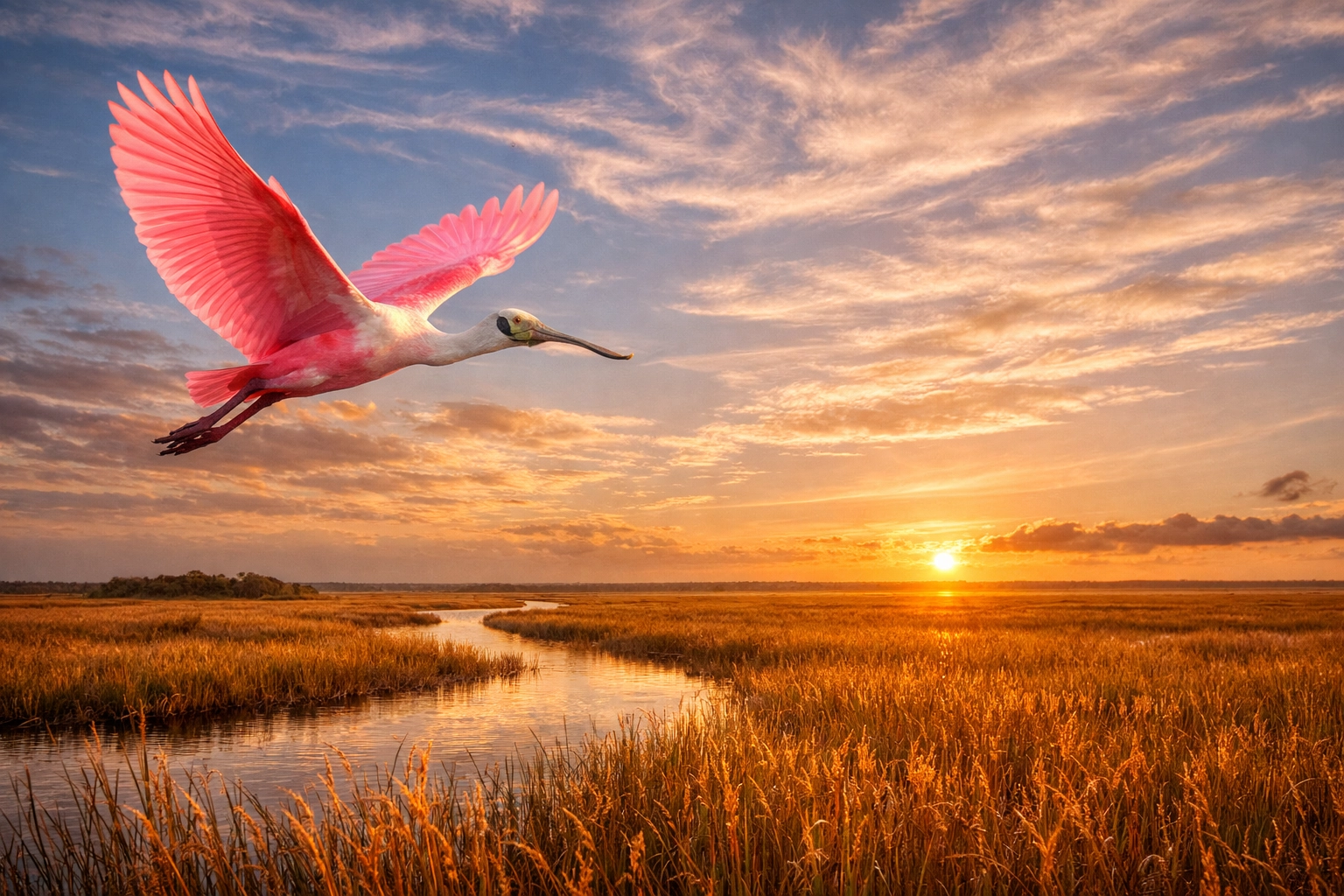
At the very end of the Main Park Road lies Flamingo. This is where the freshwater meets the saltwater. It’s the best place to find the American Crocodile and the iconic Roseate Spoonbill. The light here in the late afternoon is spectacular.
Essential Gear for the Glades
You don’t need the most expensive kit in the world to get great shots, but you do need the right tools for the environment. You can find a deeper dive into our recommendations on our essential photography gear page.
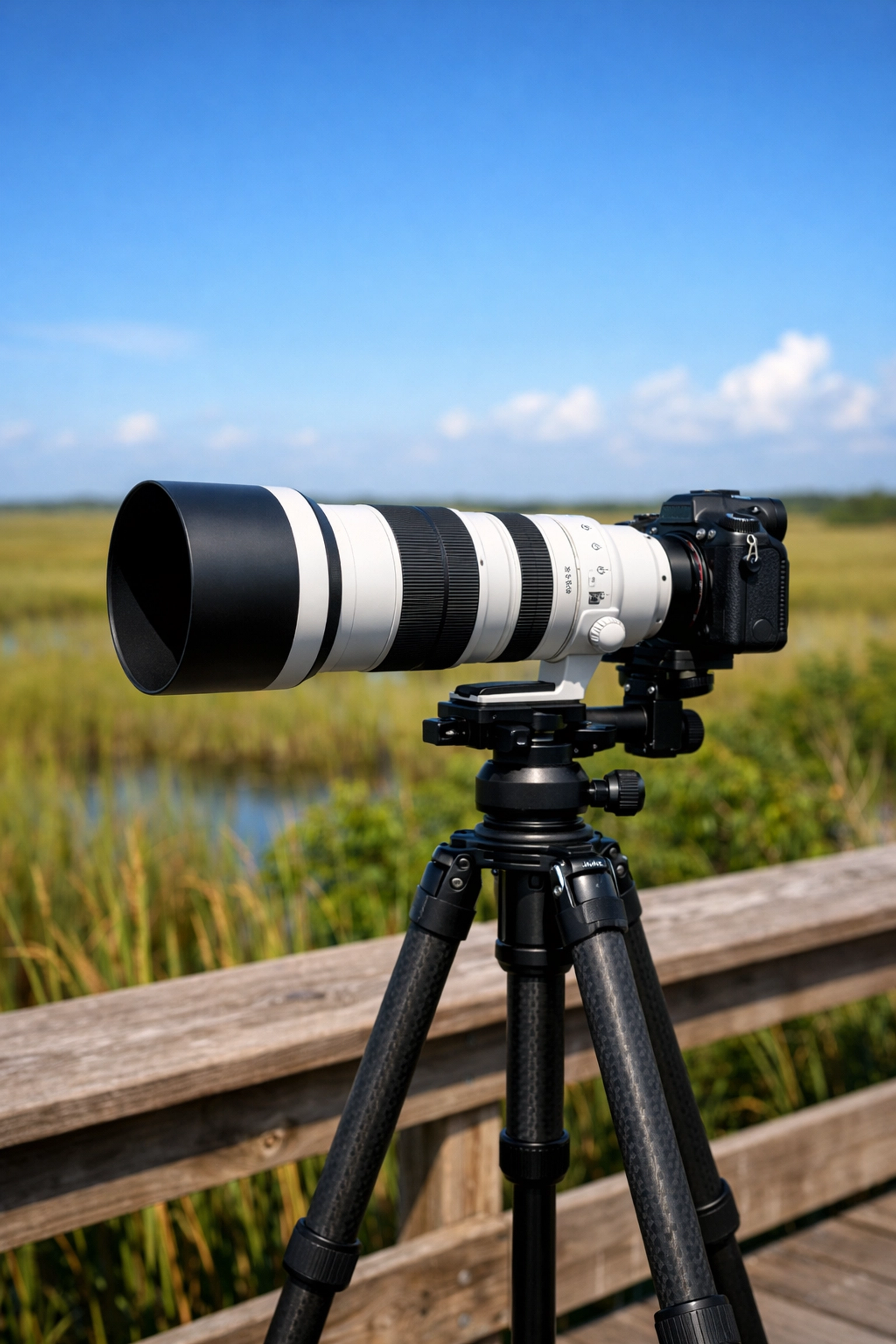
- The "Reach" Lens: A 100-400mm or a 200-600mm is the gold standard here. It allows you to fill the frame with a bird’s portrait while maintaining a safe and respectful distance.
- Wide-Angle Lens: Don't forget a 16-35mm or 24-70mm for those massive Florida sunsets and landscape shots.
- Circular Polarizer: This is non-negotiable. It helps cut the glare on the water and saturates the greens of the sawgrass and the blues of the sky.
- Tripod or Monopod: If you’re shooting with a heavy 600mm lens, your arms will thank you. A tripod is also essential for those low-light sunrise shots.
- Protection: Florida humidity is real. Bring a rain cover for your camera and plenty of lens wipes.
Tips for Capturing Award-Winning Wildlife Shots
Get Low
One of the biggest mistakes beginners make is shooting from eye level. If you’re standing on a boardwalk shooting down at an alligator, the perspective feels "touristy." If you can safely get lower: closer to the animal’s eye level: the image becomes much more intimate and powerful. It draws the viewer into their world. For more technical tips and community insights, I always recommend checking out Shut Your Aperture.
Focus on the Eyes
In wildlife photography, if the eyes aren't sharp, the photo usually doesn't work. Use a single-point focus or eye-tracking AF if your camera has it.
Watch the Background
The Everglades can be messy. Sawgrass, branches, and murky water can clutter a frame. Try to position yourself so there is some distance between your subject and the background. This creates a beautiful "bokeh" (blurred background) that makes your subject pop.
Study Behavior
Don't just click the shutter and move on. Sit and watch. If a Great Egret is stalking a fish, wait for the strike. If an Anhinga just came out of the water, wait for it to spread its wings to dry. These "action" moments are what separate a snapshot from a professional photograph. You can see examples of these captured moments at Edin Fine Art.
Safety First: Respect the Wild
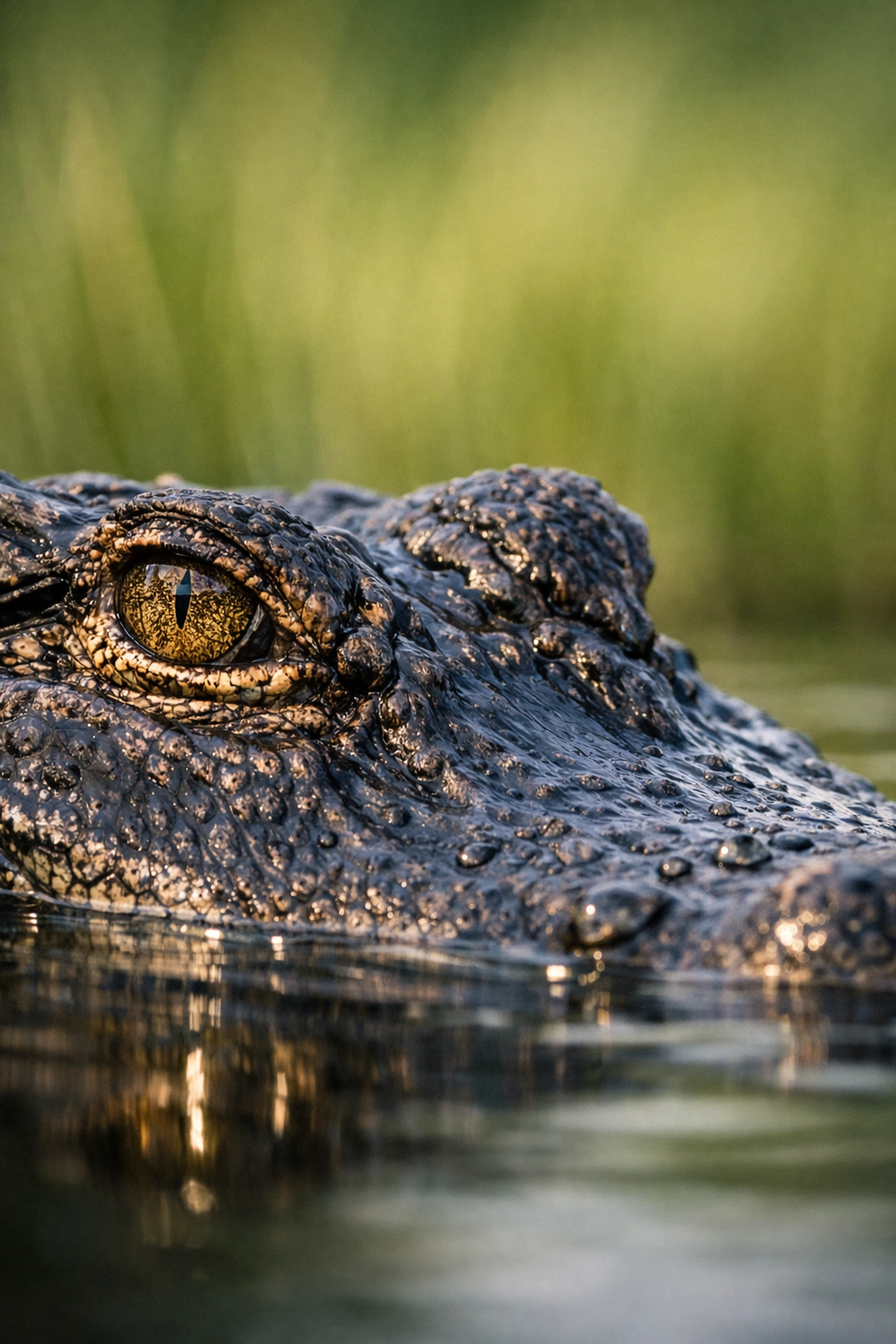
The Everglades is a wild place. Alligators and crocodiles are apex predators. While they generally aren't interested in humans, they deserve your respect. Always maintain the park-mandated distance (at least 15-20 feet). Never feed the wildlife: this is not only illegal but also dangerous for the animals, as it causes them to lose their natural fear of humans.
Also, keep an eye on your surroundings. When you’re looking through a viewfinder, you lose your peripheral vision. It’s easy to back into a cactus or, worse, another gator.
Take Your Photography to the Next Level
Capturing the Everglades is a rewarding challenge. There is a sense of accomplishment that comes from tracking a bird in flight or capturing the perfect reflection in a still marsh. But I know how frustrating it is to spend a whole day in the sun and come home with "just okay" photos.
If you want to skip the trial and error and go straight to the spots where the pros shoot, I highly recommend our Everglades Photography Guide. It’s the culmination of years of trekking through the mud and waiting for the light. It covers everything from specific gear settings to the best times of day for each exact location.
The Everglades is waiting for you. Grab your gear, head south, and let the "River of Grass" inspire your next great portfolio piece. For more inspiration and guides on other locations, feel free to browse Photoguides.
Final Thoughts on the Journey
Photography is about more than just a sharp image; it’s about the experience of being out in nature. The Everglades offers a peace that is hard to find anywhere else. Even on the days when the wildlife is shy, the landscape itself is a masterpiece.
If you're planning a trip and need more advice on where to stay or other things to do in the area, we have resources on everything from cheap weekend getaways to local breakfast places in Cape Coral if you're making a larger Florida road trip out of it.
See you out there behind the lens!













