
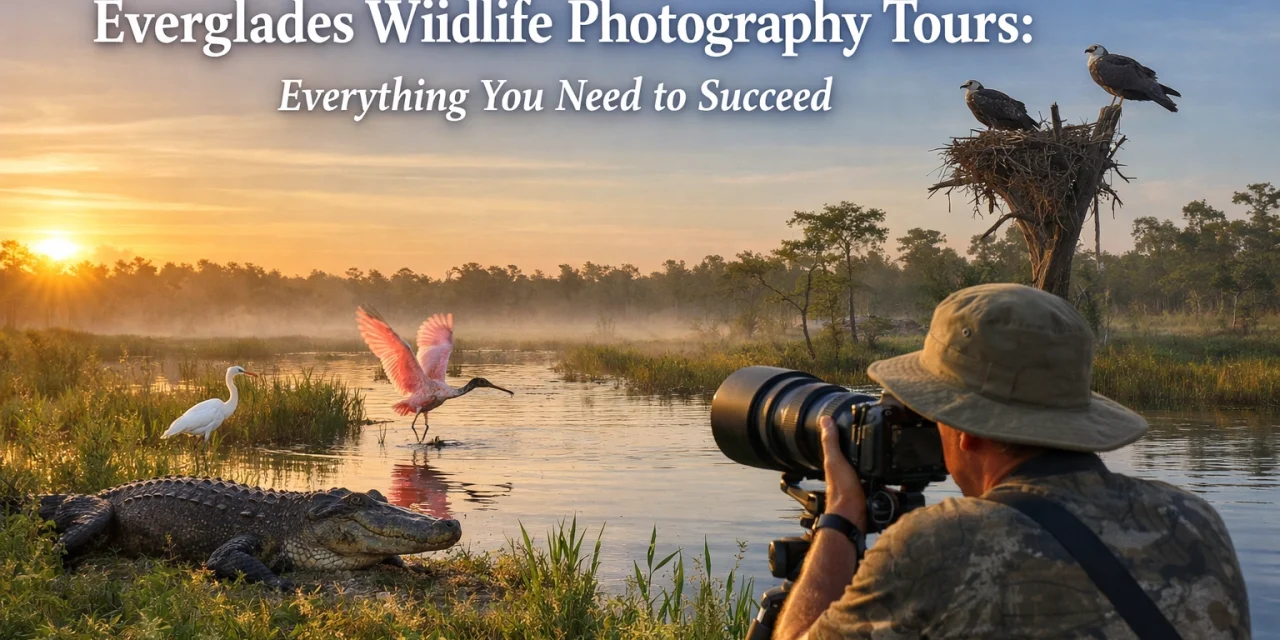
There is a specific kind of magic that happens in the Florida Everglades just before the sun clears the horizon. The mist clings to the sawgrass, the water is as still as a mirror, and the only sound is the distant, prehistoric grunt of an alligator or the rhythmic beating of wings. For a photographer, this isn’t just a landscape; it’s a playground of light, texture, and some of the most unique wildlife on the planet.
However, the Everglades is massive: over 1.5 million acres of wetlands. If you just show up with a camera and hope for the best, you’ll likely end up with a lot of mosquito bites and very few "keeper" shots. That’s where wildlife photography tours come in.
In this guide, I’m going to break down everything you need to know about booking an Everglades photography tour, what gear to pack, and how to actually come home with world-class images. If you want the deep dive on every specific trail and secret spot, you should definitely check out my Everglades Photography Guide, which is designed to be the ultimate companion for your trip.
Why Book a Specialized Photography Tour?
You might see "Airboat Tours" advertised on every street corner in South Florida. While those are fun for a family vacation, they are rarely ideal for serious photography. They are loud, they move fast, and they often stay in high-traffic areas where wildlife is skittish.
A dedicated wildlife photography tour is different. These tours are led by people who understand "the shot." They know that 10:00 AM light is usually garbage and that you need a stable platform for your 600mm lens.
The Benefits of Professional Guiding
- Optimal Lighting: Tours usually launch at the crack of dawn or late in the afternoon to catch the "Golden Hour."
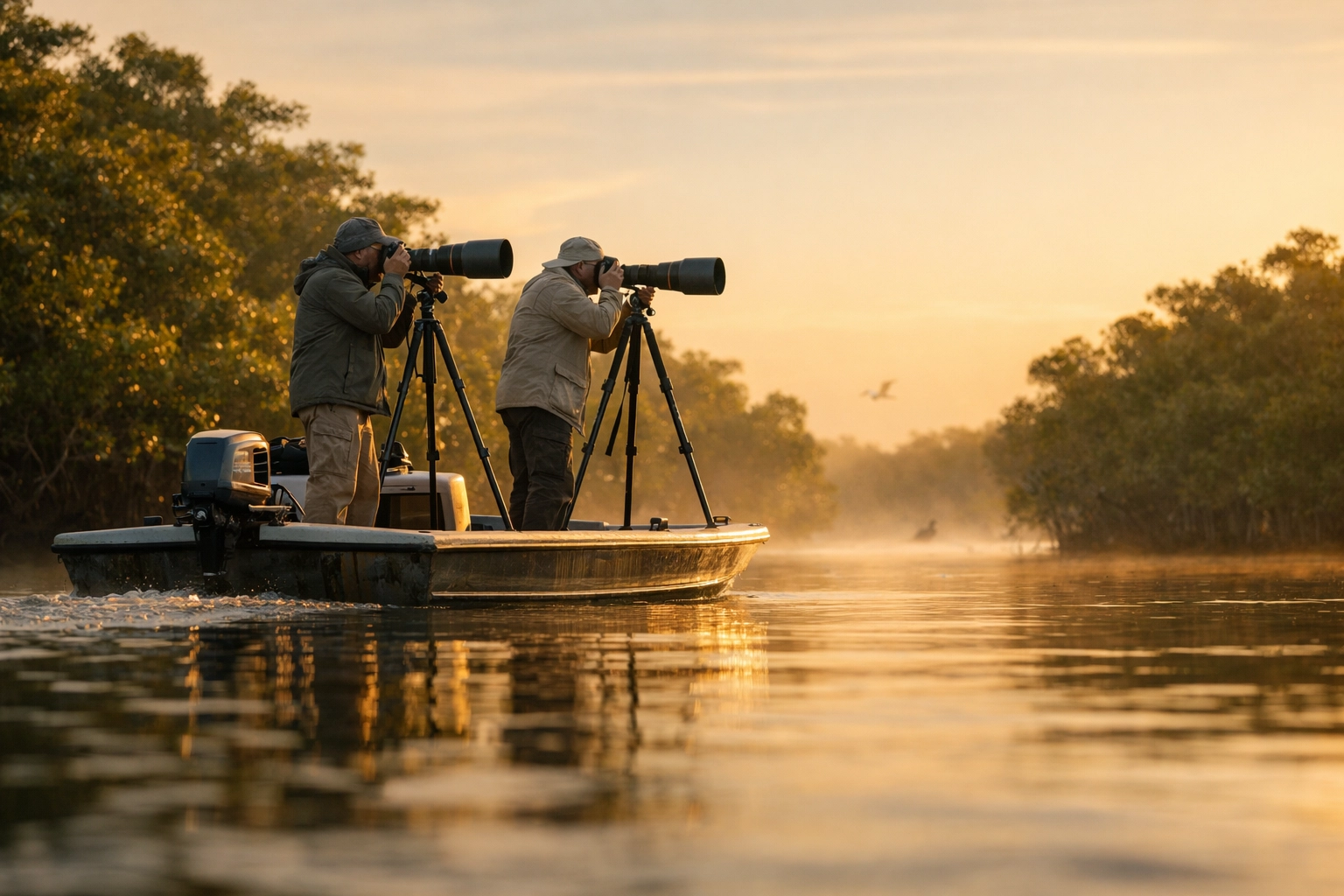
- Stable Platforms: Many photography-specific boats feature flat decks designed to accommodate tripods, which is a lifesaver when you're tracking a Snail Kite in flight.
- Species Knowledge: A good guide isn't just a captain; they are naturalists. They know where the Roseate Spoonbills are nesting this week and which gator is currently guarding a nest.
If you’re looking for a more personalized approach to your trip, check out our photography booking experience to see how we handle high-end photo excursions.
Types of Everglades Photography Tours
Depending on your budget and your "must-see" list, there are a few ways to tackle the Glades.
1. Private Photography Safaris
These are the gold standard. Usually limited to two or three photographers, these tours are entirely customizable. If you want to spend four hours staring at a single Great Blue Heron waiting for it to strike, a private guide will wait with you. Prices usually start around $500, but the value of having a boat all to yourself is immeasurable.
2. Multi-Day Workshops
If you want to level up your skills while capturing the landscape, a multi-day workshop is the way to go. These often include post-processing sessions where you can learn how to edit your swamp shots to perfection. You can see more of the artistic side of these captures at Edin Fine Art.
3. Group Photo Walks
More budget-friendly options (around $220–$250) usually involve guided walks through spots like the Anhinga Trail or Shark Valley. These are great for beginners who want to learn about the ecosystem while getting some solid shots of accessible wildlife.
Key Locations You Shouldn’t Miss
The Everglades isn't just one big swamp; it’s a mosaic of ecosystems. Here are the spots that provide the best ROI for your shutter count.
The Ten Thousand Islands
Located on the Gulf Coast side, this area is a labyrinth of mangroves. This is the place for "fly-offs." Early in the morning, thousands of birds leave their roosts simultaneously. It is a spectacle of movement and sound that is hard to capture but rewarding beyond belief.
Anhinga Trail & Ernest F. Coe Visitor Center
Don't let the "paved trail" fool you. This is one of the most productive wildlife spots in the world. You’ll find alligators lounging on the path and Anhingas drying their wings just feet away from you. It’s the perfect place to practice your composition before heading out on a boat.
Flamingo and the Florida Bay
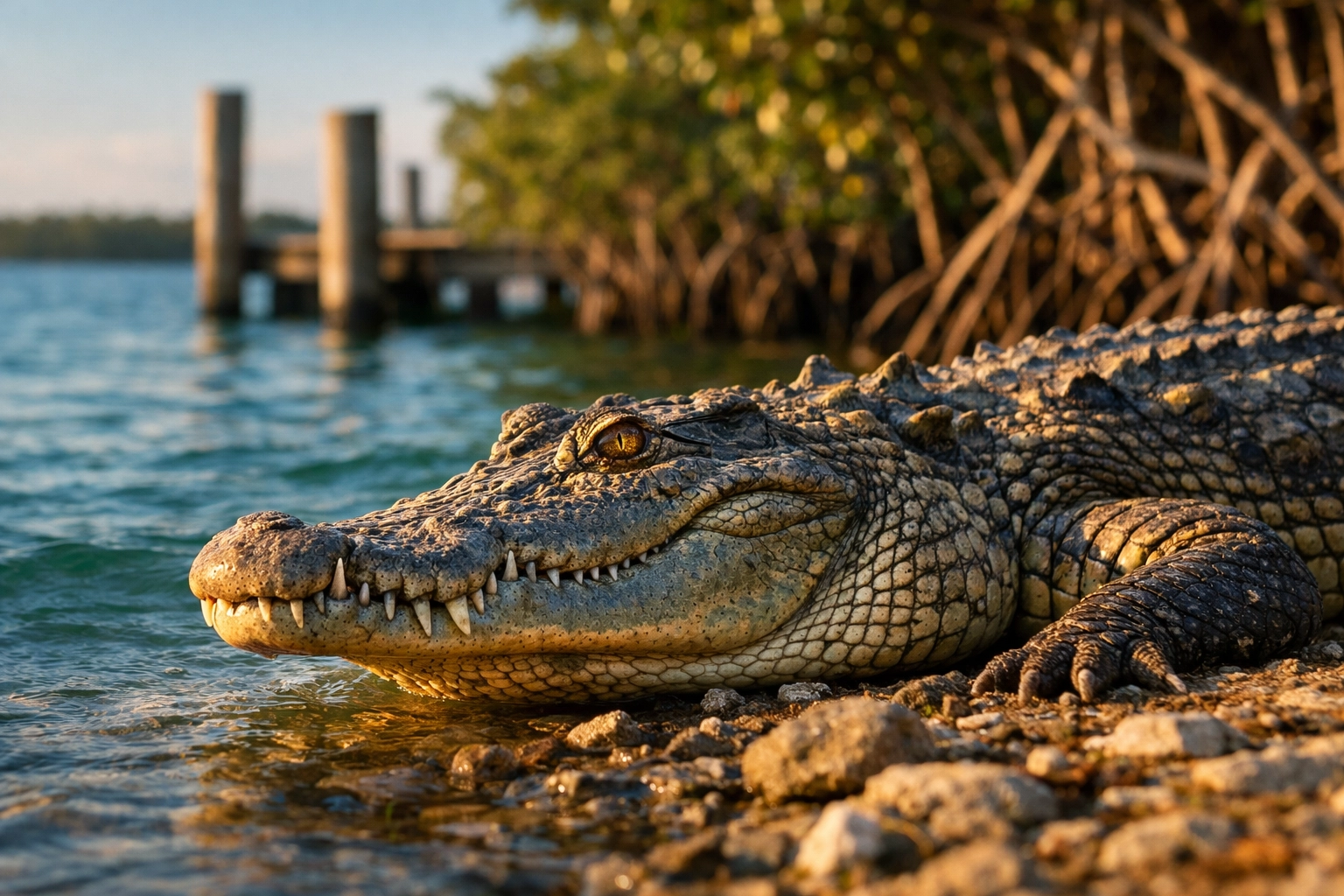
Way down at the southern tip of the park lies Flamingo. This is one of the few places on earth where you can find both alligators and American Crocodiles in the same vicinity. The marina here is also a hotspot for Manatees and Ospreys.
Essential Gear for the Glades
The Everglades environment is harsh: heat, humidity, and salt spray are your constant enemies. You need to be prepared.
- Long Glass: A 100-400mm or a 200-600mm is the sweet spot. You want the reach for birds, but the flexibility to zoom out if a gator decides to swim right up to the boat.
- Circular Polarizer: Essential for cutting through the water’s surface glare to see what’s beneath.
- Tripod/Monopod: If you’re on a flat-deck boat, a tripod is great. If you’re on a smaller skiff, a monopod or even a beanbag is more practical.
- Rain Protection: It can pour at any moment in Florida. Get a high-quality rain cover for your camera and a dry bag for your spare gear.
For a full breakdown of what I carry in my bag, head over to my essential photography gear list. And if you're looking for gear reviews before you buy your next lens, Shut Your Aperture has some great community insights.
Mastering the Species: What to Look For
The Everglades is home to over 360 bird species, but a few are the "stars of the show."
Roseate Spoonbills
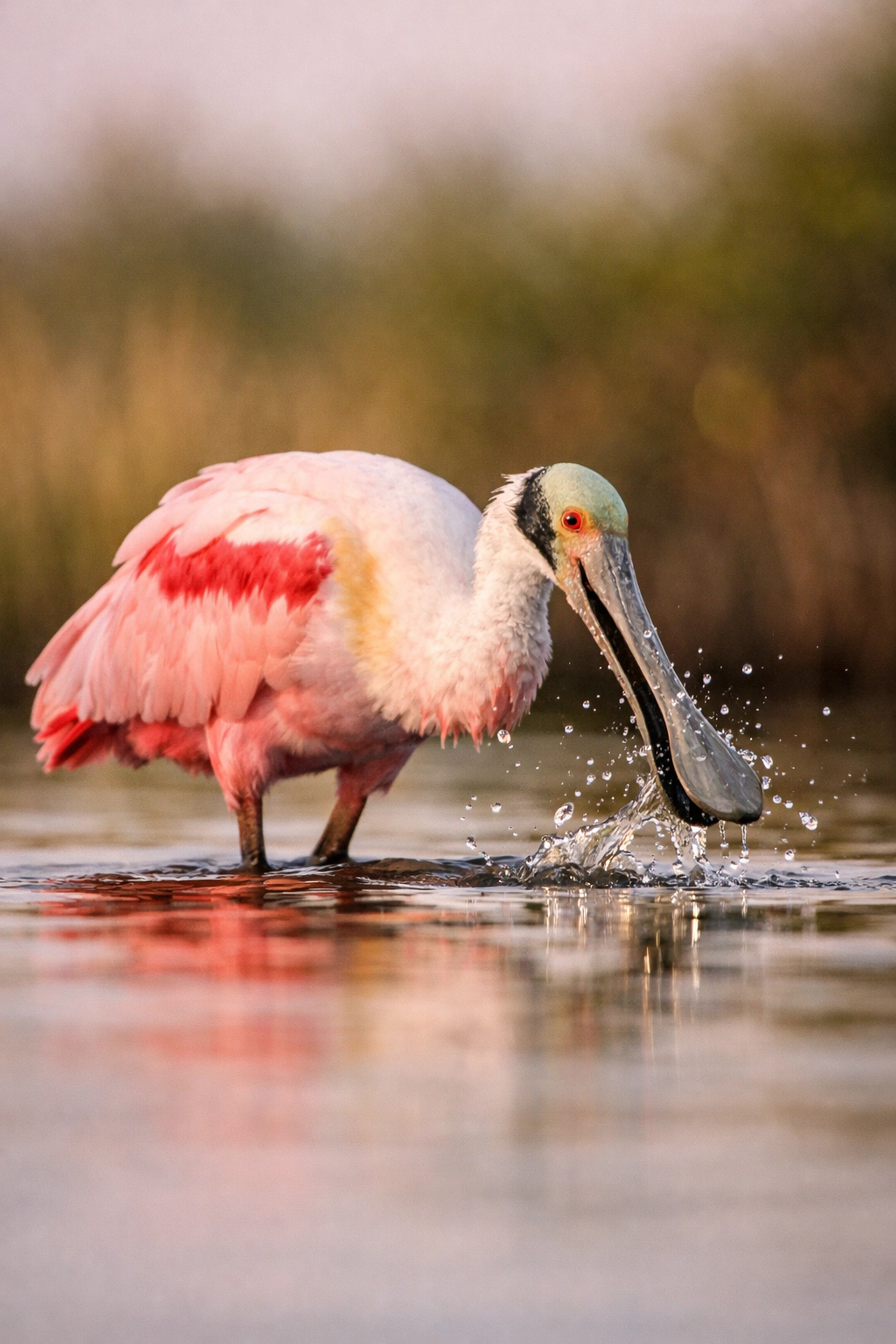
These are the pink icons of the swamp. They are often mistaken for flamingos from a distance, but their flat, spoon-shaped bills give them away. They are most active during the dry season (November to April).
Snail Kites
An endangered raptor that specializes in eating: you guessed it: apple snails. Capturing them mid-dive is a rite of passage for Everglades photographers.
The American Alligator
The undisputed king of the Everglades. Look for "gator holes" during the dry season, where the water is deeper and the wildlife congregates.
Timing Your Trip for Success
Timing is everything. In Florida, we don't have four seasons; we have two: Wet and Dry.
- The Dry Season (November – April): This is peak season. The water levels drop, forcing wildlife into smaller pools. This makes finding subjects incredibly easy. The weather is also much more pleasant (fewer mosquitoes!).
- The Wet Season (May – October): This is "adventure mode." It’s hot, buggy, and the wildlife disperses because there’s water everywhere. However, the afternoon storms create some of the most dramatic skies you’ll ever see.
If you’re planning a trip, I highly recommend checking out my blog for more general photography tips to help you prepare for the different light conditions you'll face.
Final Thoughts: Respect the Wild
Wildlife photography is about more than just a great photo; it’s about the experience and respecting the subjects. Never bait animals and always maintain a safe distance. A good guide will ensure you get the shot without stressing the animal.
To make sure you don't miss a single opportunity when you finally make it down here, grab the Everglades Photography Guide. It includes GPS coordinates, seasonal tips, and specific advice for every major area of the park. It’s basically like having me in your camera bag.
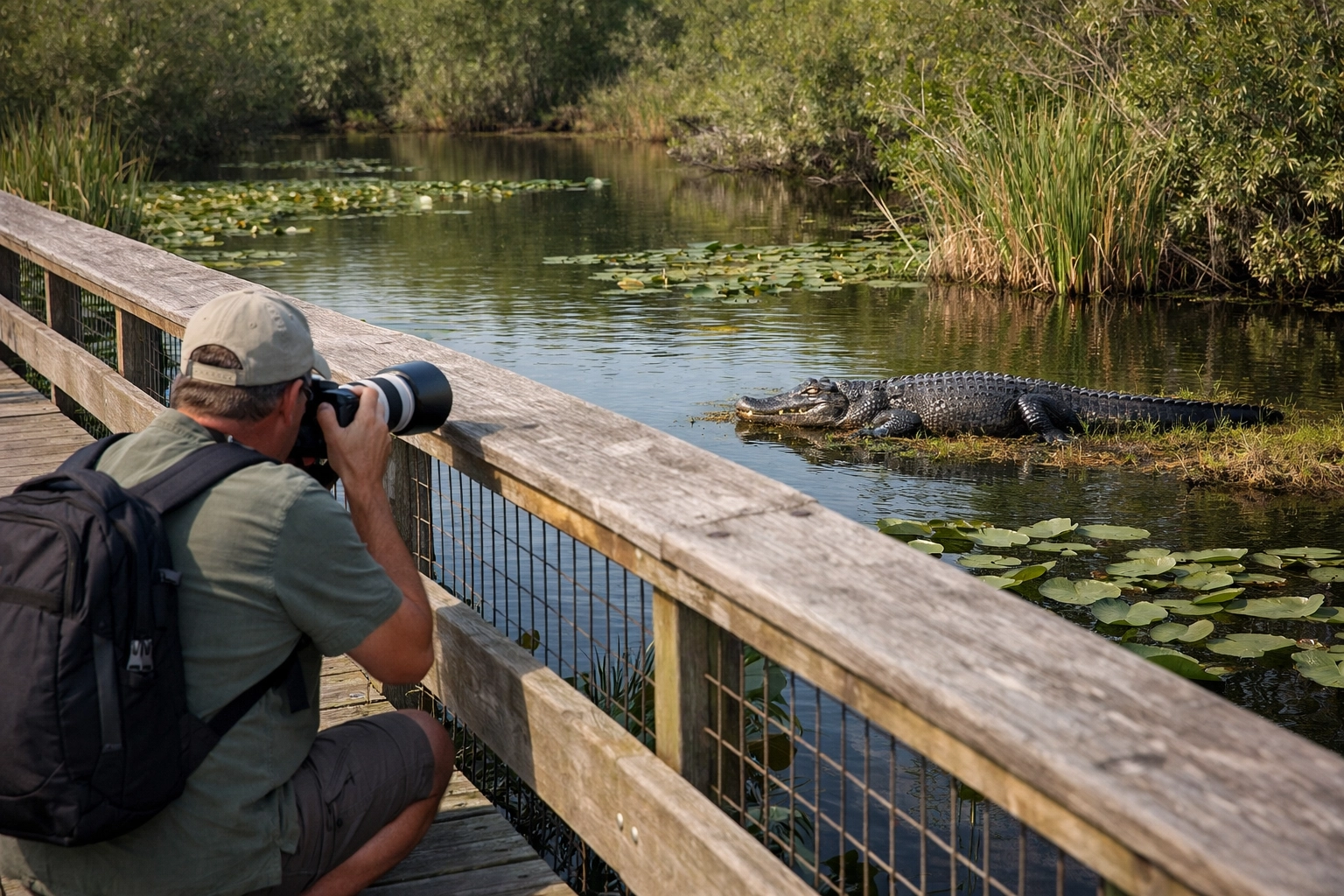
The Everglades is a place that stays with you. Once you’ve seen a sunset over the river of grass through your viewfinder, you’ll be hooked. So, pack your long lens, grab some sunblock, and I’ll see you out in the mangroves.













