
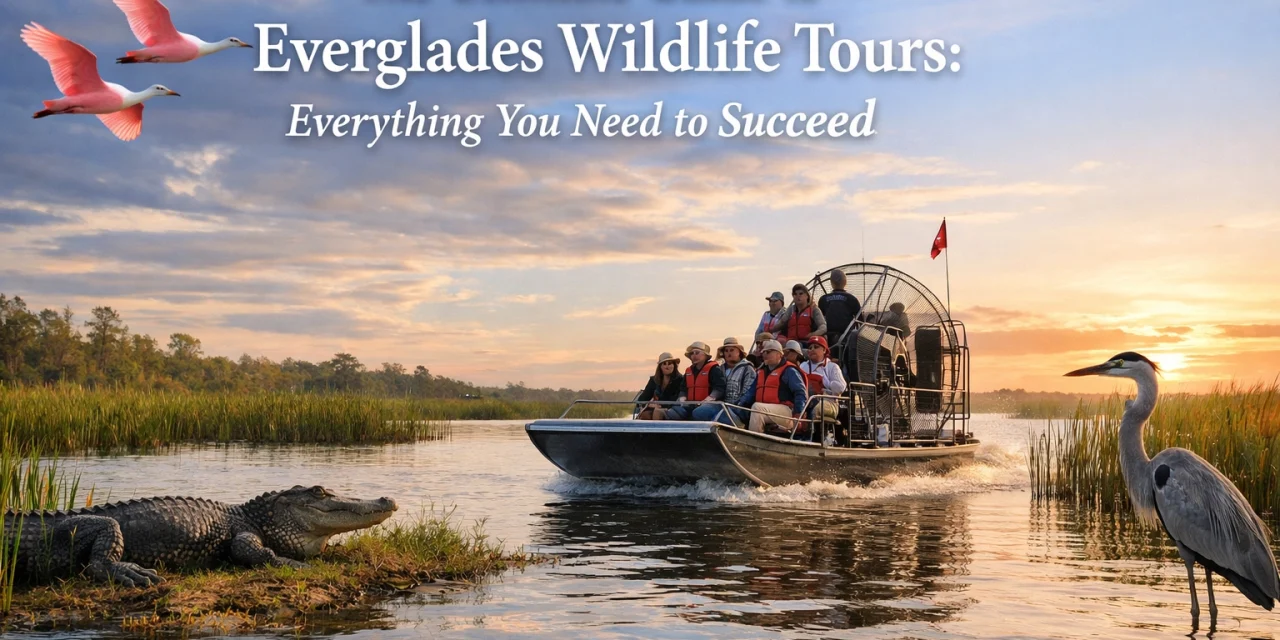
If you have ever stood on the edge of the "River of Grass" at sunrise, you know there is something almost spiritual about the Everglades. As the CEO of Photoguides and a photographer who has spent countless hours navigating these marshes, I can tell you that the Everglades is one of the most rewarding: yet challenging: places on Earth to capture wildlife.
Whether you are a seasoned pro with a 600mm lens or a hobbyist with a smartphone, the success of your trip often hinges on one thing: how you choose to see the park. From airboats that skim the surface to quiet paddling trails that put you eye-to-eye with an alligator, choosing the right tour is essential.
In this guide, I’m going to break down everything you need to know to make your Everglades wildlife tour a success. And if you want to skip the steep learning curve and start shooting like a pro immediately, make sure to check out our Everglades Photography Guide, which is packed with the exact coordinates and settings I use in the field.
Why a Guided Tour is Your Best Bet
The Everglades National Park covers over 1.5 million acres. For the uninitiated, it can look like an endless sea of grass where everything looks the same. That’s where a guided tour comes in.
Even for someone like me who has visited hundreds of times, a naturalist-led tour provides insights into animal behavior that you just can't get from a textbook. Guides know where the Great Blue Herons are nesting this week and which limestone holes the alligators are congregating in during the dry season.
If you are looking for a more structured way to plan your entire photography trip, you might also find our photography booking experience helpful for streamlining your travel logistics.
Choosing the Right Type of Everglades Tour
The "Everglades" isn't just one environment; it's a mosaic of ecosystems including sawgrass prairies, mangrove forests, and cypress domes. Different tours give you access to different worlds.
1. Airboat Tours: The Classic Experience
Airboats are iconic to Florida. They are fantastic for covering a lot of ground quickly and getting deep into the sawgrass where traditional boats can't go.
- Pros: High visibility, thrilling, and great for spotting alligators and turtles.
- Cons: They are loud. If you are a bird photographer, the noise can sometimes flush your subjects before you get the shot.
- Best For: General wildlife viewing and families.
2. Guided Paddling Adventures
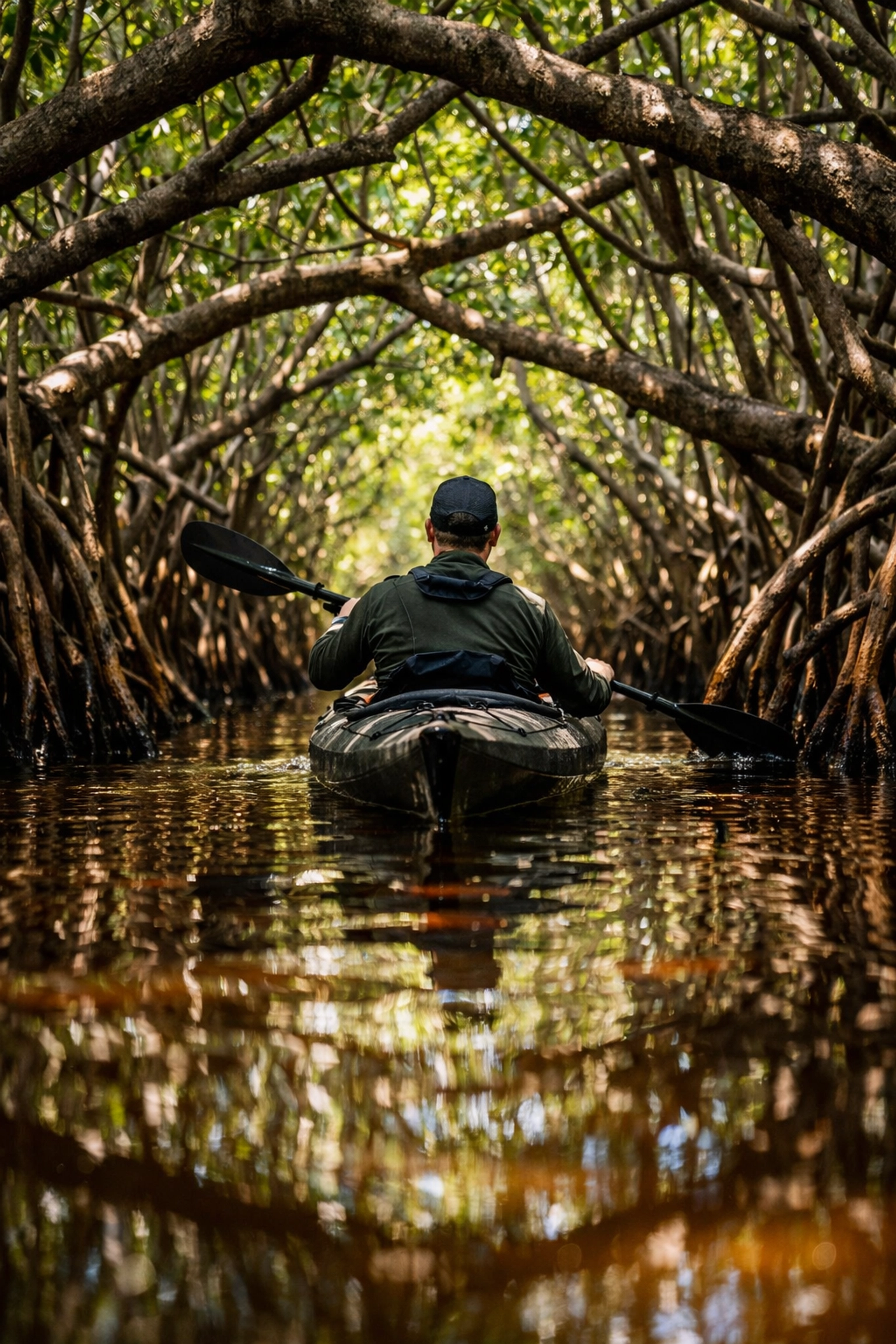
If you want to experience the silence of the glades, a kayak or canoe tour is the way to go. Places like the Nine Mile Pond offer incredible eco-paddling opportunities.
- Pros: Total silence allows you to get much closer to nervous wildlife like Roseate Spoonbills. You can navigate narrow mangrove tunnels that are inaccessible to larger vessels.
- Cons: Requires physical effort and can be hot.
- Best For: Stealthy wildlife photography and those who want an intimate connection with nature.
3. Tram Tours at Shark Valley
Shark Valley is home to a 15-mile loop that is world-famous for wildlife density. The tram tour is a two-hour narrated journey that is perfect for those who want a comfortable, land-based perspective.
- Pros: You are elevated, giving you a great vantage point over the grass. The guides are exceptionally knowledgeable about the "River of Grass" ecology.
- Cons: You are on a fixed schedule and can’t stop the tram whenever you see a bird you like.
- Best For: First-time visitors and those looking for a relaxing, informative afternoon.
4. Van and Walking Tours
Naturalist-led van tours often stop at various "hammocks" and boardwalks, such as Mahogany Hammock or the Anhinga Trail. This allows for a diverse look at different habitats in a single day.
What Wildlife Can You Expect to See?
The Everglades is a biodiversity hotspot. While every day is different, there are a few "must-see" residents:
- Alligators and Crocodiles: The Everglades is the only place on Earth where both coexist. Look for "Gators" in the fresh water and American Saltwater Crocodiles in the brackish areas of Flamingo.
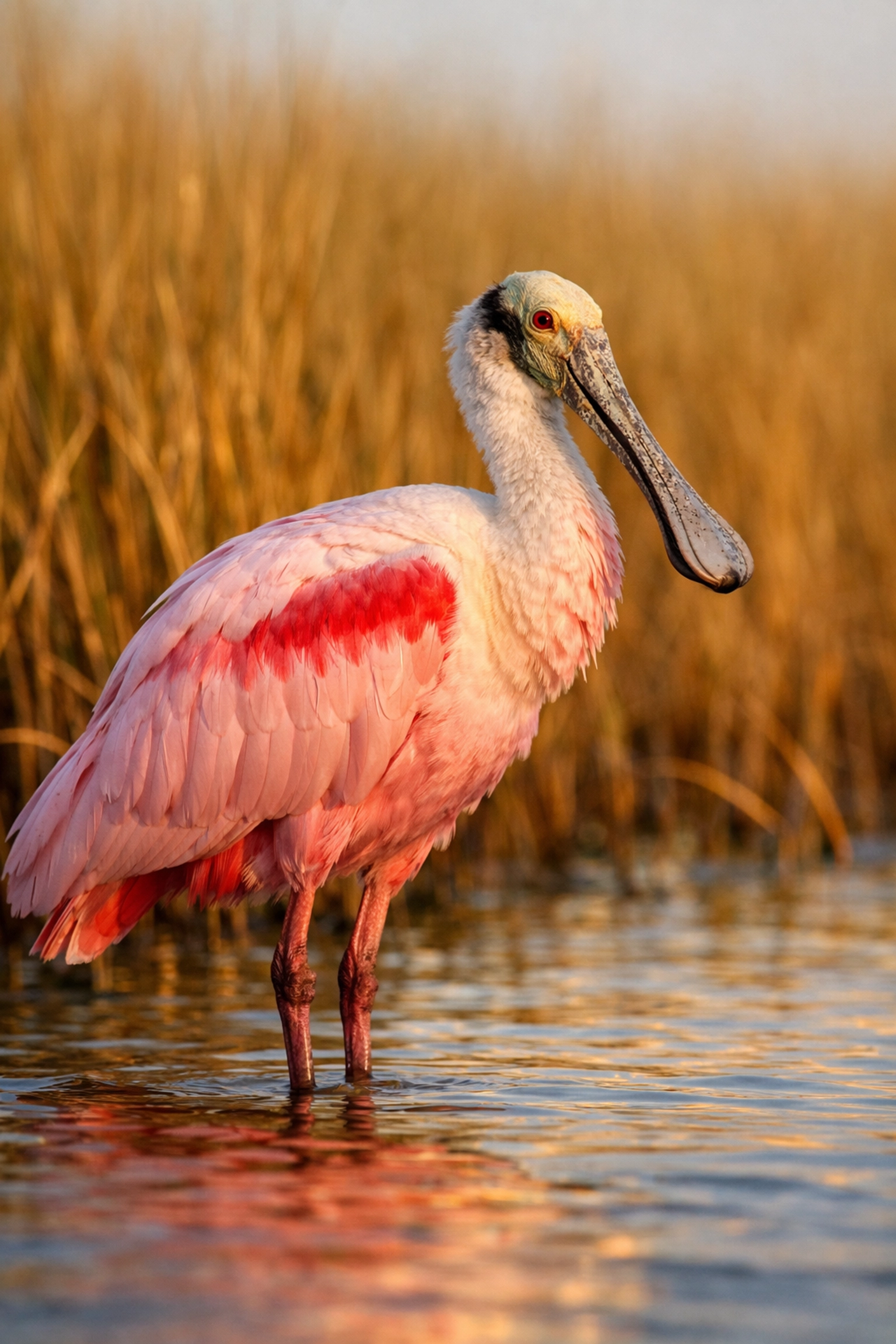
- The Birds: This is a birdwatcher's paradise. You’ll see Anhingas drying their wings, Wood Storks, Great Egrets, and if you’re lucky, the elusive Snail Kite. For more on bird techniques, I often post updates over at Edin Chavez's Blog.
- Marine Life: If you take a boat tour out of the Gulf Coast or Flamingo, keep an eye out for West Indian Manatees and Bottlenose Dolphins.
Prime Locations for Wildlife Spotting
If you are planning your own route between tours, these are the "holy grail" spots I recommend in my Everglades Photography Guide:
- Anhinga Trail (Royal Palm): This is perhaps the best place in the world to see wildlife up close. The animals here are used to humans, allowing for incredible wide-angle photography of alligators and birds.
- Shark Valley: The observation tower offers a 360-degree view of the park. The canal along the path is usually teeming with reptiles.
- Flamingo: Located at the very end of the park road, this is the gateway to Florida Bay. It’s the best spot for crocodiles and manatees.
Success Tips for Your Tour
To ensure you come home with great memories (and even better photos), keep these practical tips in mind:
Timing is Everything
The Dry Season (November to April) is the peak time for wildlife viewing. As the water levels drop, animals congregate around the remaining deep-water holes. This concentration makes them much easier to find. During the wet season, the animals disperse throughout the park, and the mosquito population explodes.
Pack the Right Gear
Don't just bring your camera. You need to protect yourself and your equipment.
- Polarized Sunglasses: These are a game-changer for seeing through the water's surface to spot fish and gators.
- Long Sleeves and Bug Spray: Even in the dry season, the bugs can be fierce in the shade of the mangroves.
- Binoculars: Essential for spotting birds in the distance.
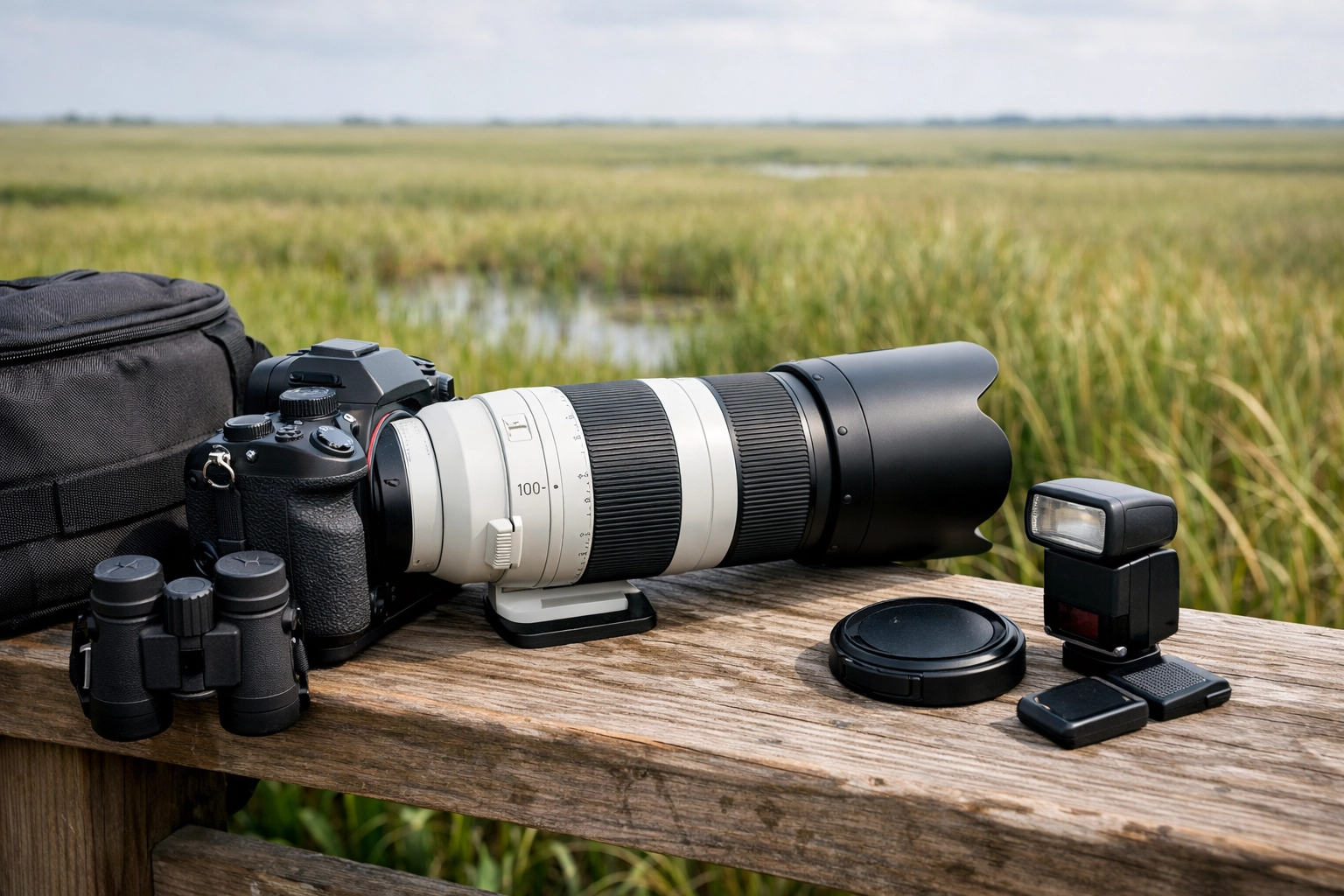
- Lens Choice: I recommend a versatile zoom like a 100-400mm. It allows you to capture tight portraits of birds and wider shots of the landscape. Check out our list of essential photography gear for more recommendations.
Elevating Your Photography
If you are heading to the Everglades specifically to build your portfolio, you need more than just a tour: you need a plan. Lighting in Florida can be harsh. The "Golden Hour" here is spectacular, but it is short.
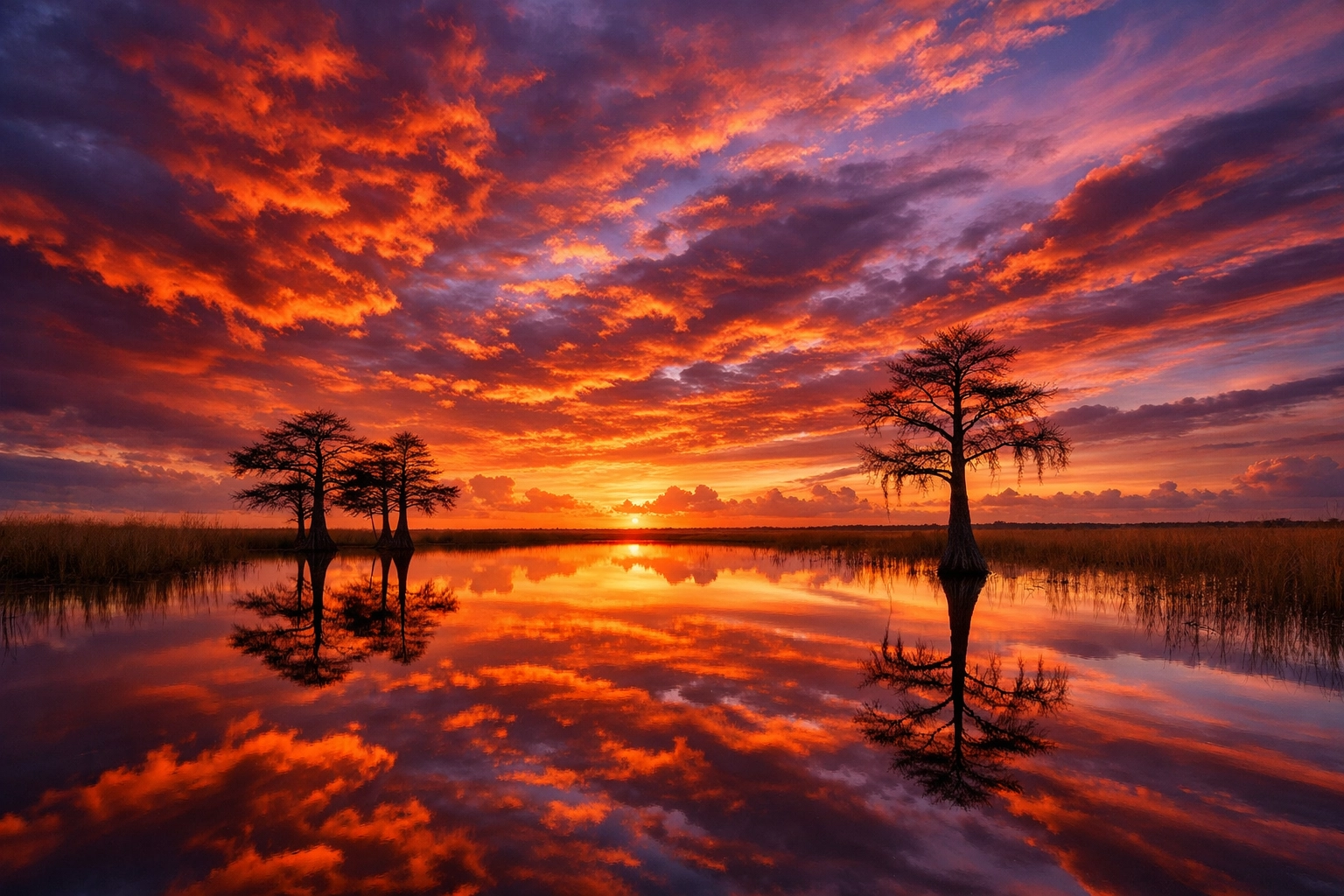
I always suggest staying until sunset. The Everglades has some of the darkest skies in Florida, making it an incredible spot for stargazing and astrophotography once the sun goes down. If you've ever seen my work at Edin Fine Art, you know how much I value that perfect, low-light atmosphere.
For those struggling with boring skies in their post-processing, you can actually download sky overlays to help give your landscape shots that extra "pop" they might have missed during a hazy Florida afternoon.
Planning Your Budget
Everglades tours vary in price depending on the level of privacy and duration.
- Short Airboat/Tram Tours: Usually range from $20 to $60.
- Private Photography Charters: These can range from $400 to $800 but offer the most flexibility for serious shooters.
- DIY Walking/Paddling: Aside from the park entrance fee and rentals, this is the most budget-friendly way to see the park.
Final Thoughts
The Everglades is a place that requires patience and respect. It’s not a zoo; it’s a living, breathing, and sometimes unpredictable wilderness. By choosing the right tour and coming prepared with the right gear, you’re setting yourself up for an unforgettable experience.
Remember, the difference between a "good" trip and a "life-changing" trip is often the information you have before you arrive. Don’t leave your shots to chance. Grab the Everglades Photography Guide today and get the inside scoop on the best hidden spots, seasonal secrets, and technical settings to master this Florida treasure.
I’ll see you out in the marsh!
( Edin Chavez
CEO, Photoguides)













