
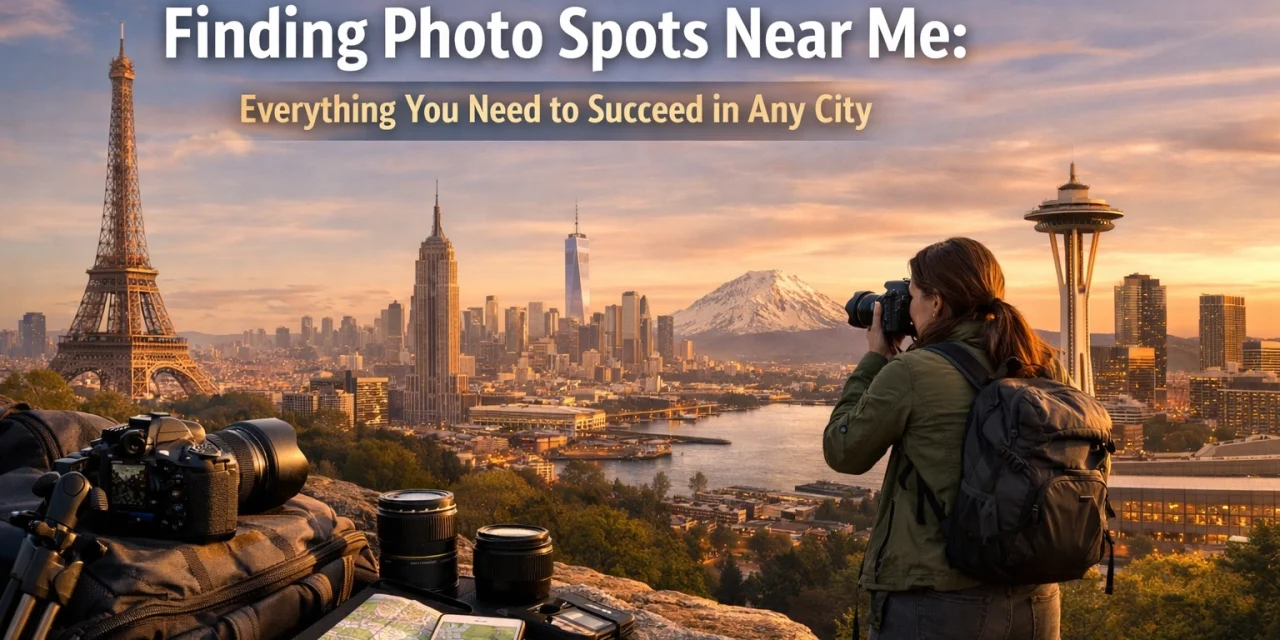
We’ve all been there. You’re standing in the middle of a new city, or perhaps one you’ve lived in for a decade, with your camera bag over your shoulder and a nagging sense of "where do I even start?" In 2026, the world of photography has shifted. With AI-generated imagery flooding our feeds, the value of a real, raw, and authentic photograph has never been higher. People are craving the truth of a moment, and that starts with finding the right location.
Finding "photo spots near me" isn't just about typing a phrase into a search engine and following the crowds to the most Instagrammed wall in town. It’s about understanding light, scouting with intent, and knowing how to look past the obvious. Whether you’re shooting with the latest mirrorless setup or the incredible camera on your iPhone, this guide will show you how to uncover hidden gems in any city on the planet.
The Digital Scout: Using 2026 Tech to Your Advantage
The way we scout has evolved. While we used to rely solely on blog posts and word-of-mouth, we now have powerful AI-driven tools that can predict lighting conditions and foot traffic with startling accuracy.
1. Leverage Social Heatmaps (Wisely)
Instagram and TikTok are still relevant, but the trick is to look at the "Recent" tab rather than the "Top" posts. Top posts usually show you the clichés. Recent posts show you the current conditions. Is the cherry blossom actually blooming? Is there construction scaffolding blocking that iconic view?
2. Google Maps Street View is Your Best Friend
Before I even leave my house, I spend hours "walking" the streets digitally. Look for interesting textures, leading lines, and how the shadows fall. In 2026, Google’s immersive view allows you to see how a location looks at different times of the day. This is a game-changer for planning golden hour shots without wasting a trip.
3. AI-Powered Scouting Apps
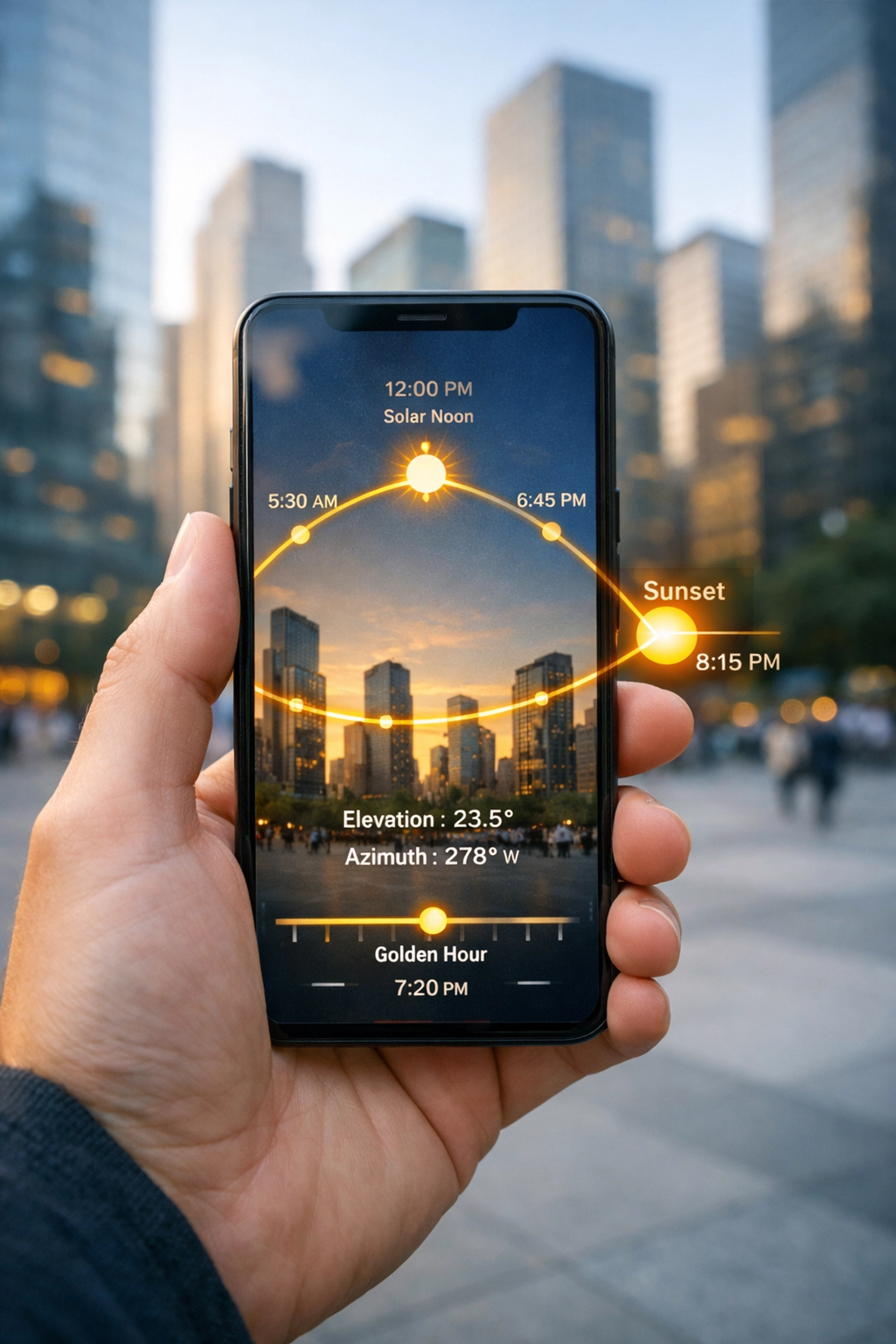
There are now apps that use augmented reality (AR) to show you exactly where the sun or moon will be at any given minute of the year. If you’re looking for those high-impact photography blog posts style shots, knowing exactly when the sun will hit a specific alleyway is the difference between a "good" photo and a "wow" photo.
The Art of the "Slow Walk"
Tech is great, but it can’t replace human intuition. Some of my favorite shots: the ones you can see over at Edin Fine Art: came from simply getting lost.
When you arrive in a city, put your phone away for an hour. Walk. Look up. Look behind you. Often, the best photography locations are literally right behind the people standing in line for the "famous" spot.
Pro Tip: Look for "Transition Zones." These are areas where the environment changes: where a modern glass building meets an old brick warehouse, or where the city park meets the urban sprawl. These boundaries often hold the most visual tension and storytelling potential.
If you’re looking to sharpen your eye before your next trip, checking out some educational resources can help you understand the "why" behind a great composition.
Timing is Everything (More Than You Think)
The research is clear: timing is the secret sauce. Most amateur photographers show up at noon when the sun is harsh and the shadows are unflattering. To succeed in any city, you need to master the clock.
- 2-3 Hours Before Sunset: This is when you should be on-site. Don't wait for the sun to start dipping. Use this time to test your angles and see how the light interacts with the architecture.
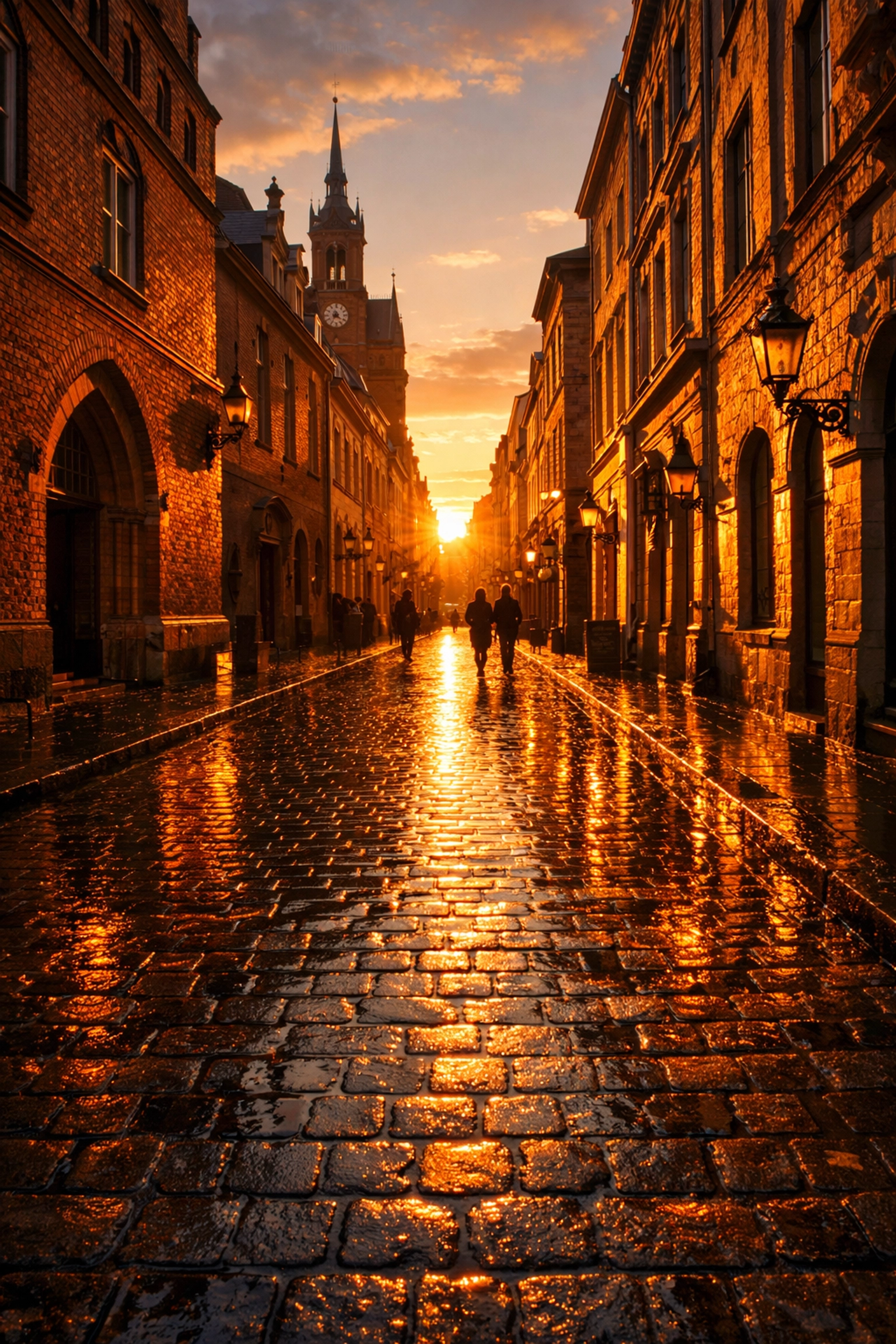
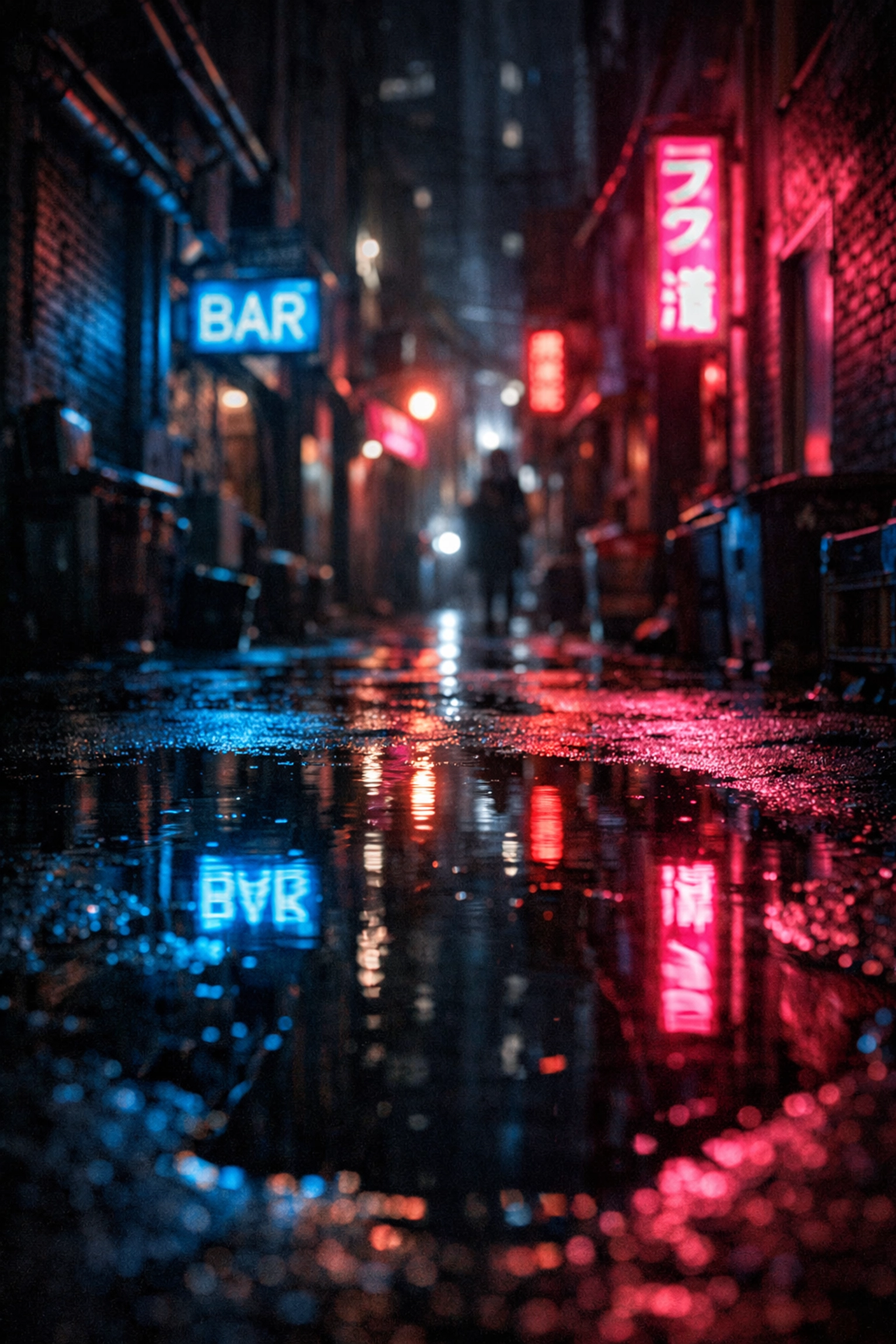
- The Post-Rain Glow: One of the best times to find "photo spots near me" is right after a storm. The pavement turns into a mirror, colors become saturated, and the air is clear. For more on this, I often share my latest field tests and camera reviews 2024-2026 to show how gear handles these tricky, high-contrast environments.
- Blue Hour: Don't pack up when the sun goes down. The 20 minutes after sunset provide a moody, cinematic light that is perfect for long exposures.
Finding Hidden Gems: A City-by-City Strategy
Every city has a "vibe," and your job is to find the locations that represent it best.
The Urban Jungle
In cities like New York or Tokyo, look for elevation. Rooftop bars, public observation decks, or even parking garages can offer a fresh perspective on a crowded street. If you're looking for something specific, like Miami's hidden speakeasies, you’re looking for atmosphere and character, not just a pretty view.
The Historic Charm
In places like Williamsburg, VA, or old European centers, the "spots" are in the details. Look for weathered doors, cobblestones, and the way light filters through ancient trees. You might even find inspiration in the local culture, like the breweries in Williamsburg, which often have fantastic industrial-chic interiors.
The Natural Escape
Even in the heart of a city, nature exists. Search for "pocket parks" or botanical gardens. If you're traveling further afield, perhaps comparing destinations like Dominican Republic vs. Cancun, your "photo spots" become about the scale of the landscape and the turquoise of the water.
Essential Gear for 2026 Scouting
You don't need a truckload of gear to find great spots, but you do need the right tools. In 2026, the trend is toward portability and versatility.
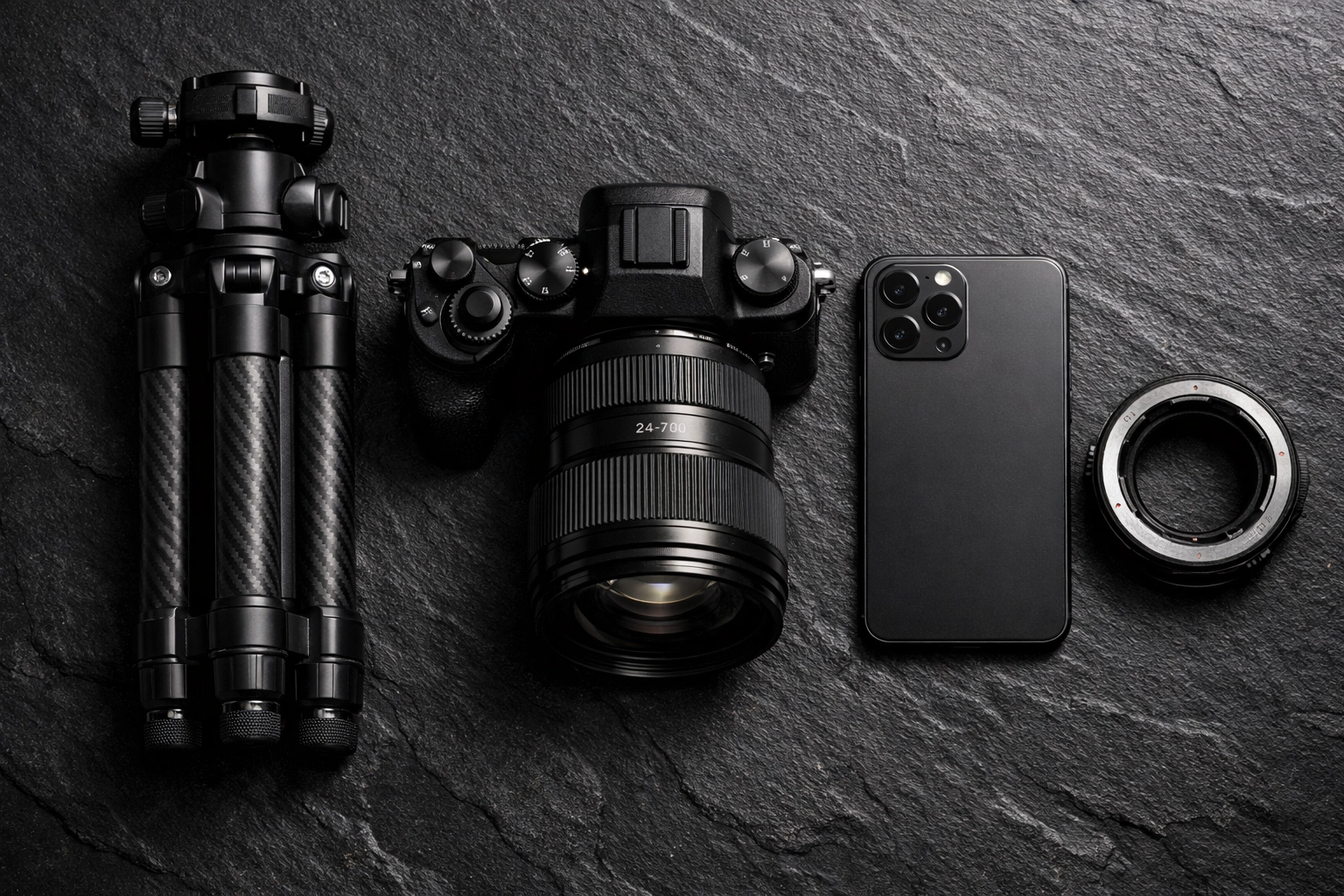
- The High-End Smartphone: iPhone photography has reached a point where, for scouting and even some professional social work, it’s unbeatable.
- A Versatile Zoom: A 24-70mm lens is the gold standard for city exploration. It allows you to capture wide architecture and tight street portraits without changing glass.
- The Module 8 Adapter: For those looking to add a cinematic, vintage feel to their modern digital sensors, the Module 8 lens adapter is a must-have in your bag this year.
- Lightweight Tripod: Essential for those long-exposure night shots or if you're using sky overlays to enhance a dramatic cityscape later.
For a full breakdown of what I’m carrying this year, check out our guide to essential photography gear.
AI vs. Authentic: The 2026 Landscape
We can’t talk about photography in 2026 without mentioning AI. While AI can generate a "perfect" sunset over a "perfect" city, it lacks the soul of a captured moment. As photographers, our value lies in our ability to witness and record reality.
AI trends in photography are currently leaning toward "enhancement" rather than "replacement." We use AI to remove a distracting trash can or to denoise a high-ISO shot, but the location: the physical spot you found through sweat and exploration: is what makes the photo yours. This is a topic we dive deep into over at Shut Your Aperture, where the community discusses the balance between tech and craft.
Practical Tips for the Field
- Check Accessibility: Nothing ruins a shoot like a "No Trespassing" sign or a $500 permit fee you didn't know about. Always check the rules for tripod use in public squares.
- Safety First: When scouting hidden gems, especially at night, tell someone where you're going.
- Engage with Locals: Ask the person working at the local coffee shop where the best view of the skyline is. They usually know a spot that isn't on any map.
- Think Like a Storyteller: Instead of looking for "pretty" spots, look for "interesting" ones. What is happening in this location? Is there a story to be told? This is the core of a great photography booking experience.
Conclusion: Your City is a Canvas
The search for "photo spots near me" is ultimately a search for a new way of seeing. Whether you're capturing the neon lights of a club in Palm Beach or the quiet morning light at a breakfast place in Cape Coral, the "best" spot is the one that speaks to you.
Don't be afraid to fail. Some of my most popular blog posts on my personal blog are about the times I went looking for a location and found nothing: only to stumble upon something even better on the walk back to the car.
Photography is an adventure. Use the tech, trust your gut, and keep shooting. The world is full of hidden gems waiting to be framed; you just have to be the one to find them.
For more inspiration on where to go next, check out our travel photography tips and start planning your next weekend getaway. Happy shooting!













