Category: Photo Guides
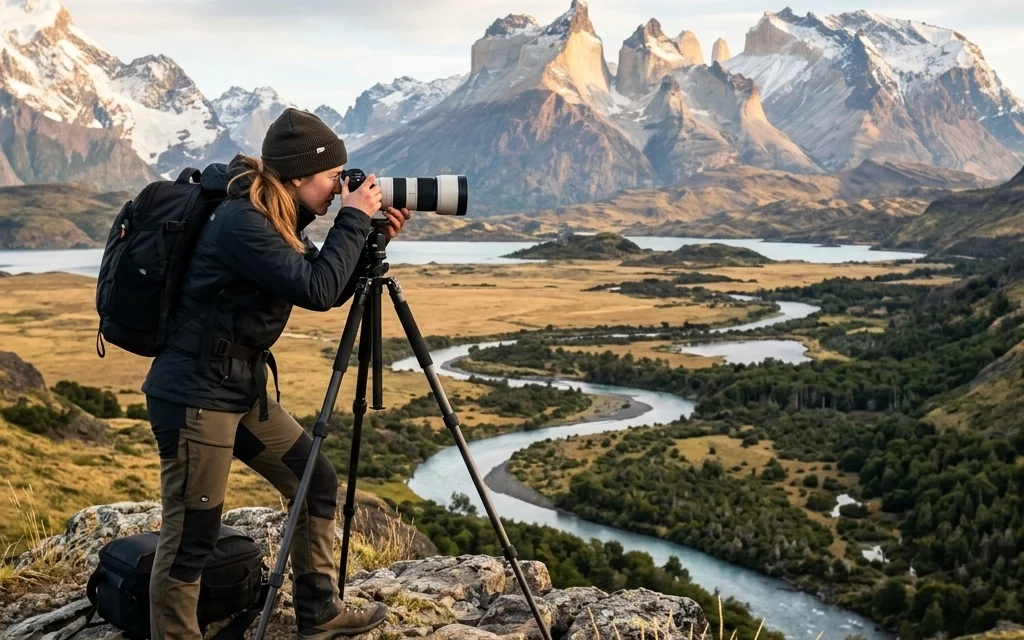
It’s Sunday, April 5, 2026, and if you’re reading this, you’re likely holding a camera: or at least thinking about picking one up. I know what you might be thinking: "Edin, with all this AI tech and the way the world is moving, is there still room for a human photographer?"
The answer is a resounding yes. In fact, there’s never been a more exciting time to be in this industry. But let’s be real: the "old way" of doing things has changed. You can’t just post a few photos on social media and wait for the phone to ring. Finding photography work in 2026 is about strategy, connection, and using the right tools to let your creativity shine.
Whether you’re a seasoned pro or a traveler looking to fund your next adventure, this guide is designed to help you navigate the modern landscape and land the gigs you deserve.
The State of the Industry in 2026
The photography market this year is a fascinating mix of traditional craftsmanship and high-tech niches. While some entry-level jobs have been automated, the demand for authentic human perspective has actually skyrocketed. People are craving real moments more than ever.
Based on recent trends, two major areas are seeing explosive growth:
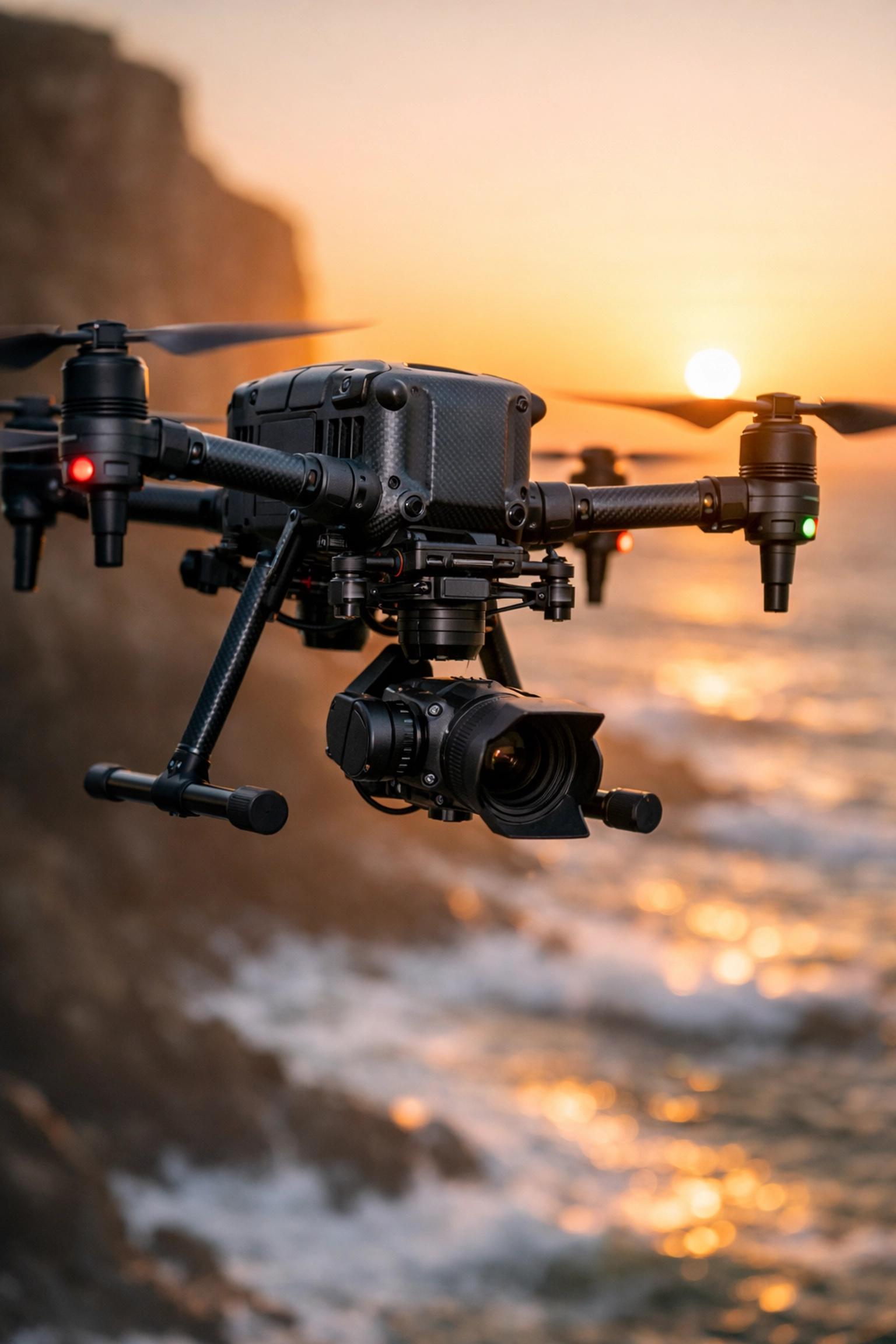
- Drone and Aerial Photography: This isn't just for hobbyists anymore. From real estate to environmental monitoring, the drone market is booming. If you haven't looked into getting your license yet, now is the time.
- Personal Branding and LinkedIn Photography: In a world of remote work and digital identity, everyone needs a professional presence. Photographers who can capture a person’s vibe and professional "brand" are in high demand.
Where the Jobs Are Hiding
In 2026, jobs are found in a few specific "buckets." You want to have a foot in each to ensure a steady stream of income.
Traditional Job Boards
Don't sleep on the classics. Sites like Indeed and ZipRecruiter still host thousands of listings for staff photographers, content creators, and real estate specialists. In major hubs like New York or Miami, you’ll find full-time junior roles starting around $60,000–$65,000, while specialized content creator positions can climb well into the $80k range.
Residencies and Grants
If you’re looking for more "artistic" stability, keep an eye on programs like those offered by the Penumbra Foundation. These residencies offer emerging artists access to high-end facilities and stipends. It’s a great way to build your portfolio while getting paid to experiment.
The Travel Connection
For the travelers among us, the gig economy has gone global. If you’re heading to a new city, check out Photoguides to see what’s trending in that area. Whether you’re shooting wedding photography insights or capturing the vibe of Miami’s hidden speakeasies, there is always a market for local content.
ProShoot.io: Your Secret Weapon for 2026
If I had to give you one piece of advice to simplify your life this year, it’s this: stop juggling ten different apps to run your business.
One of the biggest hurdles photographers face isn't taking the photo: it’s the "business" part. The invoicing, the booking, the portfolio hosting, and the networking. That’s where ProShoot.io comes in.
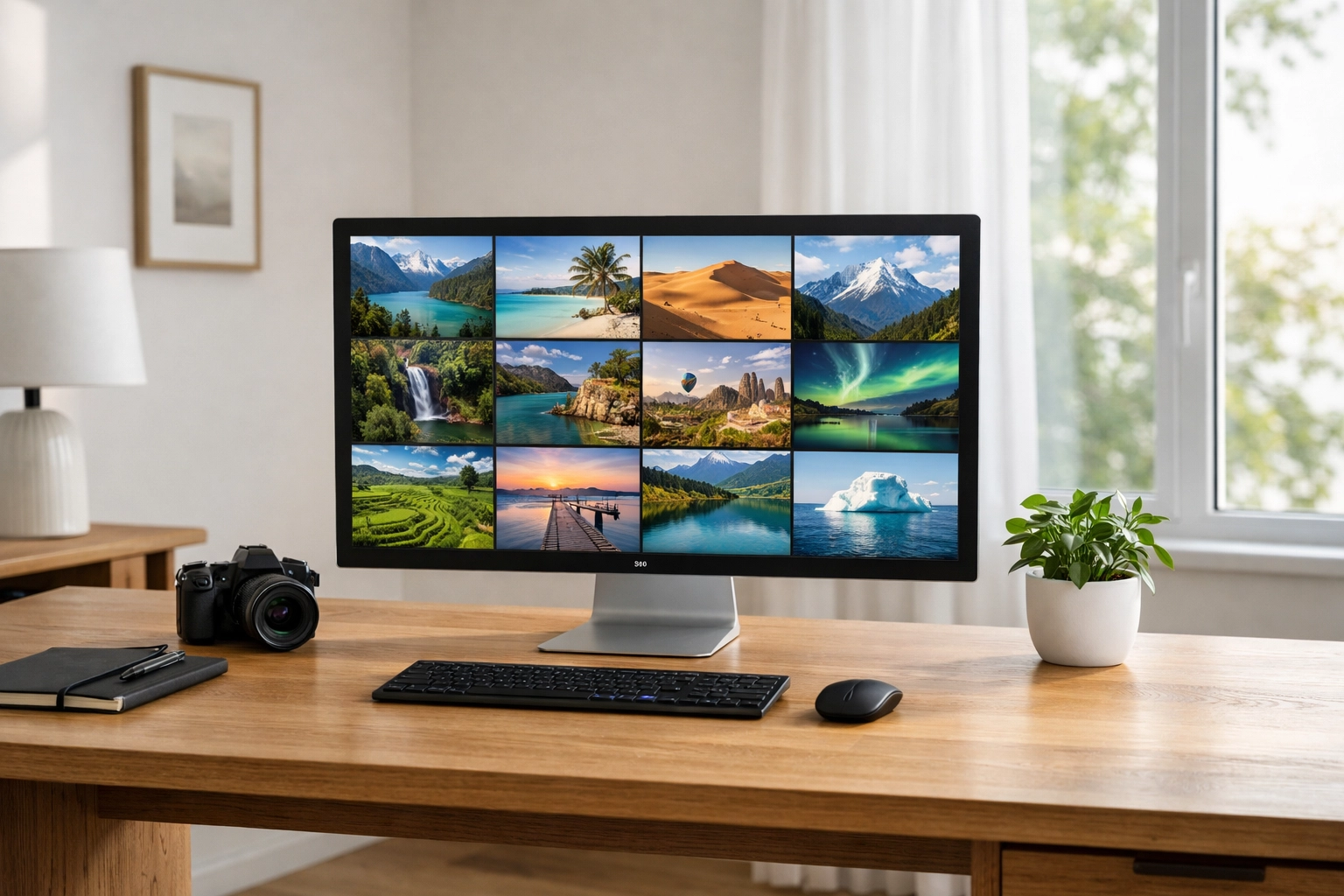
ProShoot is designed to be the backbone of your photography career. Here’s why it’s a game-changer:
- Seamless Booking: Clients in 2026 expect a frictionless photography booking experience. ProShoot lets them see your availability and book you in seconds.
- Stunning Portfolios: Your portfolio needs to load fast and look incredible on everything from a smartphone to a VR headset.
- Networking: It connects you with other pros and potential clients in a way that feels organic, not spammy.
If you’re serious about making a living this year, you need a professional home. You can check out how I structure my own work over at Edin Studios to see the level of professionalism clients are looking for today.
High-Demand Niches to Master
To succeed in 2026, you might want to specialize. "Generalist" is fine, but "Specialist" gets paid more. Here are the niches where the money is currently flowing:
Real Estate and Commercial Spaces
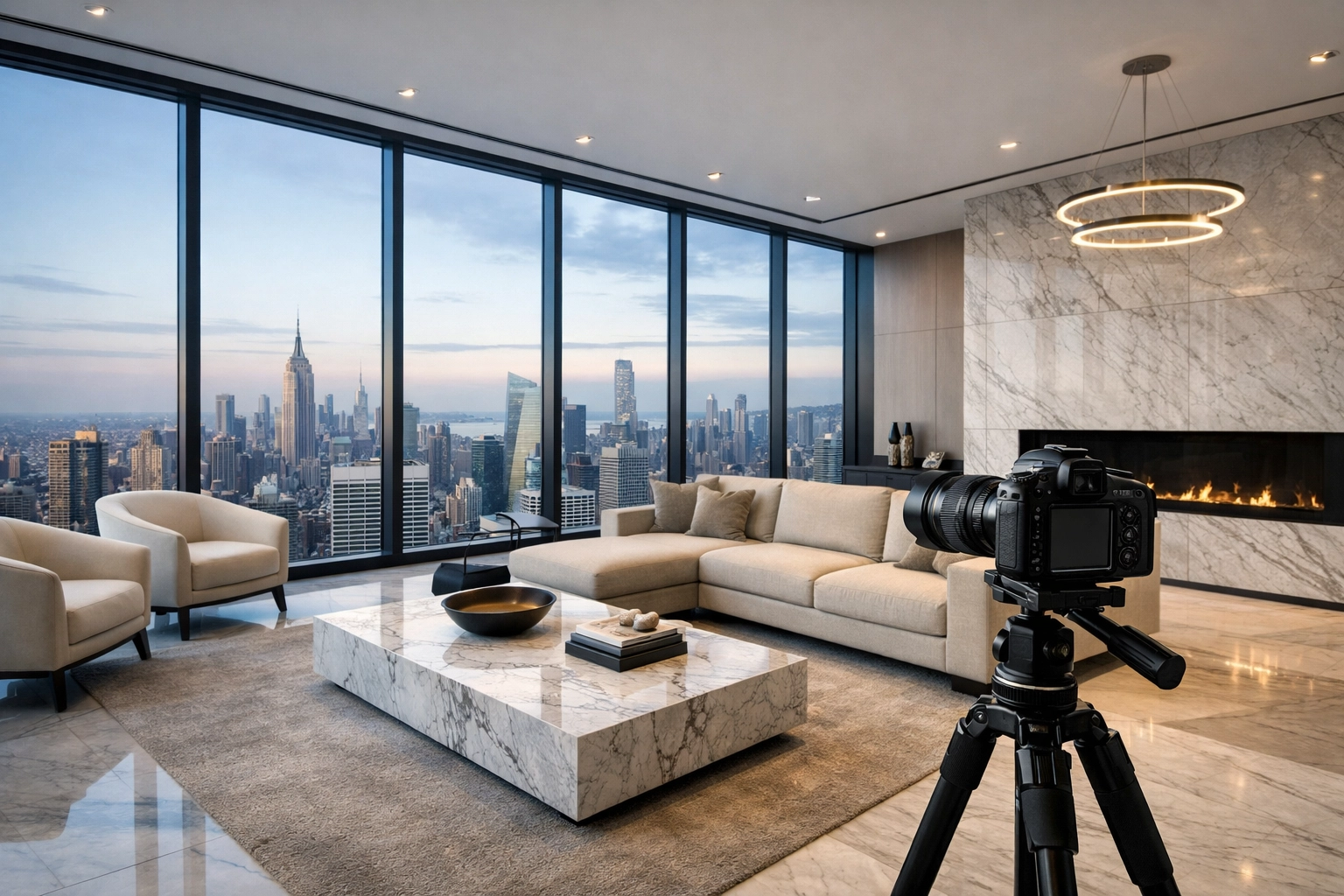
With interest rates stabilizing and the market moving, real estate photography is a goldmine. Rates are currently averaging between $60 and $110 per hour. If you can provide high-quality interiors and drone shots, you’ll be booked solid.
Event Photography
People are gathering again, and they want those memories captured professionally. Whether it's being an Atlanta event photographer or shooting a boutique festival in the desert, the key is speed and quality.
Product and E-commerce
Everything is sold online. Brands need crisp, clean images for their shops. If you have a small studio setup, you can take on clients from all over the world. For tips on the best gear to get started with this, check out our guide on essential photography gear.
Leveling Up Your Skills
The tech is moving fast. If you aren't learning, you're falling behind. I spend a lot of my time over at Shut Your Aperture talking about the latest gear and techniques because the tools we use define the boundaries of what we can create.
For instance, have you looked into the Module 8 lens adapter? It’s these kinds of specific tools that can give your work a unique "look" that AI just can't replicate yet.
If you're more into the fine art side of things, I share my personal journeys and gallery work at Edin Fine Art. Seeing how others transition from commercial work to fine art can give you a lot of perspective on your own career path.
The Financial Reality
Let's talk numbers. I want you to be reassured that this is a viable career. In 2026, a freelance content creator can comfortably charge $25–$40 an hour for basic work, but as you build your niche, those rates double or triple.
The key to financial stability is diversification.
- Active Income: Shooting weddings, events, and portraits.
- Passive Income: Selling prints or sky overlays for other photographers to use in their edits.
- Education: Sharing what you know.
Tips for Travelers
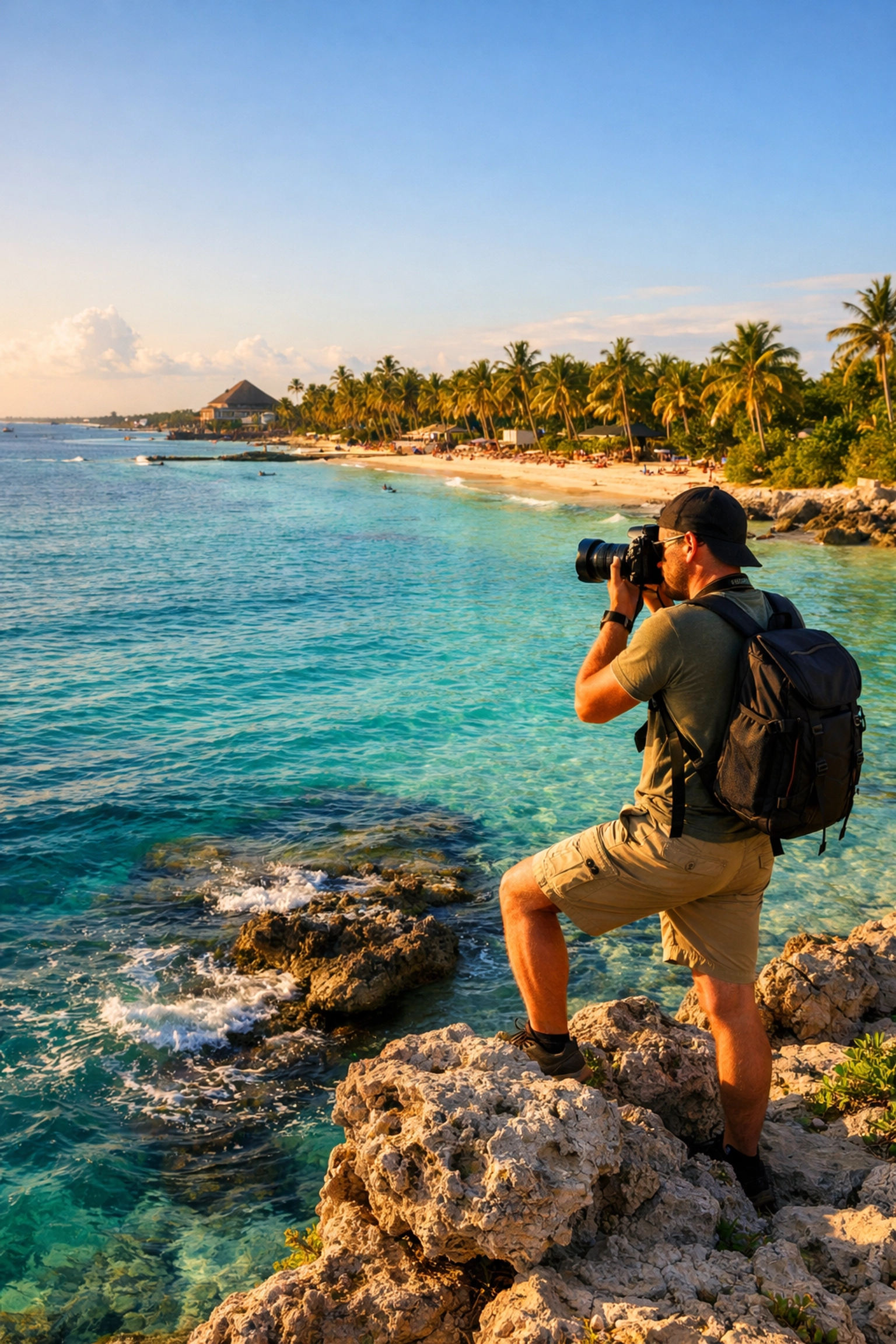
If you’re a traveling photographer, your camera is your passport. I’ve found that some of my best gigs came from simply being in a beautiful location and documenting it better than anyone else.
Planning a trip soon? Whether you're looking for cheap weekend getaways or deciding between the Dominican Republic vs. Cancun, always research the local photography scene beforehand. Reach out to local businesses on ProShoot.io before you arrive and see if they need updated imagery for their social media. It's a great way to pay for your travels.
Final Thoughts: Stay Human
As we move further into 2026, your greatest asset isn't your camera: it's your humanity. It's your ability to make a bride laugh, to find the perfect light in a dingy warehouse, and to tell a story that makes someone feel something.
Tools like ProShoot.io are here to handle the boring stuff so you can focus on being an artist. Don't be intimidated by the changes in the industry. Embrace them. Use the new tech to your advantage, but never lose that personal touch that made you pick up a camera in the first place.
For more daily inspiration and deep dives into the world of photography, make sure to keep up with my latest posts on the Edin Chavez Blog.
You’ve got the talent. Now you have the roadmap. Go out there and capture something amazing.