
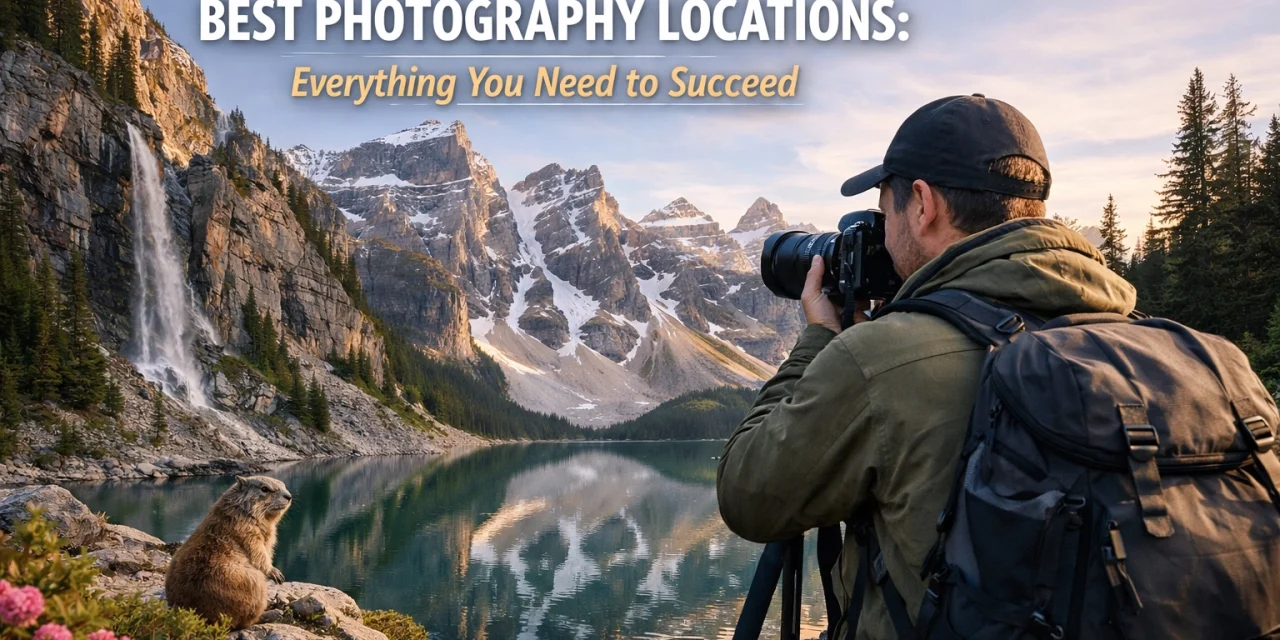
Whether you’re a seasoned pro or someone who just picked up a camera for the first time, we all share the same burning question: Where should I shoot next?
Finding the best photography locations is about more than just stumbling upon a pretty view. It’s a mix of research, intuition, and a bit of a hunter’s instinct. In 2026, the landscape of photography has shifted. We aren't just looking for the same over-saturated spots we see on social media; we’re looking for authenticity, hidden gems, and perspectives that tell a story.
At Photoguides, we believe that the right location does 50% of the work for you. If the light is hitting a rugged coastline just right, or if you’ve found a neon-lit alleyway that feels like a scene from a movie, your job becomes about capturing the feeling, not just the image.
In this guide, we’re going to break down how to scout like a pro, the gear you need to bring along, and how to navigate the intersection of traditional photography and the rising influence of AI.
The Art of Location Scouting: Spying, Exploring, and Evaluating
Scouting is the unsung hero of a great portfolio. You might see an "epic" shot on your feed and think it was a lucky moment, but more often than not, it was the result of hours of "reconnaissance."
1. Digital Spying
Before you even leave your house, use the tools at your fingertips. Google Earth is still a photographer's best friend, allowing you to see 3D renderings of terrain. Look for "photo spots near me" by using heat maps on photography apps to see where others are shooting: then, look at the areas right next to those spots that everyone else is ignoring.
2. The Power of "Boots on the Ground"
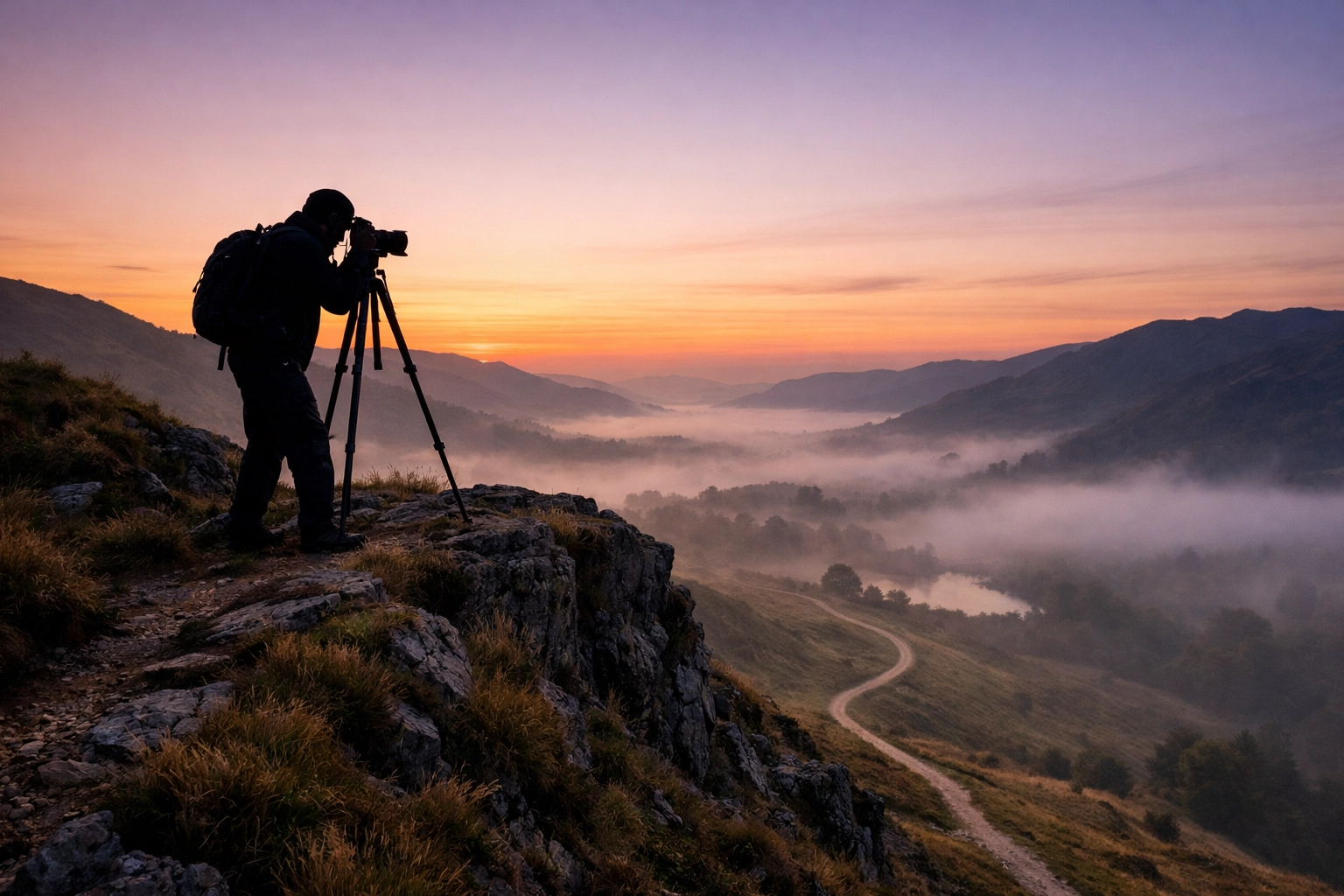
Nothing beats physical scouting. When you arrive at a potential location, don't just stand where the parking lot ends. Walk the perimeter. Look for leading lines: fallen trees, a winding path, or a row of streetlamps. As we’ve learned from scouting spots like the San Francisco Botanical Gardens, a great location is one that offers versatility. You want a place that looks good in the harsh midday sun and the moody morning fog.
Hidden Gems vs. Iconic Landmarks: Finding the Balance
There is a certain magic in photographing a world-renowned landmark. Standing in front of the Eiffel Tower or the Grand Canyon is a rite of passage. However, the "best photography locations" aren't always the ones with the most hashtags.
Global Photography Locations to Watch in 2026
- The Faroe Islands: Still rugged and relatively untouched compared to Iceland, offering dramatic cliffs and moody weather that is a dream for long-exposure fans.
- The Altiplano, Bolivia: For surreal, high-altitude landscapes that look like another planet.
- Namibia: The Skeleton Coast provides a stark, minimalist aesthetic that is perfect for drone photography.
If you’re not ready to fly halfway across the globe, don’t worry. Some of the most compelling images come from exploring your own backyard. If you're looking for a quick escape to refresh your portfolio, check out some cheap weekend getaways that offer incredible visual variety without the international price tag.
Gear for 2026: What’s in Your Bag?
The gear landscape has changed. While high-end mirrorless cameras are still the gold standard for many, the gap between "professional" gear and everyday tools is shrinking.
The Rise of High-End iPhone Photography
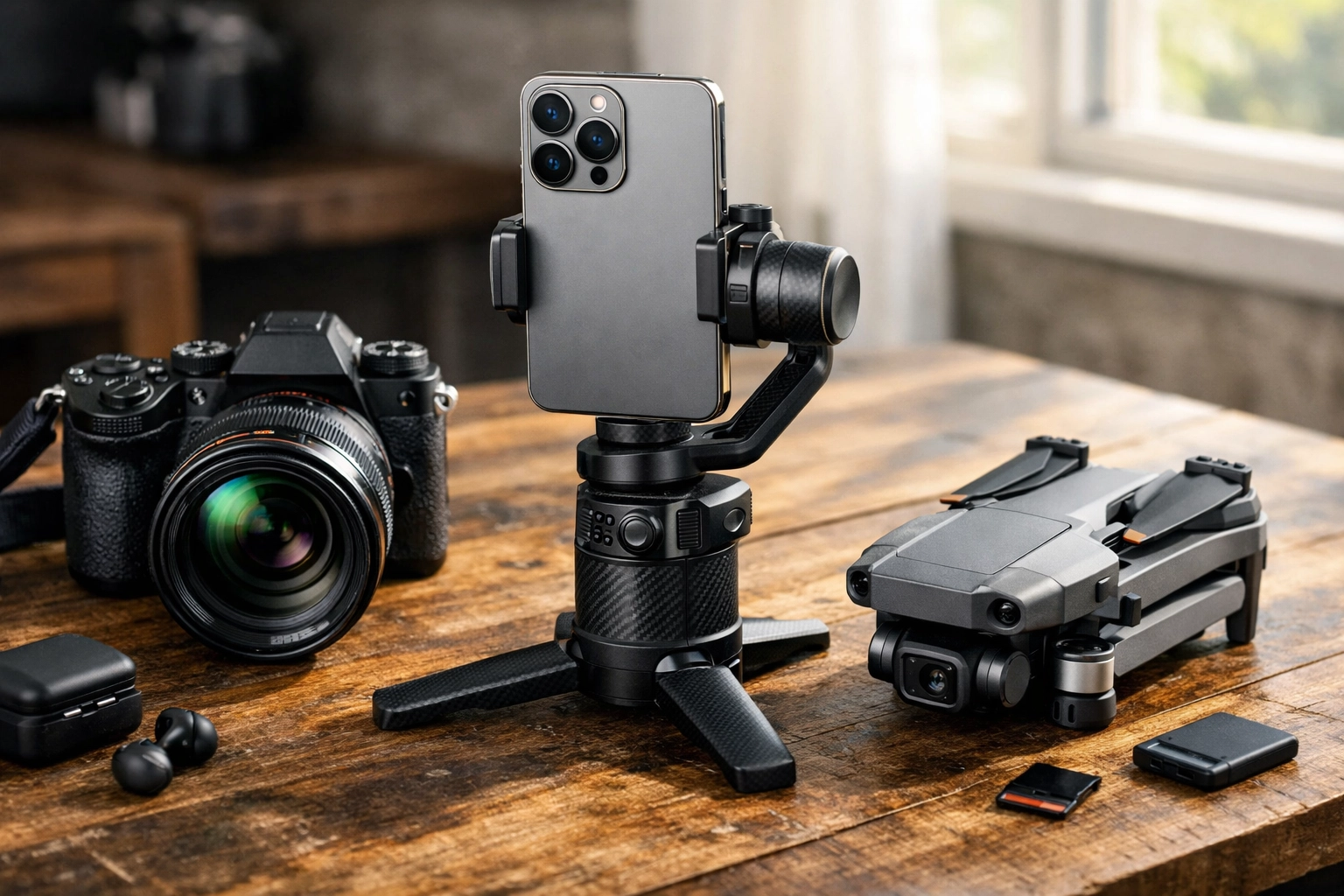
By 2026, mobile sensors have reached a point where they can compete with older DSLRs in many conditions. For scouting and even some commercial work, the iPhone is a powerhouse. When you’re hiking to a remote location, sometimes the best camera is the one that doesn't weigh ten pounds. To make sure you’re prepared for any environment, take a look at our list of essential photography gear to see what we're packing this year.
Drone Perspectives
Drones have become quieter, smaller, and more capable. They allow us to find "photo spots near me" from a perspective that was previously impossible. Looking for patterns in the landscape: like the way a river bends or how shadows fall across a city grid: can turn a mundane location into a masterpiece.
Long Exposure and Filters
To truly succeed at landscape photography, you need to master the passage of time. Using ND filters at a location like Marshall’s Beach allows you to blur the Pacific waves into a misty dreamscape, contrasting against the sharp edges of the Golden Gate Bridge. If you’re looking for a specific look, we often recommend experimenting with sky overlays during post-processing to enhance a shot that had a "boring" sky.
AI’s Role in Modern Photography: Authentic vs. AI Art
We can't talk about photography in 2026 without mentioning Artificial Intelligence. It’s the elephant in the room, but at Photoguides, we see it as a tool rather than a threat.
AI as a Scouting Assistant
AI models can now predict weather patterns, light quality, and even crowd density with startling accuracy. This helps you choose the perfect window for your shoot.
The Authenticity Debate
There is a growing movement toward "Authentic Art." As AI-generated images become more common, the value of a "real" photograph: one that required you to hike three miles at 4:00 AM to catch the sunrise: is actually increasing. People crave the human element. They want to know you were actually there.
While you can use AI to clean up a shot or enhance the colors, the soul of the photograph remains in the location and the moment you captured. If you want to see how the industry is evolving, our camera reviews 2024 and updated 2026 insights dive deep into how manufacturers are integrating AI into the hardware itself.
Travel Photography Tips for Every Environment
Every location requires a different strategy. Here is how to handle the most common settings:
Urban Exploration
Cityscapes are all about geometry and light. If you’re shooting in a city like Atlanta or Miami, look for the contrast between historic architecture and modern glass towers. If you’re looking for something more intimate, like Miami’s hidden speakeasies, focus on low-light techniques and the "vibe" of the interior.
Rural and Natural Landscapes
In nature, patience is your best friend. The best photography locations often require waiting for that one "hero" moment when the clouds break.
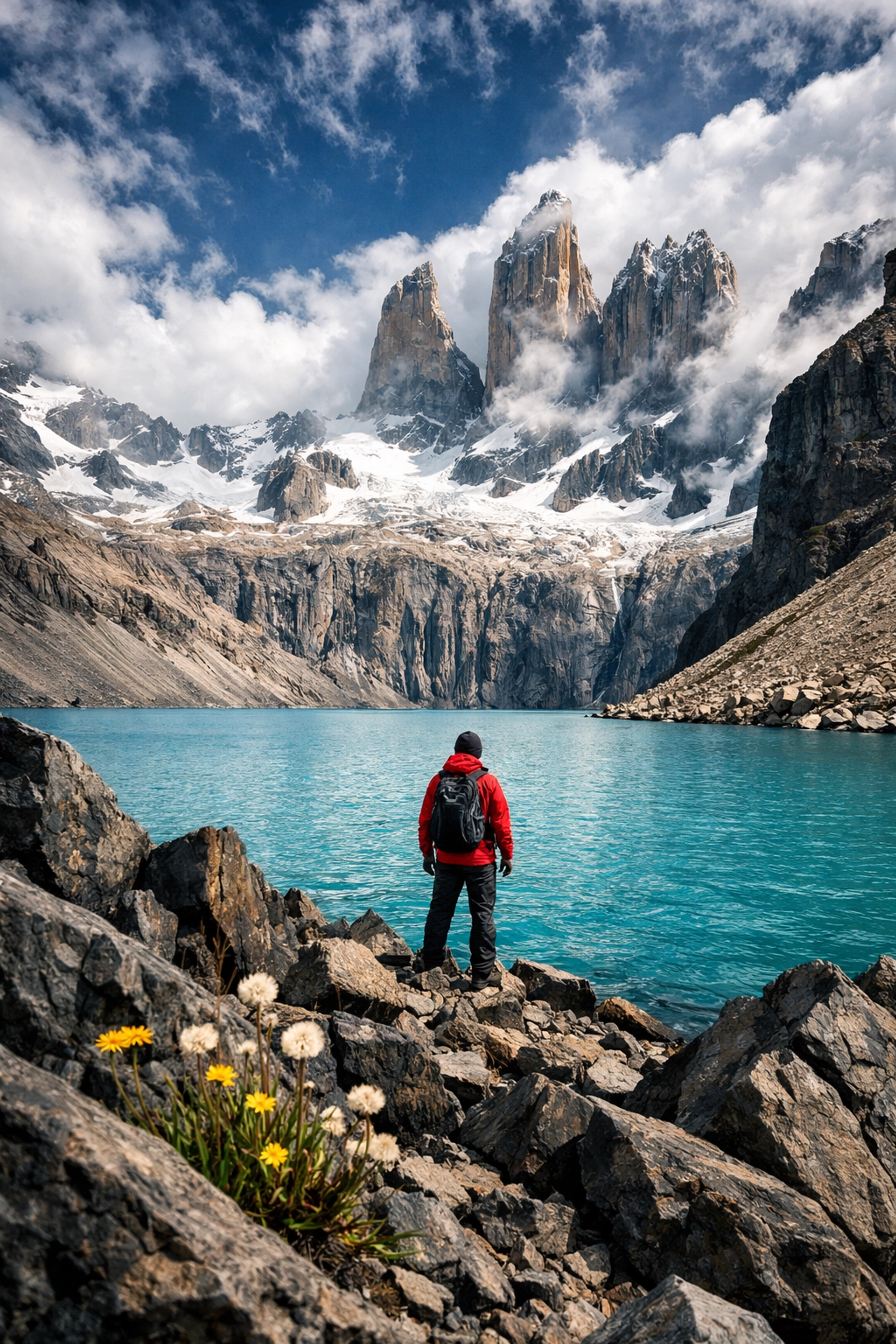
- Foreground is King: Find a rock, a flower, or a stream to lead the viewer's eye into the frame.
- Scale: Place a person in the distance to show just how massive a mountain or waterfall really is.
Planning Your Next Photo Adventure
Success in photography is often a matter of preparation. If you’re planning a dedicated trip, you want the photography booking experience to be seamless. Whether you're comparing destinations like the Dominican Republic vs. Cancun for a tropical shoot or looking for the best breakfast places in Cape Coral to fuel up before a sunrise session, the logistics matter.
How to Evaluate a Location Quickly:
- Light: Where is the sun at 7:00 AM? 6:00 PM?
- Access: Do you need a permit? Is it a 5-minute walk or a 2-hour hike?
- Compositional Variety: Can you get three different types of shots (wide, medium, detail) without moving more than 50 feet?
Final Thoughts: The Journey is the Shot
Finding the best photography locations is a never-ending journey. It’s about keeping your eyes open when everyone else is looking at their phones. It’s about taking the side road, asking locals for advice (they usually know the real hidden gems, like the best restaurants near Deer Park), and not being afraid to fail.
Sometimes you’ll spend all day scouting and come home with nothing. That’s okay. That’s part of the process. The "success" in photography isn't just the final image: it's the story of how you found it.
For more insights into the world of professional photography, from wedding photography insights to technical tutorials, explore our educational category. We’re here to help you navigate this beautiful, ever-changing medium.
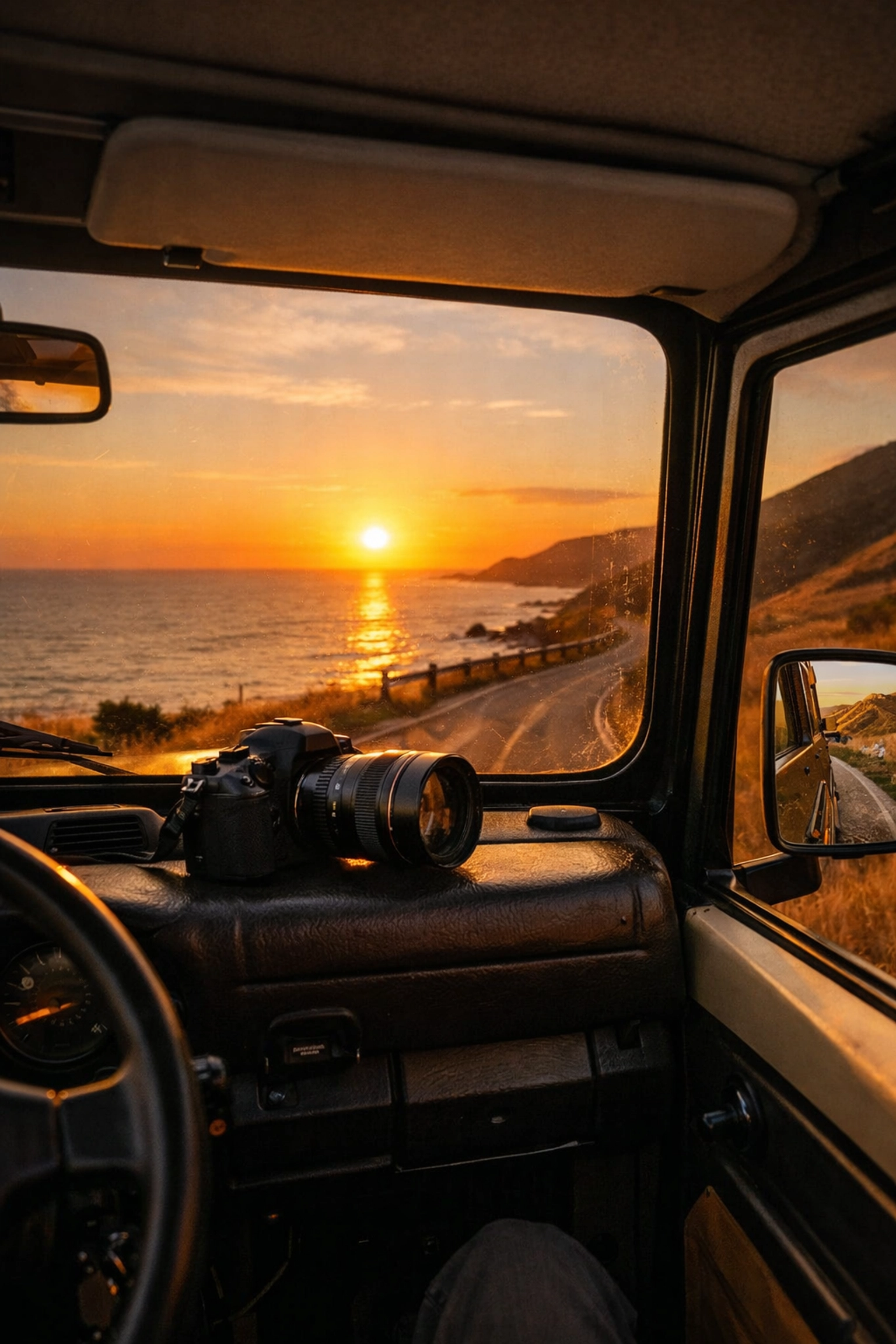
Now, get out there, start scouting, and show us what you find. The world is waiting to be seen through your lens.













