
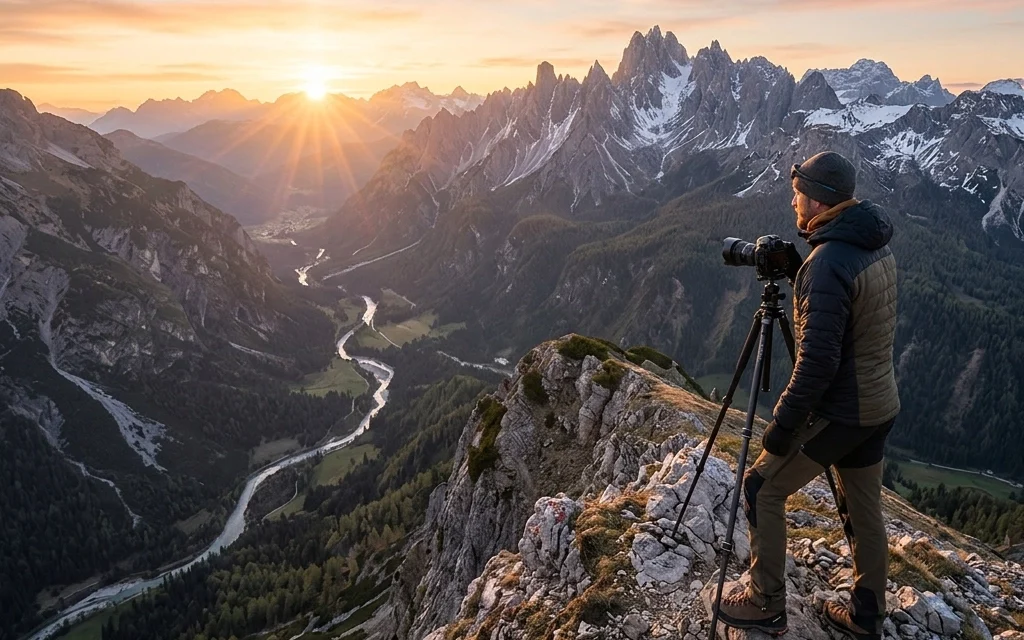
Let’s be real: we’ve all had those days where we pack our gear, charge every battery, and head out with high hopes, only to end up driving around aimlessly because we couldn't find "the spot." Finding the best photography locations isn't just about luck; it’s about a strategy that blends old-school scouting with 2026’s cutting-edge technology.
Whether you’re looking for "photo spots near me" for a quick weekend session or planning a massive expedition to the other side of the world, this guide is designed to help you stop searching and start shooting. At Photoguides, we believe that the right location is the foundation of every great story. Let’s dive into how you can find yours.
The Digital Scouting Toolkit: How to Find Hidden Gems
In 2026, we have more tools than ever to peek around the corner of the globe. You don't have to guess what the light will look like anymore.
Using Community-Driven Maps
Platforms like PhotoHound and LocationScout have become the gold standard for photographers. Unlike a generic travel blog, these sites give you the nitty-gritty details: the exact GPS coordinates, where to park without getting towed, and even the best focal length for the shot.
If you want to see what’s trending or discover how a location looks under different weather conditions, Flickr remains a powerhouse. By browsing geotagged, high-resolution images, you can see how other pros have tackled a scene. It’s a great way to identify "the shot" so you can plan how to do something completely different and more original.
Google Earth: Your Eye in the Sky
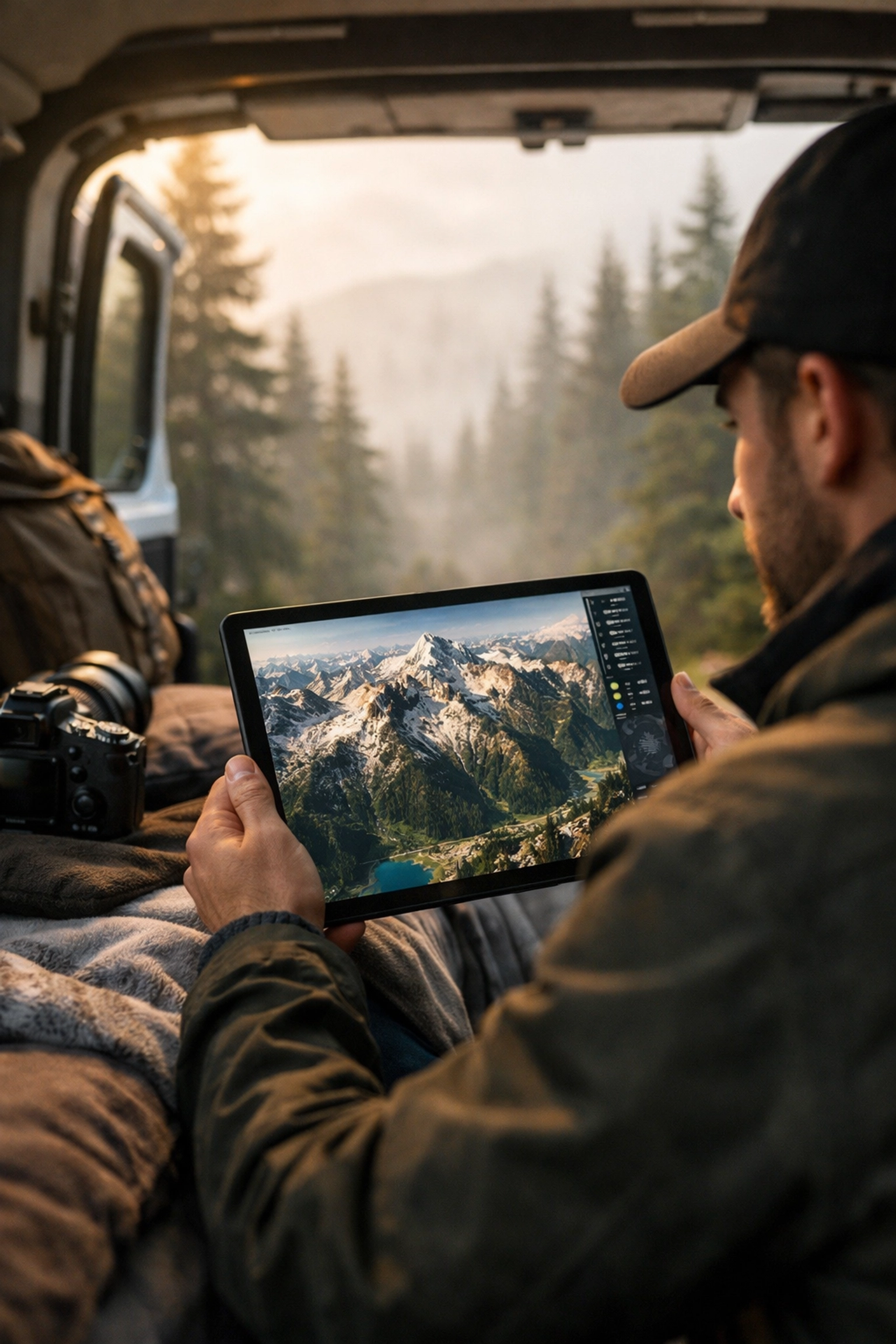
Before I ever buy a plane ticket, I spend hours on Google Earth. The 3D rendering has become so precise that you can virtually walk through trails in Yosemite or the streets of Tokyo. This helps you understand the topography: knowing if a mountain is going to block your sunset is crucial information. For more technical tips on planning these excursions, check out our educational category.
Finding "Photo Spots Near Me" Without the Crowds
You don't always need a passport to take a world-class photo. Some of the best photography locations are hiding in plain sight in your own zip code.
- Atlas Obscura: This is my go-to for the weird, the wonderful, and the abandoned. If you’re looking for a location with character and a backstory, this community-driven map is a goldmine.
- Local History Archives: Sometimes the coolest spots are old ruins or historical landmarks that haven't made it to Instagram yet.
- The "Slow Drive": Take a Saturday, turn off the GPS, and drive down those backroads you usually ignore.
If you're looking for inspiration closer to home, we’ve put together some curated lists, like the best restaurants in downtown Golden or even hidden speakeasies in Miami, which offer incredible interior photography opportunities.
Global Hotspots: Where to Aim Your Lens in 2026
While we love a hidden gem, some places are "classics" for a reason. If you’re planning a trip, these destinations should be at the top of your list:
- Iceland: Even in 2026, the Land of Fire and Ice remains unmatched for raw, cinematic landscapes. From the black sand beaches of Vik to the highlands, it's a playground for long-exposure enthusiasts.
- The American West: Places like Zion, Bryce Canyon, and the Grand Canyon offer scale that is hard to find anywhere else. I’ve spent a lot of time documenting these areas, and you can see some of that work over at Edin Fine Art.
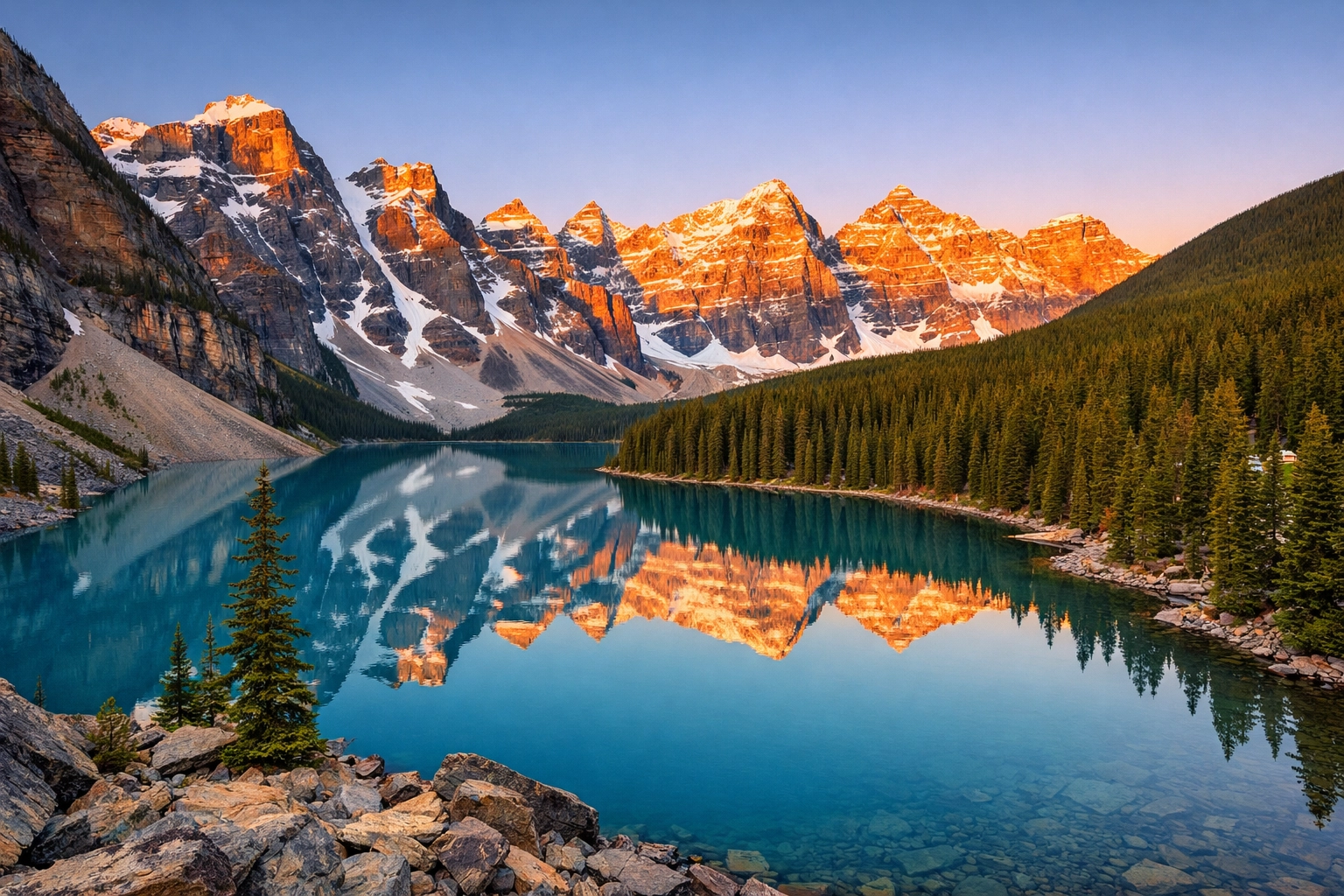
- The Canadian Rockies: Lake Louise and Moraine Lake are iconic, but if you venture further into the backcountry, you'll find glacial lakes that see almost no foot traffic.
Advanced Techniques: Beyond the Tripod
Finding the location is only half the battle. How you capture it is what sets you apart.
Drone Photography
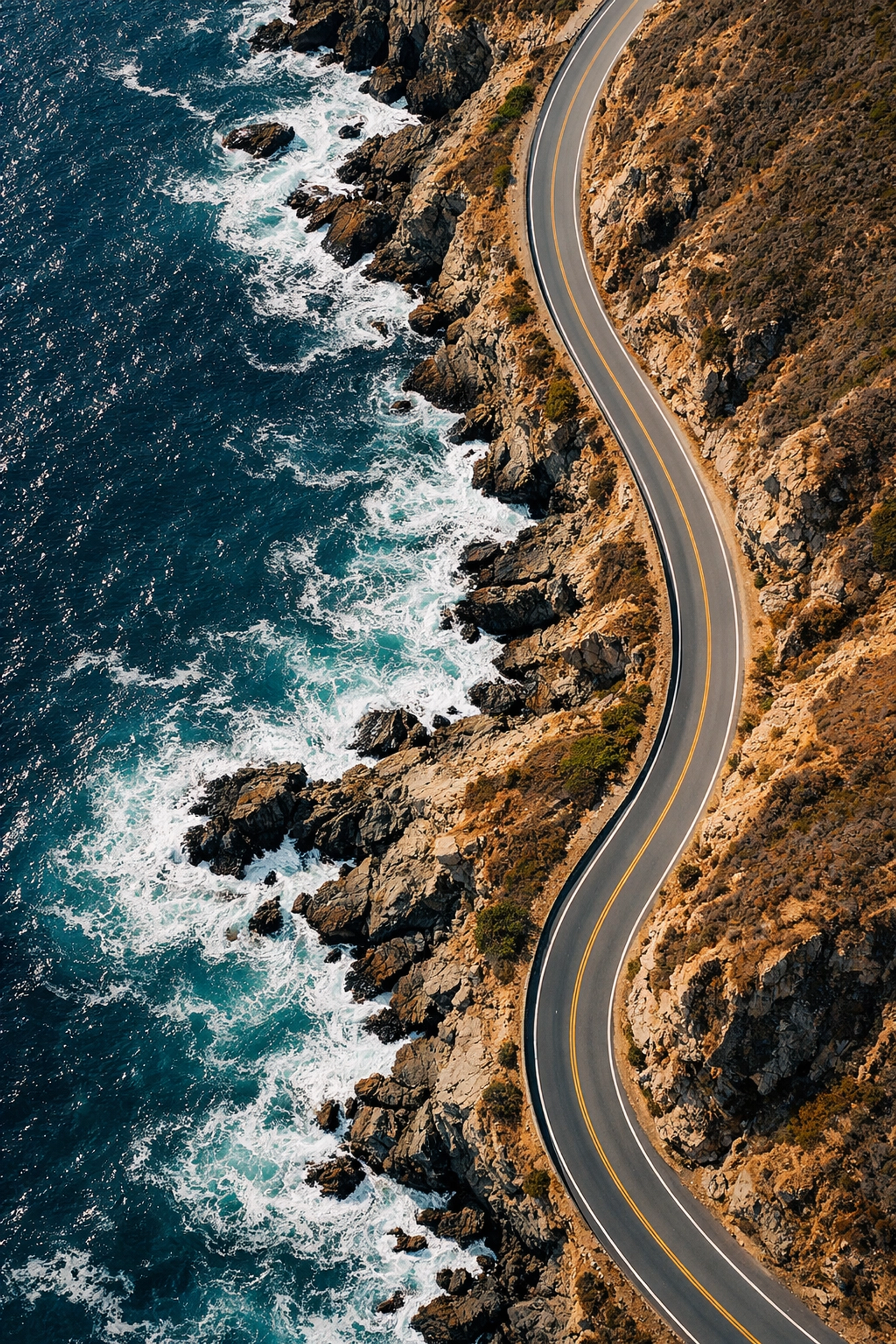
Drones have completely changed the way we look at locations. A spot that looks mundane from the ground can look like a piece of abstract art from 400 feet up. When scouting, look for patterns, leading lines, and top-down textures that only a drone can reveal.
The Power of the iPhone
Don't sleep on mobile photography. The sensors in the latest iPhones are incredible, especially for street photography and quick scouting shots. In fact, many of my favorite shots started as an iPhone "test" shot while I was walking to a location. If you’re looking to level up your mobile game, consider exploring how a module-8 lens adapter can give your phone shots a more cinematic, professional look.
Long Exposure and Light
Timing is everything. Using apps to predict the "Golden Hour" or "Blue Hour" is standard, but in 2026, we are also using AI-driven weather predictors to find the exact moment a storm will break, giving us that dramatic, high-contrast light. For those tricky sky days, you can always enhance your post-processing with high-quality sky overlays.
AI’s Role in Photography: Authentic vs. Generated
We can't talk about photography in 2026 without mentioning AI. While AI can generate a stunning landscape from a text prompt, it cannot replace the experience of being there.
We’re seeing a massive trend toward "Authentic Photography." People want to see the real world: the grit, the true colors, and the actual light. AI should be a tool for planning and enhancing, not a replacement for the soul of a photograph. For more discussions on where the industry is heading, I highly recommend joining the community over at Shut Your Aperture.
AI is fantastic for:
- Predictive Scouting: Visualizing how a specific lens focal length will look at a location before you arrive.
- Denoising: Rescuing shots taken in ultra-low light.
- Organizational Tools: Tagging and sorting thousands of location photos in seconds.
Gear for the Great Outdoors in 2026
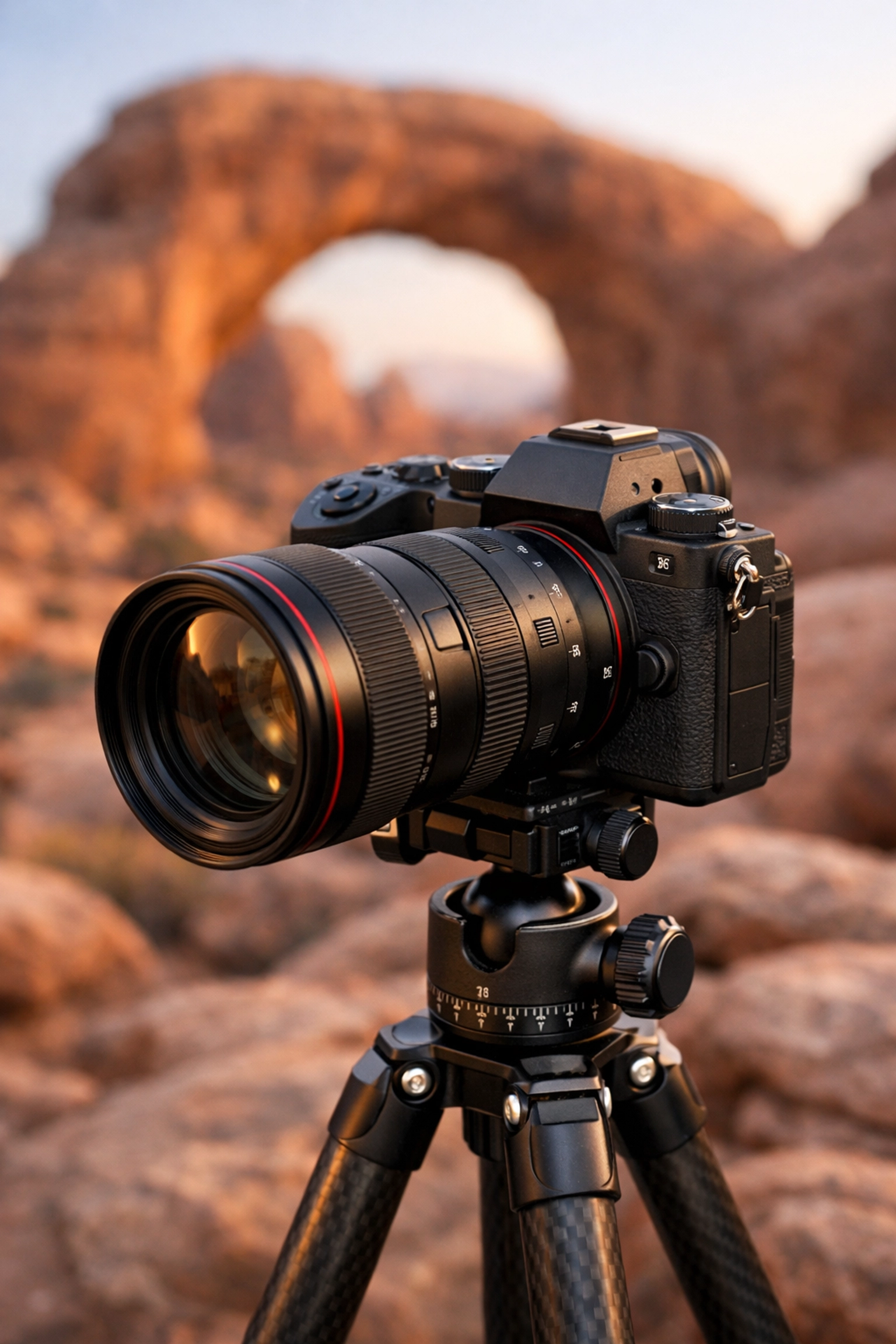
Your gear needs to be as mobile as you are. The days of lugging 50 pounds of equipment are over. We’re seeing a shift toward lightweight, high-performance mirrorless systems and specialized accessories.
If you're gearing up for a big trip, check out our essential photography gear guide. From weather-sealed bodies to the latest in carbon fiber tripods, having the right kit ensures that you’re focused on the view, not your aching back. You can also find deep dives into the latest tech in our camera reviews section.
Planning the Experience
At the end of the day, photography is about the experience. Whether you're shooting a wedding in Atlanta or capturing the aurora in Alaska, the memories of the search are often just as vivid as the final print.
Finding the best photography locations is a mix of digital homework and physical exploration. It requires patience, a bit of bravery to take the path less traveled, and the right tools to capture the moment once you find it.
If you’re looking for more tips, stories, and deep dives into the world of photography, be sure to head over to my personal blog where I share behind-the-scenes looks at my latest projects.
Quick Scouting Checklist:
- Check the weather and light direction (Golden Hour apps).
- Research parking and permit requirements (especially in National Parks).
- Look at recent "tagged" photos on social media to see current conditions (snow melt, foliage, etc.).
- Pack the right gear for the terrain.
- Have a "Plan B" location nearby in case the first one is too crowded or inaccessible.
Photography is a journey. The locations are just the milestones. Get out there, explore, and remember that the best photo you’ll ever take is likely at a location you haven't found yet. Stay curious, and keep shooting.













