Hey there, I’m Edin Chavez. If you’ve been following my work for a while, you know that I live for the "hunt." Not for animals, but for that perfect frame, the one where the light, the composition, and the location all align to tell a story.
Whether you are a seasoned pro or just starting out with your first mirrorless camera, one question always comes up: "Where should I go to get the best shot?" Finding the best photography locations isn't just about looking at a map; it’s about understanding how to see the world differently. In 2026, we have more tools than ever to help us scout, but the soul of a great photograph still comes from your unique perspective.
In this guide, I’m going to walk you through my personal process for finding photo spots near me (and near you), some advanced techniques to level up your game, and how to stay ahead of the curve as AI continues to reshape our industry.
The Digital Scout: Using Technology to Find Hidden Gems
Back in the day, we had to rely on paper maps and word-of-mouth. Today, we have the world in our pockets. But there's a trick to using technology without becoming a slave to the "popular" spots.
1. Beyond the Instagram Algorithm
Instagram is great for inspiration, but it can also lead to "cliché fatigue." If you see a hundred photos of the same swing in Bali, do you really want to be the hundred-and-first? Instead, use Instagram’s "Places" feature to look at the surrounding areas. Look at the tags of local photographers who live in the city you’re visiting. They usually know the hidden gems that tourists miss.
2. Google Earth and Maps (The 3D Advantage)
I spend hours on Google Earth. By using the 3D view, you can simulate the height of a drone or the perspective of a cliffside. Look for "leading lines" like roads, rivers, or fences that could guide a viewer's eye. This is essential for travel photography tips because it allows you to arrive at a destination with a game plan.
3. PhotoPills and Light Tracking
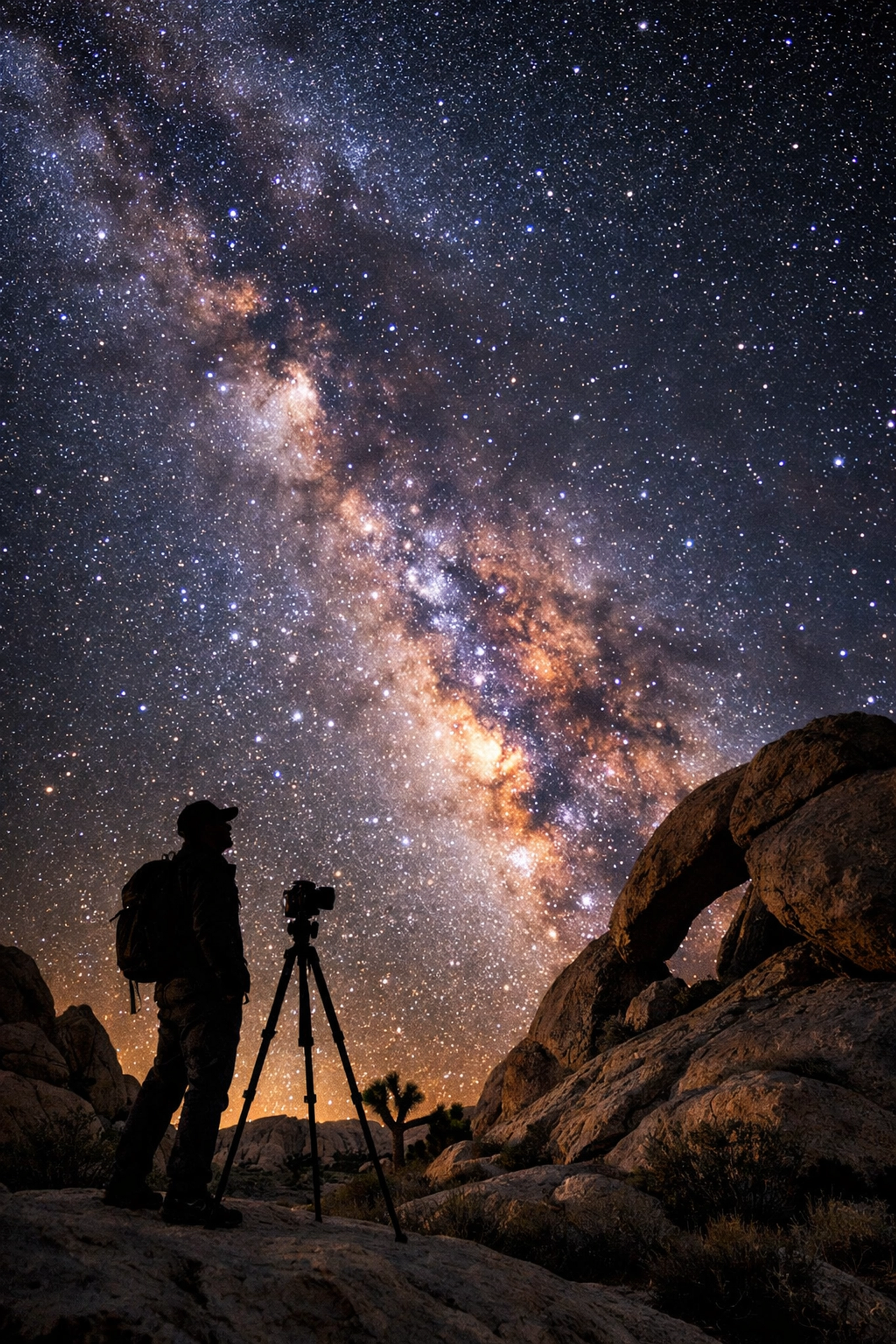
You can find the best location in the world, but if the light is flat, the photo will be, too. I use PhotoPills to track the sun, moon, and Milky Way. Knowing exactly where the sun will set behind a specific building or peak is the difference between a "snapshot" and a "masterpiece."
Case Study: Scouting the San Francisco Bay Area
To give you an idea of how I categorize locations, let’s look at the San Francisco Bay Area, a place I’ve explored extensively. This region is a goldmine for diversity, from urban grit to ancient forests.
- The Urban Icon: Fort Point. Located directly under the Golden Gate Bridge, it offers incredible leading lines. It’s a classic for a reason, but the trick here is to look for framing opportunities through the historic windows.
- The Rugged Coast: Sutro Baths. This is a world-famous spot for a reason. The ruins of the old baths against the Pacific Ocean create a dramatic, atmospheric vibe. For more inspiration on coastal shots and fine art, check out edinfineart.com.
- The Hidden Grove: Roy’s Redwoods Preserve. While everyone heads to Muir Woods, Roy’s offers open fields and redwood groves that are often much quieter, giving you the space to work without a crowd in your shot.
- The High View: Mount Tamalpais. If you want those "above the clouds" shots, this is your spot. Just be prepared for unpredictable weather, sometimes the fog is your best friend, sometimes it's your worst enemy.
If you’re planning a trip to a new city, whether it’s looking for restaurants in downtown Golden or the best breweries in Williamsburg, always look for the local "flavor" that defines the area.
Advanced Techniques for 2026
Finding the location is only half the battle. How you capture it is where the magic happens.
iPhone Photography: The Pro Tool in Your Pocket
In 2026, the gap between mobile and professional cameras has narrowed significantly. I often use my iPhone for scouting and even for final high-end gallery prints. The key is shooting in ProRAW. This gives you the dynamic range needed to recover shadows and highlights. Don't underestimate the power of your phone for quick, spontaneous photo spots near me.
Long Exposure: Making Time Stand Still
Whether it’s the movement of clouds over a mountain peak or the flow of water at a beach, long exposure adds a sense of "zen" to your work. You’ll need a solid tripod and some ND filters. If you’re looking to upgrade your kit, take a look at our essential photography gear guide to see what we’re carrying this year.
Drone Shots: The New Perspective
Drones have become an essential part of my workflow. They allow us to see patterns in nature that are invisible from the ground. When scouting a location, think about how it looks from 200 feet up. Sometimes a boring field becomes a stunning geometric abstract when viewed from above.

AI Photography Trends: Authentic Art vs. Generated Reality
We have to talk about the elephant in the room: AI. By 2026, AI has become deeply integrated into our cameras and editing software.
AI in Scouting
AI tools can now predict weather patterns and light quality with terrifying accuracy. Some apps can even "pre-visualize" what a location will look like under different conditions before you even leave your house. This is a massive time-saver for professional photographers.
Authentic vs. AI Art
There is a growing debate about "Authentic Art." As AI-generated images become indistinguishable from reality, the value of a "real" photograph, one that required you to hike five miles, wait four hours for the light, and press the shutter at the exact moment, is actually increasing.
People want to know there was a human behind the lens. They want the story of the journey. That’s why I always emphasize the "experience" of photography. If you’re booking a shoot, you’re not just paying for pixels; you’re paying for the photography booking experience and the artist's eye.
Gear Guides for 2026: What’s in My Bag?
The gear landscape has changed. We are seeing more AI-assisted autofocus systems that can track a bird's eye through a forest or a car moving at 200 mph.
- Mirrorless Dominance: The DSLR is officially a legacy tool. Today’s mirrorless systems are lighter, faster, and more capable.
- Smart Filters: We’re seeing filters that can communicate with the camera to suggest exposure settings.
- Post-Processing Power: Even the way we edit has changed. If the sky didn't cooperate during your shoot, you can use sky overlays to bring that "wow" factor back into the frame, though I always advocate for getting it right in-camera first.
For those interested in the latest tech, our camera reviews section is constantly updated with the newest releases.
Planning Your Logistics
Finding the best photography locations is great, but getting there and staying there requires a bit of planning.
If you’re traveling for a shoot, look for locations that offer more than just one shot. For example, if you're heading to Florida, don't just stick to the beaches. Explore Miami's hidden speakeasies for some moody interior shots, or find a great breakfast place in Cape Coral to fuel up before a morning of bird photography.
Logistics matter. If you’re a wedding photographer, your needs are different from a landscape artist. You need accessibility and "client-friendly" spots. I’ve shared a lot of these specific wedding photography insights to help you navigate the business side of things.
Final Thoughts: The World is Your Studio
At the end of the day, the "best" location is the one that inspires you. It doesn't have to be a mountain in Patagonia or a skyscraper in Dubai. It could be the way the light hits the brickwork in an alleyway near your house.
Photography is a journey of discovery. Use the tools, check the maps, and study the gear: but once you get to the location, put the phone away for a second. Breathe in the air, look around with your own eyes, and find the story that only you can tell.
If you’re ready to take the next step in your journey, I invite you to explore more of our educational resources. We’re here to help you succeed, one frame at a time.
Stay creative, stay curious, and I'll see you out there.
( Edin Chavez
CEO, Photoguides)