
Category: Photo Guides
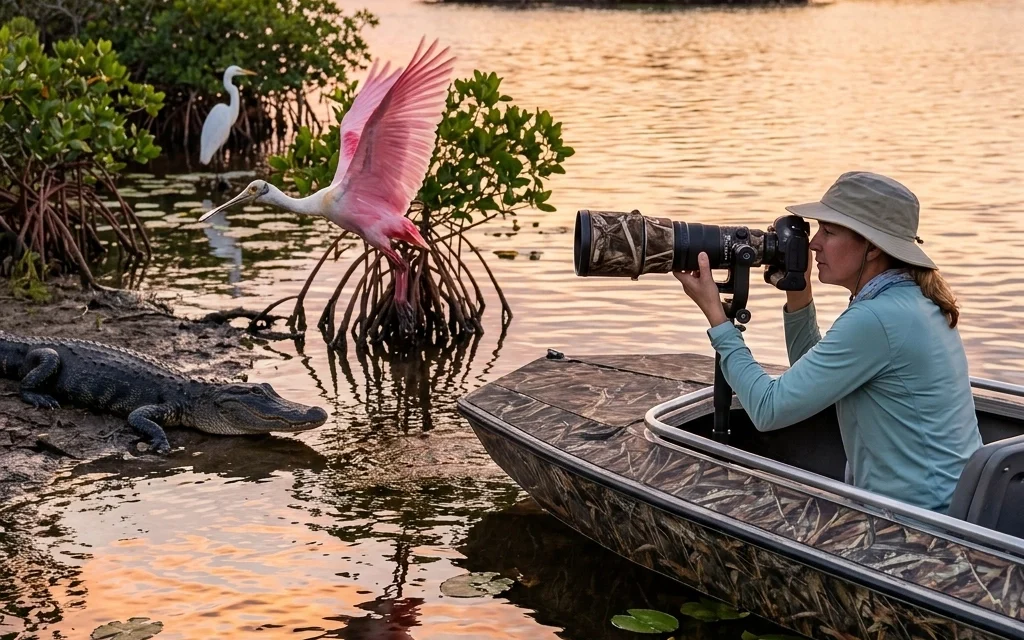
There is something almost prehistoric about Florida’s wild spaces. When you’re standing on a boardwalk in the Everglades at dawn, watching the mist rise off the sawgrass while an alligator silently glides through the dark water, you aren't just taking a picture: you’re witnessing a world that hasn't changed much in thousands of years.
Florida is, hands down, one of the best places in the world for wildlife photography. Whether you are a seasoned pro or someone who just picked up their first mirrorless camera, the state offers a level of access to animals that is hard to find anywhere else. But here’s the thing: Florida is big, the weather can be tricky, and if you don't have a plan, you can spend a lot of time driving and not much time shooting.
That’s why I put this guide together. I want to help you navigate the marshes, the mangroves, and the coastal shorelines so you can come home with the kind of shots you see in National Geographic. And if you really want to skip the learning curve and get straight to the best spots in the most iconic park in the state, you absolutely need to check out our Everglades Photography Guide. It’s the secret sauce to making your trip a success.
Why Florida is a Wildlife Photographer’s Dream
Florida isn't just about theme parks and neon lights. For us, it’s about the 500+ bird species that call this state home or visit during migration. It’s about the rare Florida Panther (if you’re incredibly lucky), the manatees in the crystal-clear springs, and the abundance of reptiles.
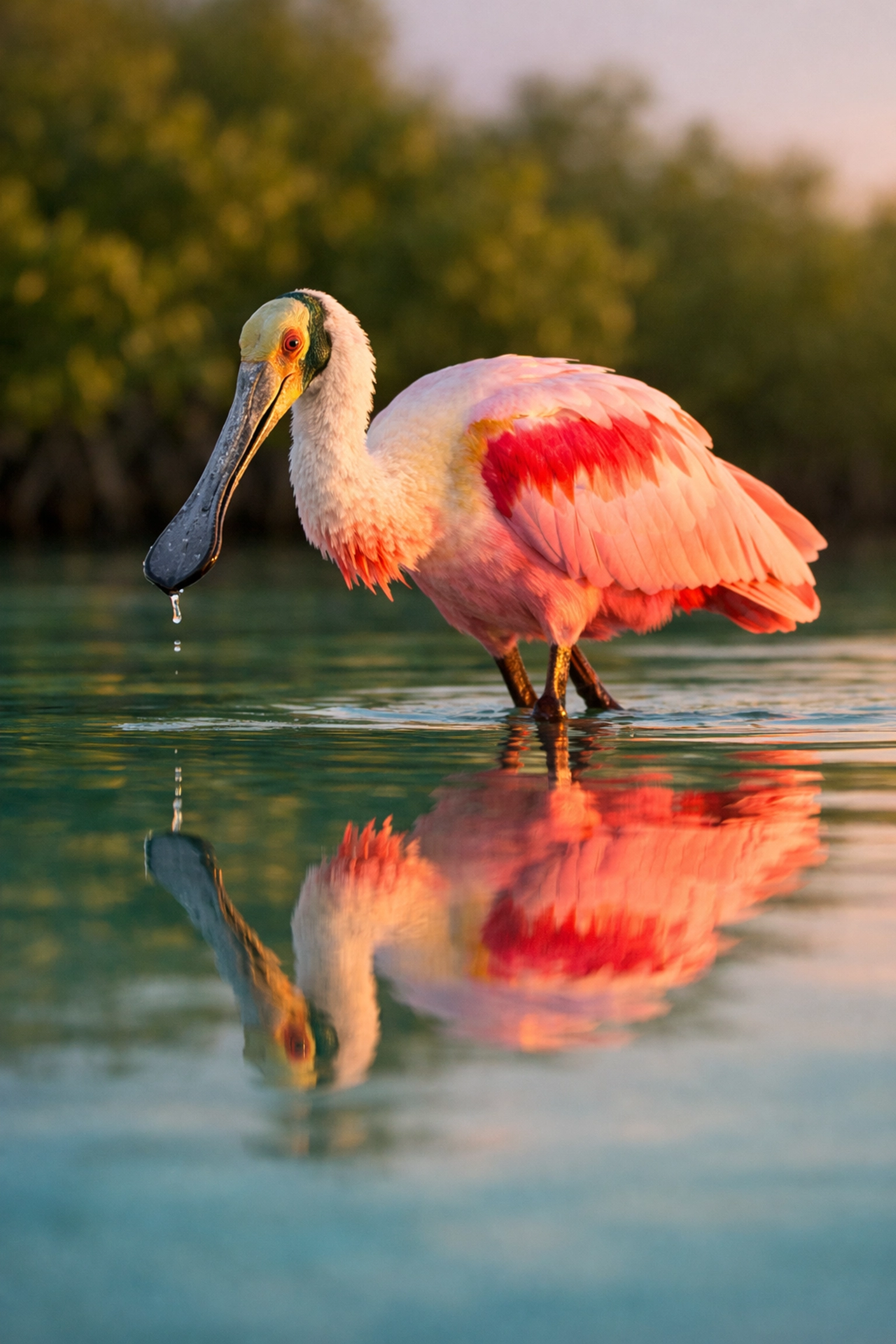
The real magic of Florida, though, is the proximity. Because many of these animals are protected in high-traffic parks, they’ve become somewhat accustomed to humans. This means you can often get full-frame shots of a Great Blue Heron or a Roseate Spoonbill without needing a 600mm lens and a ghillie suit.
Top Locations for Your Florida Photo Tour
While you could throw a dart at a map of Florida and find something to shoot, there are a few "holy grail" locations you should prioritize.
1. Everglades National Park
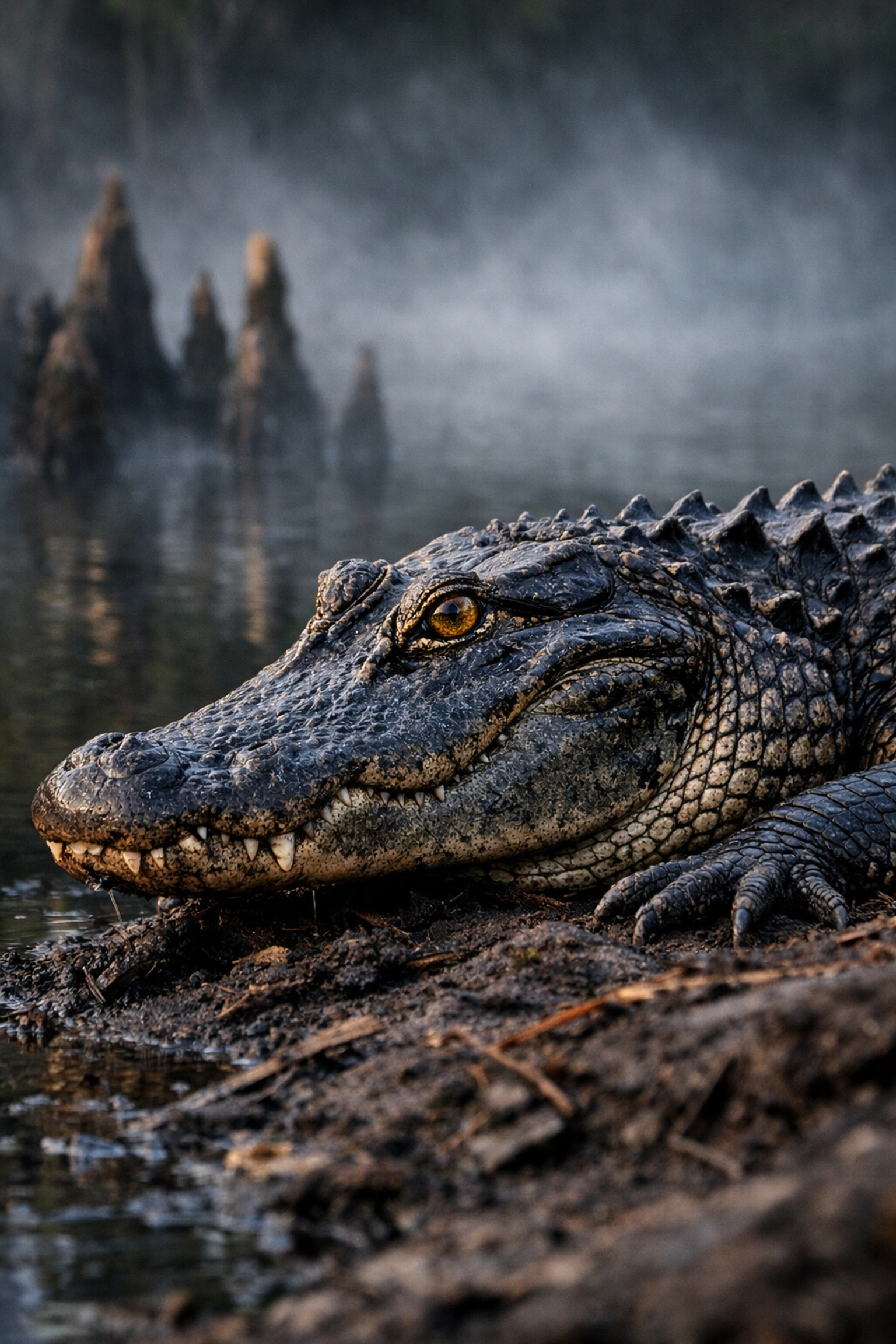
This is the big one. The Everglades is a UNESCO World Heritage site and a sprawling wilderness. If you’re serious about your craft, this is where you start. The Anhinga Trail is legendary for close-ups of alligators and wading birds, while the Main Park Road offers endless opportunities for varied lighting and unique ecosystems.
Because the Everglades is so massive, it can be overwhelming. I always recommend having a roadmap. You can find more tips on my personal blog about my favorite corners of the park. And again, to make sure you don't miss the "hidden" spots, grab the Everglades Photography Guide. It will save you days of scouting.
2. Wakodahatchee Wetlands (Delray Beach)
Don't let the fact that this is a water reclamation project fool you. This place is a bird sanctuary like no other. The elevated boardwalk puts you right at eye level with nesting Wood Storks, Great Egrets, and even the occasional Purple Gallinule. It’s one of the best places for "minimal disturbance" photography.
3. Fort De Soto Park (St. Petersburg)
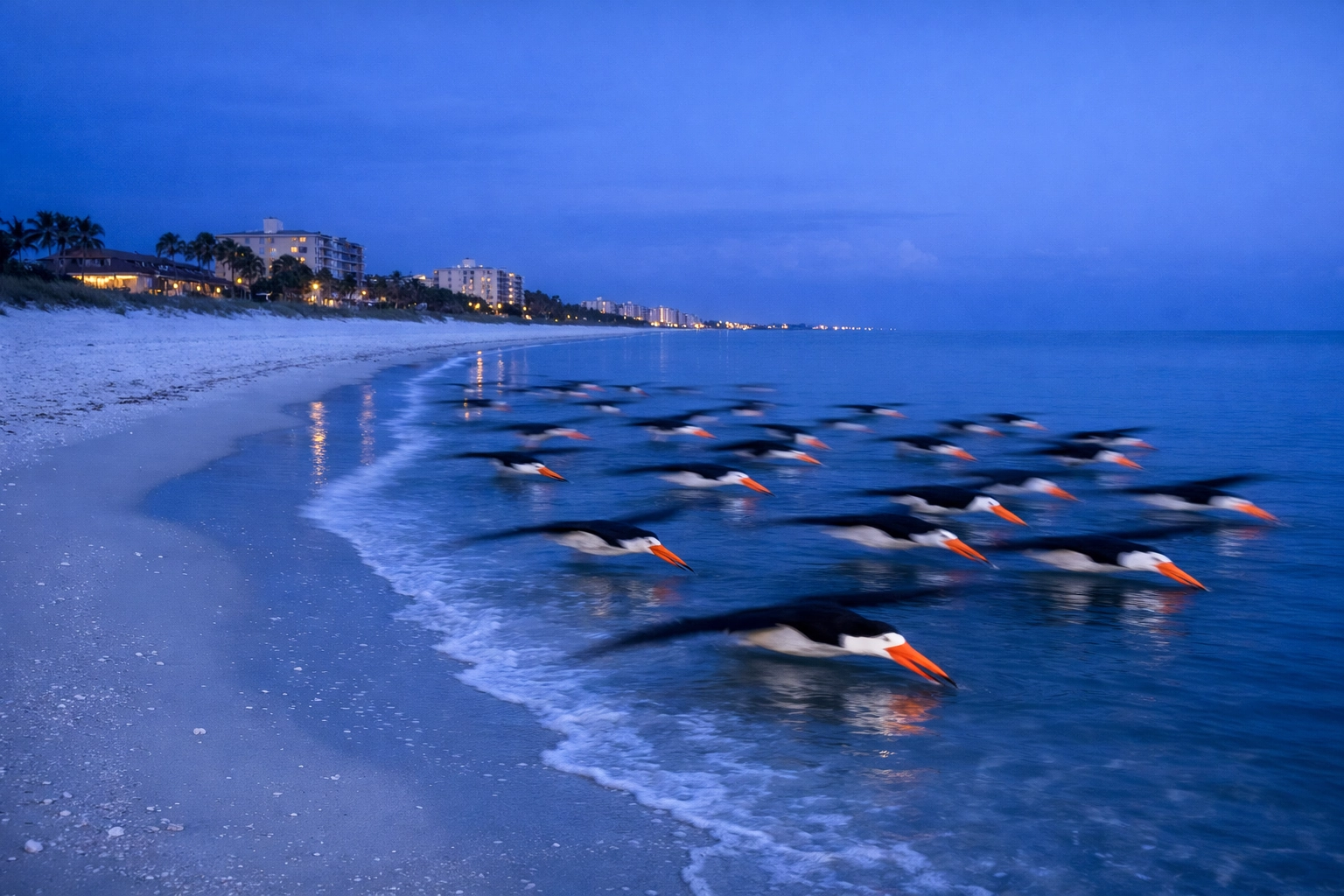
If you love shorebirds and dramatic sunrises, Fort De Soto is your playground. You’ll find Reddish Egrets doing their "canopy dance" in the surf and Black Skimmers gliding over the waves. The lighting here during the golden hour is some of the best in the state.
4. Merritt Island National Wildlife Refuge
Located near Titusville, this refuge features the Black Point Wildlife Drive. It’s perfect for those days when you want to shoot from your car (which often acts as a great blind). It’s a hotspot for Northern Pintails, American Avocets, and Ospreys.
When to Go: Timing is Everything
If you show up in July, you’re going to be hot, sweaty, and eaten alive by mosquitoes. I love Florida year-round, but for wildlife, Winter (December to February) is the undisputed king.
During the dry season, the water levels in the marshes drop. This forces the fish into smaller pools, which creates a "buffet" for the birds and alligators. You’ll see higher concentrations of wildlife than at any other time of year. Plus, the temperatures are mild, and the humidity is manageable.
If you’re looking for nesting behavior and chicks, late winter and early spring (March) are fantastic. This is when the rookeries at places like Corkscrew Swamp Sanctuary or Wakodahatchee really come to life.
Essential Gear for Florida Tours
You don't need to break the bank to get great shots, but there are a few pieces of essential photography gear that will make your life much easier.
- Long Lenses: A lens in the 100-400mm or 200-600mm range is the sweet spot. It gives you the reach for distant raptors but the flexibility for closer wading birds.
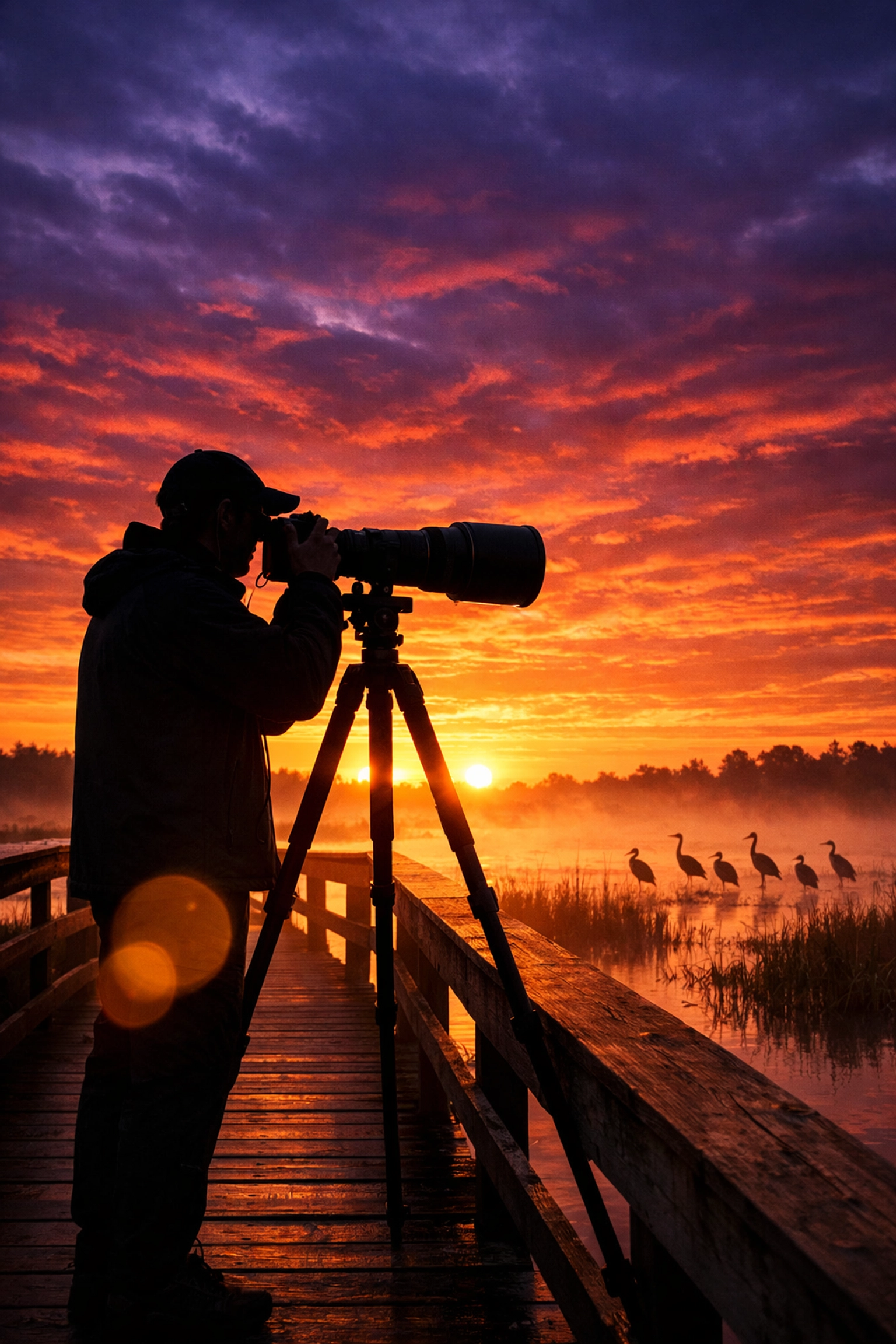
- Tripod or Monopod: If you’re shooting at sunrise or sunset, you’ll need the stability. However, on boardwalks, a monopod is often more practical.
- Circular Polarizer: Great for cutting the glare off the water and seeing the alligators just below the surface.
- Rain Protection: This is Florida. It will rain. A simple rain sleeve for your camera can save your trip.
For more deep dives into specific kits, check out Shut Your Aperture, where we talk gear and community tips all the time.
How to Choose the Right Photo Tour
Not all tours are created equal. Some are just "eco-tours" where you’re on a boat with 30 other people. For a true photography booking experience, you want something tailored to our needs.
- Group Size: Look for tours limited to 4-6 photographers. This ensures you aren't fighting for a tripod spot.
- Expert Guides: Your guide should be a photographer first. They need to understand light, composition, and animal behavior: not just how to drive a boat.
- Patience: A good tour shouldn't be about rushing from spot to spot. It’s about waiting for that perfect moment when the Osprey dives for a fish.
If you're more of a DIY spirit, that's fine too! You can curate your own tour by visiting several locations over a week. Just make sure you do your research first.
Ethics and Safety in the Field
We’re guests in these animals' homes. It’s easy to get caught up in the excitement of a shot, but ethics always come first.
- Give Space: If an animal stops what it’s doing to look at you, you’re too close. Back off.
- No Baiting: Never feed the wildlife. It’s illegal in Florida and dangerous for the animals.
- Stay on the Path: In places like the Everglades, staying on the boardwalks and designated trails isn't just for your safety (alligators are fast!), it’s to protect the delicate ecosystem.
Speaking of alligators, they are generally peaceful if left alone, but always maintain a respectful distance. If you want to see how I've captured these creatures over the years, take a look at some of my work on Edin Fine Art.
Making the Most of Your Trip
Florida wildlife photography is about more than just the "big" shots. It’s about the textures of the cypress bark, the symmetry of a palm frond, and the way the light hits the water at dusk.
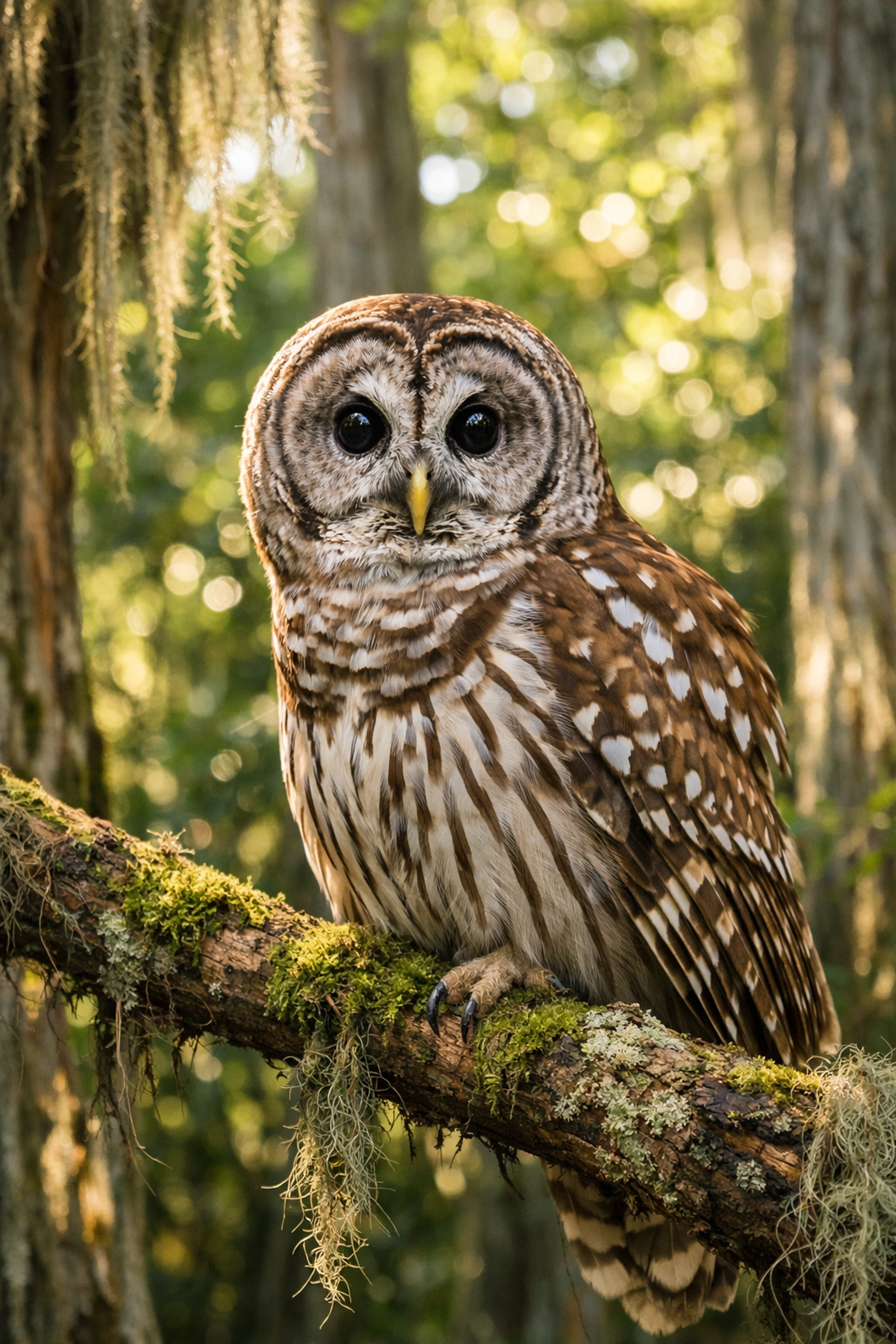
Don't spend the whole time looking through the viewfinder. Take a second to breathe in the salt air and listen to the call of a Barred Owl. Those are the moments that make the trip memorable.
If you’re planning your itinerary and want to make sure the Everglades is the highlight of your tour, I can’t stress enough how much the Everglades Photography Guide will help. It’s packed with the exact GPS coordinates and time-of-day tips that I’ve gathered over years of shooting in the swamp. It’s designed to get you the shots you’ve always wanted without the frustration of getting lost or arriving at a spot when the light is terrible.
Conclusion
Florida is a wild, beautiful, and sometimes chaotic place to photograph. But with the right preparation, the right gear, and a bit of patience, you’ll walk away with a portfolio that you’ll be proud of for years.
Whether you’re joining a professional tour or heading out on a solo adventure, remember to enjoy the process. Photography is about the story, and Florida has plenty of stories to tell. Now, grab your gear, check your settings, and I’ll see you out in the marshes!













