Welcome back to Day 3 of our 14-day Tokyo culinary marathon! If you missed our previous stops, don’t worry, your stomach will have plenty of time to catch up. I’m Penny, your guide from the Photoguides team, and today we are stepping away from the neon-soaked chaos of Akihabara and the street-style vibes of Harajuku.
We are heading to Ginza.
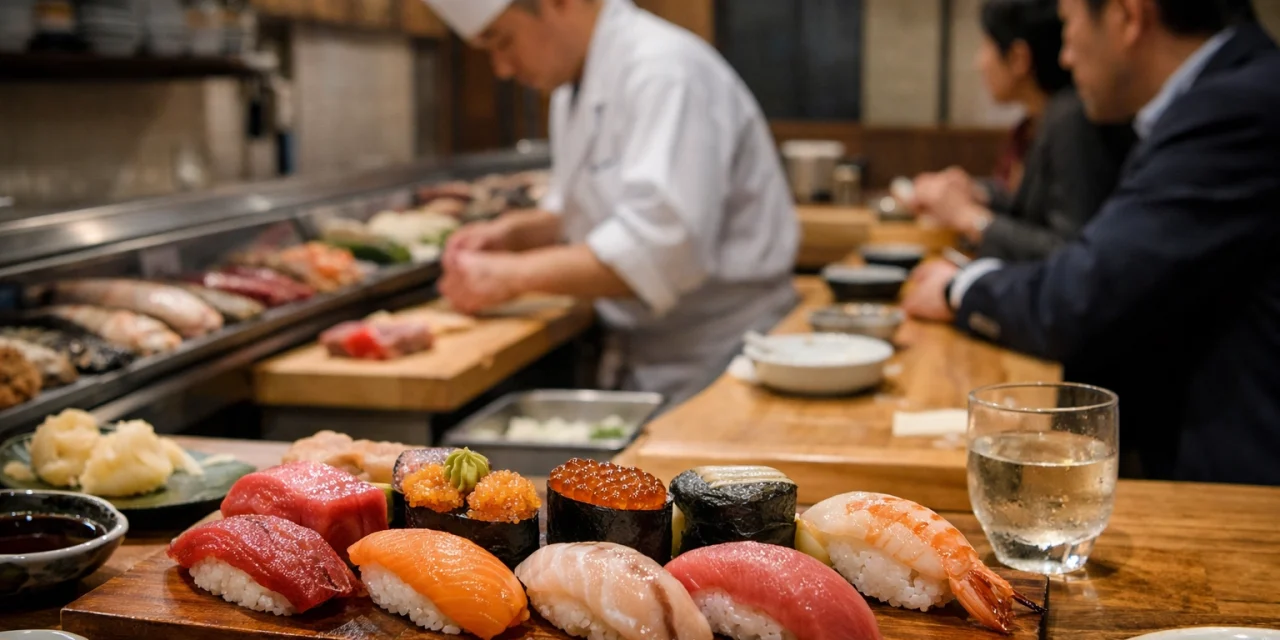
If Tokyo were a wardrobe, Ginza would be the custom-tailored, three-piece Italian suit hidden in the back. It’s sleek, it’s expensive, and it’s where you find the absolute pinnacle of Japanese sushi. We’re talking about "Edomae" style, a tradition that turns a simple piece of fish and rice into a spiritual experience. But let’s be real: walking into a high-end Ginza sushi den can be more intimidating than your first time shooting manual mode on a DSLR.
Don't panic. Whether you’re a seasoned traveler or a first-timer, this guide is here to ensure you walk in with confidence and leave with a very happy (albeit slightly lighter) wallet. And hey, if you want the pros to handle the logistics for you, I highly recommend booking a curated food tour through Viator right here. It takes the guesswork out of the "where" and "how," leaving you more time to enjoy the "yum."
The Edomae Philosophy: More Than Just Raw Fish
Before we dive into the restaurant list, we need to talk about what makes Ginza sushi special. You won't find spicy mayo or tempura flakes here. This is Edomae sushi. Historically, "Edo" was the old name for Tokyo, and "mae" means "in front of." It refers to fish caught right in Tokyo Bay. Back in the day (long before refrigeration), chefs had to get creative with curing, marinating, and simmering to keep the fish fresh.
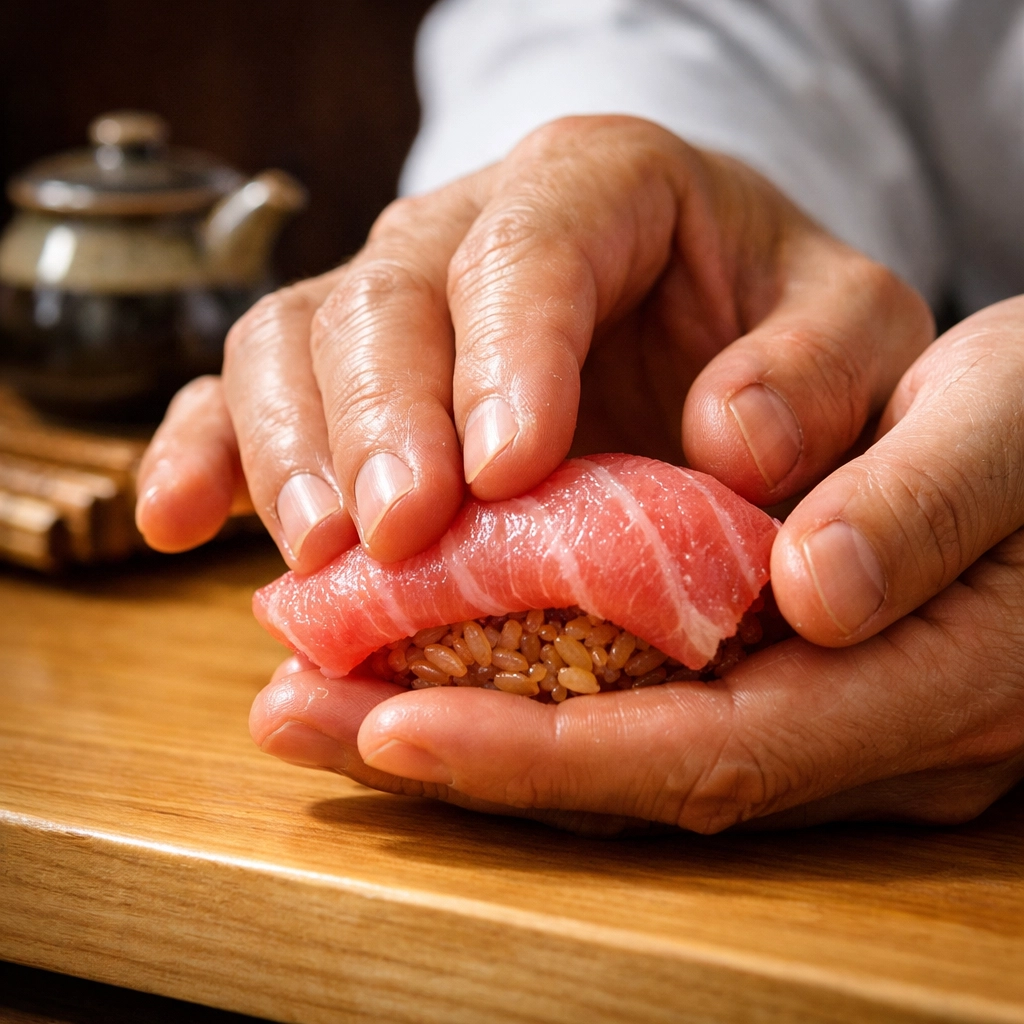
Today, that tradition lives on through meticulous preparation. The rice (shari) is often seasoned with a punchy red vinegar, and the fish is aged to bring out its maximum umami. It’s a science, an art, and a delicious history lesson all in one bite.
The Heavy Hitters: Where to Drop Your Yen
Ginza boasts over 300 sushi bars, ranging from "I can afford this once a year" to "I might need to sell my car." Here are the spots that are currently defining the Ginza scene.
1. Sushi Fujioka: The Seasonal Soul
If you want a masterclass in timing and temperature, Sushi Fujioka is the place. Located just a stone's throw from Ginza Station, this spot holds a legendary 5.0 rating for a reason. Their Omakase (chef’s choice) course is designed around eight seasonal phases. This means the sushi you eat in March will be fundamentally different from what you’d eat in September.
The chef pays obsessive attention to the fat content and thickness of each slice, ensuring it melts the moment it hits your tongue. It’s the kind of experience that makes you realize you’ve been eating "sushi-flavored snacks" your whole life.
2. Ginza Susidokoro Magurosomasuisan: The Tuna Titan
For the tuna lovers out there (and let’s be honest, that’s all of us), this is your Mecca. This establishment is backed by over 60 years of heritage as a tuna wholesaler at the world-famous Toyosu market. They know their Bluefin.
What makes Magurosomasuisan unique is their final 30 minutes. After an incredible structured course, they often offer an all-you-can-eat session of Edomae sushi to finish. It’s luxury meets gluttony in the best way possible. If you're documenting your trip, this is a great place to check out our essential photography gear guide to make sure you capture those deep red tuna hues perfectly.
3. The Michelin Royalty: Kanesaka & Sushiko
If you want the "I’ve made it" experience, you look for the stars. Sushi Kanesaka (2 Michelin stars) is world-renowned for its impeccable service and authentic atmosphere. It’s traditional, it’s quiet, and the sake pairings are divine.
Meanwhile, Ginza Sushiko (1 Michelin star) maintains a level of dignity and philosophy that is rare even in Tokyo. Each piece is a reflection of the chef's life's work. It’s not just dinner; it’s a performance.
Ginza on a Budget? (Well, Sort Of)
I know what you're thinking. "Penny, my bank account is screaming." While Ginza is known for $300 dinners, there are ways to experience the magic without the heartbreak.
- Sushi Yamaken Higashi Ginza: This is a fantastic entry point. They offer lunch sets for around 5,000 yen (about $35 USD) and dinner for 10,000–20,000 yen. The quality is still miles above anything you'll find back home.
- Sushi Murayama Annex: This spot offers a contemporary interior and a slightly more relaxed vibe. The appetizers are creative, and the omakase is priced reasonably for the high-end district.
If you’re looking for more travel tips on how to maximize your experiences while keeping an eye on the budget, check out our guide on cheap weekend getaways for some inspiration.
Sushi Etiquette: How Not to Be "That" Tourist
Sitting at a Ginza sushi counter is like being in a library where the books are edible and the librarian has a very sharp knife. Here’s how to stay in the chef's good graces:
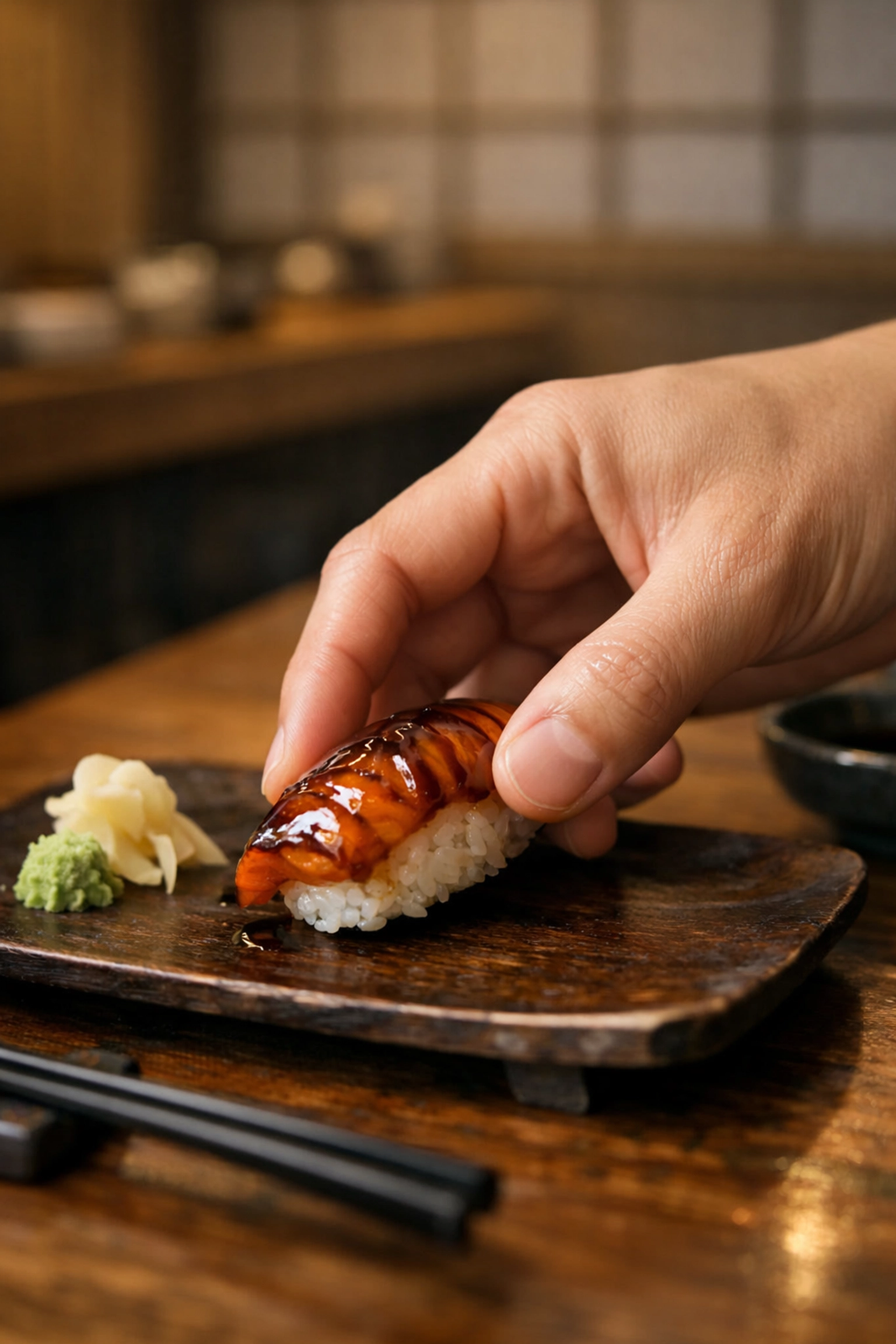
- Eat it immediately: When the chef places a piece of sushi on your plate, it is at the perfect temperature. Don't let it sit there while you check your emails. Eat it within ten seconds.
- Use your hands or chopsticks: Both are perfectly acceptable for nigiri. Just don't drop it!
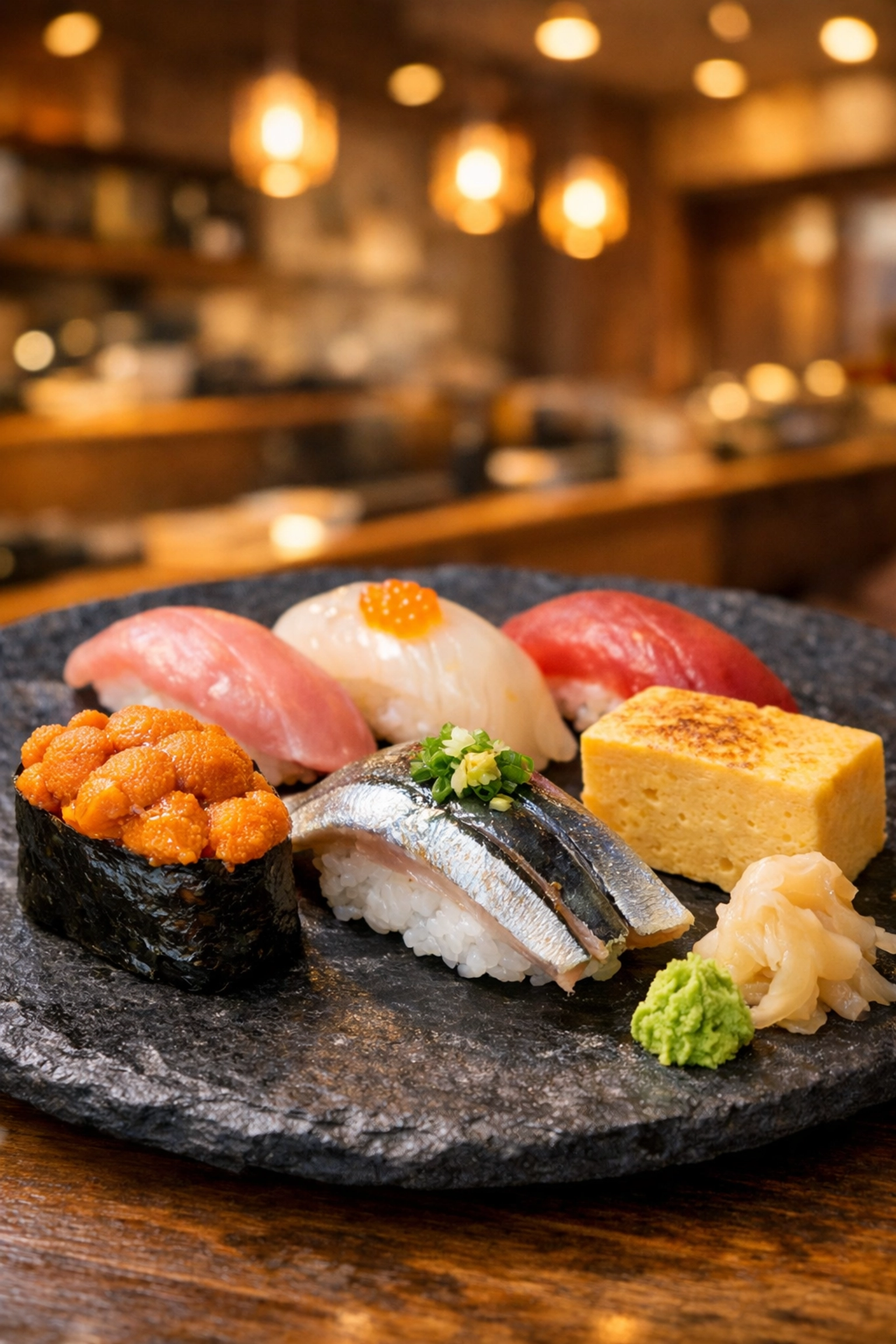
- No extra soy sauce: In Ginza, the chef usually brushes the fish with nikiri (a soy-based glaze) before serving. Adding more is like putting ketchup on a dry-aged steak. Just… don't.
- The ginger is a palate cleanser: Eat the pickled ginger between different types of fish, not as a topping.
- Be mindful of perfume: High-end sushi is a sensory experience that relies heavily on smell. Strong cologne or perfume can mask the delicate aroma of the fish and rice.
A Photographer's Note: Capturing the Art
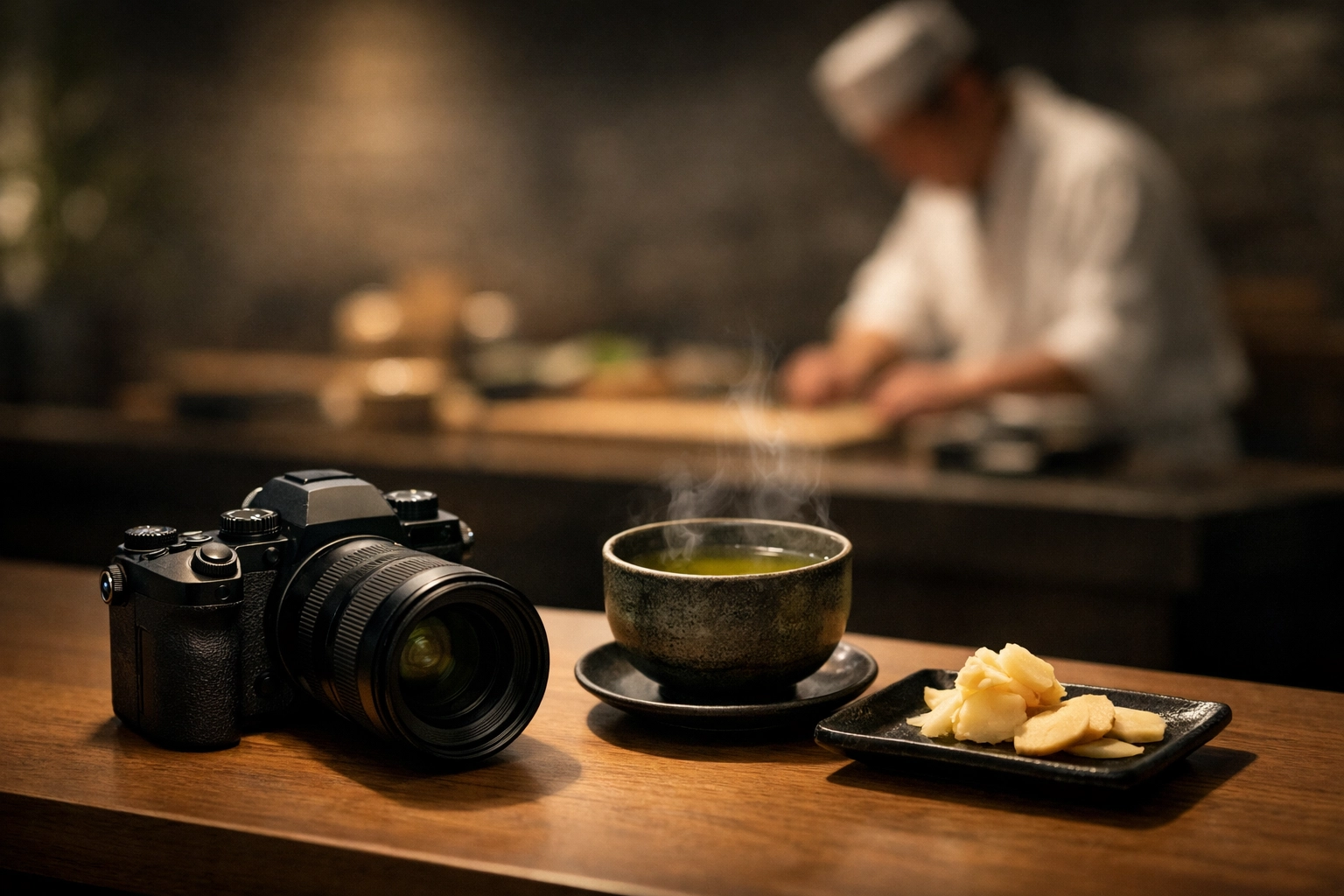
As part of the Photoguides family, I have to mention the "camera in the room." Most Ginza chefs are proud of their work and don't mind a quick photo, but always ask first. Use a silent shutter if your camera has one: the "clack-clack-clack" of a mirror moving can be disruptive in these intimate spaces.
If you're looking to upgrade your kit before your big Japan trip, take a peek at our camera reviews for 2024. You’ll want something that performs well in the low, moody lighting typical of these high-end dens. For more professional photography insights, you can also visit Edin Chavez’s personal blog or see his incredible gallery work at Edin Fine Art.
Making the Reservation
The hardest part of Ginza sushi isn't the etiquette: it's getting a seat. Many of these restaurants only have 8 to 10 seats and book up months in advance.
If you’re feeling overwhelmed by the reservation systems or the language barrier, let the experts handle it. Viator offers incredible guided food tours in Tokyo that can get you into high-quality spots with an English-speaking guide to explain every bite. It’s truly the most reassuring way to dive into the deep end of Japanese cuisine. For more on how to secure the best travel moments, read our take on the photography booking experience.
Closing Thoughts
Ginza sushi is more than just a meal; it’s a memory. It’s the quiet concentration of the chef, the scent of fresh cedar and vinegar, and that specific moment when a piece of fatty tuna makes the rest of the world disappear. It’s worth every penny and every minute spent on a waiting list.
Stay tuned for Day 4, where we’re trading the white tablecloths for the neon-lit street stalls of Harajuku. Until then, keep your lenses clean and your appetite ready!
Want more travel and photography tips? Explore our educational category or check out our latest reviews to stay ahead of the curve.