
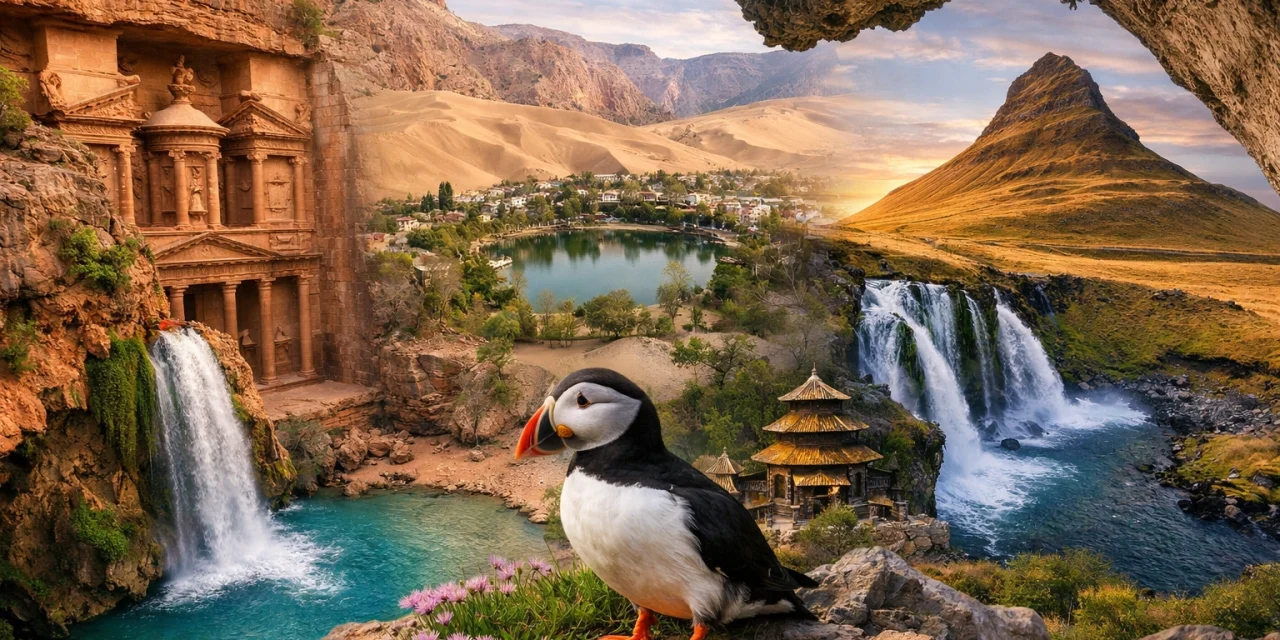
In 2026, it feels like every corner of the world has been mapped, tagged, and uploaded to a cloud. With AI-generated landscapes becoming indistinguishable from reality, the value of a "real" photograph: one taken with your own two hands while feeling the wind on your face: has never been higher. At Photoguides, we believe that the soul of photography lies in the journey. It’s about finding those places that haven’t been over-filtered into oblivion.
Whether you are scouting for the best photography locations for your next professional portfolio or just looking for "photo spots near me" while traveling abroad, this guide is for you. We’ve curated 15 hidden gems across the globe that offer more than just a pretty picture; they offer a story.
Why Authenticity is the New Luxury in 2026
Before we dive into the locations, let’s talk about the elephant in the room: AI. By now, we’ve all seen AI-generated art that looks spectacular. But there is a growing movement toward "Authentic Art." Collectors and enthusiasts are increasingly seeking out images that represent a specific moment in time.
Using advanced techniques like long exposure or drone shots isn't just about the tech anymore; it's about capturing a physical reality that an algorithm can't replicate. When you visit these hidden gems, you aren’t just taking a photo; you’re documenting a vanishing sense of discovery. For more on this, you can check out Edin Chavez’s Fine Art to see how professional prints maintain their value in a digital world.
1. Stairway to Nothingness, Austria
Deep in the Austrian Alps, the Dachstein Glacier holds a secret. The "Stairway to Nothingness" is a 14-step glass platform that hangs over a 400-meter drop. It’s dramatic, it’s terrifying, and it’s one of the best-kept photography secrets in Europe.
Pro Tip: Use a wide-angle lens to capture both the glass stairs and the vastness of the snow-capped peaks. If you're shooting on an iPhone, use the 0.5x lens but watch for edge distortion.
2. Salar de Uyuni, Bolivia
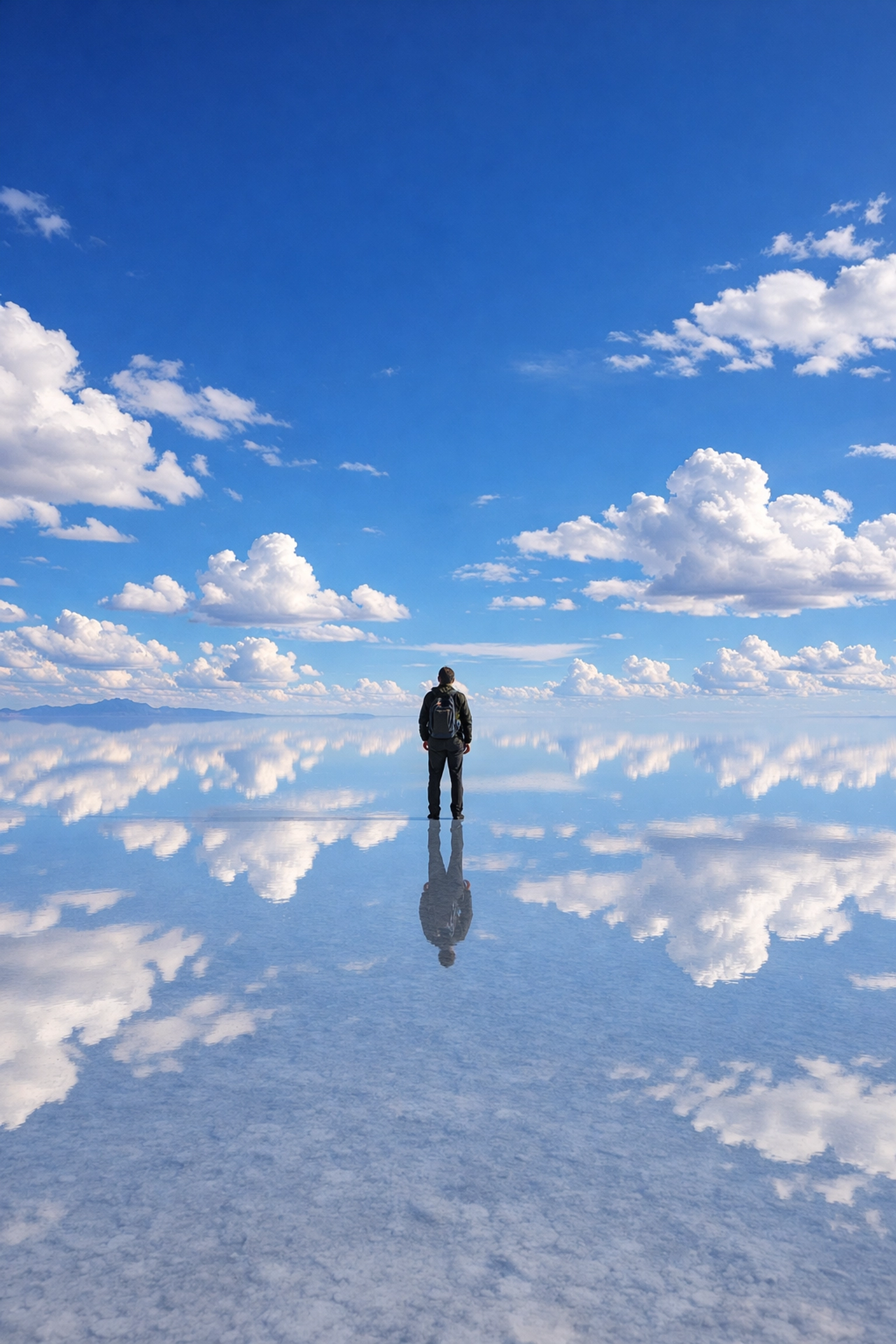
The world’s largest salt flat is so flat and reflective that NASA uses it to calibrate satellites. While it’s becoming more popular, its remote location keeps it from being overcrowded. When a thin layer of water covers the salt, it creates a perfect mirror of the sky.
3. Valensole Plateau, France
Everyone knows about the lavender fields, but most tourists hit the same three spots. To find the real gems, you need to head deeper into the Valensole Plateau around 6 p.m. The light hits the purple rows at an angle that creates incredible depth and shadow. For those interested in the gear needed for these colors, our essential photography gear guide covers the best filters for high-contrast landscapes.
4. Dead Vlei, Namibia
Inside Namib-Naukluft National Park, you’ll find a white clay pan punctuated by 900-year-old dead camel thorn trees. The contrast between the blackened trees, the white ground, and the towering orange dunes is a minimalist photographer’s dream. It looks like a painting, but we promise, it’s real.
5. Lake Tekapo, New Zealand
New Zealand is a staple for travel photography tips, but Lake Tekapo is special because it is part of a dark sky reserve. The Church of the Good Shepherd offers a perfect foreground for Milky Way shots.
2026 Trend: Low-light sensors in the latest mirrorless cameras have made it possible to capture the aurora australis here with minimal noise. If you're looking for community feedback on the latest low-light bodies, visit Shut Your Aperture.
6. Meteora, Greece
Imagine ancient monasteries perched on giant sandstone spires. Meteora translates to "suspended in the air," and that’s exactly how your photos will look. Sunrise is the best time here, as the mist often settles in the valleys between the rocks, giving the monasteries a floating appearance.
7. Lofoten Islands, Norway
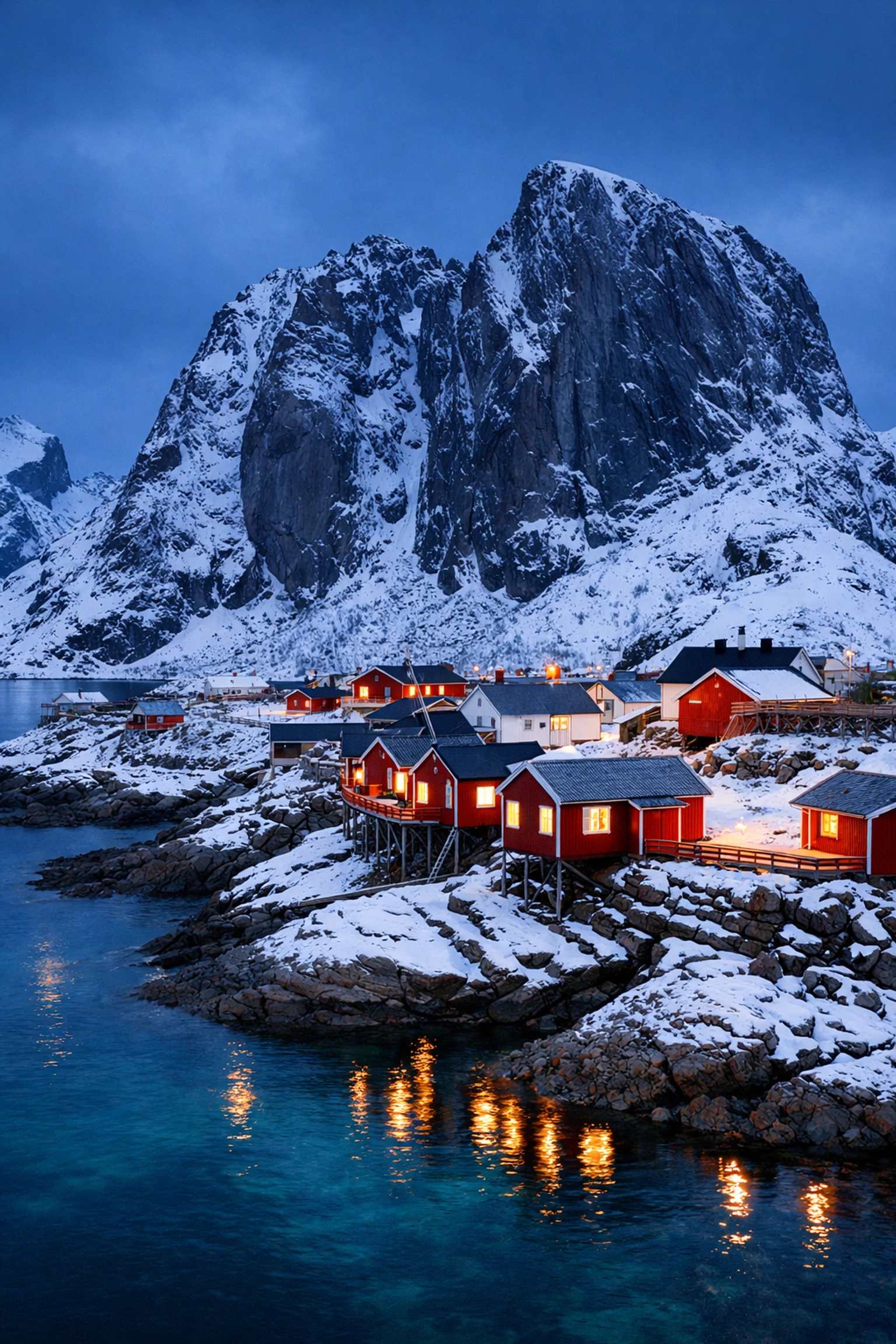
While most people head to Iceland for the Northern Lights, the Lofoten Islands offer a more dramatic landscape with red fishing huts (rorbuer) and sharp mountain peaks. Between September and March, the light here is ethereal.
8. Southern Utah, USA
From Zion to the slot canyons near Page, Arizona, Southern Utah is a masterclass in texture and color. While places like Horseshoe Bend are crowded, exploring the lesser-known BLM (Bureau of Land Management) lands will reveal hidden arches and "hoodoos" that few people ever see. For deep dives into American landscapes, Edin’s Blog has some incredible location scouts.
9. The Algarve, Portugal
Often overlooked in favor of the Mediterranean, the Algarve features golden limestone cliffs and hidden sea caves. The Benagil Cave is the star here, but a drone shot of the rugged coastline will give you perspectives that traditional cameras simply can’t reach.
10. Pamukkale, Turkey
Known as the "Cotton Castle," these white travertine terraces filled with mineral-rich thermal waters are unlike anything else on Earth. While the main pools can get busy, if you hike slightly off the main path toward the ruins of Hierapolis, you’ll find quiet corners with pristine reflections.
11. Tasmania, Australia
Tasmania is the wild child of Australia. It features rugged coastlines, "five-star" waterfalls, and unique flora. It’s a great place to practice long-exposure photography on the moving water of the Russell Falls.
12. Nihon-daira, Japan
Everyone wants a photo of Mt. Fuji, but skip the crowded lakes and head to Nihon-daira. It offers a stunning plateau view of Fuji with the port of Shimizu and the tea plantations below. It’s a multi-layered shot that captures the essence of Japan.
13. Mpumalanga, South Africa
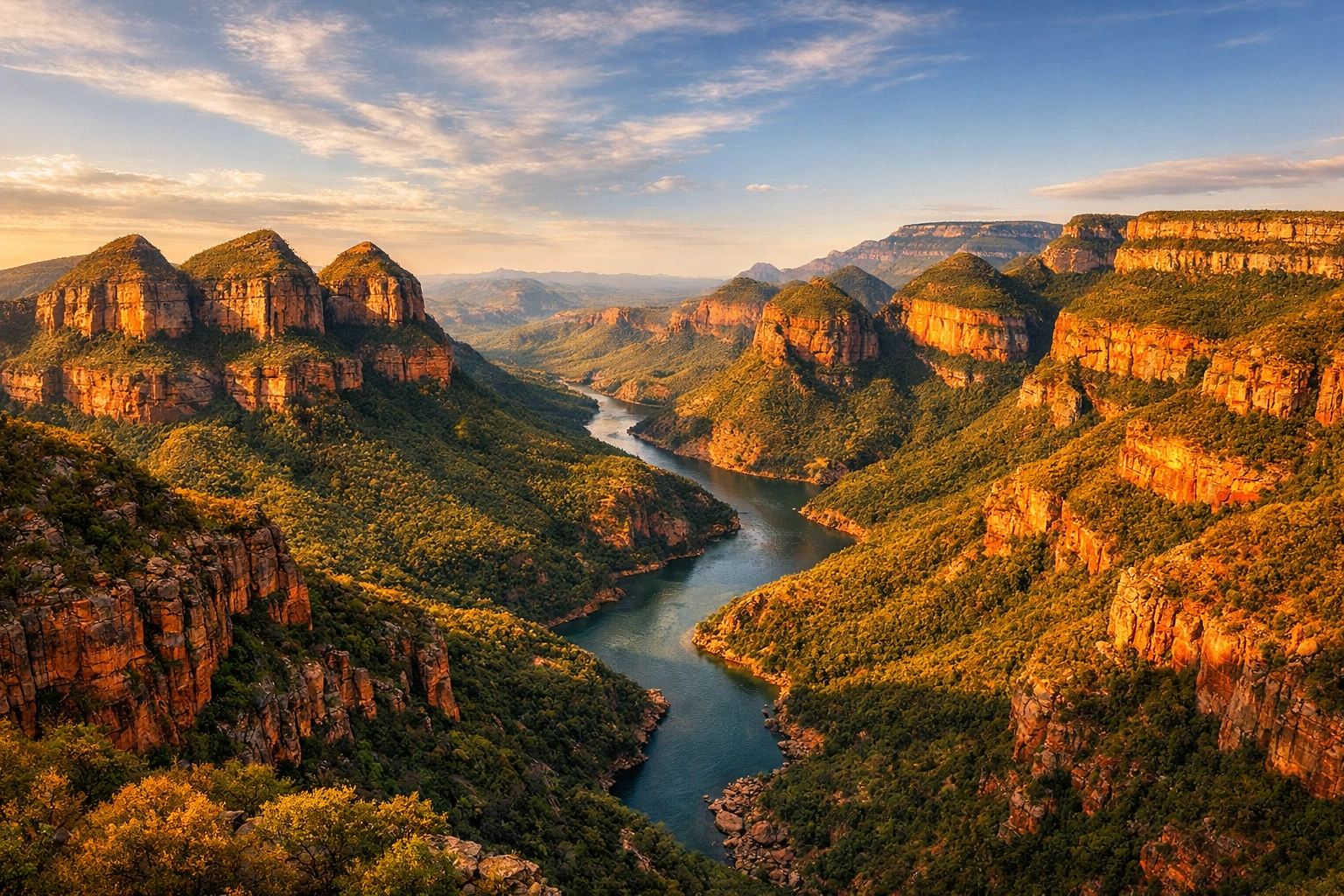
Often passed through on the way to Kruger National Park, this province holds the Blyde River Canyon: one of the largest green canyons in the world. The "Three Rondavels" viewpoint offers a scale that is hard to capture without a panoramic stitch.
14. The Canadian Rockies, Canada
While Banff and Jasper are famous, the "hidden" part is the timing. Visiting in the shoulder seasons (late May or early October) allows you to capture the turquoise lakes without the wall-to-wall crowds. If you are planning a trip, check out our tips on cheap weekend getaways to make the most of your budget.
15. Atacama Desert, Chile
This is the driest non-polar place on Earth. The Valle de la Luna (Moon Valley) features salt-encrusted ground and stone formations that look like another planet. It’s the ultimate spot for testing your drone’s range and your camera’s dynamic range.
Advanced Techniques for 2026
Capturing these spots is only half the battle. In 2026, the way we process images has shifted.
- iPhone Photography: Mobile sensors now rival 1-inch sensor cameras. Use ProRAW to ensure you have the data needed to recover highlights in bright spots like Salar de Uyuni.
- Long Exposure: You don't always need a tripod. Modern "IBIS" (In-Body Image Stabilization) allows for handheld shots of up to 2 seconds. Use this to blur the water at the Algarve or the clouds in the Canadian Rockies.
- AI Enhancement vs. Manipulation: At Photoguides, we recommend using AI for "cleaning" (removing sensor dust or power lines) rather than "generating" elements. For those who want to enhance their skies naturally, our sky overlays are a great way to add drama without losing reality.
Gear Guides: What to Pack in 2026
The gear landscape has changed. Lighter, faster, and smarter is the name of the game. For a full breakdown of what we’re carrying this year, check out our educational guides. Generally, you’ll want:
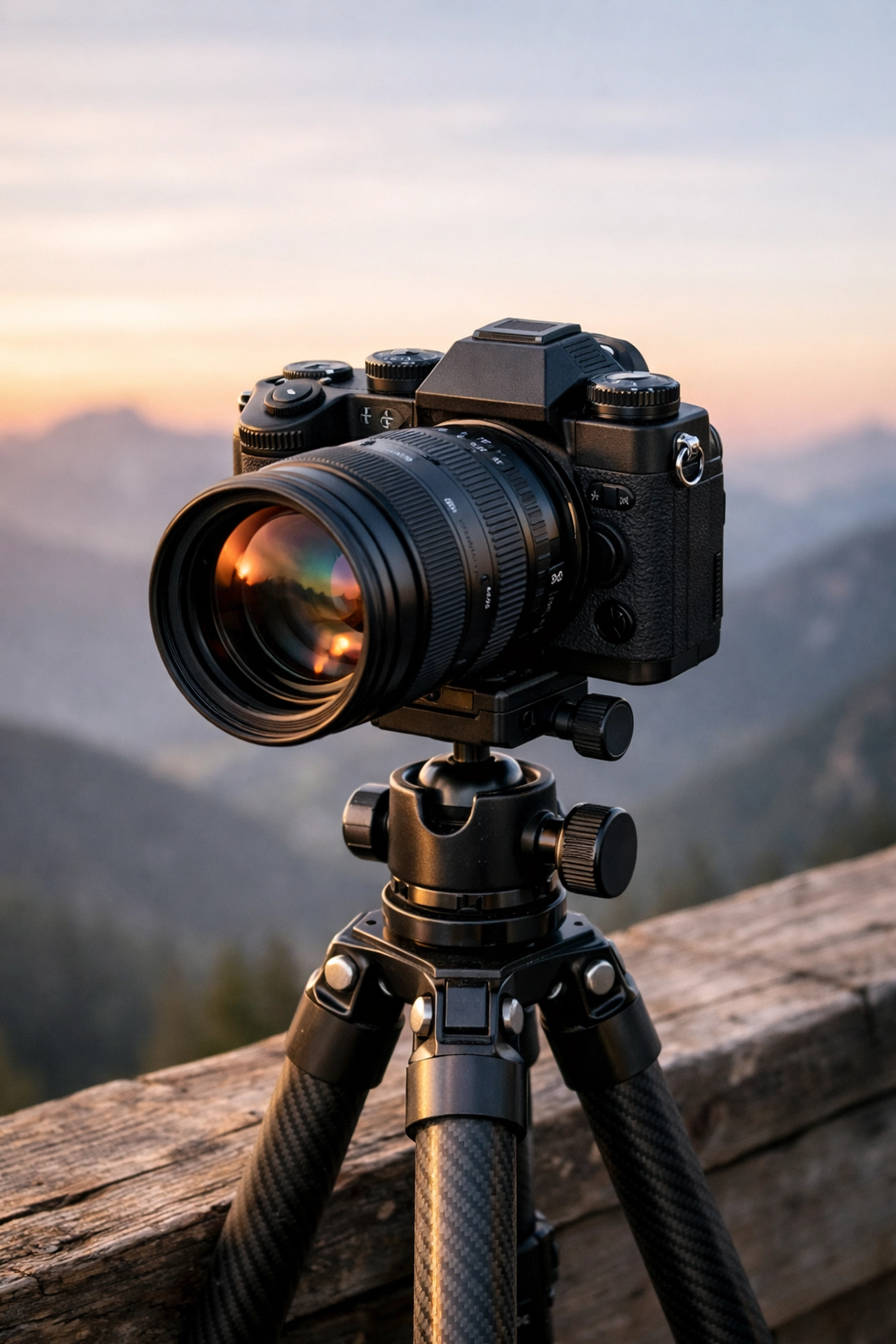
- A weather-sealed mirrorless body: Essential for the salt of Bolivia and the mist of Norway.
- A versatile 24-70mm f/2.8 lens: If you can only take one, this is it.
- A lightweight carbon fiber tripod: Necessary for those dark sky shots in New Zealand.
- ND Filters: To get those silky water effects in Tasmania.
Final Thoughts
The world is still a vast, beautiful place. While AI might be able to dream up a mountain, it can't replicate the feeling of standing on the edge of the Dachstein Glacier or the smell of lavender in Provence.
Photography is a way to ground ourselves in the physical world. It’s an excuse to explore, to wake up early, and to see things others miss. If you're ready to start your next adventure, we’re here to help. From booking your experience to mastering the latest tech, Photoguides is your partner in capturing the world.
So, where are you heading next? Grab your gear, leave the "known" paths behind, and go find your own hidden gem.
Category: Photo Guides













