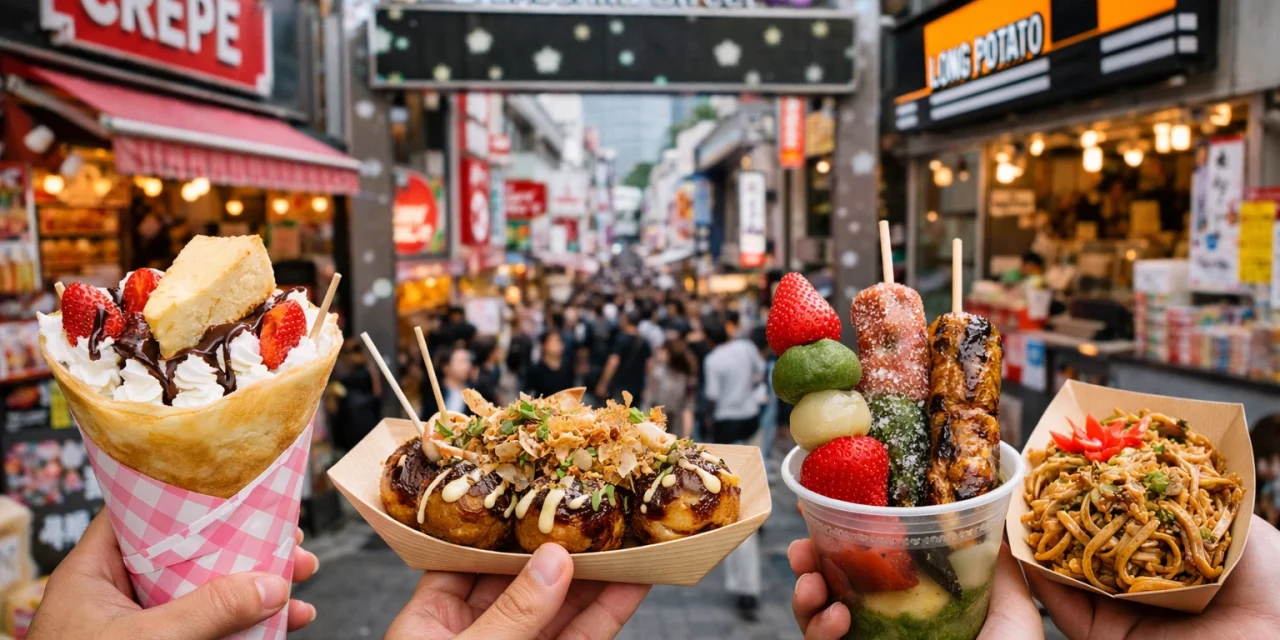
Welcome to Day 3 of our 14-day culinary deep dive into the heart of Tokyo. If you missed our previous stops exploring the neon-lit themed cafes of Akihabara or the high-end sushi counters of Ginza, don't worry: today, we’re trading the white tablecloths for paper wrappers and the hushed whispers of omakase for the vibrant, chaotic, and undeniably neon energy of Harajuku.
Harajuku is more than just a neighborhood; it’s a sensory explosion. Known globally as the epicenter of Japanese youth culture and extreme fashion, it is also home to some of the most "Instagrammable" food on the planet. But as any seasoned traveler knows, just because something looks good on camera doesn't mean it tastes good.
At Photoguides, we believe you shouldn't have to choose between a great shot and a great meal. I’m Edin Chavez, and I’ve spent years navigating these crowded alleys with a camera in one hand and a snack in the other. Today, I’m showing you exactly what to eat and how to capture it so your followers feel the FOMO.
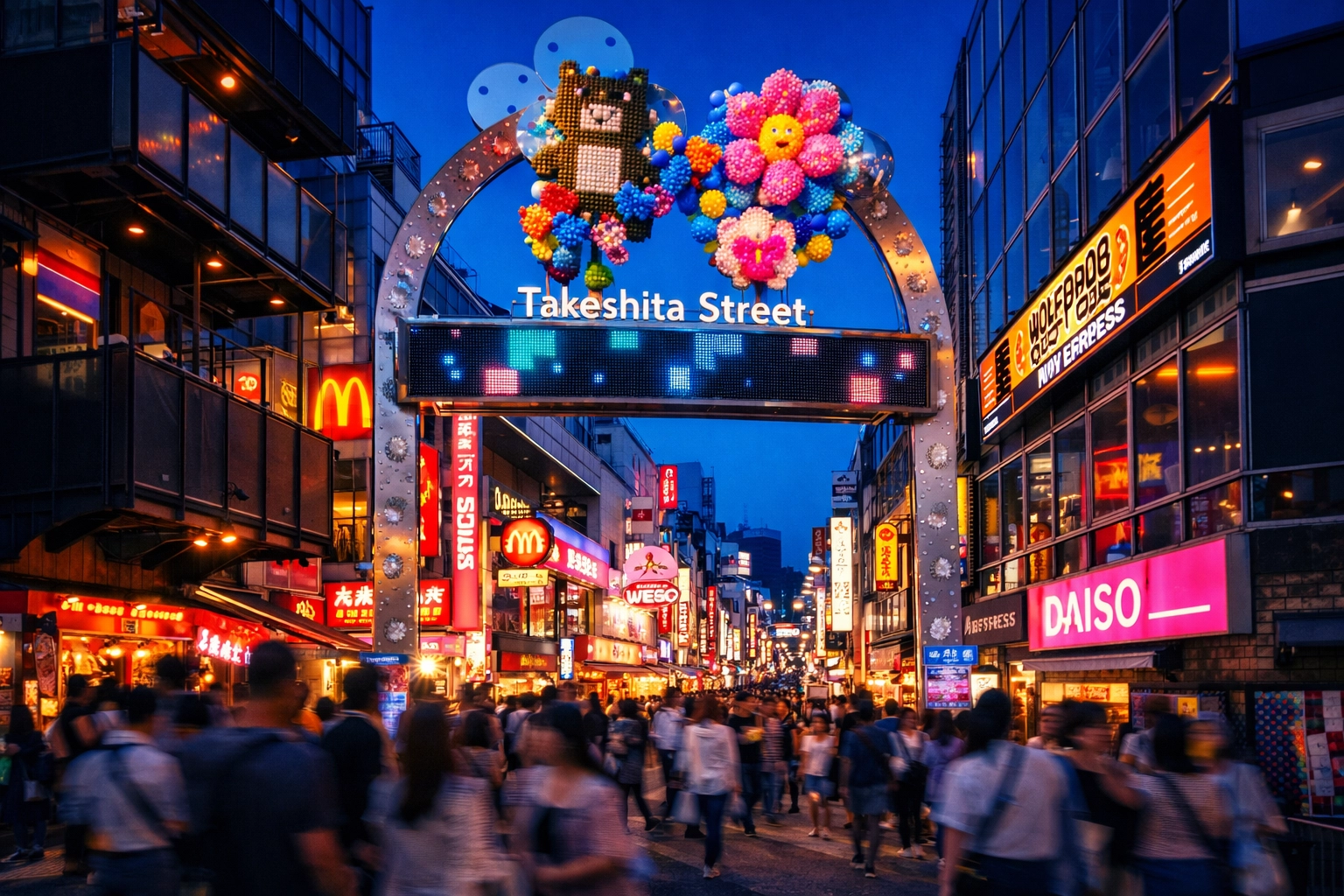
If the crowds feel a bit overwhelming (and they will, especially on Takeshita Street), I highly recommend booking a guided food tour through Viator. It’s the best way to skip the decision fatigue and go straight to the good stuff with a local expert.
The Icon: Marion Crepes
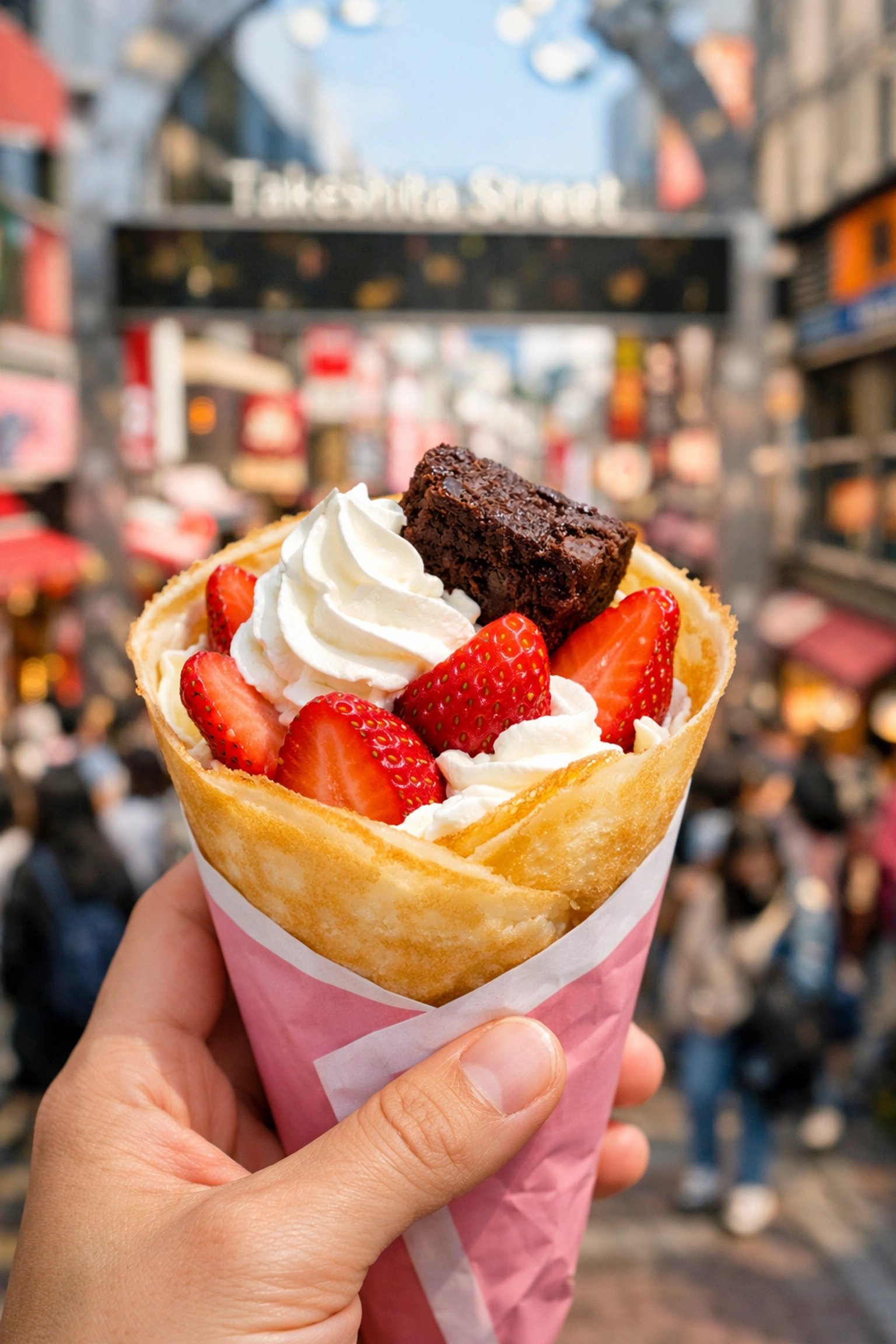
You cannot step foot in Harajuku without seeing a crepe. Since 1976, Marion Crepes has been the undisputed king of the street. Located right on Takeshita Street, the storefront is lined with plastic models of every conceivable flavor combination: strawberry, cheesecake, matcha, chocolate brownies, and even savory options like tuna and cheese.
The Taste: The crepes are thin, slightly crispy on the edges, and soft in the middle. They aren't overly sweet, which is a blessing considering the sheer volume of whipped cream involved.
The Shot: This is the perfect opportunity for a "hand-held" street shot. Hold your crepe against the backdrop of the crowded street or the colorful Marion sign. To get that professional look, use a wide aperture (like f/2.8) to blur the background, making the vibrant fruit and cream the undisputed star. If you're looking for the right lens for this, check out our camera reviews for 2024.
The Spectacle: Totti Candy Factory
If you’ve seen a photo of someone holding a piece of cotton candy the size of a small child, it was likely taken here. Totti Candy Factory specializes in giant, multi-colored, rainbow cotton candy.
The Taste: Let’s be real: it’s sugar. But it’s fresh, fluffy sugar that melts the second it hits your tongue. It’s a nostalgic trip that will leave your fingers slightly sticky and your inner child very happy.
The Shot: Lighting is everything here. The cotton candy is translucent, so if you can get some backlight, the colors will glow. Position yourself so the sun (or a bright shop light) is behind the candy. For more tips on mastering difficult lighting situations, take a look at my photography educational guides.
The Savory Staple: Gindaco Takoyaki
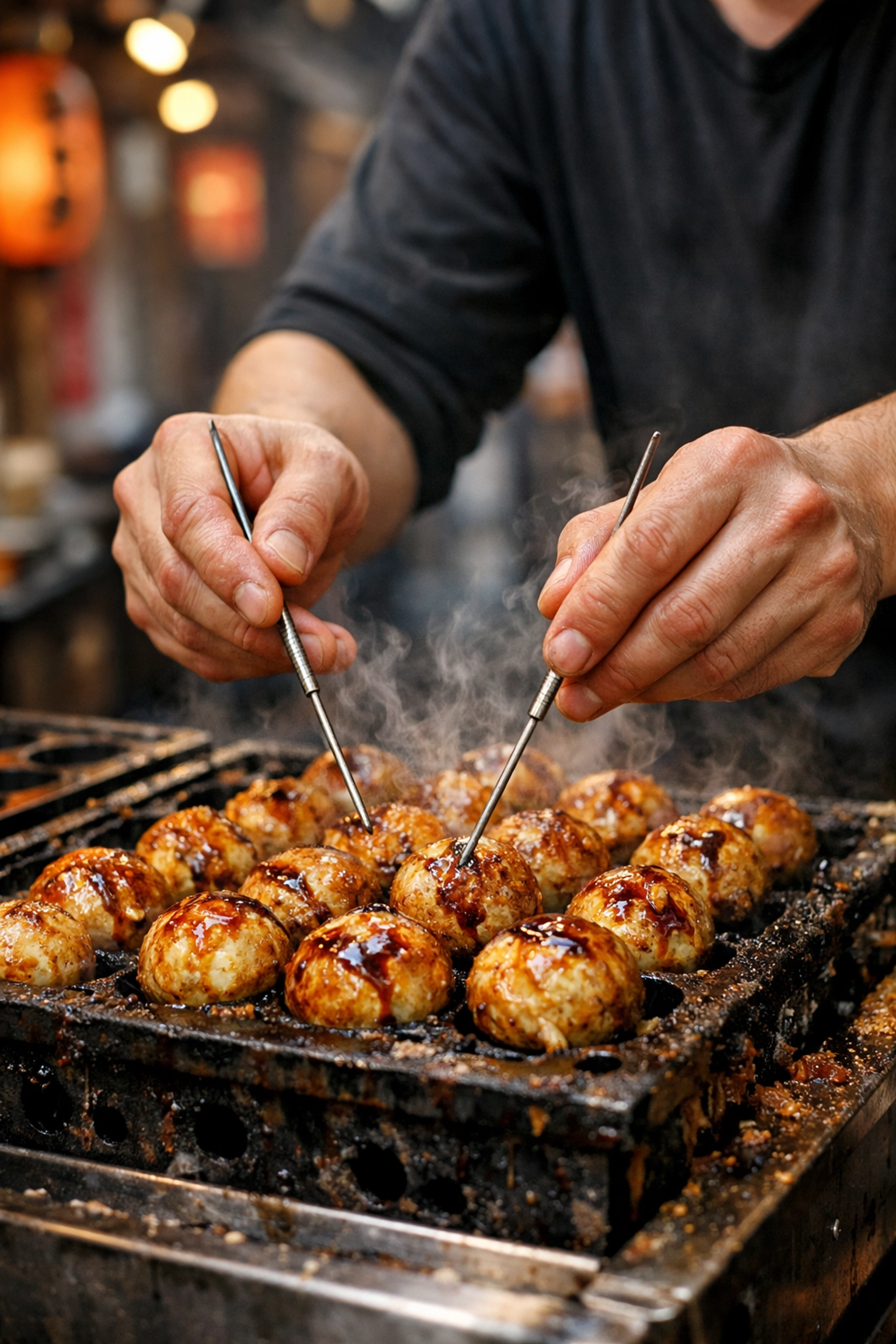
Sweet treats are the headline in Harajuku, but you’ll eventually need something savory to balance the sugar rush. Gindaco is Japan’s most famous takoyaki chain, and their Harajuku location is a great place to watch the masters at work.
The Taste: These octopus-filled batter balls are crispy on the outside and wonderfully gooey on the inside, topped with tangy takoyaki sauce, mayo, and dancing bonito flakes.
The Shot: Don’t just photograph the final product; photograph the process. The rhythmic turning of the balls with metal picks is a fantastic subject for a short video or a burst-mode sequence. It’s street photography at its finest. If you want to dive deeper into the art of street photography, I often share my personal process over at Edin Chavez’s blog.
The Rainbow Craze: Le Shiner
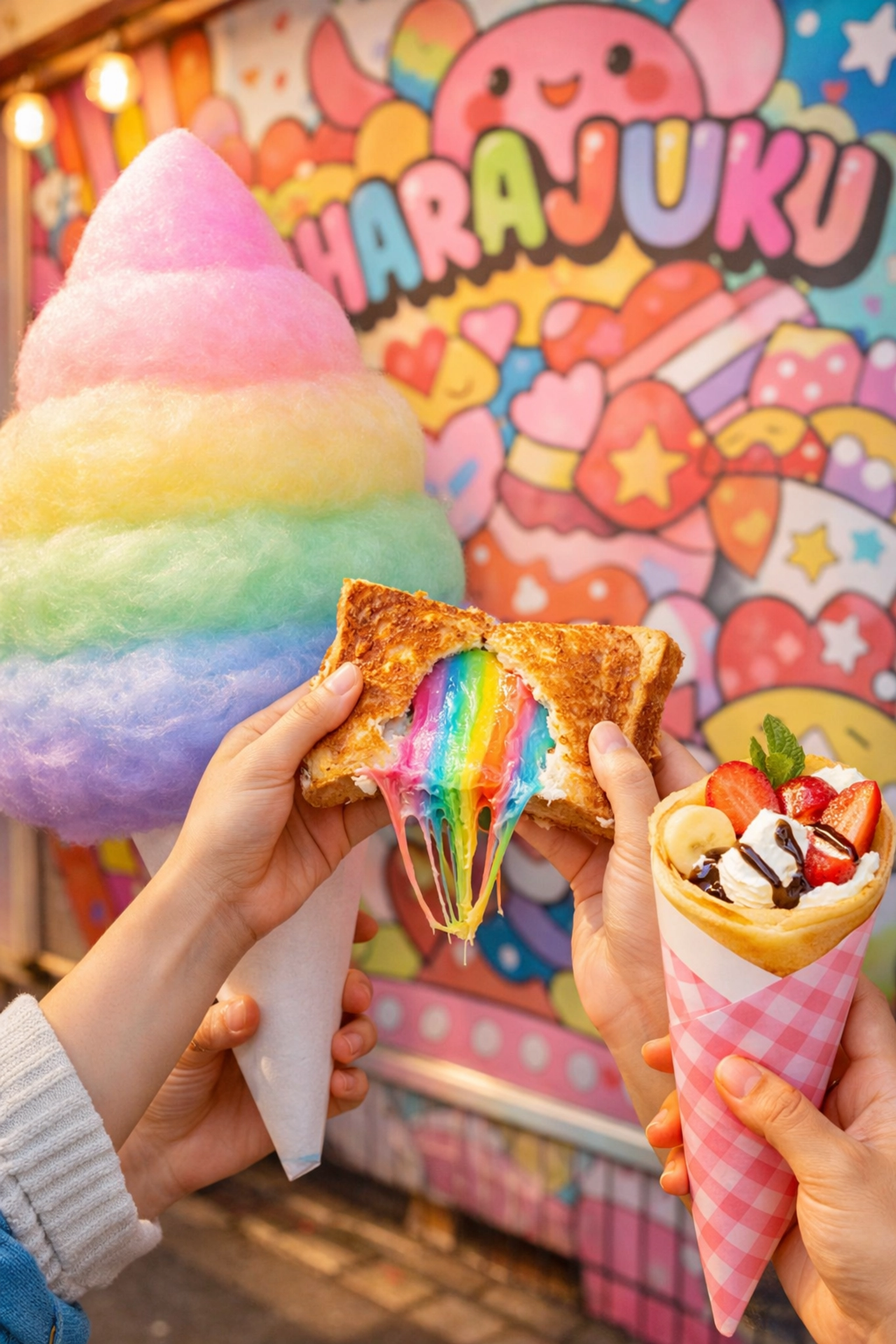
If you thought the cotton candy was colorful, wait until you see Le Shiner. This spot is famous for its Rainbow Cheese Sandwiches and Rainbow Cheese Corn Dogs.
The Taste: It’s a classic grilled cheese or corn dog, but when you pull it apart, a literal rainbow of stretchy mozzarella appears. It’s surprisingly tasty, but the "wow" factor is definitely the visual.
The Shot: This is all about the "cheese pull." You’ll need a friend for this one. Have them pull the sandwich apart slowly while you use a fast shutter speed to freeze the motion of the colorful cheese strands. It’s a classic Harajuku shot that never fails to get engagement. For the best gear to capture these high-speed moments, refer to our guide on essential photography gear.
The Crunch: Croquant Chou ZakuZaku
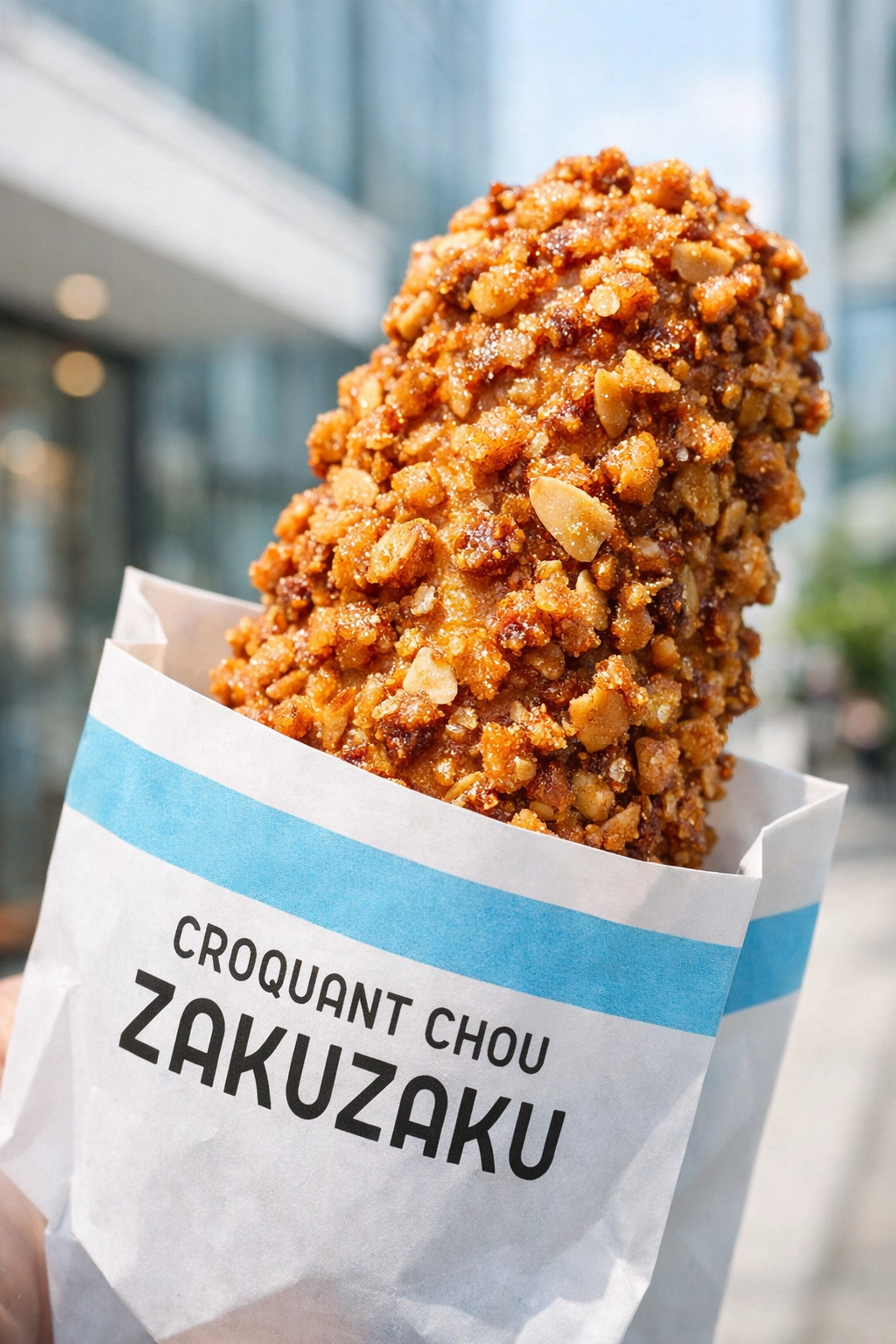
For those who prefer texture over color, Croquant Chou ZakuZaku is a must-visit. They specialize in a long, stick-shaped cream puff coated in a crunchy almond crust and filled with fresh custard.
The Taste: The contrast between the "zakuzaku" (crunchy) exterior and the silky, chilled custard inside is perfection. It’s arguably the best-tasting item on this list.
The Shot: The minimalist, clean aesthetic of the ZakuZaku packaging and the golden-brown texture of the pastry look great against a simple background. Find a quiet side street nearby to avoid the visual noise of Takeshita Street.
The Substantial Bite: Harajuku Gyoza Lou
Sometimes street food doesn't quite cut it, and you need to sit down for a minute. Located just off the main drag, Harajuku Gyoza Lou is a local legend. It’s simple, cheap, and incredibly delicious.
The Taste: They serve two types of gyoza: fried or steamed. You can get them with or without garlic and chives. My recommendation? Get both, and don't skimp on the garlic.
The Shot: The interior has a great "old Tokyo" vibe that contrasts beautifully with the modern chaos outside. Capture the steam rising from the plates for a moody, atmospheric shot. If you're planning a full trip around food photography, you might want to look into a dedicated photography booking experience to ensure you hit all the right spots.
Pro Photography Tips for Harajuku
- Go Early or Late: If you want shots of the food without a thousand people in the background, get there right when the shops open (usually around 10:00 AM or 11:00 AM). Alternatively, the neon lights at dusk provide a fantastic "Cyberpunk" aesthetic.
- Respect the "No Eating While Walking" Rule: In Japan, it’s generally considered impolite to walk and eat. Most shops have a small standing area or benches. Use this time to stage your photos!
- Use Your Phone for Social, Your Camera for Art: I love my professional mirrorless setup for high-end prints (which you can see at Edin Fine Art), but for quick street food shots, a modern smartphone is often more than enough.
- Watch the Background: Harajuku is busy. To keep your food photos from looking cluttered, look for "clean" backgrounds: a colorful wall, a plain shop front, or even the sky.
Why You Should Book a Food Tour
Let’s be honest: Harajuku is a lot. It’s loud, it’s crowded, and the sheer number of food stalls can be paralyzing. When I first visited, I spent more time looking at Google Maps than I did enjoying the atmosphere.
That’s why I always tell our readers to consider a tour. A local guide can take you to the hidden gems that aren't on every "Top 10" list, explain the history of the neighborhood, and: most importantly: help you navigate the language barrier when ordering. Plus, they know exactly where the best lighting is for your photos.
Check out the Tokyo street food tours on Viator to find an experience that fits your style. Whether you want a deep dive into Harajuku’s sweets or a broader look at Tokyo’s culinary scene, it’s worth every penny.
Final Thoughts
Harajuku is a photographer’s playground and a food lover’s dream. It’s a place where the food is designed to be seen as much as it is to be tasted. From the iconic crepes of Marion to the hidden gyoza dens, there is something for everyone.
Stay tuned for Day 4, where we’ll be heading to the Tsukiji Outer Market to hunt for the freshest seafood in the world. Until then, keep shooting, keep eating, and if you need any post-processing help to make those rainbow colors pop, don't forget to check out our sky overlays and presets.
Happy eating!