Category: Photo Guides
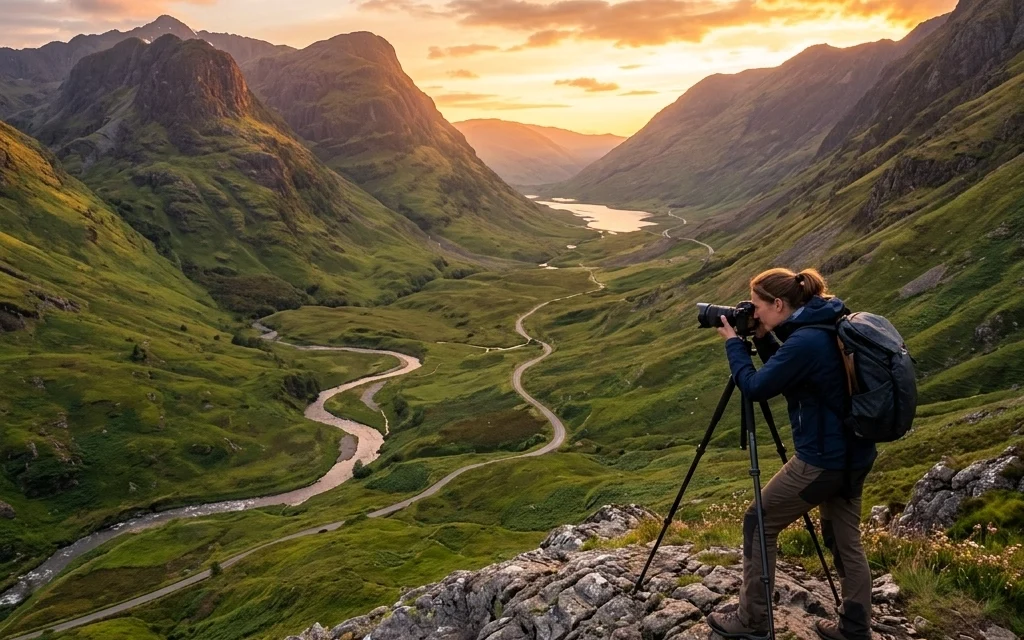
Have you ever looked at your camera bag, looked out the window, and felt… absolutely nothing? We’ve all been there. You feel like you’ve shot every street corner, every local park, and every sunset spot within a twenty-mile radius. But here’s the secret: some of the most world-class photography happens in the most "ordinary" places.
In 2026, the trend isn't just about jet-setting to the ends of the earth. It’s about becoming a master of your own backyard. Whether you’re looking for the best photography locations in a new city or trying to rediscover your hometown, this guide will help you find those "photo spots near me" that others simply walk past.
The Art of Scouting: Finding Hidden Gems Anywhere
The first step to succeeding locally is changing how you look for locations. We used to rely solely on word-of-mouth or crowded Instagram tags, but today, we have better tools at our fingertips.
I always recommend starting with a mix of high-tech and "old-school" exploration. Google Earth is still a powerhouse for spotting interesting shadows and textures from above, especially if you’re into drone photography. But don’t stop there. Look at local historical society archives. Often, the most interesting architectural details are tucked away in neighborhoods that haven't changed in a century.
If you’re stuck, our educational category has some great deep dives on how to train your eye to see light in mundane environments.
Case Study: Finding Magic in the Northeast (New Haven & Connecticut)
To show you how this works in practice, let’s look at a region like Connecticut. It’s a perfect example of how a mix of urban grit, Ivy League prestige, and coastal beauty can provide endless inspiration.
Urban & Historic Textures
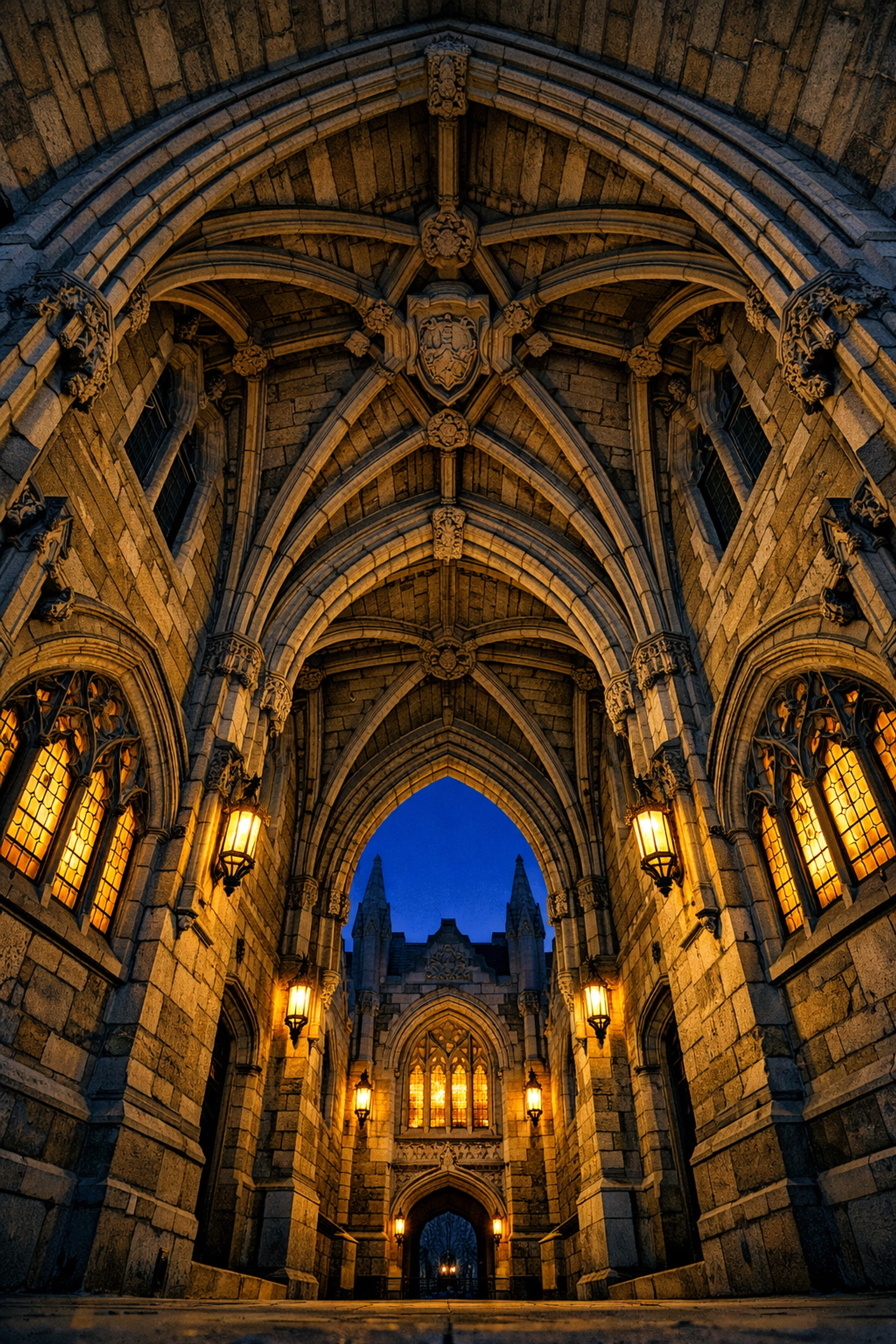
If you find yourself in New Haven, the Yale Campus is a goldmine. Founded in 1701, the Gothic architecture offers a timeless quality that works perfectly for moody, cinematic shots. When you’re there, look for the "leading lines" created by the archways.
For something more vibrant, Wooster Square is the place to be, especially during the cherry blossom season. The key to shooting popular spots like this is timing. Arrive during the blue hour: just before sunrise: to capture the blossoms without the crowds.
The Power of Elevation
Every photographer needs a "go-to" vista. In Connecticut, East Rock Park provides that sweeping view of the Long Island Sound and the city skyline. This is where your long exposure techniques really come into play. Capturing the city lights as they begin to twinkle at dusk creates a sense of scale that’s hard to beat.
Coastal Serenity
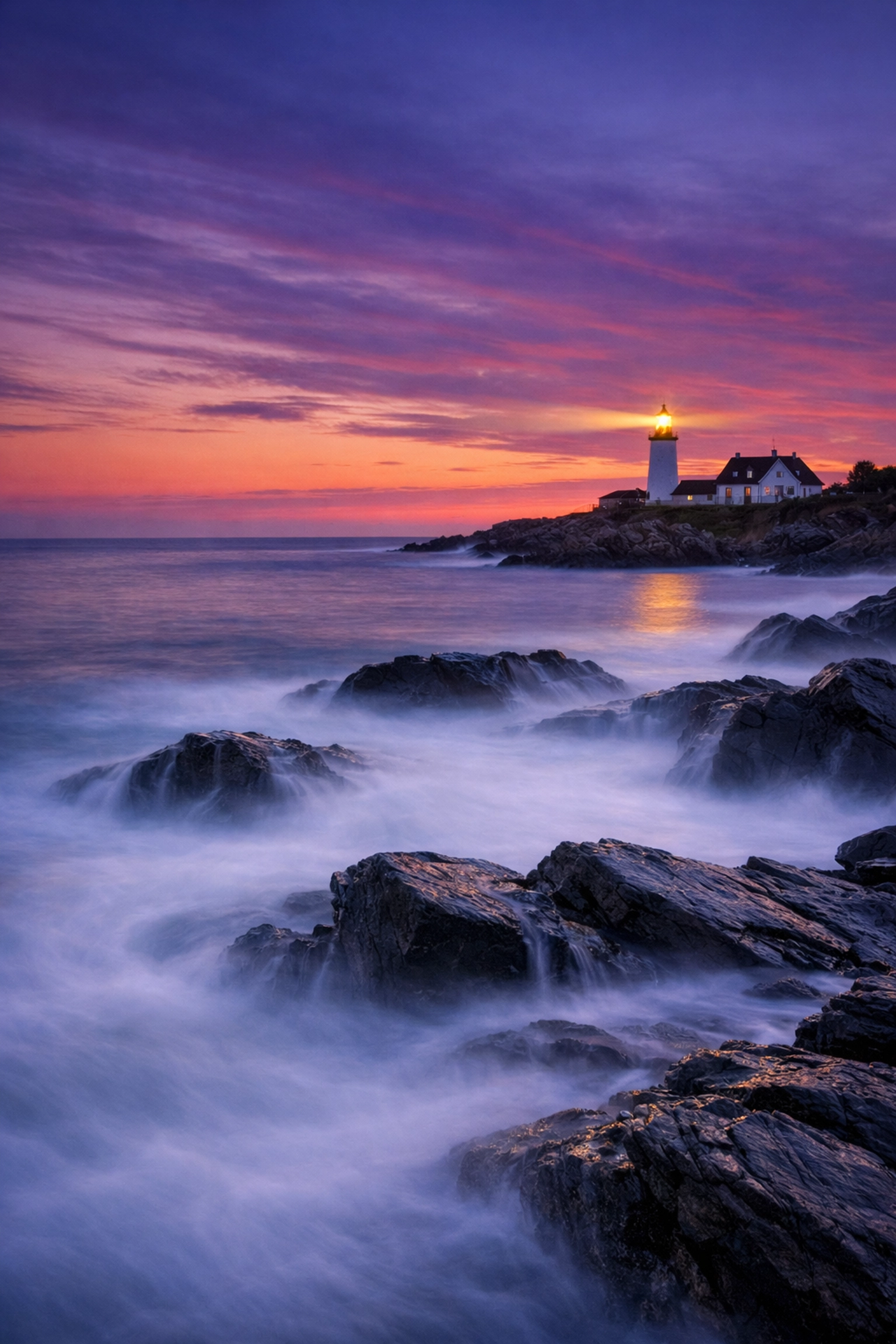
Don’t overlook the water. Lighthouse Point Park offers classic New England vibes with its iconic lighthouse and rocky shores. If you’re looking for something a bit more rugged, West Rock Ridge State Park offers cliffs and dense forests that look incredible during the fall foliage peak.
Advanced Techniques for Local Success
Finding the spot is only half the battle. How you capture it is what makes it "fine art" versus just another snapshot. You can see some of my high-end work over at Edin Fine Art to see how simple locations can be transformed into gallery-quality pieces.
1. iPhone Photography in 2026
By now, the gap between "pro" cameras and the phone in your pocket has narrowed significantly. The latest computational photography features allow for incredible dynamic range. When shooting locally, use your phone for "stealth" street photography. It’s less intimidating than a big rig and allows you to capture authentic, candid moments in local markets or parks.
2. Drone Perspectives
Drones have become essential for local scouting. A "boring" local park can look like an abstract masterpiece when shot from 200 feet up. Always check local regulations, but don't be afraid to use a drone to find patterns in the landscape that you can't see from the ground.
3. Long Exposure and Filters
If you want to make a local fountain or a busy street look professional, use a tripod and a 10-stop ND filter. Turning moving water into silk or blurring the crowds into ghostly streaks adds a professional polish that instantly upgrades your portfolio. You can find some of our camera reviews to see which gear handles these long exposures best.
The 2026 Landscape: AI vs. Authentic Art
We can't talk about photography today without addressing AI. We’ve seen a massive surge in AI-generated imagery, and it’s tempting to just "prompt" a beautiful sunset rather than waiting for one.
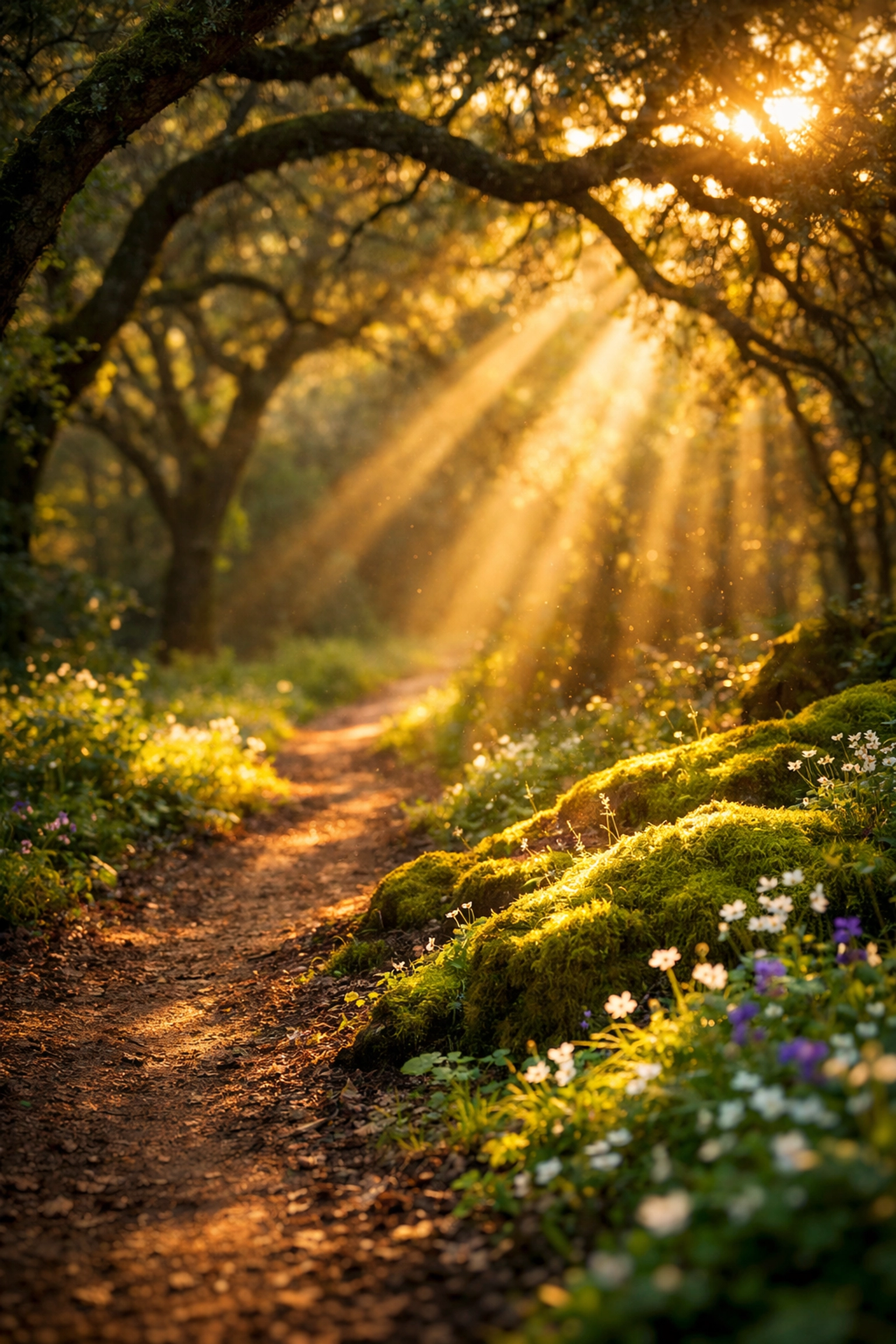
However, there is a growing movement toward Authentic Art. People are craving the "real." They want to know that you stood in the cold at 5 AM to catch that light hitting the lighthouse. AI is a fantastic tool for post-processing: cleaning up distracting power lines or enhancing a sky: but the soul of the photo comes from your presence at the location.
If you’re looking to enhance your "real" shots with a bit of digital help, check out our sky overlays to give your local shots that extra punch without losing their authenticity.
Gear Guides: What to Pack for Local Exploration
When you're shooting close to home, you have the luxury of not needing to pack for a week-long trek. However, being prepared is still key. My local kit usually involves:
- A Versatile Zoom: Something like a 24-70mm is the "Swiss Army knife" of lenses.
- A Prime Lens: A 35mm or 50mm for when I want to focus on local street life and get that beautiful bokeh.
- Lightweight Tripod: Essential for those blue hour shots.
- Extra Batteries: Because 2026 mirrorless cameras still love to eat power.
Check out our full list of essential photography gear to make sure you aren't missing anything before you head out.
Why Local Photography Matters More Than Ever
In a world where everyone is looking at the same "top 10" global travel spots, your local perspective is your superpower. No one knows the way the light hits your neighborhood park at 4:30 PM better than you do.
By focusing on "photo spots near me," you’re doing more than just taking pictures; you’re documenting your community and finding beauty in the everyday. It’s a reassuring thought: you don’t need a plane ticket to be a world-class photographer. You just need curiosity and a charged battery.
For more inspiration on how to turn your local adventures into a career or a serious hobby, I invite you to read more on my personal blog. I’ve spent years traveling the world, but some of my favorite shots still happen within walking distance of my front door.
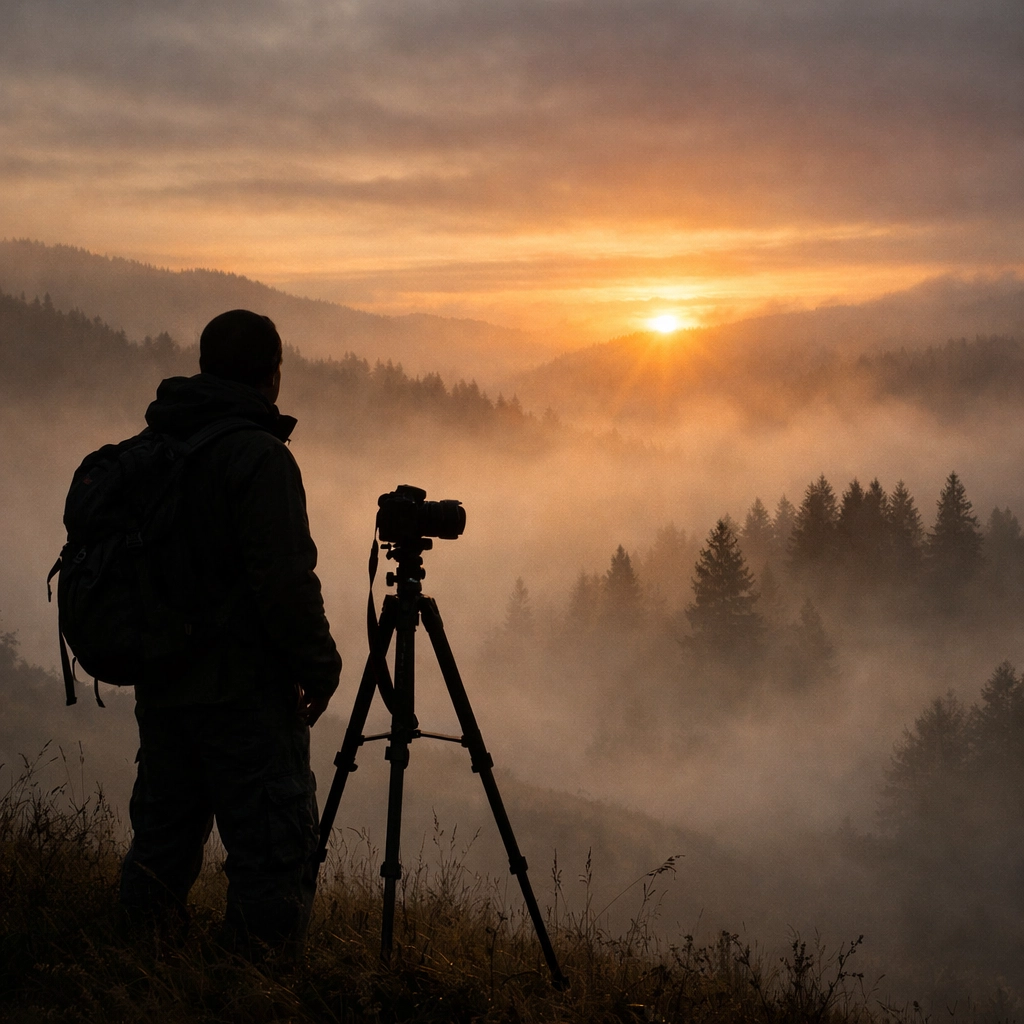
Final Tips for Your Next Local Shoot
- Be a Tourist: Go to the places people usually visit, but find a different angle. Look up, look down, or go when the weather is "bad." Rain creates reflections that can turn a parking lot into a masterpiece.
- Talk to Locals: That old fisherman or the shop owner who has been there for 40 years? They know where the "hidden" views are.
- Check the Apps: Use tools like PhotoPills or The Photographer’s Ephemeris to know exactly where the sun will be.
- Stay Consistent: The more you shoot locally, the more you’ll start to see patterns and opportunities you missed before.
Ready to take your local shots to the next level? Make sure you have the right tools and downloads to help you edit your work into something truly special.
Photography is a journey, but it doesn't always have to be a long one. Sometimes, the best photo you’ll ever take is just around the corner. Go find it.