
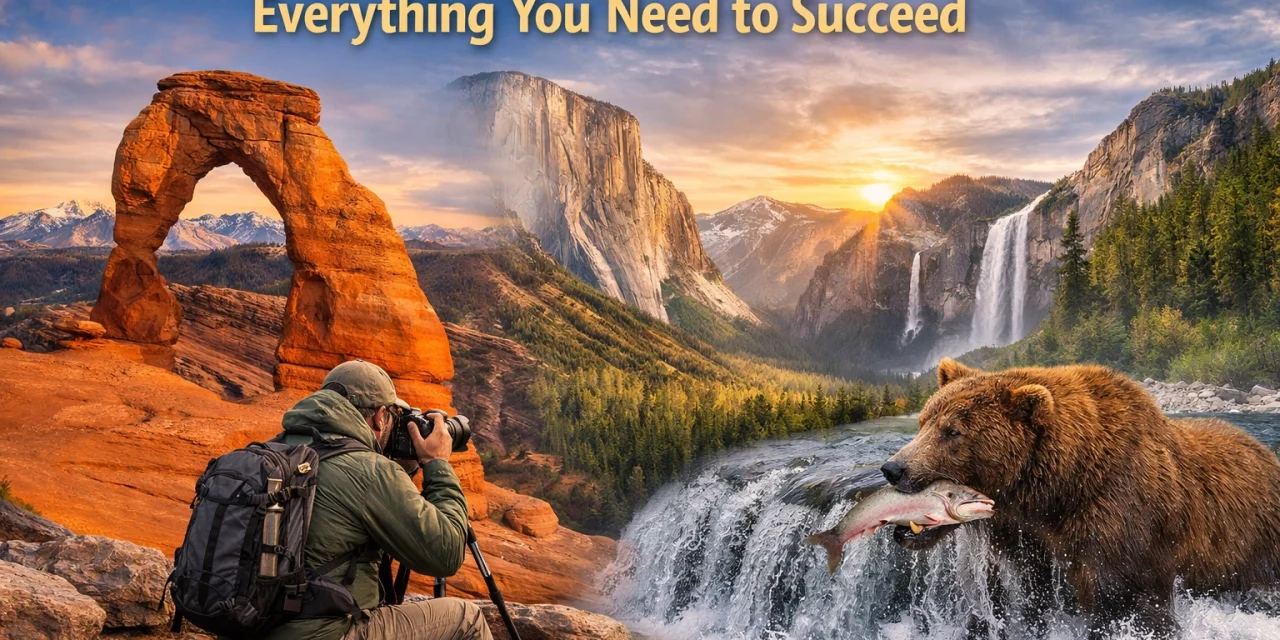
There is something deeply spiritual about standing on the edge of the Grand Canyon as the first light of day hits the rim, or watching the mist roll through the ancient redwoods in Northern California. The United States National Park system is a gift to photographers, offering 63 unique playgrounds that range from subarctic tundras to tropical coral reefs.
Whether you are a seasoned pro looking to capture a gallery-quality print for Edin Fine Art or a hobbyist just starting your journey, photographing all 63 parks is the ultimate bucket list. But let’s be real: it’s also an overwhelming logistical challenge. This guide is designed to take the stress out of the planning and help you focus on what matters most: the light, the composition, and the experience.
Why the 63 Park Challenge?
Photographing every national park isn't just about checking boxes. It’s about diversifying your portfolio and pushing your creative boundaries. Each park demands a different skill set. You’ll need to master long exposures for the waterfalls in Olympic, astrophotography for the dark skies of Great Basin, and wildlife patience for the grizzlies in Denali.
As we roll out this comprehensive blog series, we will dive deep into each individual park. We’ll show you the best photography locations and give you the boots-on-the-ground tips you won't find in a standard guidebook.
Essential Gear for the National Park Photographer
Before you hit the road, you need to make sure your kit is up to the task. The rugged terrain of the parks can be unforgiving on equipment.
- The Glass: A wide-angle lens (like a 16-35mm) is your bread and butter for those expansive vistas. However, don't forget a telephoto lens (70-200mm or 100-400mm) to compress landscapes or capture wildlife from a safe distance.
- Stability: A sturdy tripod is non-negotiable. Whether you’re shooting the Milky Way or a silky-smooth waterfall, you need a rock-solid base.
- Filters: A circular polarizer is essential for cutting glare on water and making those blue skies pop in parks like Zion. If you're new to the technical side, check out our educational photography guides for a deeper dive into how to use these tools effectively.
- Protection: Weather-sealed cameras and rain covers are a must. You can find our top recommendations in our essential photography gear list.
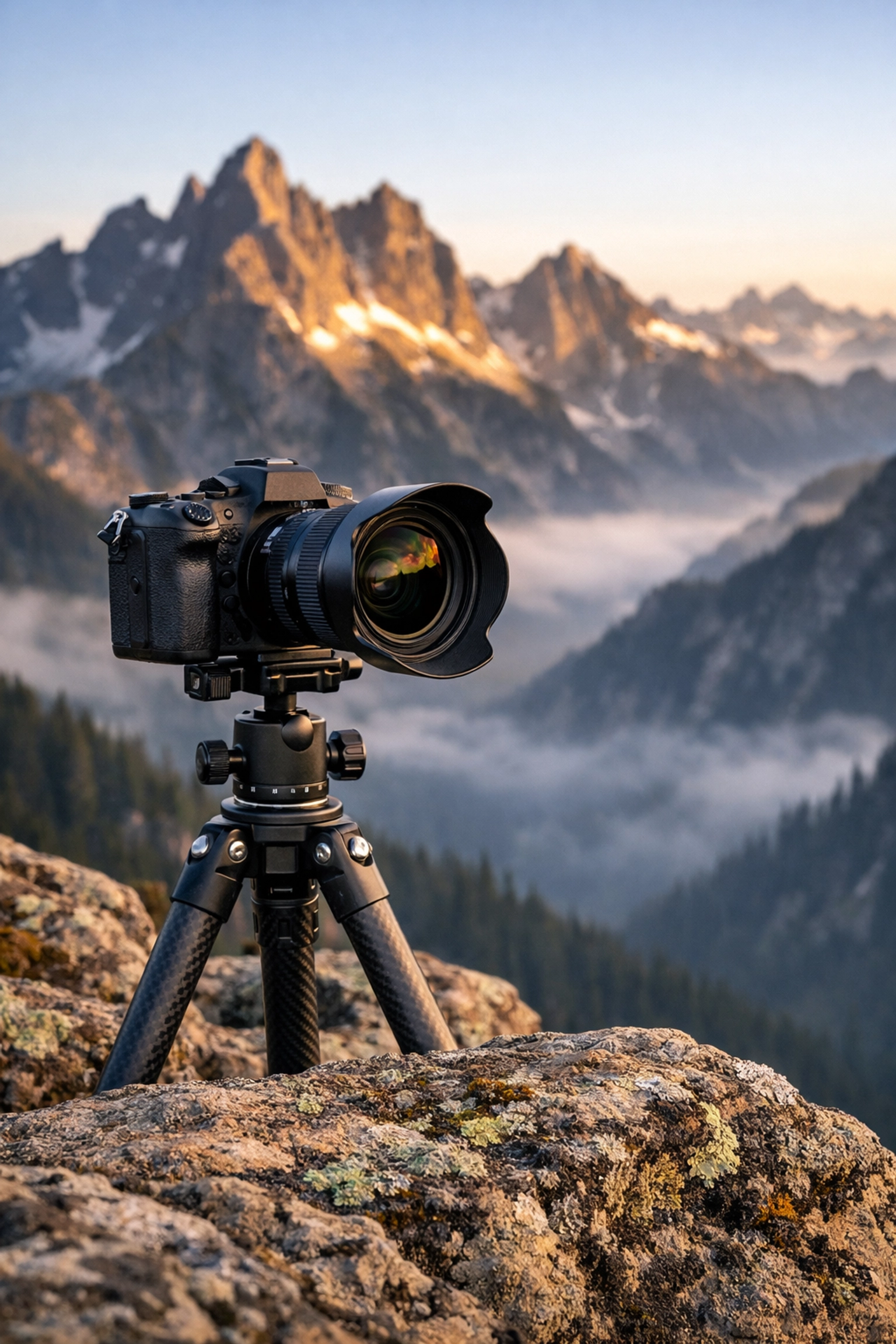
Alt Text: A professional camera setup on a tripod overlooking a misty mountain range at sunrise, showcasing essential landscape photography gear.
Mastering the Light: Best Sunrise Spots and Beyond
In landscape photography, light is everything. The "Golden Hour": the hour after sunrise and the hour before sunset: is when the magic happens.
The Mountain and Canyon Icons
In parks like Yosemite, the light is your primary subject. Locations like Tunnel View and Glacier Point are legendary for a reason. To get the best out of these spots, you need to arrive early: sometimes hours before dawn: to claim your tripod spot.
In Zion National Park, the "Watchman" sunset is a rite of passage. The way the red sandstone glows against the deepening blue of the sky is something every photographer should witness. For more gear-specific advice on capturing these high-contrast scenes, you can browse our camera reviews 2024 to see which sensors handle dynamic range the best.
The Desert Gems
Death Valley and Joshua Tree offer textures you won't find anywhere else. At Death Valley’s Zabriskie Point, the sunrise creates dramatic shadows that emphasize the ripples in the badlands. These parks are also world-class landscape photography locations for night sky enthusiasts. Because of the low light pollution, the stars feel close enough to touch.
Regional Highlights: Where to Go When
The US is massive, and timing your visits to the parks is crucial for both weather and lighting.
- Spring: This is the time for the desert parks (Joshua Tree, Death Valley, Saguaro) before the heat becomes unbearable. It’s also the peak season for waterfalls in Yosemite as the snow begins to melt.
- Summer: Head north or go high. The alpine parks like Glacier, Mount Rainier, and the North Cascades are finally accessible. This is also the best time for the coastal beauty of Acadia.
- Fall: You cannot beat the Blue Ridge Parkway or the Great Smoky Mountains when the leaves turn. This is also the time to visit Zion and the Grand Canyon for cooler temperatures and manageable crowds.
- Winter: For a unique challenge, try Yellowstone in the winter. The contrast of bison against the white snow and steaming geysers is a photographer's dream. Or, head south to the Everglades for bird photography and pleasant weather.
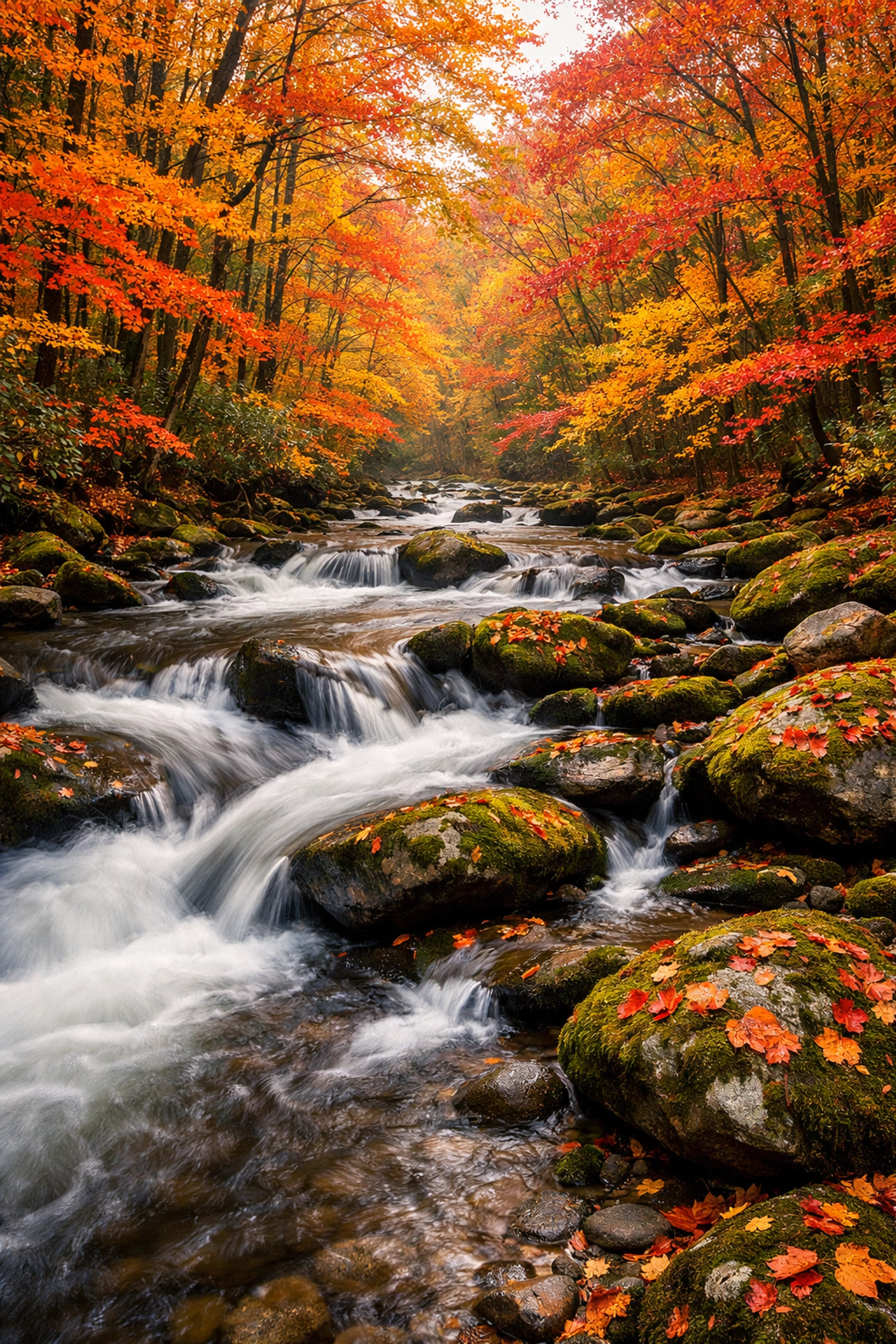
Alt Text: A vibrant autumn scene in the Great Smoky Mountains National Park with orange and red foliage reflected in a calm creek.
Finding Solitude: The Hidden Gems
While everyone is fighting for a spot at the Grand Canyon, there are 62 other parks waiting for you. Some of the most rewarding images come from the parks that require a bit more effort to reach.
Great Basin National Park in Nevada is one of the least visited parks in the system, yet it boasts ancient Bristlecone Pine trees and some of the darkest skies in the lower 48. Isle Royale in Michigan offers a rugged, island-wilderness experience that feels like stepping back in time.
If you are looking for more travel inspiration outside the parks, we have a great guide on cheap weekend getaways that can help you bridge the gap between your major national park expeditions.
Tips for the Road
Success in the National Parks is 20% photography and 80% preparation. Here are a few tips to keep you safe and productive:
- Download Offline Maps: Most parks have zero cell service. Make sure you have your maps and photography booking experience details saved offline.
- Respect the Wildlife: No photo is worth a trip to the hospital. Keep your distance and use your long lens.
- Leave No Trace: We are guests in these parks. Stay on marked trails to protect the fragile ecosystems.
- Permits: Some parks require specific permits for commercial photography or for entering certain areas (like "The Wave" in the Paria Canyon-Vermilion Cliffs Wilderness). Always check the official NPS website before you go.
For those who want to improve their post-processing once they get home, we offer a range of sky overlays and editing tools at Shut Your Aperture to help bring your vision to life.
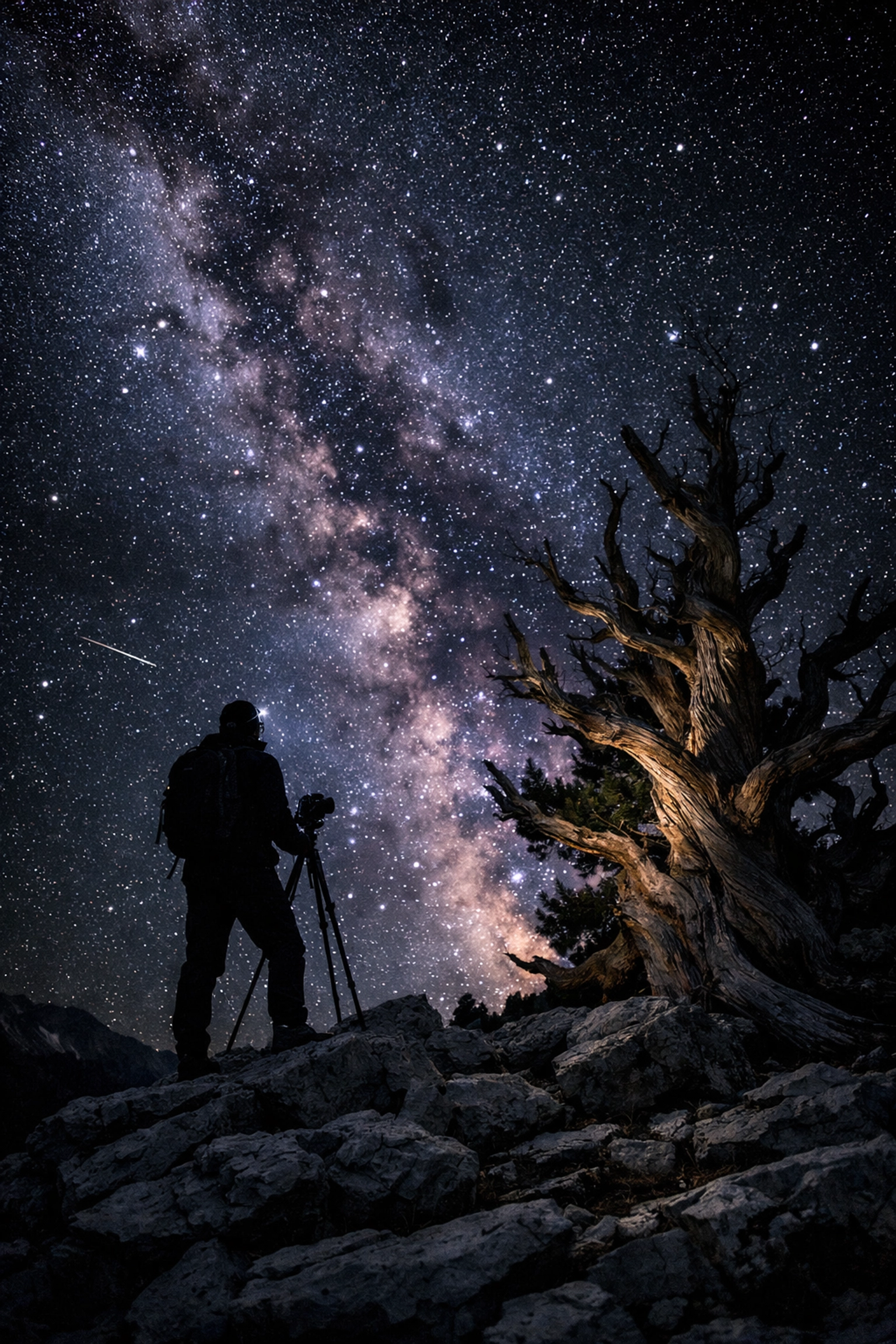
Alt Text: A lone photographer standing on a rocky outcrop at Great Basin National Park under a vast, star-filled Milky Way sky.
Starting Your Journey
The "Ultimate Guide to Photographing All 63 US National Parks" is more than just a blog series; it’s a commitment to exploring the natural beauty of this country. We want to be your reassuring partner in this adventure. We provide the technical know-how and the location scouting so you can focus on the art.
As you embark on this journey, remember that the "best" photo isn't always the most famous one. It’s the one that captures how you felt in that moment. Whether you're standing in the humid swamps of the Everglades or the dry heat of Arches, keep your eyes open for the small details: the way the light hits a leaf, or the pattern of the wind in the sand.
Stay tuned for our deep dives into each park. We’ll cover everything from the best sunrise spots to the hidden trails that the tourists miss. If you're looking for more inspiration, don't forget to check out our reviews of the latest gear to make sure you’re prepared for whatever the wilderness throws at you.
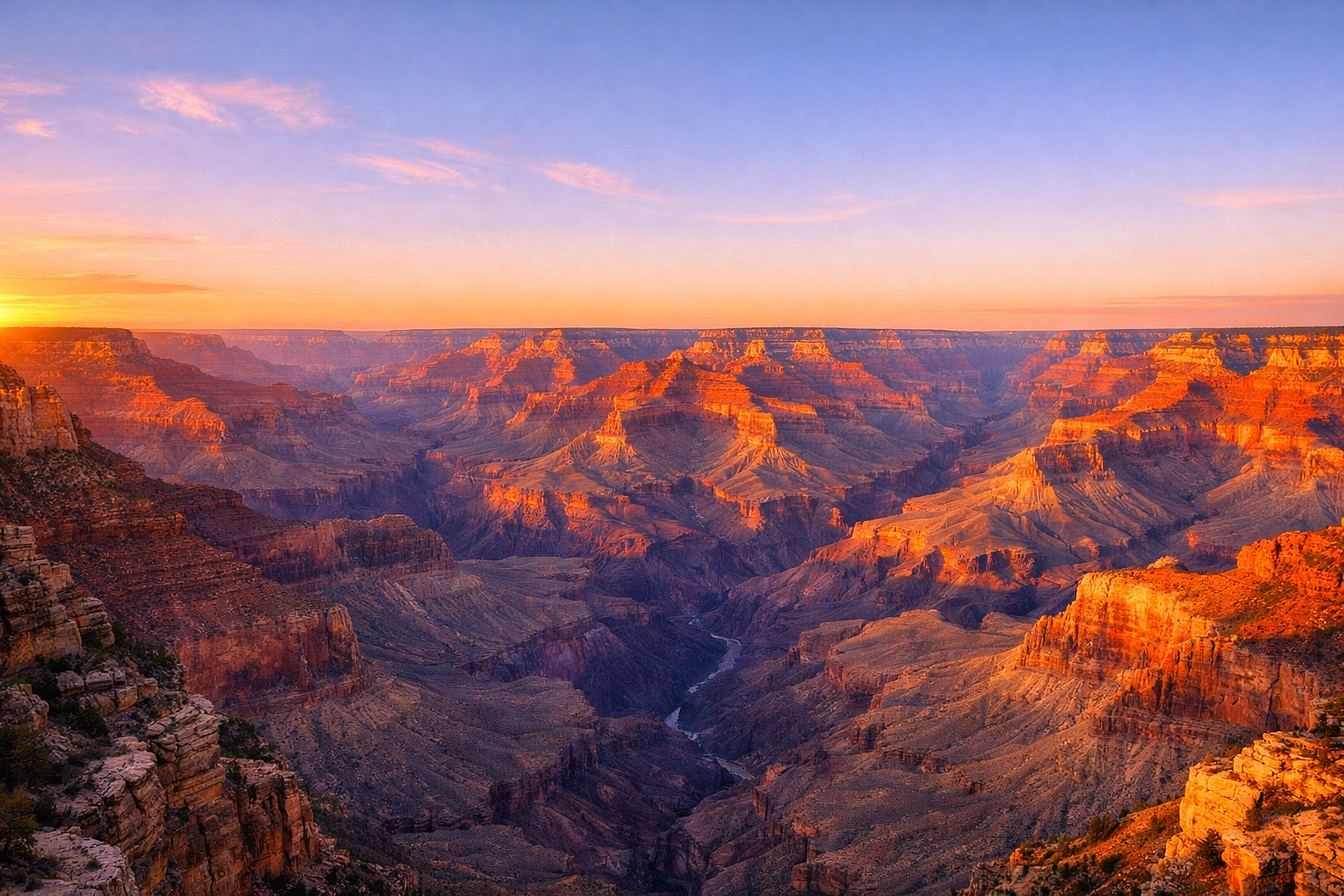
Alt Text: A wide panoramic shot of the Grand Canyon at sunrise, showing the deep layers of the canyon and golden light hitting the peaks.
The parks are waiting. Grab your gear, pack your bags, and let’s go capture something incredible together. See you on the trail!













