
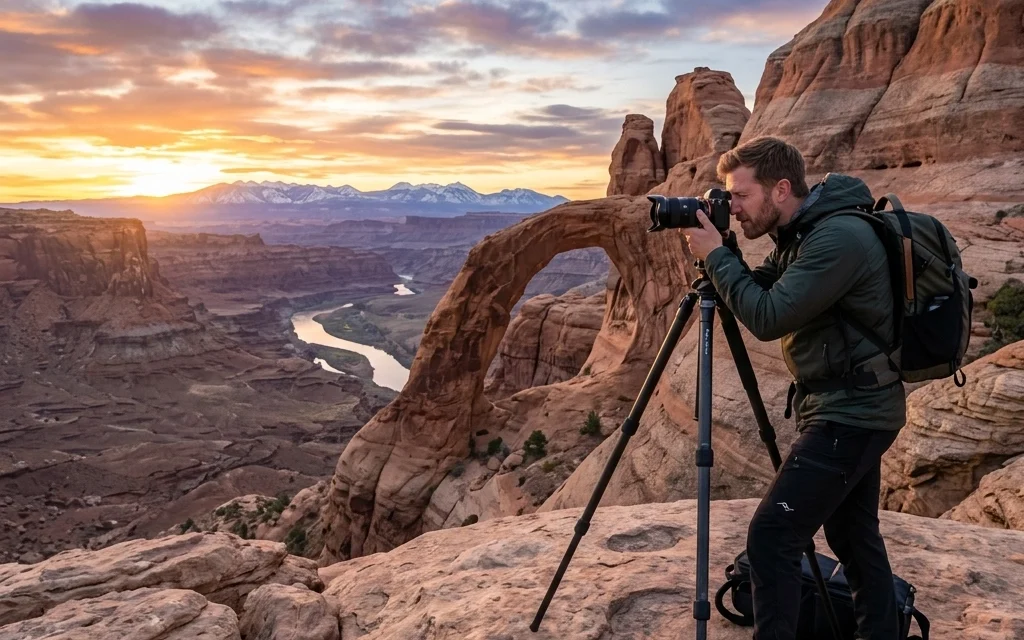
There is something deeply spiritual about standing on the rim of a canyon or at the foot of a glacier-clad mountain as the first light of day begins to bleed across the horizon. As photographers, we aren’t just looking for a "pretty picture"; we are chasing a feeling, a moment of connection with the wild. The United States is home to 63 National Parks, each offering a distinct personality, from the mossy, rain-soaked forests of the Pacific Northwest to the jagged, sun-scorched peaks of the Southwest.
Whether you are a seasoned pro or just picked up your first DSLR, photographing all 63 parks is the ultimate creative odyssey. This guide is the start of a comprehensive series where we will dive deep into every single park. We’ll explore the best photography locations, reveal the best sunrise spots, and help you master the technical skills needed to bring these landscapes to life.
If you’re looking for inspiration before you hit the road, I highly recommend checking out some of my latest work at Edin Fine Art or browsing the deeper stories behind the shots on my personal blog.
The Heavy Hitters: Where History and Light Meet
When people think of landscape photography locations, certain names immediately jump to mind. These "Crown Jewels" are famous for a reason: the scale is massive, and the light is legendary.
Yosemite National Park, California
Yosemite is arguably the birthplace of modern landscape photography. Standing at Tunnel View, you can almost feel the presence of Ansel Adams. To get the most out of your visit, aim for Glacier Point at sunrise. Seeing Half Dome turn a soft, glowing pink as the sun hits the granite is a bucket-list experience.
Zion National Park, Utah
Zion is a masterclass in color theory. The deep oranges of the Navajo sandstone against a crisp blue sky create a natural contrast that is a dream for any portfolio. One of the best sunrise spots is the Watchman from the Canyon Junction Bridge. Don’t just stop there, though; wading through the Virgin River in The Narrows offers a unique perspective that requires a sturdy tripod and a bit of bravery.
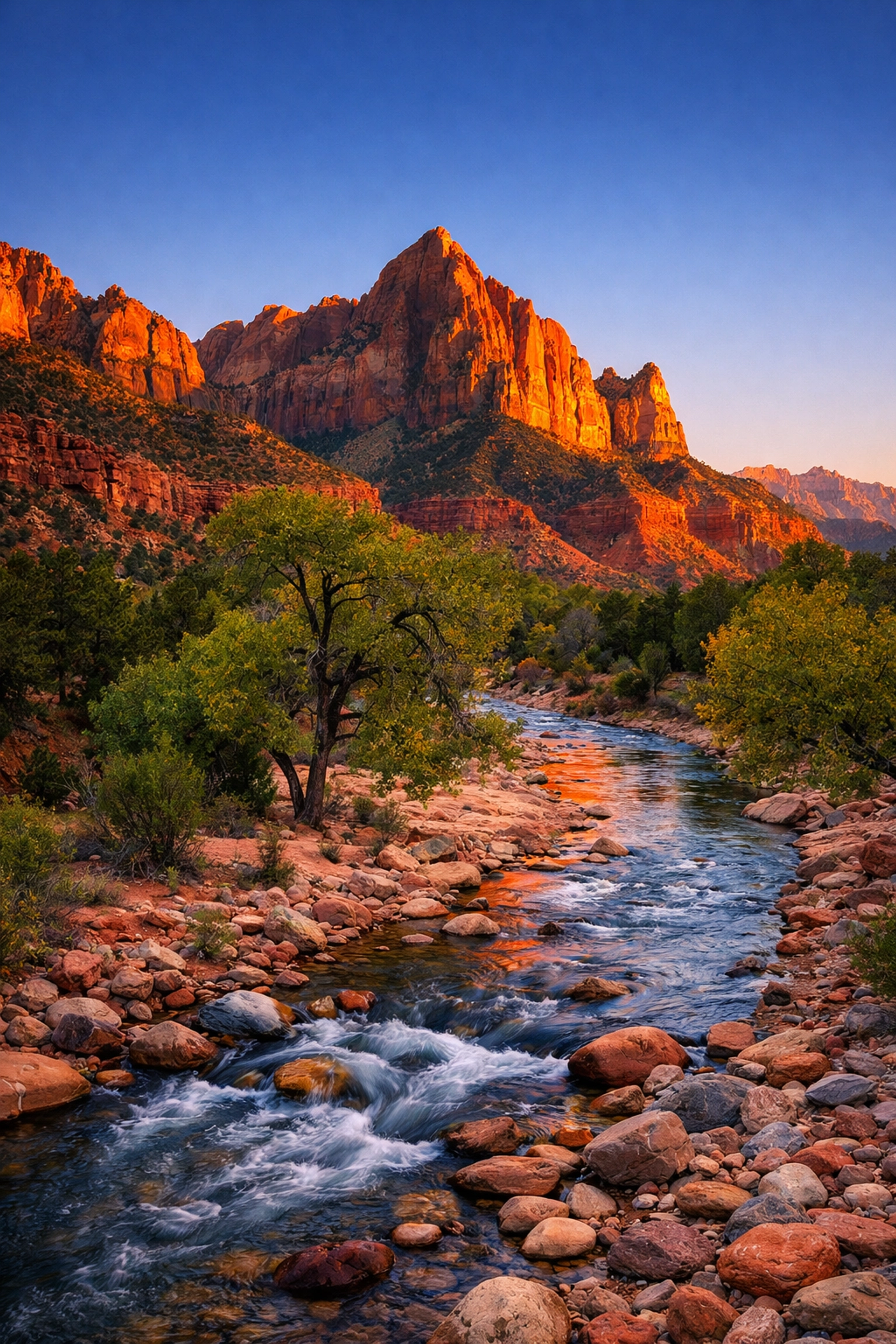
Alt Text: A wide-angle shot of The Watchman in Zion National Park at sunset, with the Virgin River flowing in the foreground and warm light hitting the red rock peaks.
High Altitudes: Capturing the Alpine Majesty
Mountain photography requires patience. You’re often dealing with unpredictable weather and thin air, but the rewards are unparalleled.
Grand Teton National Park, Wyoming
If you’re looking for mirror-like reflections, Schwabacher Landing is your spot. Arrive well before dawn to find your composition. The Tetons are incredibly dramatic, and using a telephoto lens can help you compress the landscape, making the peaks feel even more imposing. For a more classic view, Oxbow Bend at sunrise provides that iconic reflected mountain look that works perfectly for fine art prints.
North Cascades National Park, Washington
Often called the "American Alps," this park is a hidden gem for those who don't mind a hike. The turquoise waters of Diablo Lake are best captured from the Diablo Lake Overlook during the morning mist. I always suggest using a polarizing filter here to cut through the surface glare and reveal that deep, vivid teal color.
For more technical advice on which lenses to pack for these rugged environments, take a look at our guide on essential photography gear.
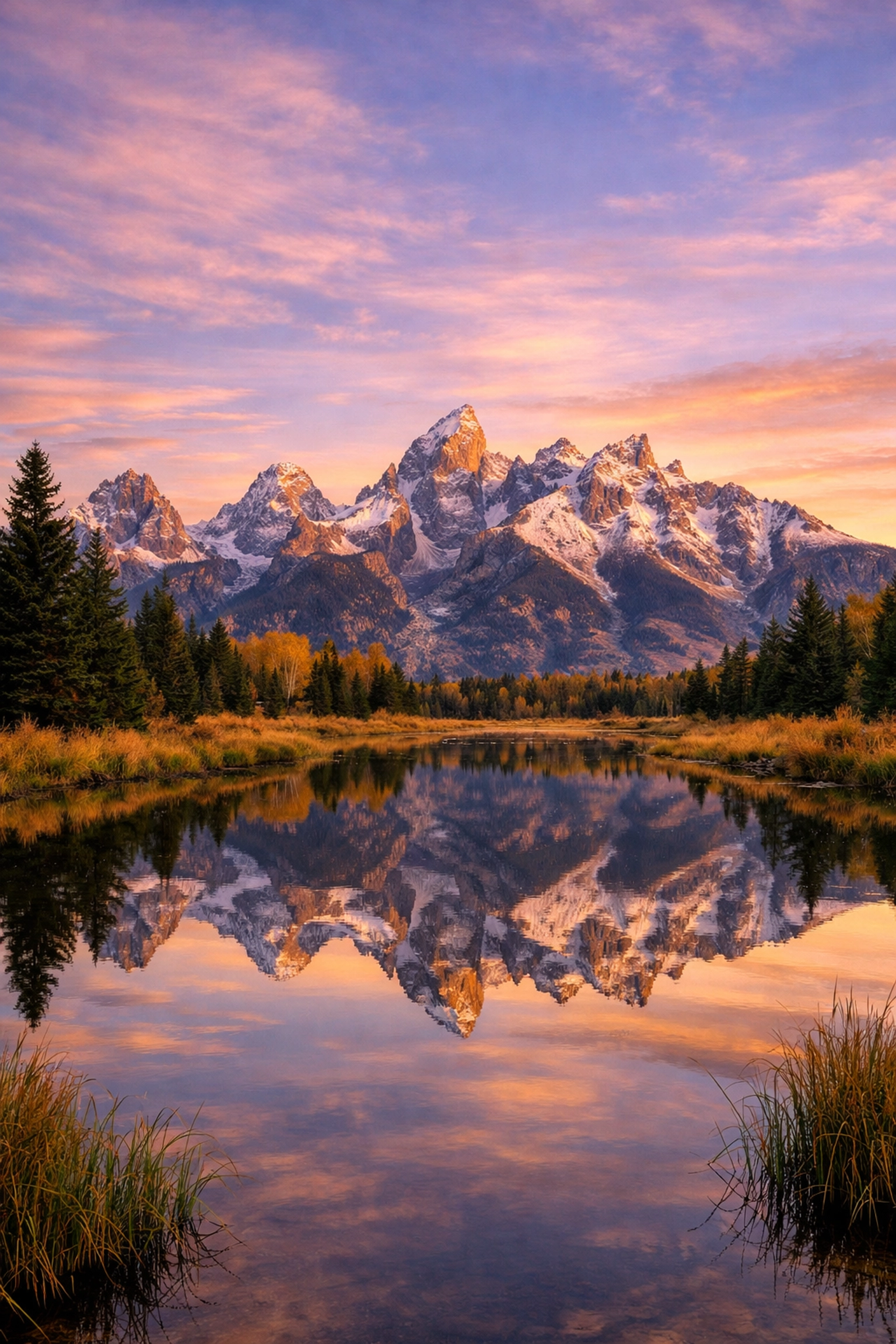
Alt Text: The Grand Teton mountain range reflected perfectly in the still water of Schwabacher Landing during the golden hour.
The Desert Soul: Shadows and Silhouettes
The desert is all about texture and timing. During the middle of the day, the light can be harsh and flat, but during the golden hour, these parks transform into a different world.
Arches & Canyonlands, Utah
Delicate Arch is the superstar here, but it can get crowded. For a quieter but equally stunning experience, head to Mesa Arch in Canyonlands for sunrise. The underside of the arch glows a fiery orange as the sun peaks over the horizon. It’s one of those best photography locations where a wide-angle lens is non-negotiable to capture the arch and the vast canyon below in a single frame.
Death Valley National Park, California
Don’t let the name scare you off. Death Valley is a playground for light and shadow. The ripples in the Mesquite Flat Sand Dunes create incredible leading lines during the late afternoon. For sunrise, Zabriskie Point offers a panoramic view of the golden, undulating badlands that look almost like a different planet.
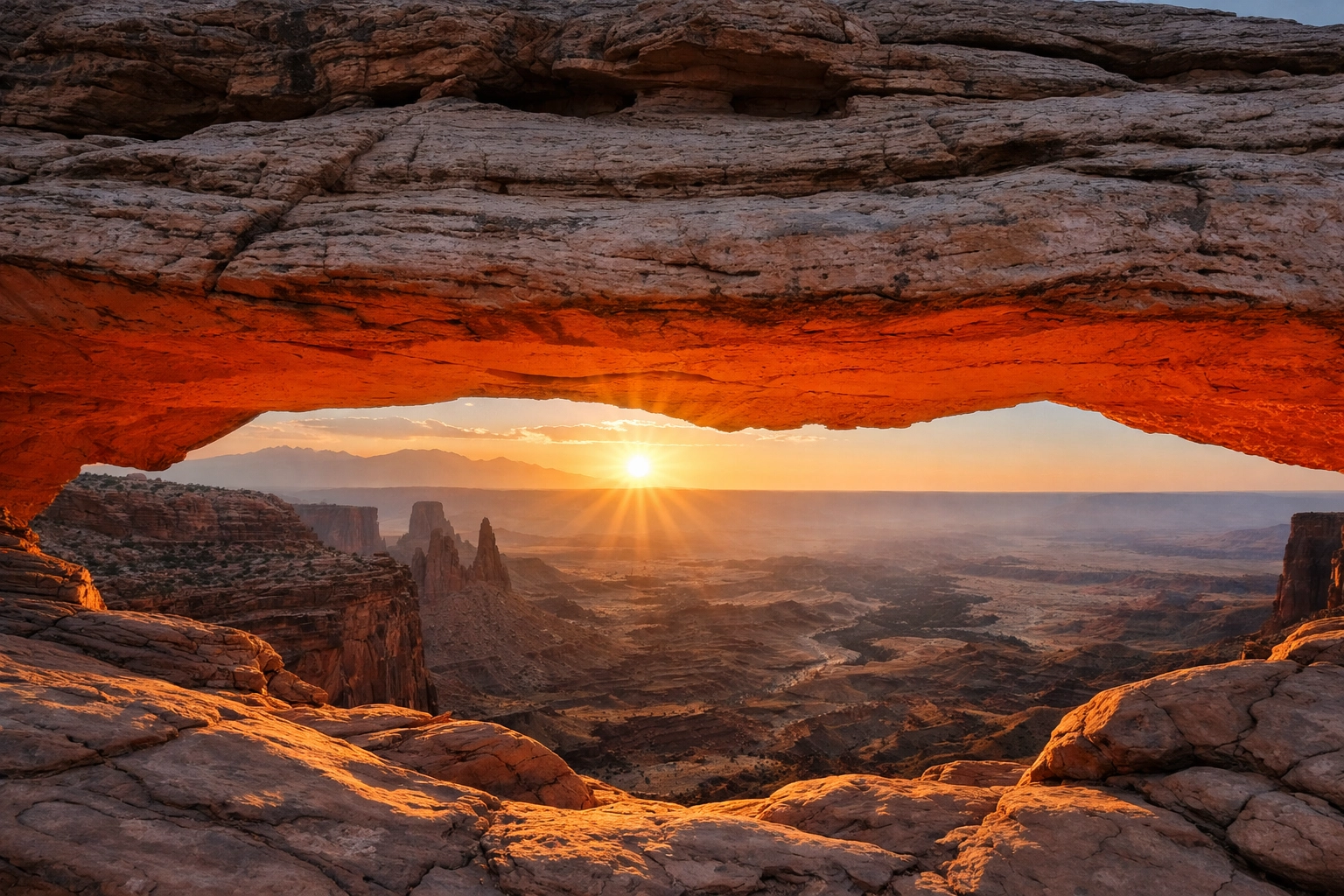
Alt Text: Glowing orange light illuminating the underside of Mesa Arch in Canyonlands National Park at sunrise, looking out over the vast canyon.
Hidden Gems: Finding Solitude
While the popular parks are spectacular, there is something special about having a landscape all to yourself.
- Great Basin National Park (Nevada): This is the place for astrophotography. With some of the darkest skies in the lower 48, you can capture the Milky Way arching over ancient bristlecone pines that have stood for thousands of years.
- Isle Royale National Park (Michigan): Rugged, remote, and only accessible by boat or seaplane. It’s a haven for wildlife photographers looking for moose and wolves amidst the boreal forest.
If you are planning a trip to a more remote location and want to ensure you have the best experience possible, you might want to consider a professional photography booking experience to help guide your journey.
Technical Tips for Success
Success in the National Parks isn't just about showing up; it’s about preparation. Here are a few things I’ve learned over the years:
- The Tripod is Your Best Friend: Whether it’s a long exposure of a waterfall in Olympic National Park or a star trail in the desert, a sturdy tripod is essential.
- Understand Your Gear: Don't wait until you're at the edge of the Grand Canyon to figure out how your new camera works. Check out our camera reviews 2024 to make sure you have the right tool for the job.
- Use Filters Wisely: A Circular Polarizer and a Graduated Neutral Density (GND) filter can save your sky from being "blown out" when the sun is rising or setting.
- Be Early, Stay Late: The best light happens when most people are still in bed or heading to dinner.
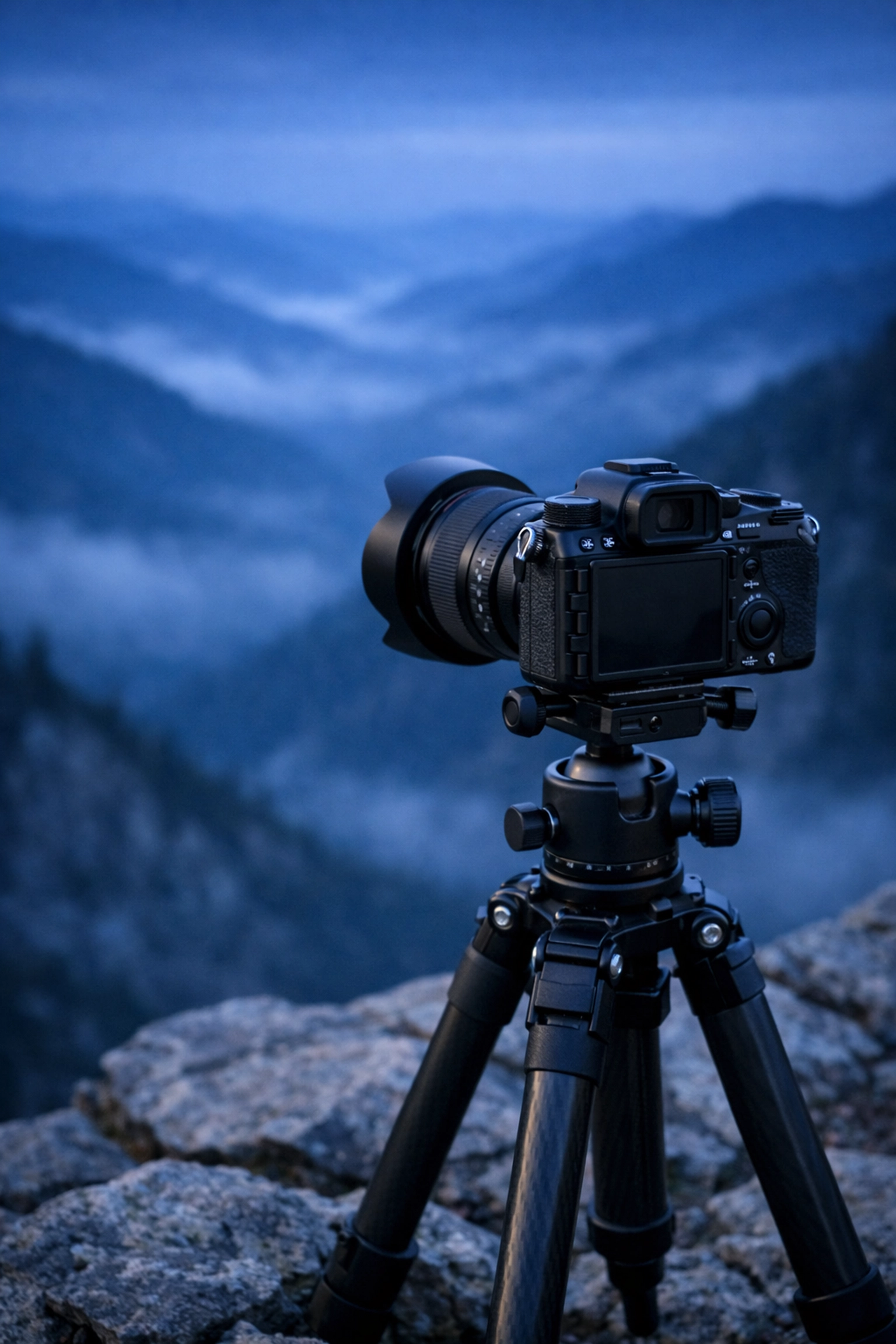
Alt Text: A photographer's setup with a tripod and a professional mirrorless camera overlooking a misty mountain valley during blue hour.
Join the Community
Photography is better when shared. If you’re looking to connect with other shooters, share your latest National Park captures, or get feedback on your work, head over to Shut Your Aperture. It’s a fantastic community of like-minded creatives who are all chasing the same light.
As we continue this 63-part series, we will dive into the specific logistics, gear lists, and "secret" spots for every single park. From the swampy everglades to the volcanic craters of Hawaii, we’re going to cover it all.
National Parks are a gift, and as photographers, we have the privilege of documenting their beauty for future generations. Remember to follow the "Leave No Trace" principles: stay on the trails, respect the wildlife, and take only photos.
Stay tuned for our next installment where we head north to the rugged coastlines of Acadia National Park. Until then, grab your gear, get out there, and start exploring. The wild is calling.













