
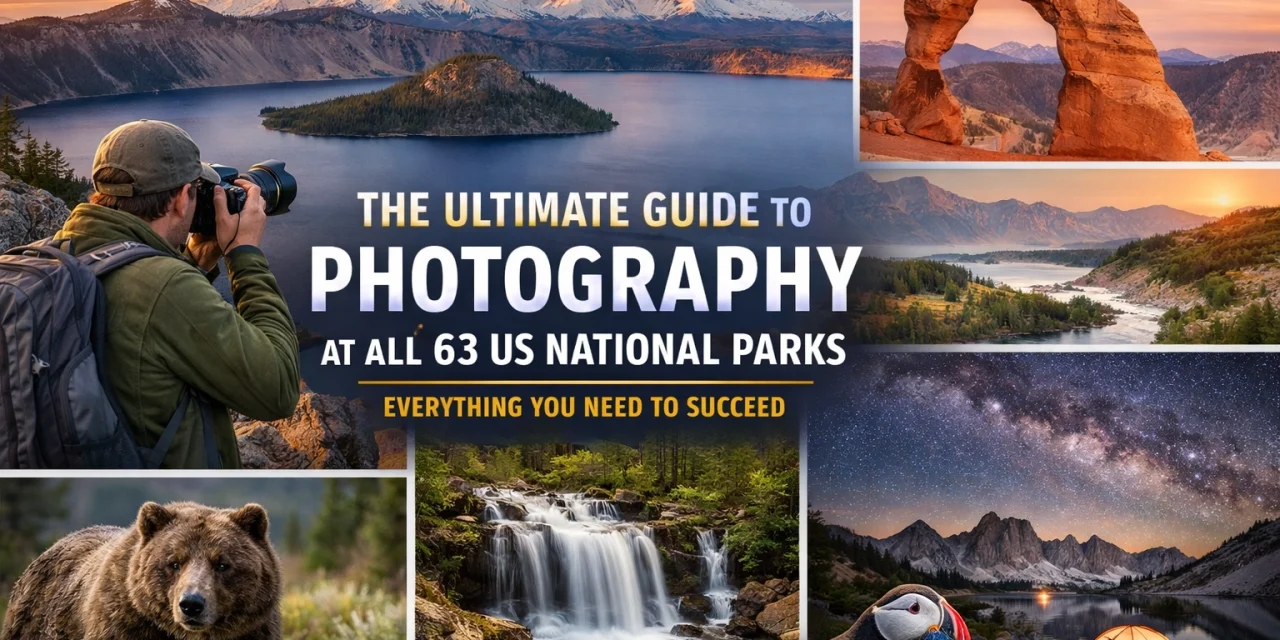
Category: Photo Guides
There is something deeply spiritual about standing on the rim of the Grand Canyon as the first light of day hits the Vishnu Schist, or watching the mist dance around the granite spires of Yosemite. If you are anything like me, your camera isn’t just a tool; it’s your ticket to experiencing these places on a much deeper level.
With 63 National Parks scattered across the United States: from the volcanic landscapes of Hawaii to the rugged coast of Maine: the "Great American Road Trip" has become the ultimate photography pilgrimage. But let’s be real: planning a shoot across these vast wildernesses can be overwhelming. Whether you are a seasoned pro or just starting out, this guide is designed to help you navigate the best photography locations and capture images that do these incredible places justice.
The Photographer’s Toolkit: Gear for the Wild
Before we dive into the locations, let's talk shop. You don't need the most expensive kit in the world, but you do need the right kit. National Parks are unforgiving environments. You’ll be dealing with dust, moisture, and long hikes.
For landscape photography locations, I always recommend a "holy trinity" of lenses:
- Wide-Angle (16-35mm): Essential for those massive vistas in places like Zion or Arches.
- Standard Zoom (24-70mm): Your workhorse for everyday scenes and environmental portraits.
- Telephoto (70-200mm or longer): Crucial for compressing mountain peaks or safely capturing wildlife in Yellowstone.
Don't forget a sturdy tripod. When you're shooting long exposures of waterfalls or chasing the Milky Way in Great Basin, a "handheld" shot just won't cut it. You can check out my full breakdown of essential photography gear to see exactly what stays in my bag. If you want to take your post-processing to the next level, I’ve also put together some sky overlays that can help save a shot when the weather doesn't cooperate.
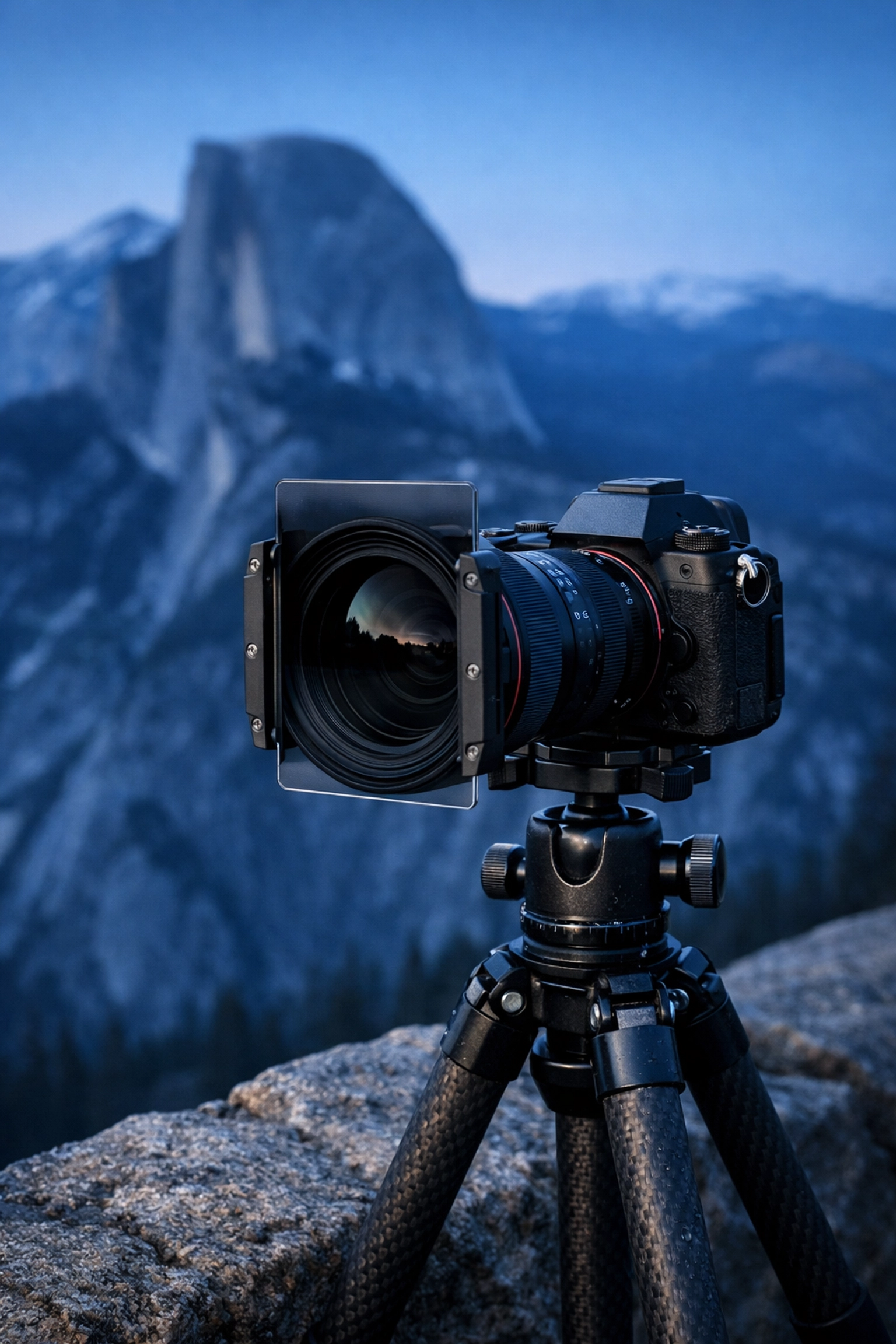
Alt text: A professional camera setup on a tripod overlooking a vast mountain range during blue hour, showing filters and a wide-angle lens.
Chasing the Light: Best Sunrise Spots
If you want the "hero shot," you have to beat the sun to the location. The "Golden Hour" isn't just a suggestion; it's the law for landscape photographers. Here are a few of the best sunrise spots in the park system:
- Mesa Arch, Canyonlands: This is the quintessential sunrise shot. As the sun peeks over the horizon, the underside of the arch glows a fiery orange. It’s crowded, so get there early!
- Cadillac Mountain, Acadia: Depending on the time of year, this is the first place in the U.S. to see the sunrise. The pink light hitting the Atlantic is pure magic.
- Tunnel View, Yosemite: While great at sunset too, a sunrise after a storm can create incredible mist in the valley.
For more deep dives into specific park timing, keep an eye on my latest articles at www.blog.edinchavez.com. I’m constantly updating my field notes there.
Iconic Locations: The "Big Three"
1. Yosemite National Park, California
Yosemite is the Mecca of photography. From the towering face of El Capitan to the delicate Bridalveil Fall, there is a shot around every corner.
- Pro Tip: If you’re visiting in February, try to capture the "Firefall" at Horsetail Fall, where the setting sun illuminates the water to look like lava.
- Composition: Use the Merced River as a leading line to draw the viewer’s eye toward the granite cliffs.
2. Zion National Park, Utah
Zion is all about verticality and color. The red Navajo sandstone against a blue sky is a color theorist's dream.
- Top Spot: The Narrows. You’ll be hiking in water, so bring a waterproof bag. A polarizing filter is a must here to cut the glare on the river and make those canyon colors pop.
- SEO Tip: This is consistently rated as one of the best photography locations in the world for textures.
3. Grand Canyon National Park, Arizona
The scale is impossible to capture in a single frame. This is where panoramas come in handy.
- Top Spot: Mather Point or Hopi Point.
- Strategy: Don't just shoot the big view. Use a telephoto lens to zoom in on the layers of rock and shadows created by the clouds.
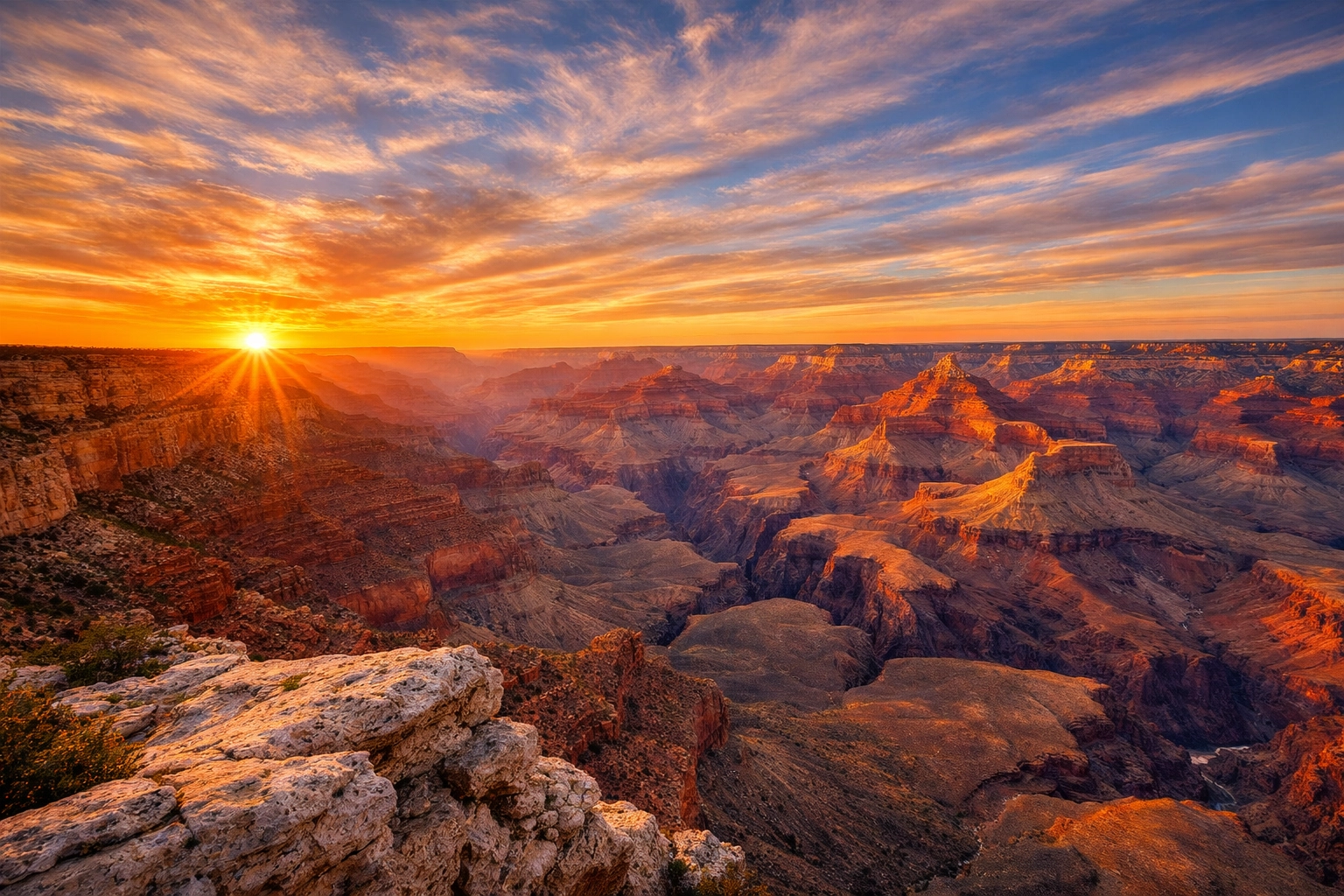
Alt text: An ultrarealistic wide-angle shot of the Grand Canyon at sunset, showing deep red and purple shadows in the rock layers and a sunstar on the horizon.
The Hidden Gems
While everyone flocks to the Grand Canyon, some of the best landscape photography locations are in the parks you haven't heard of yet.
- Great Basin, Nevada: One of the best places for astrophotography. The "dark skies" here are legendary. You can capture the Milky Way with ancient Bristlecone Pine trees in the foreground.
- North Cascades, Washington: Often called the "American Alps." It’s rugged, remote, and the glacial lakes are a vibrant turquoise that looks fake in photos (but I promise, it's real!).
- Olympic National Park, Washington: This park offers three different environments: temperate rainforests, rugged coastline, and subalpine meadows. The moss-covered trees in the Hoh Rainforest are a moody photographer’s dream.
Mastering Composition in the Wild
When you’re standing in front of something as grand as Mount Rainier, it’s easy to just "point and shoot." But to make a photo stand out, you need to think about composition.
- Leading Lines: Use trails, rivers, or even fallen logs to lead the eye into the frame.
- Foreground Interest: Find a unique rock, a patch of wildflowers, or a reflective puddle. This gives your image depth.
- Scale: Sometimes, adding a person (in a bright jacket!) to the frame helps the viewer understand just how massive these landscapes really are.
If you’re feeling stuck with your compositions, I offer a photography booking experience where we can head out into the field together and refine your eye.
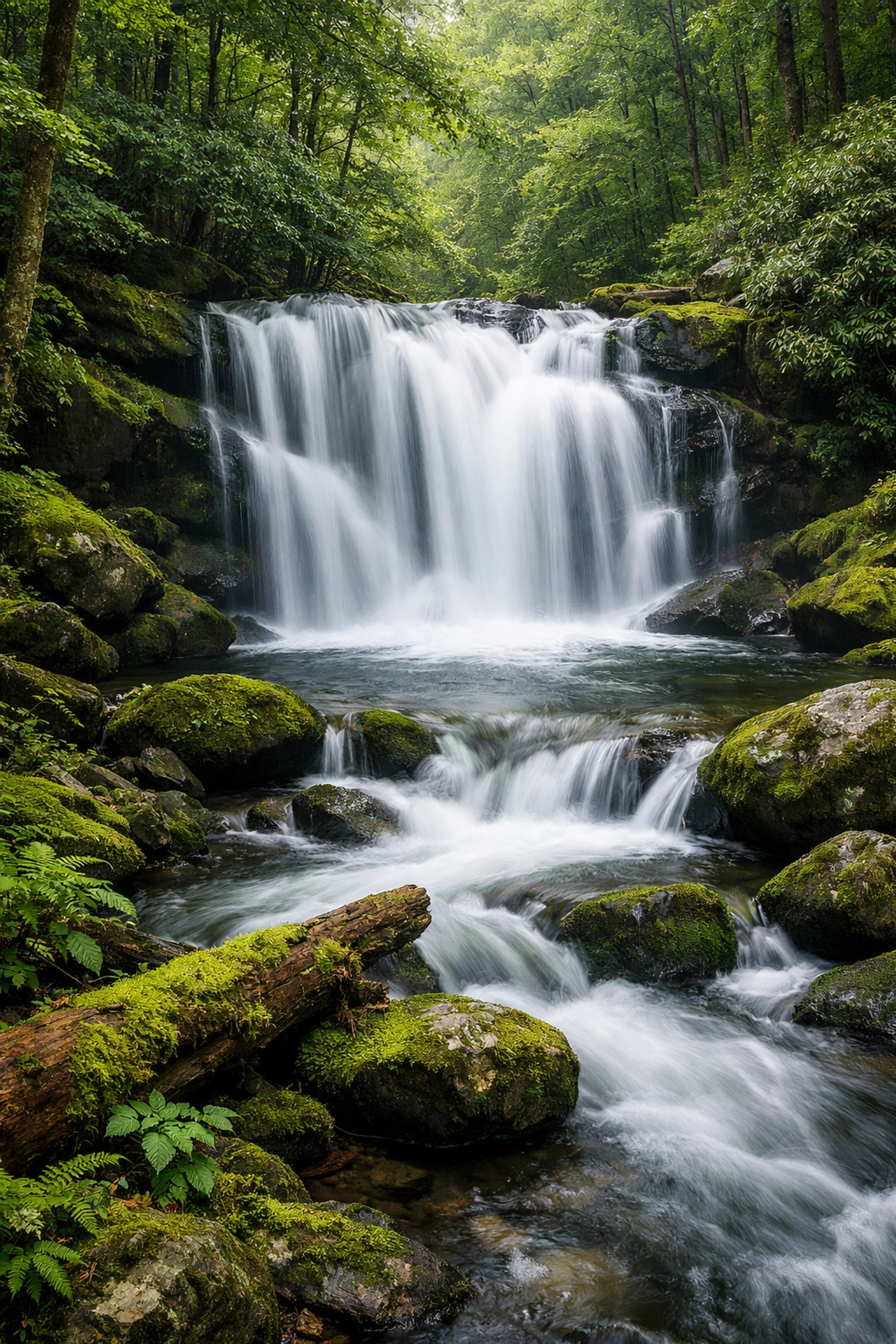
Alt text: A stunning long-exposure shot of a waterfall in the Smoky Mountains, with silky smooth water and vibrant green moss on the surrounding rocks.
Planning and Logistics
You can’t just show up and expect everything to go perfectly. Many parks now require vehicle reservations or permits for specific hikes (like Angels Landing in Zion).
- Check the Season: Every park has a "best" time. Want wildflowers? Hit Mt. Rainier in late July. Want fall colors? Head to Shenandoah in October. Want the least crowds? Try Death Valley in January.
- Stay Safe: Always check the weather. A flash flood in a slot canyon or a sudden snowstorm in the Sierras is no joke.
- Respect the Land: Follow "Leave No Trace" principles. Stay on the marked trails and never harass the wildlife for a "better shot."
For those looking to bring the beauty of these parks into their homes, you can browse my gallery of museum-quality prints at www.edinfineart.com. Each piece is a labor of love from my time spent in these wild places.
Final Thoughts
Photographing all 63 National Parks is a marathon, not a sprint. It’s about more than just the "likes" on social media; it’s about the quiet moments at 4:00 AM when the world is still, and it’s just you and the wilderness.
At Photoguides, we want to make sure you have the confidence to step out of your comfort zone and into the light. Whether you are capturing the swamps of the Everglades or the glaciers of Alaska, remember to take a second to put the camera down and just breathe.
Ready to start your journey? Don’t forget to check out our educational resources for more tips on mastering your camera settings before you hit the trail.
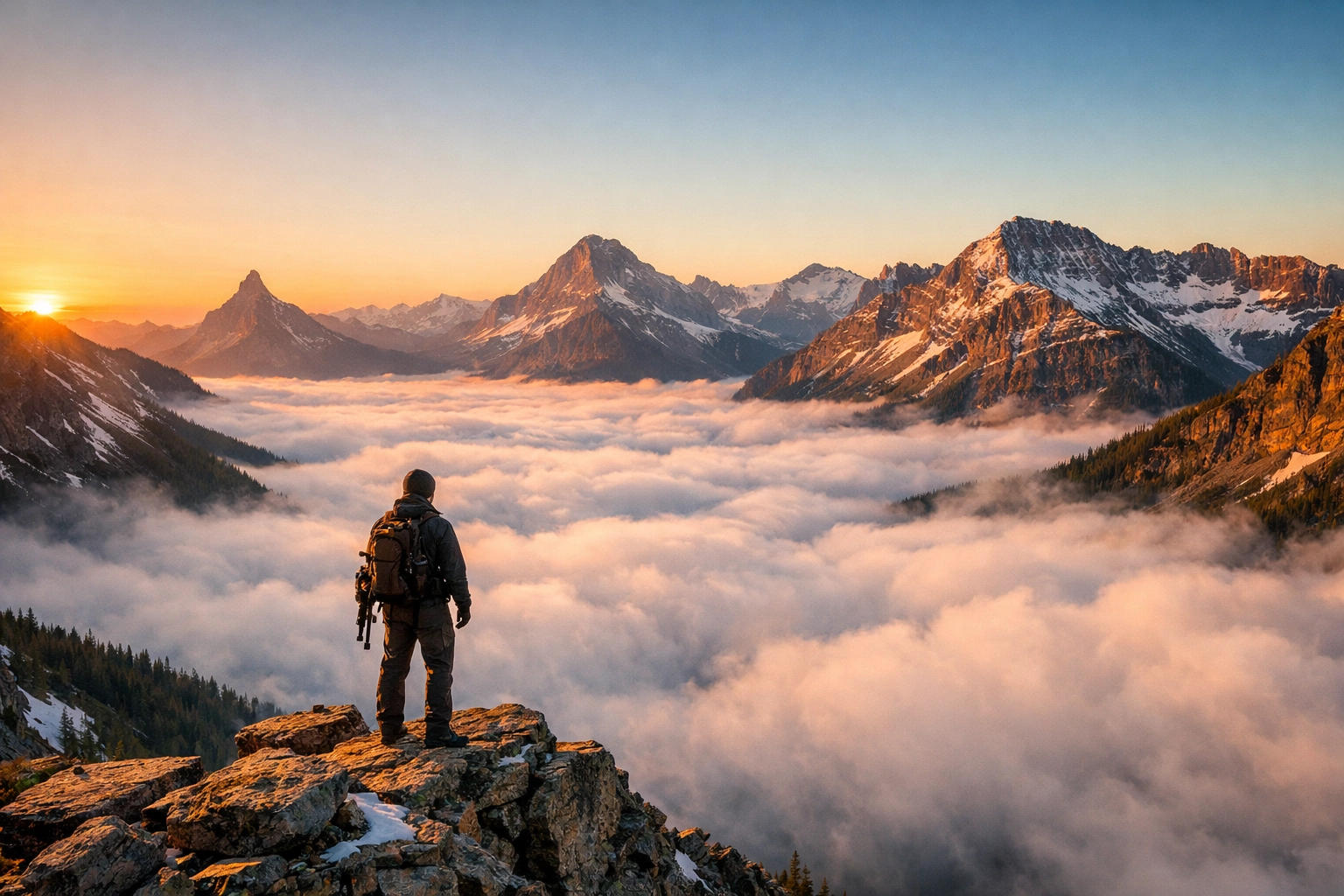
Alt text: A photographer standing on a cliff edge at sunset, looking out over a sea of clouds in a mountain national park, representing adventure and success.
Happy shooting, and I’ll see you out there on the trail!
( Edin Chavez
CEO, Photoguides)













