
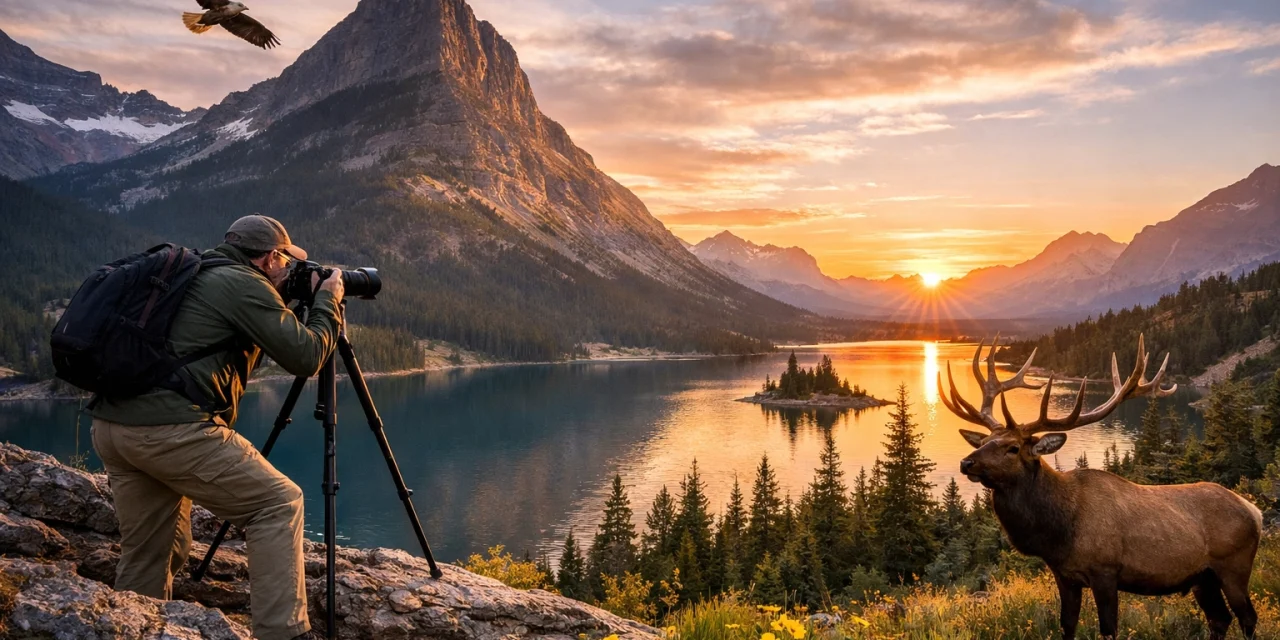
There is something truly spiritual about standing on the edge of the Grand Canyon as the first light of day hits the rim, or watching the mist dance across the turquoise waters of Diablo Lake. The U.S. National Park system is a gift to photographers, offering 63 distinct playgrounds that range from the jagged peaks of the Tetons to the ethereal white sands of New Mexico.
At Photoguides, we know that planning a trip to even one of these parks can feel overwhelming, let alone trying to capture the "perfect" shot. That’s why we’ve put together this comprehensive guide. Whether you are a seasoned pro looking for new landscape photography locations or a hobbyist searching for the best sunrise spots, we are here to ensure your journey is as smooth as your long-exposure shots.
The Vision: Capturing the American Wilderness
Every park has a story. Our CEO, Edin Chavez, often says that photography is about more than just a frame; it’s about the feeling of being there. To see how these landscapes can be transformed into gallery-quality work, I highly recommend browsing the collections at www.edinfineart.com. Seeing the finished product often provides the spark of inspiration needed to brave those 4:00 AM wake-up calls.
As we embark on this series covering all 63 parks, remember that patience is your best friend. The light will change, the wildlife will move, and the weather: especially in places like Mt. Rainier or Glacier: will do whatever it wants. Your job is to be ready.
Essential Gear for the National Park Photographer
Before you head out into the backcountry, you need to ensure your kit is up to the task. You don't need every lens in the catalog, but you do need the right ones.
- A Sturdy Tripod: From the windy overlooks of Badlands to the rushing waters of Yosemite, a stable base is non-negotiable for those sharp landscape shots.
- Wide-Angle & Telephoto Lenses: Use a wide-angle (16-35mm) for those expansive vistas and a telephoto (100-400mm) for wildlife in Yellowstone or compression in the mountains.
- Filters: A circular polarizer is essential for cutting glare on water and making those clouds pop. A Graduated Neutral Density (GND) filter will help you balance the bright sky with the dark canyon floors.
For a deeper dive into what I carry in my bag, check out our guide on essential photography gear and stay updated with the latest camera reviews 2024 to see which bodies are handling the rugged park environments best.

Alt text: A professional camera on a sturdy tripod positioned at a scenic overlook in a mountainous National Park during golden hour.
The Desert Southwest: A Masterclass in Light and Shadow
The "Mighty 5" in Utah and the surrounding desert parks are arguably the best photography locations in the world for capturing texture and color.
- Arches National Park: Delicate Arch is the icon, but don’t skip the Windows Section at sunrise. The way the red rock glows is something you have to see to believe.
- Canyonlands National Park: Mesa Arch is perhaps the most famous best sunrise spot in the country. To get the classic "glow" under the arch, you need to be there well before dawn.
- Death Valley: For something truly unique, head to the Mesquite Flat Sand Dunes. The shadows at low sun create geometric patterns that are a minimalist photographer's dream.
If you’re looking for more inspiration on how to edit these high-contrast desert scenes, www.blog.edinchavez.com features numerous tutorials on bringing out the rich oranges and deep blues of the American West.
The Alpine Giants: Peaks and Reflections
Moving north, the landscape shifts from red rock to granite spires and glacial lakes. These parks require a bit more physical effort, but the rewards are unparalleled.
- Grand Teton National Park: Schwabacher Landing offers world-class reflections of the Teton Range. It is a premier landscape photography location because the water is often still, creating a perfect mirror image.
- Rocky Mountain National Park: The aspen groves here are spectacular in the fall. If you're looking for wildlife, the elk rut in Horseshoe Park provides incredible opportunities for action shots.
- Glacier National Park: Hidden Lake Overlook provides a stunning vista that captures the "Crown of the Continent." Be prepared for sudden weather shifts here; some of my favorite shots were taken right after a storm cleared.

Alt text: Ultrarealistic landscape of Grand Teton National Park with mountain peaks reflecting in a calm river during a pink and orange sunrise.
Coastal Gems and Hidden Forests
Not all parks are about mountains and deserts. The coastal and forest parks offer a different kind of magic: moody, green, and ethereal.
- Acadia National Park: As the first place in the U.S. to see the sun for much of the year, Cadillac Mountain is a legendary best sunrise spot. The rugged Atlantic coastline provides endless foreground interest with its weathered rocks and crashing waves.
- Olympic National Park: This park is three-in-one. You have the Hoh Rain Forest (look for the "Hall of Mosses"), the rugged Pacific beaches like Ruby Beach, and the subalpine beauty of Hurricane Ridge.
- Everglades National Park: This is a bird photographer’s paradise. The Anhinga Trail is a great spot to start, offering close-up encounters with alligators and herons in the soft morning light.
Mastering the Light: Pro Tips for National Park Success
To truly succeed in National Park photography, you have to master timing. Most of your best work will happen during the "Golden Hours": the hour after sunrise and the hour before sunset.
However, don't pack up once the sun goes down. Many of our National Parks are "Dark Sky" certified. Places like Arches, Bryce Canyon, and Big Bend offer some of the best Milky Way photography on the planet. For these shots, you'll want to revisit our educational category to learn about long exposure and noise reduction.
Composition Tip: Look for leading lines. In a forest, it might be a fallen log or a trail. In the desert, it could be the "S" curve of a wash or the ripple in a sand dune. These lines lead the viewer's eye through the frame and create a sense of depth.

Alt text: A vibrant Milky Way galaxy visible in a clear night sky over the silhouette of Arches National Park.
Planning Your Ultimate Road Trip
Taking on all 63 parks is a marathon, not a sprint. It requires meticulous planning, from permits to lodging. Many parks now require vehicle reservations months in advance (looking at you, Zion and Arches).
If you’re planning a multi-park trip, consider starting with a few cheap weekend getaways to test your gear and your stamina. Once you're ready for the big leagues, our photography booking experience can help you find guided tours that take the guesswork out of scouting locations, allowing you to focus purely on the art.
Helpful Resources for Your Journey:
- Permits: Always check the official NPS website for commercial or group photography permits.
- Safety: Always stay on marked trails. No photo is worth damaging the fragile cryptobiotic soil of the desert or the alpine tundra of the mountains.
- Weather: Use apps like NOAA or Clear Outside to track cloud cover and storm fronts.

Alt text: A photographer in hiking gear looking out over a vast canyon landscape, holding a camera and planning a shot.
Final Thoughts
The journey through all 63 U.S. National Parks is a transformative experience. It forces you to see the world differently, to slow down, and to appreciate the raw beauty of our planet. Whether you are capturing the massive Sequoias in California or the historic cliffs of Mesa Verde, each park offers a unique lesson in light, composition, and patience.
We invite you to follow along with the rest of this series as we break down every single park with specific coordinates, the best times of year to visit, and more pro tips from the field. Don't forget to visit www.blog.edinchavez.com for more stories from the road and www.edinfineart.com to see the beauty of these parks hanging in homes across the world.
Pack your bags, clean your sensors, and we'll see you at sunrise!













