
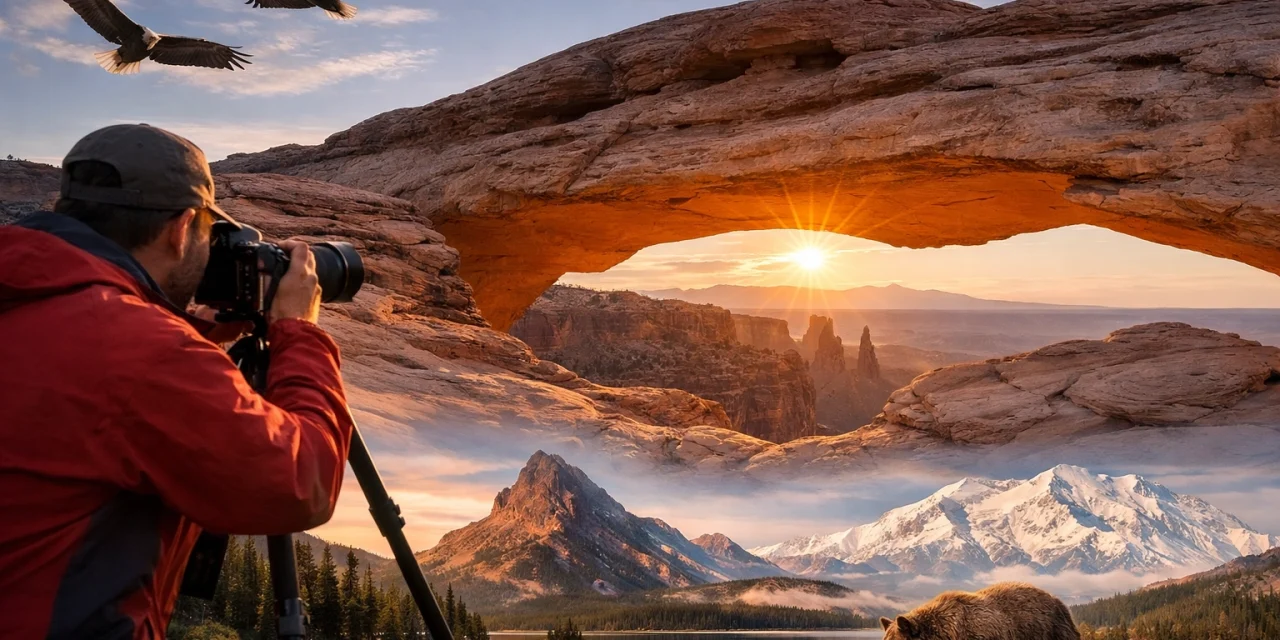
If you’re anything like me, you probably have a bucket list that involves a lot of dirt, fresh air, and early wake-up calls. There is something truly magical about the U.S. National Parks. From the rugged peaks of the Tetons to the swampy mysteries of the Everglades, these 63 protected areas are basically a playground for anyone with a camera.
But let’s be real: trying to photograph all 63 parks can feel overwhelming. Where do you start? What gear do you pack? How do you make sure you’re at the right spot when the light hits just right?
I’m Edin Chavez, and at Photoguides, we want to make sure your next adventure is as stress-free and productive as possible. This guide is the start of a massive series where we’ll dive deep into every single park. For now, let’s look at the big picture and some of the best photography locations you need to hit first.
Gear Up Without the Stress
Before you hop in the car or book that flight, we need to talk about what’s in your bag. I’ve seen people lug 50 pounds of gear up a mountain only to realize they forgot an extra battery. Don't be that person.
For landscape photography locations, you generally want three main lenses:
- A Wide-Angle (16-35mm): Essential for those "wow" vistas in places like the Grand Canyon.
- A Mid-Range Zoom (24-70mm): Your "do-it-all" lens for walking around.
- A Telephoto (70-200mm or longer): Crucial for wildlife in Yellowstone or compression in the desert.
If you’re feeling unsure about your current setup, check out our guide on essential photography gear or see what’s performing best in our camera reviews 2024. And remember, the best camera is the one you have with you: but a sturdy tripod is non-negotiable for those sharp sunrise shots.
The Magic of the Golden Hour
In photography, timing isn’t just everything: it’s the only thing. You can be at the most beautiful spot on Earth, but if it’s noon and the sun is harsh, your photo will look flat.
We live for the "Golden Hour." This is that brief window just after sunrise and just before sunset when the light is soft, warm, and glowing. If you’re looking for the best sunrise spots, here are a few that never disappoint:
- Mesa Arch (Canyonlands National Park): The underside of the arch glows a fiery orange as the sun creeps over the horizon.
- Schwabacher Landing (Grand Teton National Park): You get those perfect, mirror-like reflections of the mountains in the Snake River.
- Sunrise Point (Bryce Canyon National Park): Watching the light hit the red rock hoodoos is a spiritual experience.
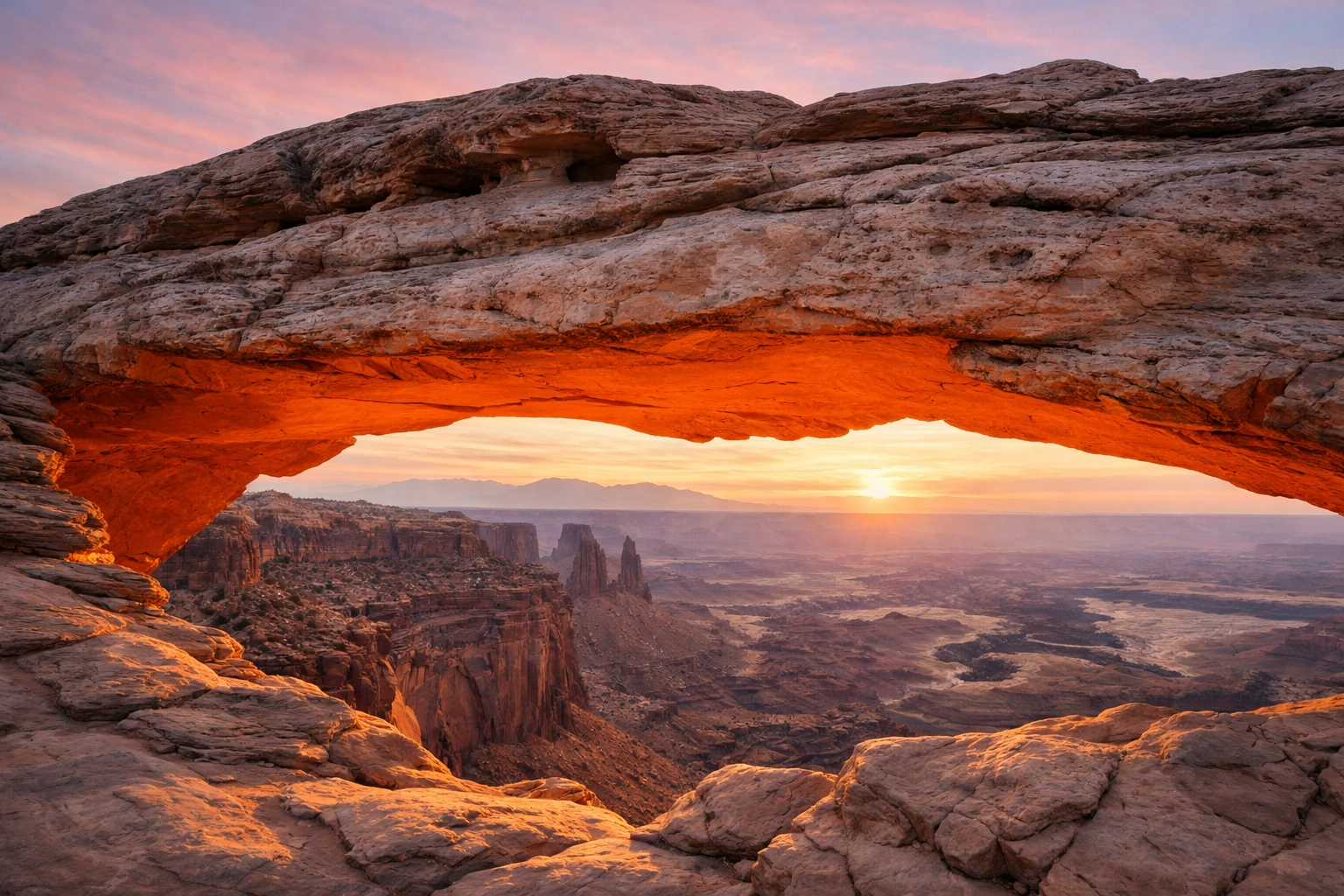
Alt Text: An ultrarealistic, high-resolution wide-angle shot of Mesa Arch in Canyonlands National Park at sunrise. The underside of the natural stone arch is glowing a vibrant, fiery orange, framing a vast canyon landscape under a soft purple and gold sky.
Regional Highlights: Where to Point Your Lens
With 63 parks, the variety is insane. To make it easier, I like to think of them in clusters.
The Desert Southwest
This is the heart of landscape photography locations. Parks like Arches, Zion, and the Grand Canyon offer textures and colors you won't find anywhere else. In Zion, make sure you head to the bridge near Canyon Junction at sunset to capture The Watchman. The way the red sandstone catches the last light of the day is iconic. For more inspiration on these types of shots, I always keep a gallery of my latest work over at www.edinfineart.com.
The Mountain Giants
If you like scale, the Rockies and the Sierras are calling. Glacier National Park and Grand Teton are world-class for both landscapes and wildlife. If you’re heading to the North Cascades, don’t miss the Diablo Lake Overlook. The water is a crazy turquoise color that looks fake until you see it in person. Use a polarizing filter to really make that blue pop.
The Eastern Gems
Don't sleep on the East Coast. Acadia National Park in Maine has some of the most dramatic coastal views in the country. Further south, Congaree National Park offers a completely different vibe: misty boardwalks and ancient cypress trees. It’s moody, quiet, and perfect for testing your low-light skills.
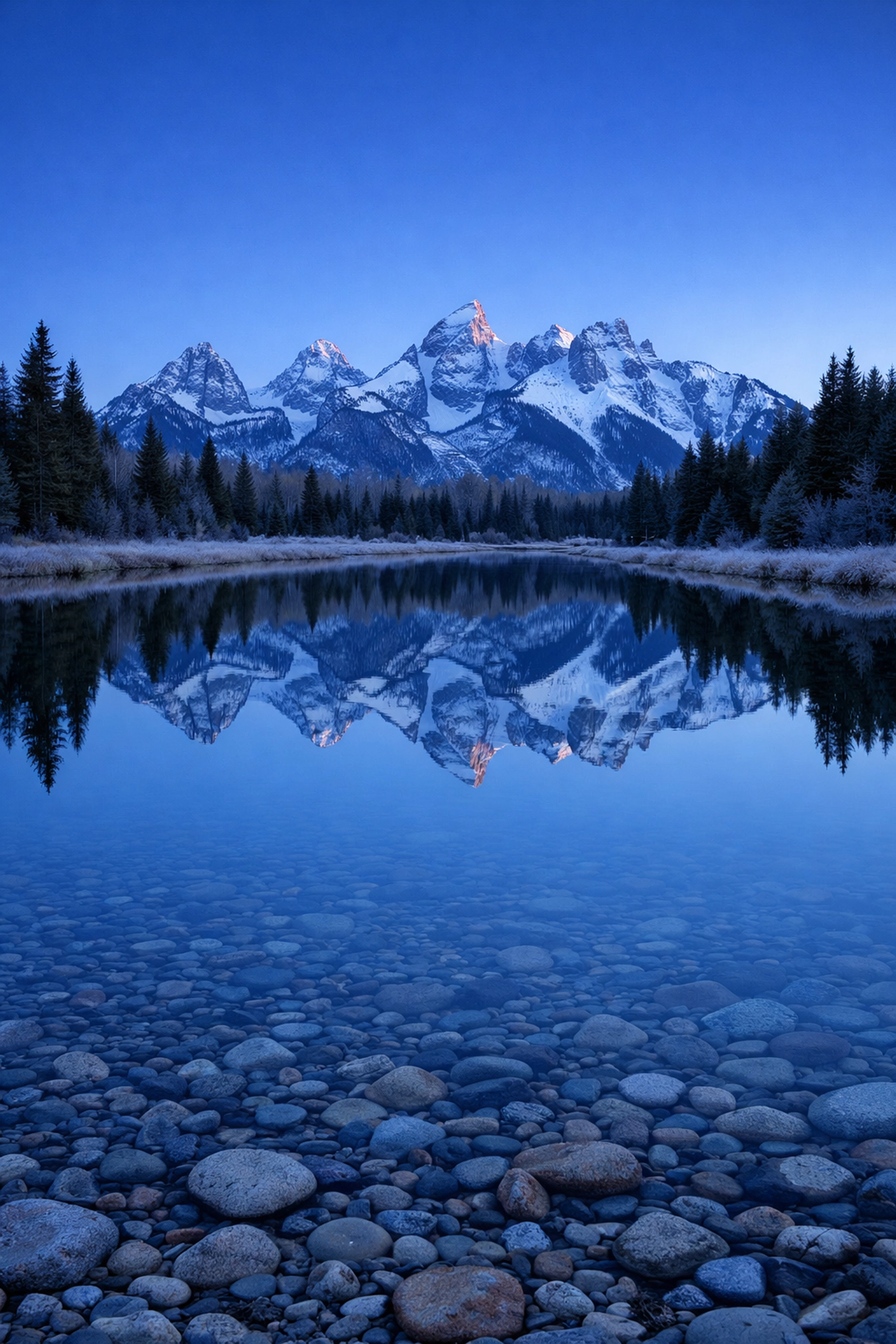
Alt Text: A professional landscape photograph of the Teton Range reflected perfectly in the still waters of Schwabacher Landing during the blue hour, just before sunrise. The peaks are dusted with snow and the atmosphere is calm and serene.
Navigating the Logistics
Let’s be honest: some of these parks are crowded. To get the best shots, you have to be willing to beat the crowds. This means arriving at your spot at least an hour before sunrise. Not only does this get you the best parking, but it also gives you time to scout your composition in the dark.
If you’re planning a multi-park road trip on a budget, take a look at our tips for cheap weekend getaways. Planning is half the battle, and knowing where you’re going to sleep (and eat!) saves your creative energy for the photos.
I’ve spent years traveling to these locations, and I’ve shared a lot of those personal stories and deep-dive tutorials on my personal blog at www.blog.edinchavez.com. It’s a great place to see the "behind the scenes" of how these big national park trips actually come together.
Tips for Success in the Field
- Use Leading Lines: Whether it’s a river in the Tetons or a boardwalk in the Everglades, use natural lines to lead your viewer’s eye into the frame.
- Don’t Forget the Foreground: A grand vista is great, but adding a rock, a flower, or a log in the foreground adds depth and makes the viewer feel like they are standing right there with you.
- Check the Weather: Some of my best photos happened during "bad" weather. Storm clouds over the Grand Canyon create drama that a clear blue sky just can’t match.
- Protect Your Gear: If you’re in a sandy place like Death Valley or Great Sand Dunes, be extremely careful when changing lenses. Wind and sensors don't mix.
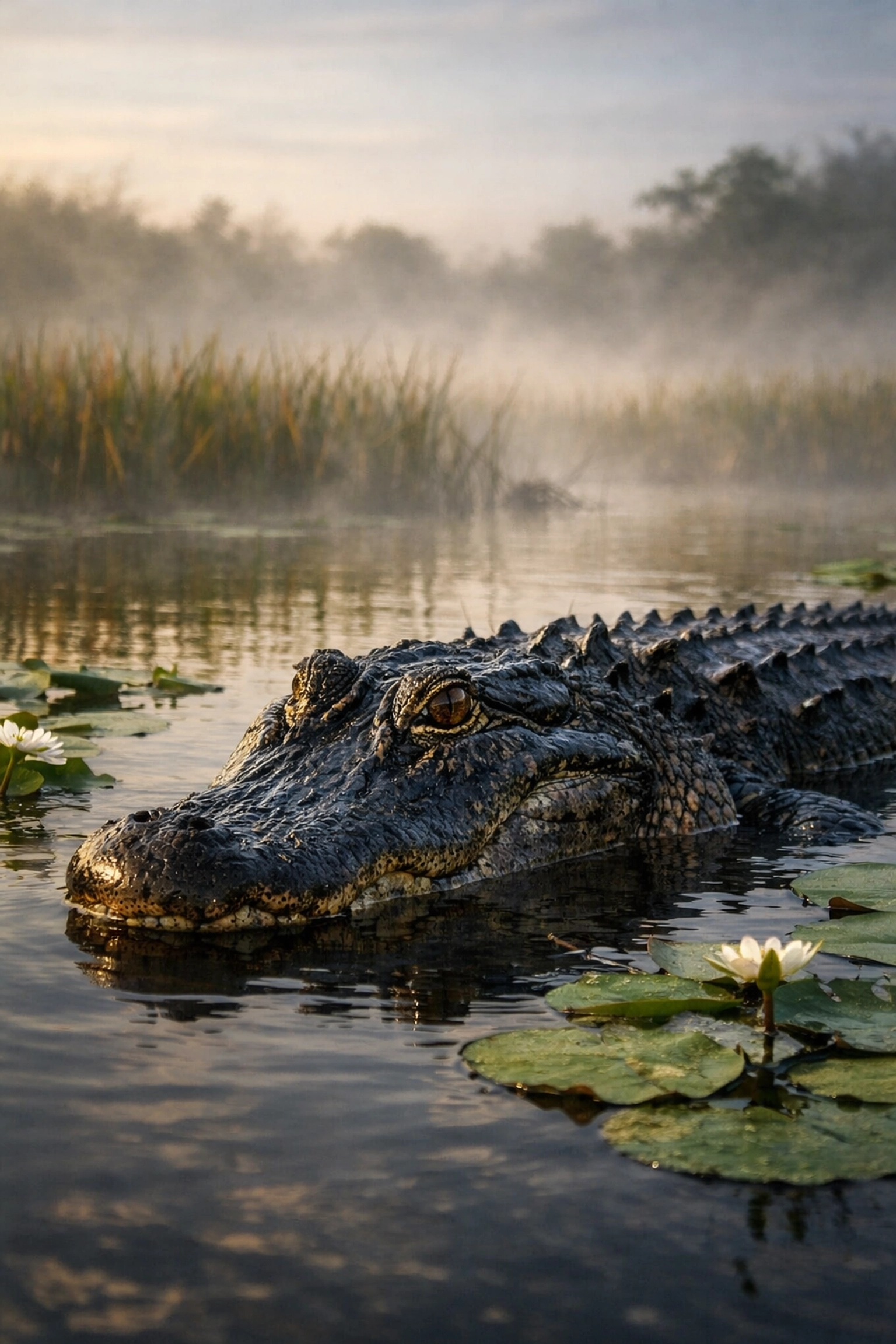
Alt Text: A detailed, close-up shot of an alligator partially submerged in the dark, reflective waters of the Everglades National Park. The morning mist hangs low over the sawgrass in the background, creating a moody, atmospheric wildlife portrait.
Join the Photoguides Community
At Photoguides, we believe photography should be accessible to everyone. Whether you’re a pro with a $10,000 setup or a hobbyist with a smartphone, the National Parks belong to you. Our mission is to provide you with the reassurance and the tools you need to capture these places with confidence.
If you’re looking to take your editing to the next level after your trip, you can always download our sky overlays to help enhance those days where the weather didn't quite cooperate.
The Journey is Just Beginning
This post is just the tip of the iceberg. Over the coming months, we will be releasing dedicated guides for every single one of the 63 National Parks. We’ll cover the secret spots, the best times of year to visit, and even where to find the best post-shoot meal (because we all know photography makes you hungry).
So, grab your boots, charge your batteries, and let’s get out there. The parks are waiting, and the light is going to be perfect.
For more educational resources to help you on your journey, feel free to browse our educational category. We’re here to help you every step of the way.
Happy shooting!
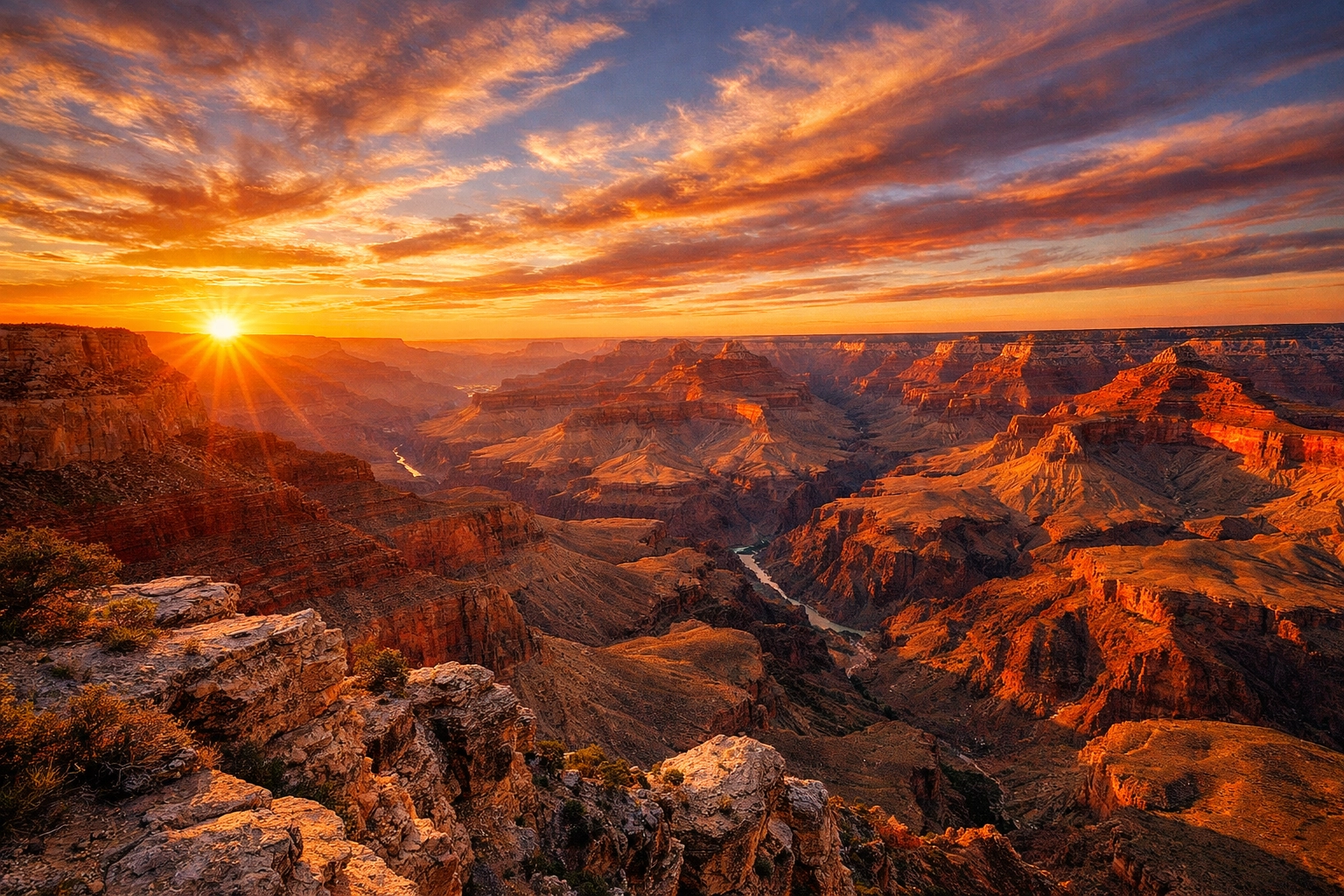
Alt Text: A wide panorama of the Grand Canyon at sunset, showing the deep layers of red and orange rock. The sun is low on the horizon, casting long shadows and highlighting the incredible geological textures of the canyon walls.













