
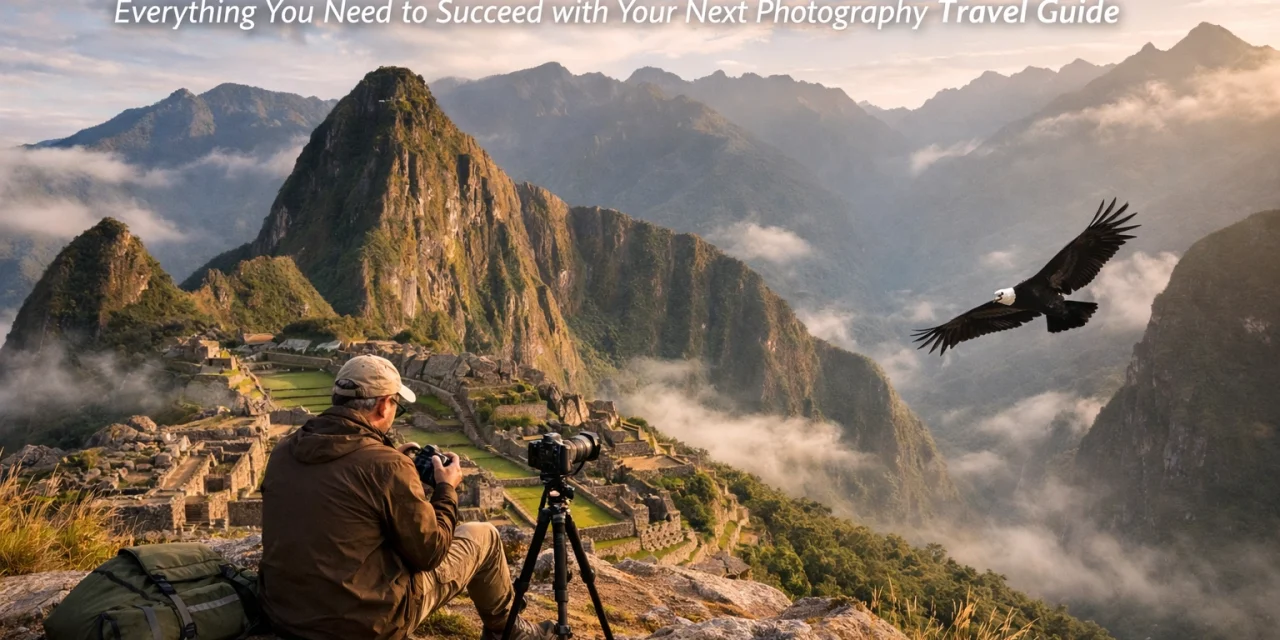
We’ve all been there. You’re standing in front of a breathtaking vista: maybe it’s the neon-soaked streets of Tokyo or a quiet sunrise over the Blue Ridge Mountains: and you’re clicking away. You get home, look at your screen, and while the photos are "pretty," they feel empty. They don’t capture the wind, the smell of the street food, or the feeling of being completely lost in a new culture.
That’s because there’s a massive difference between taking a picture and telling a story.
In today’s world, where AI can generate a "perfect" sunset in seconds, the value of photography has shifted. It’s no longer just about the pixels; it’s about the narrative. If you’re looking to create a travel photography guide that actually resonates with people: and ranks at the top of their bookmarks: you need to master the art of visual storytelling.
Whether you’re looking for the best photography locations or just want to know the "photo spots near me" for a quick weekend project, this guide will show you how to turn your images into a legacy.
The Core Pillars of Visual Storytelling
Before you even pack your bag, you have to understand the "why." A collection of random pretty shots is just a gallery. A story, however, has a heartbeat. At Photoguides, we like to look at the "5 P’s" framework to ensure every project has depth.
- People: They are the emotional anchor. Even a landscape story benefits from showing the human connection to the land.
- Place: This is your stage. It sets the environment and the mood.
- Plot: What is happening? Is there a change in light? A movement through a city? A progression of a hike?
- Purpose: Why are you telling this story? Is it to showcase the beauty of a hidden gem or to highlight a conservation issue?
- Point of View: This is your unique signature. How do you see the world differently than the thousands of other people who have visited that same spot?
For more in-depth tutorials on finding your voice, check out our educational resources.
Structuring Your Visual Narrative
Think of your travel guide like a movie. You wouldn't want a movie that is just 90 minutes of close-up faces, right? You need variety to keep the viewer engaged. When I’m out in the field, I focus on a three-act structure for my photo essays.
The Beginning: The Establishing Shot
Start wide. You need to give your audience context. Use sweeping landscapes or high-angle drone shots to introduce the location. This is where you answer the question: "Where are we?"
The Middle: The Heart of the Matter
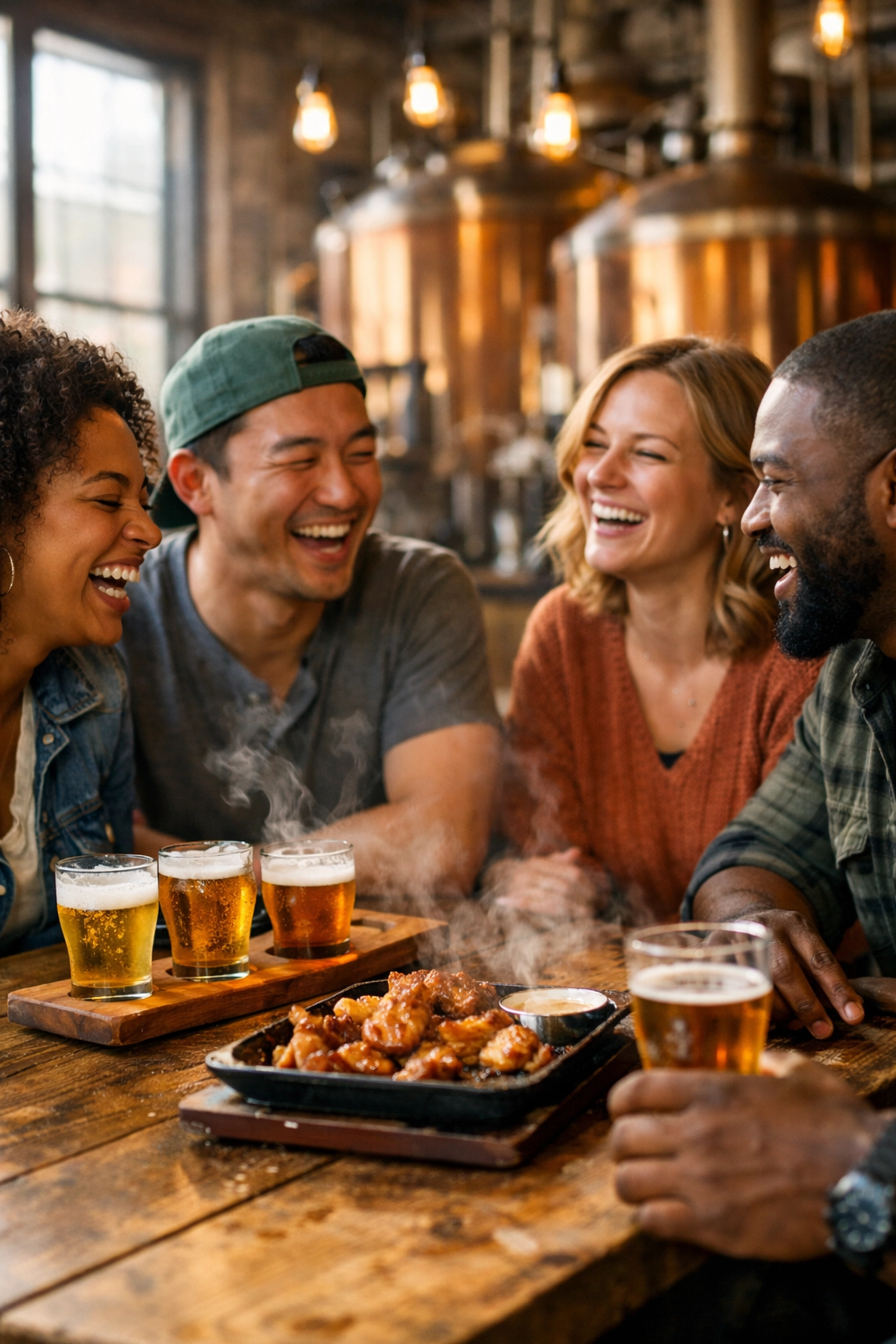
This is where the action happens. Focus on candid interactions, street scenes, and mid-range shots. If you’re exploring breweries in Williamsburg, VA, don't just photograph the building. Photograph the steam rising from the vats and the laughter of friends at a corner table.
The Closing: The Quiet Resolution
Every great story needs a "goodnight." This could be a long exposure of a city skyline at dusk or a detail shot of a closed door at the end of a market day. It provides emotional closure for the viewer.
Mastering the Techniques: Travel Photography Tips for 2026
We’ve come a long way from the days of carrying 40 pounds of gear. In 2026, storytelling is about being agile and intentional.
Lighting is Your Narrator
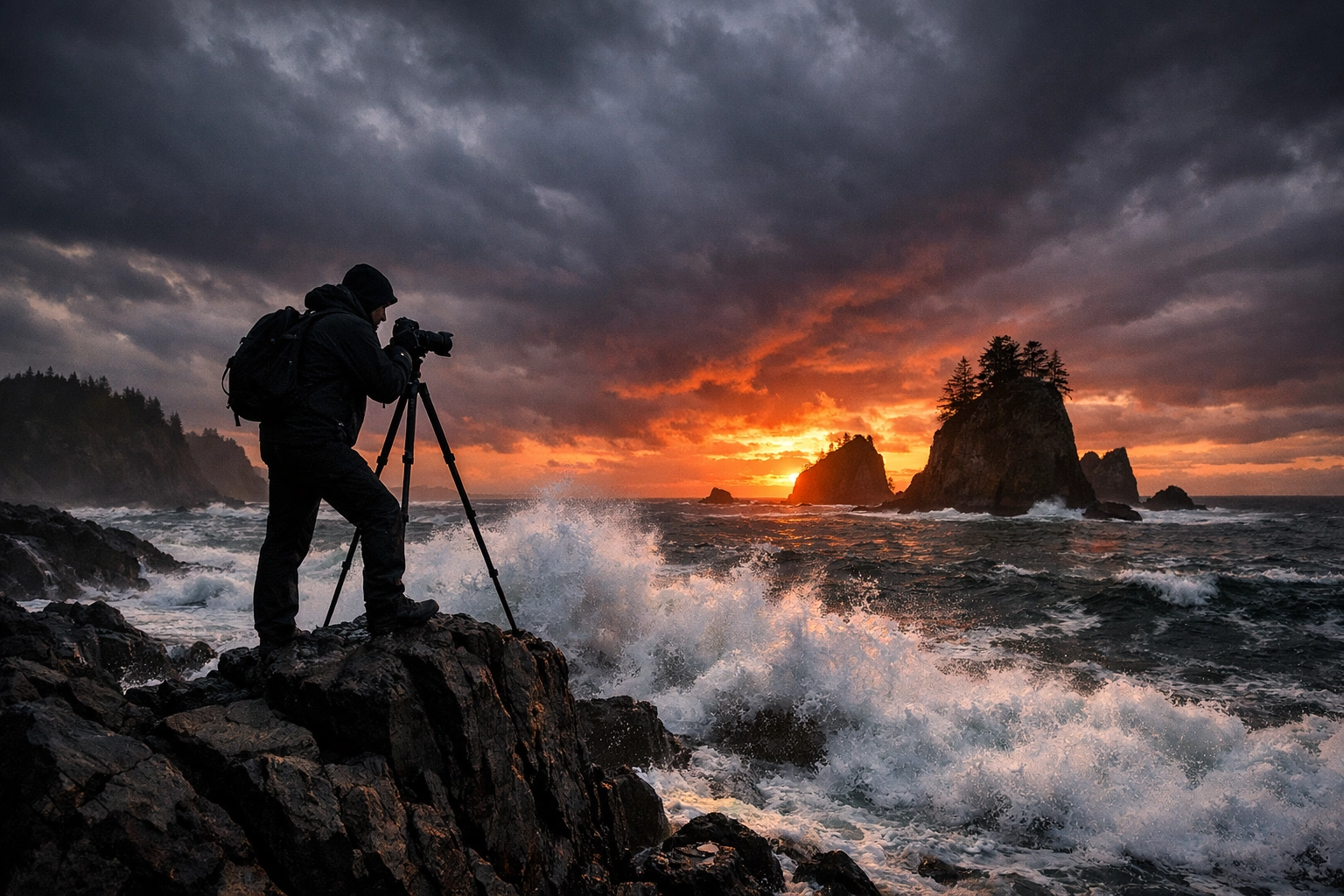
Lighting doesn't just illuminate; it dictates the mood. The golden hour remains king for a reason: it adds a layer of reassurance and warmth to your shots. However, don't be afraid of "bad" weather. A stormy sky over a dramatic coastline can tell a much more powerful story than a clear blue one.
The Power of Detail
While everyone else is focused on the big landmarks, look down. A detail shot of local fabric, a weathered hand holding a coffee cup, or the texture of an old stone wall adds "flavor" to your guide. These shots act as the "connective tissue" between your big hero images.
iPhone vs. Mirrorless
Let’s be real: the best camera is the one you have with you. Modern mobile photography has reached a point where the gap is closing. I often use my iPhone for those quick, candid storytelling moments that would be lost if I had to dig through my bag for a lens. If you’re just starting out, don't let gear hold you back: start where you are. You can find my thoughts on the latest equipment in our camera reviews.
Finding the Best Photography Locations & Hidden Gems
To create a guide that stands out, you have to go beyond the "Instagram spots." Everyone has seen the same photo of the Eiffel Tower. Your job as a storyteller is to find the perspective that hasn't been overplayed.
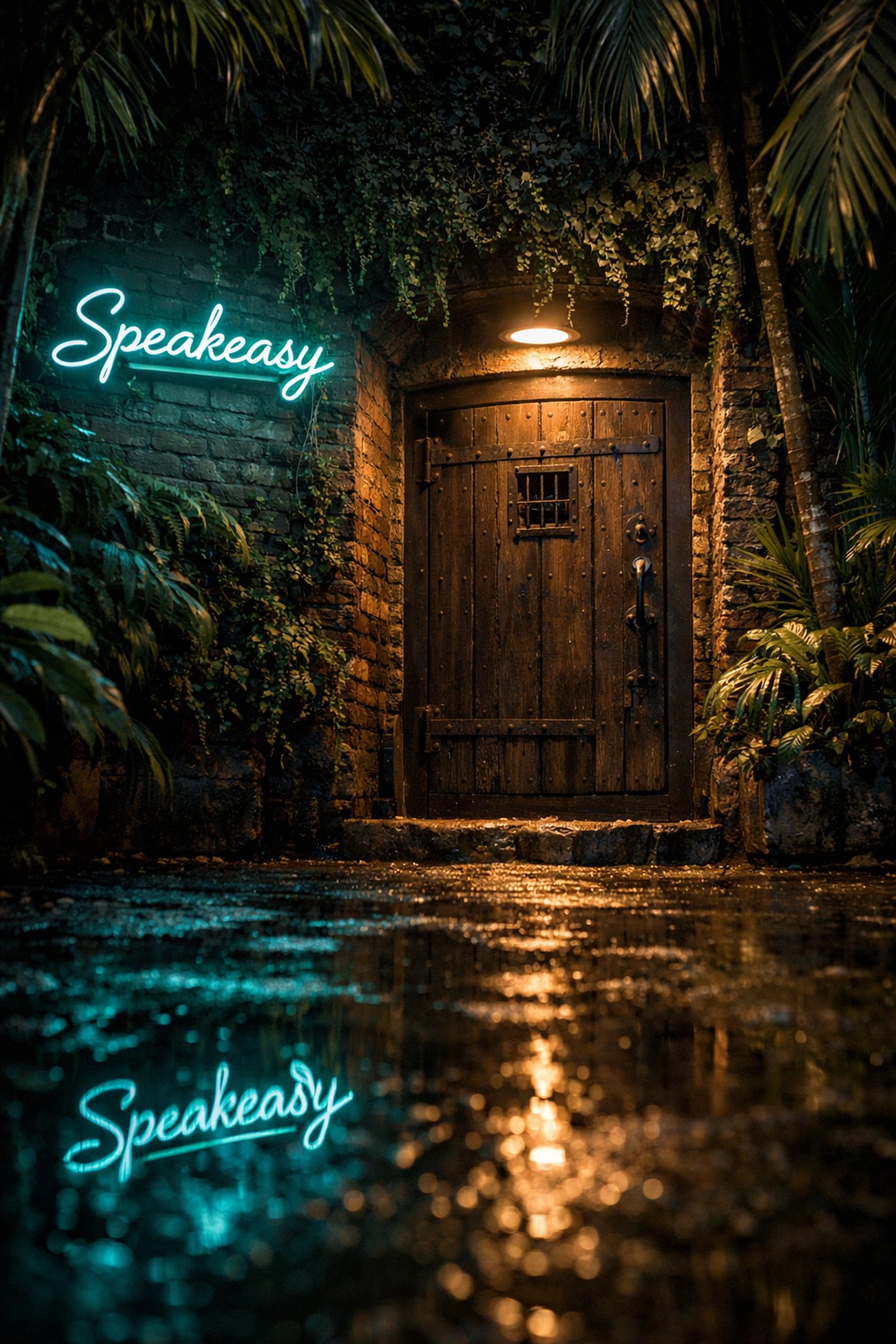
When searching for "photo spots near me," I like to use a mix of satellite imagery and local blogs. For instance, if you’re in Florida, everyone goes to the main beaches. But have you checked out the hidden speakeasies in Miami? Or the quiet charm of the breakfast places in Cape Coral?
Global Inspiration:
- The Contrast of the Caribbean: Sometimes the story is in the comparison. Look at the differences in vibe and light when comparing the Dominican Republic vs. Cancun.
- Urban Textures: Cities like Atlanta offer a grit and energy that is perfect for street photography. If you’re looking for professional inspiration in that area, seeing how an Atlanta event photographer captures a room can give you great ideas for your own travel work.
For a deeper dive into my personal travel adventures and the stories behind the shots, I always invite people to head over to my personal blog at EdinChavez.com.
The 2026 Landscape: AI Photography Trends vs. Authenticity
We can't talk about photography in 2026 without mentioning AI. It’s everywhere. From AI-driven autofocus to generative fill, the tools are incredible. But here’s the thing: AI cannot replace your experience.
The trend for 2026 is a return to "Authentic Art." People are craving images that feel real, flaws and all. Use AI to enhance your workflow: maybe use sky overlays to save a shot where the weather didn't cooperate: but don't let it tell the story for you. The "human touch" is what makes a travel guide successful. It’s the difference between a clinical report and a shared memory.
Gear Guides: Packing for the Story
If you’re planning your next big trip, your gear should support your story, not hinder it. For most travel guides, I recommend a "lean and mean" setup:
- One high-res body: Something like the latest Sony or Canon mirrorless.
- A versatile zoom: A 24-70mm lens covers almost everything.
- A fast prime: A 35mm or 50mm for those intimate, low-light "people" shots.
- Lightweight Tripod: Essential for those long-exposure night shots or self-portraits.
You can find my full list of must-haves in our essential photography gear section. And if you’re looking to join a community of like-minded shooters, Shut Your Aperture is a great place to swap tips and see what others are using in the field.
Putting It All Together
Creating a photography travel guide is an act of generosity. You are inviting people to see the world through your eyes.
Start by picking a location that moves you. Maybe it’s a cheap weekend getaway or a high-end photography booking experience. Once you’re there, slow down. Put the camera down for ten minutes. Breathe in the air. Listen to the sounds.
When you finally pick up the camera, you won’t just be taking a photo of a place. You’ll be capturing how that place made you feel. That is the secret to storytelling.
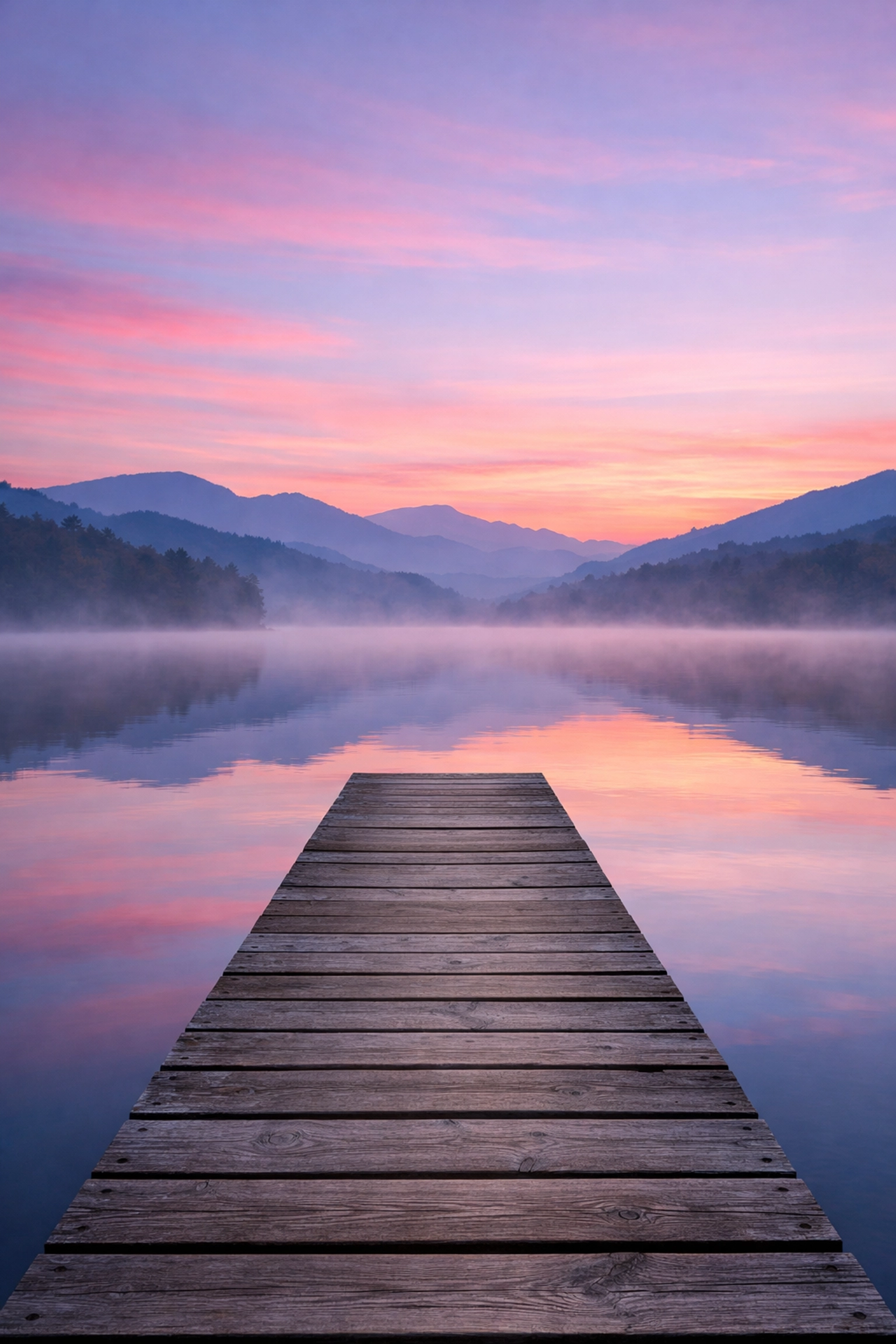
If you want to see how these stories look when they are fully realized as fine art, you can browse my latest collections at Edin Fine Art.
Photography is a journey that never truly ends. There is always a new corner to turn, a new light to chase, and a new story to tell. So grab your gear, get out there, and show us something we’ve never seen before. We’re all waiting to hear your story.
Need more inspiration? You can always check out our latest reviews or download our free guides to help you get started on your next adventure. Happy shooting!













