
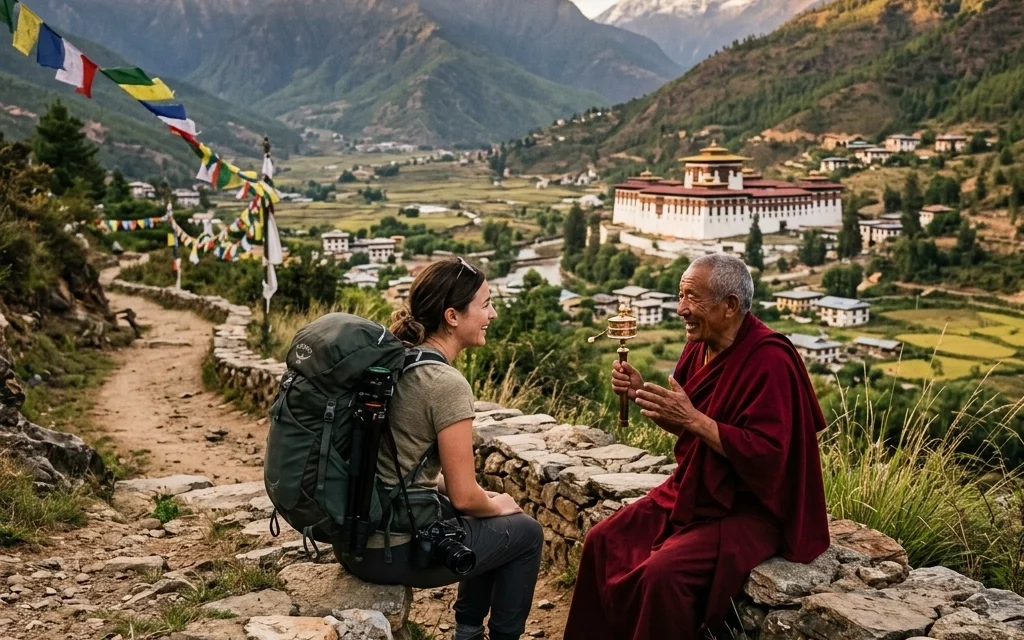
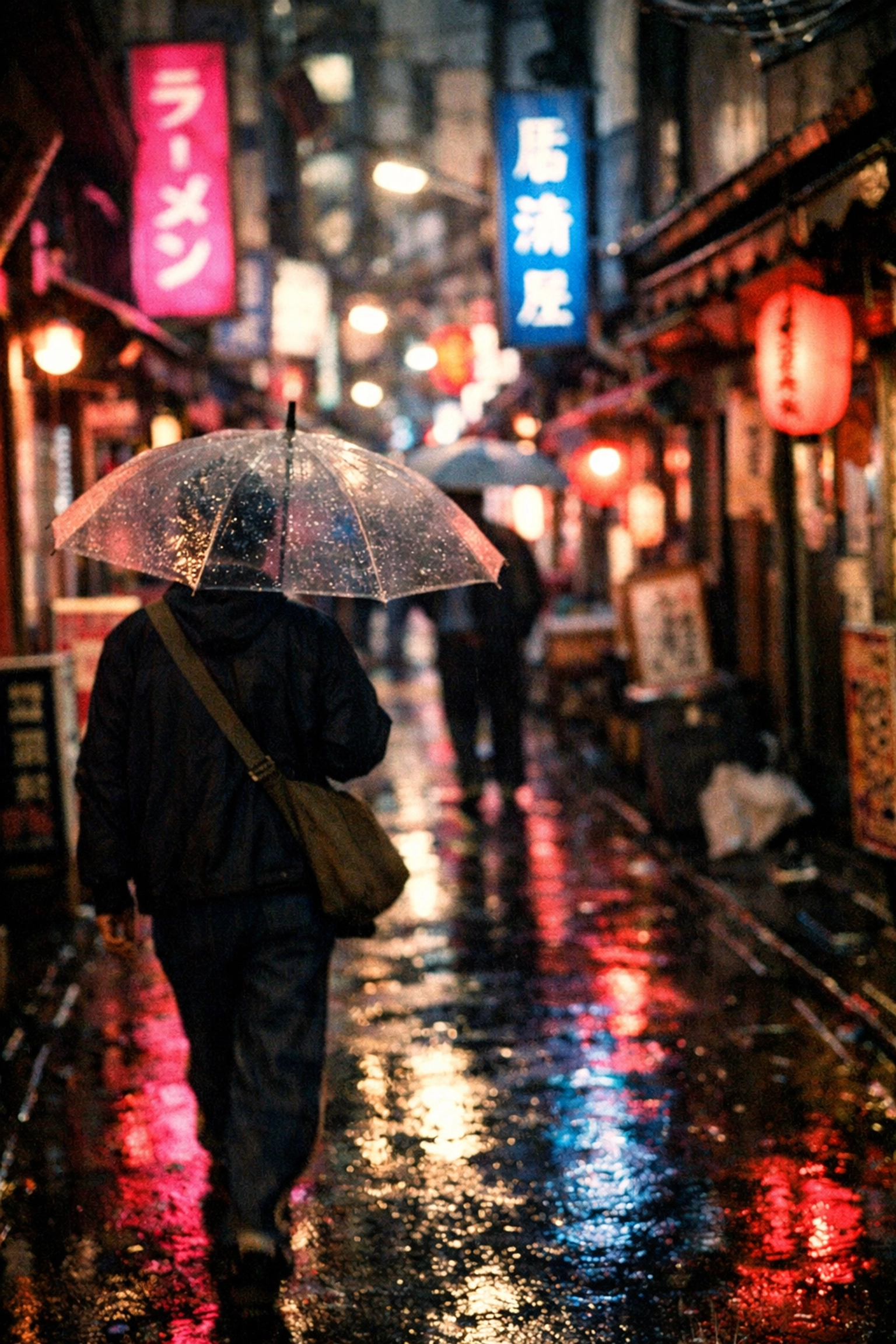
We’ve all been there. You’re standing in front of the Eiffel Tower, the Grand Canyon, or a neon-soaked street in Tokyo. You pull out your camera, click the shutter, and… you get a postcard. It’s a pretty picture, sure, but it doesn't actually say anything. It doesn't capture the smell of the rain on the pavement, the hum of the crowd, or the way your heart skipped a beat when the light hit the cathedral just right.
In 2026, the world is saturated with "perfect" images. Between high-res smartphone sensors and generative AI, anyone can create a technically flawless photo of a sunset. But technique isn't the same as soul. If you want your work to stand out, you need to move beyond documentation and into the realm of storytelling.
Storytelling travel photography is the art of inviting your viewers to feel what you felt. It’s about creating a narrative that lingers long after someone stops scrolling. Whether you’re looking for the best photography locations or just exploring your own backyard, here is how you capture the soul of a destination.
The Foundation: Feel Before You Shoot
Before you even lift your camera, take a breath. One of the biggest mistakes travelers make is shooting the moment they arrive. They see a famous landmark and immediately start clicking away.
Instead, try this: put the camera down for five minutes. Ask yourself, “What do I feel right now?”
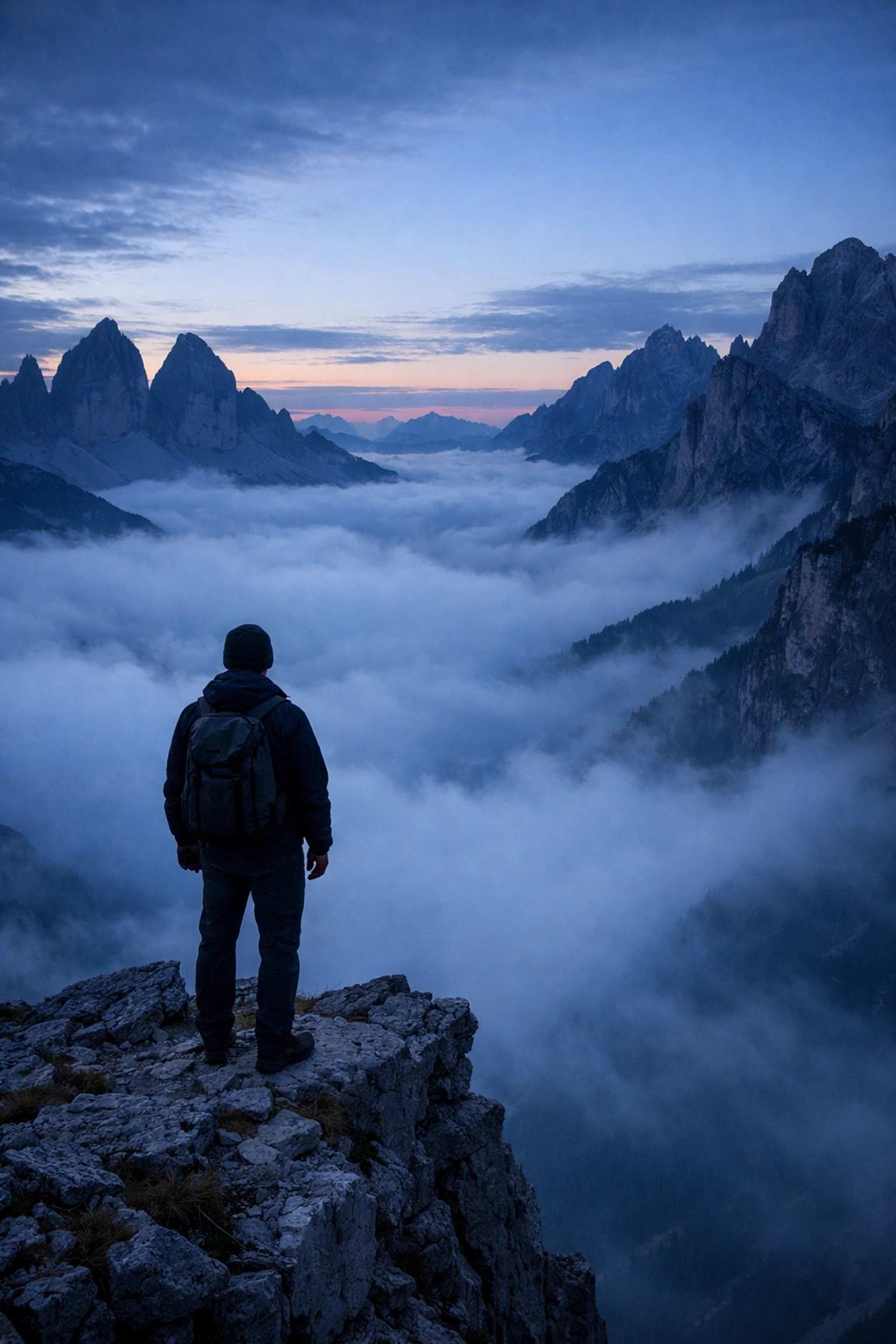
Is the atmosphere lonely and quiet? Is it chaotic and energetic? Is there a sense of history weighing down the air? Your emotional response is your compass. If you feel a sense of solitude in a foggy mountain pass, your goal shouldn't just be to photograph the mountain: it should be to photograph the feeling of being alone in the mist.
Authenticity is your greatest asset in an era dominated by AI photography trends. While an AI can generate a mountain, it cannot replicate your unique, lived experience of that mountain.
Visual Techniques for Narrative Depth
To tell a story, you need more than a subject; you need context. Here are the travel photography tips that will transform your shots from snapshots into cinema.
1. Light as the Narrative Arc
Think of light as the "mood music" of your visual story.
- Morning Light: Hopeful, fresh, and soft. Perfect for beginning a story.
- Midday Light: Harsh and energetic. Great for high-contrast, gritty street scenes or showing the "work" of a city.
- Golden Hour and Blue Hour: Reflective, nostalgic, or mysterious. Use this to provide resolution to your day’s narrative.
2. Changing Your Perspective
If you stand at eye level and shoot what everyone else sees, you’ll get the same photo everyone else has. To tell a story, you have to move.
Crouching low can make a subject feel powerful or monumental. Shooting from a high vantage point can give a sense of scale and place, showing how a person fits into their environment. For those into drone shots, remember: a top-down view isn't just a "cool angle": it's a way to show the patterns and geometry of human life that we can't see from the ground.
3. The Power of Details and Textures
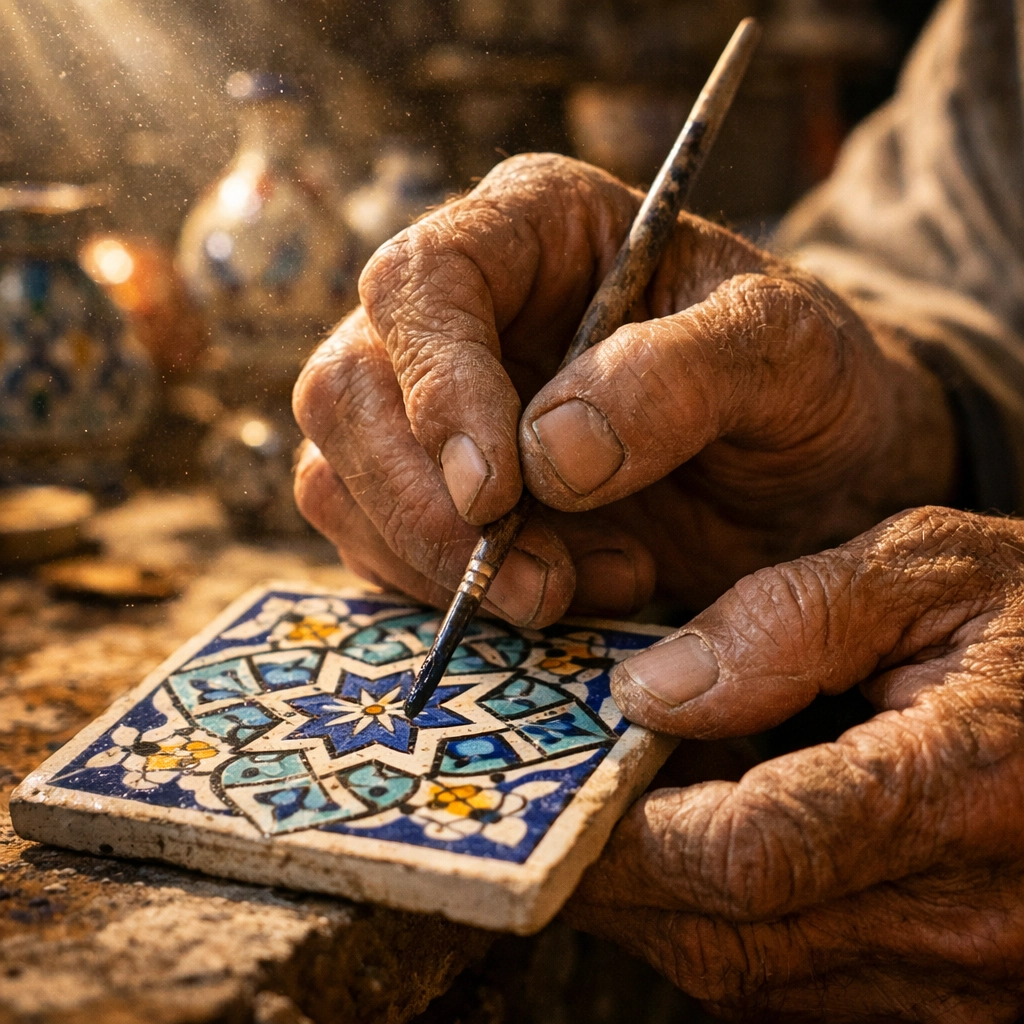
Don’t just focus on the "hero shot." The soul of a place is often hidden in the small stuff. The weathered hands of a fisherman, the peeling paint on a door in Havana, or the way steam rises from a bowl of ramen in a hidden alleyway. These details act as the "sensory language" of your story.
Thinking in Chapters: Building a Photo Essay
If you want your travel photos to rank or get noticed on platforms like Shut Your Aperture, you need to think in sequences. Treat your trip like a book.
- The Establishing Shot: This is your wide-angle view. It tells the viewer where we are. It sets the stage: a sprawling cityscape or a vast desert.
- The Relationship Shot: Move a bit closer. Show the interaction between people and their environment. How does the local community move through the space?
- The Portrait: Capture the faces of the place. Whether it's a posed shot or a candid moment, a human face provides an immediate emotional connection.
- The Detail Shot: Zoom in on textures, signs, or objects that are unique to that location.
- The Closing Shot: An image that provides a sense of departure or "ending." A road disappearing into the distance, a sun setting over the tracks, or a quiet, empty street.
Gear for 2026: Balancing Tech and Soul
We’re in an incredible era for gear. You don't need a 20lb bag to tell a great story anymore. In fact, sometimes less is more.
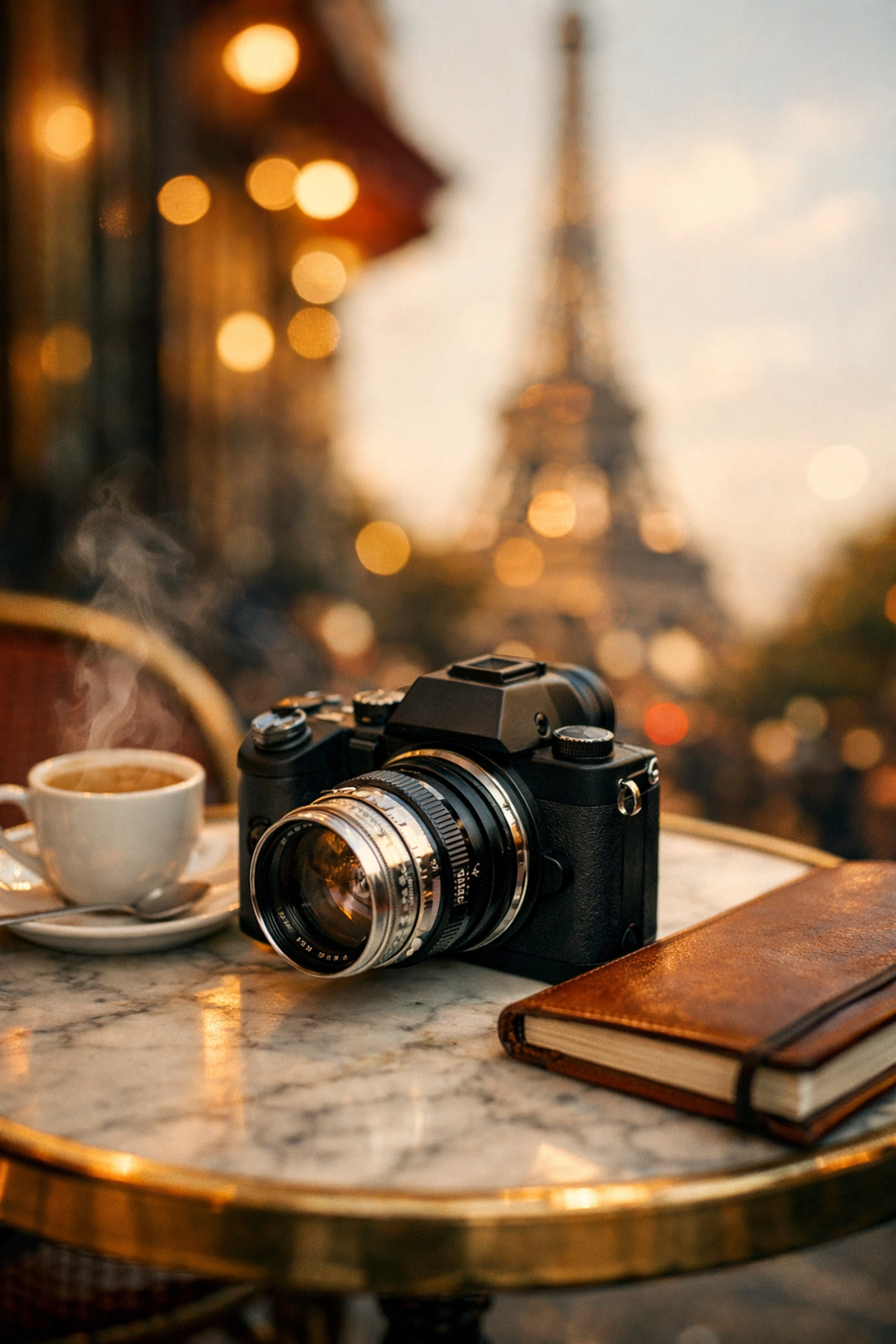
If you’re looking for the essential photography gear of 2026, the trend is moving toward character. While modern lenses are "perfect," many photographers are turning back to vintage-style glass to get a more "human" look. For example, the Module 8 lens adapter is a fantastic tool to bring back that cinematic, soulful glow to your digital sensors.
Don't ignore your phone, either. Modern iPhone photography has reached a point where the best camera really is the one you have with you. Use it for those candid, "in-between" moments where pulling out a big rig might ruin the mood.
Finding Hidden Gems and Local Stories
Everyone knows the "Instagram spots," but the real stories are usually two blocks away in the spots tourists ignore.
If you are looking for photo spots near me, look for places with "layers." This could be a historic district meeting a modern one, or a natural landscape being reclaimed by the wild.
For instance, rather than just shooting the beach in Florida, you might look into Miami’s hidden speakeasies to capture the city’s nocturnal, secretive soul. Or, if you find yourself in Virginia, the breweries in Williamsburg offer a blend of modern craft culture set against a colonial backdrop: a perfect storytelling contrast.
The Role of AI: Authenticity in the Digital Age
As we navigate 2026, the conversation around "Authentic vs AI Art" is louder than ever. AI is a powerful tool for editing: think sky overlays or smart retouching: but it shouldn't replace the core of your photography.
The value of your work today lies in its truth. People can tell when an image was "built" by a prompt versus "captured" by a human. Use AI to enhance your vision, but never let it dictate the story. A photo with a bit of grain, a slight blur, or an imperfect composition often tells a much more compelling human story than a "perfectly" generated AI image.
Capturing the Experience
At the end of the day, storytelling travel photography is about being present. If you’re too focused on your settings, you’ll miss the moment the light hits the subject's eyes. If you’re too focused on the "shot list," you’ll miss the spontaneous parade happening around the corner.
Be a traveler first and a photographer second. When you truly engage with a destination: when you eat at the local restaurants and talk to the people: the stories will begin to present themselves to you.
Your job is simply to be ready to catch them.
Quick Tips for Your Next Trip:
- Keep it Simple: Don't over-gear. One body and two lenses (one wide, one prime) are often all you need.
- Focus on Light: If the light is bad, the photo is likely bad. Wait for the glow.
- Vary Your Shots: Don't just take 100 wide shots. Zoom in. Move around.
- Add Context: Use captions to share the "heartbeat" of the photo: the sounds, smells, or thoughts you had at the time.
Ready to start your next adventure? Whether you’re comparing the Dominican Republic vs Cancun for your next shoot or looking for a cheap weekend getaway, remember: the destination is the setting, but you are the storyteller.
Go out there and capture something real.













