
Category: Travel
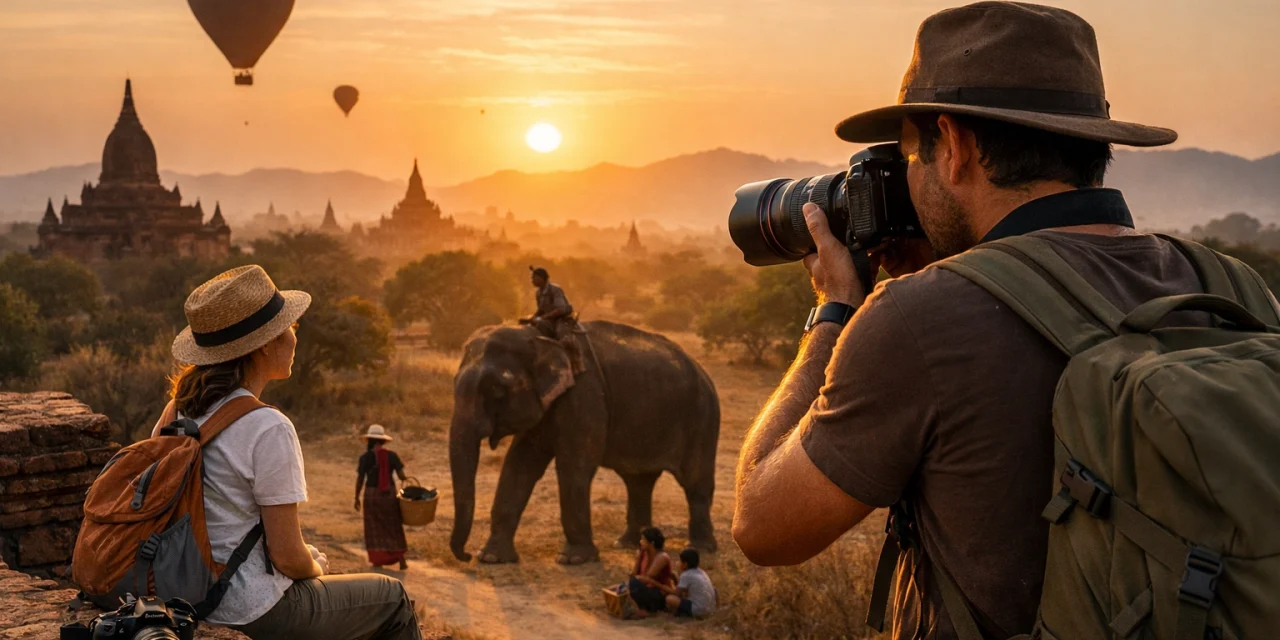
We’ve all been there. You’re standing in front of a breathtaking vista: perhaps the sun is dipping below the horizon in the Amalfi Coast or the mist is clinging to the trees in the Pacific Northwest: and you click the shutter. You look at the screen, and while the exposure is perfect, the image feels… empty. It’s a postcard, but it’s not a story.
In 2026, the landscape of photography has shifted. We are inundated with AI-generated perfection and hyper-processed imagery. What people crave now, more than ever, is authenticity. They want to feel the wind, smell the street food, and understand the soul of a place. That is the essence of storytelling travel photography. It’s the difference between taking a picture and making a memory.
At Photoguides, we believe that great photography isn't just about having the latest gear; it's about how you see the world. Whether you’re looking for photo spots near me or planning an expedition to the most remote corners of the globe, this guide will help you transform your travel shots into compelling narratives.
The Foundational Framework: The 5 P’s of Visual Storytelling
To move beyond the "snapshot" phase, you need a framework. I like to use the "5 P’s." This isn't a rigid rulebook but rather a mental checklist to help you find the narrative in any given moment.
1. People
People are the heartbeat of a location. They provide scale, emotion, and connection. A photo of an empty cathedral is a photo of architecture; a photo of a lone traveler lighting a candle in that cathedral is a story about faith or solitude.
2. Place
This is your setting. It’s the wide-angle shot that establishes where we are. Is it the neon-soaked streets of Tokyo or the rugged peaks of Patagonia? Use the environment to set the tone.
3. Plot
Every story needs movement. In photography, plot is represented by action or change. It’s the chef tossing dough in a Roman pizzeria or the dust kicking up behind a Land Rover in the Serengeti.
4. Purpose
Why are you taking this photo? What do you want the viewer to feel? If you can’t answer that, the photo will likely lack impact.
5. Point of View
Don’t just stand at eye level. Get low, climb high, or shoot through objects. Your perspective dictates how the viewer interprets the scene.
Advanced Techniques for 2026
The technology in our pockets and bags has reached incredible heights. But technical specs are just tools; it’s how you use them that counts.
Framing and Visual Flow
Composition is your primary storytelling tool. Use framing to give context. Instead of just shooting a mountain, shoot the mountain through the window of a local train. This immediately tells the viewer: "I am traveling. I am seeing this from a specific vantage point."
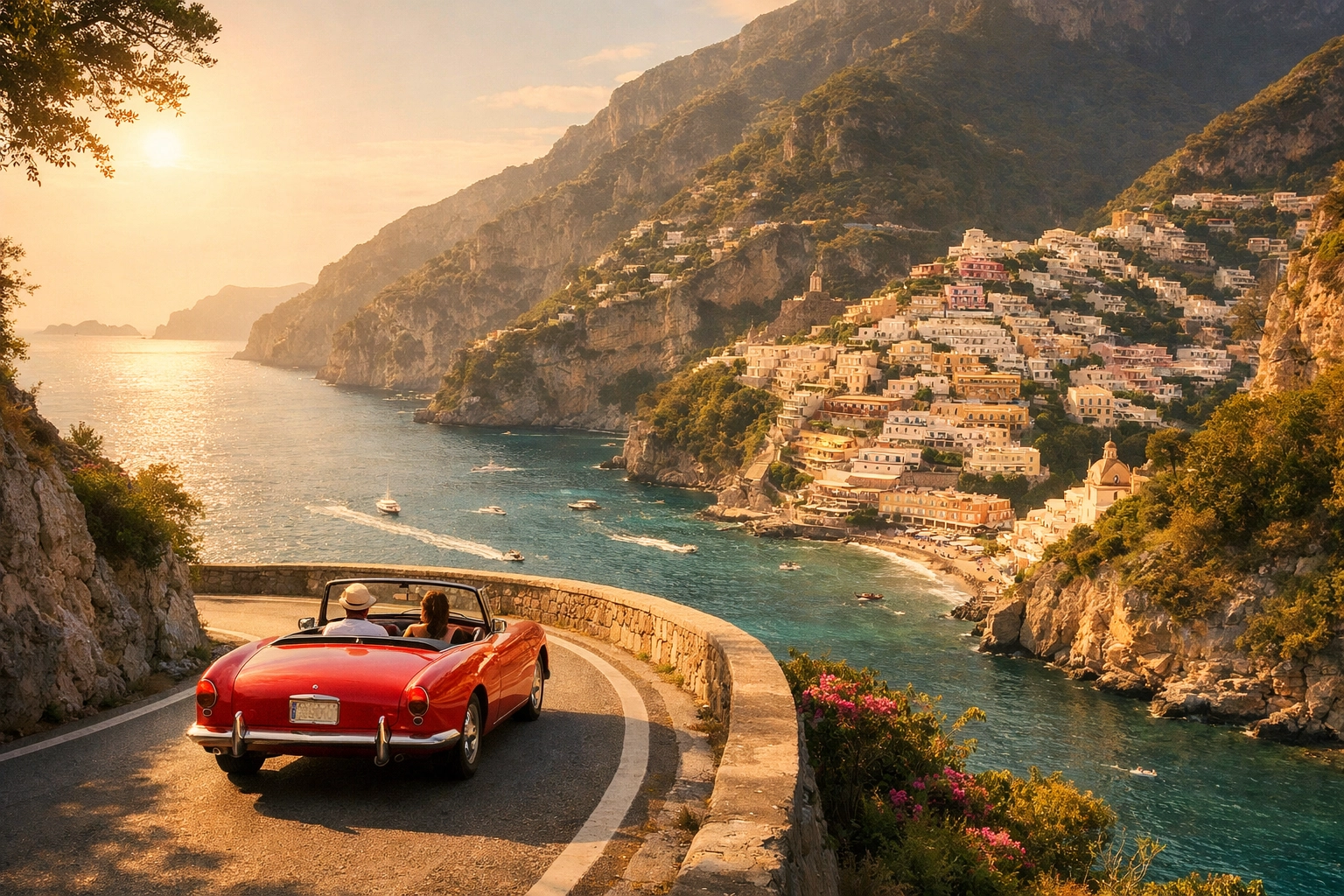
Leading lines are also vital. A winding road or a long pier doesn't just look cool; it literally pulls the viewer’s eye into the story, inviting them to walk along with you. If you’re exploring best photography locations, look for these natural guides to structure your frame.
Lighting as a Narrative Device
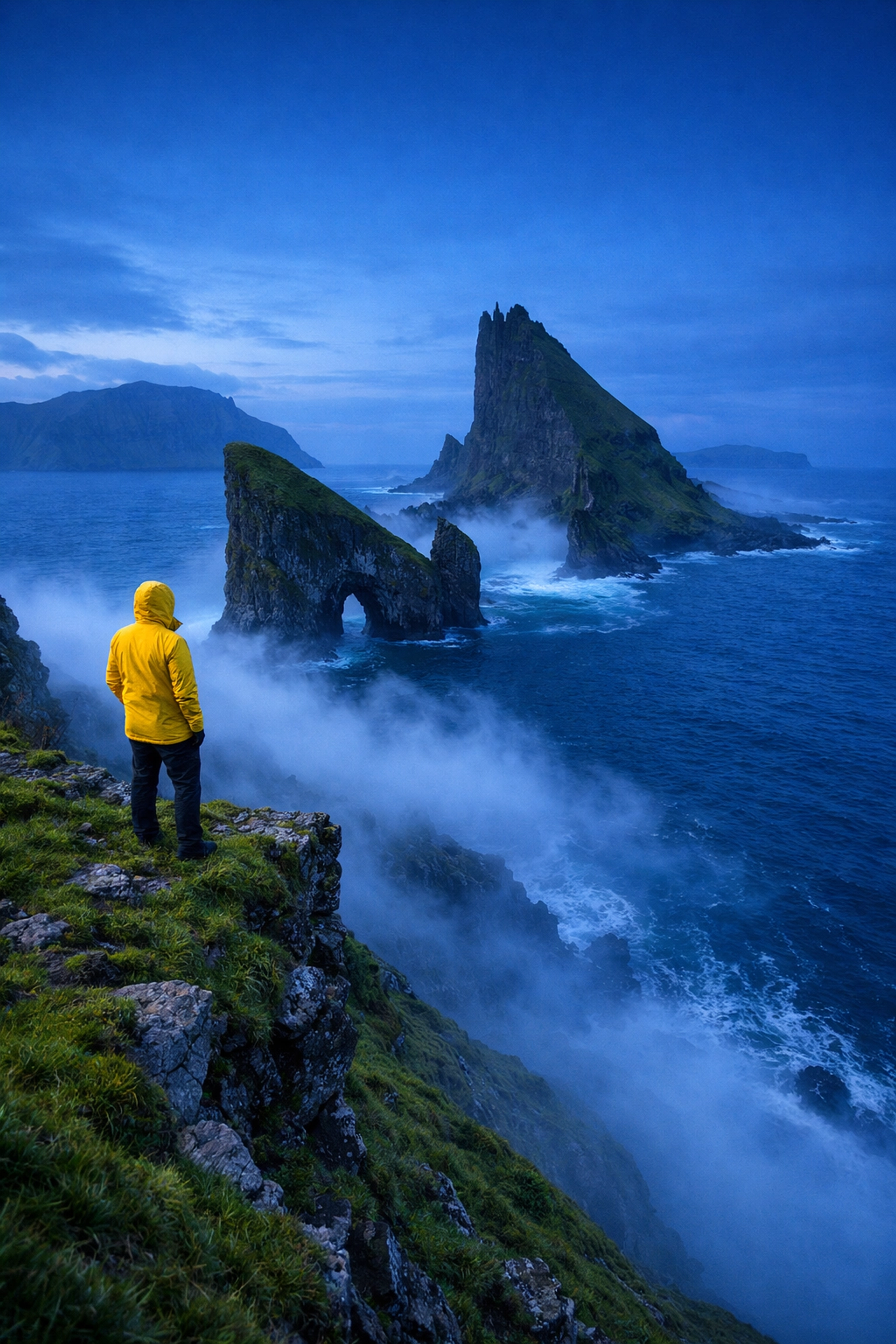
Light isn’t just about visibility; it’s about mood. The "Golden Hour" is a classic for a reason: it’s warm, inviting, and nostalgic. But don't be afraid of "bad" light. Harsh midday sun can convey heat and struggle. A foggy, blue-hour morning can evoke mystery or sadness.
In my own work at Edin Fine Art, I often look for how light interacts with shadows to create depth. Shadows are where the mystery lives, and every good story needs a little mystery.
Authentic Moments Over Posed Perfection
We are living in an era of "Instagram vs. Reality." In 2026, the trend has swung heavily toward the "Reality" side. The most impactful travel photos are often the ones that are slightly imperfect: the candid laugh, the blurred motion of a busy market, the rain on a windshield.
Stop asking people to "cheese." Instead, wait for the moment after the pose breaks. That’s when the real person comes out. Capture them interacting with their environment. If you’re at one of the restaurants in downtown Golden, don’t just photograph the plate; photograph the steam rising and the chef’s hands as they garnish the dish.
The Role of AI: Authenticity vs. Enhancement
There’s no avoiding it: AI is everywhere in photography now. From "generative fill" to automated culling, the tools are powerful. However, there is a fine line between using AI to enhance your vision and letting it replace your experience.
At Photoguides, we advocate for using AI as a laboratory tool, not a creative replacement. Use it to remove a distracting trash can or to balance a difficult dynamic range. But don't use it to create a sky that wasn't there or a person who didn't exist. The "story" in storytelling photography is your story: your witness to a moment in time. Once you move into the realm of fully AI-generated art, it becomes a different medium entirely. For those who want to add a bit of flair without losing reality, check out our sky overlays to subtly enhance your existing captures.
Building a Photo Essay Sequence
A single photo is a poem; a photo essay is a novel. When you’re traveling, think about how your images will look together. A successful sequence usually follows a cinematic structure:
- The Establishing Shot: A wide view that sets the scene.
- The Interaction: A medium shot showing the relationship between people and the place.
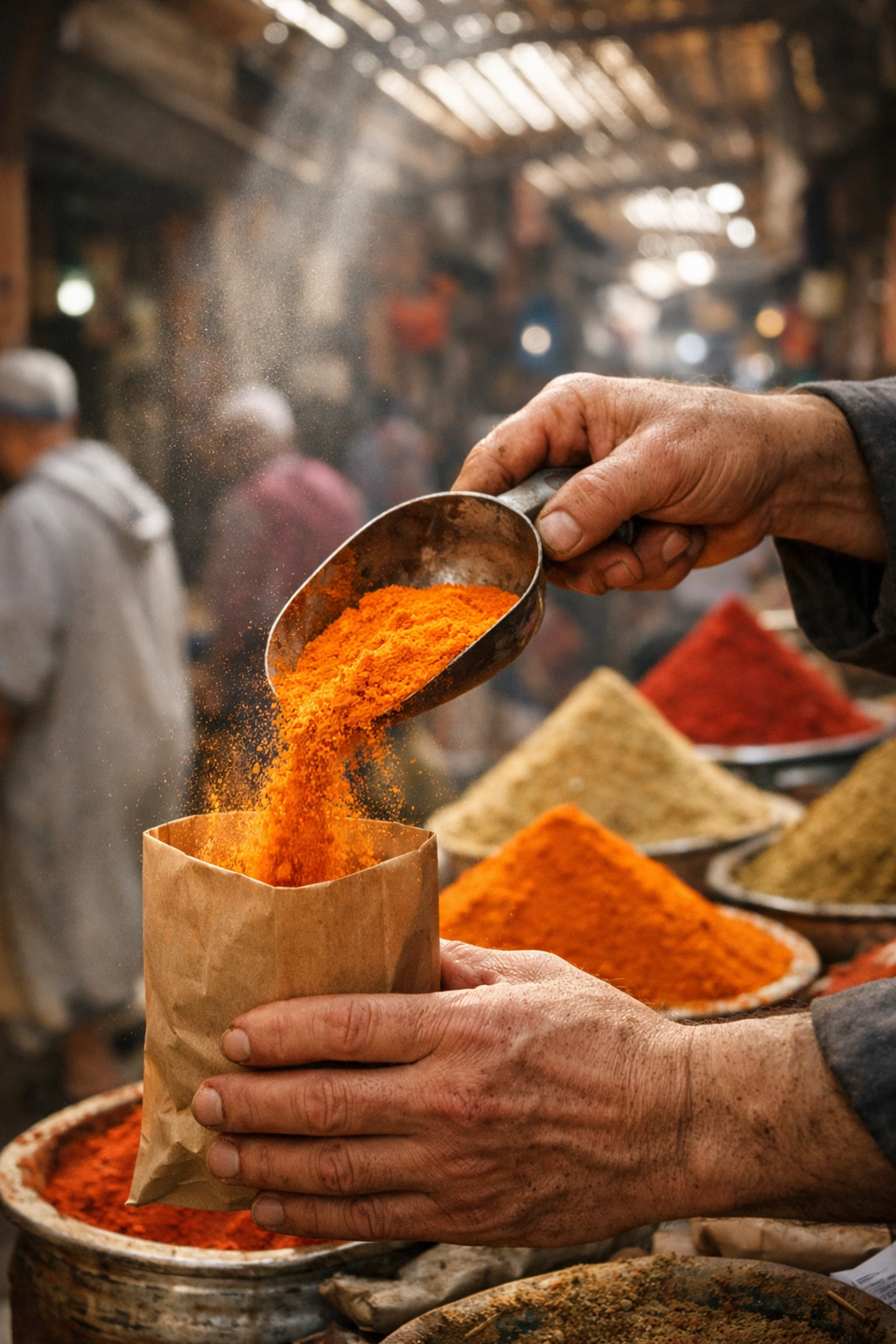
- The Detail: A close-up (macro) shot that focuses on texture, color, or a specific object. This could be anything from the texture of a hand-woven rug to the bubbles in a craft beer at breweries in Williamsburg, VA.
- The Closer: A final, reflective image that provides a sense of resolution.
Essential Gear for 2026 Travel
While the eye is the most important part, having the right gear helps you execute your vision without friction. For a full breakdown, see our essential photography gear guide.
- The Powerhouse Phone: By 2026, iPhone and Android sensors have reached a point where they can rival some mirrorless systems for social and web use. Don’t underestimate the power of being "invisible" with a phone.
- The Compact Mirrorless: For high-end work, a full-frame mirrorless remains king. Check our camera reviews 2024 for the legacy models that are still performing beautifully.
- The Travel Drone: Drone technology is now quieter and more portable than ever. A drone gives you that "God’s eye view" establishing shot that was once impossible for the average traveler.
- Minimalist Glass: Don’t carry six lenses. A fast 35mm prime and a versatile 24-70mm zoom are usually all you need to tell a complete story.
Finding the "Hidden Gems"
To tell a unique story, you have to go where others aren't. While the Eiffel Tower is beautiful, it’s been photographed millions of times. To find something fresh, look for the hidden speakeasies in Miami or explore the differences between the Dominican Republic vs. Cancun beyond the resorts.
Ask locals where they eat. Wake up at 4:00 AM. Stay out after the streetlights come on. The best stories are usually found at the edges of the day and the edges of the map.
Final Thoughts
Storytelling travel photography is a journey, not a destination. It’s about being present enough to notice the small things and skilled enough to capture them. It’s about reassurance: knowing that even if the weather is bad or you miss the "perfect" shot, there is always another story waiting around the corner.
As you head out on your next adventure, remember: the world doesn't need another perfect picture of a famous landmark. It needs your unique perspective. It needs your story.
For more inspiration and deep dives into specific locations, head over to the Edin Chavez blog or download our latest educational guides. Happy shooting!













