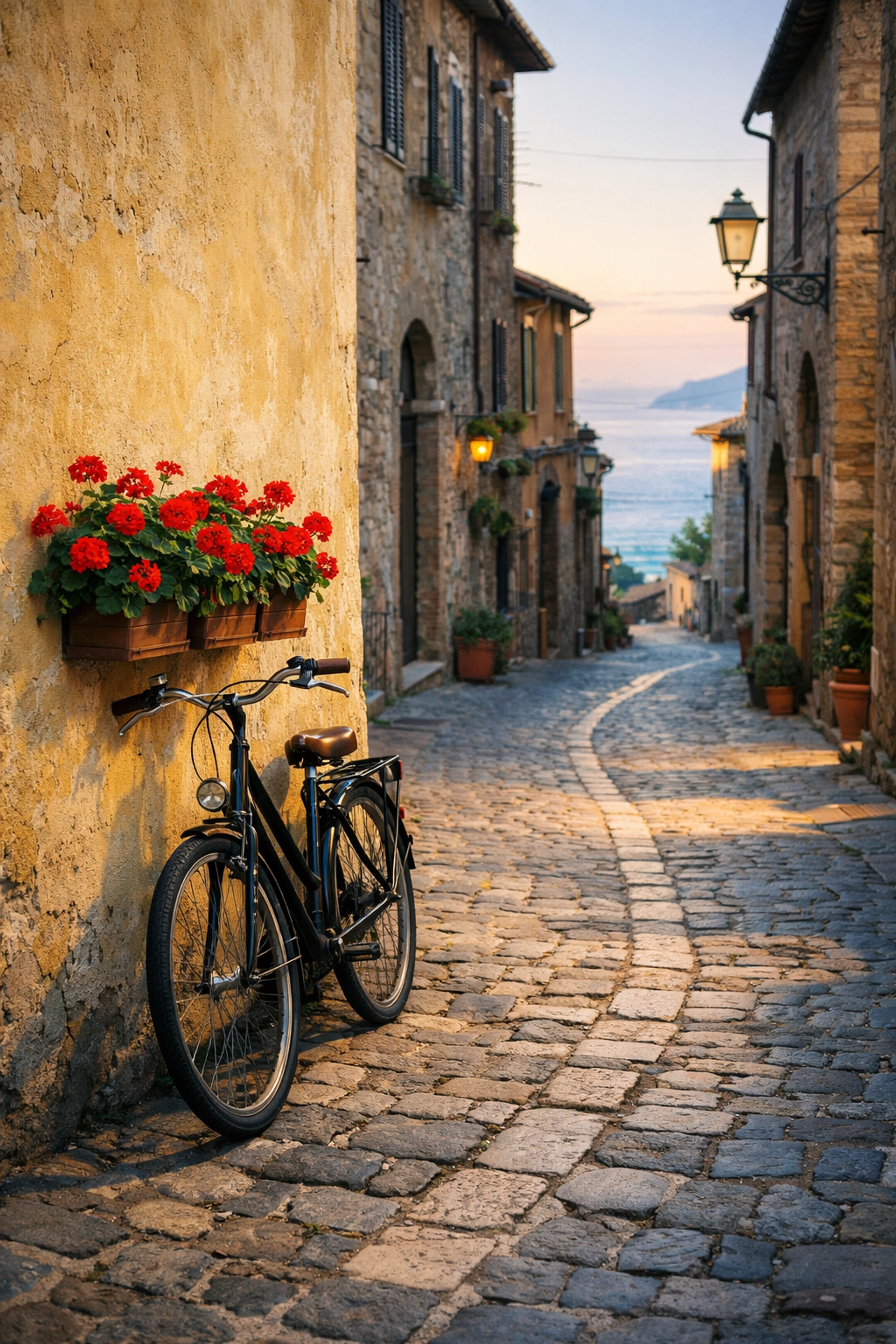
We’ve all been there. You’re standing in front of a breathtaking sunset in the Amalfi Coast or watching the morning mist roll over the Blue Ridge Mountains. You snap a photo, look at the screen, and… it’s just a picture. It’s pretty, sure, but it doesn't feel like the moment. It doesn't tell the story of the salt in the air, the sound of the waves, or the overwhelming sense of peace you felt.
In 2026, photography has moved far beyond just "capturing the view." With AI-generated imagery becoming indistinguishable from reality, the value of a photograph has shifted. Today, the most valuable photos aren't the most "perfect" ones: they’re the ones that feel real.
At Photoguides, we believe that storytelling travel photography is about more than just settings and gear; it’s about connection. Whether you're a seasoned pro or just getting started with iPhone photography, this guide will help you move from taking snapshots to creating visual narratives that resonate.
Why Storytelling Matters in 2026
We are currently living in an era where anyone can prompt an AI to create a "perfect" sunset over the Sahara. Because of this, "perfection" is becoming a commodity. What AI can’t do: at least not yet: is experience the world. It can’t feel the nervous energy of a crowded market in Marrakesh or the quiet intimacy of a family dinner in a small village.
Storytelling is the bridge between a digital file and a human memory. When you focus on the narrative, you aren't just looking for the best photography locations; you’re looking for the moments that happen within them. This shift in perspective is what separates a tourist with a camera from a true photographer.

Step 1: Define Your Narrative Before You Pack
The secret to great storytelling starts before you even leave your house. Ask yourself: What is this trip about?
Are you exploring the contrast between ancient traditions and modern technology in Tokyo? Are you documenting the slow, sun-drenched pace of life while looking for breakfast places in Cape Coral? Having a central theme gives your photo series cohesion.
Instead of just looking for "photo spots near me" when you land, try to identify:
- The Hero: Is it a person, a culture, or a specific landscape?
- The Conflict: Is it the struggle of a climb, the chaos of a city, or the solitude of the desert?
- The Resolution: The feeling of peace, the completion of a journey, or a newfound perspective.
Step 2: The Three Pillars of a Visual Story
A single image can be powerful, but a series of images tells a story. To build a compelling narrative, you need a variety of perspectives. We recommend the "3-Shot Rule":
1. The Wide Shot (The Context)
This is your establishing shot. It tells the viewer where we are. If you’re visiting the Dominican Republic vs Cancun, your wide shots should capture the vastness of the beaches or the architecture of the resorts. Use these to set the mood and provide the "where."
2. The Medium Shot (The Action)
This is where the story happens. It’s the interaction between people and their environment. It’s a chef at one of the restaurants in downtown Golden plating a dish, or a street performer in London. These shots bridge the gap between the place and the feeling.
3. The Close-Up (The Soul)
Details are the heart of storytelling. The weathered hands of a craftsman, the texture of a local textile, or the steam rising from a cup of coffee. These intimate shots evoke the senses. They make the viewer feel like they could reach out and touch the subject.

Step 3: Capturing Genuine Human Emotion
Capturing people is often the most intimidating part of travel photography, but it’s also the most rewarding. Genuine emotion can’t be faked, and in 2026, "authentic" is the ultimate high-end aesthetic.
Engaging Authentically
Don't be the "paparazzo" lurking in the shadows. Engage. A smile, a nod, or a simple conversation can change the energy of a photo. When you connect with someone, their guard drops, and you see the real them. This is especially true in specialized fields: if you've ever looked at wedding photography insights, you know that the best shots come from the moments between the poses.
Candid vs. Composed
While a composed portrait can be stunning, candid shots often carry more emotional weight. Look for "the moment after the moment." The laugh after the joke, the sigh after a long walk, or the quiet reflection during a train ride. These are the "hidden gems" of human interaction.
Step 4: Mastering Light to Set the Mood
Light is the language of emotion. You can have the most beautiful subject in the world, but if the light is flat and boring, the story will be too.
- Golden Hour: The hour after sunrise and before sunset is still the king of travel photography. It adds a romantic, nostalgic warmth that is perfect for storytelling.
- Blue Hour: The period just before sunrise or after sunset provides a cool, mysterious, and modern feel. It’s great for capturing the energy of Miami’s hidden speakeasies or city lights.
- Harsh Midday Sun: Don't put your camera away! Hard shadows can create drama, tension, and a sense of "heat" that works perfectly for street photography.
For those looking to elevate their post-processing, using tools like sky overlays can help enhance the mood of a shot when the weather doesn't cooperate, though we always recommend capturing the natural light whenever possible.

Step 5: Gear Guides for 2026
You don't need a truckload of gear to tell a story. In fact, less is often more. The more comfortable you are, the more present you are.
- The Mirrorless Revolution: In 2026, cameras like the Sony A7 series or the Canon R-series have become incredibly intelligent. Look for bodies with AI-driven autofocus that can track eyes: even through glasses or fabric: to ensure your emotional moments are sharp. Check out our camera reviews for the latest updates.
- The Power of Lenses: A 35mm or 50mm prime lens is a storyteller’s best friend. They mimic the human field of view, making your photos feel natural and immersive.
- Mobile Photography: The iPhone 17 and 18 Pro models have narrowed the gap significantly. With advanced computational photography, your phone is now a legitimate storytelling tool.
- Essential Support: Don't forget the basics. A lightweight tripod and extra batteries are still essential photography gear.
Step 6: AI Trends and the Future of Authenticity
As we move deeper into 2026, the role of AI in photography is a hot topic. At Photoguides, we see AI as a tool, not a replacement.
AI-powered editing can help remove a distracting trash can or balance a difficult exposure, but it cannot replace the "eye." The trend we’re seeing is a return to imperfection. Film-like grain, slightly missed focus, and natural skin textures are becoming more popular because they prove the image was captured by a human being.
If you're interested in how this looks in a professional gallery setting, you can see these principles applied in the fine art world at Edin Fine Art.

Step 7: Structuring Your Photo Essay
Once you return from your trip, the storytelling doesn't stop. How you present your photos is just as important as how you took them.
- The Hook: Start with your most visually arresting image.
- The Rhythm: Don't put ten wide shots in a row. Alternate between wide, medium, and close-up to keep the viewer engaged.
- The Narrative Arch: Lead the viewer through the day or the journey. Show the beginning, the middle, and the end.
- The Context: Sometimes a short caption can add a world of depth. Mention the name of that small brewery in Williamsburg, VA or the feeling of the rain in the cloud forest.
Final Thoughts: Shoot What You Feel
The most important of all travel photography tips is this: shoot what moves you. If you’re bored, your audience will be bored. If you’re excited, curious, or moved to tears by a landscape, that emotion will find its way into your pixels.
Photography is a journey of discovery. It’s about being present enough to see the magic in the mundane. Whether you're documenting a cheap weekend getaway or a once-in-a-lifetime expedition, remember that you are the narrator. Your perspective is your superpower.
Ready to take your storytelling to the next level? Explore more of our educational guides or check out Edin Chavez’s personal blog for more inspiration on capturing the world’s most beautiful moments.
Happy shooting!