
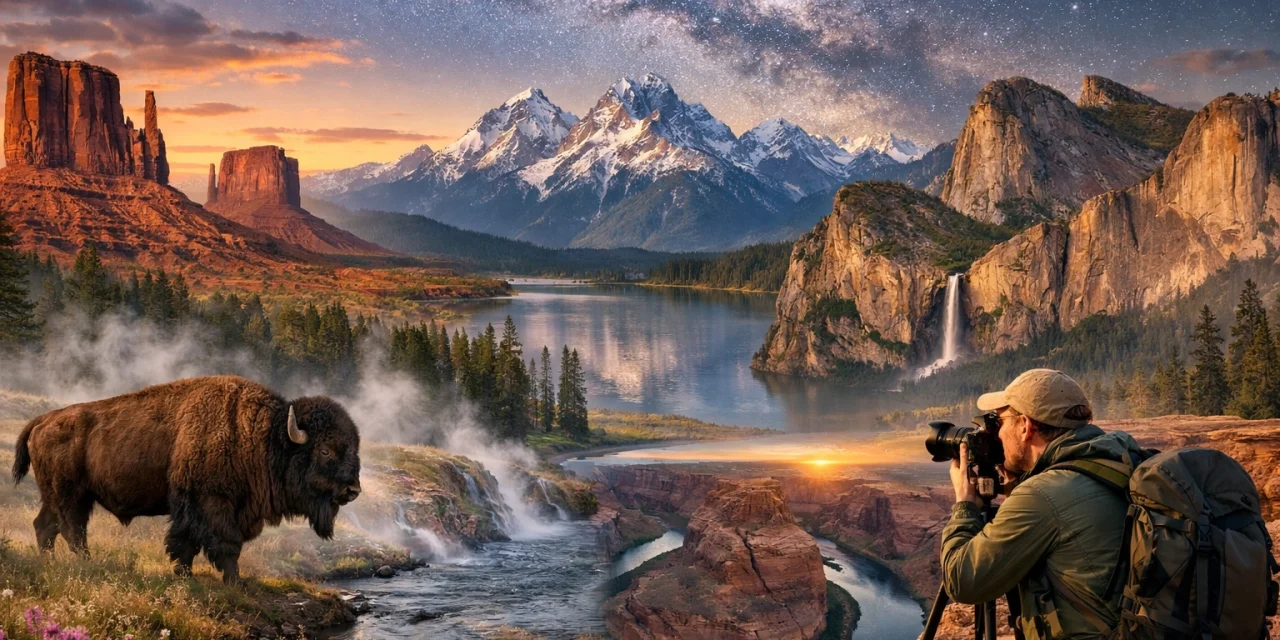
If you’ve ever stood on the rim of the Grand Canyon as the first light touches the canyon floor, or felt the spray of a waterfall in the heart of the Yosemite Valley, you know that the US National Parks are more than just protected land. They are a photographer’s playground.
As the CEO of Photoguides, I’ve spent years traveling to these corners of the country, trying to capture that perfect moment when the light hits the landscape just right. There are 63 national parks in the United States, each with its own soul, its own challenges, and its own incredible rewards for anyone willing to carry a tripod into the wild.
This guide is the start of a comprehensive series where we will dive deep into every single one of these 63 parks. Whether you are looking for the best photography locations for your next portfolio piece or just want to find the best sunrise spots for a weekend trip, we’ve got you covered.
Why the National Parks are the Ultimate Landscape Photography Locations
The sheer diversity of the US National Park system is staggering. From the volcanic peaks of Hawaii to the jagged glaciers of Alaska, and the moss-draped forests of the Pacific Northwest to the red rocks of the Southwest, there is no shortage of inspiration.
However, capturing these places effectively requires more than just showing up. It requires patience, planning, and an understanding of how light interacts with specific geological features. When we talk about the landscape photography locations that define American wilderness, we’re talking about places that have been photographed millions of times: your job is to find a way to see them through your own eyes.
For more deep dives into specific techniques and behind-the-scenes stories, be sure to check out www.blog.edinchavez.com.
The Giants of the West: California and the Southwest
If you’re starting your journey, the West is the natural beginning. California leads the pack with nine parks, followed closely by the red rock majesty of Utah.
Yosemite National Park, California
Yosemite is arguably the birthplace of modern landscape photography. Standing at Tunnel View, you can see El Capitan, Half Dome, and Bridalveil Fall all in one frame. It’s one of the most iconic landscape photography locations on Earth.
- Best Photography Locations: Tunnel View, Glacier Point, and the banks of the Merced River.
- Pro Tip: Visit in late February for a chance to witness the "Firefall" at Horsetail Fall, where the setting sun illuminates the water like flowing lava.
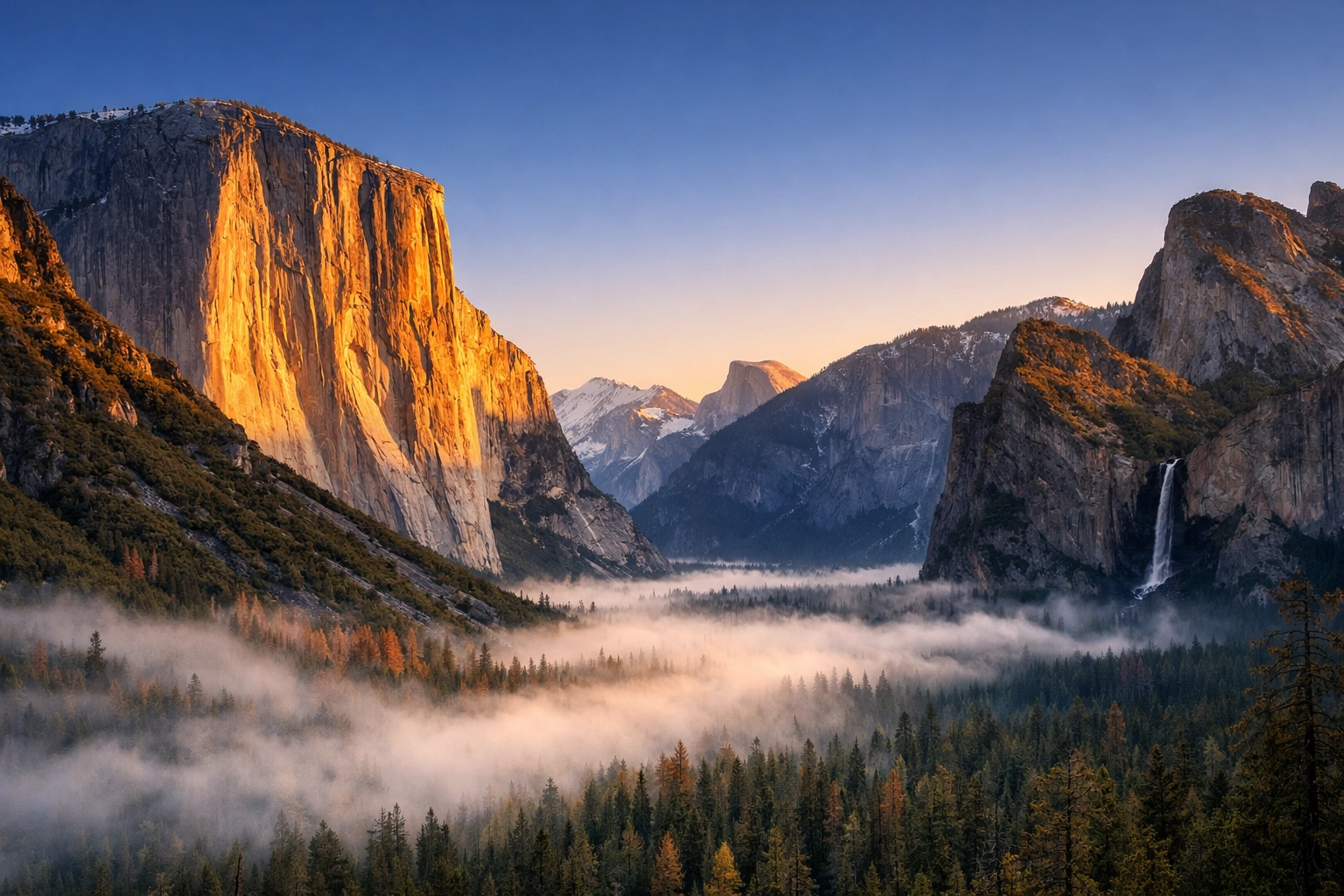
Alt Text: An ultrarealistic wide-angle shot of Yosemite Valley at sunrise, with light hitting El Capitan and mist rising from the valley floor.
Arches National Park, Utah
Utah’s "Mighty 5" are a dream for anyone who loves color and contrast. Arches, in particular, offers some of the best sunrise spots in the desert.
- Best Photography Locations: Delicate Arch, North Window, and Mesa Arch.
- Best Sunrise Spots: Mesa Arch is the gold standard. As the sun rises, the underside of the arch glows a brilliant orange, creating a natural frame for the canyon beyond.
The Pacific Northwest: Mist, Moss, and Mountains
Moving north, the landscape changes from red rock to deep greens and moody greys. Washington State is home to three distinct parks: Olympic, Mount Rainier, and North Cascades.
Olympic National Park, Washington
This park is three environments in one: subalpine forest and wildflower meadows, temperate rainforest, and the rugged Pacific coast.
- Best Photography Locations: Ruby Beach for sea stacks and the Hoh Rainforest for lush, mossy textures.
- The Vibe: It’s all about the mood. Don't fear the rain; the soft, diffused light of a cloudy day is perfect for making the greens of the rainforest pop.
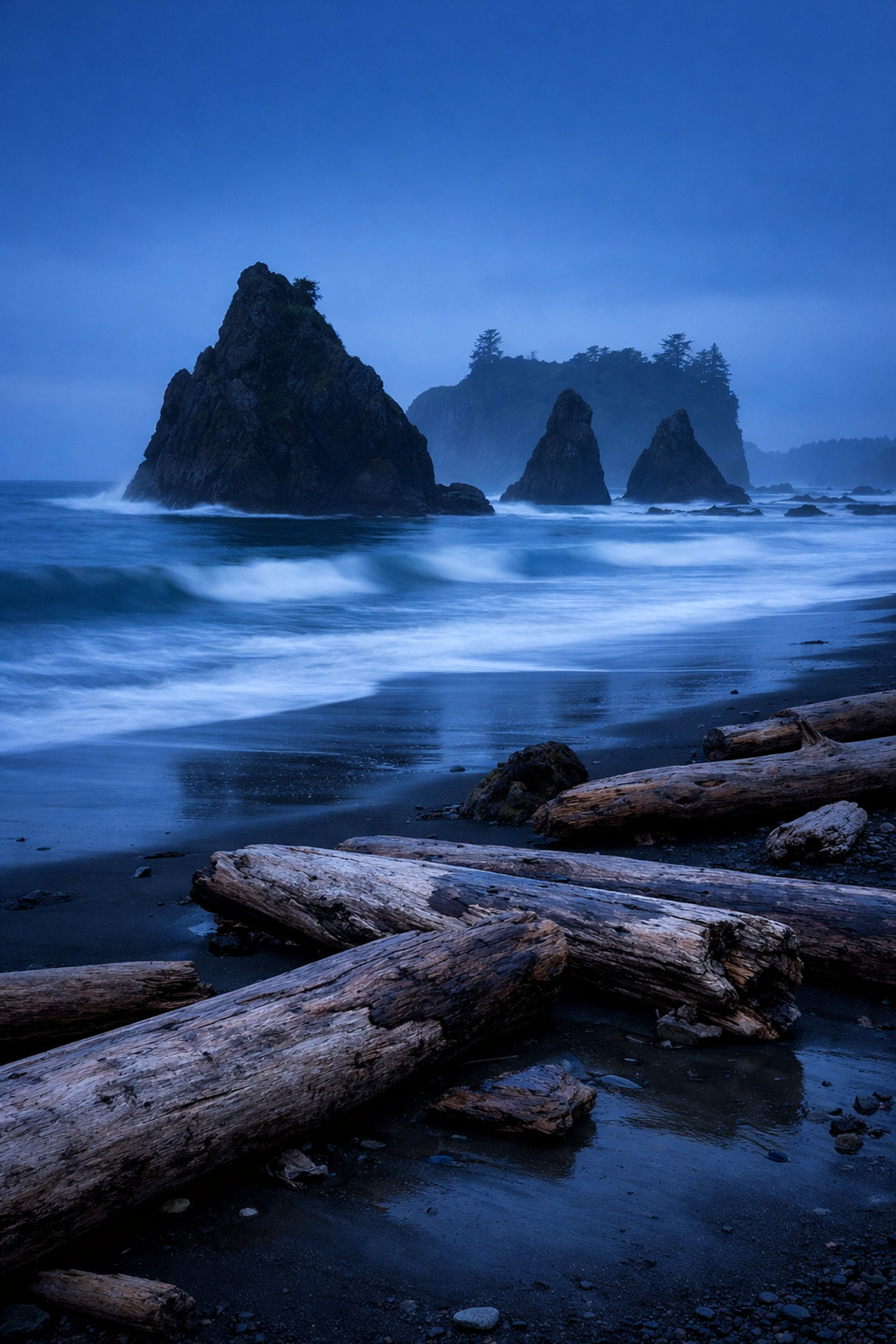
Alt Text: A moody, long-exposure photograph of Ruby Beach in Olympic National Park, featuring dramatic sea stacks and a misty shoreline.
The Rocky Mountains and Beyond
The interior of the US holds some of the most dramatic elevation changes in the world. Yellowstone, established in 1872 as the first national park, is a geothermal wonderland that looks like another planet.
Yellowstone National Park, Wyoming
Yellowstone is massive, spanning three states. For photographers, the draw is the combination of wildlife and geothermal features.
- Best Photography Locations: Grand Prismatic Spring (from the overlook), Old Faithful, and Lamar Valley for wolves and bison.
- Technical Tip: Be careful with your gear around the thermal pools; the steam can be acidic and hard on lens coatings.
If you’re looking to see how these landscapes translate into high-end art, take a look at my gallery at www.edinfineart.com.
Planning Your Photographic Journey
A successful trip to a national park isn't just about the camera; it’s about the logistics. Many parks now require reservations for entry or specific trails. For example, if you're planning to hike the Narrows in Zion, you need to check water levels and permit requirements well in advance.
To make the most of your trip, I highly recommend checking out our photography booking experience to get professional guidance on your next outing.
Gear Essentials
Landscape photography is gear-intensive. You’ll need a sturdy tripod, a range of filters (Neutral Density and Polarizers), and a backpack that can handle the elements. Before you head out, make sure your kit is up to par by reviewing our essential photography gear list.
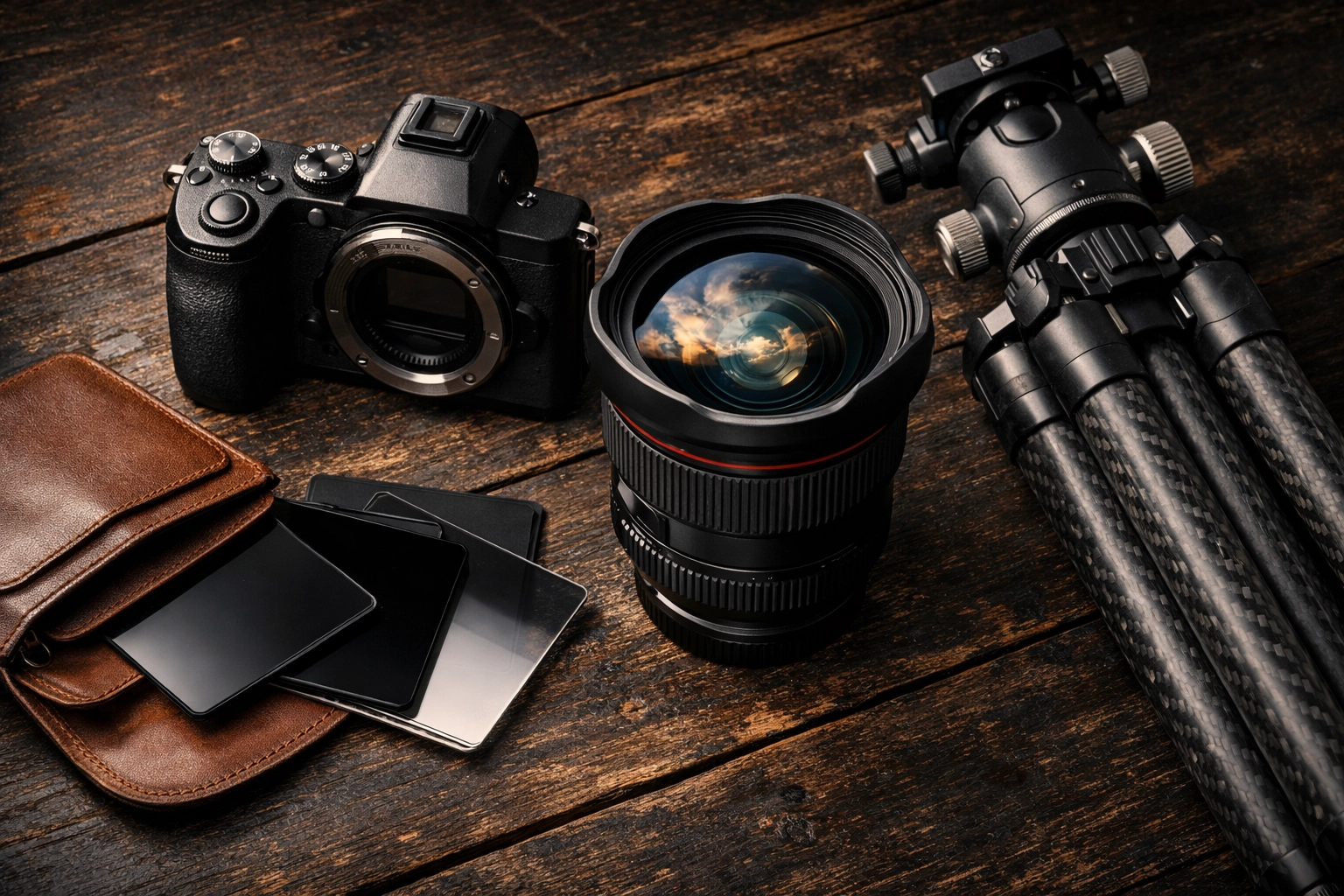
Alt Text: A professional landscape photographer’s gear layout on a rustic wooden table, featuring a mirrorless camera, several lenses, and a carbon fiber tripod.
Finding the Best Sunrise Spots
One of the most common questions I get is, "Edin, where should I be at 5:00 AM?" The truth is, the best sunrise spots are often the ones that require a bit of a hike in the dark.
- Mesa Arch (Canyonlands): Arrive at least an hour before dawn to get a spot.
- Cadillac Mountain (Acadia): This is the first place in the US to see the sunrise for part of the year.
- Grandview Point (Grand Canyon): Offers a wider perspective of the canyon than the more crowded South Rim spots.
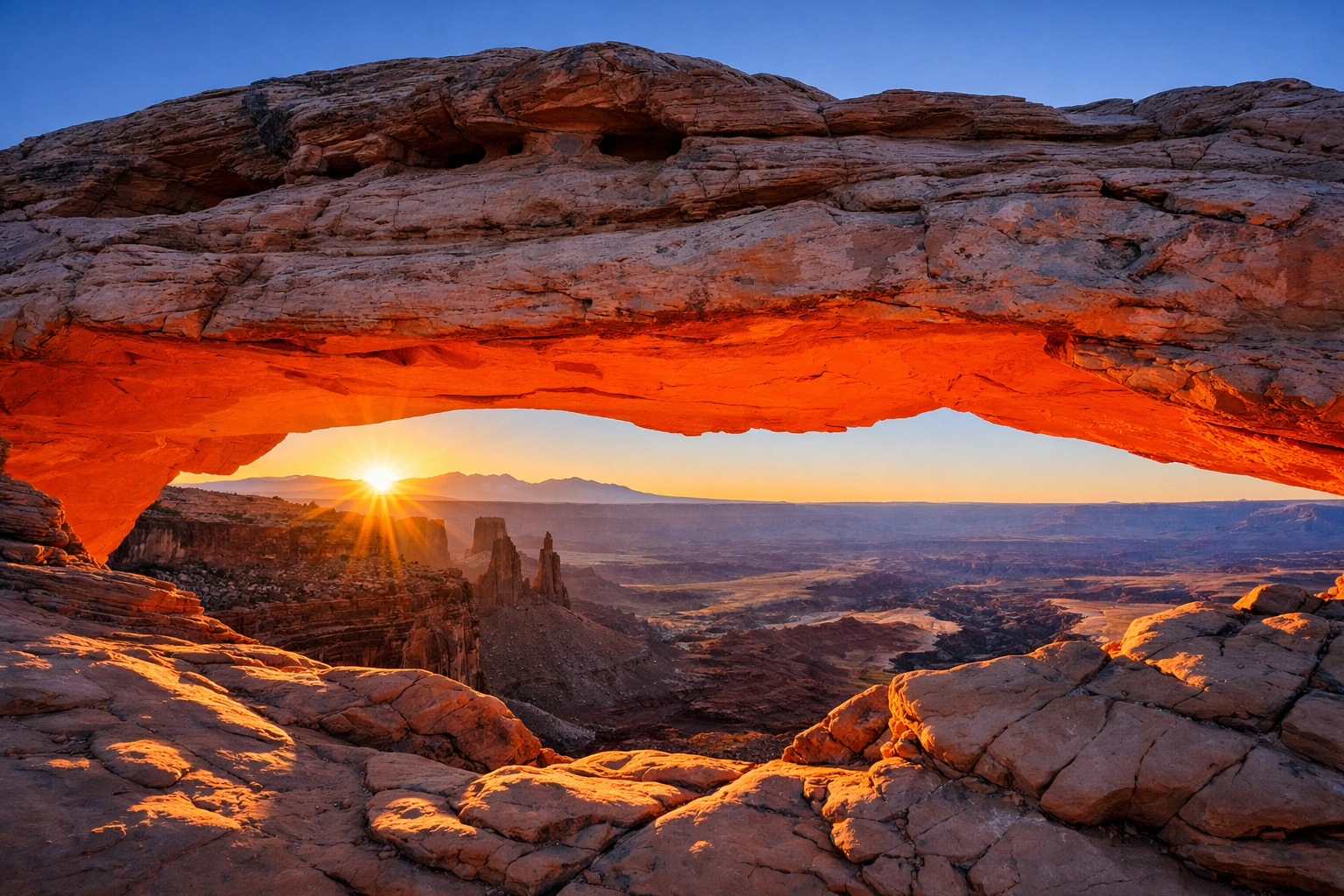
Alt Text: A breathtaking sunrise at Mesa Arch in Canyonlands National Park, with the sun peeking through the arch and illuminating the canyon below in gold.
Tips for Better Landscape Photos
- Follow the Light: The hour after sunrise and the hour before sunset (the Golden Hour) are your best friends. The long shadows and warm tones add depth to your photos.
- Composition Matters: Don’t just put the horizon in the middle. Use the rule of thirds, find leading lines, and look for foreground interest to draw the viewer into the frame.
- Stay Safe: No photo is worth your life. Stay on marked trails and respect the wildlife. This is especially true in parks like Glacier or Yellowstone, where bears and bison are common.
Embracing the Unknown
Sometimes the best photos happen when things don't go according to plan. A storm rolling in might ruin your "perfect" sunset, but it might also give you a dramatic, lightning-filled sky that no one else has. Part of the reassurance we offer at Photoguides is helping you understand that the elements are your collaborators, not your enemies.
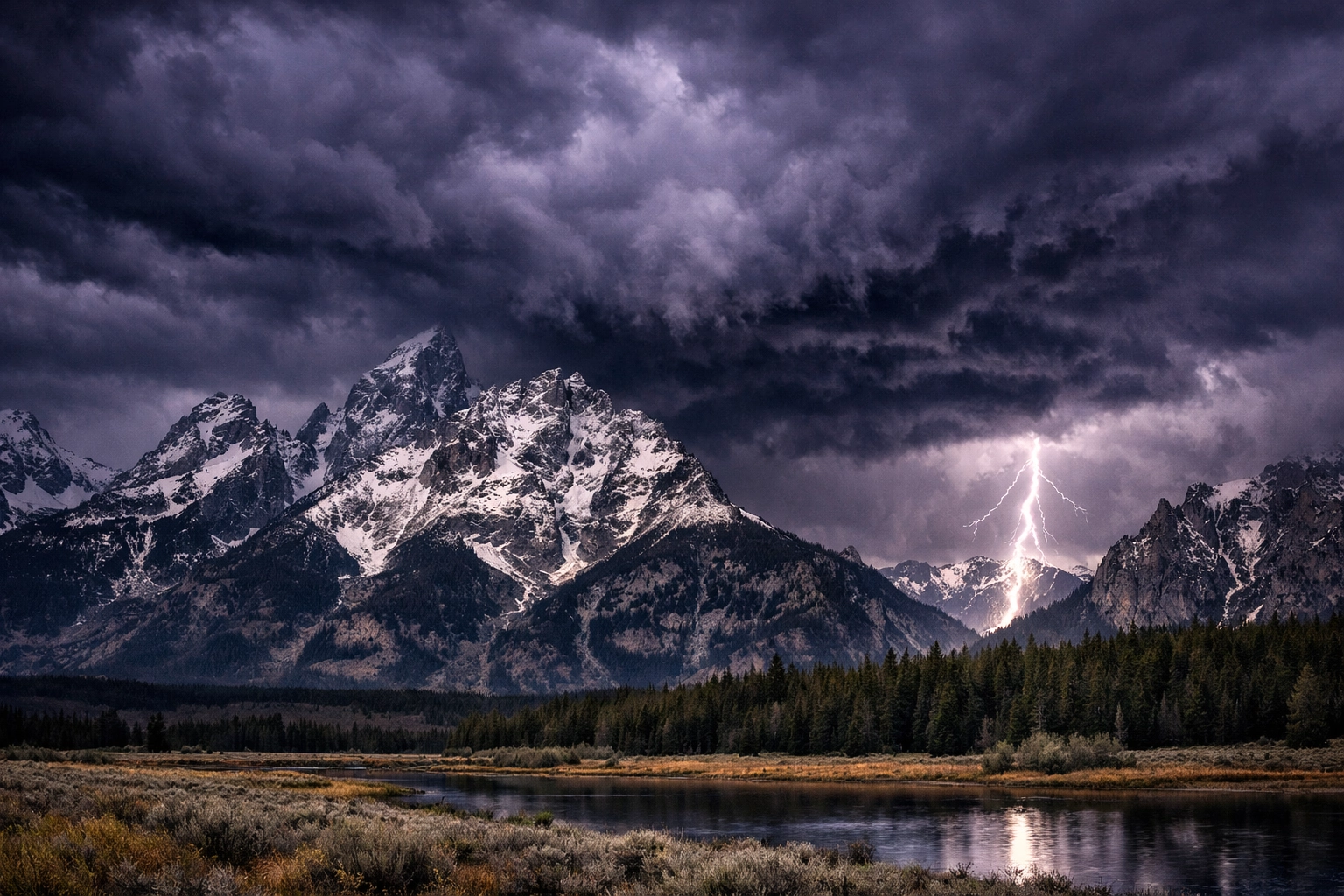
Alt Text: A dramatic storm cloud moving over the Grand Tetons, with a single bolt of lightning striking the mountain peaks.
Conclusion: The Journey Has Just Begun
This guide is just the tip of the iceberg. Over the coming months, we will be releasing dedicated posts for each of the 63 parks, detailing every trail, every overlook, and every secret spot I’ve discovered in my years of shooting.
Landscape photography is a lifelong pursuit of capturing the fleeting beauty of our world. Whether you are a seasoned pro or just starting out with your first camera, the National Parks are waiting for you.
Don't forget to explore our other resources, like our camera reviews to ensure you have the best tech for the job, or browse the latest fine art prints at www.edinfineart.com to see how these parks look when printed on a large scale.
Stay tuned for our next installment, where we’ll head deep into the heart of the Alaskan wilderness to explore Denali and Wrangell–St. Elias. Until then, keep shooting and stay inspired.













