
Category: Travel
Let’s be real for a second: we’ve all seen those "expectation vs. reality" posts. You see a stunning photo of a lone traveler standing on a cliff in Bali, looking like the only person left on Earth. Then you swipe, and the reality is a two-hour line of 300 people holding iPhones, all waiting for that exact same shot. It’s exhausting, isn't it?
As photographers and travelers, we’re all hunting for those best photography locations: places that feel iconic but don’t require us to elbow a stranger out of the frame. The good news? Those places still exist. You just have to know where to look (and sometimes, when to set your alarm).
At Photoguides, we’re all about helping you capture the world’s beauty without the stress. Whether you’re looking for instagrammable places to fill your feed or high-end landscape shots for your portfolio, this guide is your roadmap to the icons: minus the crowds.
1. The European Alternative: Slovenia and Calabria
When people think of European photography, they usually think of the canals of Venice or the blue domes of Santorini. But if you want that Mediterranean magic without the cruise ship crowds, you need to look elsewhere.
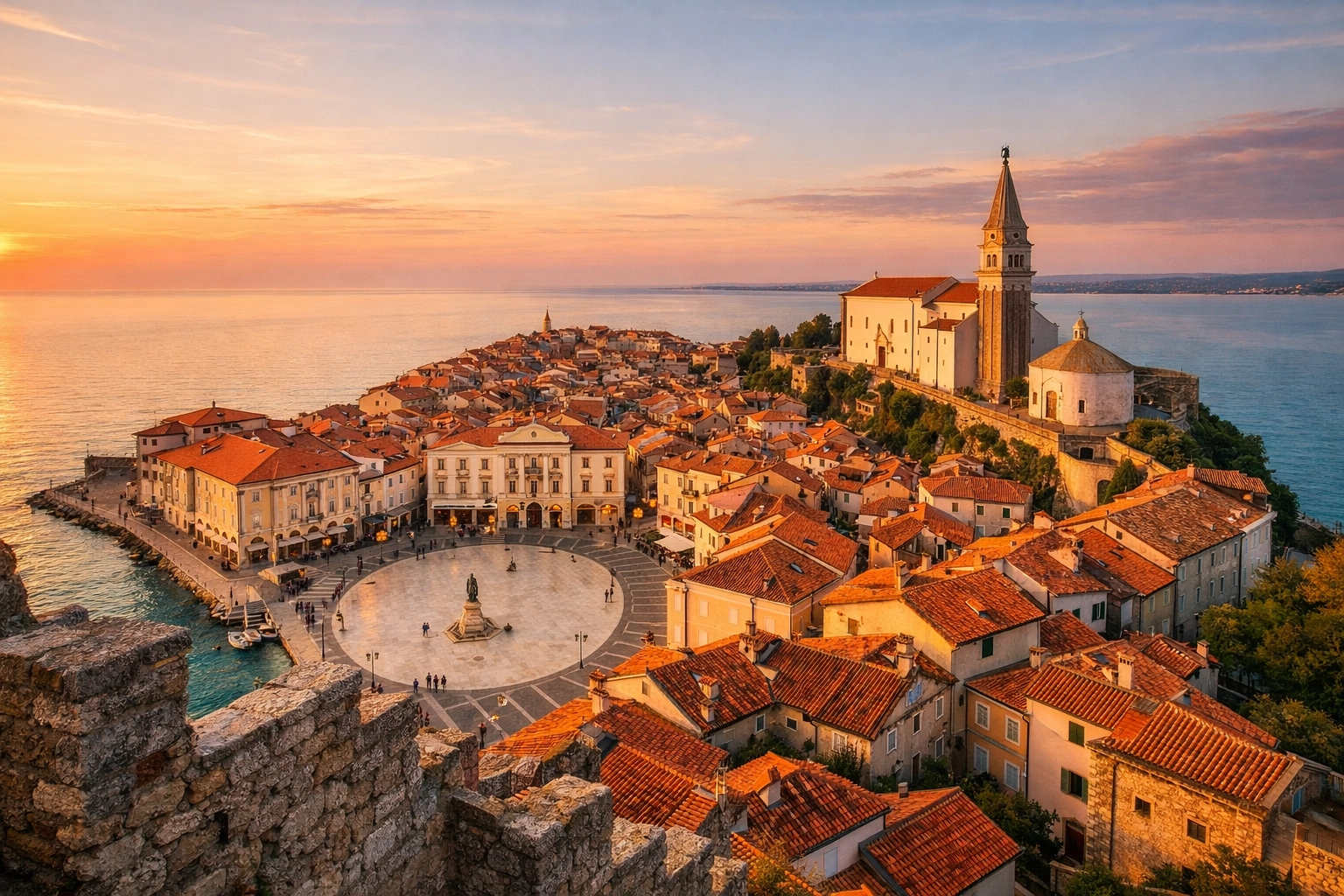
Piran, Slovenia
Imagine Venice, but you can actually breathe. Piran is a stunning coastal town with Venetian architecture, winding alleys, and a bell tower that offers a panoramic view of the Adriatic. While everyone else is fighting for space in Italy, you can capture the sunset over the pier in peace.
Lake Bohinj vs. Lake Bled
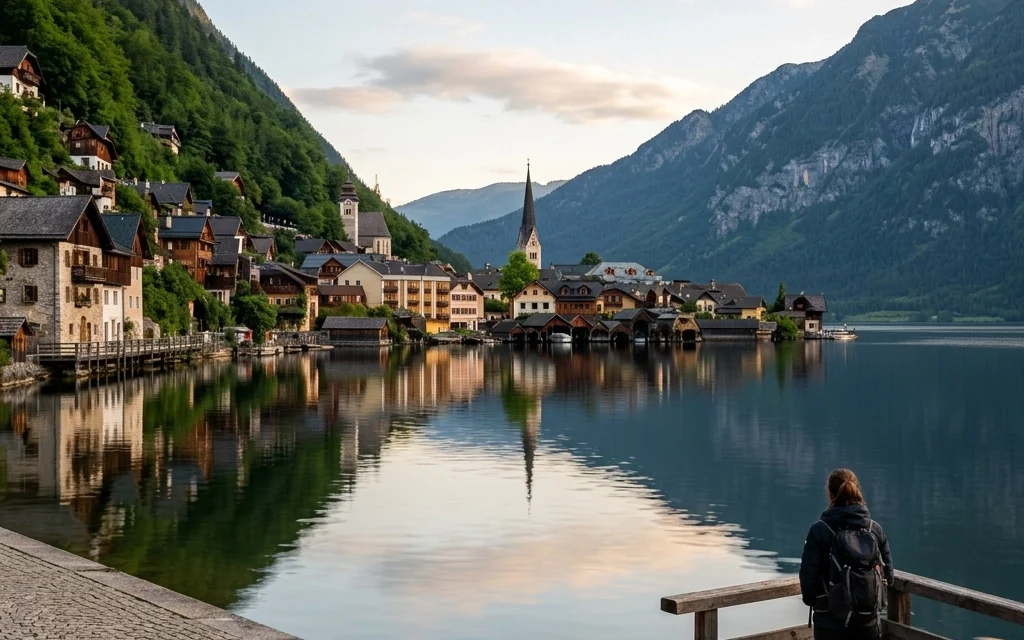
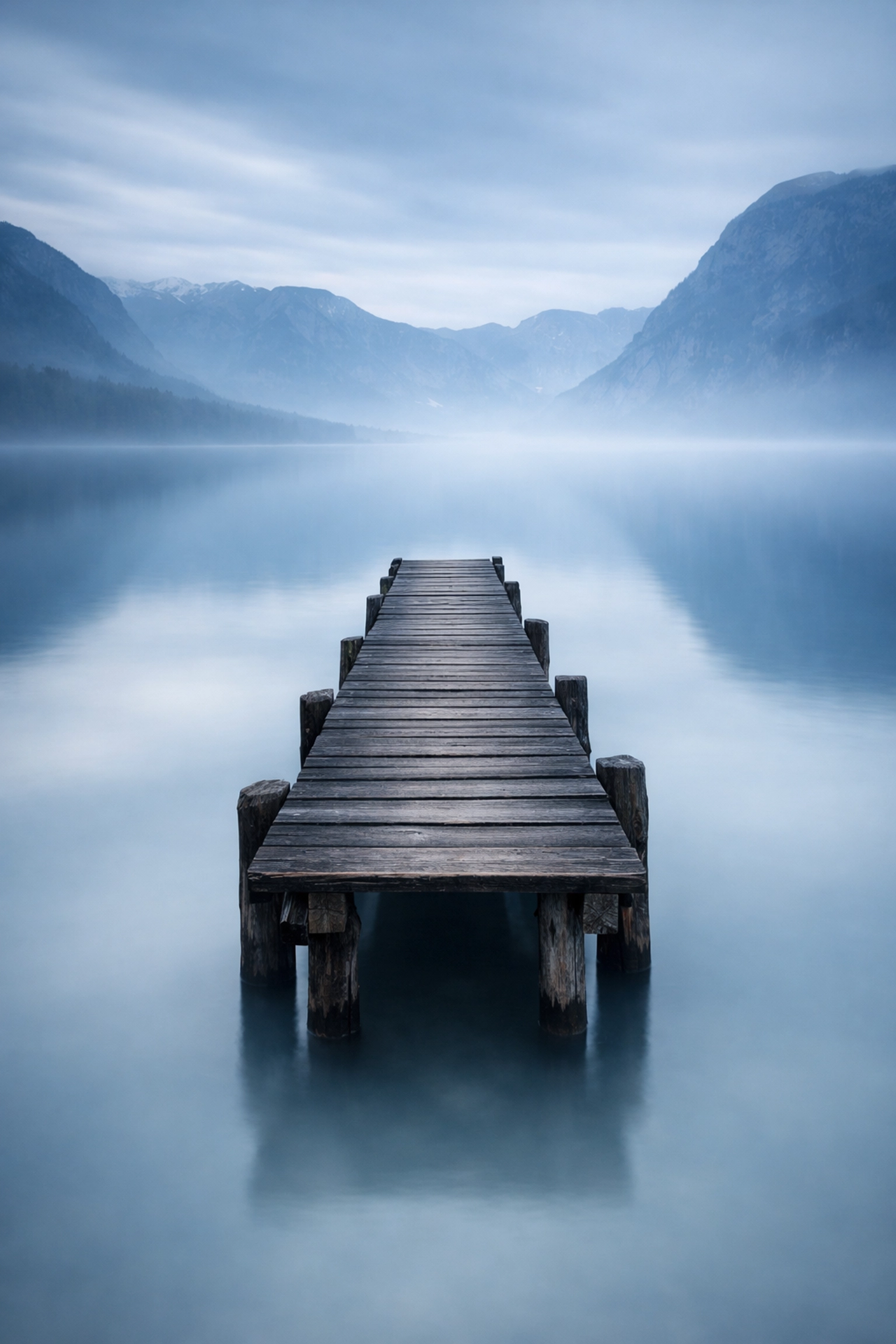
Don’t get me wrong, Lake Bled is gorgeous, but it’s also the poster child for "over-tourism." Just a short drive away is Lake Bohinj. It’s larger, wilder, and significantly quieter. It’s one of those best photography locations where you can find perfect reflections of the Julian Alps without a single paddleboarder ruining your shot. For more tips on scouting these kinds of spots, check out some of our educational guides.
Tropea, Italy
If you must do Italy (and let’s face it, we all want to), head south to Calabria. Tropea was named Italy’s most beautiful village in 2021, yet it remains remarkably under the radar for international tourists. The "Coast of the Gods" offers turquoise water and dramatic cliffs that rival the Amalfi Coast but with a much more relaxed vibe.
2. North America’s Quiet Giants: Big Bend and Yoho
If you’re looking for epic scale, North America has it in spades. But you don’t have to go to the Grand Canyon to get it.
Big Bend National Park, Texas
Big Bend is a photographer’s dream. It’s one of the largest and most remote national parks in the lower 48, receiving less than 10% of the visitors that flock to the Grand Canyon. You’ve got steep-walled canyons, the Rio Grande, and some of the darkest skies in the country for astrophotography.
Pro travel photography tips: If you’re heading into the desert, make sure your kit is ready. You can check out my essential photography gear list to ensure you aren't leaving behind anything critical like a sturdy tripod or a good cleaning kit for all that desert dust. While you're at it, if you want to see how these landscapes look when printed at a professional level, take a peek at Edin Fine Art.
Marfa, Texas
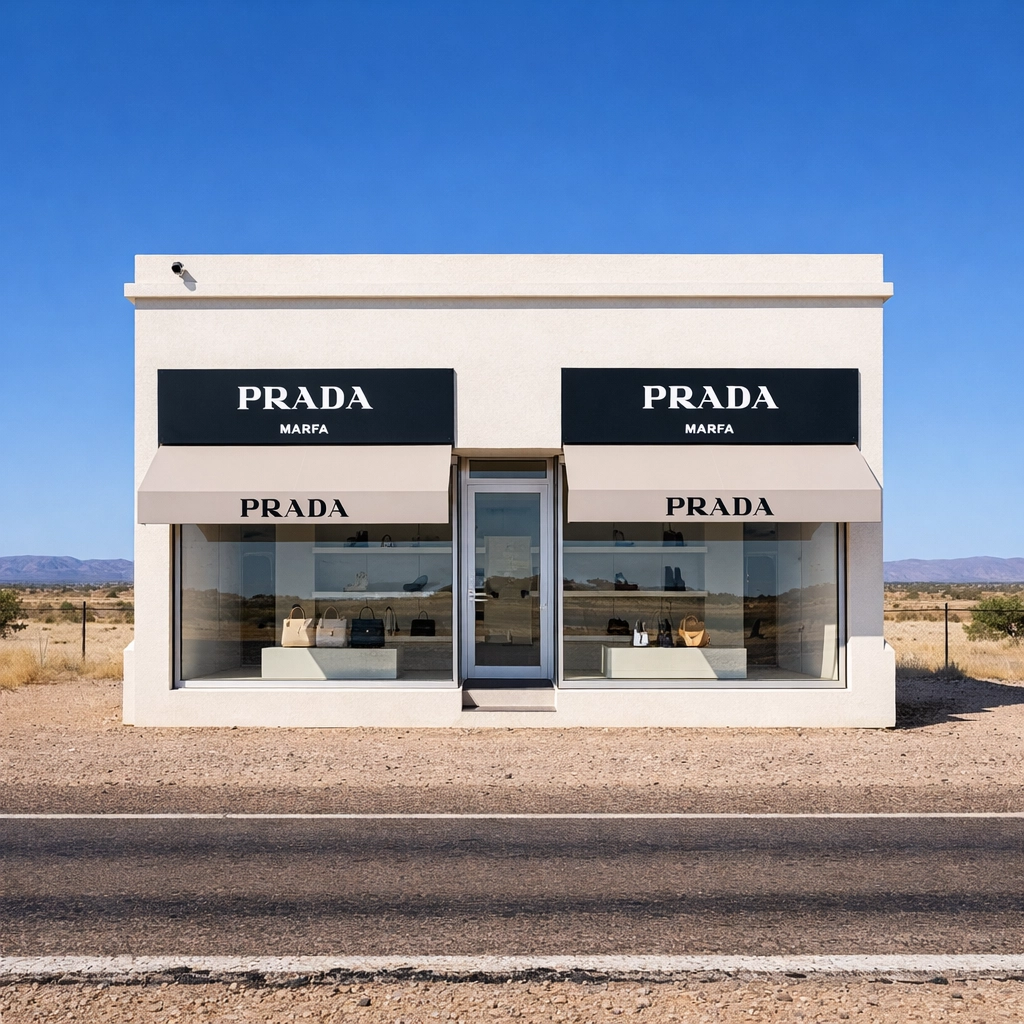
Just a few hours from Big Bend is Marfa. It’s a tiny desert town that has somehow become a world-class art mecca. The Prada Marfa installation is one of the most instagrammable places in the world, and because of its remote location, you can often get the shot without another soul in sight.
Yoho National Park, British Columbia
Banff and Jasper get all the love, but Yoho is the unsung hero of the Canadian Rockies. Emerald Lake is just as green as Lake Louise, but you won't have to fight a thousand people to see it. It’s a serene, reassuring experience that reminds you why you picked up a camera in the first place.
3. Finding Solitude in Asia: Laos and Northern Vietnam
Asia is home to some of the most iconic landscapes on the planet, but it’s also home to some of the densest crowds. To find the "quiet icons," you have to go a bit deeper.
The Ha Giang Loop, Vietnam
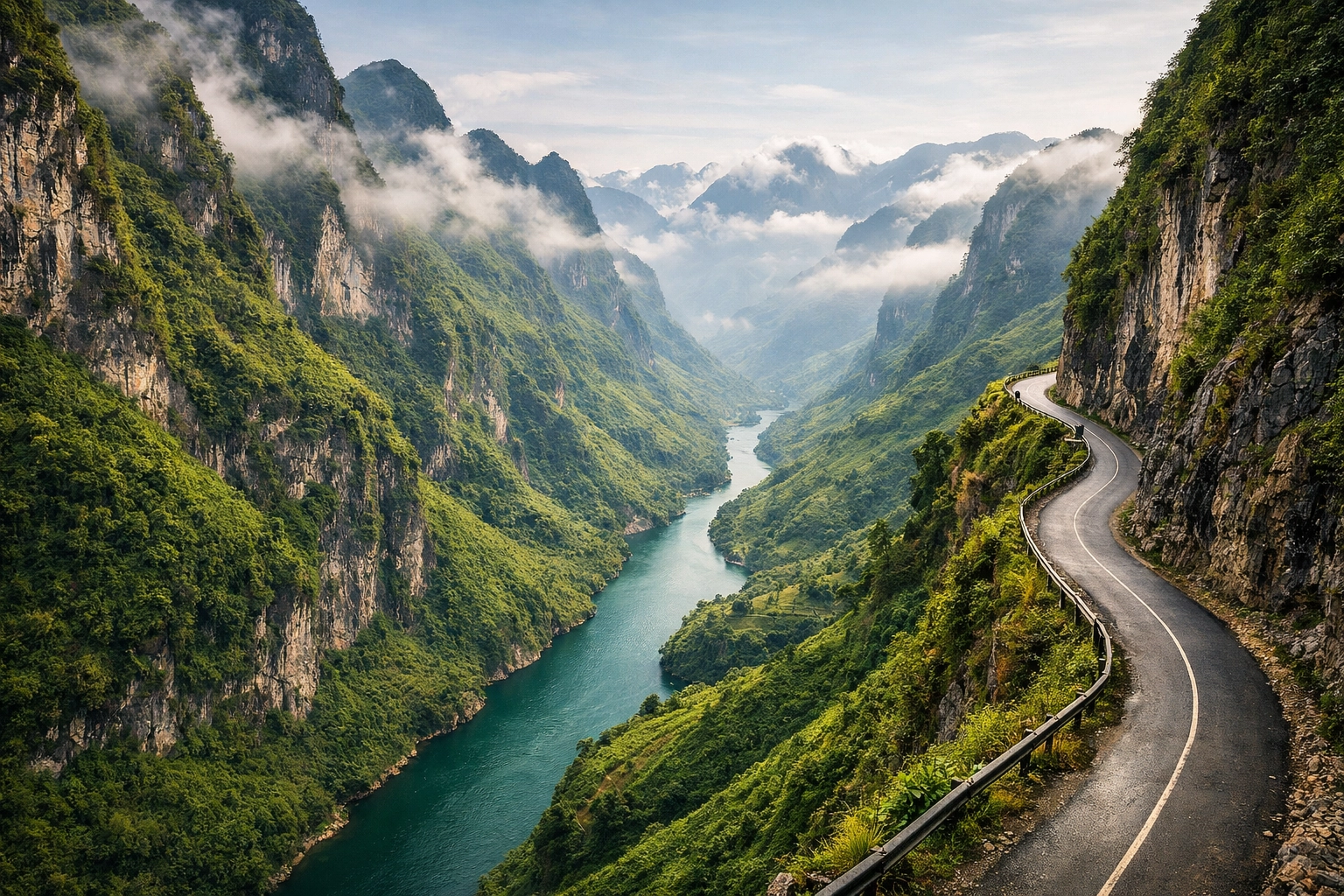
While Sapa is beautiful, it has become incredibly commercialized. For a more authentic experience, head to the Ha Giang Loop in Northern Vietnam. It’s a four-day journey through lush mountains and rice fields. You’ll see remote ethnic minority villages and landscapes that look like they’ve been pulled straight from a fantasy novel.
Vang Vieng, Laos
Laos is often overshadowed by its neighbors, Thailand and Vietnam, but that’s exactly why it’s a gem. The limestone karsts in Vang Vieng provide a dramatic backdrop for landscape photography. If you’re looking for activity recommendations to get you to these remote spots safely, I highly suggest checking out these curated tours and experiences.
4. The Wild Frontier: Zambia and Patagonia
If you want to feel truly small, you need to head to the edges of the map.
Zambia Safaris
Zambia is the birthplace of the walking safari. While the masses are crammed into Land Rovers in the Serengeti, in Zambia’s South Luangwa National Park, you can often find yourself as the only vehicle at a major wildlife sighting. It’s an intimate, raw way to experience the "Big Five."
The "Route of Parks," Chile
Everyone knows Torres del Paine, but Chilean Patagonia’s "Route of Parks" spans 17 national parks across 1,700 miles. Cape Froward, the southernmost point of the mainland, offers raw nature, endangered species, and a sense of isolation that is becoming increasingly rare. It’s the ultimate destination for the adventurous soul.
5. Travel Photography Tips: How to Beat the Crowds Anywhere
Look, sometimes you have to go to the famous spots. You can’t go to Paris and not shoot the Eiffel Tower, right? Here’s how to do it without the headache:
- Blue Hour is Your Best Friend: Everyone shows up for sunset. Almost no one shows up for the hour before sunrise (Blue Hour). The light is moody, the colors are soft, and the crowds are usually still in bed.
- Long Exposures: If there are people moving in your frame, use an ND filter and a long exposure (30 seconds or more). The moving people will blur into nothingness, leaving you with a clean shot of the architecture or landscape. For more technical gear breakdowns, see our camera reviews.
- Change Your Perspective: Don’t stand where everyone else is standing. Look for a higher vantage point, a puddle for a reflection, or frame the icon through some nearby foliage.
- Edit Like a Pro: Sometimes, a little "content-aware fill" is your only savior. If you're looking for ways to spice up your sky or fix a shot, you can always download our sky overlays to give your photos that extra punch.
Why We Travel
At the end of the day, photography isn't just about the "likes": it's about the experience. It's about that quiet moment when the sun hits the peaks of the Julian Alps, or the silence of the Texan desert at midnight. We want you to enjoy the process as much as the final image.
If you’re planning a big trip soon and want to make sure your skills are sharp, stop by Shut Your Aperture for some community inspiration and gear talk. And if you're looking for more personal stories from the field, I’m always sharing my latest adventures over at Edin Chavez’s blog.
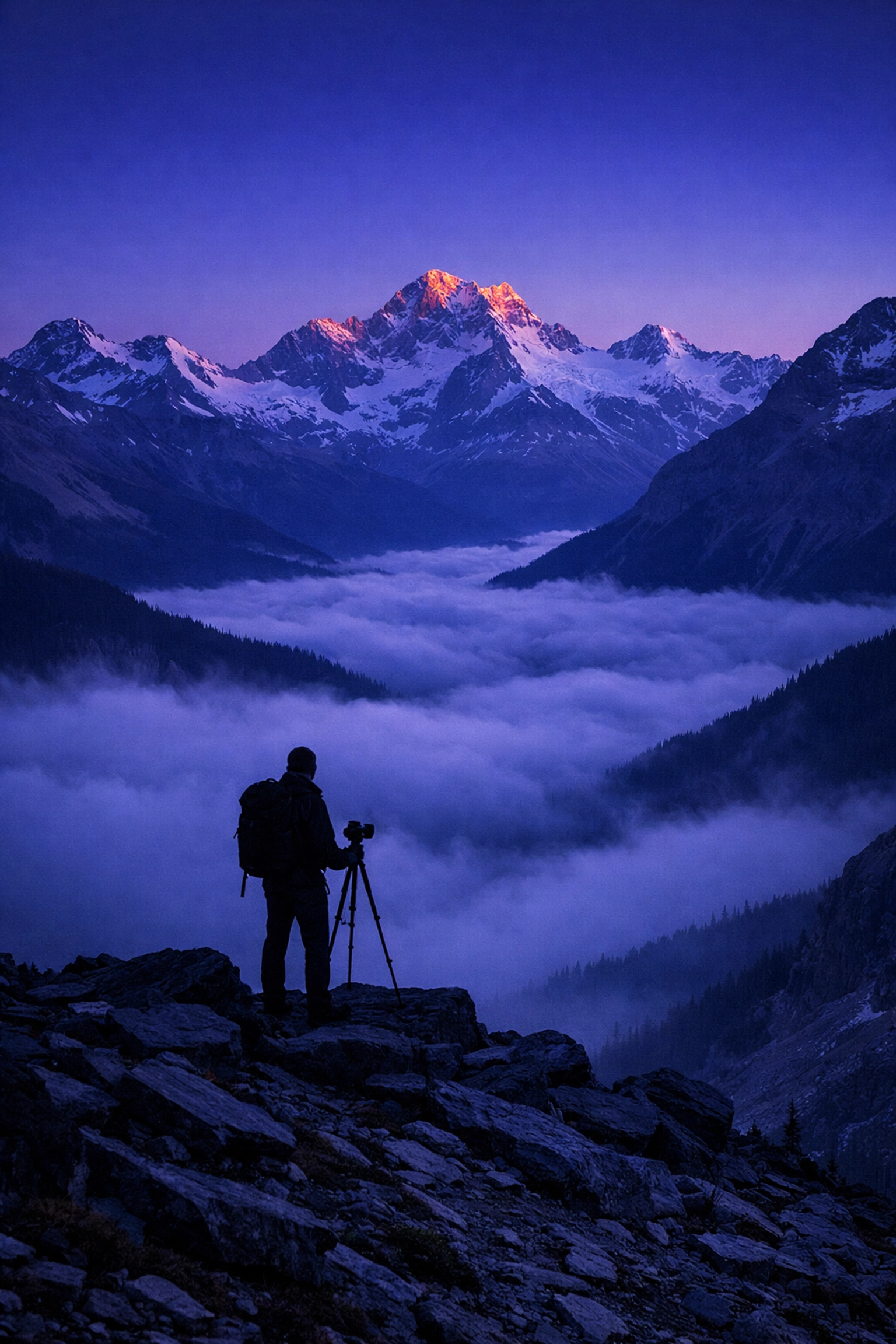
Travel is returning to its roots: slow, intentional, and adventurous. By choosing the path less traveled (or just the path traveled at 5:00 AM), you’re not just getting better photos; you’re having a better experience.
So, grab your camera, pack your bags, and go find your own icon. The world is a big place, and there’s plenty of room for all of us if we just know where to look. Happy shooting!













