
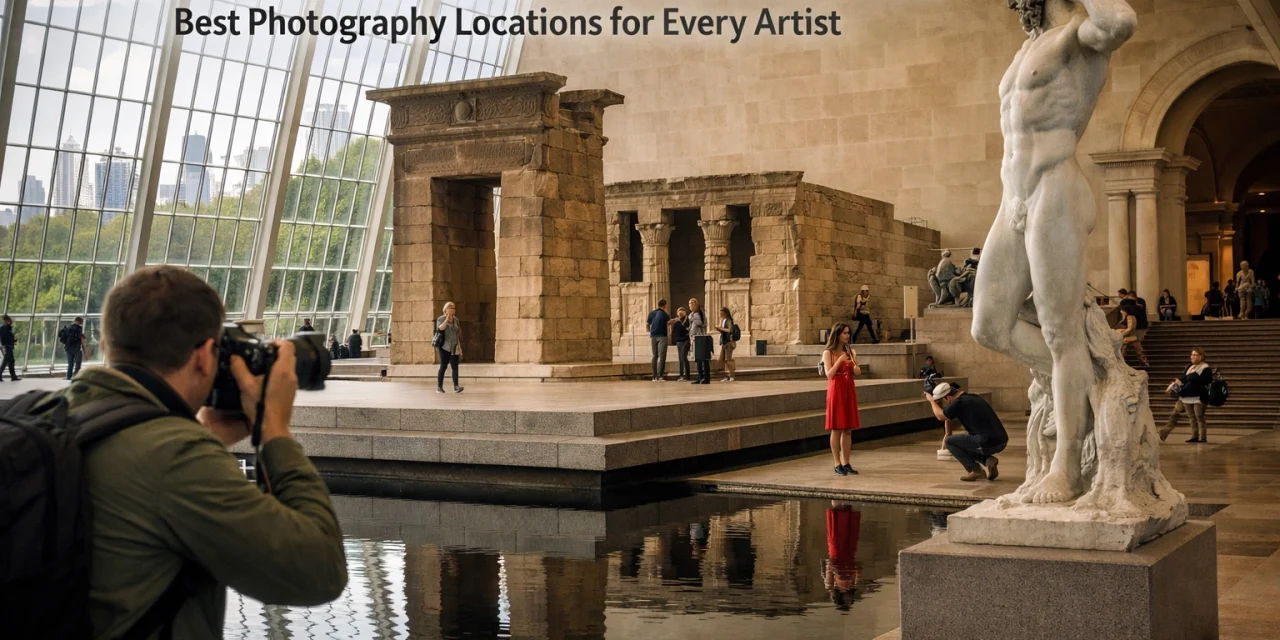
Let’s be real: walking into the Metropolitan Museum of Art (The Met) for the first time feels a bit like trying to read every book in the Library of Congress in a single afternoon. It’s massive, it’s historic, and if you aren’t careful, you’ll spend four hours looking at Greek pottery and realize you’ve completely missed the rooftop views.
As we head into 2026, the Met remains the crown jewel of New York City’s art scene. For photographers, it’s a labyrinth of light, texture, and human history. Whether you’re shooting with a high-end mirrorless setup or just your latest iPhone, finding the best photography locations inside these two million square feet requires a bit of a game plan.
At Photoguides, we want to make sure you spend less time squinting at the map and more time framing your shots. If you’re looking to sharpen your skills before hitting the museum, check out our Mastering Photography: The Ultimate 2026 Guide for Every Skill Level to get those technical basics down.
Now, let's grab a coffee, check your bags, and dive into the ultimate photo spots at the Met for 2026.
The Ground Rules: Don’t Be "That" Person
Before we get to the "where," we have to talk about the "how." The Met is pretty chill about photography for personal use, but they have a few hard lines:
- No Flash: Seriously, don't do it. It ruins the art and annoys everyone.
- No Tripods or Monopods: This is the big one. You need to be able to shoot handheld.
- Stay in the "Green" Zones: Most of the permanent collection is fair game, but always look for the "no camera" icon on the wall labels, especially in special loan exhibitions.
If you’re planning a full NYC photo tour, you can book your skip-the-line tickets and guided tours here to save time and energy for the actual shooting.
1. The Temple of Dendur (The Sackler Wing)
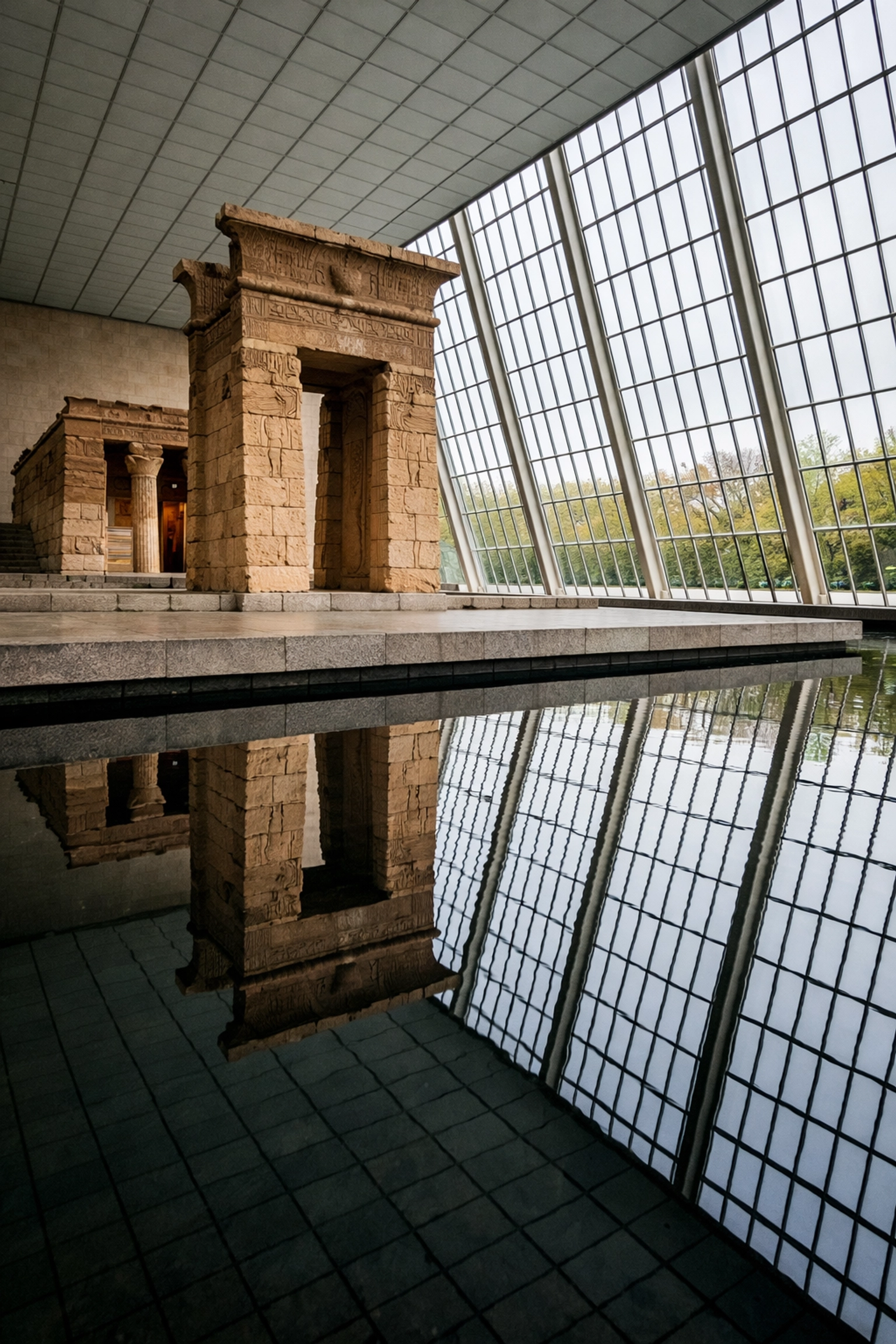
If you only have thirty minutes, go here. The Temple of Dendur is arguably the most iconic photo spot in the entire building. It’s an Egyptian temple from 15 B.C. housed in a massive glass-walled room that overlooks Central Park.
In 2026, the light here is still the main attraction. The massive slanted windows provide a soft, diffused glow during the day.
- The Shot: Get low near the surrounding water feature to capture the reflection of the temple.
- Pro Tip: If it’s raining or snowing outside, the contrast between the ancient stone and the NYC weather through the glass is moody and incredible.
2. The American Wing (Charles Engelhard Court)
This is where I go when I need a moment of zen. The court is filled with natural light, soaring ceilings, and incredible sculptures. It feels more like a high-end park than a museum gallery.
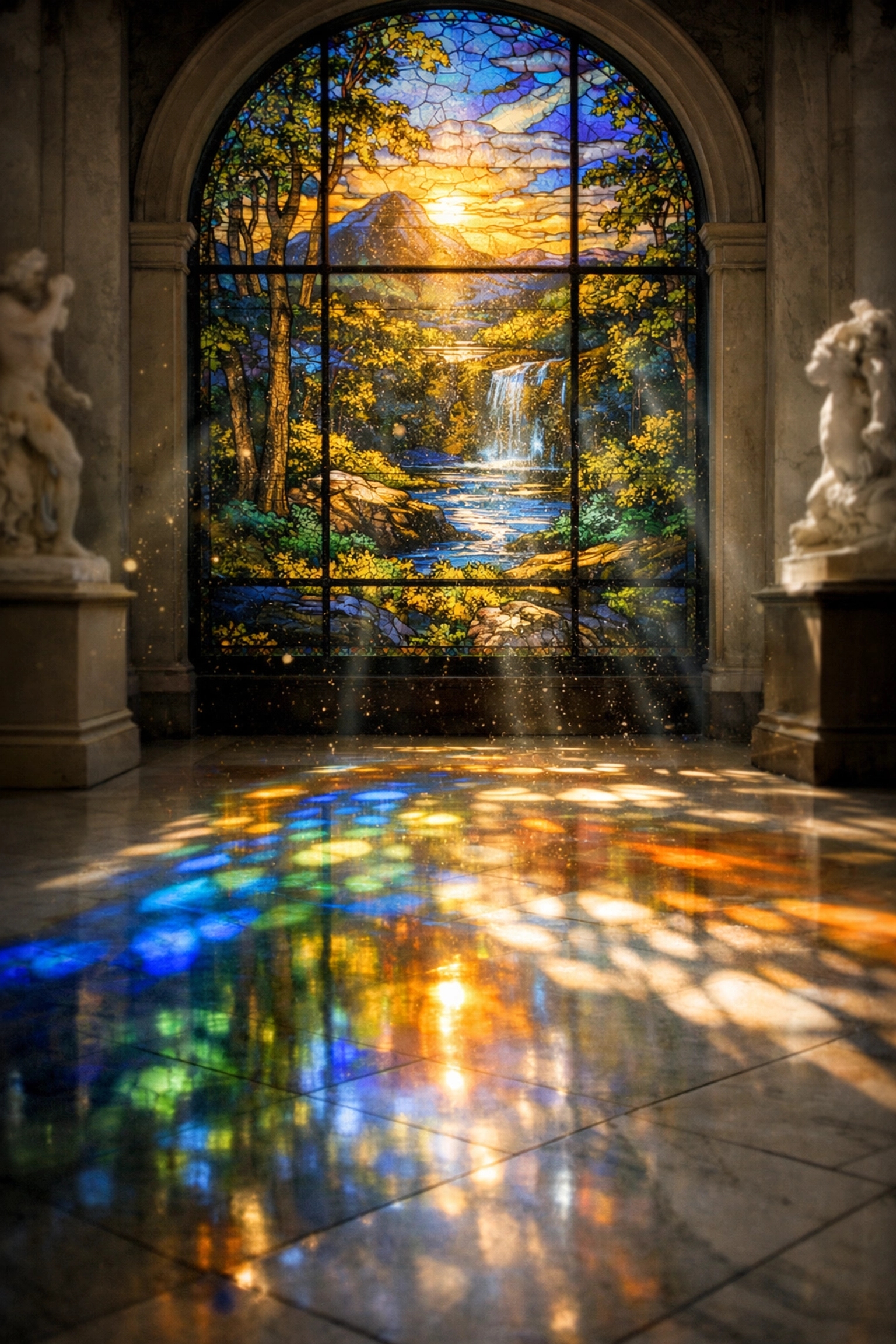
Keep an eye out for the Tiffany stained-glass windows. When the sun hits them just right, they cast vibrant, colorful patterns on the floor that make for some stunning abstract shots. If you're into architectural details, the facade of the United States Branch Bank at the end of the court is a masterclass in neoclassical framing.
For more inspiration on capturing grand architectural spaces, take a look at Edin Chavez’s portfolio to see how he handles scale and light in iconic locations.
3. The Cantor Rooftop Garden (Seasonal)
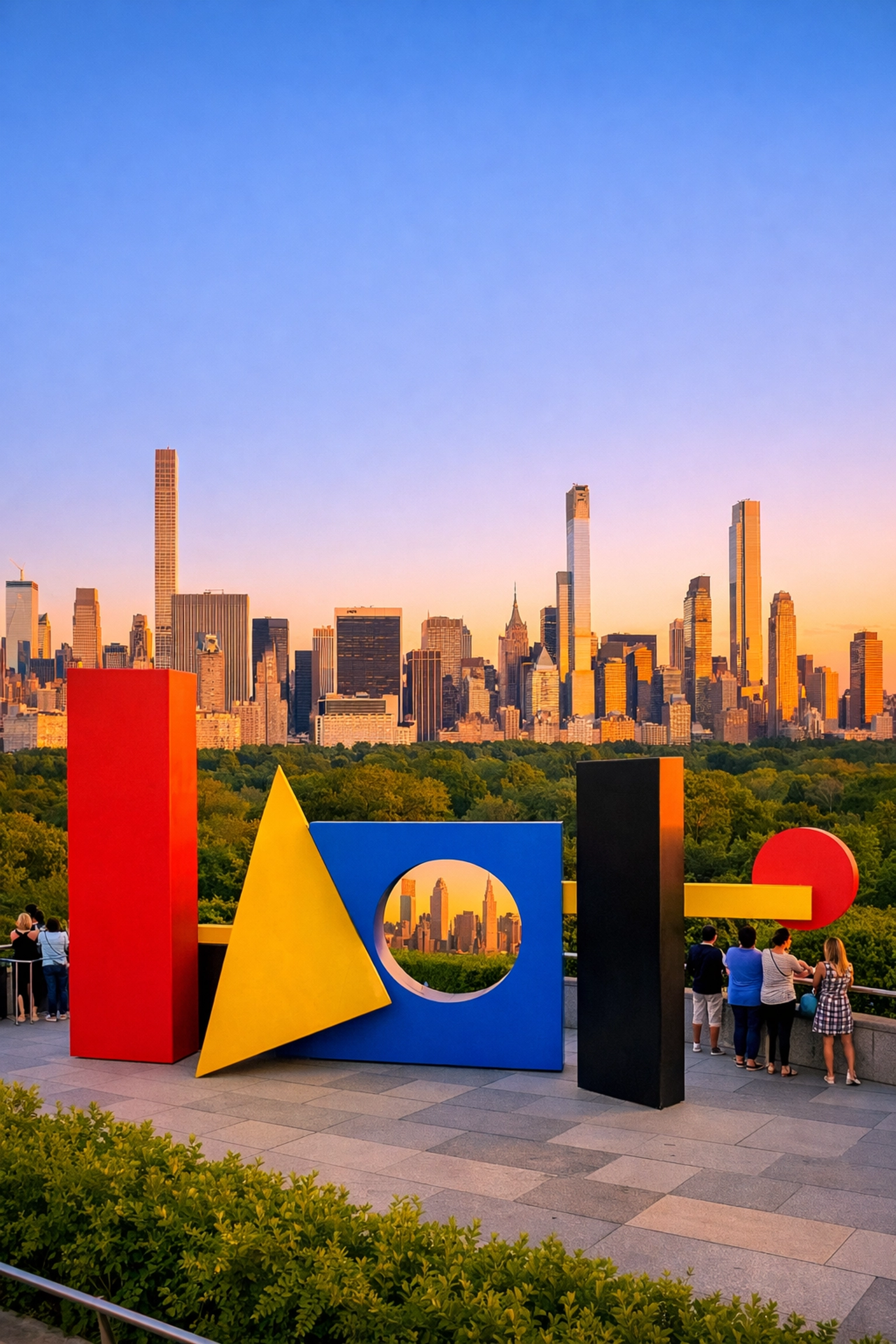
You haven't seen the NYC skyline until you’ve seen it from the Met’s roof. In 2026, the rooftop continues its tradition of hosting a massive, site-specific installation.
- The View: You get an unobstructed view of Central Park with the Central Park South skyscrapers towering in the background. It’s one of the best photography locations for sunset in Manhattan.
- The Vibe: It’s casual, there’s a bar, and the people-watching is top-tier. Use a wide-angle lens to capture the art installation with the city skyline as the backdrop.
4. The Great Hall
Most people rush through the Great Hall to get to the galleries, but if you stop and look up, the architecture is breathtaking. The domes and arches provide amazing leading lines.
Try to visit right when the museum opens or about an hour before it closes. The flow of people through the massive arches can create a great sense of motion if you use a slightly slower shutter speed (though keep it steady: remember, no tripods!).
5. New for 2026: "Costume Art" & "The Queering of Photography"
The Met is always evolving. For the 2026 season, the "Costume Art" exhibition in the new Condé M. Nast Galleries is a must-see. The lighting in the costume institutes is usually very dramatic and "moody," which is perfect for high-contrast portrait-style shots of the mannequins.
Additionally, "The Queering of Photography" (running May–June 2026) is a landmark show. While you may not be able to photograph all the professional works on display, the curated space itself is designed to be visually provocative and worth the walk-through.
Technical Cheat Sheet for Museum Shooting
Since you can't use a tripod, you’ll need to push your gear a bit. Here’s a quick guide for your 2026 Met visit:
| Location | Recommended Aperture | ISO Range | Why? |
|---|---|---|---|
| Temple of Dendur | f/4 – f/8 | 200 – 800 | Plenty of natural light; keep it sharp. |
| Dimly Lit Galleries | f/1.8 – f/2.8 | 1600 – 6400 | You need that wide aperture to survive. |
| Rooftop (Sunset) | f/5.6 – f/11 | 100 – 400 | Use the bright sky to your advantage. |
| Great Hall | f/5.6 | 800 – 1600 | Balance depth of field with hand-held stability. |
If you find your images are looking a bit flat in the low light, you might want to look into some post-processing magic. We have some great resources on sky overlays and editing tips at Photoguides to help those museum shots pop.
Essential Gear for the Met
You don’t want to carry a 20lb bag through these halls. Keep it light.
- A Fast Prime Lens: A 35mm or 50mm f/1.8 is your best friend here. It’s light and handles the low-light galleries like a champ.
- A Wide-Angle Zoom: Something like a 16-35mm is perfect for the Rooftop and the Temple of Dendur.
- Extra Batteries: The Met is a marathon, not a sprint.
- Comfortable Shoes: Seriously. Check our essential photography gear guide for recommendations on bags and shoes that won't kill you after five miles of walking.
How to Beat the Crowds
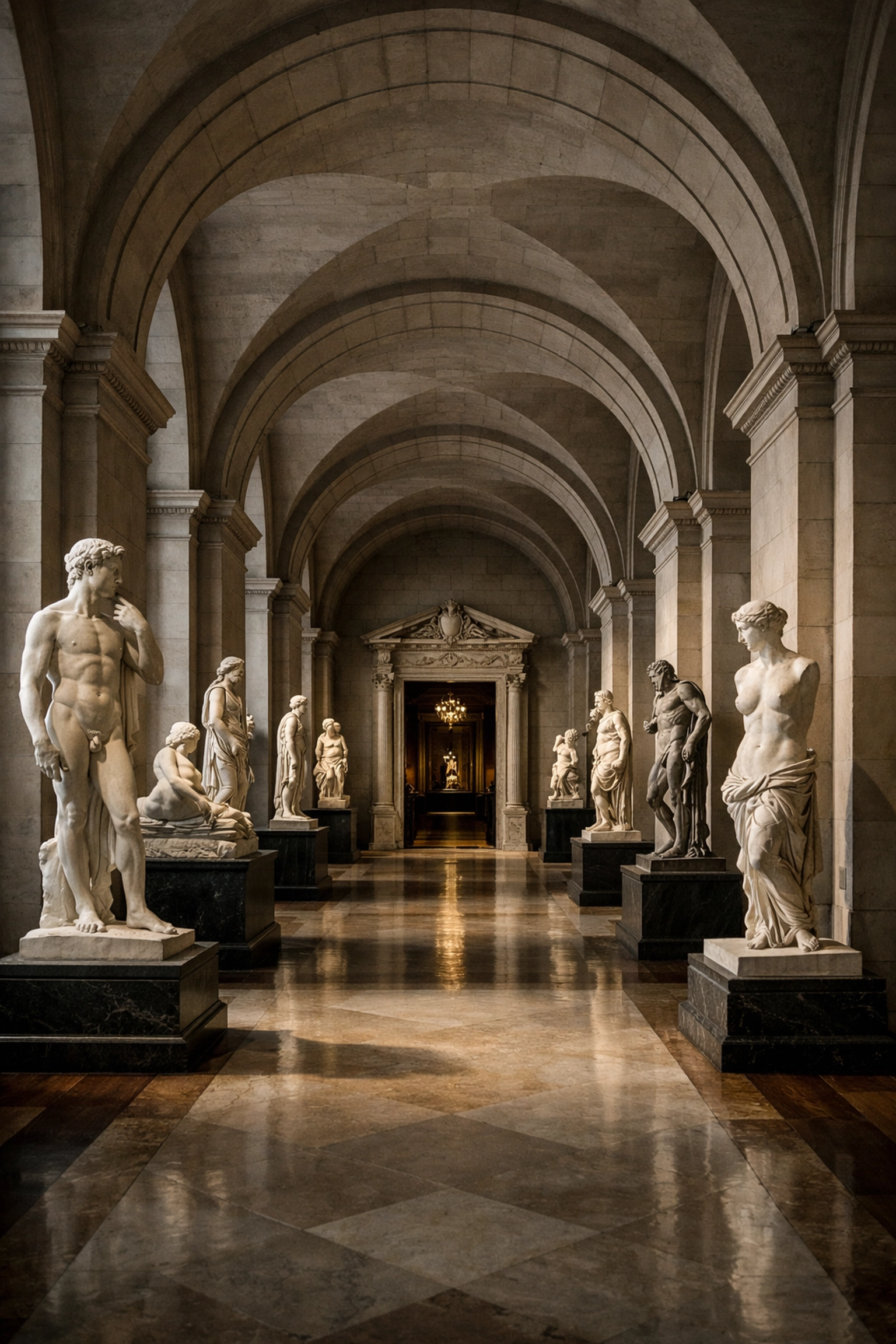
The Met is one of the most visited museums in the world. If you want "clean" shots without a thousand tourists in the background, timing is everything.
- Go Mid-Week: Tuesday and Wednesday mornings are your best bet.
- The Friday/Saturday Night Shift: The Met stays open late on Friday and Saturday nights. The lighting changes, the vibe is more "date night," and you can get some very moody shots in the near-empty European Sculpture galleries.
- The "Reverse" Route: Most people start at the Great Hall and go straight. Head to the back of the museum (the American Wing or the Modern Art section) first and work your way forward.
To ensure you don't waste time in line, remember to grab your tickets in advance.
Final Frames
The Metropolitan Museum of Art isn't just a place to see art; for a photographer, it's a place to create it. From the ancient stone of Egypt to the glass and steel of the Manhattan skyline, the Met offers a visual diversity that's hard to find anywhere else in the world.
Whether you're capturing the fine details of a 17th-century oil painting or the epic scale of the Great Hall, remember to stay patient and respect the space. For more fine art inspiration, you can always browse the prints at Edin Fine Art to see how museum-quality work is presented.
Happy shooting, and we'll see you in the galleries!
Want to explore more of NYC? Check out our guides to Times Square and Central Park to complete your 2026 New York City photography bucket list!













