Category: Foodies
Tokyo is less of a city and more of a sprawling, neon-soaked buffet. It holds more Michelin stars than any other city on the planet, but it’s also a place where a $4 bowl of standing-room-only ramen can change your life. If you’re coming here to eat (and let’s be honest, why else would you come?), you’re going to need a plan.
To help you navigate this culinary wonderland without ending up at a tourist trap eating mediocre tempura, I’ve put together a 14-day deep dive into the best eats Tokyo has to offer. Whether you’re a high-end sushi connoisseur or a street-food enthusiast, this is your roadmap to eating like a local.
Day 1: The Konbini Chronicles
Most people don’t think of convenience stores as a culinary destination, but in Tokyo, the konbini (7-Eleven, Lawson, and Family Mart) is a temple of high-quality snacks. You haven't truly lived until you've had a 7-Eleven egg salad sandwich (the "sando") or a Lawson’s Karaage-kun (fried chicken nuggets). It’s cheap, it’s consistent, and it’s surprisingly gourmet.
If you want a more guided introduction to the neighborhood eats where these shops thrive, I highly recommend booking a local food tour through Viator to see how locals balance high-end dining with these everyday staples.
Day 2: High-End Sushi in Ginza
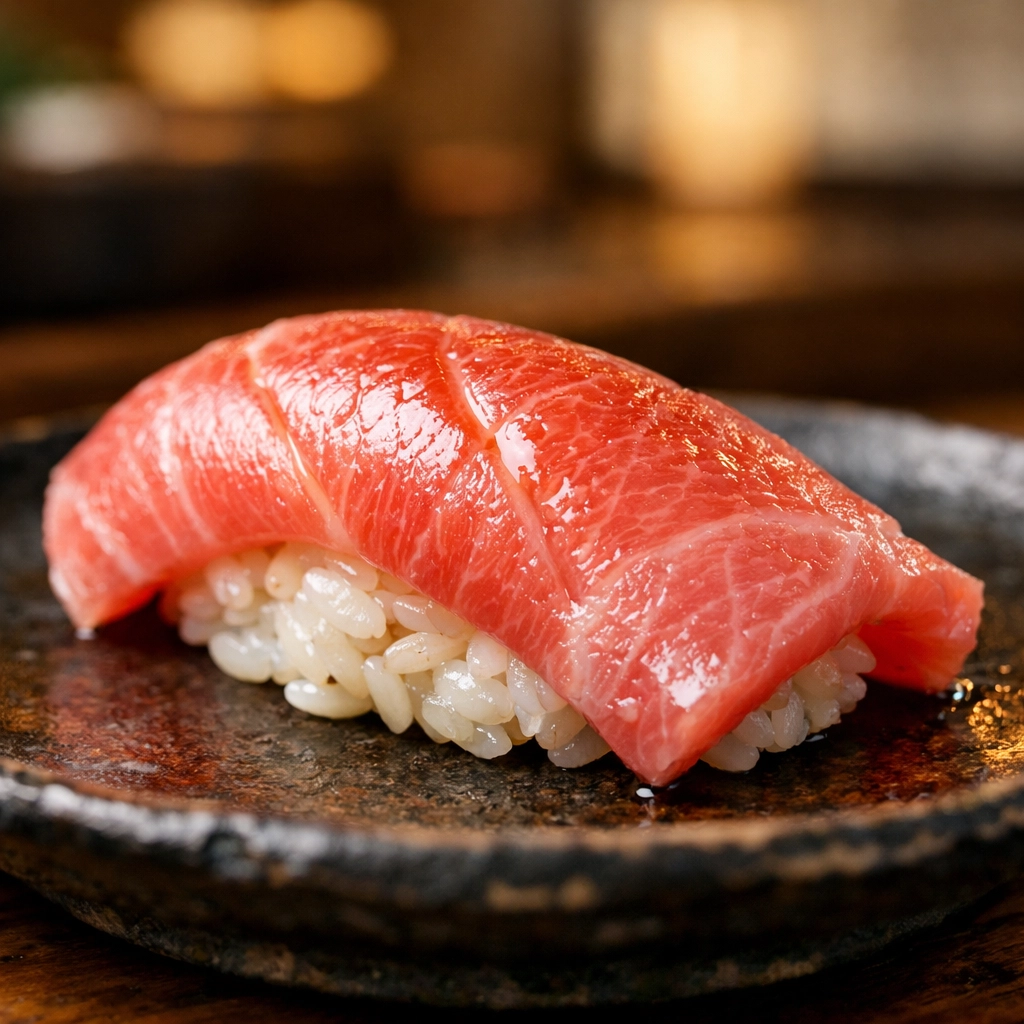
Ginza is the land of luxury. This is where you’ll find the legendary sushi counters where masters have been perfecting their craft for decades. Places like Sushi Okame offer an accessible entry point, but if you’re looking for that once-in-a-lifetime omakase experience, be prepared to book months in advance. The fish is so fresh it’s practically still swimming, and the rice: seasoned with aged vinegar: is the true star of the show.
For those who want to ensure they get a seat at the best counters, check out these Ginza sushi tours on Viator.
Day 3: Themed Cafes in Akihabara
Akihabara is the "Electric Town," famous for electronics, anime, and some of the weirdest cafes you’ll ever set foot in. We’re talking Maid Cafes where your omelet rice comes with a ketchup drawing of a bunny, and animal cafes where you can sip tea with owls or hedgehogs. It’s kitschy, it’s loud, and it’s a total blast if you lean into the madness.
Navigating the otaku culture can be a bit overwhelming, so booking a themed cafe experience through Viator is a great way to ensure you hit the best spots without feeling like a lost tourist.
Day 4: Street Food in Harajuku
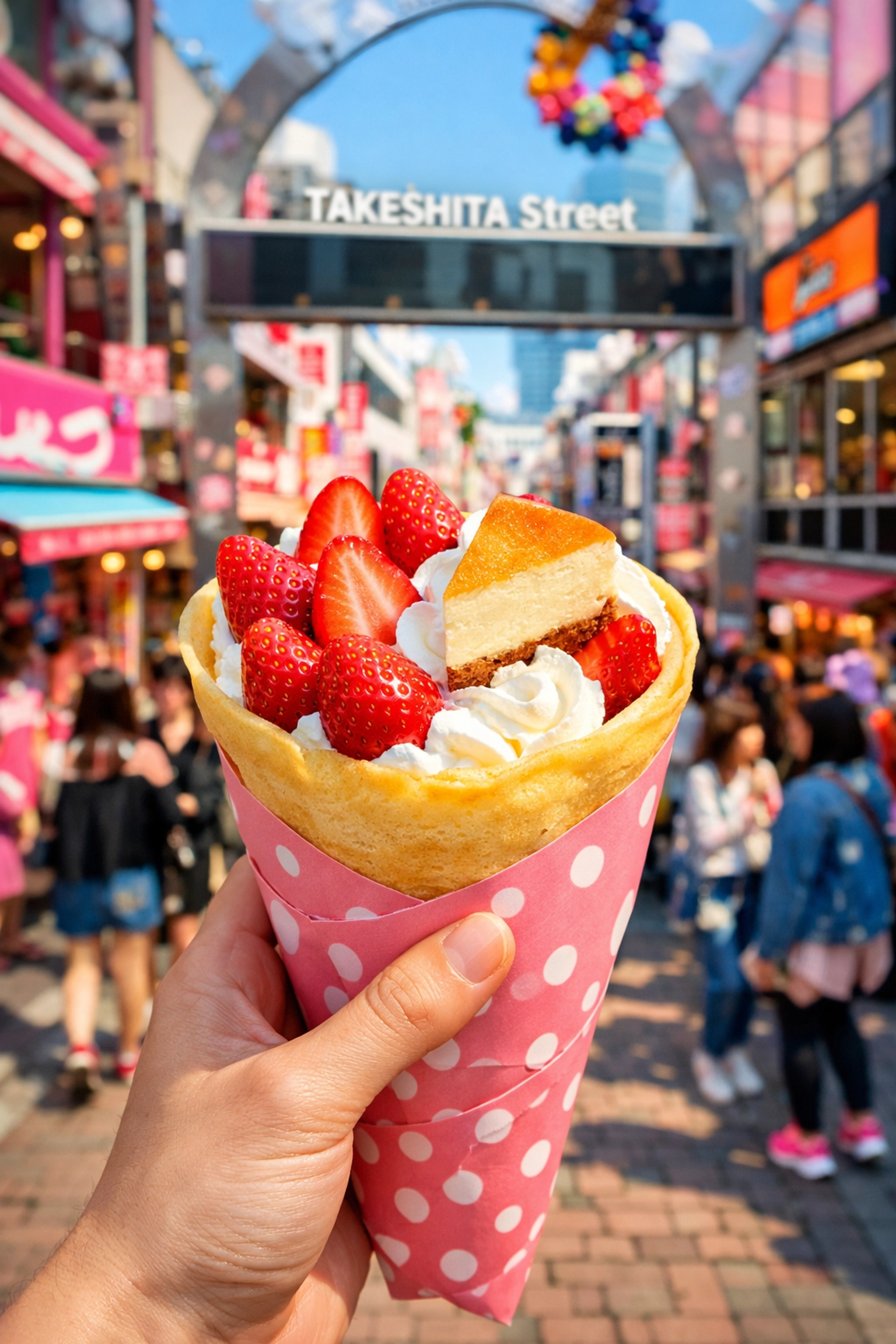
Takeshita Street is the epicenter of "Kawaii" (cute) culture. Here, the food is as much about the aesthetic as it is about the taste. You have to try the towering Harajuku crepes filled with cheesecake and fruit, or the viral rainbow grilled cheese. It’s a sensory overload, and your Instagram feed will thank you. For more tips on capturing these vibrant colors, check out our essential photography gear guide.
To make sure you don't miss the hidden back-alley snacks, book a Harajuku street food tour on Viator.
Day 5: Tsukiji Outer Market
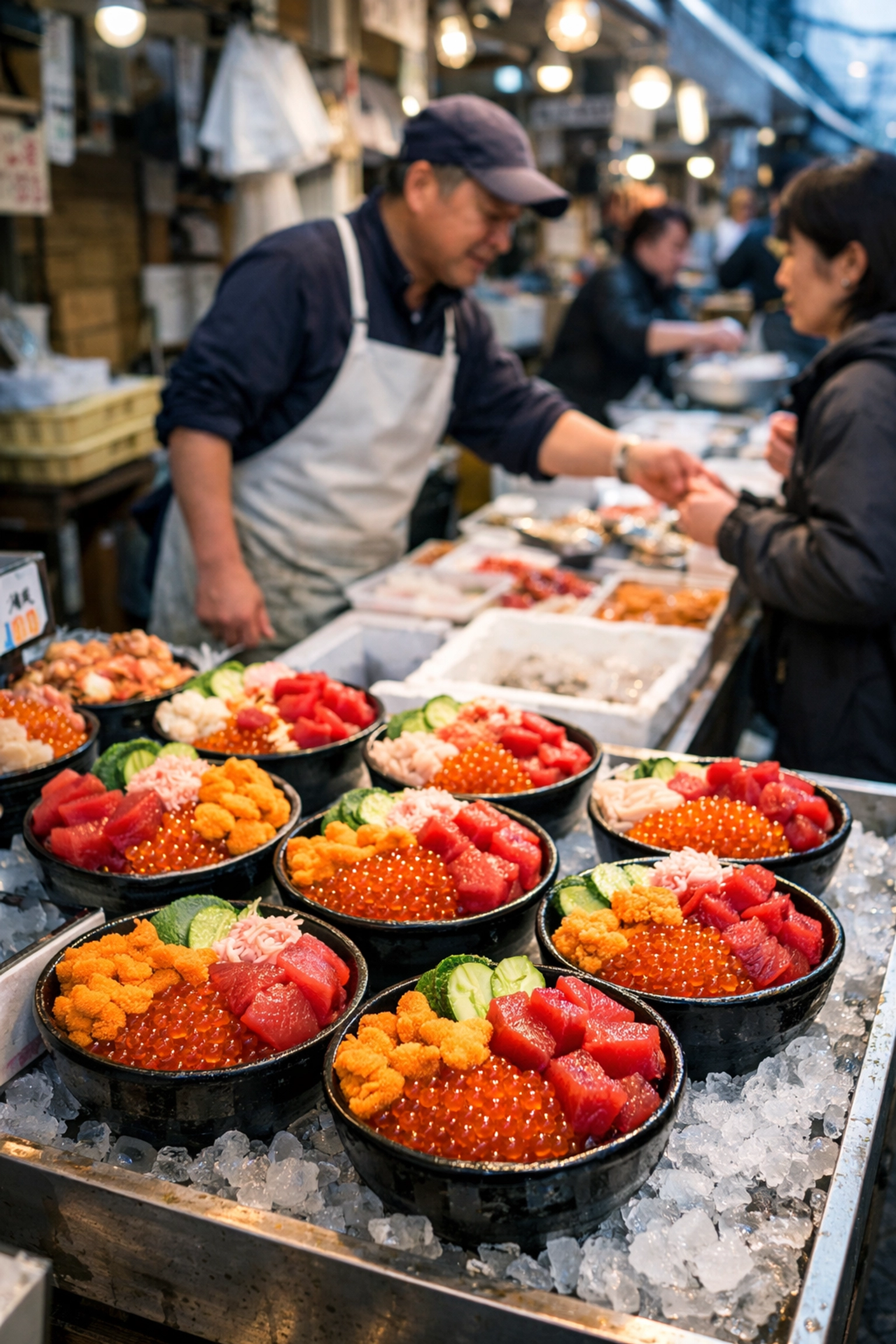
While the inner wholesale market (the famous tuna auction) moved to Toyosu, the Tsukiji Outer Market is still the beating heart of Tokyo’s seafood scene. This is the place for a "sushi breakfast." Grab some tamagoyaki (sweet rolled omelet) on a stick, fresh oysters the size of your hand, and bowls of kaisen-don (raw fish over rice).
Tsukiji is a maze. To navigate the morning rush and find the best stalls, grab a spot on a Tsukiji market tour through Viator.
Day 6: Ramen Deep Dive
Ramen is a religion in Japan. From the creamy tonkotsu of Ichiran to the funky, modern bowls at Ramen Afro Beats, there is a style for everyone. Don’t be afraid to use the vending machines at the entrance: just press a button, take your ticket, and wait for your bowl of liquid gold. If you’re a photography buff, these steamy shops provide great atmospheric shots: just make sure your lens is up to the task by checking our camera reviews 2024.
Want to find the "insider" ramen spots? Book a ramen tasting tour on Viator.
Day 7: Izakaya Culture in Shinjuku
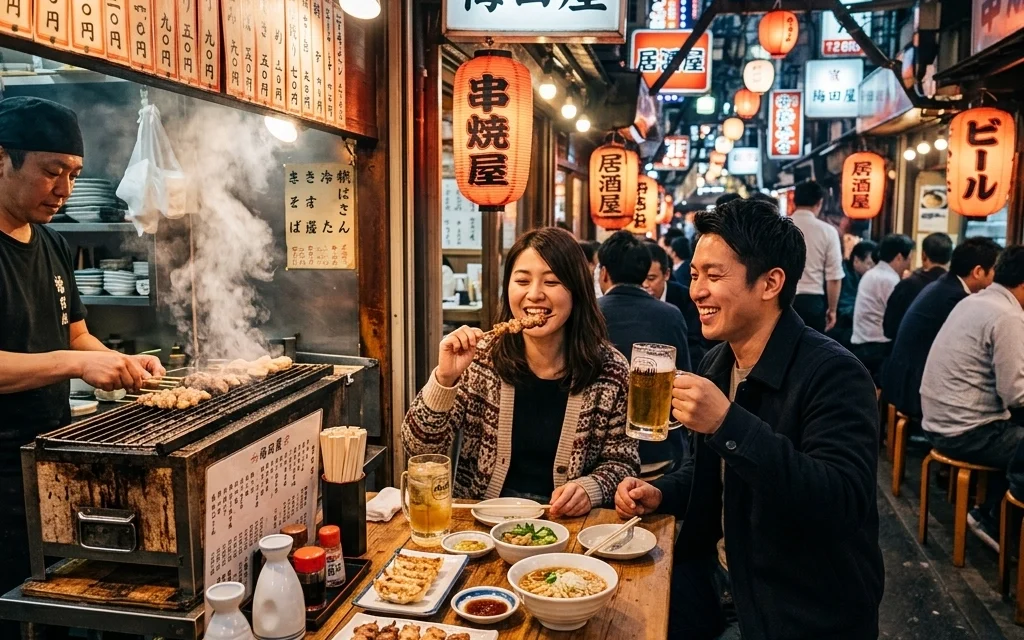
Omoide Yokocho, also known as "Memory Lane" (or more colloquially, "Piss Alley"), is a narrow strip of tiny bars and grills in Shinjuku. This is where you go for yakitori (grilled chicken skewers) and ice-cold beer. It’s smoky, crowded, and absolutely magical at night. For more inspiration on capturing the night vibes of a city, check out Edin Chavez’s fine art photography.
The alleys can be intimidating for solo travelers, so booking an Izakaya hopping tour via Viator is a smart move.
Day 8: Wagyu and Yakiniku in Ebisu
Ebisu is a bit more laid back and sophisticated. It’s the perfect place for Yakiniku (Japanese BBQ). Head to a spot like Toranoana to grill your own premium cuts of Wagyu. The marbled fat literally melts on your tongue. If you're feeling adventurous, try the wagyu katsu sando: it’s the ultimate luxury sandwich.
Don't guess which beef is the best; let a guide show you the ropes through a Viator tour.
Day 9: Tonkatsu Bliss in Nishi-Azabu
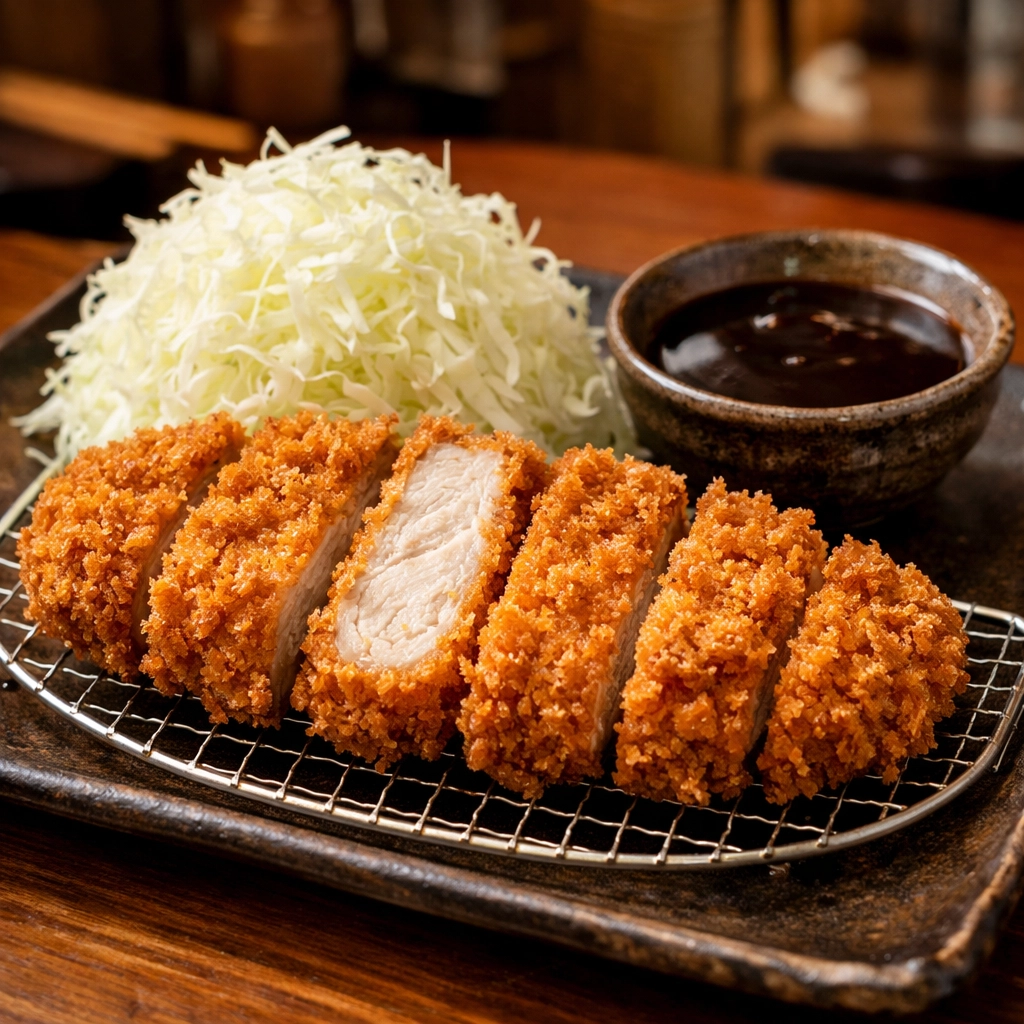
Tonkatsu: a thick, breaded, and deep-fried pork cutlet: is soul food. Butagumi in Nishi-Azabu serves it in a traditional Japanese house, sourcing dozens of different breeds of pork. It’s served with a mountain of shredded cabbage and miso soup, and it is perfection. It’s the kind of meal that makes you want to take a nap immediately afterward.
For more deep-fried goodness and local secrets, book a tonkatsu-focused tour on Viator.
Day 10: Modern Kaiseki at Den
For a contemporary take on traditional multi-course dining, Den is the place to be. It’s playful, approachable, and incredibly delicious. They are famous for their "Dentucky Fried Chicken": a stuffed wing served in a box that mimics a certain fast-food giant. It’s fine dining without the pretension. If you're looking for more refined travel inspiration, I always recommend checking out Edin’s blog.
High-end reservations are tough, but Viator often has dining experiences that include kaiseki meals.
Day 11: Pizza & Global Influence in Naka-Meguro
Believe it or not, Tokyo has some of the best Neapolitan pizza in the world. Seirinkan in Naka-Meguro only serves two types: Margherita and Marinara. It’s simple, executed with Japanese precision, and absolutely worth the hype. Afterward, take a stroll along the Meguro River: it’s one of the most photogenic spots in the city.
Explore the global flavors of Tokyo by booking a multicultural food tour through Viator.
Day 12: Third-Wave Coffee Culture
Tokyo’s coffee scene is booming. From the precision of Glitch Coffee to the Scandinavian vibes of Fuglen in Asakusa, coffee here is an art form. It’s the perfect fuel for a day of street photography. If you’re looking to improve your travel photos, don’t forget to check out Shut Your Aperture for gear and technique tips.
Coffee lovers should definitely check out coffee-specific walking tours on Viator.
Day 13: Fluffy Pancakes and Sweet Treats
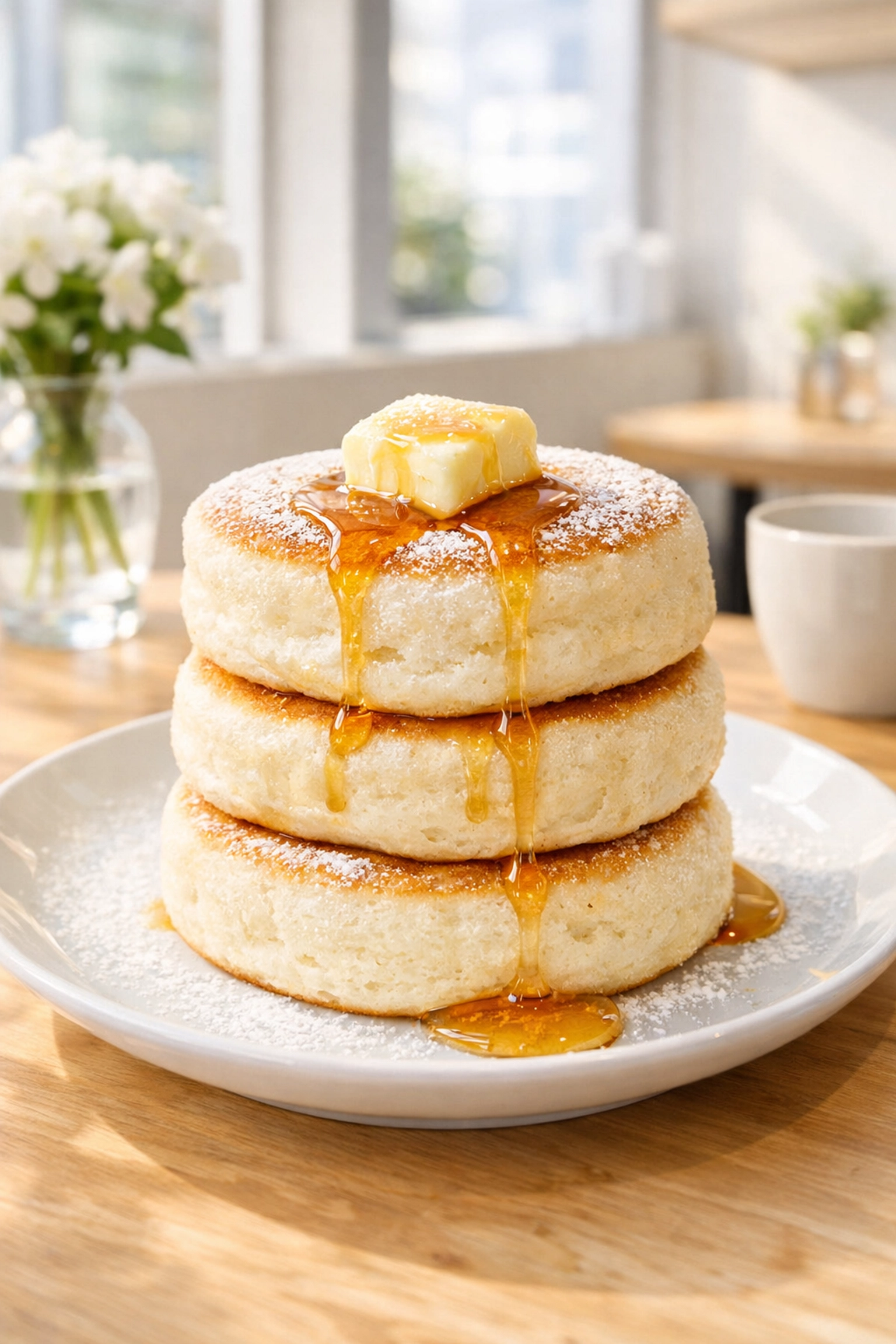
You’ve seen the videos: pancakes so fluffy they jiggle when you move the plate. Flippers is a great spot to try these "soufflé" pancakes. If you prefer something more traditional, find a street vendor selling Taiyaki (fish-shaped pastries filled with sweet red bean paste).
Indulge your sweet tooth and book a dessert tour through Viator.
Day 14: The Farewell Feast
On your last day, head back to your favorite neighborhood: whether it's the bustling streets of Shibuya or the traditional temples of Asakusa: and grab one last bowl of whatever spoke to your soul. Tokyo's food scene is vast, but the best meal is always the one that makes you want to come back.
To make your final night special, book a "best of Tokyo" night tour on Viator to hit all the highlights one last time.
A Note for Photographers
Taking photos of food in Japan is generally accepted, but always be respectful. Avoid using flash in small, intimate restaurants, and always ask before photographing a chef at work. If you want to make your food photos look as good as they tasted, consider downloading our sky overlays or checking out our photography booking experience for a more professional touch.
Tokyo is a city that rewards the curious and the hungry. Don't be afraid to walk into a basement restaurant with no English menu: often, those are the places where the real magic happens. Happy eating!