
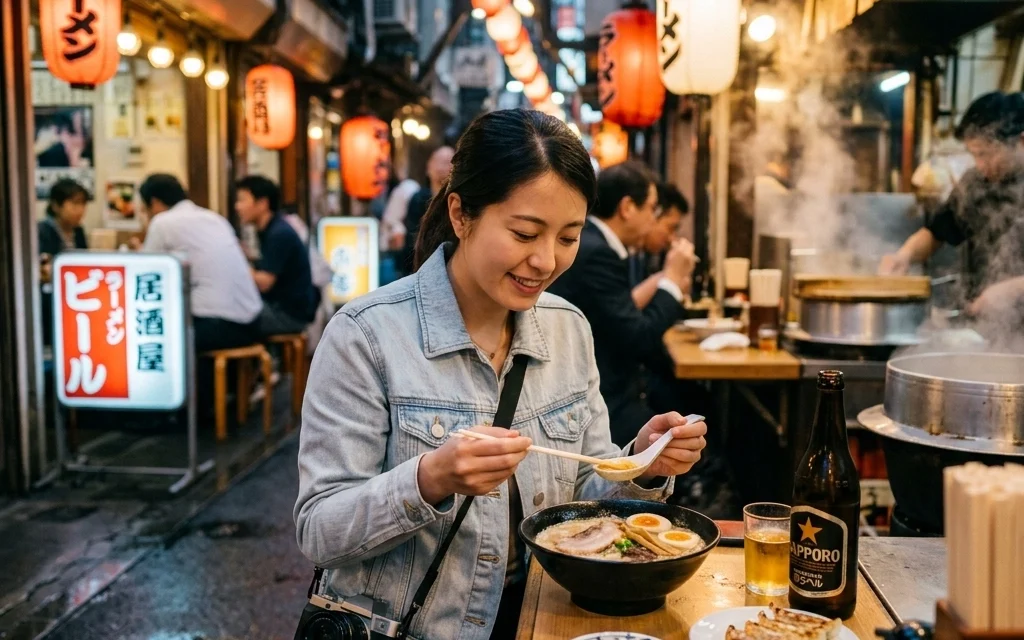
Let’s be honest: Tokyo is a lot. It’s a neon-soaked, 24-hour sensory overload where the trains run on time and the vending machines sell everything from hot coffee to umbrellas. But more than anything, Tokyo is a city that lives to eat. There are over 200,000 restaurants in this metropolis, more Michelin stars than Paris and more tiny ramen shops than your blood pressure can probably handle.
If you’re planning a trip, you’re likely staring at a map of Tokyo feeling a mix of excitement and "where the heck do I start?" That’s exactly why we’re kicking off a 14-day series exploring the best places to eat in this incredible city. Whether you’re a pro photographer looking for that perfect shot of a glistening piece of fatty tuna or just someone who really, really likes noodles, we’ve got your back.
At Photoguides, we’re all about making sure you have the best experience possible, and that usually starts with a full stomach and a clear plan. So, grab a glass of sake (or a green tea), and let’s dive into the ultimate guide to navigating the Tokyo food scene without losing your mind.
Why a Food Tour is Your Secret Weapon
You could try to wing it. You really could. You could follow Google Maps into a basement in Shinjuku, hope the menu has pictures, and pray you aren't accidentally ordering grilled chicken hearts (unless that's your thing, in which case, go for it!).
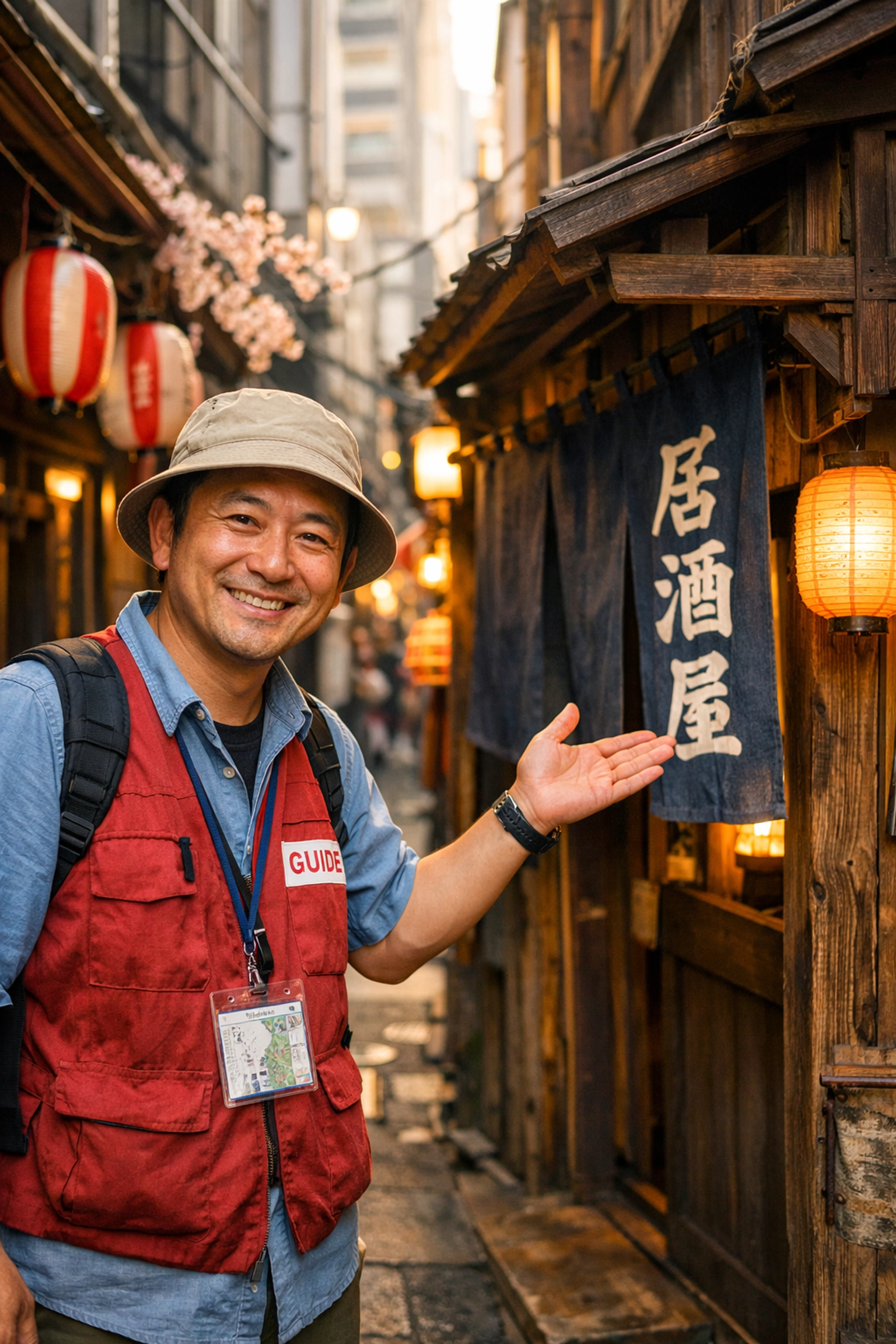
But Tokyo’s best food is often hidden behind nondescript sliding doors, up narrow staircases, or deep inside labyrinthine markets. A local guide doesn't just show you where to eat; they tell you how to eat. They explain the history of the broth, the etiquette of the chopsticks, and the reason why that specific chef has been cooking the same three dishes for forty years.
If you want to skip the tourist traps and get straight to the "oh my god, this is the best thing I’ve ever tasted" moments, booking a curated food tour through Viator is the smartest move you’ll make.
Day 1-3: The Classics, Tsukiji and Ginza
We’re starting our 14-day journey where the sun rises: the Tsukiji Outer Market. While the famous inner wholesale market moved to Toyosu a few years back, the Outer Market is still the beating heart of Tokyo’s seafood culture.
Walking through Tsukiji is an exercise in dodging motorized carts while trying to decide if you want a stick of grilled wagyu or a giant fresh oyster the size of your hand. It’s loud, it’s messy, and it’s glorious. You’ll find tamagoyaki (sweet rolled omelet) on sticks and stalls selling high-end knives that are basically works of art.
Pro Tip: If you're bringing your camera to capture the action, make sure you check out our guide on essential photography gear so you aren't fumbling with lenses while someone hands you a bowl of uni.
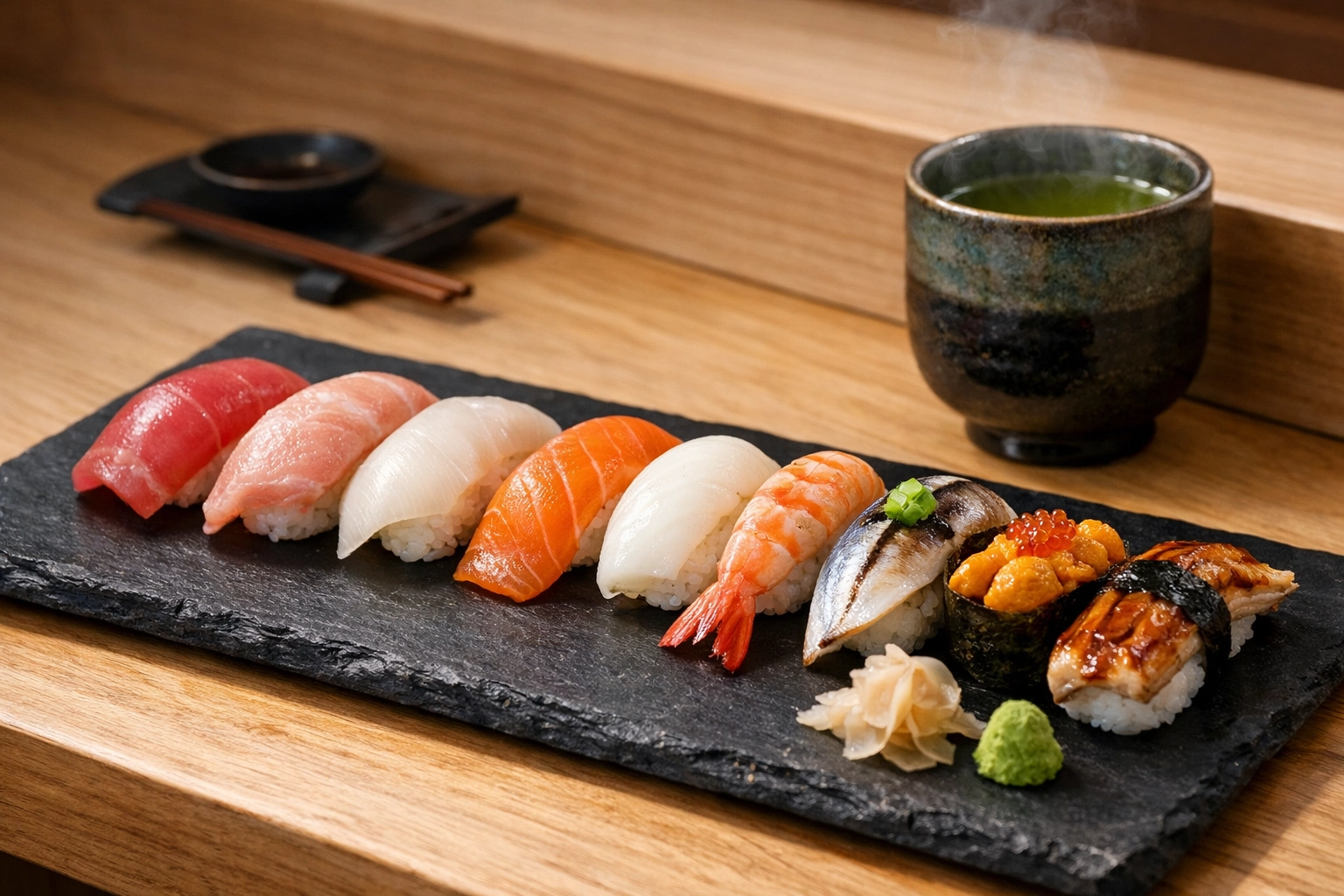
After the grit of the market, head over to Ginza for the complete opposite vibe. This is high-end territory. We’re talking about sushi that has been prepared with surgical precision. It’s expensive, yes, but it’s a religious experience. To make sure you’re getting the real deal and not a fancy-looking imitation, I highly recommend securing a spot on a Ginza food tour via Viator to find those tucked-away sushi dens.
Day 4-6: The Weird and Wonderful, Akihabara and Harajuku
Next up on our 14-day food marathon: the eccentric side of Tokyo.
Akihabara is the "Electric Town," famous for electronics, anime, and, most importantly for us, themed cafes. You’ve probably heard of Maid Cafes, but there are also owl cafes, cat cafes, and even places where you can eat food shaped like your favorite gaming characters. It’s quirky, it’s a little bit "out there," and it’s a photographer’s dream for colorful, unique shots.
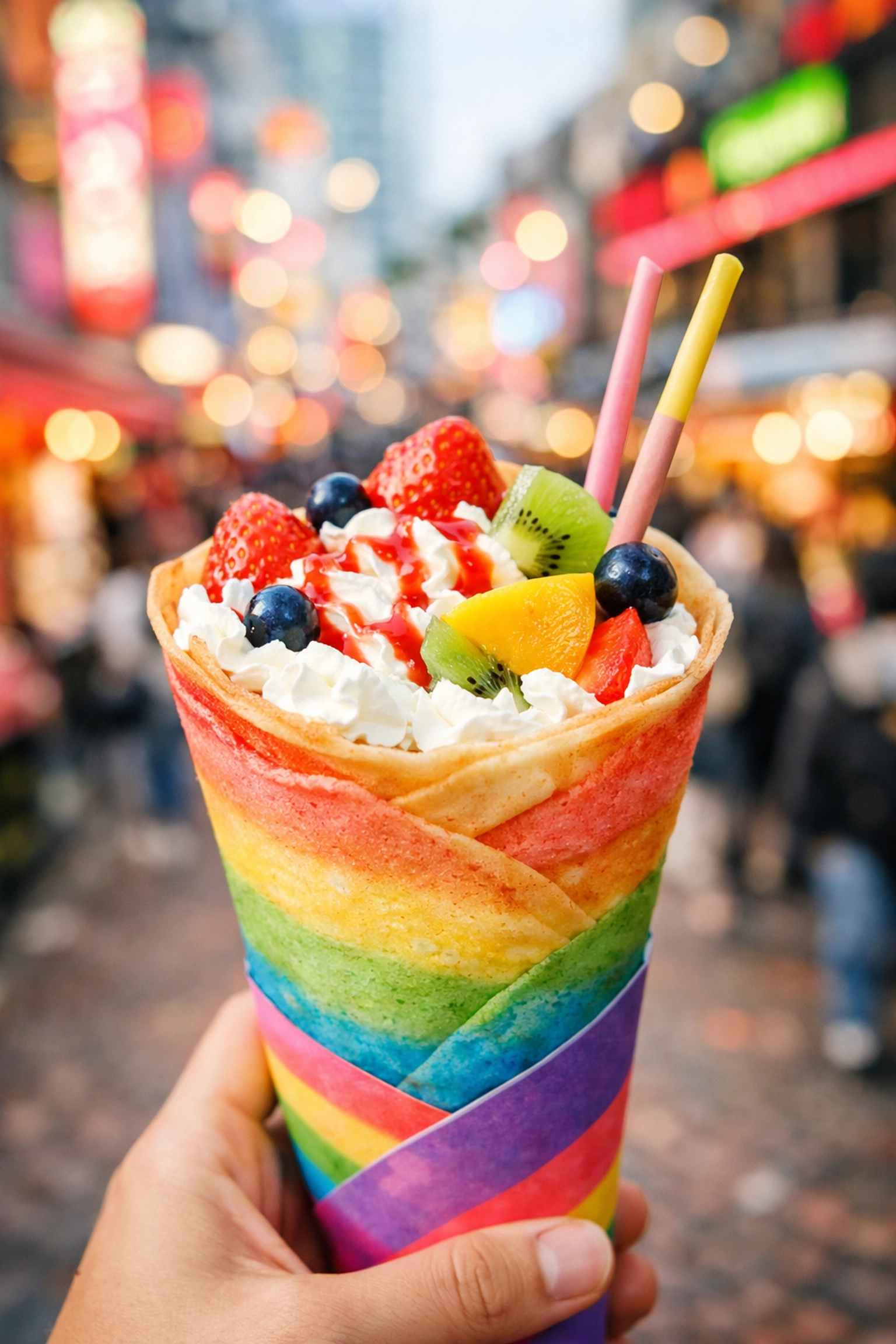
Then there’s Harajuku. If Akihabara is for the nerds (I say that with love), Harajuku is for the trendsetters. Takeshita Street is famous for street food that is designed to be Instagrammed. We’re talking rainbow grilled cheese, giant cotton candy, and crepes stuffed with everything from cheesecake to fresh fruit. It’s a sugar rush in physical form.
Because these areas can be incredibly crowded and overwhelming, having a guide to navigate the neon madness is a lifesaver. Check out the themed cafe and street food tours on Viator to make sure you’re hitting the spots that actually taste good, not just the ones that look good on camera.
Day 7-10: The Nightlife, Shinjuku and Shibuya
When the sun goes down, Tokyo transforms. This is when the Izakayas (Japanese pubs) come to life.
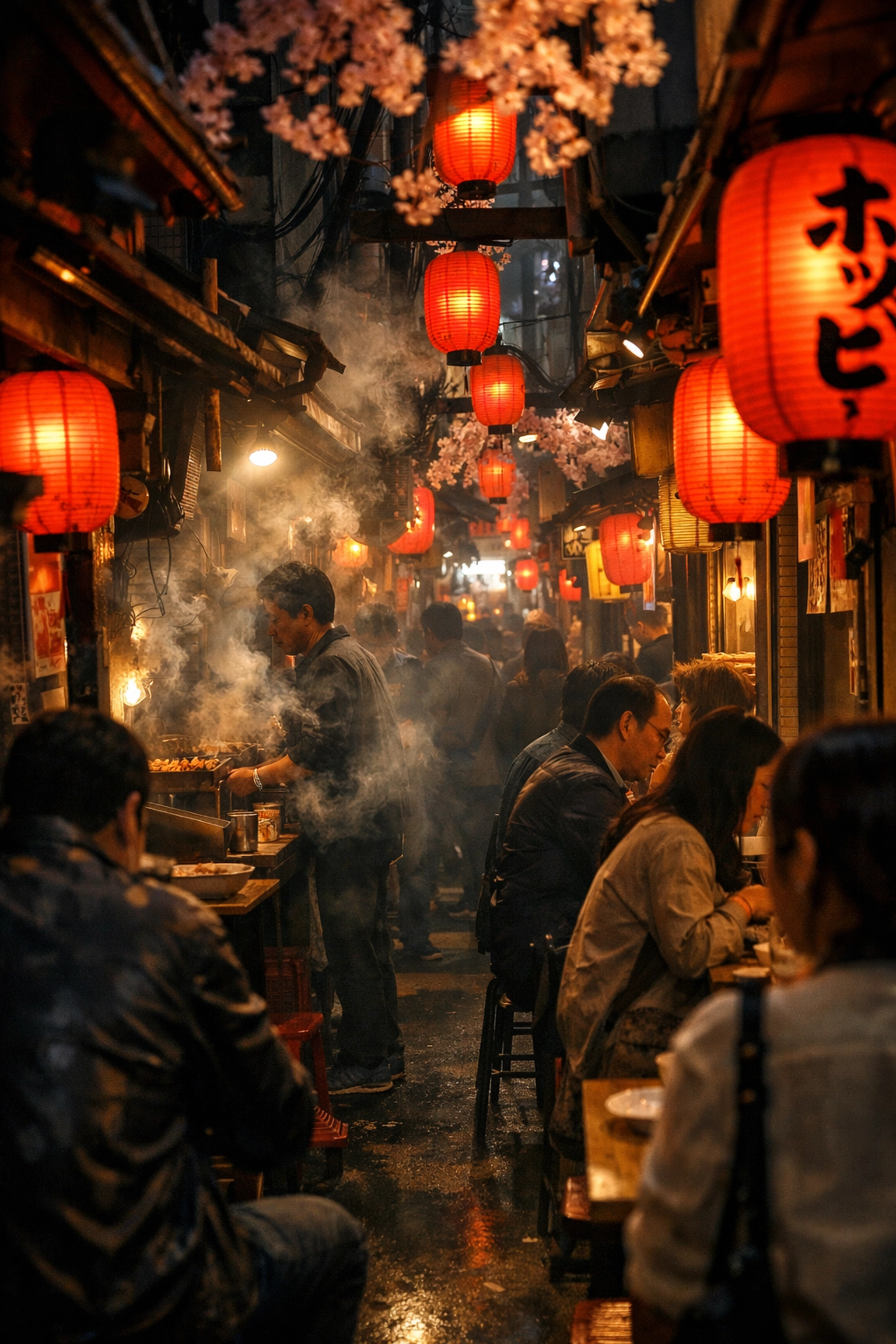
Shinjuku’s Omoide Yokocho, also known as "Memory Lane" (or more affectionately, "Piss Alley"), is a narrow alleyway packed with tiny stalls grilling yakitori over charcoal. The smoke, the lanterns, and the smell of grilled meat create an atmosphere that feels like you’ve stepped onto the set of Blade Runner. It’s tight, it’s crowded, and it’s some of the best food you’ll ever have.
Just down the road is Golden Gai, a collection of six tiny alleys filled with over 200 miniature bars. Most of these places only seat about five or six people. It’s the ultimate spot to grab a highball and chat with locals.
Then you have Shibuya, home to the famous Scramble Crossing. Behind the department stores are hidden pockets of retro restaurants serving up "B-grade gourmet", soul food like ramen, gyoza, and okonomiyaki. If you want to see the best of the Tokyo night scene without getting lost in the Shinjuku station maze (which, trust me, is a real risk), booking a night foodie tour through Viator is the way to go.
For those of you who want to capture the neon lights of the city at night, don't forget to look at Edin Chavez’s fine art for inspiration on how to frame the urban landscape.
Day 11-14: The Deep Dives, Asakusa and Local Neighborhoods
As we round out our 14-day series, we head to Asakusa, the older, more traditional part of Tokyo. This is where you go for Senso-ji Temple and the legendary street snacks along Nakamise-dori. Think freshly baked senbei (rice crackers) and melon pan (sweet bread) that’s still warm from the oven.
But don’t stop there. The real magic of Tokyo often happens in the neighborhoods you’ve never heard of. Places where the "salarymen" go after work to unwind. We’re talking about local ramen shops where you order from a vending machine and eat in silence, or tiny bakeries that have perfected the art of the Japanese milk bread.
If you’re a gear-head like us and want to document every bite of this journey, head over to Shut Your Aperture for the latest community tips on food photography. And if you’re looking for more general travel inspiration or photography education, our educational section and blog by Edin are gold mines of information.
Practical Tips for Your Tokyo Food Adventure
Before you head out, here are a few reassuring tips to keep you on the right track:
- Cash is King: While Tokyo is high-tech, many small food stalls and izakayas still only take cash. Keep those Yen handy.
- Learn the "Itadakimasu": It’s the Japanese way of saying "I gratefully receive" before a meal. It’s polite, easy to learn, and locals will love that you’re making the effort.
- Don’t Tip: Seriously. Tipping isn't a thing in Japan and can actually be seen as confusing or even slightly rude. The best way to show appreciation is a sincere "Gochisousama-deshita" (thank you for the meal) when you leave.
- The Train System: It’s efficient but complex. Download a good navigation app, or better yet, stay in a central area like Shinjuku or Shibuya to make your food crawls easier.
- Book Ahead: The best food tours fill up fast, especially during cherry blossom season or the autumn colors. Check out the latest availability on Viator to lock in your spots.
Final Thoughts
Tokyo is a city that rewards the curious. It’s a place where a $10 bowl of ramen can be just as life-changing as a $300 sushi course. By joining a food tour, you aren't just eating; you’re being invited into a culture that treats food with a level of respect and artistry that is truly humbling.
We hope this guide (and our upcoming 14-day deep dives) gives you the confidence to get out there and start tasting. Whether you're here for the photography, the culture, or just the calories, Tokyo is waiting for you.
And hey, if you find yourself needing a break from the city, you can always check out some cheap weekend getaways or explore our reviews to prepare for your next big adventure.
Ready to eat? We thought so. See you in the ramen line!













