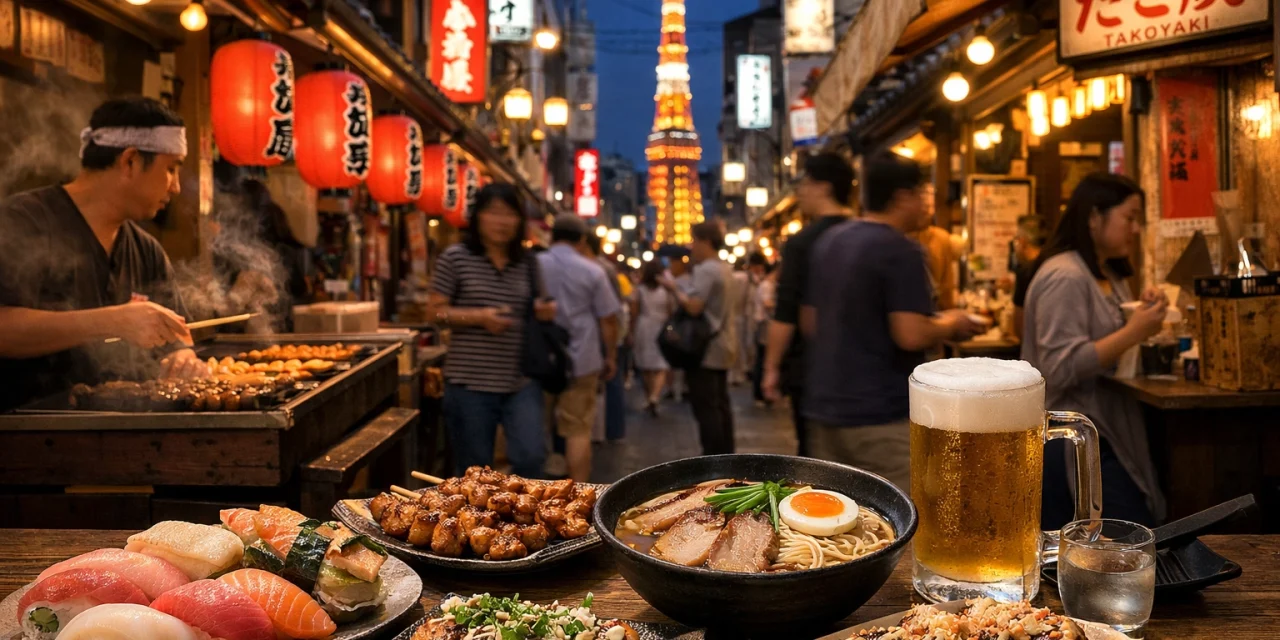
So, you’ve decided to tackle Tokyo. Not just for the neon lights or the giant robots, but for the food. You’re planning a 14-day culinary bender, and let me tell you, your stomach is both thrilled and terrified. Tokyo isn't just a city; it’s a high-speed collision of ancient tradition and "what on earth am I looking at?" creativity.
At Photoguides, we know that capturing a perfect meal is just as important as eating it. To make sure your photos look as good as the food tastes, you might want to check out our essential photography gear guide before you pack. Now, grab your stretchy pants and a bottle of antacids. We’re going in.
Category: Foodies
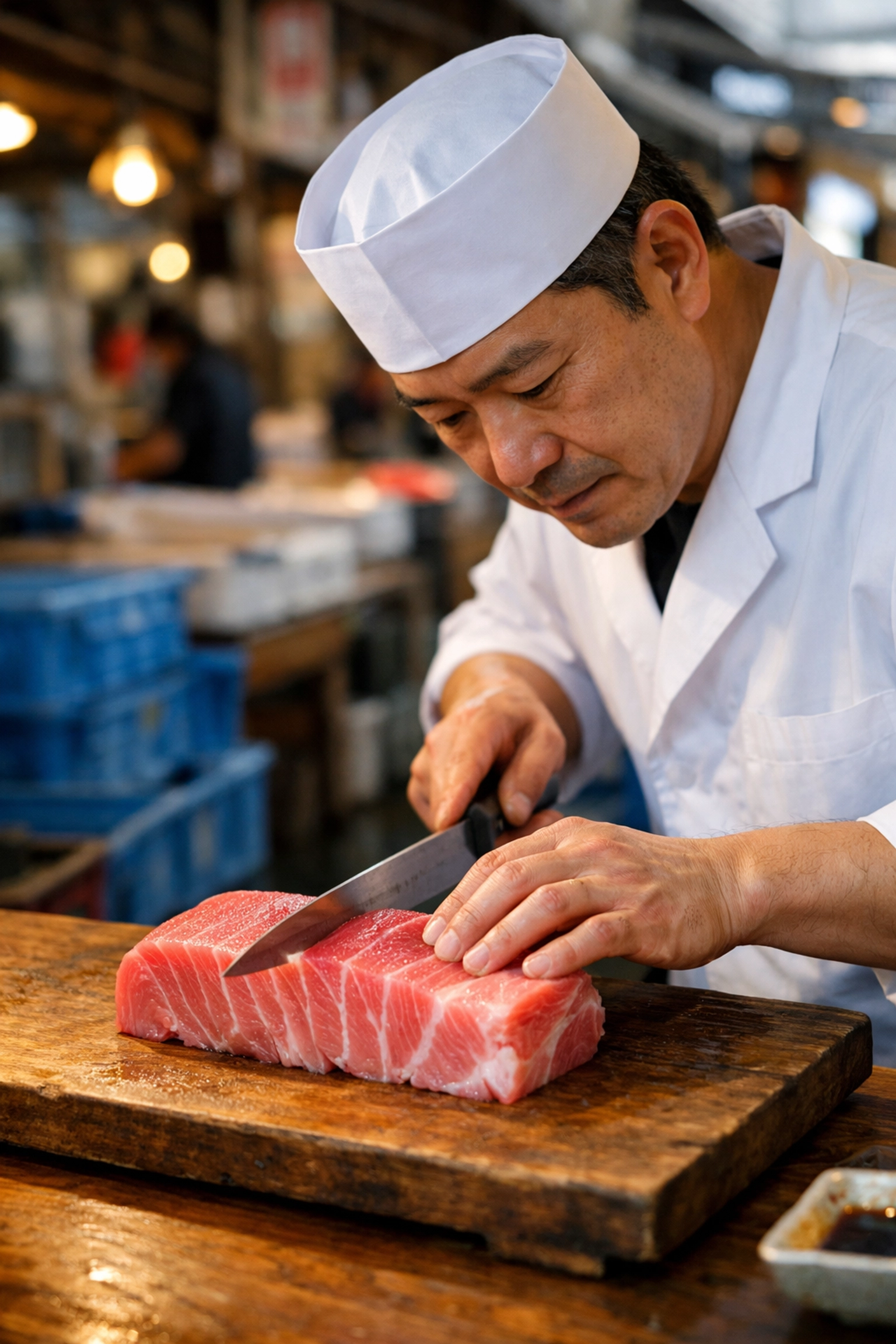
Days 1–2: The Seafood Foundation (Tsukiji and Toyosu)
You’ve just landed. You’re jet-lagged, confused, and probably craving something that didn’t come out of a plastic tray at 30,000 feet. The solution? Raw fish for breakfast.
The Tsukiji Outer Market is still the soul of Tokyo’s seafood scene. While the famous tuna auction moved to the shiny new Toyosu Market, the outer market remains a labyrinth of stalls selling everything from blowtorched scallops to tamagoyaki (sweet omelets on a stick). If you want to see the action at Toyosu, arrive by 5:00 AM. It’s brutal, but the sushi at places like Daiwazushi is a life-changing experience.
Survival Tip: Don't navigate the chaos alone. To find the hidden stalls that the tourists miss, book a Tsukiji market food tour through Viator.
Days 3–4: Harajuku’s Sugar Rush and Street Food
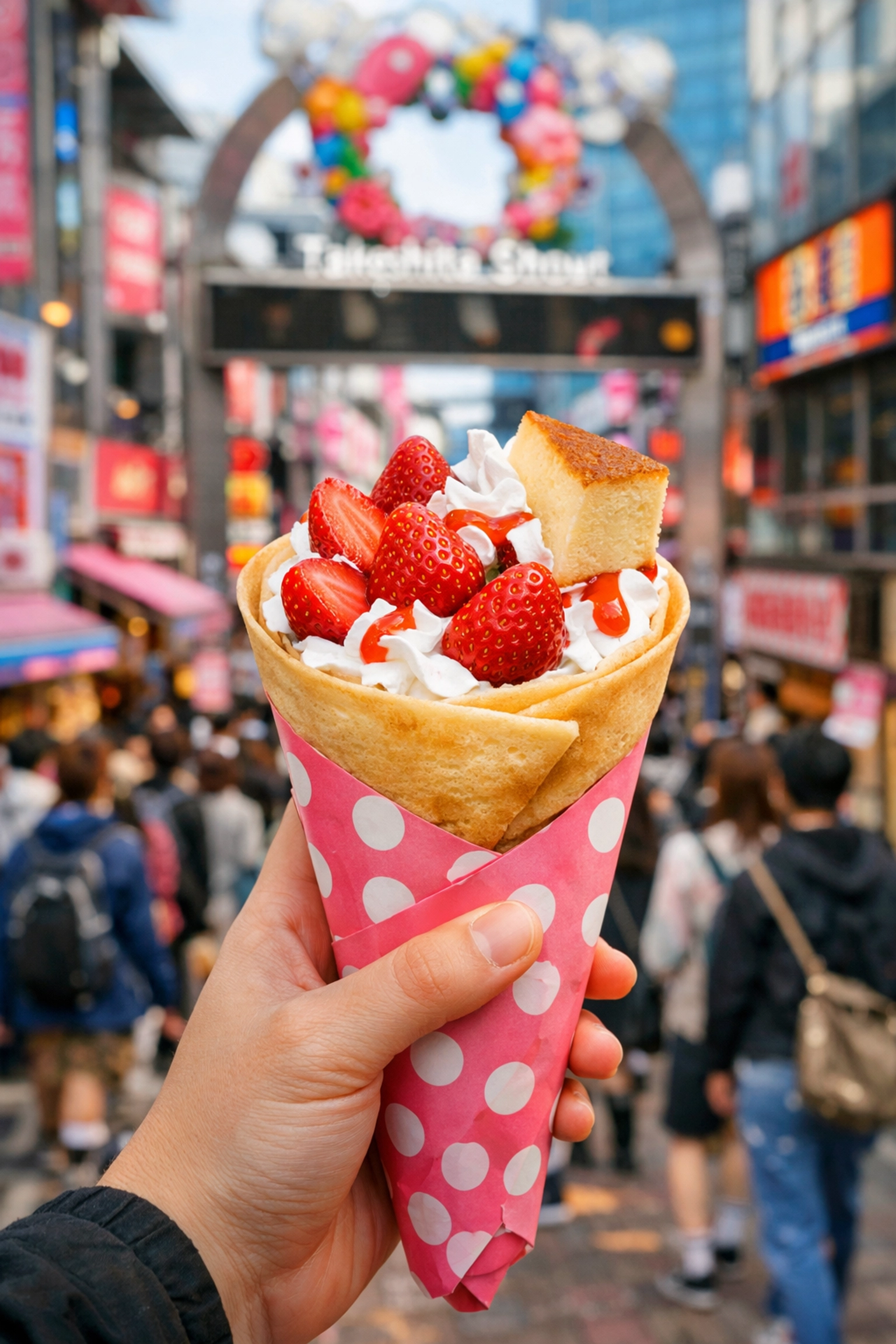
By day three, your salt levels are peaked, and your body is screaming for glucose. Enter Harajuku. This isn't just about fashion; it’s about food that looks like it was designed by a unicorn on a sugar high.
Walking down Takeshita Street, you’ll find towering crepes filled with entire slices of cheesecake, rainbow grilled cheese, and giant tufts of cotton candy. For something savory, look for Gyoza Lou, it’s simple, cheap, and arguably the best dumplings in the city.
While you’re capturing the vibrant colors of Harajuku, make sure your camera settings are dialed in. I often share tips on how to handle tricky city lighting over at blog.edinchavez.com.
** survival Tip:** To skip the lines and find the best street eats, check out these Harajuku food experiences on Viator.
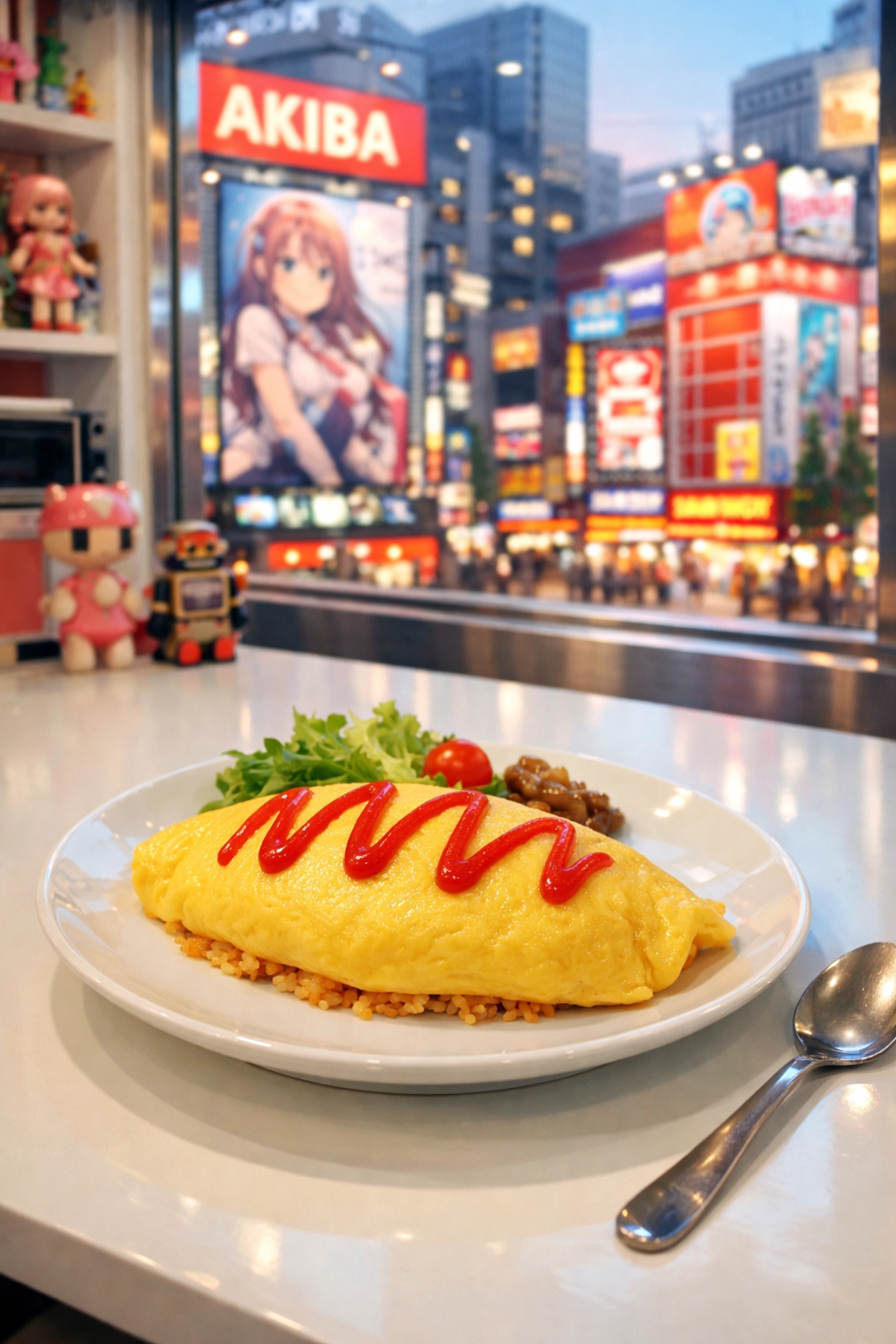
Days 5–6: Akihabara’s Themed Chaos
Akihabara is the "Electric Town," famous for electronics, anime, and some of the weirdest dining experiences on the planet. I’m talking about themed cafes. Whether it’s a Maid Cafe where someone draws a cat in ketchup on your omelet, or a cafe dedicated to classic video games, it’s an essential part of the Tokyo experience.
Is the food world-class? Usually not. Is the experience unforgettable? Absolutely. If the themed stuff feels like too much, duck into a local spot for Katsu Curry, thick, rich gravy over a breaded pork cutlet. It’s the ultimate comfort food for a weary traveler.
To get the most out of this quirky neighborhood without feeling overwhelmed, I highly recommend a guided Akihabara culture and food tour via Viator.
Days 7–8: The Art of the Slurp (Ramen and Soba)
You’re halfway through the bender. It’s time for Ramen. Tokyo has more ramen shops than you have sense. Head to Tokyo Ramen Street inside Tokyo Station for a "Greatest Hits" collection of shops. Try the Tsukemen (dipping noodles) at Rokurinsha, the broth is so thick it’s basically gravy, and it’s glorious.
If you want something lighter, try traditional Soba. Cold buckwheat noodles dipped in a light soy-based sauce is the perfect palate cleanser after a week of indulgence. For the photographers out there, getting a "noodle pull" shot requires a fast shutter speed. Check out my latest camera reviews 2024 to see which gear handles these low-light restaurant shots best.
Survival Tip: Ramen shops can be intimidating with their vending machine ticket systems. Book a ramen tasting tour on Viator to learn the etiquette like a pro.
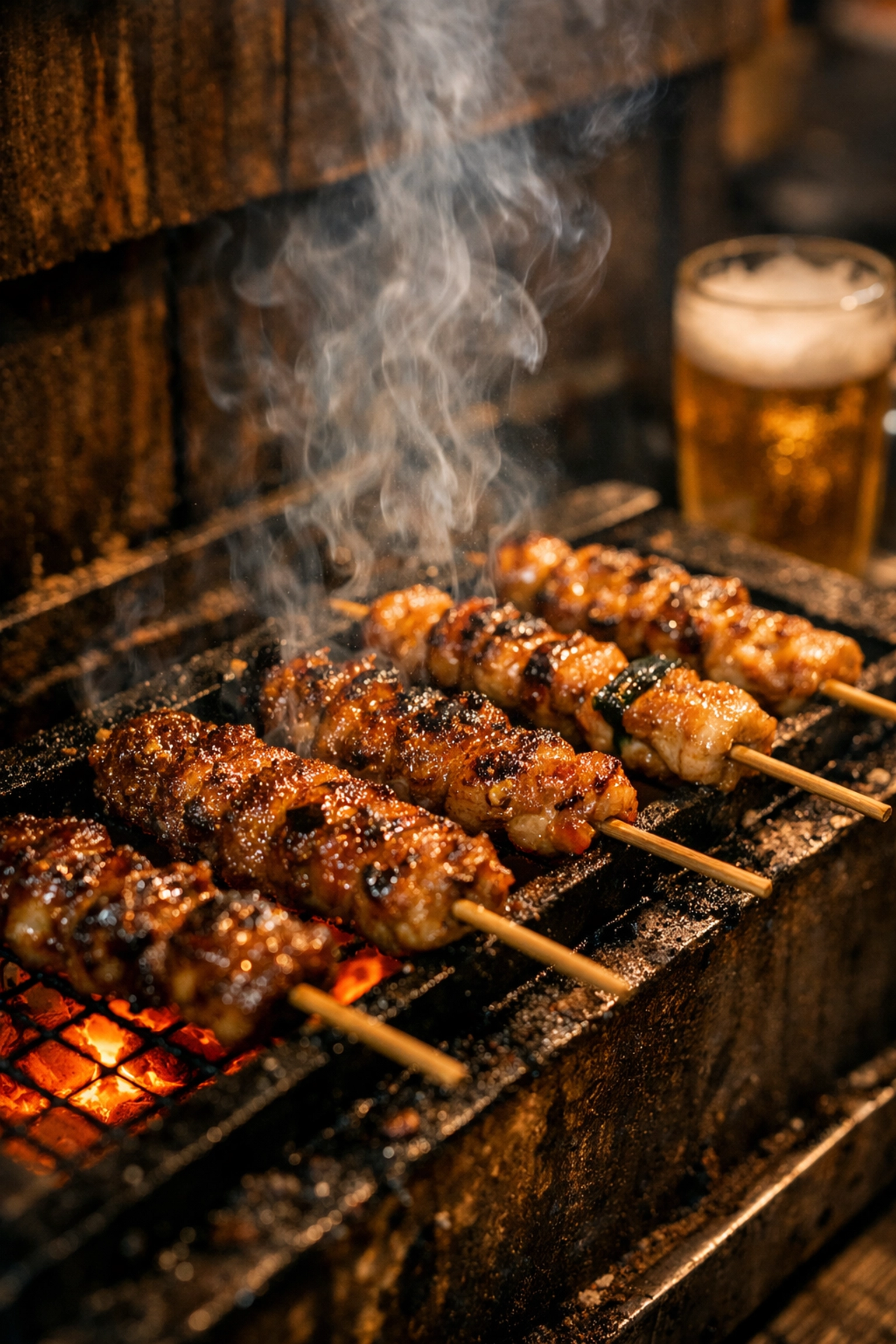
Days 9–10: Grilled Perfection (Yakitori and Yakiniku)
By now, you might be missing "fire-cooked" food. Omoide Yokocho (Memory Lane), affectionately known as "Piss Alley," is a narrow strip in Shinjuku packed with tiny yakitori stalls. You’ll sit on a stool, inches away from a charcoal grill, eating skewers of chicken, scallions, and… well, parts of the chicken you didn't know you could eat.
For a more upscale meat experience, try Yakiniku (Japanese BBQ). You grill high-quality Wagyu beef right at your table. The marbling on the beef is so beautiful it belongs in a gallery, much like the pieces you’ll find at edinfineart.com.
Survival Tip: These alleys are tiny and can be hard to get into. Viator has some great evening food crawls that guarantee you a seat and a drink.
Days 11–12: The Ginza Splurge
It’s day eleven. You’ve saved your pennies, and now it’s time to spend them in Ginza. This is where the Michelin stars live. We’re talking about high-end Edomae Sushi where the chef serves you one piece at a time, explaining the origin of each fish. It’s a silent, reverent, and expensive dance.
If sushi isn't your thing, Ginza also offers world-class Tempura. Forget the greasy stuff you get at home; this is light, airy, and fried to mathematical perfection. It’s an art form. Speaking of art, if you want to join a community of people who appreciate the finer details of photography, head over to Shut Your Aperture.
Survival Tip: Reservations in Ginza are harder to get than a seat on the last train home. Use Viator to find luxury dining experiences that handle the bookings for you.
Days 13–14: The Izakaya Finish
You’ve made it. Your belt is two notches looser, and your camera roll is full. For your final two days, live like a local. Spend your evenings in Izakayas: Japanese pubs. Order a highball, some edamame, and whatever the "daily special" is.
Visit Tsukishima for Monjayaki, a savory, gooey pancake that you cook yourself on a tabletop griddle. It’s messy, social, and perfectly captures the chaotic joy of Tokyo’s food scene. If you're still looking for more travel inspiration after this, check out our guide on photography booking experiences for your next trip.
Survival Tip: The best Izakayas are often tucked away on the second floor of nondescript buildings. A local guide from Viator can show you the spots that don’t have English menus but do have the best food.
Final Words of Reassurance
Two weeks of eating in Tokyo is a marathon, not a sprint. You will get lost, you will point at things and hope for the best, and you will probably eat something that moves. That’s the beauty of it.
Don't stress about finding the "perfect" spot every time. In Tokyo, even the convenience store (Konbini) food is better than most five-star restaurants elsewhere. Just keep your camera ready, your appetite open, and maybe walk an extra few miles every day to make room for that extra bowl of ramen.
Enjoy the bender! If you need more help planning the logistics of your trip, our educational section has plenty of resources to help you out. Safe travels and happy eating!