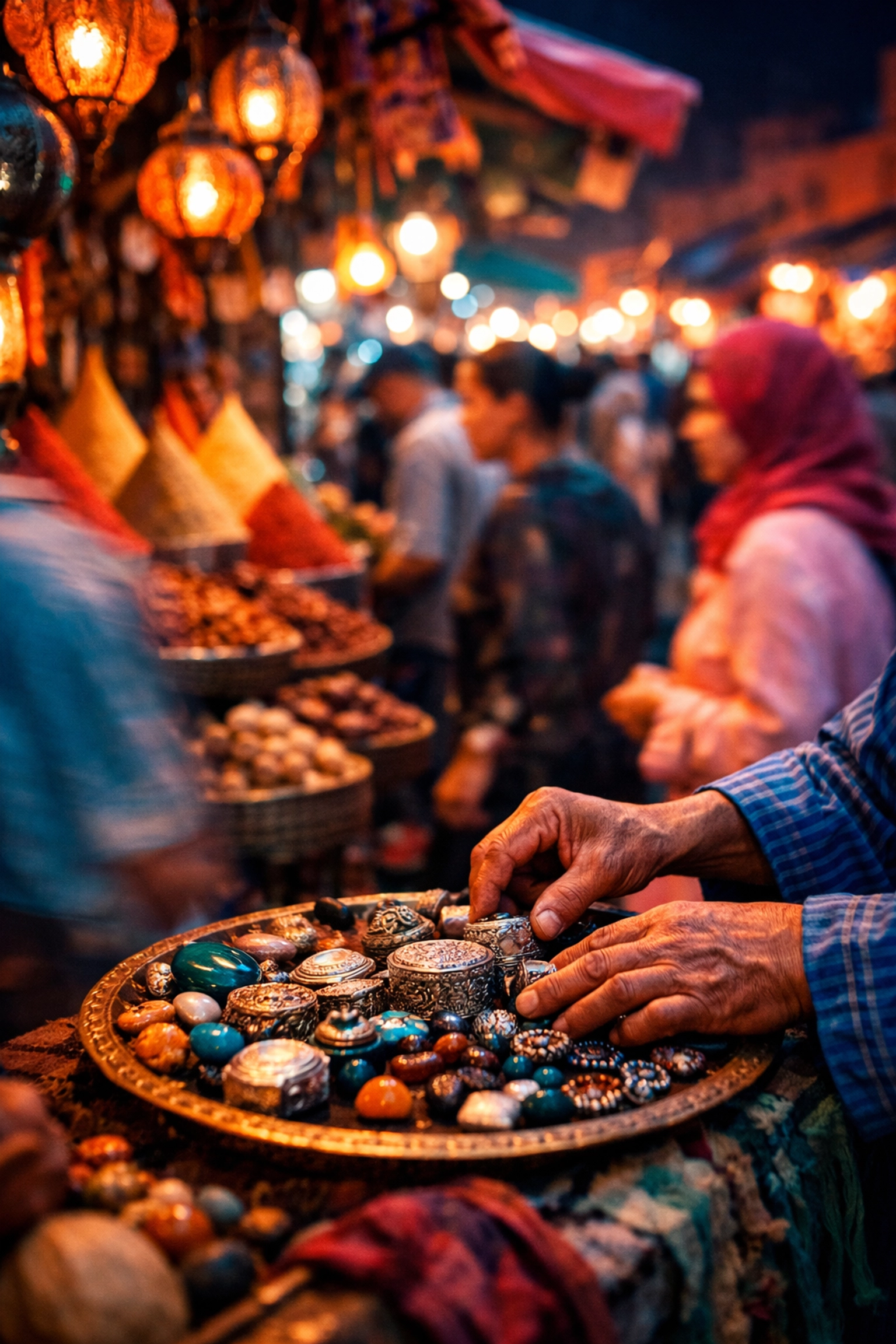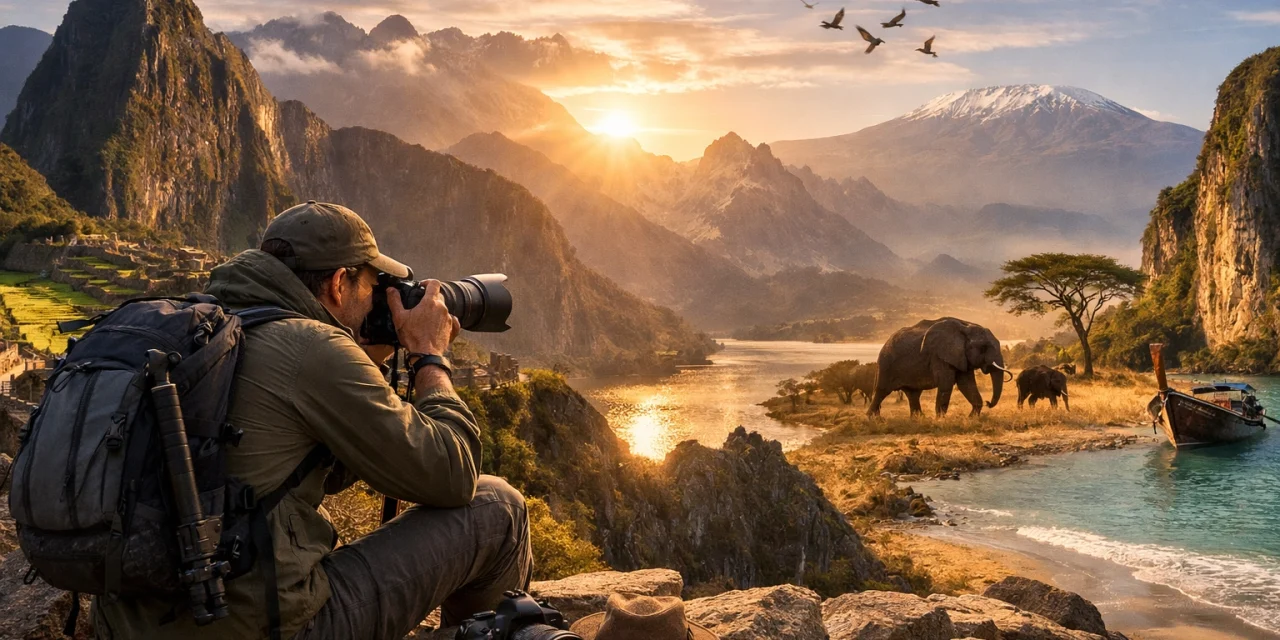
There is something undeniably magical about packing a bag, grabbing your camera, and heading out into the unknown. Whether you are trekking through the vibrant streets of Tokyo or capturing the sunrise over the Grand Canyon, travel photography is about more than just "taking pictures." It’s about storytelling, preservation, and seeing the world through a lens of curiosity.
At Photoguides, we believe that anyone can capture world-class images if they have the right mindset and a few key techniques up their sleeve. In this guide, we’re going to break down everything you need to know to level up your travel photography game in 2026: from the gear that matters to the AI trends changing the industry.
Mastering the Fundamentals: It’s Not Just the Gear
Before we talk about the latest mirrorless bodies or drone tech, we have to talk about the "why" behind the shot. Even the most expensive camera won't help if the composition is cluttered or the lighting is flat. As Edin Chavez often says on his blog, the best camera is the one you know how to use.
Clarify Your Subject
One of the biggest mistakes travelers make is trying to fit too much into a single frame. Before you press the shutter, ask yourself: What is the hero of this photo? Is it the texture of an ancient door in Italy, or the scale of the mountain behind it? By simplifying your frame, you give the viewer's eye a place to rest.
The Power of Leading Lines
Nature and architecture are full of "paths" for the eye. Roads, rivers, or even the shadows cast by a skyscraper act as leading lines. Use them to draw your audience toward your main subject. If you’re exploring Miami’s hidden speakeasies, for example, use the long, neon-lit hallways to create a sense of mystery and depth.
Rule of Thirds and Beyond
Most cameras (and even your iPhone) have a grid overlay. Use it. Placing your subject on the intersections of those lines: rather than dead center: creates a more dynamic and professional-looking shot. However, don’t be afraid to break the rules once you understand them. Symmetry can be just as powerful in the right setting.

Finding the Best Photography Locations
In 2026, everyone is looking for that "perfect" shot, which means the most popular spots are often crowded. To truly succeed, you need to balance the "must-sees" with hidden gems.
Scouting for Photo Spots Near Me
You don't always have to fly across the ocean to find incredible content. Sometimes the best photography locations are right in your backyard. Whether you are looking for restaurants in downtown Golden or the perfect breakfast places in Cape Coral, treat your local environment with the same curiosity you’d bring to a trip abroad.
Global Hidden Gems
When you do travel, do your homework. Instead of just hitting the main tourist plazas, look for "hidden gems" or "photo spots near me" on local forums. For instance, if you’re deciding between the Dominican Republic vs Cancun, look for the smaller fishing villages or cenotes that haven't been over-saturated on social media yet.
For inspiration on high-end landscape and travel shots, I highly recommend checking out Edin Fine Art. Seeing how a professional frames a familiar location can give you a completely new perspective.
Essential Gear for 2026: What’s in the Bag?
The "light and fast" philosophy has officially taken over travel photography. Heavy DSLRs are becoming a rarity as mirrorless technology and smartphone sensors continue to bridge the gap.
- The Mirrorless Workhorse: A 24-70mm lens paired with a full-frame mirrorless body is the gold standard. It’s versatile enough for landscapes and tight enough for street portraits. If you're looking for recommendations, check out our camera reviews.
- The Pro Smartphone: Don't sleep on iPhone photography. With the computational power available in 2026, your phone is a legitimate tool for professional-grade travel photography, especially for social media and quick street shots.
- Drones: A sub-250g drone is a travel essential. It allows you to get perspectives that were once only possible with a helicopter.
- Support Systems: A lightweight carbon fiber tripod or a versatile GorillaPod is non-negotiable for long exposures or self-portraits.
For a deeper dive into what you should carry, our guide on essential photography gear covers everything from bodies to the best bags to keep your gear safe.

Advanced Techniques: Elevating Your Portfolio
Once you’ve mastered the basics, it’s time to experiment. These travel photography tips will help your work stand out in a crowded digital landscape.
Long Exposure for Mood
Capturing the motion of water or clouds can transform a standard travel photo into a piece of fine art. Use a Neutral Density (ND) filter to slow down your shutter speed during the day. This is particularly effective when shooting coastal scenes or busy city intersections where you want to turn pedestrians into a ghostly "blur." If the sky isn't cooperating, you can always enhance the mood afterward with professional sky overlays.
Mastering Light
Lighting is the soul of photography.
- Golden Hour: The hour after sunrise and before sunset provides that soft, warm glow every photographer dreams of.
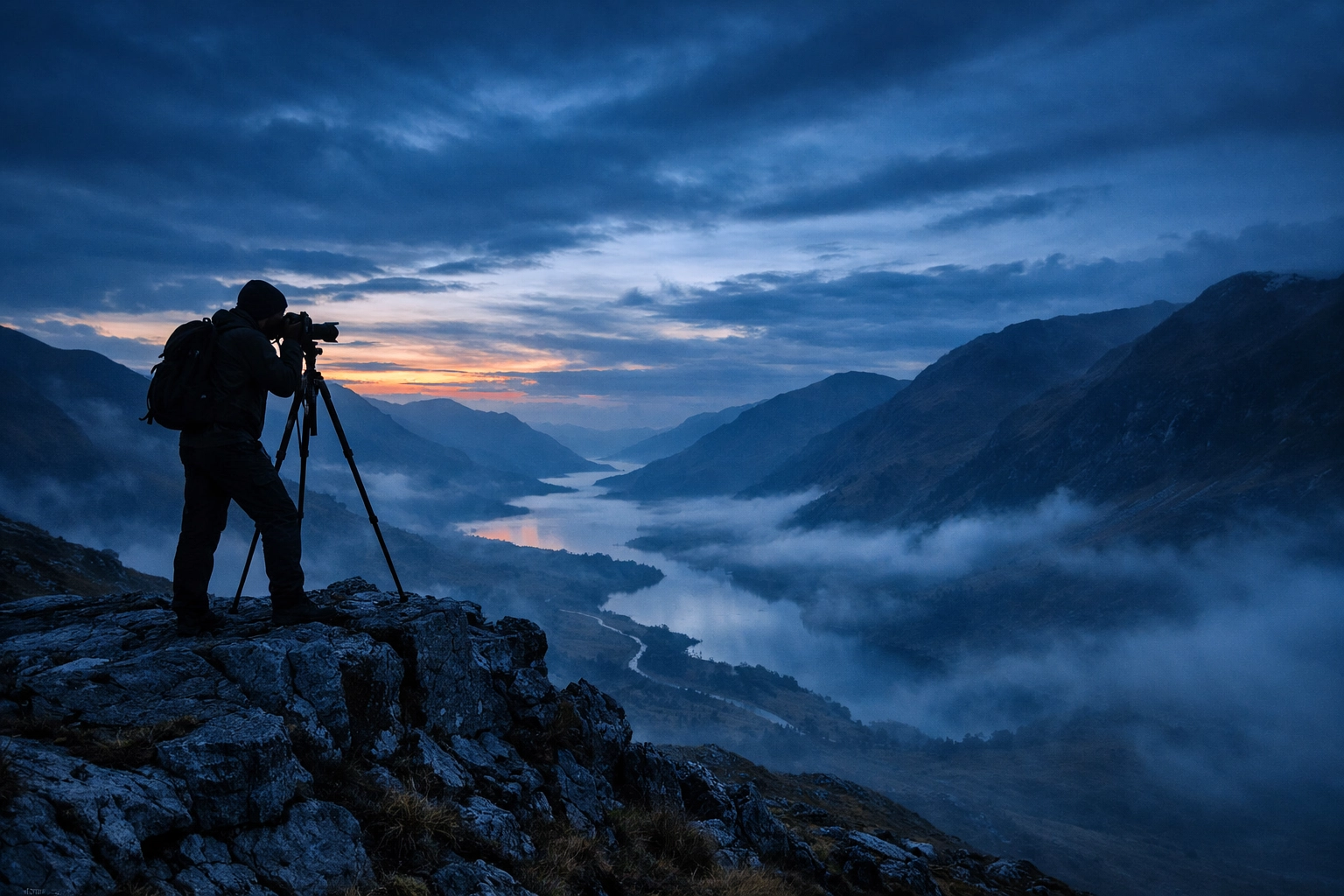
- Blue Hour: The period just before sunrise or after sunset is perfect for cityscapes, as the artificial lights of the city balance perfectly with the deep blue of the sky.
- Overcast Days: Don’t pack your camera away just because it's cloudy! Flat light is actually the best for portraits and forest photography because it eliminates harsh shadows.
Drone Photography Workflow
When flying a drone, height isn't always your friend. Sometimes, being just 20-30 feet up provides a better "top-down" perspective of textures like waves or forest canopies than being 400 feet in the air.
The Future: AI Photography Trends in 2026
We can't talk about photography today without addressing the elephant in the room: Artificial Intelligence. AI is no longer a futuristic concept; it’s a tool integrated into every step of the process.
AI in Post-Processing
From noise reduction to sky replacement, AI allows us to fix "technical" errors that would have ruined a shot five years ago. However, the goal should always be to enhance the reality you captured, not to manufacture a fake one.
Authentic Art vs. AI-Generated Images
There is a growing movement toward "Authentic Art." As AI becomes more capable of generating images from scratch, the value of a real photo taken by a real person in a real place is skyrocketing. People want to know that you actually stood on that cliffside at 4:00 AM. Authenticity is your most valuable currency as a travel photographer.
Practical Travel Tips for Photographers
Being a great photographer also means being a smart traveler. Here are a few "boots on the ground" tips to keep you moving:
- Safety First: Always keep your gear in a non-descript bag. Avoid bags that scream "expensive camera inside."
- Insurance: This is critical. Make sure your gear is covered for theft and accidental damage abroad.
- Backup Your Work: Use a portable SSD and, if possible, cloud backup. We’ve all heard the horror stories of lost SD cards: don't let that be you. You can find more educational resources on our site about digital asset management.
- Local Etiquette: Always ask before taking portraits of locals. A smile and a nod go a long way, and sometimes a small conversation leads to a much better photo.
Final Thoughts: Just Keep Shooting
Travel photography is a journey, not a destination. You will have days where the light is perfect and days where it pours rain. You’ll have shots that win awards and hundreds that end up in the trash. That is all part of the process.
The most important thing is to stay curious. Whether you’re capturing wedding photography insights or just taking photos on a cheap weekend getaway, every shutter click is a lesson learned.
At Photoguides, we’re here to support you every step of the way. If you need more help with your gear or finding the next great spot, don't hesitate to explore our reviews or download our latest resources. Now, get out there and show the world what you see.