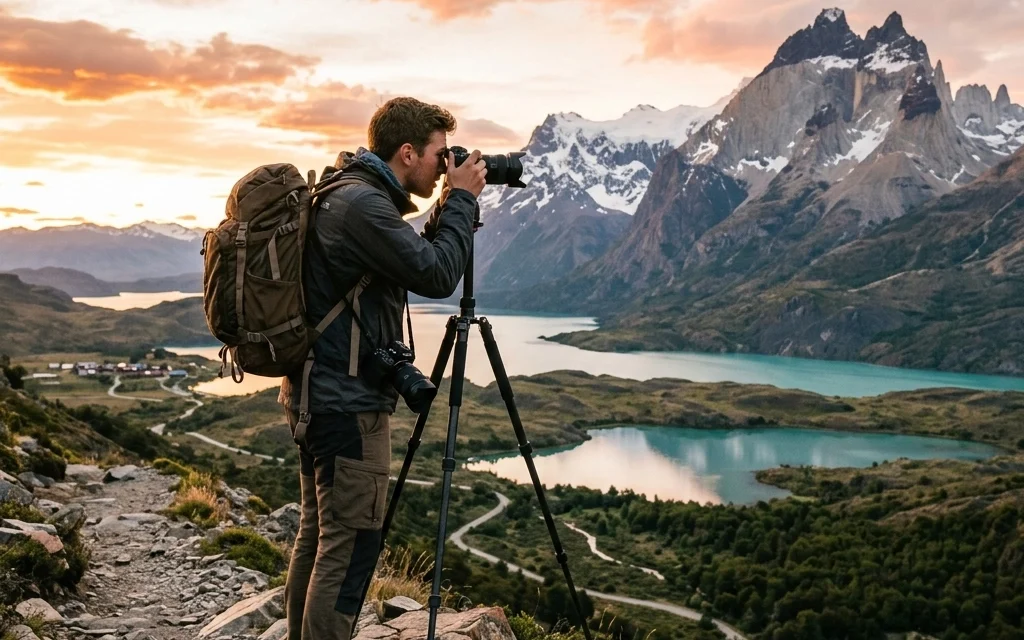
Travel photography has undergone a massive transformation over the last few years. If you look back at how we shot things in 2024 or even 2025, the focus was often on perfection: the perfectly centered landmark, the oversaturated sunset, and the "ideal" vacation shot. But as we move through 2026, the vibe has shifted.
Today, it’s all about storytelling, emotion, and authenticity. People don't just want to see a photo of the Eiffel Tower; they want to feel the crisp morning air and hear the distant sound of a local accordion player. At Photoguides, we believe that travel photography is more than just a hobby: it’s a way to document your personal journey through the world.
Whether you’re looking for the best photography locations or trying to figure out how to integrate AI photography trends into your workflow without losing your soul, this guide is for you.
The Philosophy of Travel Photography in 2026
The most important thing to remember this year is that "perfect" is boring. We’ve all seen the AI-generated landscapes that look flawless but feel empty. To succeed in 2026, you need to lean into the human element.
When you’re out exploring, look for the "in-between" moments. Instead of standing in line for the same shot everyone else is taking, turn your camera 180 degrees. What’s happening behind the crowd? A local merchant setting up shop? A street dog napping in a patch of sunlight? These are the moments that tell a real story.
Adding a human element is also key. Whether it’s a silhouette of a friend walking into a vast landscape or a candid shot of a chef in a bustling kitchen, humans provide scale and relatability. If you're looking for inspiration on how to capture these emotive scenes, check out Edin’s Fine Art for some incredible examples of visual storytelling.
Essential Gear for the Modern Nomad
In 2026, the best camera is still the one you have with you, but the tools at our disposal have become incredibly sophisticated. We’re seeing a split between the "minimalist mobile" crowd and the "high-end purists."
The Rise of the Compact Full-Frame
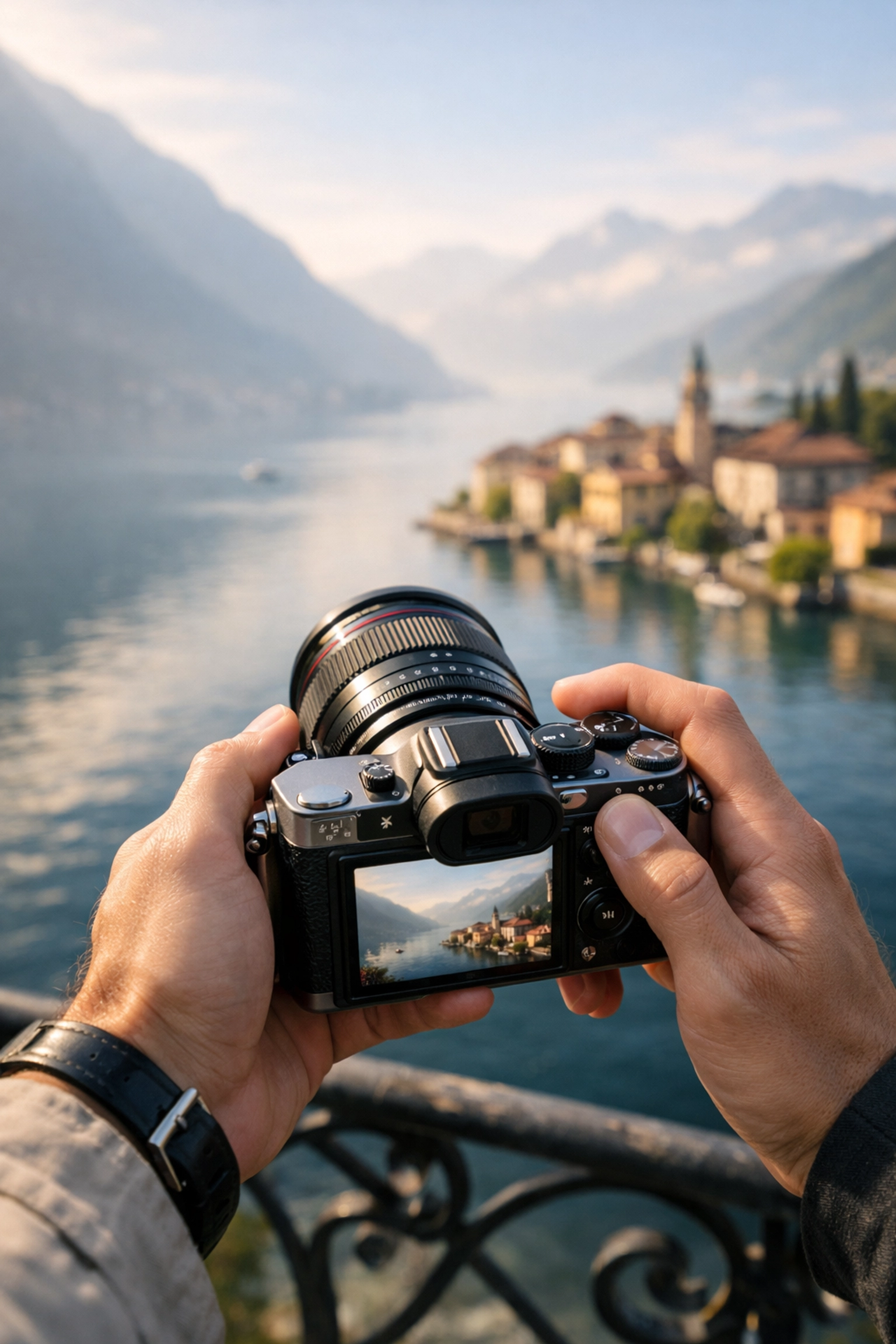
Mirrorless cameras have become smaller and more powerful than ever. If you want professional results with a small footprint, cameras like the Sony A7C series or the Fujifilm X100VII are the gold standard. When choosing your kit, focus on essential photography gear that offers weather sealing. You never know when a sudden downpour in the rainforest will provide the shot of a lifetime.
The iPhone Revolution
Don't sleep on your smartphone. In 2026, iPhone photography is more than just a backup. With advanced computational photography, you can capture RAW files that hold a surprising amount of detail. If you want to give your mobile shots a more cinematic, high-end feel, consider using something like the Module 8 lens adapter. It adds a characteristic "look" to your footage and photos that digital filters just can't replicate.
Finding Hidden Gems and Local Photo Spots
Finding photo spots near me used to mean checking a popular app and following the blue dot. Today, savvy photographers are looking for hidden gems.
While everyone is flocking to the usual suspects, try exploring areas that offer a bit more character. For instance, if you find yourself in Virginia, skip the standard monuments and check out the breweries in Williamsburg, VA for some gritty, atmospheric lifestyle shots. Or, if you’re in Florida, the breakfast places in Cape Coral offer amazing morning light and a relaxed coastal vibe.
When searching for the best photography locations, research is your best friend. Look at destination hashtags, but also dive into local blogs. At Photoguides, we’ve put together a variety of resources to help you find those "off-the-beaten-path" spots.
Advanced Techniques: From Drones to Long Exposure
To really stand out in 2026, you need to master a few technical skills that go beyond the "auto" button.
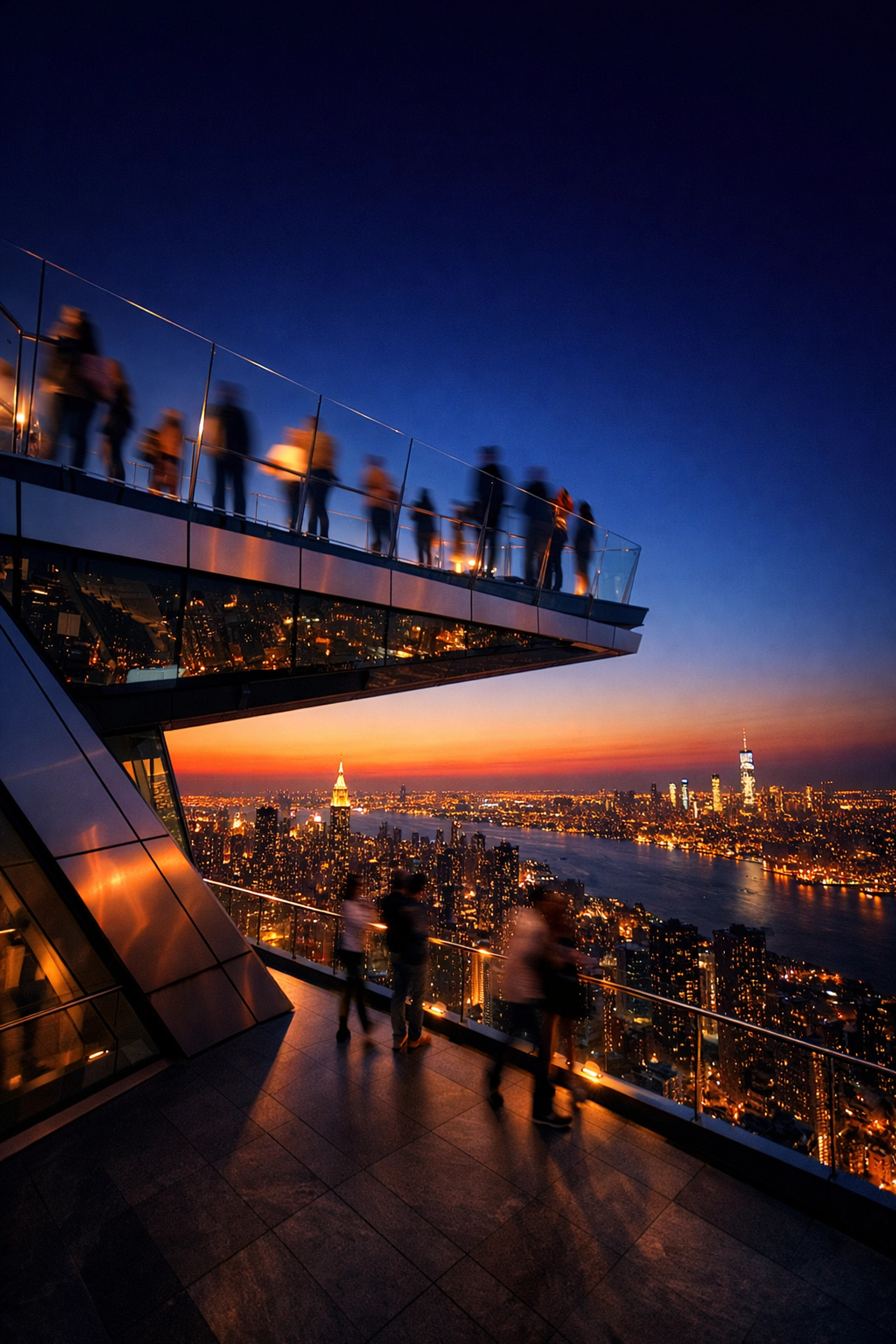
- Long Exposure: This isn't just for waterfalls anymore. Use long exposure in crowded cities to turn people into ghostly blurs, emphasizing the frantic energy of a place like Tokyo or New York.
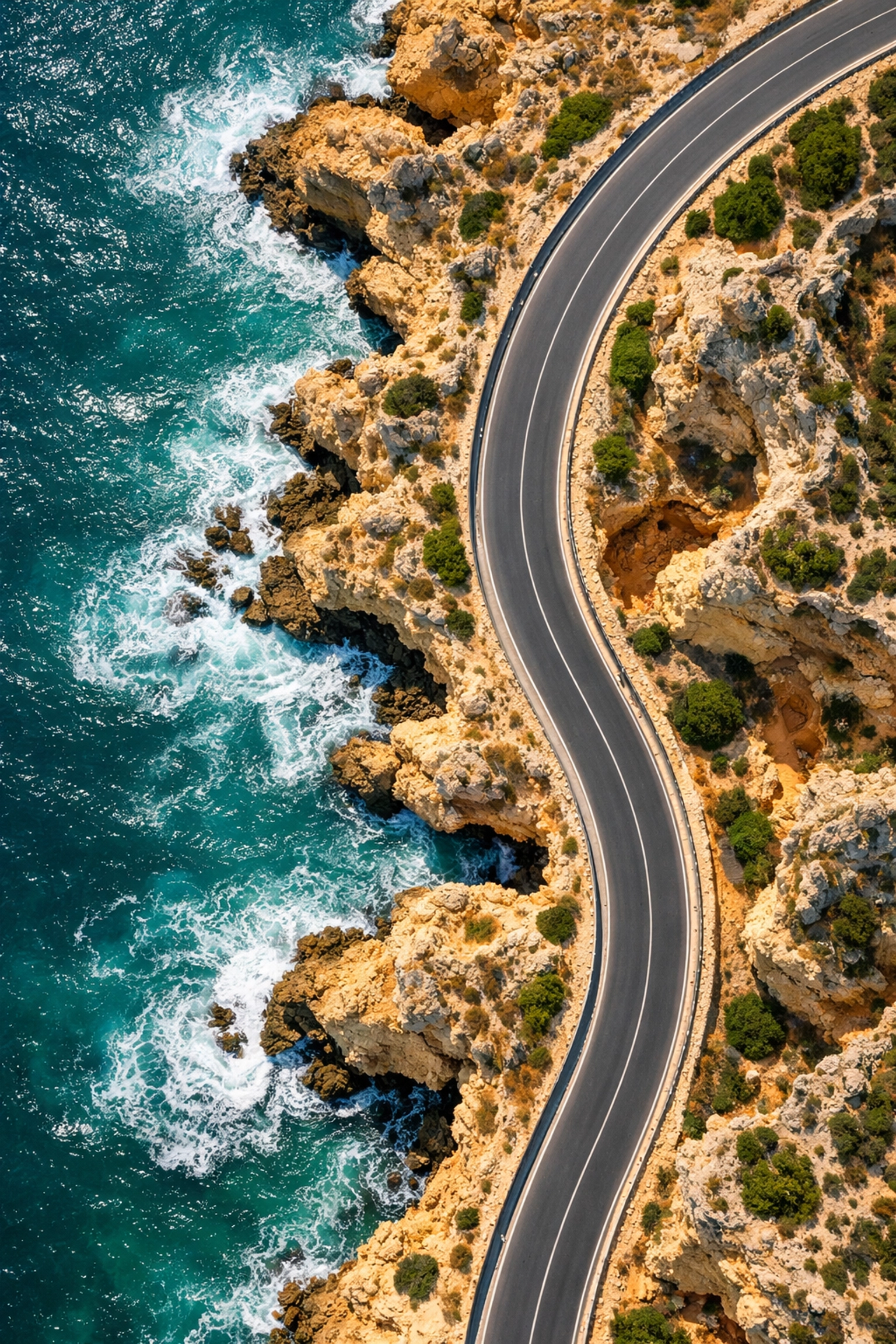
- Drone Photography: Drones in 2026 are quieter and more intelligent. Use them to capture unique perspectives that were previously impossible. Think top-down "flat lay" shots of winding roads or local markets.
- The "Golden Hour" Strategy: It’s a classic for a reason. The hour after sunrise and the hour before sunset provide a soft, warm light that makes everything look high-end. If you're struggling with harsh midday sun, try finding some restaurants in downtown Golden and wait for the light to drop.
AI in Photography: Friend or Foe?
One of the biggest conversations this year is the role of AI. At Photoguides, we believe AI should be a tool, not a replacement.
AI photography trends in 2026 focus on workflow efficiency. Use AI for tedious tasks like culling thousands of images or removing a stray power line from a beautiful landscape. However, be careful with generative AI. Authenticity is the currency of 2026. If you’re replacing entire skies or adding elements that weren't there, you're creating digital art, not photography.
That said, subtle enhancements are great. If you have a dull sky but a perfect composition, using high-quality sky overlays can help you realize the vision you had in your head at the moment of capture. For more deep dives into the technical side of things, Shut Your Aperture is a fantastic community resource to keep your skills sharp.
Planning Your 2026 Trips
Preparation is 90% of the work. Before you even pack your bag, you should have a "shot list" in mind. This isn't a rigid schedule, but a guide to ensure you don't miss the essentials.
- Scout Virtually: Use satellite maps to see how the sun hits a specific building at 7:00 AM.
- Check the Weather: Some of the best photos happen in "bad" weather. Fog, rain, and storms add drama.
- Booking Experiences: Sometimes the best shots require access. Consider a photography booking experience to get into spots that are usually closed to the public.
If you’re debating between destinations, like Dominican Republic vs Cancun, think about the visual aesthetic you want. Cancun offers vibrant turquoise waters and ruins, while the DR provides rugged mountains and colonial architecture.
Editing and Post-Processing
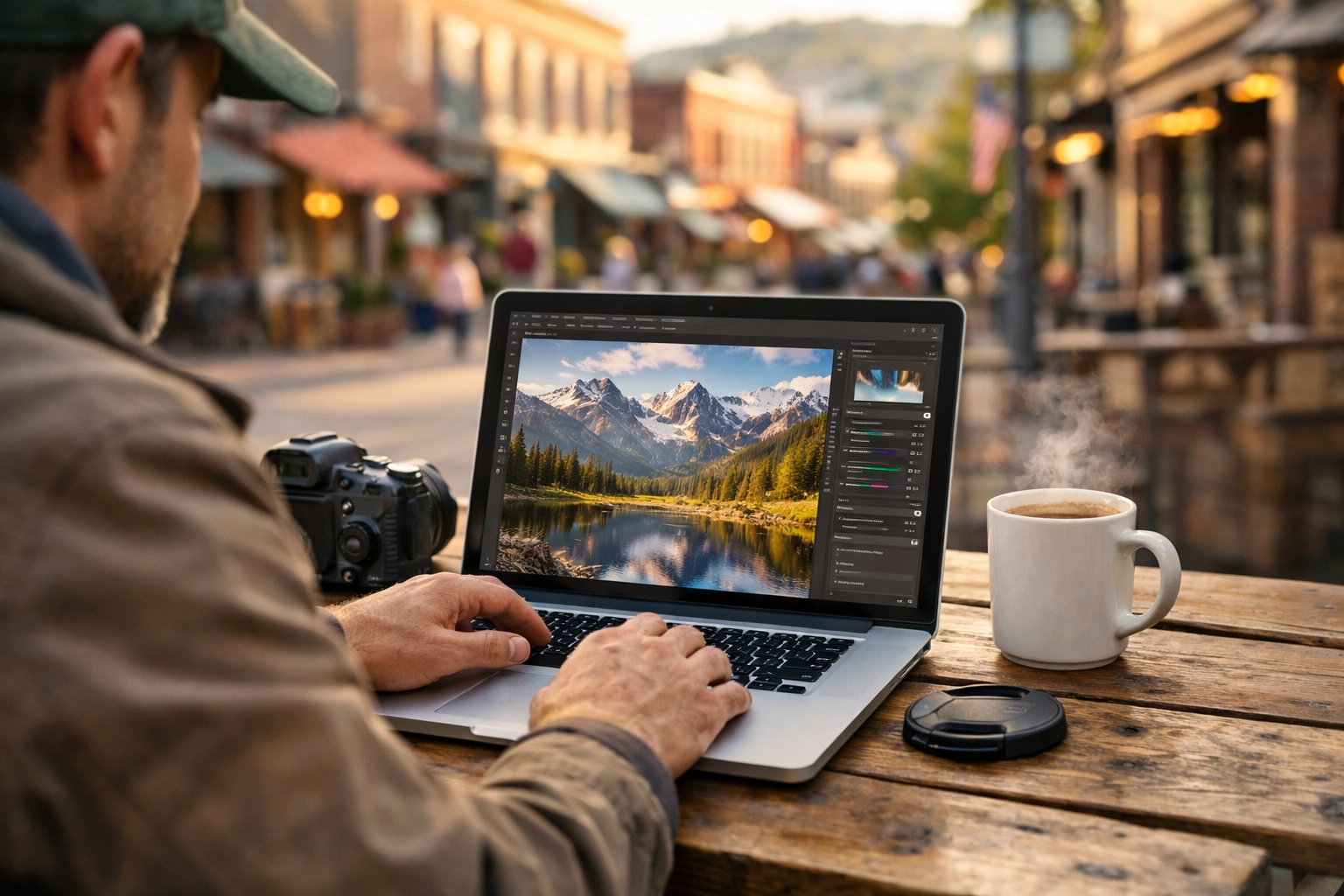
In 2026, the trend is "natural." We are moving away from the heavy, moody presets of the early 2020s. The goal now is to make the photo look like how you remember it feeling.
Keep your contrast soft and your colors true to life. If you're looking to speed up your workflow, you can download some of our refined presets that are specifically designed for the 2026 aesthetic.
Remember, consistency is key to a professional portfolio. Whether you're shooting an Atlanta event or a landscape in the Alps, maintaining a similar color palette helps define your brand as a photographer.
Final Thoughts from Edin Chavez
At the end of the day, travel photography is about the joy of discovery. Don't get so caught up in the settings and the gear that you forget to look up and enjoy where you are. The best photo you’ll ever take is the one that brings back the exact feeling of being in that moment.
For more tips, tricks, and deep dives into the world of photography, keep an eye on Edin’s Blog. We’re constantly updating our guides to make sure you have everything you need to succeed.
So, grab your camera, book that cheap weekend getaway, and go capture something beautiful. The world is waiting for your perspective.