
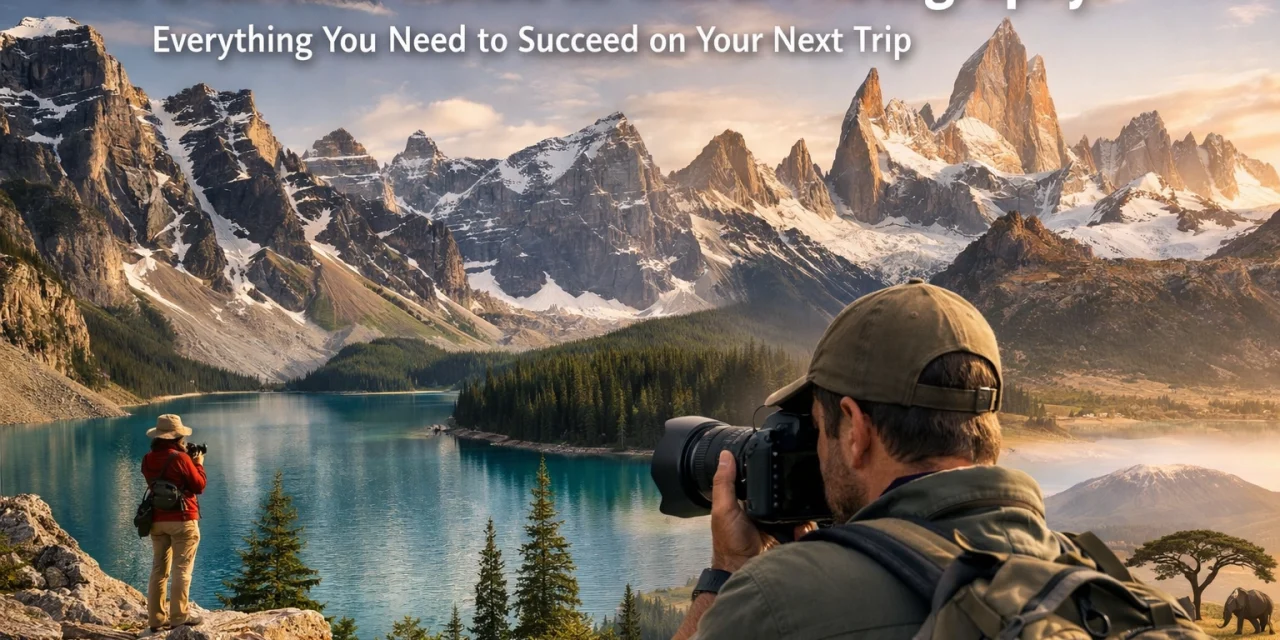
There is something transformative about landing in a new city, camera in hand, as the first light of dawn hits the pavement. I’ve spent years chasing that light across continents, and if there’s one thing I’ve learned, it’s that travel photography is so much more than just "taking pictures." It’s about storytelling, patience, and, honestly: a bit of technical wizardry.
Whether you are walking through the neon-soaked streets of Tokyo or capturing the quiet majesty of a National Park, the goal is always the same: to bring home a piece of that magic. In this guide, we’re going to dive deep into how to elevate your travel photography in 2026, from the gear you actually need to the AI trends that are changing the game.
Scouting the Best Photography Locations
The secret to a great photo often starts weeks before you even pack your bags. We’ve all seen the "postcard" shots, but the real soul of a destination usually lies in the hidden gems. When I’m planning a trip, I don't just look for the most popular spots; I look for the most interesting spots.
If you find yourself searching for "photo spots near me" while on the road, lean on tools like Google Earth, Instagram’s "Recent" tab, and specialized community maps. However, don’t be afraid to wander. Some of my favorite shots have come from taking a wrong turn in a place like Miami’s hidden speakeasies or stumbling upon a quiet brewery in Williamsburg, VA.
Pro Tip: Use the "Golden Hour" to your advantage. In 2026, we have incredible apps that can predict exactly where the sun will hit a specific building at 6:42 AM. Use them. There is no substitute for that soft, warm glow.
Gear Guide for 2026: What’s in My Bag?
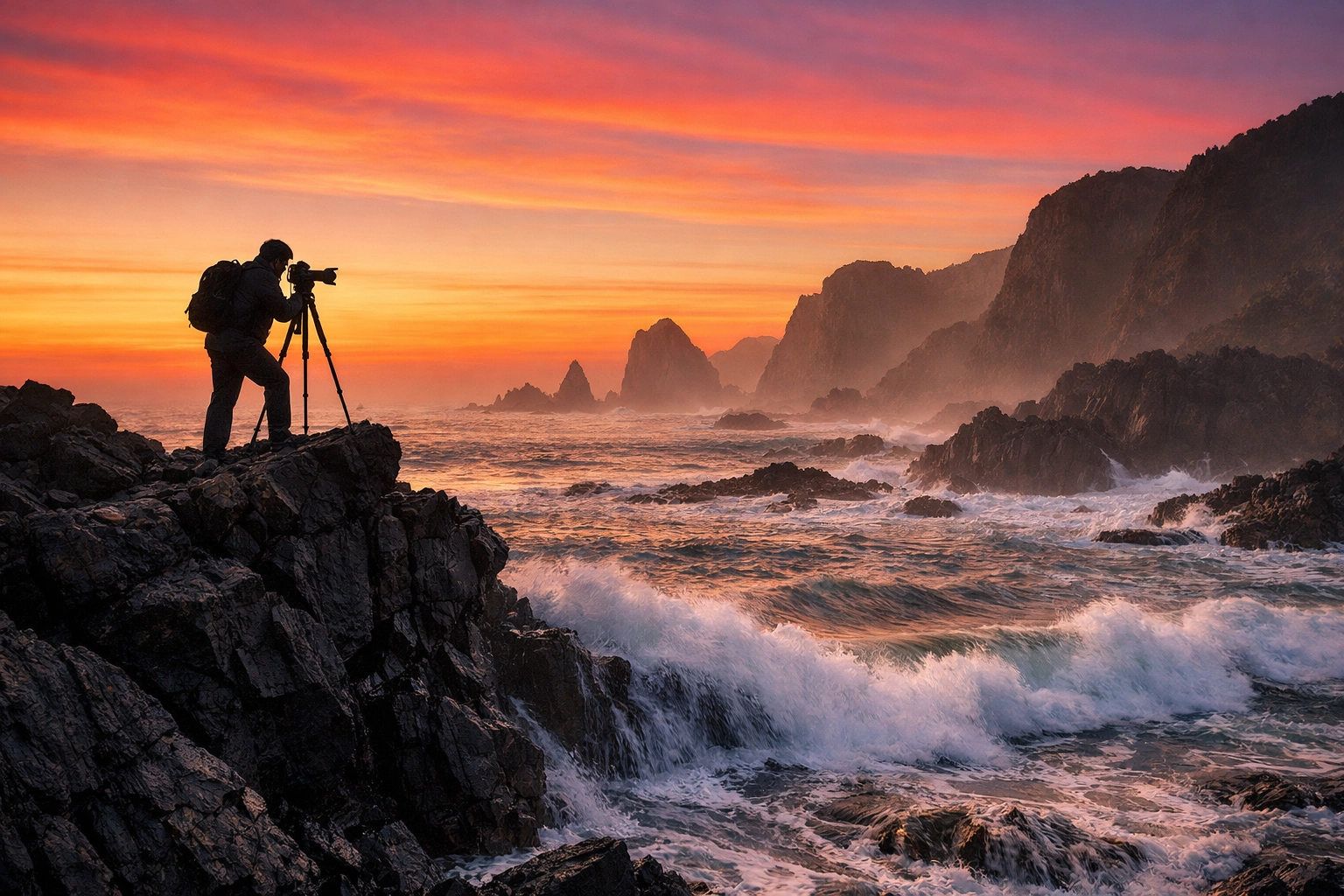
The "best" camera is the one you have with you, but let’s be real: having the right tools makes a difference. In 2026, the trend has shifted heavily toward "light and powerful." We are seeing mirrorless cameras that are half the size of their predecessors but with double the dynamic range.
- The Mirrorless Workhorse: A full-frame mirrorless body remains the gold standard for travel. It’s light enough for a hike but powerful enough for a billboard. You can check out my latest camera reviews to see which models are leading the pack this year.
- The All-in-One Zoom: If I could only take one lens, it would be a 24-70mm f/2.8. It handles everything from wide landscapes to intimate street portraits.
- Drones: Modern drones are now the size of a smartphone. They offer a perspective that was once reserved for those with a helicopter budget.
- The Smartphone: Don’t sleep on iPhone photography. The computational power in current models is staggering, often outperforming dedicated cameras in tricky high-contrast scenes.
For a full breakdown of what I recommend for any budget, take a look at our essential photography gear list.
Mastering Advanced Techniques
Once you have the gear and the location, it’s time to talk technique. Travel photography often requires you to be a jack-of-all-trades. You’re a landscape photographer at sunrise, a street photographer at lunch, and a long-exposure expert at night.
Long Exposure and Filters
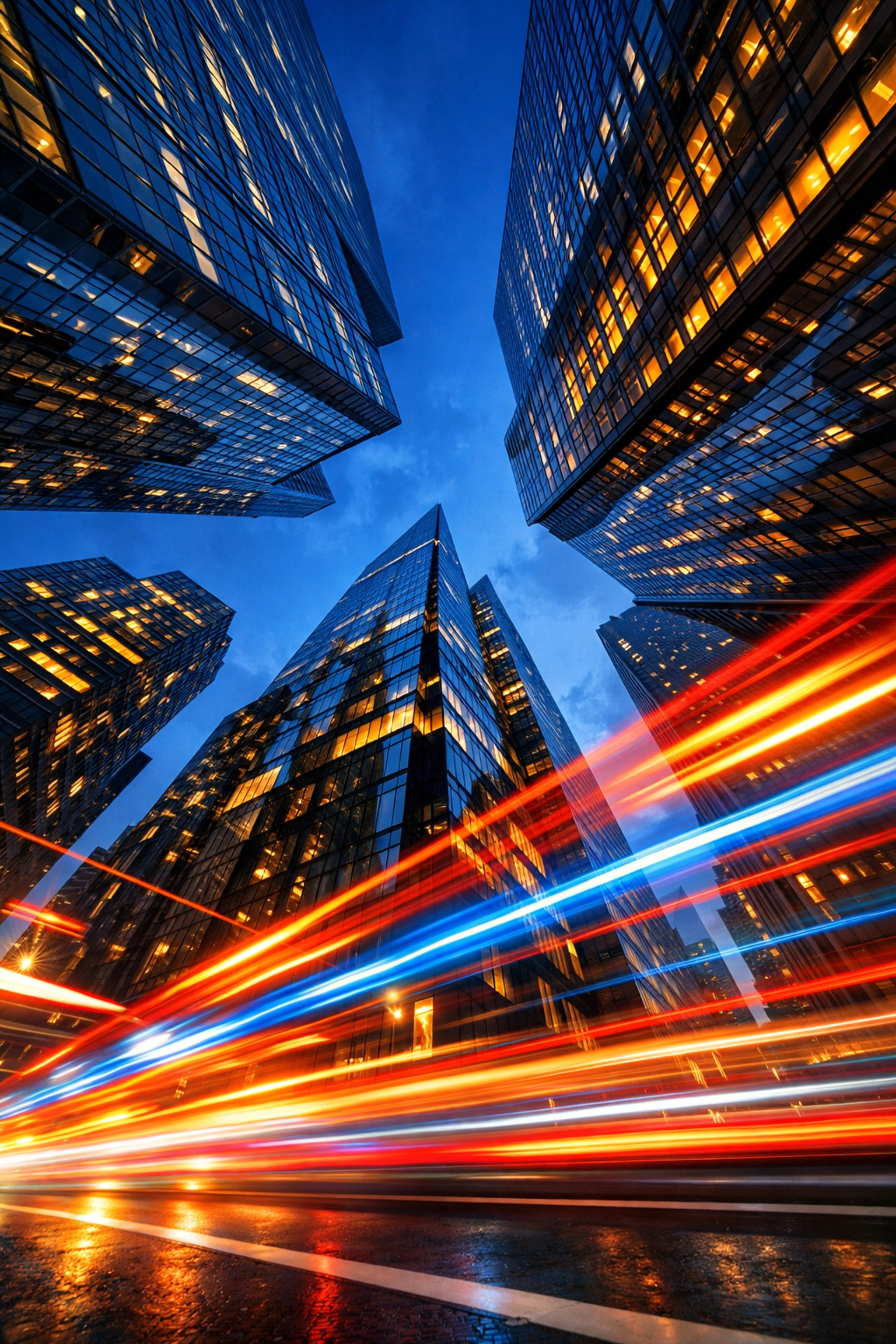
To get those silky-smooth waterfalls or light trails in a bustling city, you need to master long exposure. This requires a sturdy tripod and often a Neutral Density (ND) filter to cut down the light entering the lens. If the sky isn't cooperating during your shoot, you can always enhance the mood later using high-quality sky overlays.
The Power of Perspective
Stop shooting from eye level. It’s the most common mistake I see. Get low to the ground to emphasize leading lines or find a high vantage point to show the scale of a city. This is especially effective when capturing architecture or grand events: something I focus on heavily as an Atlanta event photographer.
AI and the Future of Photography
It’s 2026, and we have to talk about the elephant in the room: AI. There is a lot of debate about authentic vs. AI art, but in travel photography, I see AI as a powerful collaborator rather than a replacement.
AI is now integrated into our cameras for autofocus tracking that can recognize everything from a rare bird to a fast-moving train. In post-processing, AI helps us remove distracting power lines or denoise a shot taken at ISO 12800 in a dark cathedral.
However, the "soul" of the photo: the composition, the timing, and the emotional connection: still belongs to you. I often showcase my most "human" captures at Edin Fine Art, where the focus is on the raw beauty of the world that AI simply can't replicate from scratch.
Capturing Culture: Food, People, and Stories
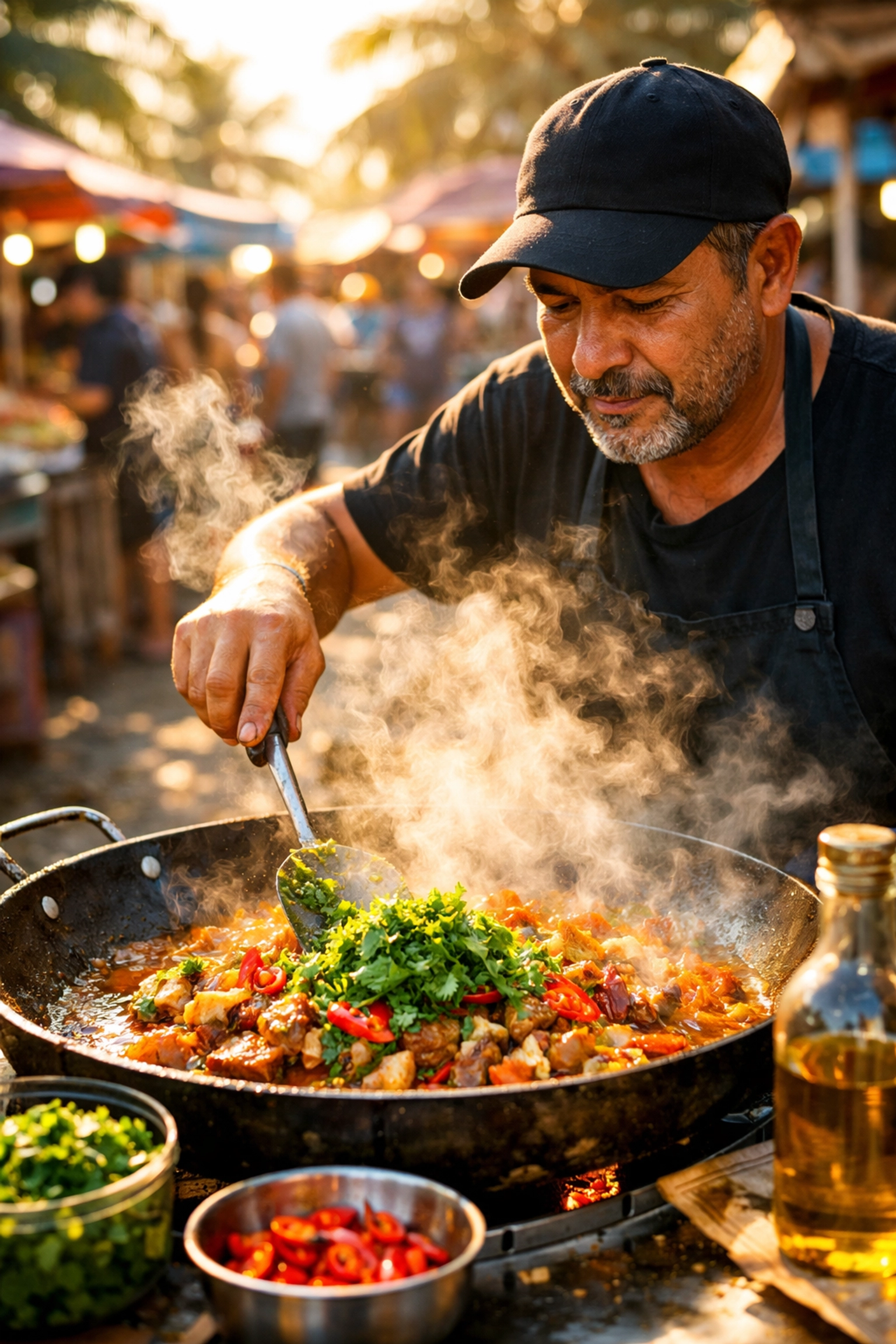
Travel photography isn't just about sunsets; it's about the people you meet and the food you eat. Some of the most evocative photos are the ones that make you "smell" the image. Whether you're documenting the vibrant colors of breakfast places in Cape Coral or the gritty atmosphere of food places in Jackson, TN, these shots provide context to your journey.
When photographing people, always be respectful. A smile and a nod go a long way. If you want a portrait, ask. Most people are happy to be part of your story if you treat them with dignity. This approach is something I discuss frequently on my personal blog at Edin Chavez's Blog.
Practical Tips for Your Next Trip
Before you head out on your next adventure: perhaps comparing the tropical vibes of Dominican Republic vs. Cancun: here are a few final pieces of advice:
- Backup Your Work: Don't wait until you get home. Use portable SSDs or cloud uploads to ensure your memories are safe.
- Shoot in RAW: This gives you the maximum amount of data to work with during editing.
- Be Present: Put the camera down occasionally. The best memories aren't always on a memory card; they’re in your head.
- Learn the Basics: If you're just starting, our educational category has everything you need to understand the exposure triangle and composition.
Travel photography is a journey, not a destination. It’s about the mistakes you make, the early mornings that don’t pan out, and the one split second where everything aligns perfectly.
Final Thoughts
As you plan your next getaway: maybe even a few cheap weekend getaways to practice your skills: remember that your unique perspective is your most valuable asset. The world doesn't need another identical photo of the Eiffel Tower; it needs to see how you see the world.
If you're looking to take your skills to the next level, I highly recommend checking out our photography booking experience for hands-on learning, or simply browse our Photo Guides for more inspiration.
Safe travels, and keep shooting. The world is waiting for your view.
For more tips, gear reviews, and deep dives into the world of photography, visit us at Photoguides.org.













